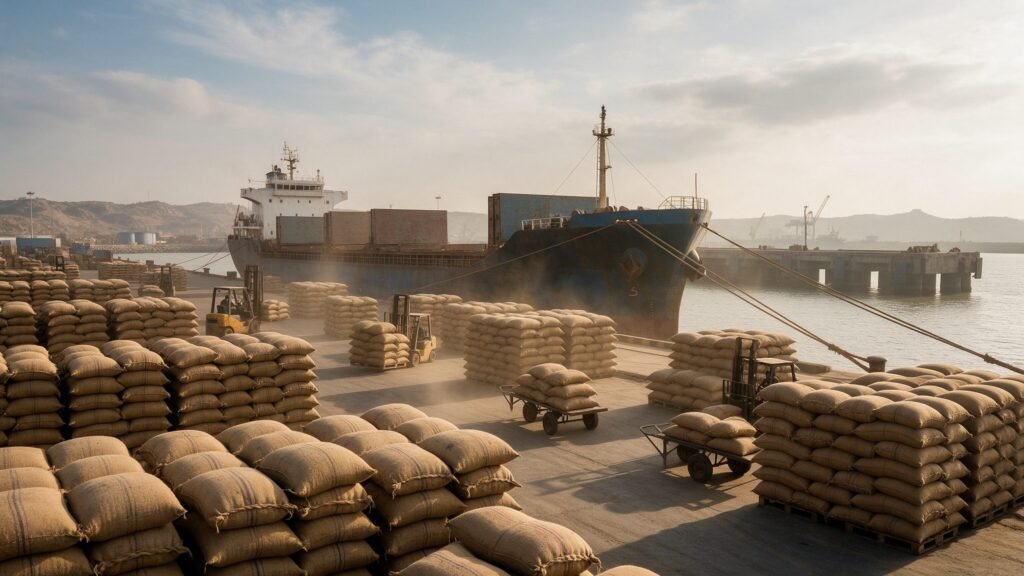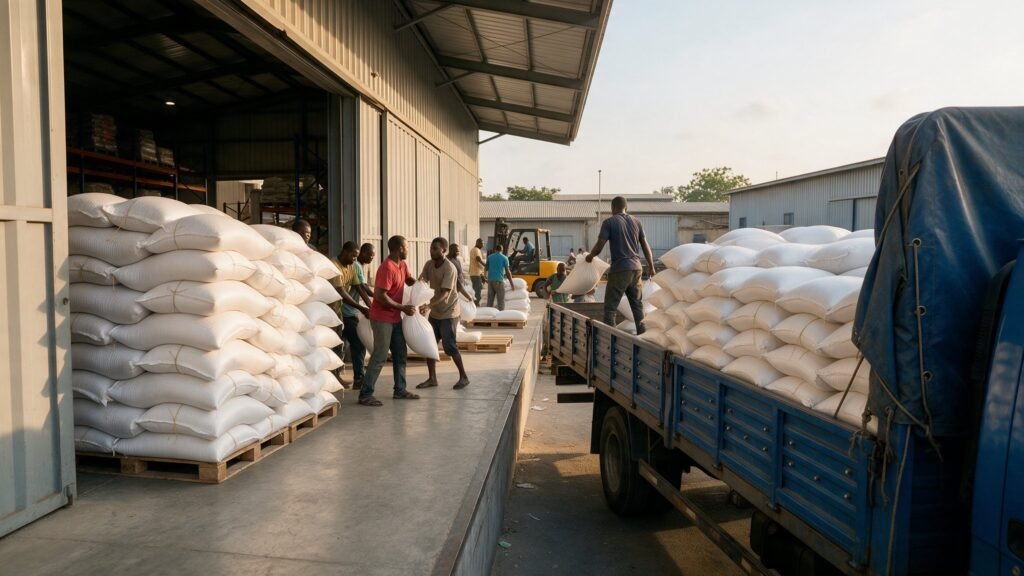
When sourcing rice for the import market, importers face a fundamental choice between white label and private label models. Both approaches allow you to sell rice under your own brand, but they differ sharply in control, cost, and market positioning. White label rice is a pre-packaged product from a manufacturer that you rebrand with your logo, while private label rice is produced to your exact specifications and sold exclusively under your brand. Understanding this distinction shapes everything from your minimum order quantities to your ability to compete in Dubai, Riyadh, or Doha.
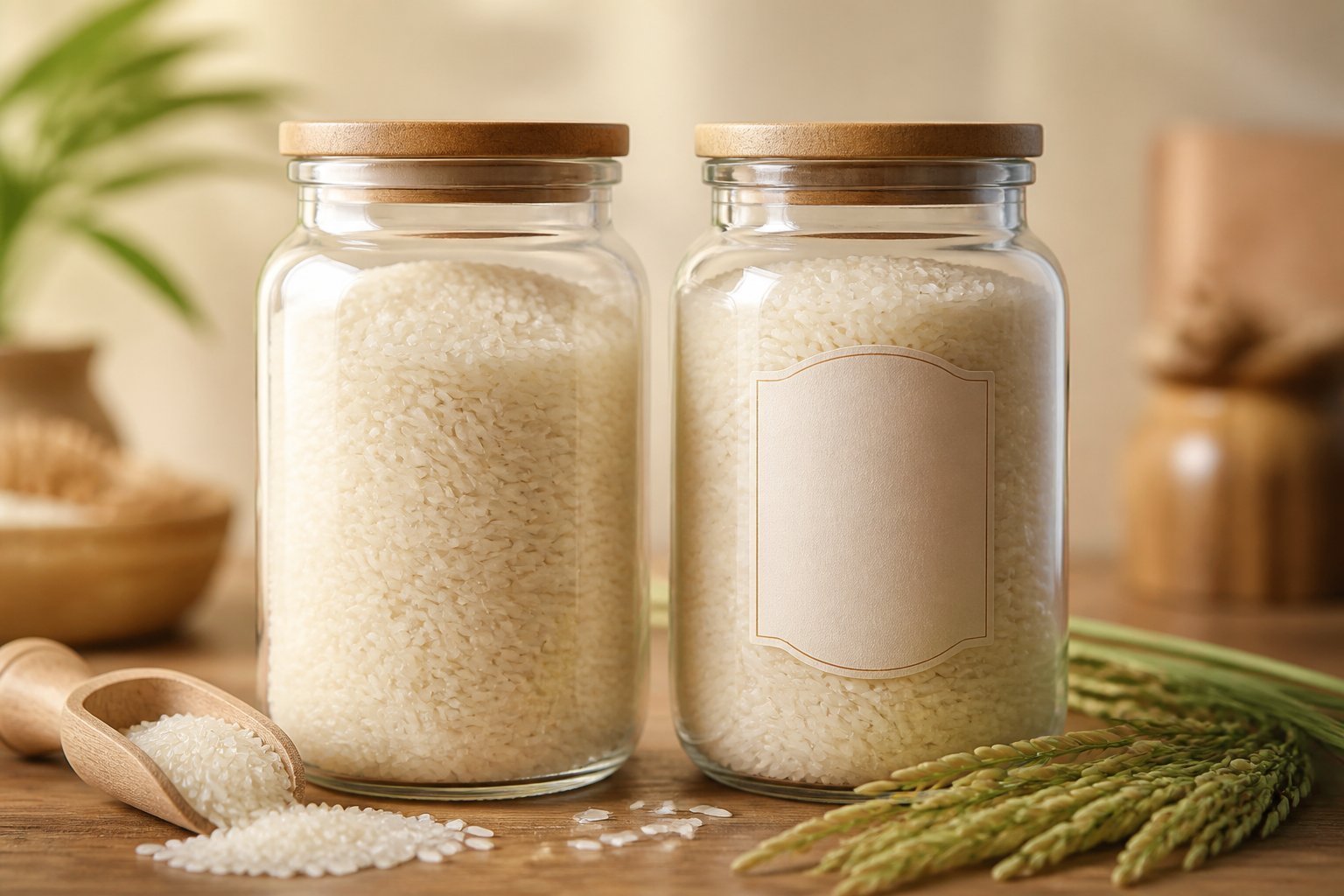
The difference matters more than ever for procurement teams. Private label typically performs better long-term because it offers exclusivity and supports stronger brand positioning. White label gets you to market faster with lower upfront costs, but your competitors can source identical rice from the same mill. For importers bringing Pakistani basmati or sella rice into Gulf markets, this choice determines whether you build a defensible brand or compete solely on price.
Rice importers working with certified Pakistani suppliers have both options available. Mills that meet ISO 22000:2018, HACCP, and Halal standards can deliver either white label stock products or private label rice tailored to the region consumer preferences. The right model depends on your budget, timeline, and whether you need a commodity product or a differentiated offering that protects your margins across the region.
Key Takeaways
- White label rice offers faster market entry and lower costs, while private label provides exclusivity and stronger brand control
- Private label requires higher minimum order quantities and upfront investment but protects against direct competition
- Most successful the region rice brands start with white label to test demand, then shift top sellers to private label for long-term differentiation
What’s the difference between white label and private label rice?
Defining white label and private label in the rice industry:
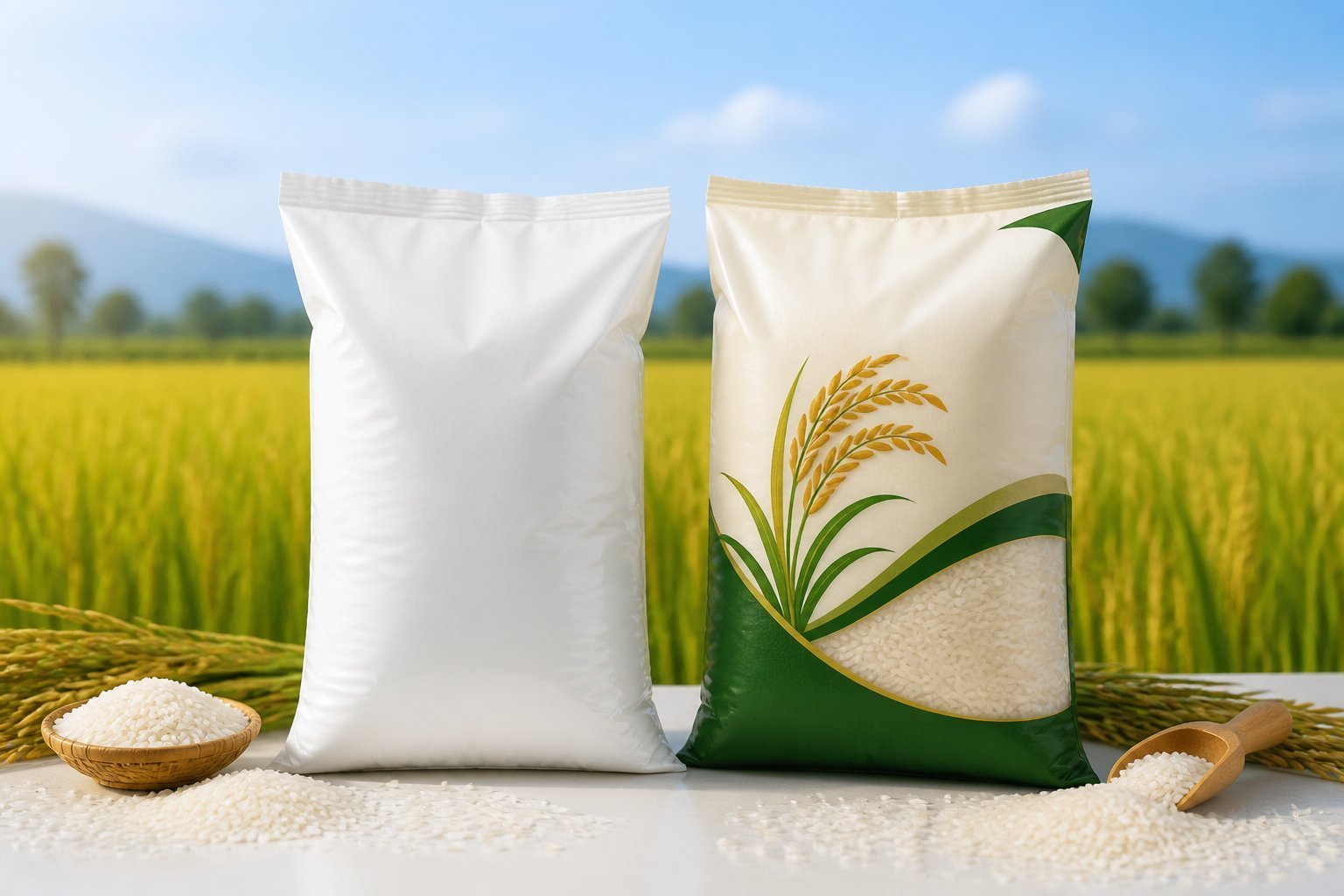
Rice manufacturers and distributors use two primary branding models to bring products to market. White label rice involves generic products that multiple retailers can rebrand, while private label rice is produced exclusively for a single retailer under their unique brand name.
What Is White Labeling for Rice?
White label rice refers to pre-packaged rice products manufactured without distinct branding. A single rice mill or distributor produces these products in bulk, then sells them to multiple retailers who add their own labels and branding.
Key characteristics of white-label products include:
- Generic packaging that accepts any retailer’s branding
- Multiple retailers selling identical rice from the same source
- Lower initial investment for retailers
- Faster market entry with established supply chains
- No exclusive agreements between manufacturer and seller
Pakistani rice mills often produce white label basmati and long-grain varieties that meet international certifications. Retailers purchase these certified products and apply their own packaging designs. This model works well for businesses seeking quick market entry without developing unique rice specifications.
The manufacturer maintains consistent quality standards across all white label batches. ISO 22000:2018 and HACCP certifications ensure food safety regardless of which retailer’s label appears on the package.
Understanding Private Labeling of Rice
Private label rice is produced exclusively for one retailer under their specific brand identity. The retailer works directly with rice mills to develop custom specifications, packaging, and quality standards that differentiate their product from competitors.
This arrangement creates brand exclusivity and control for retailers. A grocery chain might contract with a Pakistani rice exporter to produce a specific basmati blend available only in their stores. The packaging, grain length, aging process, and even aroma profile can be customized.
Private-label products typically involve:
- Exclusive contracts between retailer and manufacturer
- Custom product specifications and formulations
- Unique packaging designs owned by the retailer
- Higher profit margins due to reduced competition
- Greater control over quality and brand perception
Manufacturers producing private label rice often invest in specialized processing equipment to meet specific retailer requirements. Halal and USFDA certifications become particularly important when targeting specific consumer segments through private label arrangements.
Comparison: White Label vs Private Label Rice
The difference between white label and private label rice centers on exclusivity, customization, and market control. Each model serves different business objectives and resource capabilities.
| Aspect | White Label Rice | Private Label Rice |
|---|---|---|
| Exclusivity | Sold to multiple retailers | Exclusive to one retailer |
| Customization | Limited or none | Full product customization |
| Initial Investment | Lower | Higher |
| Time to Market | Fast (weeks) | Slower (months) |
| Profit Margins | Lower | Higher |
| Brand Control | Minimal | Complete |
| Market Reach | Broader distribution | Limited to retailer’s channels |
Companies must choose white label when speed and low investment matter most. Private label makes sense when building brand loyalty and commanding premium pricing are priorities.
Industry Terminology and Misconceptions
White label and private label terms are sometimes used interchangeably, creating confusion in rice distribution. Understanding precise definitions prevents costly mistakes in sourcing agreements.
Common misconceptions include:
- Assuming white labeling always means lower quality
- Believing private labeling requires owning production facilities
- Thinking both models cannot coexist in one business
- Confusing co-packing with white or private label arrangements
Many successful rice distributors in import markets use hybrid approaches. They might offer white label basmati for price-conscious retailers while developing premium private label varieties for specialty stores. The same Pakistani rice mill can produce both types under different quality tiers and certifications.
What is white labeling differs fundamentally from what is private labeling in terms of retailer commitment and product exclusivity. Neither model inherently produces superior rice quality. ISO 9001:2015 certified facilities maintain consistent standards whether producing white-label products or private-label products.
What are the key operational and contractual differences?
Key operational and contractual differences:
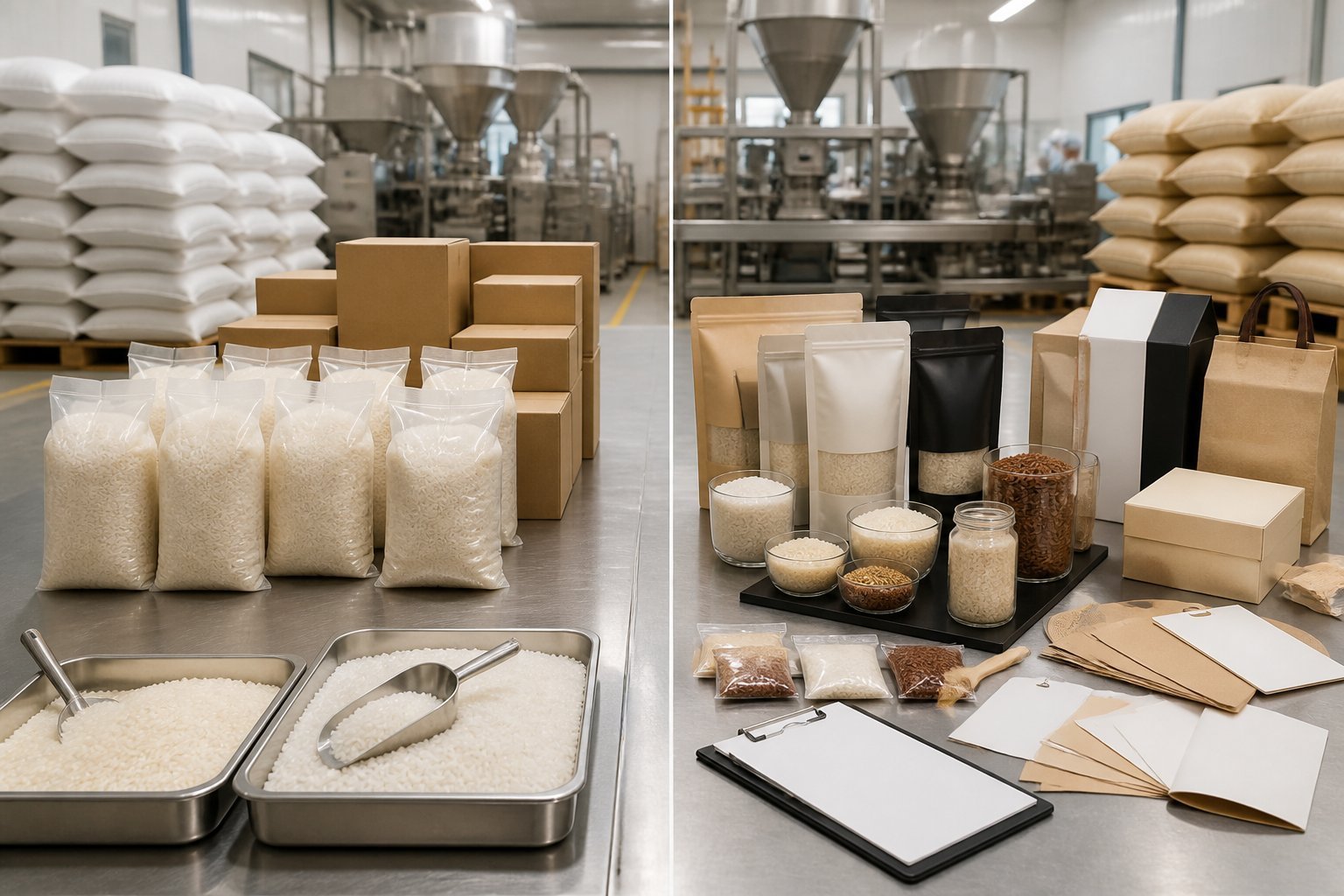
White label and private label rice arrangements differ significantly in how products are developed, who owns the formulations, and what rights brands hold. These operational structures determine everything from customization depth to long-term market position.
Product Customization and Specifications
White label rice products come with pre-set specifications that manufacturers have already developed. Brands can typically modify packaging design and add their logo, but the rice variety, grain length, and processing methods remain fixed. A white label basmati from Pakistan, for example, arrives with established quality parameters.
Private label arrangements allow for deeper product customization. Brands work with the private label manufacturer to define specific product specifications including grain type, aging duration, polishing level, and moisture content. A brand might request 1121 extra-long basmati aged for 18 months with specific broken grain percentages.
This level of product development requires more time and investment upfront. However, it creates products that match exact market needs rather than accepting what already exists.
Exclusivity and Brand Defensibility
White label manufacturing offers no territorial protection. Multiple brands can sell identical rice products in the same market with different packaging. This creates direct competition between brands carrying the same manufacturer’s product.
Private label brands negotiate exclusivity clauses that prevent manufacturers from selling identical products to competitors. These agreements might cover specific regions, distribution channels, or time periods. A brand sourcing rice from Pakistani mills might secure exclusive product rights for the import market.
Brand exclusivity strengthens market position and prevents price wars with identical products. It also increases brand defensibility by making the product harder to replicate. Contract manufacturers may charge premium fees for exclusivity guarantees, but this investment protects long-term positioning.
Quality Control and Certifications
Both models require robust quality control, but responsibility distribution differs. White label products arrive with manufacturer-managed quality systems already in place. The contract manufacturer handles testing, grading, and compliance verification.
Rice from certified Pakistani origins typically meets ISO 9001:2015, ISO 22000:2018, HACCP, Halal, and USFDA certification standards before reaching importers. White label buyers inherit these certifications directly.
Private label arrangements demand active brand participation in quality protocols. Brands often establish custom testing parameters, conduct third-party inspections, and audit manufacturing facilities. This hands-on approach requires more resources but delivers greater control over final product quality.
IP Ownership and Exclusivity Clauses
IP ownership determines who controls product formulations and processes. White label products remain the manufacturer’s intellectual property. Brands purchase finished goods but gain no rights to recipes, processing methods, or supplier relationships.
Private label contracts typically transfer certain IP rights to the brand. Custom blends, specific processing techniques, or proprietary packaging designs become brand assets. However, manufacturers often retain ownership of base processes and facility knowledge.
Exclusivity clauses should clearly define what the manufacturer cannot share with competitors. These provisions might protect grain sourcing locations, specific quality parameters, or custom processing sequences. Strong contractual language prevents manufacturers from creating similar products for rival brands while maintaining the current agreement.
How do you select a manufacturer and sourcing model?
Manufacturer selection and sourcing models:
Finding the right manufacturing partner determines product quality, cost structure, and supply chain reliability. The selection process differs between white label and private label models, and understanding manufacturing frameworks like OEM and ODM helps brands make informed sourcing decisions.
Criteria for Choosing White Label Manufacturers
White label manufacturers offer pre-produced rice products that brands can rebrand and sell. The primary selection criteria include production capacity, existing product specifications, and certification credentials.
Manufacturers should hold ISO 22000:2018 and HACCP certifications as baseline requirements. For import markets, Halal certification is mandatory. USFDA certification matters for brands targeting North American distribution.
Production volume capability determines if a white label manufacturer can scale with demand. Ask about minimum order quantities and lead times. Most white label rice suppliers require 10 to 50 metric tons as initial orders.
Key evaluation factors:
- Packaging flexibility: Can they accommodate your label size and design requirements?
- Rice variety availability: Do they stock the grades you need (Basmati, Jasmine, long grain)?
- Quality consistency: Request batch test reports and COA documentation
- Geographic location: Pakistan produces certified rice varieties with established export infrastructure
White label manufacturers typically own the product formulation. Brands license the finished product and apply their own packaging, which limits differentiation but accelerates time to market.
Selecting the Right Private Label Manufacturer
Private label manufacturers develop custom rice blends or processing specifications based on brand requirements. This model provides greater product control and competitive differentiation.
Selection begins with manufacturing capabilities assessment. Evaluate milling equipment, blending capacity, and quality control systems. Private label manufacturers should demonstrate experience with custom specifications like grain length ratios, moisture content targets, or proprietary blending formulas.
Evaluation checklist:
| Criteria | What to Verify |
|---|---|
| Certifications | ISO 9001:2015, ISO 22000:2018, HACCP, Halal |
| R&D capabilities | Can they develop custom blends or processing methods? |
| MOQ requirements | Typical range: 20-100 metric tons for custom production |
| Intellectual property | Who owns the final rice blend specification? |
| Supply chain transparency | Can they verify rice origin and farming practices? |
Pakistan-sourced rice through certified suppliers offers traceability and consistent quality standards. Private label manufacturers with established relationships in certified rice-producing regions provide supply stability.
Negotiate IP ownership terms before production starts. Brands should retain ownership of custom blend formulas and processing specifications developed during the partnership.
OEM, ODM, and Contract Manufacturing Models
Original Equipment Manufacturer (OEM) arrangements involve brands providing exact specifications while manufacturers handle production. Original Design Manufacturer (ODM) partnerships mean manufacturers design and produce products that brands rebrand.
Manufacturing model comparison:
- OEM: Brand owns specifications, manufacturer executes production to exact requirements
- ODM: Manufacturer owns design, brand selects from existing options and applies branding
- Contract manufacturing: Broad term covering both OEM and ODM, plus co-packing services
- EMS (Electronics Manufacturing Services): Not applicable to rice production
For rice products, OEM and private label models differ in customization depth and ownership rights. OEM provides maximum control over grain selection, processing methods, and blend ratios. ODM offers faster market entry with less upfront investment.
Contract manufacturing encompasses multiple service types. Some manufacturers operate solely as OEM partners, while others offer ODM catalogs alongside custom development services.
Different sourcing models affect minimum order quantities, lead times, and per-unit costs. OEM typically requires higher MOQs (50+ metric tons) but delivers proprietary products. ODM accepts lower volumes with standardized specifications.
Brand registry considerations matter when selecting manufacturing models. Products developed through OEM partnerships with documented IP ownership strengthen brand value and protect against unauthorized distribution.
How do costs and MOQ compare for white vs private label?
Cost structures, MOQ, and pricing power:
White label rice involves lower upfront investment with smaller order quantities, while private label demands higher initial commitment but delivers stronger brand control and margin potential. The gap shows up in packaging, certification, and minimum order commitments.
Typical cost components in each model
White label carries minimal startup costs because the supplier already maintains stock packaging and certifications — buyers pay for the product, basic labeling, and shipping, and the rice arrives in generic bags multiple distributors can purchase. Private label adds investment in custom packaging design and printing, brand-specific certification documentation, product development for specific grain length, moisture, or blends, and more detailed quality-control checklists.
MOQ requirements and their implications
White label MOQs start lower — often 5 to 10 metric tons — because suppliers fulfil from existing stock, letting smaller distributors test import markets without committing to full container loads. Private label MOQs typically begin at 20 to 40 metric tons, since custom packaging needs production runs that justify printing and setup; a 20-foot container holds roughly 20 metric tons of bagged rice, making that the practical minimum. Higher MOQ ties up more capital initially but improves unit economics through printing efficiency and volume.
Pricing power and margin potential
White label operates on thinner margins because multiple distributors sell identical products, and pricing power is limited since customers can switch to another distributor offering the same certified Pakistani basmati. Private label supports stronger margins and pricing power through brand differentiation and customer loyalty — a brand that builds recognition among restaurants or retailers can hold and grow accounts over time. The advantage compounds as brand recognition strengthens and repeat orders increase.
How do speed to market and scalability compare?
Speed to market and scalability considerations:
White label rice enables faster market entry with minimal lead times, while private label requires longer development cycles but offers better control for scaling unique product lines. Rice importers must balance speed against customization when planning market validation and growth strategies.
Lead Time Differences
White label rice products deliver the fastest path to market because manufacturers already have established production lines and quality systems in place. Importers can launch branded rice within 4-8 weeks by applying their labels to pre-packaged products that meet ISO 22000:2018 and HACCP standards.
Private label rice requires 3-6 months for initial market entry. This timeline includes formula customization, packaging design, certification verification, and production setup. Pakistani rice suppliers often need additional time to adjust grain specifications, blend ratios, or milling processes for exclusive formulations.
The extended timeline for private label becomes worthwhile when importers need specific grain characteristics or want to validate demand with a differentiated product. White label works better for testing new markets quickly or responding to seasonal demand spikes in the region regions.
Market Entry Strategies for Rice Importers
Rice importers use white label products to test market viability without significant capital investment. This approach allows businesses to gauge consumer response to different rice varieties like basmati, sella, or steamed rice across multiple price points.
Most importers follow this progression:
- Launch white label products to establish market presence
- Gather sales data and customer feedback
- Switch from white label to private label once demand patterns stabilize
- Develop exclusive blends or packaging for loyal customer segments
Qatar-based distributors serving import markets often maintain both models simultaneously. White label handles commodity rice sales while private label builds premium brand equity with certified Pakistani rice varieties that meet Halal and USFDA requirements.
Scalability for Growing Demand
White label rice offers immediate scalability because manufacturers produce for multiple buyers and maintain larger inventory reserves. Importers can increase order volumes by 20-50% without advance notice or production delays.
Private label scalability requires more planning but provides better margin protection. Exclusive agreements with Pakistani rice mills ensure consistent supply of specific grades and prevent competitors from accessing identical products. Production capacity must be negotiated upfront to handle volume increases.
Scalability factors for rice importers:
| Factor | White Label | Private Label |
|---|---|---|
| Volume flexibility | High (shared capacity) | Moderate (dedicated lines) |
| Price stability | Variable | Contractually fixed |
| Quality consistency | Standard across buyers | Controlled specifications |
| Minimum order quantity | Lower (1-5 containers) | Higher (10+ containers) |
Growing importers typically maintain white label relationships for baseline volume while developing private label products that command stronger margins in established markets.
How do branding and exclusivity play out in import markets?
Branding, exclusivity, and differentiation in import markets:
Rice importers and distributors across the UAE, Saudi Arabia, and Qatar use branding strategies to create market separation between standard offerings and premium lines. Distinct branding elements including packaging design, quality positioning, and target audience messaging determine success in competitive Gulf retail environments.
Brand Differentiation for Rice Product Lines
Private label brands create exclusive product specifications that competitors cannot replicate through custom grain selection and packaging formats. the region retailers develop unique basmati varieties under their own trademarks, establishing shelf presence independent of generic white label alternatives.
White label products reach market faster at lower cost but offer no product-level differentiation. Private label rice from certified Pakistani mills allows retailers to specify exact grain length, aging duration, and quality parameters that align with their private label brand positioning.
Brand differentiation extends beyond packaging to include quality certifications displayed prominently on retail packs. Rice meeting ISO 9001:2015, ISO 22000:2018, HACCP, Halal, and USFDA standards provides documented quality claims that strengthen brand credibility.
Premium positioning requires consistent grain quality across production batches. Importers working directly with mills maintain tighter control over specifications compared to white label arrangements where multiple retailers sell identical products under different names.
A+ Content for Enhanced Market Positioning
A+ content in online retail channels displays enhanced product information including grain origin details, cooking instructions, and nutritional data. This content appears on e-commerce platforms operated by Carrefour, Lulu, and Noon across import markets.
Visual elements showing grain elongation, texture comparisons, and recipe suggestions improve conversion rates for premium basmati lines. Private label owners control this content creation while white label sellers rely on manufacturer-provided information.
Detailed origin stories about Pakistani Punjab and Sindh growing regions add authenticity to premium rice positioning. Geographic indicators combined with certification badges communicate quality standards that justify premium positioning.
Leveraging Brand Registry Programs
Brand registry programs on major the region e-commerce platforms protect private label trademarks from unauthorized sellers and counterfeit products. Registered brands gain access to enhanced marketing tools and listing controls unavailable to white label distributors.
Amazon UAE and Noon brand registry systems verify trademark ownership before granting access to premium content features. This verification process prevents competitors from copying product descriptions or using registered brand names.
Protected branding creates long-term asset value for importers investing in private label development. White label arrangements provide no trademark ownership or registry benefits since the exporter maintains brand control.
What can buyers learn from leading private-label brands?
Case studies and leading brands:
Major retailers have successfully launched rice products under their own labels, with Kirkland Signature and other store brands demonstrating how white label and private label strategies work in practice. Pakistani rice suppliers have become key partners in these programs, meeting strict quality standards including ISO 9001:2015, ISO 22000:2018, HACCP, Halal, and USFDA certifications.
Real-World Examples from the Rice Sector
Branded rice still dominates shelf space, but private label options are growing steadily. Retailers stock both white label rice products, which are generic offerings rebranded for their stores, and true private label rice developed exclusively for their brand.
Walmart’s Great Value rice line represents a white label approach. The company sources standard rice varieties and applies its own packaging. Target’s Good & Gather rice follows a similar model but emphasizes clean ingredient lists.
Pakistan has emerged as a reliable origin for premium basmati and long-grain varieties used in these programs. Suppliers from this region meet international certification requirements, making them attractive partners for retailers seeking quality-assured products.
About 41% of shoppers view private label dry rice quality as equal to national brands. This perception creates opportunities for retailers to capture market share with competitively priced alternatives.
Applying Lessons: Kirkland Signature and Others
Kirkland Signature rice demonstrates a premium private label strategy. Costco developed specific rice products exclusive to its brand, including basmati and jasmine varieties. The company partners with certified suppliers who can deliver consistent quality at scale.
Key Success Factors:
- Quality standards: Meeting ISO 22000:2018 and HACCP requirements ensures food safety
- Certification: Halal and USFDA compliance opens broader market access
- Positioning: Private label brands offer strong value versus national equivalents
- Volume commitments: Large orders justify customization costs
Trader Joe’s offers another model. Their rice products blend white label efficiency with private label branding. The company sources certified rice from multiple origins, including Pakistan, and creates distinctive packaging.
Private label products require higher manufacturing investment than white label alternatives. Retailers must balance customization costs against margin goals. Those partnering with certified Pakistani suppliers gain access to premium varieties while maintaining competitive pricing.
What’s the strategic recommendation for importers?
Strategic recommendations for importers:
importers should validate market demand before committing to either model, then select white label for speed or private label for control based on their operational capacity and brand goals. Many businesses start with white label arrangements and transition to private label once they establish stable sales volumes and distribution networks.
How to Validate Rice Demand Effectively
Market validation prevents costly inventory mistakes in competitive the region rice markets. Importers should analyze sales data from existing rice categories to identify which varieties move fastest in their distribution channels.
Retailers can test demand through limited white label trials before investing in private label rice programs. A single container of 1121 basmati or 1509 varieties provides concrete sales data across different pack sizes and price points.
Validation methods include:
- Analyzing competitor shelf space allocation for basmati versus non-basmati rice
- Testing multiple pack sizes (1kg, 5kg, 10kg) to identify buyer preferences
- Surveying existing customers about quality expectations and price sensitivity
- Reviewing demographic data for South Asian, Filipino, and Middle Eastern communities
Import partners sourcing from Pakistan can provide samples meeting ISO 22000:2018 and HACCP standards for quality testing before full orders. This reduces risk when entering new rice categories or regional markets.
Decision-Making Framework: White Label or Private Label?
Choose white label when starting rice distribution, testing new markets, or operating with limited capital. This model requires lower minimum order quantities and eliminates packaging development costs.
Choose private label once monthly rice sales exceed five containers or when margin control becomes critical for profitability. Private label packaging delivers stronger margins through direct mill pricing and brand ownership.
White label works best for:
- New importers without established distribution networks
- Businesses testing multiple rice varieties simultaneously
- Distributors serving food service clients who prioritize price over branding
Private label fits when:
- Monthly volumes justify custom packaging investment
- Retail shelf presence requires brand differentiation
- Long-term market positioning matters more than immediate entry speed
Halal certification and complete export documentation apply to both models when sourcing from certified Pakistani mills.
Transitioning Models as Your Business Grows
Most the region rice importers switch from white label to private label after 12-18 months of consistent sales. This transition requires advance planning for packaging design, barcode registration, and increased order volumes.
Start the transition when monthly purchases reach three to five containers of the same variety. This volume supports minimum order quantities for custom packaging while maintaining cost efficiency.
Maintain white label arrangements for slower-moving specialty rice while shifting high-volume basmati to private label. This hybrid approach balances inventory risk with margin optimization across product lines.
Work with export teams experienced in both models to coordinate the switch without supply interruptions. Pakistani suppliers meeting ISO 9001:2015 standards can manage both white label and private label production simultaneously during transition periods.
Launch your own private label rice line
Get buyer-specific specifications, certifications, and supply options matched to your market.
What do buyers ask most about white vs private label rice?
Frequently asked questions:
Brands entering the rice market face specific decisions about product control, sourcing standards, and certification requirements that directly impact their competitive position and operational flexibility.
What is the difference between white label and private label in packaged rice products?
White label rice products are pre-packaged varieties that a supplier already produces and sells to multiple brands. The rice itself, including the grain type, quality grade, and processing standards, remains the same across all buyers. Brands simply apply their own labels and packaging design to the finished product.
Private label rice manufacturing involves a custom product developed according to specific brand requirements. The supplier works with the brand to select grain varieties, establish quality parameters, and create a unique product specification. This can include choosing specific rice origins like Pakistan, which offers certified basmati and long-grain varieties meeting international quality standards.
The fundamental difference lies in exclusivity. White label rice is a shared product, while private label creates a distinct offering that belongs to one brand.
Which option offers more control over rice quality specifications, grain type, and sourcing?
Private label provides complete control over quality specifications, grain selection, and sourcing decisions. Brands can specify exact grain length, moisture content, broken grain percentages, and milling standards. They can also choose particular rice origins based on flavor profiles, certification requirements, or market positioning.
For example, a brand can work with suppliers to source specific basmati varieties from Pakistan that meet ISO 22000:2018 and HACCP standards while maintaining particular grain characteristics. This level of specification allows brands to differentiate their products based on quality attributes that matter to their target customers.
White label offers no control over these factors. The rice specifications are predetermined by the manufacturer. Brands accept the existing product as-is, including the grain type, quality grade, and origin.
How do minimum order quantities and lead times typically compare between the two models?
White label rice typically has lower minimum order quantities because the manufacturer produces the same product for multiple brands. Lead times are shorter since the rice is already processed and only requires labeling and packaging. A brand can often get to market in one to four weeks with minimal upfront investment.
Private label requires higher minimum order quantities due to custom processing specifications. Lead times range from several weeks to several months depending on sourcing requirements, especially when working with specific rice origins or implementing custom quality protocols. The manufacturer must set up production specifically for one brand’s specifications.
Container capacity and shipping logistics from rice-producing regions also influence minimum order volumes. Brands sourcing from international suppliers must account for freight economics when planning initial orders.
What branding and packaging customization options are usually available for each approach?
White label rice allows customization only at the packaging and labeling level. Brands can design their own labels, choose packaging materials within available options, and create their brand identity through visual design. The product inside the package remains identical to what other brands receive from the same manufacturer.
Private label enables comprehensive customization including unique package sizes, specialized packaging materials, and distinctive product presentation. Brands can specify everything from the package type to portion sizes to multi-pack configurations. Some suppliers offer options for custom blends, parboiled versus raw rice, or specialty processing methods.
Packaging customization in private label extends to structural design choices that support specific brand positioning, such as premium packaging for high-end markets or bulk formats for food service channels.
How do cost structure and profit margins generally differ when choosing one model over the other?
White label rice has lower upfront costs because there are no product development expenses or custom tooling requirements. Brands pay a per-unit price that includes the manufacturer’s margin on an existing product. However, the lack of differentiation can limit pricing power in competitive markets.
Private label products can be more expensive because they involve custom specifications, exclusive production runs, and potentially specialized sourcing. Development costs include formulation work, trial batches, and quality verification testing. These upfront investments typically range from several thousand to tens of thousands of dollars depending on complexity.
Profit margins depend on market positioning. White label brands compete primarily on marketing and distribution since the product itself offers limited differentiation. Private label brands can command higher margins when their unique specifications deliver measurable quality differences that customers value.
What certifications and compliance requirements should be considered when launching a rice brand under each model?
All packaged rice products must meet food safety regulations in their target markets regardless of the manufacturing model. This includes HACCP compliance, proper labeling according to local regulations, and allergen declarations. Brands selling into international markets need to verify that their supplier maintains certifications recognized in those regions.
Rice sourced from certified origins like Pakistan often comes with existing ISO 9001:2015 and ISO 22000:2018 certifications at the processing level. Brands should verify these certifications and ensure they transfer through the supply chain. Halal certification is essential for markets in the region and other Muslim-majority regions.
Private label arrangements require clear documentation about who maintains which certifications and how quality assurance testing is conducted. White label suppliers should provide certification documentation that covers all brands using their products. USFDA registration matters for brands targeting North American markets, while other regions have specific import requirements that both models must address through proper supplier qualification.