A reliable rice supplier makes reliability look easy when everything runs smoothly. It’s what a supplier does when something goes wrong that tells a buyer whether they’ve chosen the right partner. Here’s what happened, and why it matters for anyone sourcing rice into the GCC.
What happens to a rice shipment when a shipping route is disrupted?
Regional disruption is a recurring reality of moving goods through the Gulf. Vessel routing can be affected by geopolitical events, port congestion, weather, or shifts in carrier schedules — and when it happens, shipments already in motion are the ones most exposed.
For a rice buyer, the consequences are immediate and practical. A delayed container means empty shelf space, missed contractual commitments to their own customers, and in the worst case, a scramble to source replacement stock at short notice and inflated prices. For high-volume buyers running on tight inventory cycles — distributors, hypermarkets, hospitality groups — even a short delay can cascade through an entire supply operation.
The rice itself is rarely the problem. The problem is the movement of it: getting a certified, documented, quality-consistent shipment from origin to destination on the timeline the buyer planned around. When routing is disrupted, that timeline is exactly what’s at risk.
How did TEFT Global keep the shipment on schedule?
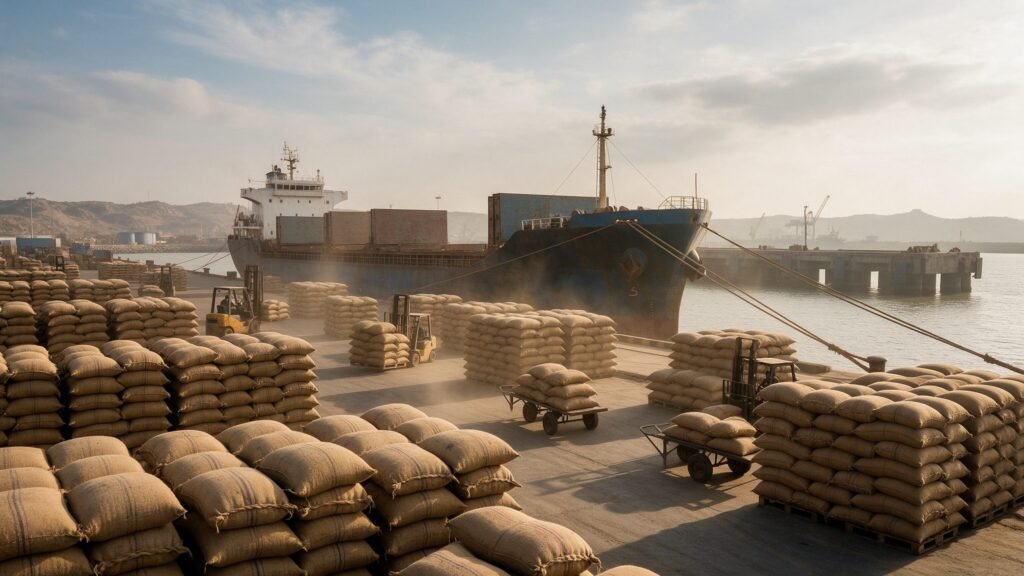
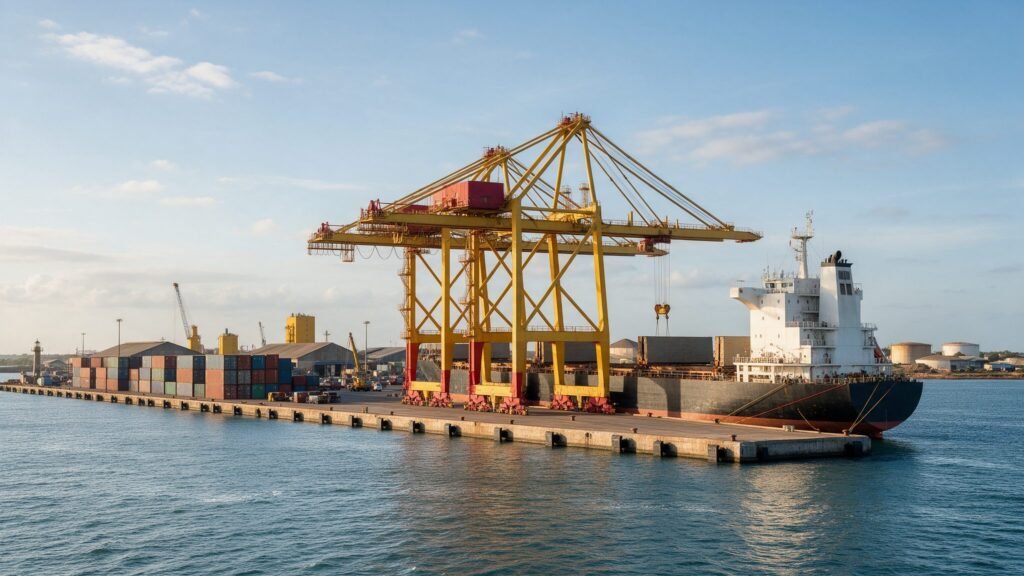
When a regional shipping disruption affected vessel routing during an active shipment, the order was at risk of significant delay. Rather than let it sit stranded and wait for conditions to normalise, we worked directly with our logistics partners to secure alternate routing and keep the shipment moving toward its destination.
The result was straightforward: no missed delivery, no stalled order, and no last-minute call to the buyer explaining why their stock wouldn’t arrive. The shipment reached its destination on schedule.
We don’t share the specific routing details — that’s commercially sensitive, and frankly it’s our job to manage, not the buyer’s job to worry about. What matters to a buyer is the outcome. When something went wrong upstream, it didn’t become their problem downstream. That’s the standard we hold ourselves to.
Why does supply chain resilience matter for GCC rice buyers?
The GCC imports the overwhelming majority of its food, and rice sits among the highest-volume commodities in that import mix. Every grain of rice consumed in the region has travelled through a supply chain that crosses borders, ports, and carriers — which means every shipment is exposed to the same disruptions that affect global trade generally.
For buyers, this creates a specific vulnerability. A reliable rice supplier is one who delivers even when conditions aren’t ideal — because a supplier who can only deliver in perfect conditions will eventually fail to deliver at all. And in a market where consumer demand for rice is constant and non-negotiable, a supply gap isn’t a minor inconvenience — it’s lost sales, damaged retail relationships, and a hole in the shelf that a competitor’s product will happily fill.
Resilience is what separates a supplier you can build a business around from one you can only use when the weather’s good. It’s the difference between a single transaction and a supply relationship you can actually depend on, shipment after shipment.
What should buyers look for in a reliable rice supplier?
Not every supplier handles disruption the same way, and the differences only become visible when things go wrong. When evaluating a rice sourcing partner, it’s worth asking how they approach continuity before you need them to prove it:
- Do they have established logistics relationships? A supplier with real, ongoing partnerships can secure alternate arrangements quickly. One relying on the spot market scrambles alongside everyone else.
- Will they communicate proactively? The worst experience for a buyer is silence — finding out about a delay only when the stock fails to arrive. A reliable partner tells you what’s happening before you have to ask.
- Do they treat your timeline as their responsibility? Some suppliers see delivery as the buyer’s problem once the goods leave the port. Others stay accountable to the delivery schedule until the shipment arrives.
- Is there a real person to call? When something needs resolving under time pressure, a buyer needs someone who knows the shipment and can make decisions — not a ticketing system or a call centre.
These aren’t extraordinary requirements. They’re the fundamentals of dependable supply — and they’re the ones most often unmet.
How does TEFT Global build resilience into every order?
Handling one disruption well is a good story. Building an operation where disruptions are handled well as a matter of course is the actual goal.
We work with established logistics partners rather than sourcing arrangements order by order, which gives us options when routing needs to change. We stay involved throughout every shipment — not just at the point of sale — so that when something needs resolving, someone who knows the order is already on it. And we keep communication direct and personal, so a buyer always knows where their shipment stands.
This approach reflects how we think about the business generally. We’re not interested in one-off deals. We build long-term supply relationships, and long-term relationships only survive if the supply actually holds — in good conditions and difficult ones alike. For a reliable rice supplier, keeping a shipment moving through disruption isn’t an exception to how we work — it’s the standard.
Frequently Asked Questions
What causes rice shipment delays into the GCC? Delays are most commonly caused by disruptions to vessel routing — geopolitical events, port congestion, carrier schedule changes, or weather. Because the GCC imports the majority of its food, shipments are exposed to the same disruptions that affect global trade generally, which makes supply chain resilience a critical factor in choosing a supplier.
How can rice buyers protect themselves against supply disruption? The most effective protection is choosing a reliable rice supplier with established logistics relationships, proactive communication, and genuine accountability for delivery timelines. A supplier who treats continuity as their responsibility — and stays reachable when something needs resolving — significantly reduces a buyer’s exposure to supply gaps.
Does TEFT Global guarantee delivery timelines? While no supplier can eliminate the reality of regional disruption, TEFT Global works with established logistics partners and stays involved throughout every shipment to protect delivery schedules. Our focus is keeping buyers’ supply moving reliably, and communicating clearly when conditions change.
Why is supply reliability so important for the GCC rice market? Consumer demand for rice in the GCC is constant and high-volume, which means a supply gap translates directly into lost sales and empty shelf space. For distributors, retailers, and hospitality buyers running on tight inventory cycles, a reliable rice supplier isn’t a preference — it’s a commercial necessity.
Looking for a Rice Supply Partner You Can Rely On?
Whether you’re sourcing premium Basmati for a hotel group, long-grain rice for a retail chain, or building a distribution supply relationship across the GCC, we’d be glad to discuss what you need — and how we keep your supply moving, whatever the conditions.