
Basmati rice grades determine quality, pricing, and market positioning across global trade networks. For importers and procurement teams serving GCC markets, understanding these classifications helps match product specifications to consumer expectations and regulatory requirements. Basmati rice grades are defined by grain length, purity levels, moisture content, broken grain percentage, and processing method, with varieties like 1121, 1509, and Super Kernel meeting distinct commercial needs.
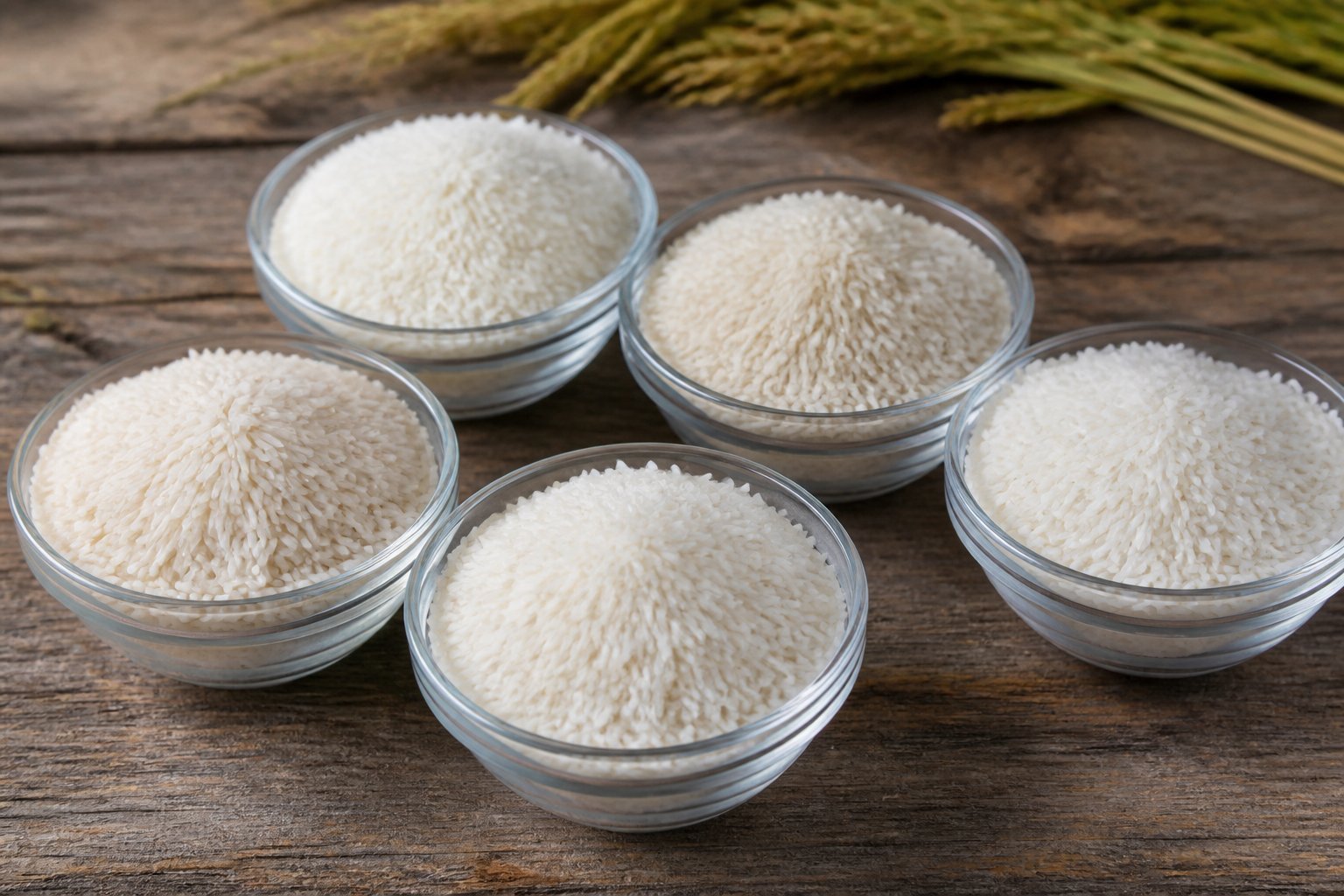
Pakistani basmati rice producers follow strict grading standards that align with international food safety protocols including ISO 22000:2018, HACCP, and Halal certification. These parameters ensure consistency across shipments and help buyers evaluate value propositions when comparing different basmati rice varieties from certified origins. Grain elongation ratios, aroma compounds, and age of the rice also influence grade classifications used by exporters and distributors.
The GCC region represents a significant destination for basmati imports, where consumer preferences favor long-grain aromatic rice with minimal breakage. Buyers must evaluate whether premium grades justify higher costs or if economy options meet operational requirements without compromising quality standards. Understanding how basmati grades differ from non-basmati rice types enables procurement professionals to optimize inventory decisions and maintain competitive positioning in regional markets.
Key Takeaways
- Basmati grades are classified by grain length, broken percentage, moisture content, and processing type to meet specific market requirements
- Certified Pakistani and Indian basmati varieties comply with international food safety standards required for GCC import regulations
- Selecting the right grade depends on balancing quality parameters with target pricing and consumer preferences in Gulf markets
Key Grading Parameters and Industry Standards
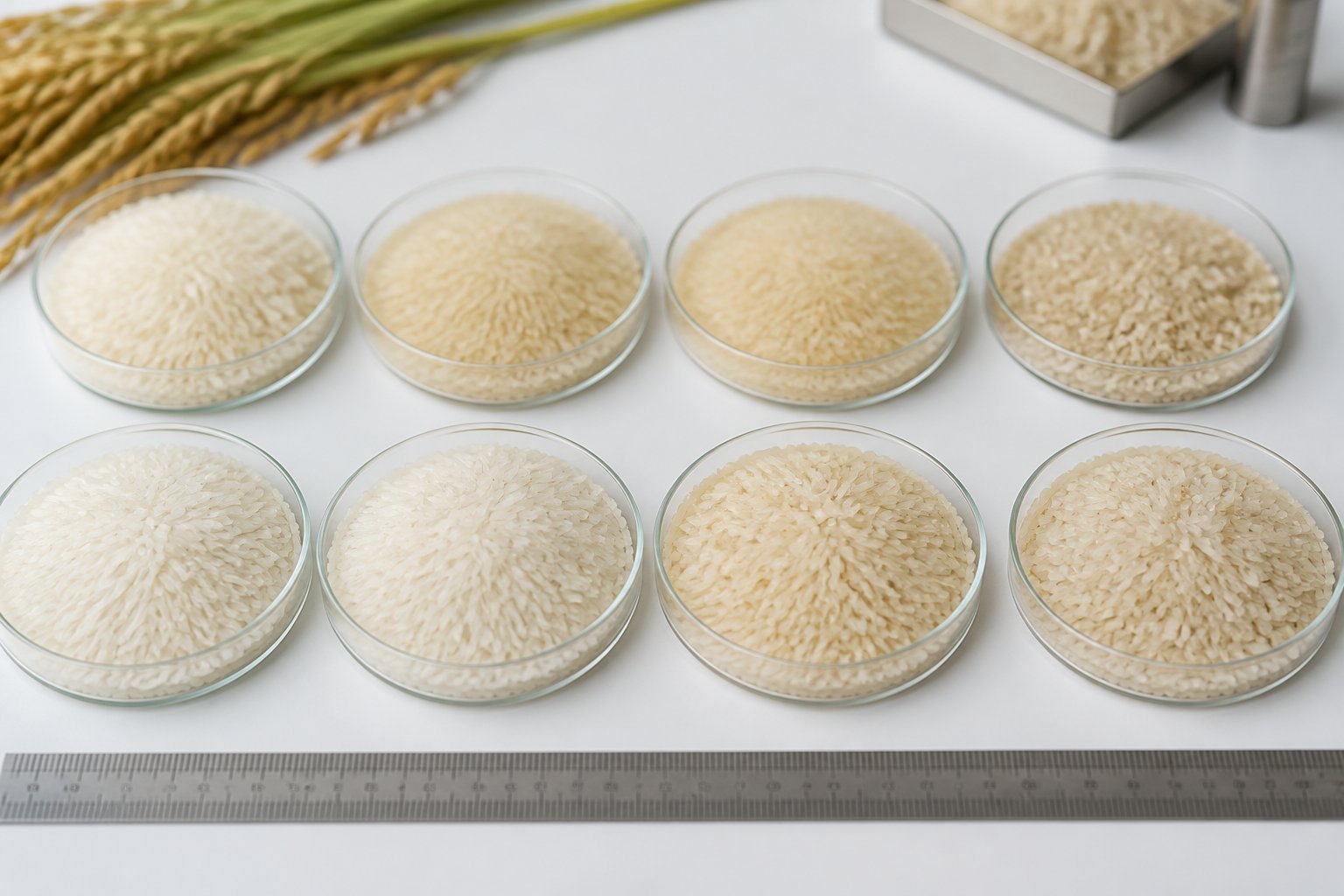
Basmati rice quality depends on measurable physical and chemical characteristics that determine market classification and price. Grain length, moisture levels, purity percentages, and processing methods form the foundation of standardized evaluation across exporting nations.
Grain Length and Classification
Grain length serves as the primary distinguishing factor in basmati rice grades. Raw basmati grains must measure at least 6.61mm before cooking, with premium varieties reaching 7mm to 8.5mm.
The average grain length after cooking expands to 10mm or more for authentic basmati. The length-to-width ratio must exceed 3.5:1, creating the characteristic slender appearance buyers expect.
Major grades include 1121, 1509, and 1718 varieties, each named according to their approximate grain length in millimeters. Pakistani exporters produce these same varieties under equivalent quality specifications. Grain uniformity within batches affects final grading, with higher grades containing fewer broken grains and consistent sizing throughout.
Aroma and Purity Evaluation
The basmati aroma comes from a naturally occurring compound called 2-acetyl-1-pyrroline. Authentic basmati must display this distinctive fragrance, which lab testing can verify through chemical analysis.
Purity standards require 95% or higher basmati content in export-grade rice. The remaining 5% can include similar rice varieties but not inferior grains. FSSAI and international certification bodies conduct genetic testing to confirm varietal authenticity.
Quality specifications for export require absence of discolored grains and foreign seeds. Visual inspection catches obvious contamination, while laboratory methods detect subtle adulteration. Rice from certified Pakistani mills undergoes testing for varietal purity before international shipment.
Moisture Content and Foreign Matter Limits
Moisture content cannot exceed 13% in export-grade basmati rice. Higher moisture levels promote fungal growth during storage and transportation. Standard lab testing measures moisture using calibrated equipment at receiving facilities.
Foreign matter includes dust, stones, chaff, and non-rice materials. Premium grades limit foreign matter to 0.1% or less by weight. The following limits apply to export quality:
- Damaged grains: Maximum 1%
- Immature grains: Maximum 1%
- Foreign matter: Maximum 0.1%
- Other food grains: Maximum 0.5%
Importers verify these parameters through independent testing upon arrival. Mills equipped with ISO 22000:2018 and HACCP certifications maintain strict quality controls throughout processing.
Grading by Processing Type
Processing type significantly affects final rice grades and market applications. Raw basmati undergoes minimal processing, retaining natural color and requiring longer cooking times.
Steam-treated basmati passes through parboiling before milling, which hardens grains and reduces breakage. This process creates a golden hue and changes cooking characteristics.
Golden Sella and White Sella represent specific steam-processing grades popular in Middle Eastern markets. The seven processing grades of 1121 basmati include variations in aging, polishing level, and broken grain percentage.
Premium grades feature whole grains with minimal breakage, while economy grades contain higher percentages of broken kernels. Pakistani processors offer all processing types under ISO 9001:2015 quality management systems, ensuring consistency across shipments.
Recognized Varieties and Their Characteristics
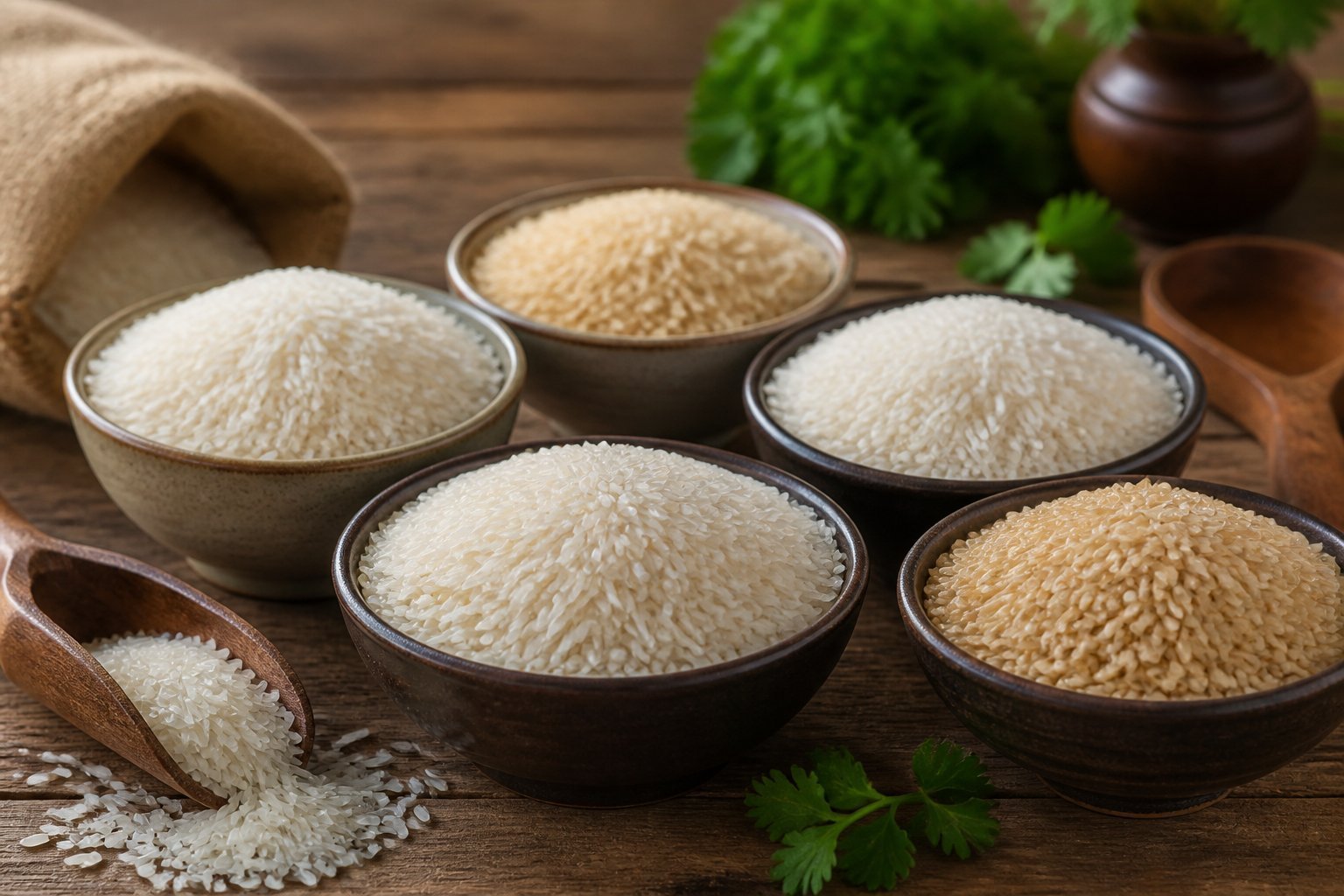
Basmati varieties differ in grain length, aroma intensity, and elongation ratio. The 1121 cultivar dominates global trade with the longest grain elongation, while 1509 offers a cost-effective alternative with similar cooking properties.
1121 Basmati: The Industry Benchmark
1121 basmati rice represents the most widely traded variety in international markets. Developed through selective breeding and registered in 2003, this cultivar delivers cooked grains that reach 20-22mm in length.
The variety’s exceptional grain elongation makes it the default choice for foodservice operators and retail brands where visual grain length matters. 1121 basmati offers up to 22mm cooked grain length, nearly 2.5 times its raw size.
Both India and Pakistan produce certified 1121 basmati meeting ISO 22000:2018 and HACCP standards. Pakistani Super Kernel basmati competes directly with 1121 in premium segments, offering comparable grain length and cooking performance. All exports from certified facilities meet Halal and USFDA requirements for international distribution.
1509 Basmati and Other Long-Grain Types
1509 basmati provides similar cooking properties to 1121 at a lower price point. The grains are shorter than 1121 but deliver comparable texture and aroma for applications where extreme grain length isn’t essential.
This variety suits ready-meal production and bulk foodservice applications. The cost savings range from 15-25% compared to 1121 without sacrificing cooking quality.
Other long-grain varieties include 1718 and 1885, which occupy specific market niches. These cultivars offer different combinations of grain length, aroma intensity, and price positioning. Pakistani basmati varieties in this category maintain the same certification standards as Indian basmati, including ISO 9001:2015 compliance.
Traditional Basmati and Pusa Hybrids
Traditional basmati refers to heritage varieties like Basmati 370, valued for intense aroma rather than maximum grain elongation. These cultivars maintain the classic nutty fragrance that defined basmati before modern breeding programs emphasized length.
Pusa basmati rice includes several hybrids developed through agricultural research. Pusa Basmati 1121 and Pusa Basmati 1509 represent improved versions of traditional varieties with enhanced yield and disease resistance.
Pusa basmati varieties maintain shorter grain length than 1121 but offer stronger aromatic profiles. These hybrids appeal to buyers prioritizing fragrance over grain elongation. All certified Pusa varieties meet international food safety standards regardless of origin.
Emerging Basmati Varieties
Newer cultivars like 1401 and 1847 address specific growing conditions and market demands. These varieties balance yield, disease resistance, and cooking quality.
1401 basmati offers medium grain length with reliable cooking performance across different water qualities. The variety suits regions where water hardness affects rice preparation.
1847 basmati provides enhanced aroma retention during storage and processing. Both Pakistan and India produce these emerging varieties under certified quality systems meeting ISO 22000:2018 standards. Commercial adoption depends on price competitiveness and availability compared to established varieties like 1121 and 1509.
Processing Methods and Impact on Grades
Basmati rice grades are determined primarily by the processing method applied after harvest. Different processing techniques alter the grain’s texture, color, cooking behavior, and shelf stability, creating distinct categories that serve different culinary needs and market preferences.
Raw Basmati
Raw basmati undergoes minimal processing after the paddy husk is removed. The grain retains its natural white color and original starch structure without any steaming or parboiling treatment. This processing method produces rice with a soft, delicate texture when cooked.
Raw basmati cooks faster than steam or sella varieties because the starch has not been gelatinized through heat treatment. The grains separate easily and produce a lighter, fluffier texture that works well for biryanis and pilafs. This grade maintains the strongest natural aroma of all processing types.
Pakistani raw basmati meets ISO 22000:2018 and HACCP standards, ensuring food safety throughout processing. The grain requires careful storage because it has not been hardened through steam treatment. Many premium markets prefer raw basmati for its authentic flavor profile and cooking characteristics.
Steam Basmati
Steam basmati passes through a controlled steaming process before milling. The grain receives brief exposure to steam, which partially gelatinizes the surface starch and hardens the kernel structure. This steam treatment changes the cooking properties without dramatically altering the grain’s color.
The steamed grain holds its shape better during cooking and shows less breakage during handling and transport. Steam basmati requires slightly longer cooking time than raw varieties but produces grains that remain firm and separated. The texture falls between raw and fully parboiled rice.
This processing method improves shelf life by reducing moisture content and strengthening the grain structure. Foodservice operations often prefer steam basmati because it holds well after cooking and resists clumping. The grain maintains good aroma while offering more structural integrity than raw basmati.
Sella Basmati
Sella basmati undergoes a complete parboiling process before milling. The paddy is soaked, steamed under pressure, and dried before the husk is removed. This parboiling process drives nutrients from the bran into the grain and creates a harder kernel that resists overcooking.
The grain takes on a creamy or light golden color depending on processing time and temperature. Sella basmati requires longer cooking time than raw or steam varieties but delivers exceptional grain separation. Each kernel remains distinct even after extended cooking or reheating.
Certified Pakistani sella basmati meets ISO 9001:2015 and Halal certification requirements for GCC markets. The parboiling process creates a rice grade that works well in high-volume catering and commercial kitchens. Sella varieties show excellent tolerance to different cooking methods and equipment.
Golden Sella Basmati
Golden sella basmati receives extended parboiling treatment that produces a distinctive golden-yellow color. The longer steaming time under pressure drives more nutrients into the kernel and creates the deepest color change. This golden variety represents the most processed form of parboiled basmati.
The golden color comes from natural chemical reactions during the extended parboiling process, not from added ingredients. Golden sella delivers the firmest texture of all basmati grades and shows the least stickiness after cooking. The grain maintains its structure even when held hot for extended periods.
This grade suits bulk catering operations and markets where rice must withstand reheating cycles without losing quality. Golden sella basmati certified to USFDA standards offers reliable performance across different cooking conditions. The extended processing creates exceptional shelf stability and resistance to insect damage during storage and transport.
Comparative Analysis: Basmati vs Non-Basmati Options
Different rice categories serve distinct culinary needs and market segments. Basmati varieties offer premium grain characteristics and aroma, while non-basmati options provide cost-effective alternatives with varying textures and cooking properties.
Basmati and Aromatic Rice
Basmati rice features a distinct fragrance from 2-acetyl-1-pyrroline compound that sets it apart from other rice types. The grain length ranges from 7.30mm to 8.40mm in raw form and elongates up to 2.5 times when cooked.
Pakistani basmati varieties meet international certification standards including ISO 22000:2018, HACCP, and Halal requirements. Premium aged basmati undergoes 12 to 24 months of controlled aging to enhance texture and aroma intensity.
The grains remain separate and fluffy after cooking, with a soft or firm texture depending on processing method. Steam basmati retains more nutrients through parboiling before milling. White basmati offers a lighter texture and quicker cooking time.
Varieties like 1121 and 1509 command the highest market premiums due to extra-long grain characteristics. Traditional basmati varieties provide classic aroma profiles at moderate price points.
Non-Basmati Long-Grain Alternatives
Non-basmati rice varieties measure 4.5mm to 7.0mm in raw grain length with moderate elongation of 1.3 to 1.6 times during cooking. These options serve price-sensitive markets while maintaining acceptable quality standards.
IR 64 and IR 36 represent the most widely traded non-basmati varieties for institutional and bulk supply. Parboiled versions offer improved shelf stability and firmer cooked texture.
Sugandha and Sharbati varieties provide mild aromatic properties at mid-range pricing. These options bridge the gap between premium basmati and budget non-aromatic varieties.
Pakistani long-grain rice meets the same ISO 9001:2015 and USFDA certification standards as basmati products. The broader supply base allows for flexible pricing and consistent availability across international markets.
Domestic Substitutes: Sona Masoori and Ponni
Sona Masoori originates from southern India and offers a lightweight, low-starch alternative to basmati. The grain length falls in the medium range with minimal elongation during cooking.
This variety works well for dishes requiring less sticky rice with a subtle taste. The lower glycemic index compared to other non-basmati options appeals to health-conscious consumers.
Ponni rice provides another regional alternative with medium-grain characteristics. It cooks faster than basmati and produces a slightly sticky texture suitable for specific regional cuisines.
Both varieties cost significantly less than basmati while meeting basic quality standards. They serve domestic markets primarily but find limited export demand in diaspora communities seeking familiar regional rice types.
Certification, Regulatory Compliance, and Quality Assurance
Basmati rice exporters must meet strict certification standards enforced by national regulatory bodies and verified through independent laboratory testing. Compliance with geographical indication requirements and international food safety certifications ensures that rice shipments meet buyer specifications across global markets.
Role of APEDA and FSSAI
The Agricultural and Processed Food Products Export Development Authority (APEDA) oversees basmati rice exports from India and maintains registration systems for approved exporters. APEDA enforces primary basmati quality characteristics that define grain length, aroma, and chemical composition standards.
The Food Safety and Standards Authority of India (FSSAI) regulates domestic food safety standards and licensing requirements. Exporters must obtain FSSAI registration to demonstrate compliance with hygiene and processing standards.
Pakistani basmati exporters operate under the Pakistan Standards and Quality Control Authority, which certifies rice according to national quality specifications. Many Pakistani suppliers maintain ISO 9001:2015, ISO 22000:2018, HACCP, Halal, and USFDA certifications to serve international buyers in GCC markets and beyond.
Geographical Indication and GI Tag Compliance
Geographical indication (GI) tags protect specific basmati varieties grown in designated regions. Indian basmati rice received GI tag protection in 2008, restricting the basmati name to rice cultivated in approved states.
Pakistani basmati rice holds separate GI certification for varieties grown in Punjab and Sindh provinces. The GI tag ensures that only rice meeting specific quality parameters and grown in authorized areas can be marketed as basmati.
Importers verify GI tag compliance through documentation that traces rice from farm to export. This certification prevents mislabeling and protects consumer expectations for authentic basmati characteristics.
Third-Party Inspection and Laboratory Testing
Independent inspection services verify rice quality through factor analysis and grade certification. Third-party laboratories test samples for moisture content, broken grain percentage, grain length, and chemical residues.
Common laboratory tests include:
- Grain length and width measurements
- Moisture content analysis
- Broken grain percentage calculation
- Foreign matter detection
- Pesticide residue screening
Inspection agencies issue certificates confirming that shipments meet buyer specifications before loading. Lab testing provides verifiable proof of quality assurance and regulatory compliance for overseas distributors and institutional partners.
Packaging, Transport, and Port Infrastructure for Export
Basmati rice export depends on proper packaging formats, efficient port facilities, and controlled storage conditions that preserve grain quality from origin to destination. Rice export logistics require coordination across materials, handling systems, and regulatory compliance.
Bulk vs Retail Packaging Practices
Bulk packaging typically uses 25 kg or 50 kg polypropylene (PP) woven bags for wholesale and foodservice channels. These bags provide tear resistance and stack efficiently in containers. Jute bags offer breathability and suit traditional trade formats, though they require careful handling in humid conditions.
Retail packaging ranges from 1 kg to 10 kg formats designed for supermarket display. Non-woven bags deliver cleaner presentation for premium grades. Private label lines often require custom printing with origin information, net weight, batch codes, and compliance text for destination markets.
Pakistani basmati rice maintains moisture levels between 12-13% during export processing to prevent spoilage. Food-safe liners protect against humidity migration during long sea routes. All packaging meets ISO 22000:2018 and HACCP standards to ensure food safety compliance.
Port Facilities and Export Logistics
Basmati rice export operations move through specialized grain terminals at Karachi Port and Port Qasim in Pakistan. These facilities handle containerized shipments with temperature-controlled storage and phytosanitary inspection zones. Indian rice export primarily flows through ports in Mumbai, Kolkata, and Kakinada with similar infrastructure.
Container loading requires proper stacking to prevent bag damage and maintain airflow. A standard 20-foot container holds approximately 25-27 metric tons depending on packaging format. Transit times to GCC markets range from 7-10 days, while routes to Europe and North America extend to 30-45 days.
Importers who import basmati rice verify documentation including phytosanitary certificates, certificates of origin, and bill of lading before customs clearance. Port congestion and seasonal demand affect delivery schedules.
Shelf Life and Storage Considerations
Properly packaged basmati rice maintains quality for 12-18 months when stored between 10-15°C with relative humidity below 65%. Higher temperatures accelerate aging and reduce aroma retention. Premium grades like 1121 and Super Kernel require climate-controlled warehousing to preserve elongation properties and fragrance.
Warehouse facilities must prevent pest infiltration and moisture exposure. Palletized storage improves air circulation and simplifies inventory rotation. Older stock moves first to maintain freshness standards.
Export-grade rice undergoes pre-shipment testing for moisture content, broken grain percentage, and foreign matter. USFDA certification ensures compliance for shipments entering United States markets. Halal certification applies to GCC and Muslim-majority destinations where religious dietary standards govern food imports.
Selecting Optimal Grades for GCC Markets
GCC buyers prioritize grain stability in high-temperature logistics and consistent cooking performance across bulk catering and retail channels. Pakistani basmati varieties meet these requirements through controlled processing and certified quality standards.
Matching Grain Attributes to Market Preferences
GCC Basmati Rice markets operate in climates where temperatures regularly exceed 40°C during storage and transport. Golden Sella 1121 Basmati dominates institutional procurement because parboiling strengthens grain structure and extends shelf life to 18 months in non-refrigerated warehouses. The processing method reduces breakage ratios to 2-3% compared to 5-7% in raw white varieties.
UAE and Saudi Arabia favor longer grain lengths above 8.3mm for visual appeal in catering presentations. Steam Basmati retains aromatic compounds while maintaining grain integrity, making it suitable for premium retail distribution in climate-controlled supermarkets. Qatar and Kuwait buyers often specify moisture levels between 12-13% to prevent spoilage during the humid summer months from May through September.
Pakistani suppliers maintain ISO 22000:2018 and HACCP certification to meet GCC import regulations. Indian basmati rice also serves these markets, with both origins providing consistent quality when properly aged and processed.
Premium and Value Segment Recommendations
Premium Segment: 1121 Golden Sella and 1121 Steam are positioned for branded retail packaging in 1-5 kg formats. These grades deliver elongation ratios of 2.0-2.2 times original length and pass through strict basmati rice import requirements in UAE distribution channels.
Value Segment: 1509 Basmati and standard 1121 grades are geared toward bulk institutional buyers. Hotels, restaurants, and catering operations prioritize consistency over aroma intensity in high-volume cooking applications.
All Pakistani rice exports carry Halal and USFDA certifications alongside ISO 9001:2015 quality management documentation. GCC distributors verify aging periods of 12-24 months before final shipment to ensure optimal cooking characteristics and market readiness.
Frequently Asked Questions
Buyers often need clear answers about how rice is evaluated, processed, and selected for specific uses. Understanding quality metrics, processing methods, and verification standards helps importers make informed purchasing decisions.
What are the main quality factors used to classify rice into different grades?
Rice classification depends on several measurable characteristics that determine market value and end use. Grain length is a primary factor, with basmati varieties typically classified as extra-long (above 7mm), long (6-7mm), or medium (5-6mm).
The percentage of broken grains directly impacts grade assignment. Premium grades contain minimal broken grains, often less than 5%, while lower grades may have 15-25% broken content.
Moisture content must stay within specific ranges, typically 12-14%, to ensure proper storage and shelf life. Purity levels measure the presence of foreign matter, damaged grains, and discolored kernels.
Aroma intensity and consistency also factor into premium basmati grading. Pakistani basmati varieties are known for their distinct fragrance, which remains a key quality indicator for export markets.
How do grain length, broken percentage, and uniformity affect the grade classification?
Grain length determines both visual appeal and cooking performance. 1121 Basmati rice grades are classified partly by their extra-long grain structure, which can reach 8.3mm before cooking.
Broken percentage is measured as the weight of broken grains compared to whole grains in a sample. A Grade A product might have less than 1% broken grains, while Grade B could range from 5-10%.
Uniformity refers to how consistent the grains are in size, shape, and color within a batch. Higher uniformity indicates better processing and sorting, which commands premium pricing.
These three factors work together to create the final grade designation. A rice batch with long grains but high breakage will receive a lower grade than one with slightly shorter but intact, uniform grains.
What is the difference between traditional, steam, and parboiled processing in relation to grade?
Raw or traditional basmati undergoes minimal processing beyond milling and aging. This method preserves the natural aroma and produces the longest grain elongation during cooking.
Steam processing involves partial cooking with steam before milling. This creates a firmer grain that is less likely to break during cooking but may have slightly reduced aroma compared to raw varieties.
Parboiled rice, also called Sella, is soaked, steamed under pressure, and dried before milling. Different basmati rice grades include raw, steam, and Sella parboiled options, each serving different market preferences.
The processing method affects the grade classification separately from grain quality. A high-quality grain can be processed using any method, resulting in different product grades for different applications.
How can you verify the grade and authenticity of a product from the label and certification marks?
Legitimate suppliers provide detailed product specifications including grain length, broken percentage, and moisture content on packaging or documentation. These numbers should match the stated grade classification.
ISO 9001:2015 and ISO 22000:2018 certifications indicate quality management and food safety compliance. HACCP certification shows systematic hazard control in processing facilities.
Halal certification is essential for GCC markets, while USFDA registration confirms adherence to international food safety standards. Pakistani rice exporters meeting these certifications provide traceable documentation with each shipment.
Laboratory test reports should accompany premium grade purchases. These reports verify grain length, purity percentage, moisture content, and foreign matter levels through independent testing.
Which grade is typically best suited for biryani versus everyday cooking?
1121 Basmati is the standard choice for premium biryani because of its exceptional grain elongation and aroma. The extra-long grains remain separate and fluffy, creating the layered texture essential for this dish.
For everyday cooking, 1509 or Pusa varieties offer good quality at more accessible price points. These shorter basmati varieties still provide aromatic cooking but with less dramatic elongation.
Lower broken percentages work best for biryani where visual presentation matters. Everyday cooking can accommodate slightly higher broken percentages without compromising taste or nutrition.
Restaurant and catering operations typically select top-grade 1121 for signature dishes while using mid-grade varieties for high-volume applications. This approach balances quality expectations with cost management.
How do crop age, storage conditions, and moisture content influence overall quality and price?
Aged basmati, typically stored for 1-2 years after harvest, develops stronger aroma and better cooking characteristics. The aging process reduces moisture naturally and allows starches to crystallize, leading to superior grain separation.
Storage conditions must maintain consistent temperature and humidity to prevent spoilage and pest infestation. Controlled warehouse environments preserve grain integrity and prevent quality degradation.
Moisture content above 14% creates risk for mold growth and reduces shelf life. Content below 12% can make grains too brittle and increase breakage during processing.
Properly aged and stored rice commands premium pricing in international markets. Pakistani basmati suppliers with climate-controlled facilities and proper aging protocols deliver consistent quality that meets certification requirements for global distribution.
The Right Grade for Every Order
From premium 1121 Steam to bulk-ready Golden Sella, TEFT Global sources certified basmati grades matched to your market segment — with full grain specifications and lab-tested documentation on every shipment.