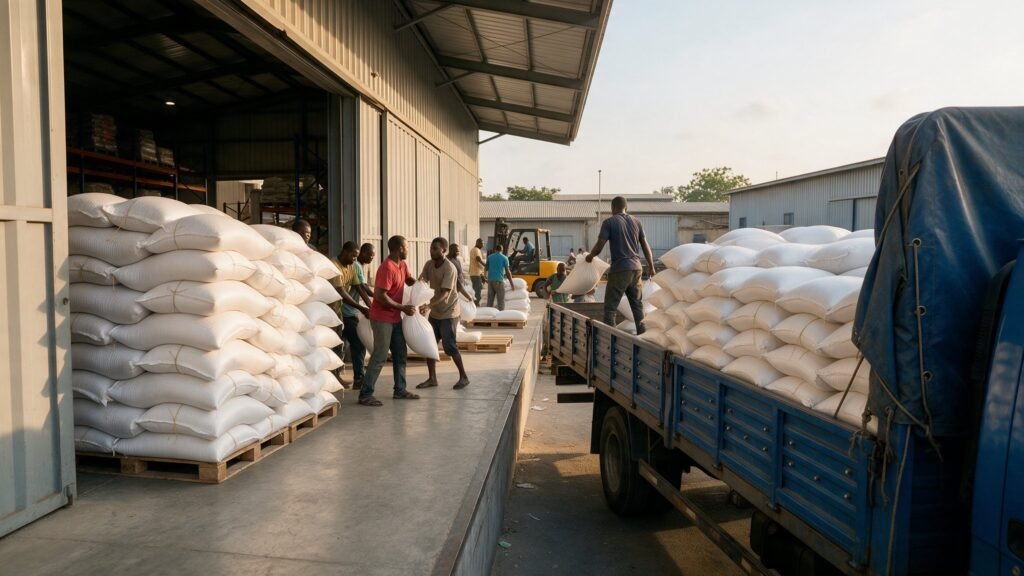
(HORECA: Hotels, Restaurants, Catering)
HORECA rice supply across the GCC — hotels, restaurants, and catering — depends on consistency, with daily operational demand leaving no room for a missed delivery. Rice procurement for hospitality businesses in the GCC requires strategic supplier relationships, strict quality standards, and dependable logistics networks to maintain menu consistency and cost control. The GCC imports over 3.2 million tons of rice annually with almost no domestic production, and demand continues expanding as urbanization and food service growth reshape institutional purchasing.
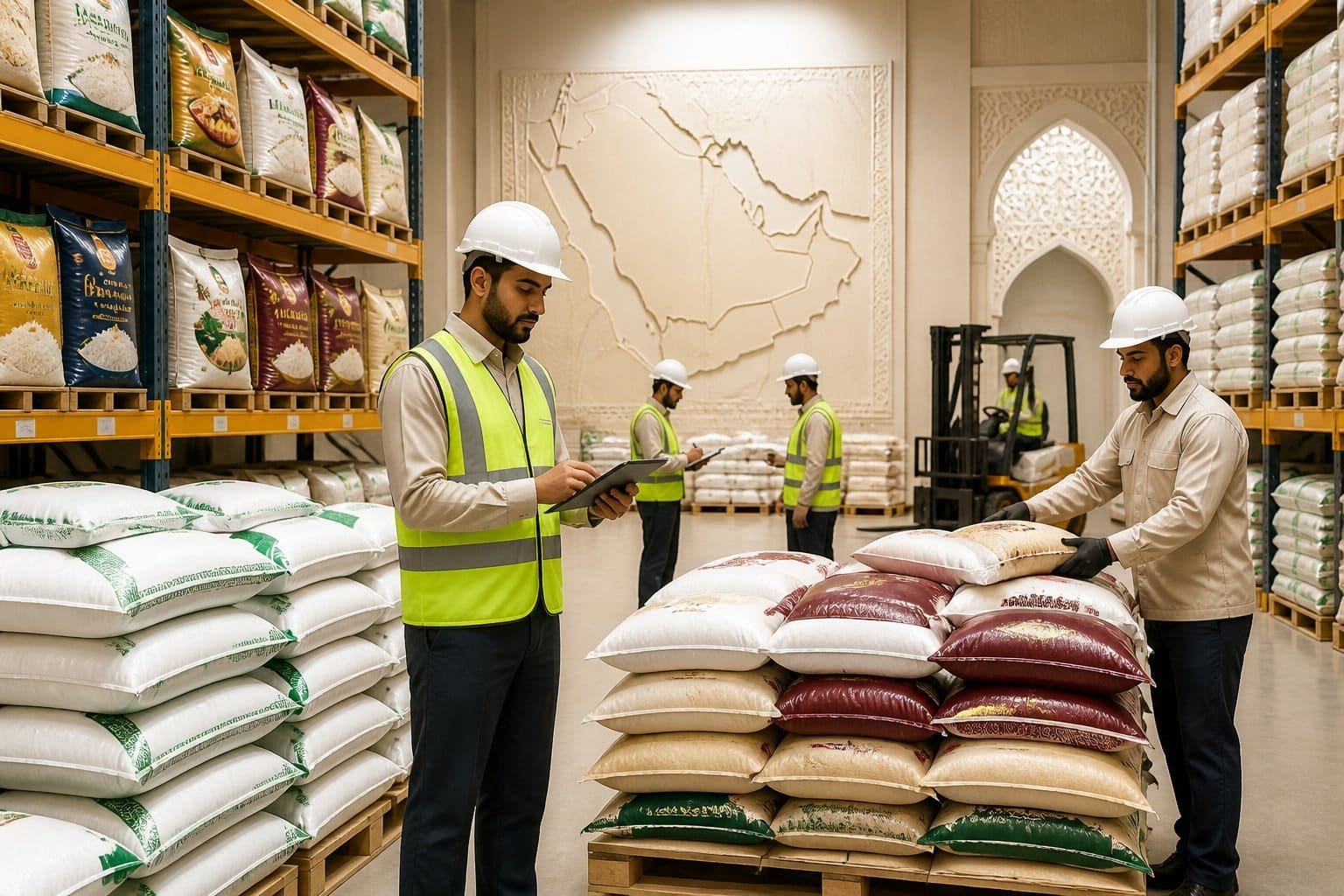
Most GCC nations import their entire rice supply, with Basmati varieties dominating premium hospitality applications. Procurement teams face mounting pressure from freight cost volatility and supply chain disruption affecting menu pricing and inventory planning. Certified suppliers offering ISO 22000, HACCP, and Halal compliance become essential partners for HORECA operators managing bulk orders and recurring shipments.
Understanding sourcing origins, quality certifications, and distribution capabilities helps hospitality buyers secure reliable rice supply. Pakistan produces certified Basmati meeting international food safety standards alongside other major exporters serving GCC markets. The right supplier partnership balances grain quality, aging protocols, packaging standards, and delivery reliability to support high-volume commercial kitchens.
Key Takeaways
- HORECA rice procurement in the GCC demands certified suppliers with ISO 22000, HACCP, and Halal compliance for consistent quality
- Supply chain disruption and freight volatility require strategic supplier relationships and inventory planning
- Premium Basmati from certified origins dominates hospitality demand across hotels, restaurants, and catering operations
What Is Driving HORECA Rice Demand in the GCC?
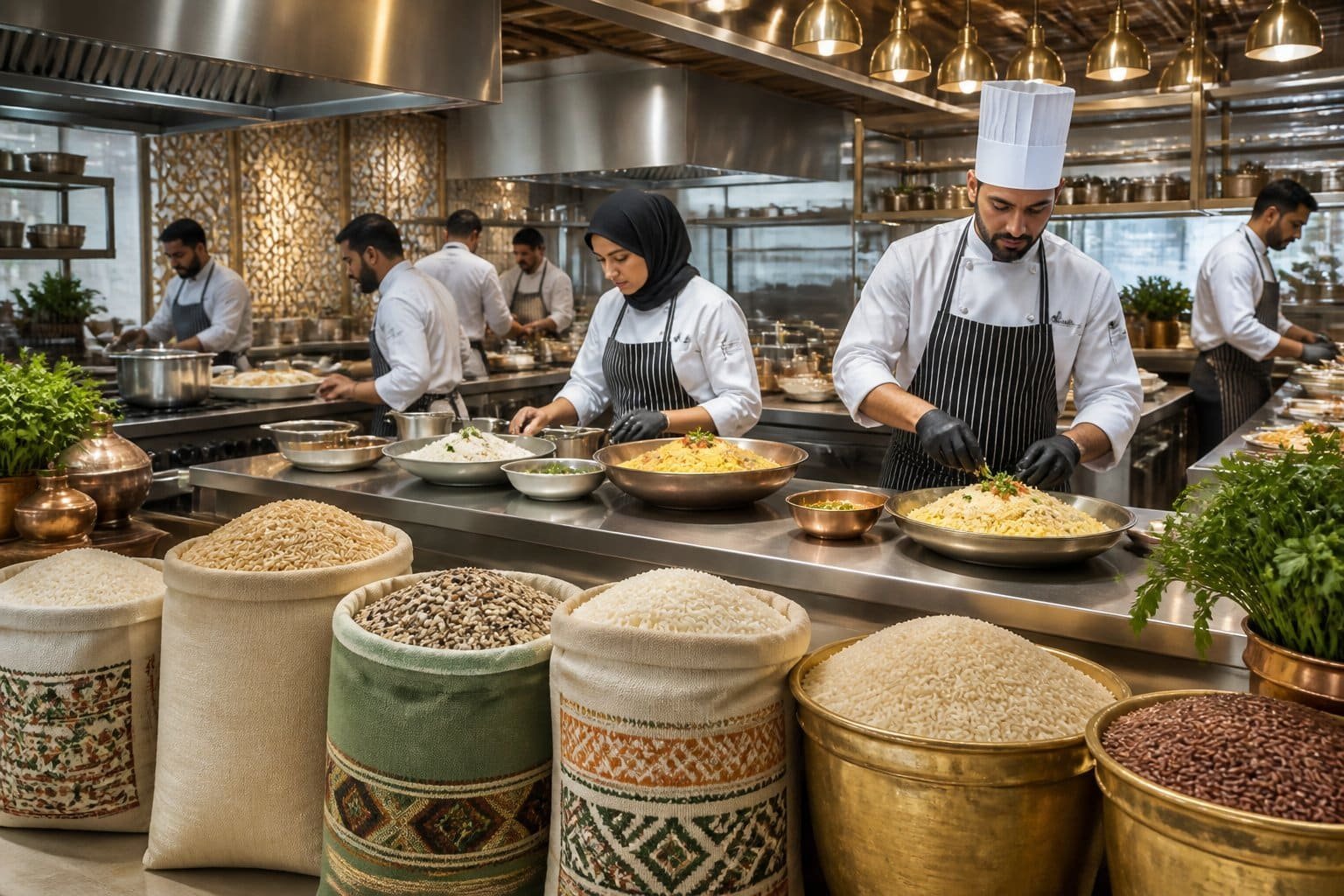
The HORECA sector drives substantial rice consumption across the GCC, with demand for premium and aged Basmati rice remaining particularly strong. Population growth and expanding hospitality infrastructure combine to create consistent institutional demand patterns that differ markedly from retail consumption.
Growth Factors Shaping Institutional Rice Demand
The GCC rice market shows steady growth projections with a CAGR of +0.9% in volume from 2024 to 2035, reaching 3.3M tons by 2035. Value growth outpaces volume at +1.8% CAGR, reflecting premiumization trends in institutional purchasing.
Hotels, restaurants, and catering operations increasingly prioritize certified rice suppliers who meet international quality standards. ISO 22000:2018, HACCP, and Halal certifications have become baseline requirements for HORECA procurement teams. Pakistan serves as a certified, reliable origin for premium varieties that meet these stringent specifications.
The shortage of local rice production due to inappropriate climatic conditions ensures continued import dependency. Saudi Arabia reduced production by 99.8% to just 408 tons in 2024, making imports essential for the HORECA sector’s needs.
Role of Demographics and Expatriate Communities
The increasing population, including a substantial expatriate community from rice-consuming countries, drives specific demand patterns in institutional foodservice. South Asian expatriates represent a significant customer base that expects authentic rice varieties in restaurants and hotels.
Per capita consumption varies significantly across GCC nations. Oman leads at 71 kg per person, followed by Qatar and the UAE at 69 kg per person each. These high consumption rates translate directly into HORECA purchasing volumes, particularly in metropolitan areas with dense expatriate populations.
Cultural significance of rice in local cuisine reinforces institutional demand. Traditional dishes require specific rice types, compelling restaurants and caterers to maintain diverse inventory from reliable suppliers who understand regional preferences.
Institutional Segments: Hotels, Restaurants, and Catering
The United Arab Emirates imported 959K tons in 2024, with a substantial portion allocated to Dubai’s thriving hospitality sector. Saudi Arabia leads overall imports at 1.6M tons, serving both retail and institutional channels across the kingdom.
Key institutional purchasing priorities include:
- Consistent grain quality and appearance
- Aging specifications for premium Basmati varieties
- Bulk packaging options for high-volume operations
- Supply chain reliability and delivery schedules
- Certification documentation for food safety compliance
Semi-milled or wholly milled rice represents 99% of GCC imports, the preferred format for institutional kitchens. Brown rice and organic varieties constitute emerging segments as health-conscious menu options gain traction in upscale establishments.
Import values are rising faster than volumes, reflecting a shift toward higher-grade and certified rice in institutional purchasing. Kuwait showed the strongest tilt toward higher-grade rice, indicating quality-focused procurement strategies in its hospitality sector.
Where Does GCC HORECA Rice Come From?

The GCC hospitality sector depends almost entirely on imported rice, with the region importing over 85% of its food requirements. Rice import reliance reaches nearly 100% in most GCC nations, creating a complex network of sourcing relationships and distribution channels that directly affect HORECA operations.
Primary Exporting Countries and Import Reliance
India, Pakistan, and Thailand dominate rice exports to the GCC market. Pakistan supplies significant volumes of premium basmati and long-grain varieties that meet strict quality standards including ISO 22000:2018, HACCP, and Halal certifications.
The GCC milled rice market exceeds 3.2 million tons in annual consumption, with domestic production negligible across the region. Each exporting country specializes in different rice varieties based on climate and processing capabilities.
HORECA buyers work with rice suppliers who maintain certifications like ISO 9001:2015 and USFDA approval. These standards ensure consistent quality and food safety compliance across distribution networks. Certified origins provide traceability and reduce supply chain risks for hotels, restaurants, and catering operations.
Regional Import Hubs and Re-Export Patterns
Dubai and Jeddah function as primary import hubs where rice arrives in bulk shipments before redistribution across the GCC. These ports handle containerized shipments and break them down for regional distribution networks.
Smaller GCC nations often receive rice through re-export channels from UAE and Saudi Arabia rather than direct imports. This hub-and-spoke model adds handling costs but provides flexibility for hospitality operators ordering mixed shipments.
Distribution networks connect port facilities to HORECA establishments through third-party logistics providers and specialized food distributors. Cold storage facilities at key hubs maintain rice quality during the redistribution process.
Impact of Price Volatility and Supply Disruptions
Rising freight costs and trade route disruptions are forcing GCC hospitality operators to rethink procurement strategies. International rice prices fluctuate based on harvest yields, export policies, and shipping availability.
The outbreak of conflict affecting the Strait of Hormuz in February 2026 created unprecedented challenges for rice supply chains. HORECA operators faced delays and price increases as alternative shipping routes added time and cost.
Rice suppliers with diversified sourcing and pre-positioned inventory helped hospitality businesses maintain menu consistency during disruptions. Operators now build longer-term contracts with multiple suppliers rather than relying on spot purchases to manage volatility.
How Is HORECA Rice Distributed Across the GCC?
The GCC rice supply chain depends on specialized distribution networks that handle temperature-controlled storage, cross-border trade, and direct delivery to hotels, restaurants, and catering operations. Companies combine global sourcing expertise with regional logistics infrastructure to meet the demands of a market that imports 85-90% of its food supply.
What Capabilities Should a GCC Rice Distributor Have?
Rice distribution across the Gulf is handled by a mix of large bulk importers, regional foodservice distributors, and specialist origin suppliers. Rather than company names, HORECA buyers should assess capability: does the supplier hold direct mill relationships at origin, or is it buying through intermediaries? Can it provide certification and batch documentation on request rather than after chasing? Does it hold or pre-position inventory in the region, or quote only against fresh sailings?
Larger logistics groups across the region are investing in integrated food and agri-commodity infrastructure — free zone warehousing, processing hubs, and port-linked storage — which is gradually shortening lead times for institutional buyers. For a hotel or catering group, the practical test is simpler: can the supplier commit to a delivery schedule in writing, and has it held to one through a disruption?
Distribution Strategies for B2B and HORECA
Direct Delivery Models
HORECA distributors maintain dedicated fleets for temperature-controlled transport to hotels, restaurants, and catering facilities. Specialist foodservice distributors combine broad product portfolios with regional logistics infrastructure to hold delivery windows across multiple emirates and cities.
Climate-Controlled Storage Requirements
Rice storage requires controlled humidity and temperature to prevent spoilage during extended storage periods. Distribution networks invest in cold chain and warehousing systems designed for grains and processed foods alongside fresh produce.
Technology Integration
Modern distributors implement digital platforms for inventory management, order tracking, and quality control. These systems provide traceability from origin to final delivery point.
Market Expansion Across GCC Borders
GCC distribution networks operate across multiple countries through free trade agreements and customs coordination. Established distributors connect origin supply with UAE and GCC markets through structured mill partnerships and regional redistribution networks.
Saudi Arabia represents the largest consumption market in the region, driving expansion strategies for rice distributors. Companies establish local warehouses in Riyadh, Jeddah, and Dammam to serve the kingdom’s hospitality sector.
Cross-border logistics require customs clearance systems and documentation for food safety standards. Distributors work with government agencies to maintain regulatory compliance across different GCC markets. The partnership model allows companies to leverage existing infrastructure in each country while maintaining centralized procurement from certified origins.
How Is Rice Quality Protected in GCC Storage and Transit?
Rice distribution across the GCC requires precise temperature and humidity control to preserve grain quality, prevent moisture damage, and maintain food safety standards throughout multi-stage supply chains. Advanced logistics systems and regulatory compliance form the foundation of reliable HORECA rice delivery.
Importance of Cold Chain in Rice Distribution
While rice itself doesn’t require freezing, climate-controlled storage prevents quality degradation in the GCC’s extreme heat. Temperatures above 30°C combined with high humidity can trigger insect activity, mold growth, and moisture absorption that compromises grain integrity.
Distribution networks serving hotels, restaurants, and catering operations must maintain consistent conditions from port arrival through final delivery. Pakistani rice suppliers meeting ISO 22000:2018 standards implement controlled environments that preserve the grain’s natural properties during transit and warehousing.
Key storage parameters include:
- Temperature: 15-20°C optimal range
- Humidity: Below 60% to prevent moisture uptake
- Ventilation: Regular air circulation to avoid condensation
- Pest control: Integrated monitoring systems
Major facilities in Dubai and other GCC hubs now operate climate-resilient storage infrastructure designed specifically for dry goods protection.
Technological Innovations in Logistics
Modern rice distribution employs digital monitoring systems that track temperature, humidity, and location throughout the supply chain. Smart sensors provide real-time alerts when storage conditions deviate from specified ranges.
Advanced cold chain facilities now feature multi-temperature zones, allowing rice storage alongside other HORECA products while maintaining optimal conditions for each category. These systems support inventory rotation through automated stock management that ensures older shipments move first.
Blockchain integration enables full traceability from origin to destination. HORECA buyers can verify that Pakistani rice shipments maintained proper conditions across sea freight, customs clearance, and last-mile delivery. GPS-enabled transportation provides precise delivery windows that reduce dock time and minimize exposure to ambient conditions.
Maintaining Food Safety and Regulatory Compliance
GCC markets enforce strict food safety regulations that rice suppliers must meet before distribution. ISO 9001:2015 and HACCP certifications demonstrate systematic quality control across processing, packaging, and logistics operations.
Temperature-controlled warehousing facilities maintain documentation proving continuous compliance with UAE, Saudi, and Qatar food safety authorities. Regular audits verify that storage areas remain free from contaminants and cross-contamination risks.
Halal and USFDA certifications provide additional assurance for international hotels and restaurant chains operating in the region. These standards cover everything from pest management protocols to warehouse sanitation procedures. Certified suppliers implement documented cleaning schedules, staff hygiene training, and allergen separation measures that protect rice quality and meet regulatory requirements across all GCC nations.
Which Rice Types Do GCC Hotels and Restaurants Buy?
HORECA buyers across the GCC are diversifying their rice portfolios to meet guest expectations that range from premium aged grains to health-focused alternatives. This shift reflects broader consumer trends toward quality, wellness, and culinary authenticity in institutional dining.
Emergence of Premium and Specialty Rice in HORECA
Fine-dining establishments and luxury hotels increasingly demand aged Basmati and specialty long-grain varieties that deliver consistent aroma, texture, and presentation. Premium retail channels across Saudi Arabia and the UAE are absorbing larger volume commitments as consumption patterns shift toward certified grains.
Pakistani Basmati has become a preferred origin for many HORECA operators due to its naturally aged kernels and reliable supply chains. A rice supplier serving high-end restaurants must provide grains that meet ISO 9001:2015, ISO 22000:2018, HACCP, Halal, and USFDA certification standards.
Specialty varieties extend beyond Basmati. Thai Jasmine, Sona Masoori, and Arborio cater to specific ethnic cuisines and menu applications. Hotels with diverse F&B outlets often maintain multiple rice types to serve Italian risotto, Thai curries, and Middle Eastern pilafs from a single inventory.
Plant-Based Trends and Institutional Demand
Plant-based menu development in GCC hotels and catering operations has elevated rice from a side dish to a centerpiece ingredient. Whole grains like brown rice and red rice fit naturally into vegan and vegetarian offerings that appeal to health-conscious guests.
Institutional kitchens are exploring plant-based protein bowls, grain salads, and rice-based meat alternatives that require specific grain characteristics. Short-grain brown rice holds together in patties and balls, while wild rice blends add visual appeal and nutritional density to buffet spreads.
A rice supplier serving this segment must stock organic and conventionally grown options with transparent sourcing documentation. Chefs building plant-forward menus require reliable access to consistent grain quality and moisture content that performs across steam tables and à la carte service.
Catering to Health-Conscious and Niche Segments
Corporate catering and healthcare facilities now specify low-glycemic and fortified rice varieties to align with wellness initiatives. Brown rice, parboiled rice, and fortified white rice meet nutritional guidelines without sacrificing guest satisfaction.
Specialty and premium rice varieties also serve cultural and dietary preferences within multicultural workforces. Employee dining programs in major GCC cities source multiple grain types to accommodate South Asian, Southeast Asian, and Middle Eastern employees during daily meal service.
Rice suppliers supporting these niche segments must offer flexible packaging sizes and labeling that meets institutional procurement standards. Bulk orders require consistent grading, minimal breakage, and predictable cooking behavior across large-batch preparation equipment used in hospitals, universities, and industrial catering operations.
How Do You Choose a HORECA Rice Supplier in the GCC?
HORECA operations in the GCC require rice suppliers who deliver consistent quality, understand regulatory frameworks, and scale with institutional demand. Evaluation criteria should prioritize certifications, origin reliability, and logistical capabilities that align with commercial kitchen requirements.
Criteria for Evaluating Wholesale and B2B Suppliers
Quality certifications form the foundation of supplier assessment. Reputable suppliers maintain ISO 22000:2018 food safety management systems, HACCP protocols, and Halal certifications that meet GCC regulatory requirements. ISO 9001:2015 certification demonstrates consistent quality management across procurement and distribution operations.
Origin verification matters significantly for rice quality. Pakistan produces certified premium varieties including 1121 Basmati with grain lengths exceeding 8.3mm raw, while India and Thailand offer distinct cultivars suited to different menu applications. Buyers should request Certificates of Analysis documenting grain specifications, moisture content, and broken grain percentages.
Infrastructure capabilities determine delivery reliability. Suppliers operating bonded warehouses in Dubai’s free zones provide faster order fulfillment compared to those relying solely on direct imports. Temperature-controlled storage prevents moisture damage during humid seasons. Buyers should verify suppliers maintain proper stock rotation systems and can provide traceability documentation from mill to delivery.
Navigating Supplier Relationships in the GCC
Payment terms and contract structures vary across the GCC rice trade. Letters of Credit remain standard for new partnerships, while established relationships may transition to Documents Against Payment arrangements. Fixed-price contracts with quarterly reviews protect against commodity price volatility better than spot purchases.
Minimum order quantities typically start at container loads of 25-27 metric tons for optimal pricing. Premium rice suppliers in the GCC often accommodate smaller orders through consolidated shipments, though per-unit costs increase. Hotels and restaurant groups benefit from negotiating annual volume agreements that secure preferential pricing while maintaining delivery flexibility.
Communication protocols should establish clear specifications for each variety. Pakistani Basmati aged 12-18 months performs differently than freshly milled rice in pilaf applications. Suppliers experienced in HORECA requirements understand these culinary distinctions and can recommend appropriate varieties for specific menu items.
Supporting Institutional Procurement Needs
Large-scale operations require suppliers who handle custom packaging and labeling. Leading wholesale suppliers offer 25kg HORECA bags designed for commercial kitchen workflows alongside retail packaging for hotel gift shops or breakfast buffet displays.
Documentation support streamlines institutional purchasing processes. Suppliers should provide batch-specific lab reports, phytosanitary certificates, and GCC Standardization Organization compliance documentation without delays. This becomes critical when procurement teams answer audits or health inspections.
Seasonal planning assistance separates experienced suppliers from commodity brokers. Ramadan demand spikes require advance stocking of premium varieties. Suppliers who forecast these patterns and pre-position inventory help institutional buyers avoid last-minute shortages or premium surcharges during peak periods.
What Is the Future of HORECA Rice Supply in the GCC?
The GCC HORECA rice supply landscape is transforming through technology adoption, sustainability initiatives, and evolving procurement models. Suppliers must address changing dietary preferences, strengthen supply chain resilience, and embrace digital platforms to remain competitive.
Evolving Consumer Preferences in HORECA Channels
HORECA operators across the GCC are expanding their rice offerings to meet diverse guest expectations. Hotels and restaurants now stock multiple varieties including basmati, jasmine, and specialty grains to accommodate international clientele.
Plant-based dining trends are influencing rice procurement patterns. Restaurants are sourcing organic and specialty rice varieties that complement vegetarian and vegan menu offerings. Premium Pakistani basmati remains popular for its aromatic qualities and versatility across Mediterranean, Asian, and fusion cuisines.
Health-conscious consumers drive demand for whole grain options. Brown rice, red rice, and ancient grain varieties are appearing more frequently on hotel buffets and restaurant menus. Suppliers who can provide certified organic rice with transparent sourcing documentation gain advantage with quality-focused establishments.
Key preference shifts include:
- Premium aromatic varieties for fine dining
- Organic and whole grain options for health menus
- Quick-cooking formats for fast-casual concepts
- Portion-controlled packaging for consistency
Sustainability and Supply Chain Resilience
The GCC’s 85% reliance on imported food creates urgency around supply chain stability. HORECA buyers prioritize suppliers with diversified sourcing and proven delivery reliability during disruptions.
Cold chain infrastructure improvements support better rice quality preservation. Temperature-controlled storage prevents moisture damage and pest contamination during distribution. Pakistani rice exporters meeting ISO 22000:2018 and HACCP standards provide the food safety documentation that major hotel chains require.
Regional investments in food security infrastructure are reshaping procurement strategies. The GCC’s sustained investment in food technology strengthens import inspection capabilities and storage facilities. HORECA distributors benefit from improved port efficiency and reduced spoilage rates.
Sustainability certifications are becoming procurement requirements. Hotels participating in environmental programs request rice suppliers demonstrate water conservation practices and reduced carbon footprints. Pakistani suppliers implementing sustainable farming practices align with these corporate responsibility goals.
Technological Transformation and Digital Procurement
Digital ordering platforms are streamlining HORECA rice procurement. Restaurants and hotels use online marketplaces to compare prices, check inventory availability, and schedule deliveries. Suppliers offering real-time stock visibility and automated reordering tools capture larger market share.
Blockchain technology enables supply chain transparency. HORECA buyers can verify rice origin, certification compliance, and handling conditions through digital records. This traceability becomes essential for establishments promoting food safety and quality assurance to guests.
Digital tools transforming procurement:
- Mobile apps for quick reordering
- AI-powered demand forecasting
- Digital certification verification
- Automated inventory management systems
Smart packaging with QR codes provides batch tracking information. Chefs and purchasing managers scan codes to access milling dates, storage recommendations, and preparation tips. This technology reduces waste and ensures optimal rice quality for guest service.
Frequently Asked Questions
Commercial foodservice buyers in Gulf markets need clear answers about grain specifications, delivery logistics, quality standards, and storage protocols when sourcing rice at scale.
Which rice varieties are most suitable for restaurants, hotels, and catering operations in the Gulf region?
Premium basmati rice, parboiled rice, jasmine rice, and specialty varieties form the core of HORECA supply programs across the GCC. Basmati remains the most requested grain type due to regional preference and menu versatility.
Pakistani Basmati varieties like Kernel Basmati and Super Basmati deliver the long grain, aroma, and texture that Gulf diners expect. These varieties perform well in biryani, mandi, kabsa, and side dish applications.
1121 extra long grain basmati suits fine dining and buffet operations where presentation matters. Parboiled rice works for high-volume catering where consistency and holding time are priorities.
What are the typical minimum order quantities and lead times for bulk rice deliveries to commercial kitchens?
Container loads start at 20-foot units, which hold approximately 20 to 26 metric tons depending on packaging density. Full container shipments offer better unit economics and freight efficiency than partial loads.
Lead times from South Asian origins to GCC ports typically range from 10 to 18 days. Customs clearance, documentation processing, and last-mile delivery add another 3 to 7 days depending on the destination market.
Buyers should plan inventory cycles around these timelines. Standing orders with scheduled shipments help maintain stock levels without tying up excessive warehouse space.
How can buyers verify consistent grain quality, aroma, and cooking performance across shipments?
Suppliers operating under ISO 22000:2018 and HACCP standards maintain documented quality controls at milling, grading, and packaging stages. These certifications require traceability systems that link each batch to its processing records.
Pre-shipment samples allow buyers to evaluate grain length, broken percentage, moisture content, and aroma before committing to full orders. Lab testing for aflatoxin, pesticide residues, and microbial counts provides additional assurance.
Reputable suppliers provide certificates of analysis with every shipment. Buyers should verify that these documents match the agreed specifications and reference the correct batch codes.
What packaging formats and pallet configurations are most practical for high-volume foodservice storage and handling?
Commercial kitchens typically prefer 10 kg, 20 kg, or 25 kg polypropylene bags over smaller consumer packs. These sizes balance handling convenience with portion control and turnover rates.
Palletized loads streamline warehouse operations and reduce labor costs during receiving and stock rotation. Standard 1200 x 1000 mm pallets fit most Gulf warehouse racking systems and loading dock configurations.
Shrink-wrapped pallets with corner boards protect bags during transport and stacking. Clear labeling with batch numbers, packing dates, and product codes helps kitchen managers track inventory and maintain FIFO rotation.
Which certifications and documentation are commonly required for importing and distributing rice to foodservice buyers in Gulf markets?
FSSAI certification confirms compliance with Indian national food safety standards, while equivalent certifications from Pakistani authorities validate quality from that origin. Halal certification remains mandatory for virtually all foodservice supply in the region.
ISO 9001:2015 demonstrates quality management system compliance. ISO 22000:2018 and HACCP cover food safety management throughout the supply chain.
USFDA certification, though not required for GCC markets, signals that a supplier meets international standards recognized globally. Certificate of Origin, phytosanitary certificates, and health certificates complete the documentation package for customs clearance.
How should foodservice operators store bulk rice to maintain freshness and prevent infestation in hot, humid conditions?
Climate-controlled storage at 18 to 25 degrees Celsius with relative humidity below 65 percent prevents moisture absorption and insect activity. Rice stored above 70 percent humidity risks mold growth and quality degradation.
Pallets should sit on raised platforms at least 10 cm above floor level to allow air circulation and protect against moisture from concrete slabs. Maintaining 30 cm clearance from walls creates inspection corridors and reduces condensation contact.
Regular stock rotation using FIFO principles ensures older inventory moves first. Monthly inspections for packaging damage, moisture signs, and pest activity catch problems before they spread through storage areas.
A Rice Supply Line Your Kitchen Can Plan Around
TEFT Global supplies premium Pakistani basmati and long-grain rice to hotels, restaurants, and catering operations across Qatar and the GCC — 25kg HORECA bags, certificates of analysis with every batch, and scheduled shipments built around your service calendar, including Ramadan peaks.