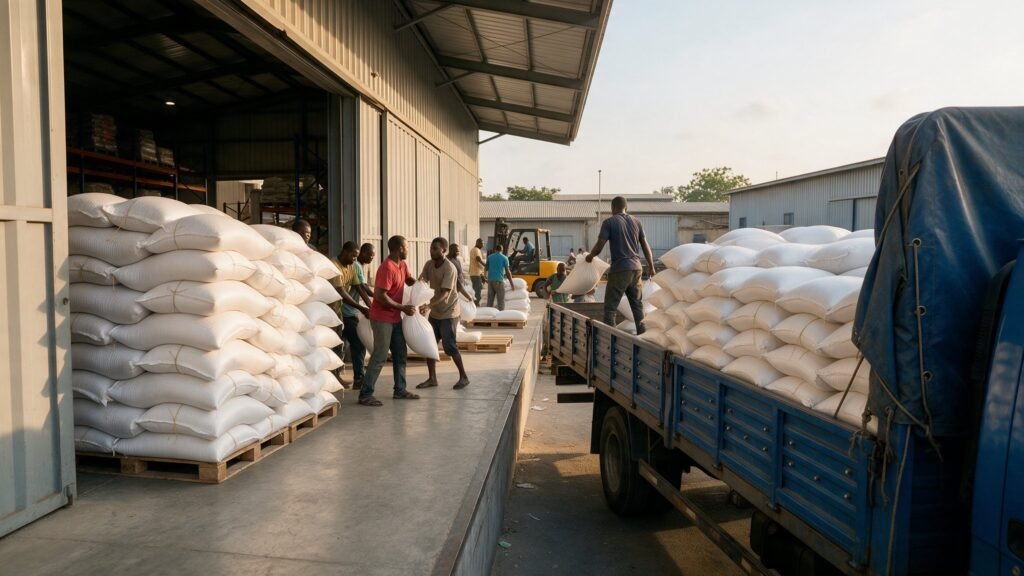
Ramadan rice demand across the GCC spikes sharply every year, creating a concentrated procurement window that tests supply chains from mill to shelf. Retailers and importers typically increase rice orders by 25% in the six to eight weeks before the holy month, according to trade data from major Gulf logistics hubs. With Ramadan 2027 beginning around 7 February, procurement teams face tight timelines to secure adequate volumes of basmati and other premium varieties.

The challenge extends beyond volume. GCC consumers expect certified halal products that meet international food safety standards during a month when household consumption patterns shift dramatically. Importers must coordinate with suppliers who can deliver ISO 22000:2018, HACCP, and halal-certified rice while managing port congestion and seasonal price fluctuations. Pakistan remains a key certified origin for premium basmati varieties that align with both quality expectations and regulatory requirements across Gulf markets.
Understanding seasonal consumption patterns and trade dynamics helps importers avoid supply gaps and maintain competitive pricing. This article examines market segmentation, procurement strategies, and the logistical considerations that define successful Ramadan rice sourcing in the GCC.
Key Takeaways
- Rice imports to the GCC increase by roughly 25% in the weeks before Ramadan as retailers prepare for peak household demand
- Premium basmati varieties certified to international food safety and halal standards dominate GCC procurement during the holy month
- Early sourcing from reliable certified origins helps importers avoid supply pressure and price volatility during the compressed Ramadan window
How Does Rice Consumption Change During Ramadan?
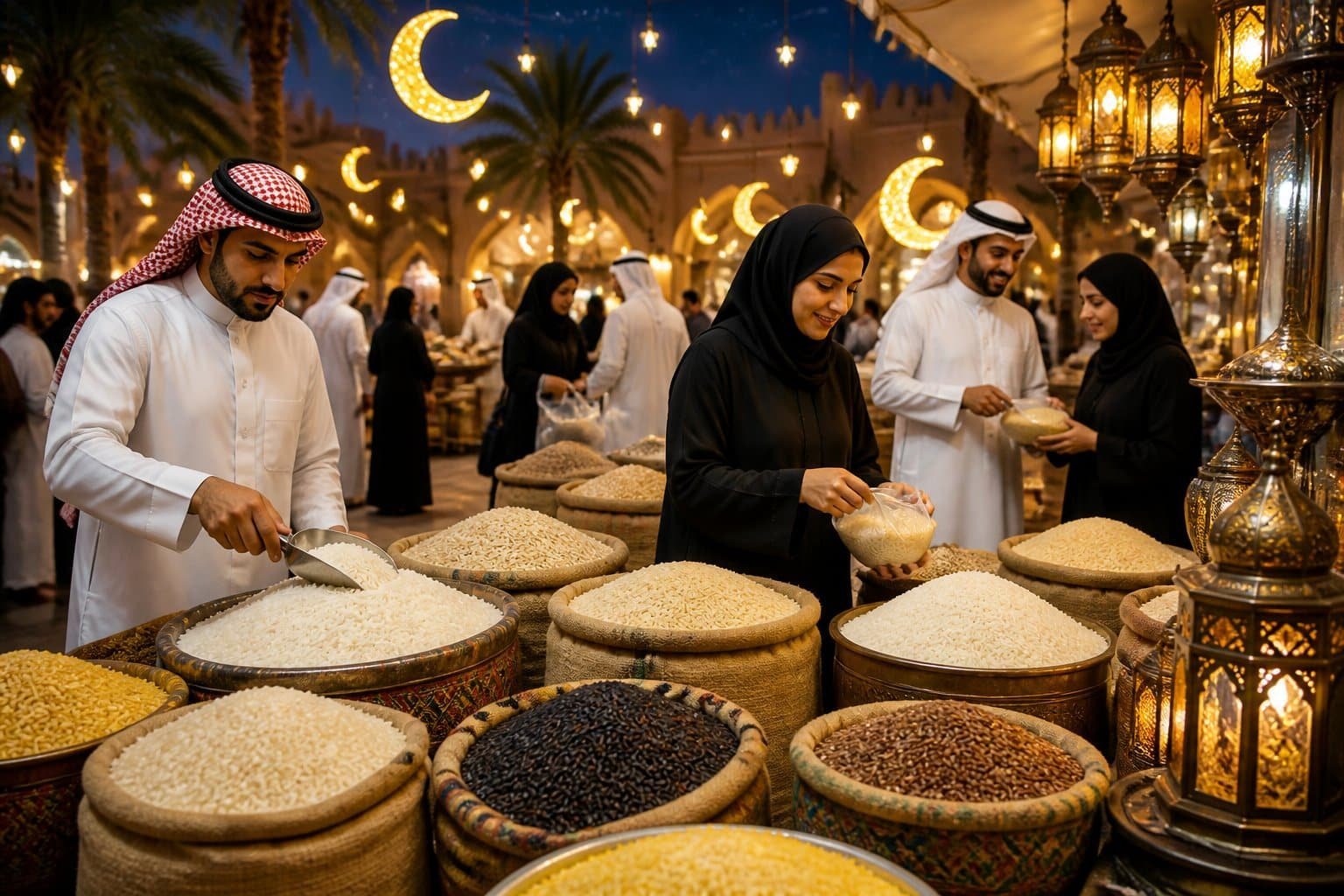
During Ramadan, household consumption shifts dramatically from impulse buying to intentional purchasing centered on family meals and traditional foods. Rice imports surge to meet institutional and household demand, while importers and distributors adjust their supply chains weeks in advance to avoid stockouts during peak consumption periods.
Ramadan’s Impact on Food Import Cycles
Ramadan reshapes food demand across the GCC and Middle East economies each year. Rice imports increase substantially as families prepare for evening iftar meals and suhoor gatherings that define the holy month.
The GCC basmati rice market experiences particular pressure during this period. Pakistani basmati rice serves as a primary source for GCC importers due to its certification standards and established trade channels. Suppliers meeting ISO 9001:2015, ISO 22000:2018, HACCP, Halal, and USFDA requirements maintain priority access to regional markets.
Import volumes typically peak 4-6 weeks before Ramadan begins. Distributors like TEFT Global coordinate shipments from Pakistan to ensure inventory arrives before the seasonal surge intensifies. This timing allows rice to clear customs, reach distribution centers, and stock retail shelves before consumer demand accelerates.
Household and Institutional Demand Drivers
More than 48% of daily movement during Ramadan happens after iftar, compared to 18-22% on regular days. This shift concentrates food shopping and meal preparation into evening and late-night hours across Dubai, Riyadh, and Doha.
Household demand drivers include:
- Larger family gatherings requiring bulk rice purchases
- Traditional recipes calling for specific basmati varieties
- Increased home cooking as dining out decreases
- Multi-week stock-building by families early in Ramadan
Institutional buyers also increase orders significantly. Hotels, restaurants, and catering companies serving iftar buffets require premium rice grades in larger quantities. Corporate cafeterias and charity organizations distributing meals need reliable basmati rice supplies throughout the month.
The basmati rice market sees price stability when importers maintain adequate stock levels. Supply disruptions during Ramadan create immediate shortages due to concentrated demand periods.
Timing and Stock-Building Strategies
FMCG brands and distributors begin forecasting Ramadan demand months in advance. Rice importers calculate volume requirements based on previous years’ consumption data, population growth, and expected tourism patterns.
Qatar-based importers typically initiate orders 8-10 weeks before Ramadan. This lead time accounts for production schedules in Pakistan, container shipping transit times, port clearance, and inland distribution. Delayed shipments risk missing the critical pre-Ramadan purchasing window.
Key timing milestones:
| Activity | Timeline Before Ramadan |
|---|---|
| Order placement with Pakistani suppliers | 10-12 weeks (Mid–late Nov 2026) |
| Container departure from origin ports | 8-10 weeks (Early Dec 2026) |
| Arrival at GCC ports | 6-8 weeks (Mid–late Dec 2026) |
| Distribution to retail networks | 4-6 weeks (Early Jan 2027) |
| Peak consumer purchasing begins | 2-3 weeks (Mid–late Jan 2027) |
Stock-building strategies vary by customer segment. Retailers stock 150-200% of normal inventory levels for basmati rice. Wholesalers maintain buffer stock to serve smaller shops that reorder frequently during Ramadan. Institutional buyers often negotiate fixed-price contracts months ahead to control costs and guarantee supply availability.
Why Is Basmati the Preferred Rice for Ramadan in the GCC?
Basmati rice holds a distinct position in GCC markets due to specific quality standards, nutritional properties, and grain characteristics that align with regional culinary traditions and consumer expectations during Ramadan and year-round consumption.
Quality and Varietal Preferences
The GCC basmati rice market prioritizes certified premium varieties that meet strict geographic authenticity standards. Consumers demand rice with grains that elongate at least twice their original size during cooking while maintaining a soft, fluffy texture.
Pakistani basmati rice varieties meet ISO 9001:2015, ISO 22000:2018, HACCP, Halal, and USFDA certification standards. These certifications guarantee quality control throughout production and processing.
The market distinguishes between parboiled and raw varieties. Parboiled rice retains more nutrients through steam processing before milling. Raw basmati maintains traditional cooking properties preferred for dishes like Kabsa and biryani.
Geographic origin certification has become essential for importers serving GCC markets. Pakistan produces basmati rice in the Kalar tract of Punjab, between the Ravi and Chenab rivers, with consistent grain quality and aroma profiles that align with Gulf cuisine requirements.
Nutritional Advantages
Basmati rice contains fiber, minerals, vitamins, zinc, copper, proteins, calcium, potassium, magnesium, carbohydrates, and amino and folic acid. These nutritional components make it suitable for balanced meal planning during Ramadan’s iftar and suhoor meals.
Brown basmati rice demand has increased among health-conscious consumers in the GCC region. This variety retains the outer bran layer, providing higher fiber content and lower fat levels compared to white varieties.
The growing prevalence of lifestyle diseases has driven consumers toward rice options with better nutritional profiles. Brown basmati rice offers complex carbohydrates that provide sustained energy throughout fasting periods.
Role of Long-Grain Aromatic Rice
Long-grain aromatic rice serves as a foundation for Middle Eastern cuisine, particularly in elaborate rice-based dishes with layers of meat, sauces, and dried fruits. The distinctive nutty flavor and fragrance enhance traditional recipes prepared during Ramadan.
The slender grain structure of long grain aromatic rice prevents clumping and maintains separation after cooking. This characteristic is essential for presentation and texture in dishes served at iftar gatherings.
Asian expatriate populations in the GCC maintain strong demand for authentic basmati rice varieties. Cultural and culinary preferences drive consistent consumption patterns that extend beyond Ramadan into daily meal preparation throughout the year.
How Is the GCC Rice Market Segmented?
The GCC rice market operates through distinct product categories and established trade routes, with semi-milled rice comprising 99% of imports in 2024. Import channels and packaging formats vary significantly based on consumer preferences across different Gulf nations.
Rice Market Segmentation by Type and Packaging
The GCC basmati rice market represents a significant portion of total rice imports. Semi-milled and wholly milled rice dominates the basmati rice market segment due to consumer preferences for ready-to-cook products.
Primary Market Segments:
- Long-grain basmati rice – Premium aromatic varieties for traditional dishes
- Semi-milled rice – Standard quality for everyday consumption
- Brown rice – Growing health-conscious segment
- Broken rice – Budget category
Packaging formats range from 1kg retail bags to 25kg bulk sacks for restaurants and hotels. The foodservice sector demands larger packaging volumes, particularly during Ramadan when institutional buyers increase orders. Certified products meeting ISO 22000:2018, HACCP, and Halal standards command premium positioning in retail channels.
Country of Origin: India, Pakistan, and Others
Indian basmati rice and Pakistani varieties form the foundation of GCC rice imports, supplying the majority of long-grain aromatic rice consumed across Gulf nations. Both origins produce certified basmati rice grown in the Kalar tract of Punjab, between the Ravi and Chenab rivers, offering distinct grain characteristics and flavor profiles.
Pakistan provides premium basmati varieties that meet international certification standards including ISO 9001:2015 and USFDA requirements. These certified Pakistani rice varieties compete effectively in quality-focused market segments across Saudi Arabia, UAE, and Qatar.
India maintains substantial export volume to the region, particularly for traditional basmati rice varieties preferred in GCC countries. Additional suppliers from Thailand and Vietnam contribute non-basmati varieties for specific culinary applications.
Import and Distribution Channels
Saudi Arabia imported 1.6 million tons in 2024, representing 49% of total GCC rice imports. The UAE followed with 959,000 tons accounting for 30% of regional imports.
Major Import Hubs:
- Saudi Arabia – largest importer, 54% regional share
- UAE – major re-export hub
- Oman – 12% import volume, fastest growth at +4.8% CAGR
Distribution networks include direct importers serving retail chains, specialized rice traders supplying restaurants, and wholesalers managing bulk distribution. The UAE functions as a re-export center, with 252,000 tons shipped to neighboring markets in 2024.
Import channels intensify operations before Ramadan, when orders from GCC countries increase substantially. Qatar-based importers and distributors source premium varieties for both domestic consumption and international markets, maintaining certified supply chains that meet regional food safety standards.
What Is Driving Basmati Rice Demand Growth in the GCC?
The GCC basmati rice market reached USD 1.64 billion in 2025 and continues to expand through shifts in consumer preferences and demographic changes. Health awareness, cultural diversity, and urban lifestyle patterns drive market evolution across Gulf states.
Rising Health Consciousness and Brown Basmati Rice Adoption
Health-conscious consumers across the GCC are shifting toward brown basmati rice as obesity and lifestyle disorders become more prevalent in the region. Brown basmati rice offers low-fat content and high nutritional value compared to white rice varieties. It contains more fiber, vitamins, and minerals while maintaining the characteristic aroma and nutty flavor of traditional basmati.
The rice remains gluten-free and has a low to medium glycemic index, making it suitable for consumers managing diabetes and weight. It provides essential nutrients including copper, zinc, calcium, potassium, magnesium, and folic acid with minimal sodium and zero cholesterol.
Pakistani basmati rice suppliers meeting ISO 22000:2018 and HACCP certification standards provide reliable access to brown basmati varieties for health-focused GCC consumers. The growing awareness of dietary choices has made brown basmati rice a staple in households prioritizing wellness without sacrificing taste or cultural food traditions.
Influence of Asian Expatriate Communities
The expatriate population exceeding 50 million people sustains consistent demand for authentic basmati rice across Gulf countries. South Asian communities maintain strong cultural and culinary preferences for long-grain aromatic rice in daily meals. This demographic factor creates stable, predictable consumption patterns that support market growth.
Indian and Pakistani origins dominate supply chains, with India representing the largest exporter to the region. Pakistan also serves as a certified, reliable source for premium basmati meeting international quality standards including ISO 9001:2015, Halal certification, and USFDA requirements.
Expatriate demand extends beyond household consumption into foodservice establishments and restaurants serving traditional South Asian cuisine. These communities prioritize authentic taste profiles and grain quality, driving preference for premium-grade rice despite price differences.
Urbanization and Evolving Food Preferences
Urban populations in Saudi Arabia and the UAE demonstrate increasing interest in premium rice varieties and value-added products. Specialty retail channels are expanding their basmati rice offerings as household income levels rise and consumers seek higher-quality ingredients.
The popularity of Indian cuisine continues growing among both expatriate and local Gulf populations. This trend supports demand for authentic basmati rice across multiple consumer segments. Premium retail packaging and institutional packaging formats serve different market needs, from individual households to hotels and restaurants.
GCC countries lack suitable climatic conditions for rice production, creating complete dependence on imports from South Asian suppliers. This import reliance ensures consistent market opportunities for certified exporters maintaining food safety and quality standards across their supply chains.
When Should Importers Start Buying Rice for Ramadan?
Rice importers serving GCC markets need to balance early booking timelines with supplier diversification and quality verification to meet the sharp consumption increases that define Ramadan demand cycles.
Forecasting and Procurement Planning
Importers typically begin procurement planning three to four months before Ramadan to avoid capacity shortages and price volatility. Ramadan 2027 begins around 7 February, which means booking decisions should be finalized by mid-November 2026.
Demand forecasting relies on historical consumption data adjusted for population growth and retail expansion. Basmati rice imports often see volume increases of 25-35% during the pre-Ramadan period compared to baseline months. Importers coordinate with suppliers in Pakistan and India to secure contract volumes early, ensuring access to certified grades that meet ISO 22000:2018, HACCP, and Halal standards.
Key planning milestones include:
- October–November 2026: Confirm supplier contracts and lock pricing
- December: Arrange shipping and cold-chain logistics
- Early January: Position inventory in regional warehouses
Early procurement also prevents exposure to freight rate spikes when Ramadan coincides with Chinese New Year restocking cycles.
Risk Management and Supply Chain Resilience
Supply chain disruptions can stem from export restrictions, port congestion, or weather-related crop delays. Importers mitigate these risks by diversifying sourcing origins and maintaining buffer inventory levels.
Pakistani rice exporters provide certified basmati varieties that meet USFDA and ISO 9001:2015 standards, offering a reliable alternative when Indian basmati rice faces regulatory or pricing pressures. Multi-origin strategies allow buyers to pivot quickly if one supply route experiences delays.
Governments like Bangladesh actively import rice to stabilize markets, demonstrating the importance of proactive sourcing. Importers should maintain relationships with multiple certified mills and use contract clauses that specify delivery windows, quality parameters, and penalty terms for non-compliance.
Quality Assurance and Contracting Practices
Quality verification begins at the mill level and continues through cargo discharge. Importers require suppliers to provide certificates confirming ISO 22000:2018, HACCP, Halal, and USFDA compliance before shipment.
Pre-shipment inspections verify grain length, moisture content, broken grain percentage, and absence of contaminants. Contracts should specify:
- Grade standards (e.g., 1121 Basmati, Super Kernel)
- Packing requirements (5kg, 10kg, 25kg consumer packs or bulk)
- Delivery terms (CIF, FOB with clearly defined Incoterms)
- Penalty clauses for quality failures or delayed shipments
Upon arrival, third-party lab testing ensures compliance before distribution to retail and wholesale channels. Importers serving the GCC basmati rice market maintain traceability records to meet food safety regulations and customer expectations during high-volume Ramadan sales periods.
How Do GCC Governments Manage Rice Supply During Ramadan?
GCC governments have implemented comprehensive strategies to secure rice supplies during Ramadan, focusing on strategic reserves, regulatory oversight, and long-term economic diversification. These policies address the region’s reliance on imports while ensuring price stability and consistent availability throughout peak demand periods.
Strategic Stockpiles and Import Regulations
The UAE and other GCC states maintain strategic food reserves specifically designed to handle seasonal surges in consumption. According to UAE authorities collaborating with the private sector, retailers increase shipments of key food items through Jebel Ali port six to eight weeks before Ramadan.
Government agencies work directly with major importers to ensure adequate stockpiles of essential commodities, including basmati rice and other rice varieties. These reserves serve as a buffer against supply chain disruptions and price volatility.
Key import priorities include:
- Premium basmati rice from certified origins including Pakistan
- Long-grain white rice varieties
- Parboiled rice for specific consumer preferences
The GCC region imports up to 85% of its food, making import regulations critical to food security. Governments require suppliers to meet international standards including ISO 22000:2018, HACCP, and Halal certifications to ensure quality and safety.
Role of Government Agencies in Market Stability
The UAE Ministry of Economy and Tourism operates a digital price monitoring system linked to 627 major outlets, representing over 90% of domestic trade in essential consumer goods. This system tracks price movements continuously and identifies unjustified increases.
Ministry officials held 26 meetings with major suppliers and importers ahead of Ramadan 2026 to ensure steady flows of essential goods and prevent price hikes. During the holy month, authorities plan to conduct 420 inspection visits to retail outlets to enforce pricing policies.
In 2025, the ministry carried out 155,218 inspections and recorded 7,702 violations. Consumer protection agencies resolved 93.9% of complaints received and recovered 551,976 products through recall procedures.
Local economic departments also intensify inspections of wholesale and retail markets, including e-commerce platforms, to ensure price transparency for high-demand items like rice during Ramadan.
Implications of Vision 2030 and Similar Programs
Saudi Arabia’s Vision 2030 and comparable initiatives across the GCC prioritize food security through economic diversification and local capacity building. A new regional strategy presented by Saudi Arabia outlines coordinated policies among all six member states to strengthen the food ecosystem.
Officials noted that improved GCC agriculture cooperation remains crucial amid global supply chain disruptions and fluctuating import markets. While domestic rice production remains limited due to climate constraints, these programs focus on securing reliable partnerships with certified suppliers.
Investing in food security and sustainability could add substantial value to the Gulf economy. Government initiatives emphasize public-private partnerships and technology adoption to create sustainable growth.
These long-term strategies complement seasonal demand management for rice imports, ensuring GCC markets maintain stable access to premium basmati rice and other varieties during Ramadan and throughout the year.
What Is the Outlook for the GCC Basmati Market?
The GCC rice market’s competitive environment features established local distributors alongside international suppliers, with pricing influenced by import dynamics and seasonal demand spikes. Market forecasts point to steady growth through 2034, while new entrants face both regulatory hurdles and opportunities in underserved segments.
Major Market Players in the GCC
The GCC basmati rice market is shaped by vertically integrated distributors who control both procurement and retail channels. Local firms maintain strong positions through established brand recognition and cost-competitive strategies across Saudi Arabia, UAE, and Qatar.
International suppliers from Pakistan provide premium basmati varieties that meet ISO 9001:2015, ISO 22000:2018, HACCP, Halal, and USFDA certification standards. These certifications ensure quality consistency for GCC importers serving health-conscious consumers. Indian exporters also maintain significant market share, particularly in aromatic rice segments.
Qatar-based distributors like TEFT Global source certified Pakistani rice for regional markets, emphasizing supply chain reliability. The competitive landscape rewards suppliers who maintain consistent quality standards and responsive logistics during high-demand periods like Ramadan.
Price Trends and Market Forecasts
The market reached USD 108.3 million in 2025 and is projected to grow at a 3.20% CAGR through 2034, reaching USD 143.2 million. Volume forecasts indicate more modest growth, with consumption expected to reach 3.3 million tons by 2035.
Key Price Influences:
- Global supply chain fluctuations affecting procurement costs
- Seasonal demand surges during Ramadan increasing prices temporarily
- Currency exchange rates impacting import expenses
- Transportation costs from origin countries
Premium basmati rice commands higher price points due to aging processes and aromatic qualities. Regular rice varieties maintain stable pricing due to their role as daily staples in household budgets.
Opportunities and Challenges for New Entrants
Emerging opportunities exist in underserved markets like Oman and Bahrain, where growing populations create demand for diverse rice products. Health-conscious segments show particular interest in organic, brown, and specialty rice varieties.
New distributors benefit from rising consumer awareness of premium rice benefits and expanding retail infrastructure. The growing expatriate population from South Asian countries creates steady demand for familiar rice varieties.
Primary challenges include:
- Navigating shifting import regulations across GCC member states
- Managing quality control across regional farming practices
- Competing with established distribution networks
- Absorbing transportation cost volatility
Success requires certification compliance, reliable sourcing partnerships, and understanding of cultural preferences during religious observances. Suppliers who maintain consistent quality standards and flexible logistics position themselves for growth in this expanding market.
Frequently Asked Questions
Rice demand in GCC countries during Ramadan follows distinct patterns driven by cultural practices, import logistics, and market dynamics. Understanding these factors helps importers and distributors plan effectively for the seasonal surge.
How does rice consumption typically change in GCC countries during Ramadan compared with other months?
Rice consumption in GCC countries increases significantly during Ramadan as families gather for iftar meals and participate in community food distribution programs. The shift in meal timing and the emphasis on larger family gatherings drives demand for staple foods like rice across the region.
Ramadan import demand patterns reshape food purchasing across Middle Eastern markets during this holy month. Institutional buyers and households both increase their rice purchases to support traditional dishes served at communal iftars and charitable food programs.
The growing population in the GCC, including substantial expatriate communities from rice-consuming countries, further amplifies seasonal demand during Ramadan.
Which rice varieties see the strongest demand in GCC markets during Ramadan and why?
Long-grain aromatic rice varieties dominate Ramadan demand in GCC markets due to their cultural significance and cooking characteristics. Basmati rice from both India and Pakistan sees particularly strong demand because the grains remain separate after cooking, which is essential for traditional dishes served at large gatherings.
Pakistani basmati rice offers GCC importers a certified, reliable origin that meets ISO 9001:2015, ISO 22000:2018, HACCP, Halal, and USFDA certification standards. Indian basmati also maintains strong market presence due to its established export infrastructure and varietal diversity.
Consumer preferences tend to remain consistent year after year, with families purchasing the same brands and varieties they trust for traditional Ramadan meals. Retailers respond by stocking well-recognized varieties throughout the entire month to meet this loyalty-driven demand.
What are the main drivers of retail rice price fluctuations in the GCC ahead of Ramadan?
Supply chain factors including weather patterns in South Asia and freight rate changes create the primary price pressures for rice in GCC markets before Ramadan. Global rice production conditions in exporting countries directly affect the availability and cost of preferred varieties.
Speculative buying by some market participants can contribute to short-term price movements, though experienced importers focus more on delivery reliability than marginal cost savings. Port capacity constraints and shipping schedule disruptions also influence landed costs as demand peaks ahead of the holy month.
Exchange rate fluctuations between GCC currencies and the currencies of rice-exporting nations add another layer of price variability. Importers often use forward contracts or staggered shipments to balance price stability with guaranteed product availability.
How do GCC importers and distributors forecast and manage rice inventory for the Ramadan peak?
Sourcing for Ramadan should ideally begin 6-9 months in advance to allow time for supplier confirmation, contract negotiations, quality sampling, and regulatory approvals. This timeline provides buffer for shipping delays and ensures adequate storage capacity is secured before the peak season.
Procurement teams rely on data-driven forecasts that incorporate national population growth, hotel and restaurant booking patterns, and government food distribution program requirements. Historical Ramadan consumption data from previous years provides baseline projections that teams adjust for current market conditions.
Successful inventory management requires flexibility to accommodate unexpected supply chain disruptions. Many importers maintain relationships with multiple certified suppliers across different origins to ensure continuity of supply if one source experiences production or logistics challenges.
What impact do Ramadan promotions and government price controls have on rice sales and availability in the GCC?
Government price controls in some GCC countries help maintain food security and price stability during Ramadan, particularly for essential staples like rice. These interventions can limit retail price increases but also require importers to plan margins carefully when negotiating supplier contracts months in advance.
Retail promotions during Ramadan drive higher sales volumes as consumers stock up on preferred varieties for the month. Major retailers typically offer discounts on bulk rice purchases, which increases household stockpiling behavior and concentrates demand in the weeks immediately before Ramadan begins.
Government-funded food distribution programs add institutional demand on top of retail and foodservice channels. This multi-channel demand requires distributors to allocate inventory across different buyer segments while maintaining sufficient stock throughout the entire month.
How do shipping schedules, port capacity, and lead times affect rice supply into the GCC before and during Ramadan?
Shipping lead times from major rice-exporting countries to GCC ports typically range from two to four weeks depending on the origin and routing. Pakistan’s proximity to GCC markets provides a logistics advantage with shorter transit times compared to more distant origins.
Port congestion during pre-Ramadan peak periods can delay cargo discharge and warehouse delivery, which makes early shipment planning essential. FMCG brands need to begin planning months ahead because much of the region’s food is imported with long lead times.
Container availability and vessel scheduling become constrained as multiple importers compete for shipping capacity in the months leading up to Ramadan. Importers who secure freight contracts early gain competitive advantage through guaranteed space and more stable freight rates compared to spot market buyers.
Lock In Your Ramadan 2027 Volumes Early
Ramadan 2027 begins around 7 February. Contracts placed in the autumn secure mill capacity, freight space, and price before the pre-Ramadan squeeze. TEFT Global supplies certified premium Pakistani basmati to importers, retailers, and caterers across Qatar and the GCC — with fixed delivery windows and full documentation.