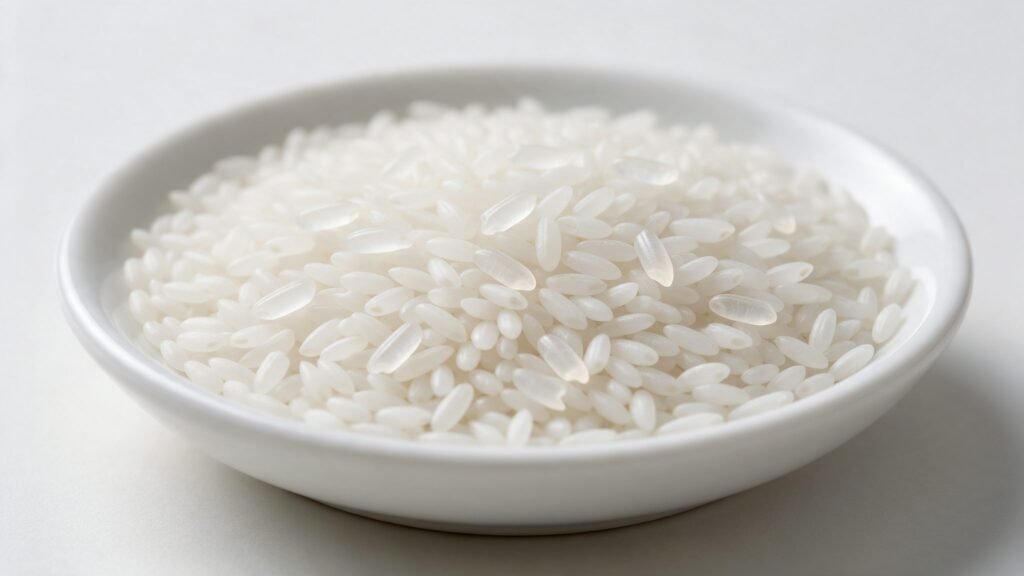
1121 basmati stands as the longest-grain basmati rice variety in global trade, with raw grains measuring 8.3mm and cooked grains extending beyond 22mm. This variety dominates premium rice specifications across GCC markets, where buyers prioritize grain length, aroma retention, and post-cooking separation. For procurement professionals managing restaurant supply chains, hotel food service operations, or retail distribution networks, understanding the distinctions between processing types and quality parameters directly impacts margin structure and customer satisfaction.
Pakistani 1121 basmati originates primarily from Punjab province, where soil composition and temperature variation produce the grain characteristics that command premium pricing. The variety arrives in three processing formats—white, steam, and sella—each engineered for specific culinary applications and storage requirements. Buyers sourcing for Saudi Arabian, UAE, or Qatari markets encounter different specification requests based on end-use requirements, from biryani preparation in commercial kitchens to retail packaging for aged basmati brands.
Rice varieties meeting ISO 22000:2018, HACCP, and Halal certification standards provide the compliance framework GCC importers require. The gap between procurement cost and delivered quality often traces back to aging protocols, moisture specifications, and broken grain percentages. This guide addresses the technical parameters, market dynamics, and sourcing strategies that separate successful 1121 basmati procurement from costly misspecification.
Key Takeaways
- 1121 basmati delivers the longest grain length in commercial rice trade at 8.3mm raw and 22mm+ cooked
- Processing type selection between white, steam, and sella determines cooking behavior, shelf life, and target market fit
- Aged rice commands a premium over new crop due to improved aroma and grain separation
What is 1121 basmati rice?
The 1121 variety represents the longest-grain basmati rice available in commercial markets, with raw grains measuring over 8.2mm and cooked grains extending beyond 22mm. This variety originates from Pakistan’s Punjab province, where it was developed through traditional plant breeding methods and released commercially in 2013.
Origins and Development
Pakistan’s agricultural research institutions developed 1121 basmati through traditional cross-breeding techniques over several years. The variety was specifically bred to enhance grain length, aroma intensity, and cooking elongation beyond what existing basmati varieties could achieve. It entered commercial cultivation in Punjab province in 2013.
The primary growing regions include Kalar Kahar, Hafizabad, and Gujranwala districts in Punjab. These areas provide clay-rich soil and significant temperature variation between day and night, which strengthens aroma development and grain elongation characteristics. Pakistan now exports 1121 basmati to markets across the GCC, Europe, and North America, with all shipments meeting ISO 9001:2015, ISO 22000:2018, HACCP, Halal, and USFDA certification standards.
The development process used no genetic modification. Breeders selected parent plants with desirable traits and cross-pollinated them over multiple growing seasons until the 1121 characteristics became stable and consistent.
Distinctive Grain Length Features
The 1121 basmati rice variety measures 8.2mm to 8.3mm in raw form, making it the longest among all basmati rice varieties. After cooking, the grains extend to 22mm or longer, achieving an elongation ratio of 2.5 times the original length.
| Measurement | 1121 Specification |
|---|---|
| Raw grain length | 8.2-8.3mm |
| Cooked grain length | 22mm+ |
| Elongation ratio | 2.5x |
| Width after cooking | Minimal increase |
This extreme elongation sets 1121 apart from other long-grain indica rice varieties. Most basmati varieties elongate 1.8 to 2.0 times their original length, but 1121 consistently exceeds this standard. The grains remain slender after cooking rather than swelling in width, which creates the distinctive separated appearance preferred for biryani and pilaf dishes.
Classification Among Rice Varieties
Basmati rice falls under the indica subspecies classification. Within the basmati category, multiple varieties exist, including 1509, 1401, 1718, and Super Kernel. The 1121 variety ranks as the premium option based on grain length specifications.
The classification system for basmati rice includes several quality parameters. Average grain length serves as the primary differentiator, with 1121 exceeding all other varieties. The rice must also meet specific criteria for aroma, cooking elongation, and kernel integrity to qualify as authentic basmati.
Long grain rice varieties include both basmati and non-basmati types. What distinguishes 1121 basmati from standard long grain rice is the combination of length, aroma compounds, and texture after cooking. Standard long grain rice may reach 6-7mm in raw form, while 1121 consistently measures above 8mm.
White, steam, or sella: what’s the difference?
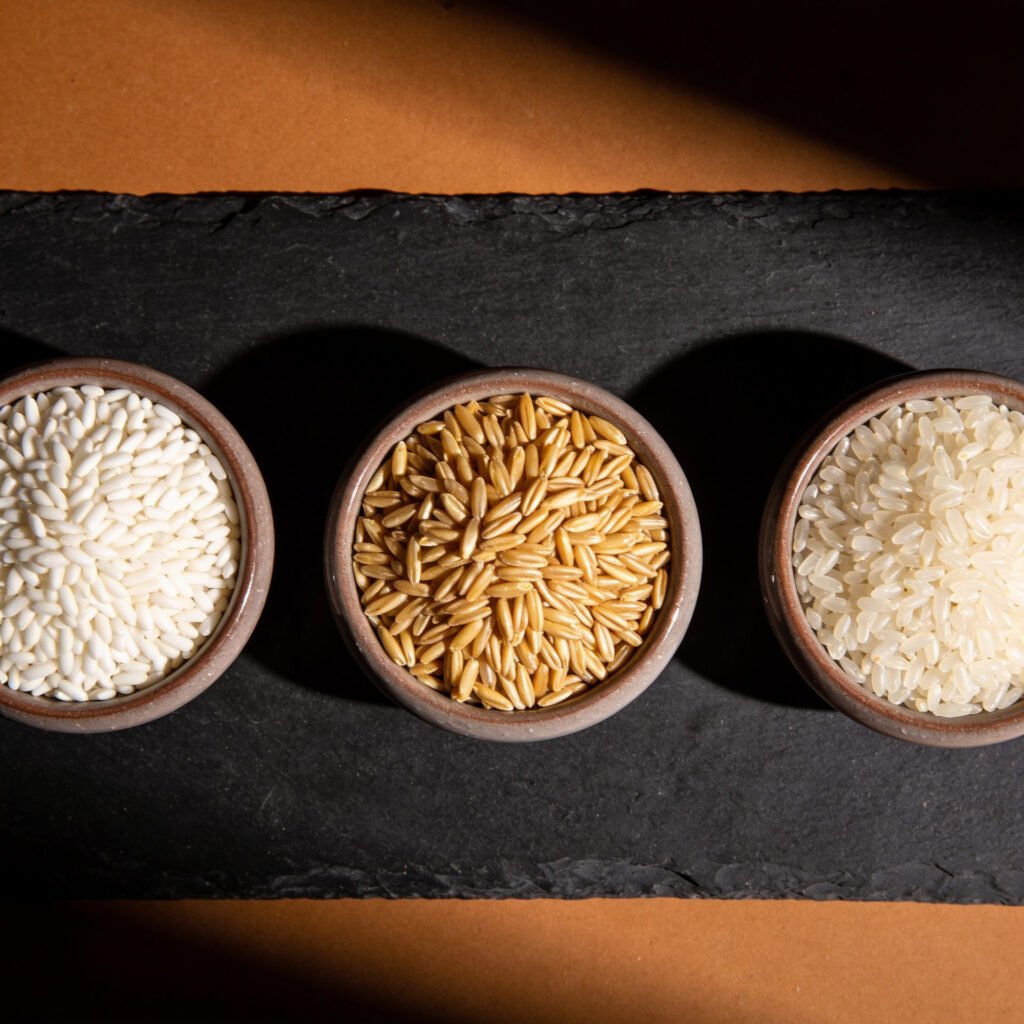
1121 basmati rice goes through three distinct processing methods that change its appearance, cooking behavior, and market positioning. White rice is milled directly from paddy, steam rice receives heat treatment before milling, and sella undergoes a complete parboiling process that creates its golden color.
White (Raw) 1121 Basmati Rice
White 1121 basmati rice comes from paddy that goes straight through husking and milling without any pre-treatment. The grains remain bright white and translucent with maximum natural aroma.
This processing method produces the softest, fluffiest texture after cooking. The grains elongate up to 2.5 times their original length and release a strong floral aroma during cooking. Rice quality depends heavily on careful milling because raw paddy breaks easily during processing.
White 1121 commands the highest price among all processing types. The yield of whole kernels stays between 58-62%, which is lower than other methods. Pakistan’s Punjab province produces premium white 1121 basmati that meets international certification standards including ISO 22000:2018 and HACCP.
GCC retail markets, European importers, and North American distributors prefer white basmati for premium packaging. The rice works best for biryani, pilaf, and dishes where aroma and visual appeal matter most.
Characteristics of 1121 Steam Rice
1121 steam rice receives light heat treatment before milling. The paddy gets exposed to controlled steam that firms up the grain structure without changing its color significantly. The result is an off-white appearance with improved grain separation during cooking.
Steam processing increases milling yields to 65-68% because the grains resist breakage better than raw paddy. The texture stays firmer than white rice but softer than fully parboiled varieties. Elongation reaches 2.4 times the original length.
Food service operations value steam rice for its consistent performance. The grains stay separate even when held in warming equipment for extended periods. The processing also reduces the aging requirement, delivering cooking performance similar to aged rice without the 12-18 month storage period.
Key advantages:
- Better breakage resistance
- Consistent grain separation
- Shorter production timeline
- Moderate pricing between white and sella
Benefits of 1121 Golden Sella
Golden sella represents fully parboiled 1121 basmati rice. The paddy soaks in water, then gets steamed under pressure, dried, and finally milled. This parboiled process creates the distinctive golden-amber color and fundamentally changes the starch structure.
Sella grains stay firm and separate even after reheating multiple times. The milling yield reaches 68-72%, making it the most economical processing type. Moisture content stays at 13.5% maximum, and the rice has excellent shelf stability in hot, humid climates.
Saudi Arabia, Iraq, and West African markets show strong preference for golden sella. The firm texture suits traditional dishes like kabsa and mandi where rice gets layered with meat and sauce. The golden color indicates proper parboiling and appeals to consumers in these regions.
| Processing Type | Appearance | Milling Yield | Texture | Price Level |
|---|---|---|---|---|
| White (Raw) | Bright white | 58-62% | Soft, fluffy | Highest |
| Steam | Off-white | 65-68% | Medium-firm | Mid-range |
| Golden Sella | Golden-amber | 68-72% | Firm | Most economical |
TEFT Global sources certified 1121 basmati rice from Pakistani mills that maintain ISO 9001:2015, Halal, and USFDA standards across all three processing types.
What quality specifications define 1121 basmati?
1121 basmati rice buyers assess quality through three measurable standards: grain dimensions before and after cooking, the percentage of broken kernels after milling, and moisture content uniformity across the batch.
Average Grain Length and Elongation
1121 basmati rice measures 8.2mm to 8.4mm in raw form. This makes it the longest natural basmati variety available from certified Pakistani suppliers.
When cooked, individual grains reach 20mm to 22mm depending on processing type. White basmati achieves the highest elongation at 2.5 times its raw length. Steam varieties elongate 2.4 times, while sella reaches 2.3 times.
Elongation ratio matters for presentation. Hotels and restaurants serving biryani or pilaf need grains that visually fill the plate. A 2.5x elongation ratio means each grain nearly triples in length, creating the fluffy appearance premium dishes require.
Pakistani basmati from Punjab province consistently delivers these dimensions because clay-rich soil and temperature variations enhance natural grain development. Importers working with ISO 22000:2018 certified suppliers receive lab reports confirming grain length measurements for each shipment.
Broken Percentage and Milling Standards
Broken percentage determines rice quality and grade. Premium 1121 basmati contains 0-1% broken grains. Standard grades allow up to 5% broken kernels.
White basmati has lower milling yields because raw paddy goes directly through husking. Any grain weakness causes breakage. Milling yields for white basmati range from 58% to 62% of whole kernels.
Sella basmati undergoes parboiling before milling. The steaming process hardens grains and reduces breakage. Sella yields reach 68% to 72% whole kernels, which explains its lower price compared to white varieties.
HACCP-certified Pakistani mills grade rice by broken percentage. Buyers specify maximum broken limits in purchase contracts. Food service buyers often accept 2-3% broken for cost savings, while retail packaging requires nil to 1% broken.
Moisture and Uniformity
Moisture content must stay at 13.5% or below. Higher moisture causes spoilage during shipping and storage. Lower moisture makes grains brittle and increases breakage.
ISO 9001:2015 certified Pakistani exporters test moisture using calibrated meters before bagging. Each batch receives a certificate of analysis showing moisture percentage, purity levels, and foreign matter content.
Uniformity across the batch prevents cooking problems. Mixed moisture levels cause some grains to overcook while others stay hard. Halal-certified suppliers maintain climate-controlled warehouses that prevent moisture migration during the aging process. Buyers should request moisture certificates with each container shipment to verify compliance with the 13.5% standard.
How does 1121 basmati trade across global markets?
Pakistan supplies the majority of 1121 Basmati traded globally, with distinct processing types meeting different regional preferences. GCC markets prioritize grain length and aroma consistency, while compliance standards shape brand positioning across retail and food service channels.
Export Markets and Demand Trends
The GCC represents the largest import region for 1121 Basmati, with Saudi Arabia, UAE, and Qatar accounting for approximately 60% of Pakistan’s premium long grain exports. Each market shows specific preferences tied to local cuisine traditions.
Saudi Arabia consumes predominantly Sella (parboiled) varieties because the golden color and firm texture suit mandi and kabsa preparations. White 1121 dominates UAE retail channels, where consumers seek maximum aroma and visual grain length for biryani and pilaf dishes. Qatar’s market splits between white and steam types depending on food service versus retail applications.
European and North American markets favor white 1121 for premium retail packaging. These regions value the translucent appearance and floral aroma profile. Demand peaks align with cultural events—GCC imports increase 15-20% in the two months before Ramadan, while Western markets see steady year-round consumption.
East Africa and Iraq show growing preference for 1121 Steam Basmati because it delivers grain separation without the golden color of Sella processing.
Traders’ Roles in GCC Supply Chains
Traders bridge the gap between Pakistani mills and regional distributors by managing inventory risk, consolidating shipments, and ensuring consistent rice quality across multiple containers. Most GCC-based importers operate on 30-60 day inventory cycles, requiring traders to maintain stock positions that accommodate demand fluctuations.
Payment structures vary by buyer relationship. New buyers typically work under Letter of Credit (L/C) at sight terms. Established traders with proven track records negotiate Telegraphic Transfer (T/T) arrangements—30% advance payment, 70% against Bill of Lading copy.
Minimum order quantities start at two 20-foot containers (52 MT) for initial shipments. Regular monthly buyers often place single-container orders once supply chain reliability is established. Traders who source from ISO 22000:2018 and HACCP-certified Pakistani mills provide documentation that satisfies GCC import regulations and food safety requirements.
Compliance and Branding Considerations
All rice varieties entering GCC markets must meet Halal certification standards and comply with Gulf Standardization Organization (GSO) specifications for moisture content, broken grain percentage, and foreign matter limits. Pakistani exporters holding ISO 9001:2015 certification demonstrate quality management systems that align with international buyer expectations.
Branded rice commands 12-18% higher retail prices compared to bulk packaging. Premium brands emphasize aging duration, grain length specifications, and origin certifications on package labels. Many GCC retailers require USFDA registration for suppliers, even when the product is not destined for U.S. markets—this registration signals adherence to global food safety protocols.
Labeling must specify processing type (White, Steam, or Sella) and grain quality grade. Transparency in origin documentation strengthens buyer confidence, particularly when rice quality meets ISO 22000:2018 food safety standards throughout the supply chain.
What dishes is 1121 basmati best for?
1121 basmati rice delivers the grain length, separation, and aroma that professional kitchens and home cooks require for layered rice dishes. Its elongation ratio and firm texture make it the standard choice for biryani, kabsa, and mandi across GCC markets and international fine dining.
Biryani Excellence
The extreme grain length of 1121 basmati makes it the preferred variety for biryani preparation. Each grain elongates to over 22mm when cooked, creating visual appeal and helping spices distribute evenly throughout the dish.
Key advantages for biryani:
- Grains remain separate during dum cooking
- Absorbs flavor without becoming mushy
- Maintains structure when layered with meat and gravy
- Delivers consistent aroma throughout the cooking process
Pakistani 1121 basmati meets certification standards including ISO 22000:2018, HACCP, and Halal requirements. Professional chefs value the grain’s ability to withstand high-moisture cooking while retaining its shape. Sella 1121 works well for bulk biryani production because it reheats without clumping.
Importance for Kabsa and Mandi
1121 Sella basmati dominates kabsa and mandi preparations across Saudi Arabia and GCC countries. The golden parboiled grain holds up to slow cooking in meat stock and maintains firmness when served.
Kabsa requires rice that absorbs broth while staying fluffy. The parboiling process in sella varieties gelatinizes starch, which prevents grains from breaking down during extended cooking. Mandi preparation involves cooking rice over meat drippings, and 1121’s length ensures each grain catches flavor without turning sticky.
GCC foodservice operators specify Pakistani 1121 sella for these dishes because the grain separation remains consistent across large batch sizes. The rice meets USFDA certification standards for export markets.
Commercial and Foodservice Use
Commercial kitchens rely on 1121 basmati for its cooking reliability and presentation quality. Hotels, catering operations, and quick-service restaurants use this variety for premium menu items where grain appearance matters.
Foodservice benefits:
- Consistent cooking times across batches
- Extended holding time without texture loss
- Premium plating appearance
- Reheating capability for buffet service
Steam 1121 provides a middle option between white and sella types for operations that need grain firmness without the golden color. The variety supports high-volume cooking while maintaining the aroma and elongation expected in fine dining settings. Rice sourced from Pakistani suppliers certified under ISO 9001:2015 ensures quality consistency for commercial buyers.
Aged vs new crop 1121: which should you buy?
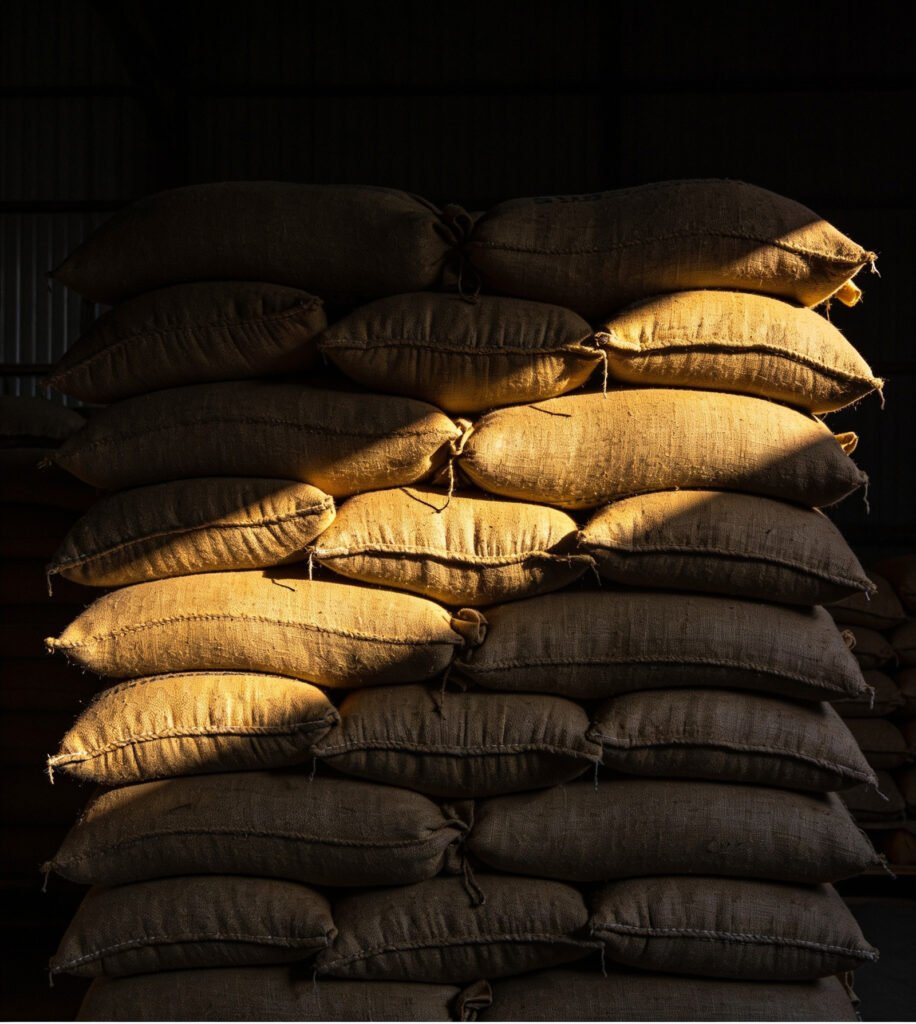
Aging transforms 1121 basmati rice through moisture reduction and starch crystallization, while procurement timing directly affects cost and availability. New crop arrives from Pakistan’s Punjab region between January and March, while aged rice commands premium pricing after 12-18 months of controlled storage.
Aging Advantages for 1121 Basmati
Freshly harvested 1121 basmati contains 14-15% moisture and produces softer grains with less pronounced aroma. Aging for 12-18 months enhances aroma, elongation, and cooking performance as moisture drops to 12-13% and starch molecules realign within each kernel.
Key quality improvements during aging:
- Elongation ratio increases from 2.2x to 2.5x or higher
- Aroma compounds concentrate as volatile oils stabilize
- Grain firmness improves, reducing mushiness during cooking
- Separation becomes more consistent in pilaf and biryani applications
Research indicates 12-18 months aged basmati rice is recommended for rice eaters depending on their preference for fluffiness and grain length. Pakistani suppliers store paddy in climate-controlled warehouses where temperature stays between 15-20°C to prevent pest damage and moisture migration.
The aging process meets ISO 22000:2018 standards for food safety management. Rice varieties like 1121 benefit more from aging than shorter-grain types because length amplifies the visual impact of proper elongation.
Procurement Timing and Price Fluctuations
New crop 1121 is harvested in October-December and available for export from January, at a discount to aged equivalents. Buyers who source new crop accept softer texture in exchange for lower costs and immediate availability.
Aged 1121 carries storage costs over 12-18 months, plus capital tied up in inventory. GCC markets specifically request aged stock for retail packaging where rice quality determines brand reputation. Premium aged rice sells at a clear premium above new crop rates.
Price factors include:
- Crop size in Punjab’s growing districts
- Exchange rate movements between PKR and USD
- Seasonal demand spikes before Ramadan
- Regional export policy changes
Importers working with certified Pakistani suppliers can negotiate mixed shipments containing both new and aged stock to balance quality requirements with budget constraints. Payment terms typically require LC at sight for new relationships or 30/70 T/T for established buyers placing orders of 52 metric tons or more.
How do you source 1121 basmati reliably?

Successful procurement of 1121 basmati rice depends on verifying supplier credentials and understanding the documentation requirements for international shipments. Working with certified exporters who maintain quality standards throughout the supply chain ensures consistent rice quality and reduces procurement risks.
Selecting Reliable Exporters
Buyers should prioritize exporters holding ISO 9001:2015, ISO 22000:2018, HACCP, Halal, and USFDA certifications. These certifications demonstrate adherence to food safety protocols and quality management systems. Pakistan has emerged as a major source for 1121 basmati rice varieties with established processing infrastructure in Punjab province.
Verification steps include requesting mill inspection reports, batch testing certificates, and previous customer references. Traders should ask for aging certificates when procuring aged rice, as this documentation confirms storage duration and proper warehousing conditions.
Minimum order quantities typically start at two 20-foot containers (52 metric tons) for new buyers. Payment terms vary between letter of credit at sight for first-time transactions and telegraphic transfer arrangements for established relationships. Buyers can connect with verified 1121 basmati rice suppliers through B2B platforms that authenticate exporter credentials before listing.
Packaging, Logistics, and Documentation
Standard packaging options include 5kg, 10kg, 20kg, and 40kg polypropylene bags with custom branding available for private label buyers. Bulk packaging in 1000kg jumbo bags suits food service distributors and repackers.
Documentation requirements cover commercial invoice, packing list, certificate of origin, phytosanitary certificate, bill of lading, and quality inspection certificate. GCC markets require additional Halal certification and chamber of commerce attestation. European Union shipments need compliance with EC regulations on pesticide residues.
Lead times range from 14 to 21 days from order confirmation to vessel loading at Karachi port. Transit times to Middle Eastern ports average 7 to 10 days, while European and North American destinations require 25 to 35 days. Climate-controlled containers prevent moisture fluctuation during longer voyages, protecting rice quality throughout transport.
Frequently Asked Questions
Buyers and chefs often need specific guidance on grain specifications, quality verification, cooking ratios, and storage conditions to make informed decisions about 1121 basmati rice.
What distinguishes 1121 basmati rice from other basmati varieties in terms of grain length, aroma, and texture?
1121 basmati is the world’s longest-grain basmati variety with an average raw grain length of 8.3mm. When cooked, the grains elongate to 22mm or longer, achieving an elongation ratio of 2.5x or more.
The aroma profile is distinctly floral and nutty, more pronounced than shorter basmati varieties like 1509 or 1401. This natural fragrance remains strong even after cooking.
The texture after cooking is soft and fluffy with excellent grain separation. Each grain stays distinct without clumping, making it ideal for biryani, pilaf, and premium plated dishes where visual presentation matters.
How can buyers verify authenticity and quality when sourcing 1121 basmati rice from suppliers?
Buyers should request certificates confirming ISO 9001:2015, ISO 22000:2018, HACCP, Halal, and USFDA compliance. These certifications verify that processing facilities meet international food safety and quality management standards.
Laboratory test reports for grain length, broken percentage, moisture content, and chalky kernels provide objective quality metrics. Authentic 1121 should show 8.2mm minimum raw grain length, 0-1% broken grains, and maximum 13.5% moisture.
Pakistan’s Punjab province produces certified 1121 basmati rice with documented traceability. Suppliers should provide origin certificates and phytosanitary documentation confirming the rice comes from approved growing regions.
Physical samples allow buyers to assess grain appearance, uniformity, and aroma before committing to full container orders. New buyers typically start with 2 x 20′ FCL orders with payment secured by letter of credit.
Which grading and specification factors matter most when purchasing 1121 basmati rice for retail or foodservice?
Broken grain percentage directly affects price and presentation quality. Premium grade 1121 contains 0-1% broken grains, while standard grades may contain 2-5% broken.
Moisture content must not exceed 13.5% to prevent spoilage during shipping and storage. Higher moisture increases the risk of mold growth and reduces shelf life.
Chalky kernels indicate incomplete grain development and should not exceed 3% in premium grades. These grains cook unevenly and appear opaque rather than translucent.
Processing type determines cooking behavior and target market. White 1121 offers maximum aroma and soft texture for GCC retail markets. Sella (parboiled) 1121 provides firm grain separation preferred in Saudi Arabia and Iraq. Steam 1121 balances white appearance with improved grain firmness for foodservice applications.
How does aging affect the cooking performance and flavor of 1121 basmati rice?
Freshly harvested 1121 contains higher moisture and produces softer, stickier grains when cooked. New crop rice is available from January following the October-December harvest and costs less than aged rice.
Aging for 12-24 months allows moisture to equalize and starch to crystallize, resulting in grains that cook longer, fluffier, and more aromatic. Aged basmati commands premium pricing in GCC retail markets where consumers specifically request extra-long aged varieties.
The aging process concentrates aroma compounds and firms the grain structure. Rice aged 18 months or longer commands a premium over new crop due to storage costs and capital tied up during the aging period.
What is the best rice-to-water ratio and cooking method to achieve long, separate grains consistently?
The standard ratio for 1121 white basmati is 1 cup rice to 1.75 cups water. This ratio produces fluffy, separate grains without excess moisture.
For 1121 sella (parboiled), use 1 cup rice to 2 cups water. The parboiling process makes the grains firmer and requires slightly more water for proper hydration.
Rinse the rice 2-3 times in cold water before cooking to remove excess surface starch. This prevents clumping and ensures maximum grain separation.
Bring water to a boil, add rice, return to boil, then reduce heat to low and cover. Cook for 12-15 minutes without lifting the lid. After cooking, let the rice rest covered for 5 minutes, then fluff with a fork.
How should 1121 basmati rice be stored to preserve aroma, prevent pests, and maintain grain integrity?
Store 1121 basmati in airtight containers in a cool, dry location away from direct sunlight. Proper sealing prevents moisture absorption and protects the natural aroma from dissipating.
Warehouse temperatures should remain between 15-25°C with relative humidity below 70%. Higher temperatures and humidity accelerate quality degradation and increase pest activity.
For bulk storage, stack bags on pallets to allow air circulation and prevent ground moisture from reaching the bottom layer. Regular inspection for signs of pests, moisture, or unusual odors helps catch problems early.
Retail packaging with nitrogen flushing or vacuum sealing extends shelf life by reducing oxygen exposure. Properly stored 1121 basmati maintains quality for 12-18 months, though aged varieties continue improving for up to 24 months under controlled conditions.
TEFT Global supplies certified 1121 basmati rice — white, steam, and golden sella — direct from Pakistani mills to GCC buyers. ISO 22000:2018, HACCP, and Halal certified. FCL shipments from Karachi with full traceability and documentation.