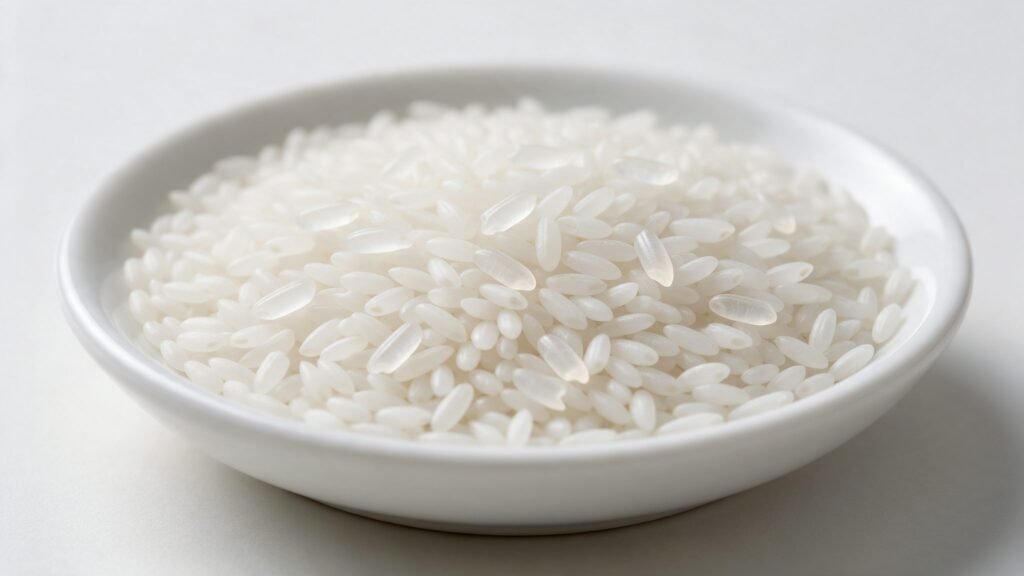
Basmati vs long grain rice — understanding the difference affects product quality, customer satisfaction, and profit margins for importers and distributors across GCC markets. Both varieties serve different culinary needs and price points, yet many procurement professionals struggle to identify which type aligns with their target segments and operational requirements.
The primary difference lies in grain length, aroma, texture after cooking, and glycemic response—basmati offers a distinctive fragrance and fluffy separation ideal for premium segments, while standard long grain rice provides versatility and cost efficiency for volume-based operations. Understanding these distinctions helps buyers make informed sourcing decisions that match market demand in Qatar, UAE, Saudi Arabia, and broader international markets.
Pakistani rice suppliers provide both varieties under strict quality certifications including ISO 9001:2015, ISO 22000:2018, HACCP, Halal, and USFDA standards. Procurement teams need clear criteria for comparing basmati and long grain rice to optimize inventory mix, meet diverse customer preferences, and maintain competitive positioning in regional food service and retail channels.
Key Takeaways
- Basmati rice delivers premium aroma and fluffy texture while long grain rice offers versatility and lower unit costs for high-volume operations
- Both varieties meet international quality certifications when sourced from reliable origins with proper grading and processing standards
- Strategic selection between basmati and long grain rice depends on target market segments, culinary applications, and profit margin objectives
What’s the difference between basmati and long grain rice?
Basmati rice is a specific type of long grain rice with unique aromatic properties and geographical origins, while the broader long grain category includes many varieties with different characteristics. Understanding these distinctions helps buyers select the right rice for specific culinary applications and quality requirements.
What Is Basmati Rice?
Basmati rice is an aromatic long grain variety that originates from the Indian subcontinent, with Pakistan being a major certified producer of authentic basmati. The name “basmati” comes from the Hindi word meaning “fragrant,” which describes its distinctive nutty aroma.
Authentic basmati has grains that are at least three to four times longer than their width. When cooked, the grains elongate further and remain separate rather than clumping together. The rice contains a naturally occurring compound that creates its signature scent.
Pakistan exports premium basmati varieties that meet international certification standards including ISO 9001:2015, ISO 22000:2018, HACCP, Halal, and USFDA requirements. These quality controls ensure consistency and authenticity for global markets.
Understanding Long Grain Rice
Long grain rice is a broad classification that includes multiple varieties beyond basmati. The primary defining feature is the length-to-width ratio, where grains measure at least three times longer than they are wide.
Common types of long grain rice include jasmine rice, American long grain, and various other regional varieties. Each has different texture, aroma, and cooking properties. Most long grain varieties cook up fluffy with separated grains, making them suitable for pilafs, side dishes, and everyday meals.
Long grain rice and basmati are not the same, though basmati falls within the long grain category. The broader classification simply refers to grain shape, while basmati represents a specific variety with additional characteristics.
Key Differences in Classification and Authenticity
The main differences between basmati and long grain rice relate to origin, aroma, texture, and nutritional content. Basmati must come from specific geographical regions and possess its characteristic fragrance. Other long grain varieties may originate from anywhere and typically lack this aromatic quality.
Certification standards help verify authentic basmati rice. Reputable suppliers provide documentation confirming geographical origin and quality compliance. This matters for businesses requiring consistent product specifications.
Key Classification Factors:
- Grain dimensions: Both exceed 6mm in length when raw
- Aroma: Only basmati has the natural fragrant compound
- Geographical indication: Basmati limited to specific regions
- Cooking elongation: Basmati expands more than standard long grain
- Price point: Basmati typically commands premium pricing
Pakistan’s certified basmati meets strict international food safety standards, providing reliable supply chains for the GCC region and global markets.
How do basmati and long grain rice differ in appearance?
Basmati and long grain rice differ in grain dimensions, sensory qualities, and how aging affects their final characteristics. These physical traits directly influence cooking results and applications in commercial kitchens.
Grain Length and Shape
Basmati rice grains measure 6-8 mm in length before cooking and elongate significantly during the cooking process. The grains are slender with a length-to-width ratio of approximately 3.5:1. Premium basmati rice from Pakistan displays uniformity in grain size, which indicates quality grading and proper processing.
Long grain white rice typically measures 7-9 mm in length with a ratio of 4:1, making it even thinner and longer than basmati. However, not all long grain rice varieties share the same visual characteristics. Standard long grain rice appears more translucent and less tapered at the ends compared to basmati’s distinctive pointed tips.
The shape difference becomes more apparent after cooking. Basmati grains remain separate and fluffy, while other long grain varieties may have a slightly softer, less distinct separation between individual grains.
Texture and Aroma Distinctions
Basmati rice has a distinctive nutty flavor and natural aroma that sets it apart from other rice types. This fragrance comes from a compound called 2-acetyl-1-pyrroline, which is present in higher concentrations in authentic basmati.
The texture of cooked basmati is dry and fluffy with grains that don’t stick together. This results from higher amylose content in the starch structure. Long grain rice without the basmati designation typically has a milder taste profile and softer texture when cooked.
Pakistani basmati varieties maintain their aromatic properties through careful cultivation in specific growing regions. Rice that meets ISO 22000:2018 and HACCP standards ensures consistent quality in both aroma and texture characteristics for commercial buyers.
Impact of Aging on Quality
Aged basmati undergoes a controlled maturation process lasting 12-24 months after harvest. During this period, the moisture content decreases gradually, which strengthens the grain structure and intensifies the aromatic compounds.
The aging process allows basmati grains to elongate more during cooking and produces better separation between grains. Premium aged basmati from certified Pakistani sources commands higher prices due to this enhanced quality and the storage investment required.
Regular long grain rice does not typically undergo aging and reaches the market shortly after milling. While this keeps costs lower, it also means the grains may not achieve the same elongation or texture refinement that aged varieties offer.
Is basmati healthier than long grain rice?
Basmati and long grain rice differ in their glycemic response, starch composition, and nutrient retention depending on processing level. These factors directly affect blood sugar management, digestive health, and overall nutritional value.
Glycemic Index and Blood Sugar Impact
Basmati rice typically has a lower glycemic index compared to standard long grain varieties. White basmati ranges from 50-58 on the glycemic scale, while conventional long grain white rice often sits between 64-72.
This difference matters for blood sugar control. Basmati rice performs better for those managing diabetes or monitoring glucose levels. The lower GI means slower digestion and a more gradual release of glucose into the bloodstream.
Pakistani basmati rice, which meets ISO 22000:2018 and HACCP standards, maintains consistent quality that supports predictable glycemic responses. Brown basmati rice offers an even lower glycemic impact than its white counterpart, typically ranging from 45-50 on the index.
Amylose Content and Resistant Starch
The amylose content in rice determines how it cooks and how the body digests it. Basmati rice contains 25-30% amylose, while standard long grain rice typically has 20-25%.
Higher amylose content creates firmer, separate grains after cooking. It also produces more resistant starch when the rice cools. Resistant starch acts like fiber in the digestive system, feeding beneficial gut bacteria and improving metabolic health.
Brown long grain rice and brown basmati rice both retain their bran layer, which adds additional fiber and resistant starch. This makes them more filling and beneficial for digestive regularity than white varieties.
Comparing Brown and White Varieties
Brown basmati rice keeps its nutrient-rich bran and germ layers intact. It provides more fiber, B vitamins, magnesium, and antioxidants than white basmati.
White basmati undergoes milling that removes these outer layers. This process reduces fiber content but makes the rice easier to digest and faster to cook.
| Rice Type | Fiber per 100g | Key Nutrients Retained |
|---|---|---|
| Brown Basmati | 3.5g | B vitamins, magnesium, selenium |
| White Basmati | 0.4g | Some B vitamins (fortified) |
| Brown Long Grain | 2.8g | Iron, zinc, B vitamins |
| White Long Grain | 0.6g | Minimal (often fortified) |
Brown varieties of both types require longer cooking times and more water. They also have a chewier texture and nuttier flavor. For businesses sourcing rice that meets USFDA and Halal certification standards, both brown and white options from certified Pakistani suppliers offer reliable quality and traceability.
How are basmati and long grain rice graded?
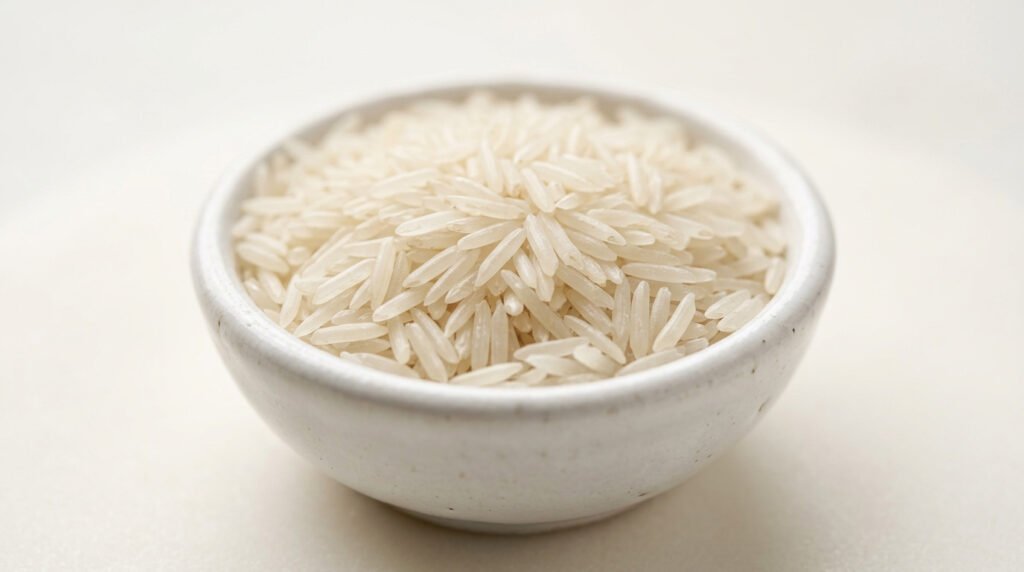
Rice quality depends on specific measurements and testing procedures that separate premium products from standard varieties. Basmati rice from Pakistan follows strict international standards, while long grain rice is evaluated through different criteria based on its type and intended use.
Quality Parameters for Premium Basmati
Premium basmati rice must meet exact specifications for grain length, aroma, and purity. The grain length typically exceeds 6.61 mm, with top-tier varieties reaching over 8 mm before cooking. After cooking, authentic basmati grains elongate to at least twice their original length while maintaining a width under 2 mm.
Aged basmati undergoes controlled storage for 12 to 24 months. This aging process reduces moisture content to between 11% and 13%, which improves texture and concentrates the natural aromatic compound 2-acetyl-1-pyrroline.
Key quality markers include:
- Uniform grain size with minimal broken kernels (less than 5%)
- Consistent white or creamy color without discoloration
- Natural fragrance without artificial additives
- Low chalky content (under 6% for premium grades)
Premium basmati rice meets ISO 22000:2018 and HACCP standards for food safety. Pakistani basmati carries additional certifications including Halal and USFDA approval for international markets.
Grading Criteria for Long Grain Rice
Long grain rice follows different classification systems based on grain dimensions and broken kernel percentages. Standard long grain rice measures between 6 to 7 mm, while premium varieties may exceed this range.
Grading focuses on three main factors: whole grain percentage, moisture content, and foreign matter. Grade A long grain rice contains at least 80% whole kernels with broken pieces under 20%. Grade B allows up to 30% broken kernels. Moisture levels must stay between 12% and 14% for proper storage and cooking performance.
Grading categories:
- Whole kernels: Percentage of intact grains
- Broken grains: Pieces less than three-quarters original length
- Discolored kernels: Red, damaged, or spotted grains
- Foreign matter: Non-rice particles or debris
Long grain rice suppliers operating under ISO 9001:2015 maintain consistent grading through automated sorting technology. This ensures uniform quality across shipments for commercial buyers.
Verification of Authenticity
Authentic basmati rice contains specific genetic markers verified through DNA testing. Pakistan’s basmati carries a Geographical Indication (GI) tag that certifies its origin and protects against counterfeit products. Laboratory tests measure the 2-acetyl-1-pyrroline compound levels to confirm natural aroma rather than artificial scenting.
Testing also identifies non-basmati blending, a common issue in lower-quality products. Pure basmati shows consistent elongation ratios and texture when cooked. Third-party laboratories conduct these tests following international protocols.
Importers and distributors verify authenticity through documentation including phytosanitary certificates, quality test reports, and origin certificates. Products meeting GCC market requirements carry multiple certifications that guarantee compliance with regional food safety regulations.
How do you source basmati and long grain rice reliably?

Rice procurement decisions hinge on verifiable origin credentials, supplier certifications, and logistics discipline. Pakistan delivers certified premium basmati meeting ISO 9001:2015, ISO 22000:2018, HACCP, Halal, and USFDA standards for buyers prioritizing consistent quality and regulatory compliance.
Origin and Geographical Indications
Authentic basmati carries geographical identity tied to specific growing regions. Pakistan’s Punjab and Sindh provinces produce premium basmati varieties under controlled irrigation and soil conditions that influence grain elongation and aroma development.
Geographical indication protections help buyers verify authenticity. Pakistan exports certified basmati varieties including Kernel Basmati, Super Basmati, and 1121 Extra Long Grain that meet strict varietal definitions. India similarly produces recognized basmati types from designated regions.
For non-basmati long grain rice, origin matters less for identity but remains important for supply chain reliability and cost structure. Thailand, Vietnam, and Pakistan all export long grain varieties with different processing capabilities and trade infrastructure.
Certification standards validate origin claims. ISO 22000:2018 and HACCP certifications ensure food safety controls throughout production. Halal certification opens access to GCC markets where compliance is mandatory.
Supplier Evaluation and Risk Management
Supplier stability depends on processing infrastructure and quality systems. Mills with optical sorting equipment, temperature-controlled storage, and certified lab facilities deliver more consistent broken percentage and moisture control.
Key evaluation criteria include:
- Processing capacity: Mills handling 50+ tons daily offer better lot consistency
- Storage infrastructure: Climate-controlled facilities maintain moisture below 14% to prevent mold and infestation
- Quality certifications: ISO 9001:2015 and ISO 22000:2018 validate process controls
- Traceability systems: Lot coding and documentation support authenticity verification
Moisture control represents the critical stability threshold that determines whether rice survives transit without degradation. Suppliers maintaining moisture at or below 14% reduce claim risk significantly.
Financial stability matters for long-term partnerships. Mills with working capital to hold inventory through harvest cycles avoid quality compromises during supply crunches. Request bank references and trade credit reports before committing to exclusive arrangements.
Bulk Procurement Best Practices
Container execution affects final product quality regardless of milling standards. Clean containers, proper ventilation, and minimal port dwell time prevent condensation and contamination during ocean freight.
Specification alignment prevents disputes. Define moisture limits, broken percentage bands, foreign matter thresholds, and test methods in purchase contracts. Pakistan suppliers commonly meet specifications of 14% maximum moisture and 5% broken for premium basmati grades.
Standard bulk procurement controls:
| Control Point | Specification Standard | Risk Mitigated |
|---|---|---|
| Moisture content | ≤14% maximum | Mold, spoilage, weight loss |
| Broken percentage | 5% or less (premium) | Grade downgrade claims |
| Foreign matter | <0.1% | Food safety, visual quality |
| Container inspection | Pre-stuffing verification | Contamination, damage |
Dual-sourcing across origins builds supply resilience. Qualifying both Pakistani and alternative suppliers for non-basmati long grain types protects against policy changes or harvest disruptions. For types of rice requiring specific sensory profiles like authentic basmati, maintain origin consistency but develop backup mill relationships within the same region.
Payment terms reflect supply chain position. Established buyers negotiate 30-60 day terms with certified suppliers who value volume commitments. New importers typically start with letter of credit arrangements until trading history establishes credit eligibility.
Which rice is best for commercial kitchens?
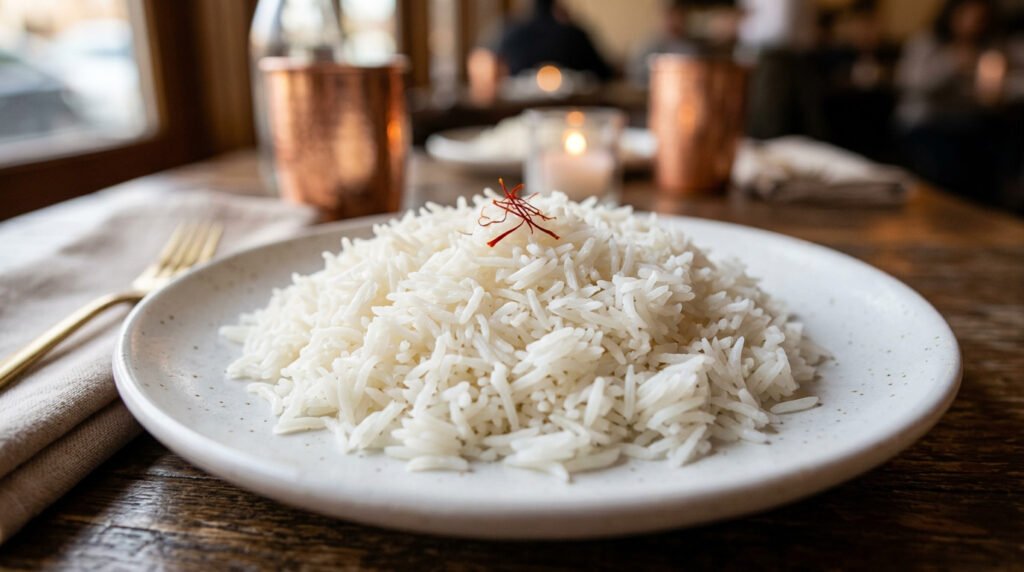
Commercial kitchens require rice varieties that align with menu positioning, hold up to bulk preparation methods, and match customer expectations shaped by regional dining traditions. Pakistani basmati and standard long grain varieties each serve distinct operational roles across hotels, catering facilities, and large-scale food service operations.
Product Suitability for Menu Profiles
White basmati positions menus toward premium offerings. Its grain elongation and aroma make it suitable for:
- Fine dining restaurants featuring South Asian, Middle Eastern, and Persian cuisine
- Hotel buffets where visual presentation matters
- Banquet services requiring signature rice dishes
Brown basmati serves health-focused menu segments. The intact bran layer adds texture and appeals to guests seeking whole grain options, though it requires 40-50% longer cooking times than white varieties.
Long grain white rice functions as the workhorse for volume-oriented operations. Its neutral profile works across multiple cuisines without competing with other flavors. Food manufacturers and institutional kitchens favor it for rice blends, fried rice applications, and cost-sensitive meal programs where aromatic properties aren’t essential.
Pakistan supplies certified basmati that meets ISO 22000:2018 and HACCP standards. These certifications ensure consistent quality for commercial buyers requiring documented food safety protocols.
Performance in Large-Scale Preparation
Basmati rice requires specific water ratios and cannot tolerate extended hold times on steam tables. After 90 minutes, grains begin to clump and lose their separated texture.
Long grain white rice maintains integrity during:
- Batch cooking in commercial rice cookers
- Extended warming periods in holding equipment
- Reheating cycles in prepared meal assembly
Parboiled long grain varieties offer additional durability. The pre-steaming process gelatinizes starch, allowing cooked rice to withstand freezing, reheating, and mixing operations without breaking down.
For operations cooking 20+ kilograms per service, standard long grain typically reduces waste and simplifies timing. Basmati works best when prepared closer to service time and plated immediately.
Regional Preferences in the GCC
GCC markets show strong preference for basmati rice across commercial and institutional segments. Pakistani basmati varieties dominate imports due to established trade relationships and Halal certification alignment with regional requirements.
Hotels and restaurants throughout Qatar, UAE, and Saudi Arabia position basmati as the default for Middle Eastern and South Asian menu items. Long grain rice appears primarily in international cuisine concepts and employee dining facilities where cost management takes priority.
Wedding venues and event caterers in the region almost exclusively specify basmati. Cultural expectations around hospitality favor aromatic varieties, and guests associate basmati with quality food service.
Commercial buyers sourcing Pakistani rice benefit from suppliers meeting USFDA certification standards, particularly when serving international clientele or exporting prepared foods beyond the GCC region.
How do basmati and long grain rice compare on cost?
Basmati rice commands higher prices than standard long grain rice due to its distinct aroma and premium positioning, while market demand in the GCC region shows specific preferences that affect pricing strategies. Understanding these cost factors and regional patterns helps businesses optimize their procurement and inventory management.
Price Positioning of Basmati vs Long Grain Rice
Basmati rice typically sells at a 30-50% premium over non-basmati long grain varieties. This price difference reflects the specialized growing conditions required, lower yields per acre, and aging processes that enhance grain quality.
Premium basmati from Pakistan holds particular value in international markets due to certified production standards including ISO 9001:2015, ISO 22000:2018, HACCP, Halal, and USFDA certifications. The global basmati rice market continues to grow steadily, with premium and organic grades gaining share.
Long grain rice offers consistent pricing that appeals to high-volume food service operations. The lower cost per kilogram makes it suitable for restaurants, hotels, and institutional buyers managing tight margins.
GCC Market Demand Patterns
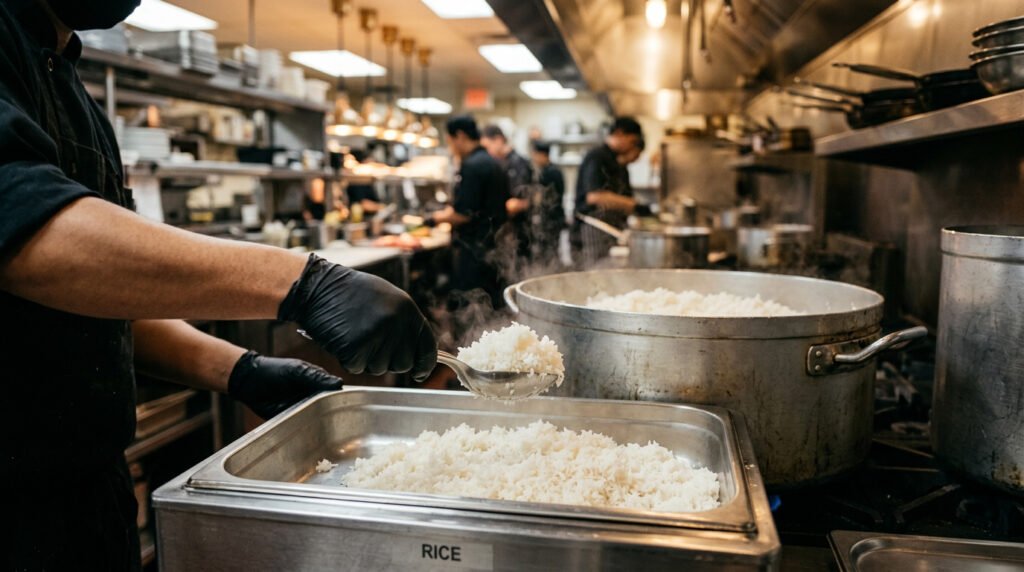
The Gulf region shows strong preference for basmati rice, particularly for traditional dishes and home cooking. Middle Eastern markets represent a major growth area for basmati rice exports, with consumer demand increasing steadily.
GCC importers like TEFT Global focus on Pakistani basmati due to reliable supply chains and quality certifications that meet regional standards. The demand peaks during Ramadan and wedding seasons, requiring strategic inventory planning.
Long grain rice maintains steady demand in food service channels and among expatriate communities. Price-sensitive segments prefer non-basmati options while premium dining establishments stock both varieties to accommodate diverse customer preferences.
Managing Inventory and Price Volatility
Rice prices fluctuate based on harvest yields, weather patterns, and international trade policies. Price volatility in international markets creates challenges for distributors managing supply-demand fluctuations.
Businesses reduce risk by establishing relationships with certified suppliers who maintain consistent quality standards. Working with ISO-certified Pakistani exporters provides supply chain stability and quality assurance.
Inventory strategies should balance both rice types based on customer segments. Premium basmati requires careful storage to preserve aroma and grain integrity, while long grain rice offers longer shelf stability and easier bulk management.
Frequently Asked Questions
Basmati rice offers a natural fragrance and extra grain elongation, while standard long-grain varieties provide neutral flavor and versatile applications. Price points, cooking requirements, and nutritional characteristics vary between these two categories in ways that affect both home kitchens and commercial operations.
What are the main differences in aroma, texture, and grain length between basmati and standard long-grain rice?
Basmati rice produces a distinctive natural aroma during cooking that resembles nuts or popcorn. Standard long-grain rice has little to no fragrance and maintains a neutral scent profile.
The grain length differences between basmati and long-grain rice are significant. Basmati grains measure longer than typical long-grain varieties before cooking. After cooking, basmati grains elongate by up to twice their original length while maintaining their slender shape.
Both types stay separated after cooking rather than clumping together. Basmati achieves better grain separation and a lighter, fluffier texture. Standard long-grain rice provides good separation but with slightly less definition between individual grains.
Which dishes benefit most from basmati versus long-grain rice in everyday cooking?
Basmati rice works best in dishes where aroma and presentation matter. Biryani, pulao, pilaf, and Persian rice dishes showcase basmati’s fragrance and elongated grains. The rice pairs well with curries, grilled meats, and Middle Eastern preparations.
Standard long-grain rice suits everyday meals where rice serves as a neutral base. It works for fried rice, burrito bowls, simple side dishes, and casseroles. The mild flavor doesn’t compete with other ingredients.
Pakistani basmati varieties meet international quality standards including ISO 22000:2018 and HACCP certification. These certified rice varieties provide consistent performance in professional kitchens.
How do cooking methods and water-to-rice ratios differ for basmati compared with long-grain rice?
Basmati rice requires less water than standard long-grain rice. The typical ratio for basmati is 1.5 cups of water per cup of rice. Standard long-grain rice usually needs 1.75 to 2 cups of water per cup of rice.
Soaking basmati for 20 to 30 minutes before cooking helps achieve maximum grain elongation. This step is optional for standard long-grain rice. The soaking period allows basmati grains to absorb moisture and cook more evenly.
Cooking time ranges from 15 to 20 minutes for both types when using the absorption method. Basmati benefits from a brief resting period after cooking with the lid on. This allows residual steam to complete the cooking process.
How do price, availability, and supply consistency typically compare between these two rice types for foodservice purchasing?
Basmati rice costs more per kilogram than standard long-grain varieties. Premium basmati from Pakistan commands higher prices due to its quality characteristics and geographical indication status.
Standard long-grain rice offers wider availability and more consistent pricing throughout the year. Multiple growing regions produce long-grain rice, which stabilizes supply chains.
Basmati supply depends primarily on harvests from specific regions in Pakistan and India. Pakistan supplies certified basmati that meets ISO 9001:2015 and Halal standards for GCC markets. Supply consistency improves when buyers work with established importers who maintain relationships with certified mills.
Bulk purchasing agreements help foodservice operations secure stable pricing. Contract terms that specify grade, broken percentage, and delivery schedules reduce supply disruptions.
What quality indicators should buyers look for when sourcing rice for restaurants or retail, such as age, grading, and broken percentage?
Grain length and uniformity indicate quality in both rice types. Premium basmati should have grains measuring at least 7 millimeters before cooking. Standard long-grain varieties should measure at least 6 millimeters.
Broken percentage measures the proportion of damaged grains in a batch. High-quality rice contains less than 5 percent broken grains. Restaurant-grade rice may allow up to 10 percent broken grains at lower price points.
Age affects basmati more than standard long-grain rice. Aged basmati that has matured for one to two years develops better aroma and elongation properties. Newer basmati tends to be stickier and less fragrant.
Buyers should verify certifications including ISO 22000:2018 and HACCP compliance. USFDA certification matters for exports to North American markets. Halal certification is required for GCC foodservice operations.
Moisture content should fall between 12 and 14 percent. Higher moisture levels increase the risk of spoilage during storage.
How do nutritional profiles and glycemic impact generally compare between basmati and long-grain rice varieties?
Basmati rice typically has a lower glycemic index than standard long-grain rice. Basmati’s glycemic index ranges from 50 to 58, while regular long-grain white rice scores between 64 and 72.
The lower glycemic response in basmati occurs due to its amylose content. Basmati contains more amylose, a starch that digests more slowly than amylopectin.
Calorie content remains similar between both types, with approximately 200 calories per cooked cup. Protein content ranges from 4 to 5 grams per cooked cup for both varieties.
Both rice types provide minimal fat and similar amounts of carbohydrates. Brown versions of either rice type offer more fiber than white versions. White basmati and white long-grain rice contain about 0.6 grams of fiber per cooked cup, while brown versions provide 3 to 4 grams.
Micronutrient profiles are comparable unless the rice is enriched. Enriched varieties contain added B vitamins and iron that return nutrients lost during milling.
Looking to source premium Pakistani basmati or long grain rice for your GCC operation? TEFT Global supplies certified rice with full documentation — ISO, HACCP, and Halal compliant.