Pakistani IRRI-6 Long Grain Rice Supplier Qatar: White and Sella
Cheaper Than PK-386, Whole Grain Unlike 100% Broken Rice
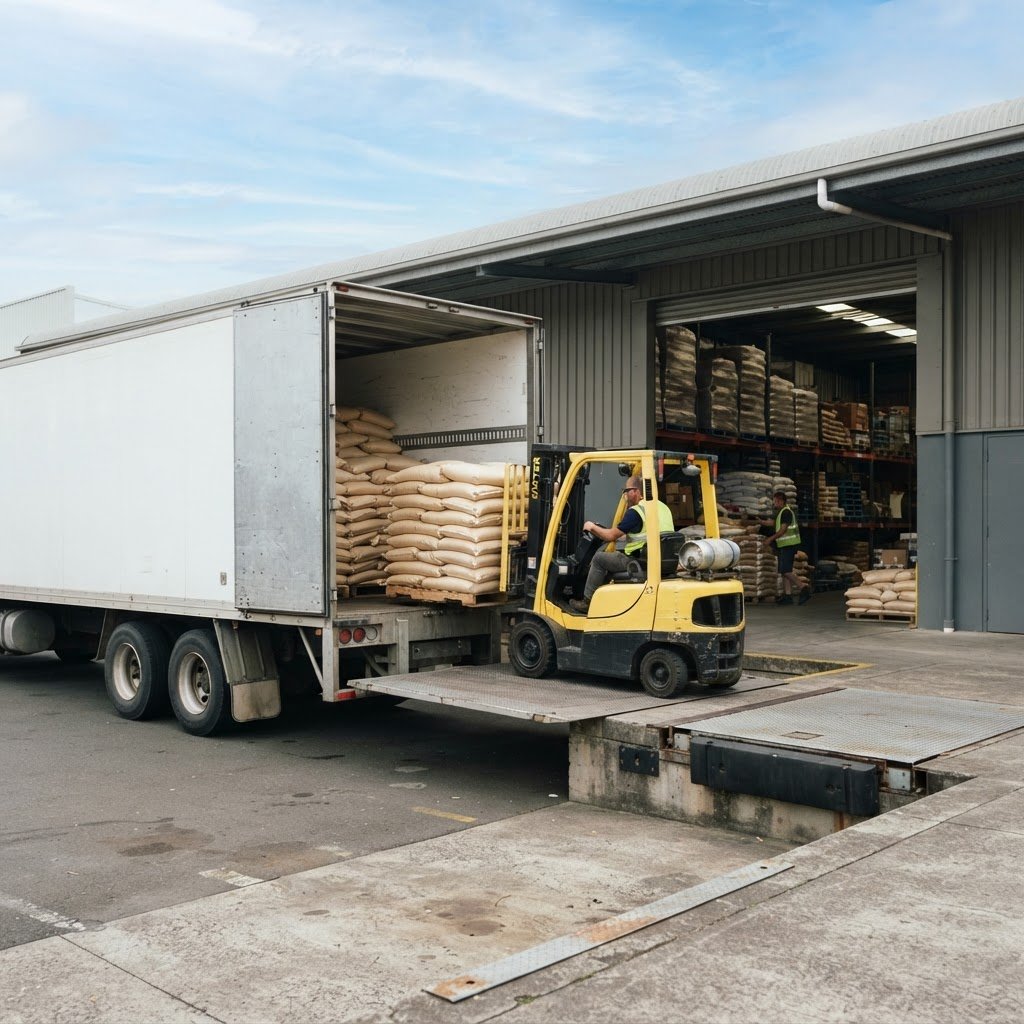
IRRI-6 long grain rice is the variety that carries Pakistan’s rice exports by volume. Buyers specify it by broken percentage and by price per tonne, and that is how we quote it. We import it into Qatar, hold it at Al Wakra and deliver here in riyals with nothing for you to clear. Everywhere else we ship to your port with the freight paid, or to your door where we hold local clearance. White, sella and brown, 5% broken through to 25%, in bags from 5kg to 50kg.

IRRI-6 White, Sella And Brown, Milled In Pakistan
TEFT Global buys IRRI-6 long grain rice direct from milling groups across Sindh and Punjab, holds it in stock in Qatar and ships it by the container to buyers across the Gulf, East Africa, West Africa, Yemen and Central Asia. We are not an introduction service. We buy the rice, we own it, we ship it.
What IRRI-6 Long Grain Rice Is
Pakistan's Highest-Volume Non-Aromatic Variety, Grown in Sindh and Punjab
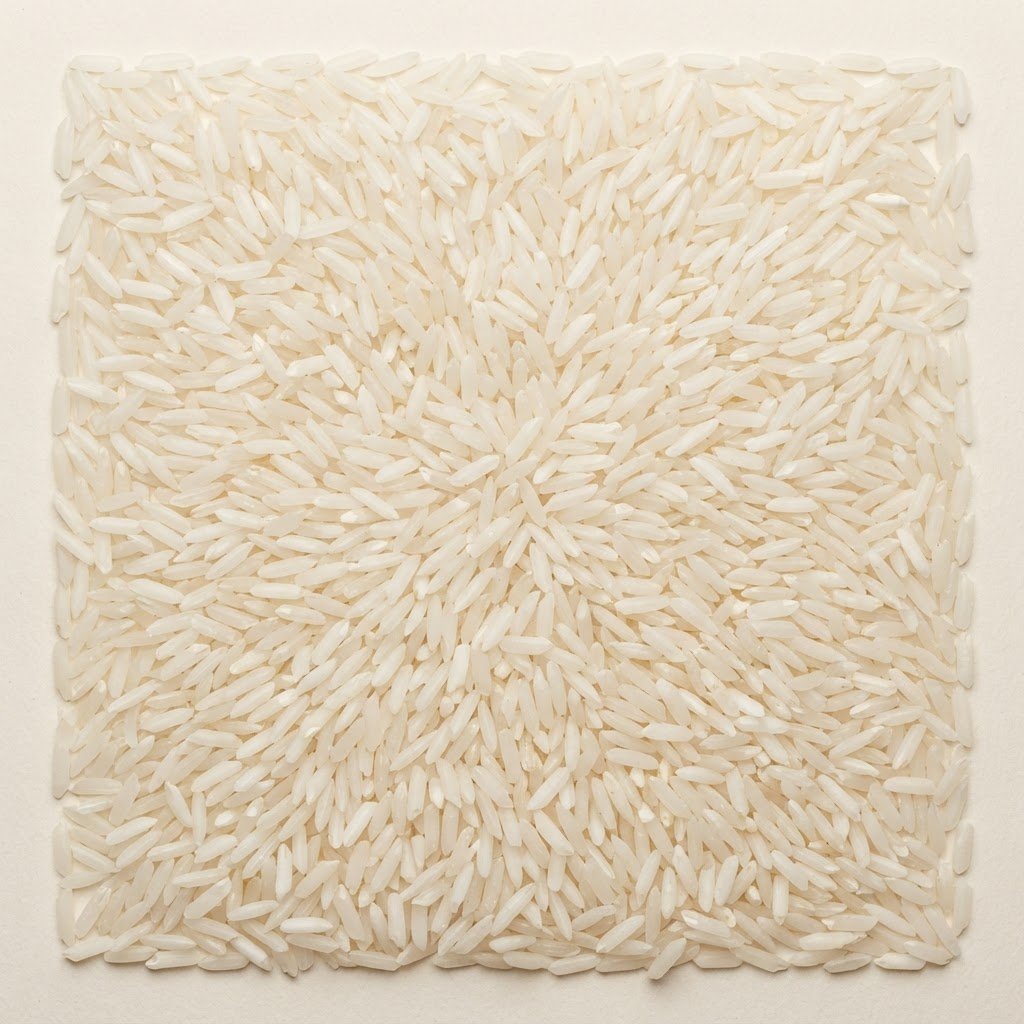
IRRI-6 long grain rice is a non-basmati variety grown mainly in Sindh and across parts of Punjab in Pakistan. The grain is long and bold rather than slender, it cooks dry and separate rather than sticky, and it has no aroma at all. That last point is worth stating plainly, because IRRI-6 is routinely listed as having a mild natural aroma and it does not have one. Non-aromatic is not a fault on this variety, it is the specification.
Set against basmati it is a different product rather than a cheaper one: shorter grain, no scent, no elongation on the plate, and a price per tonne that lets a caterer or a repacker make the numbers work — the difference between basmati and long grain is worth reading if you are choosing between the two. Set against Pakistan’s other long grains, PK-386 long grain rice runs longer in the grain and costs more per tonne, and IRRI-9 long grain rice is the near neighbour, slightly narrower in the grain than IRRI-6.
Broken grain is not a defect in this trade, it is a grade. IRRI-6 long grain rice is milled and screened to a stated broken percentage — 5%, 10%, 15% or 25% — and the price moves with it. At the far end of that scale the grain is deliberately broken right down, and that is 100% broken rice, which has its own page, its own price and its own buyers in flour, snacks, brewing and feed.
The Three Forms of IRRI-6 Long Grain Rice We Supply
IRRI-6 White, IRRI-6 Sella and IRRI-6 Brown, and Who Buys Which
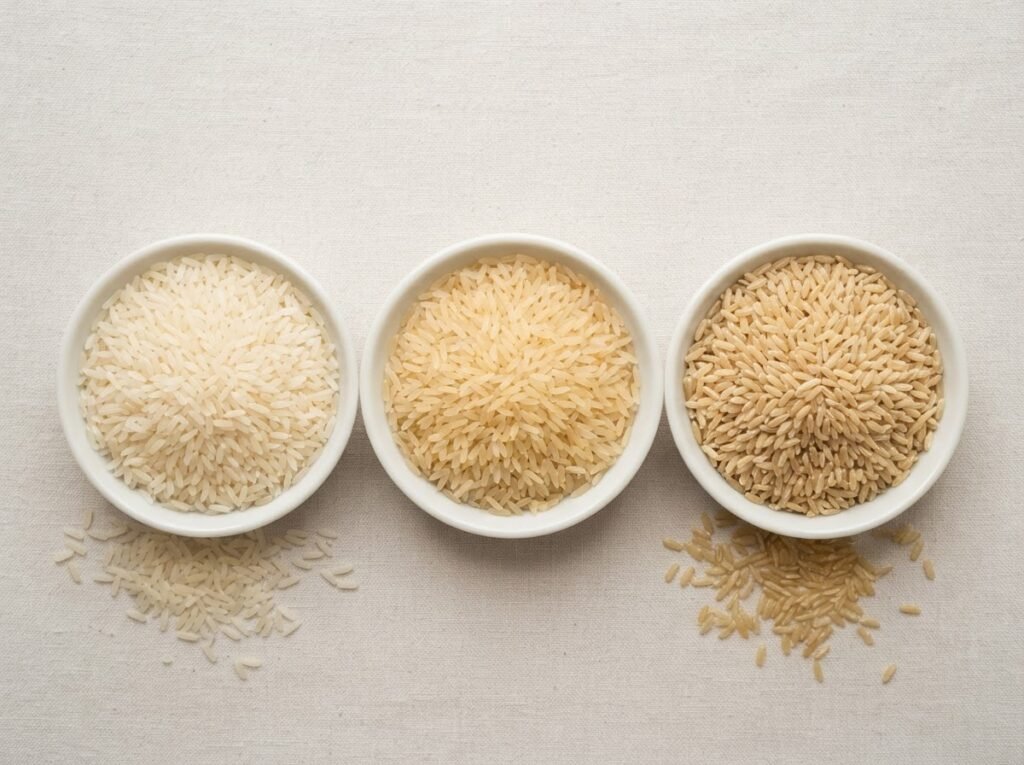
The variety is one thing and the form is another. Which form of IRRI-6 long grain rice you want usually follows from how the rice will be cooked and how long it has to sit before it is served.

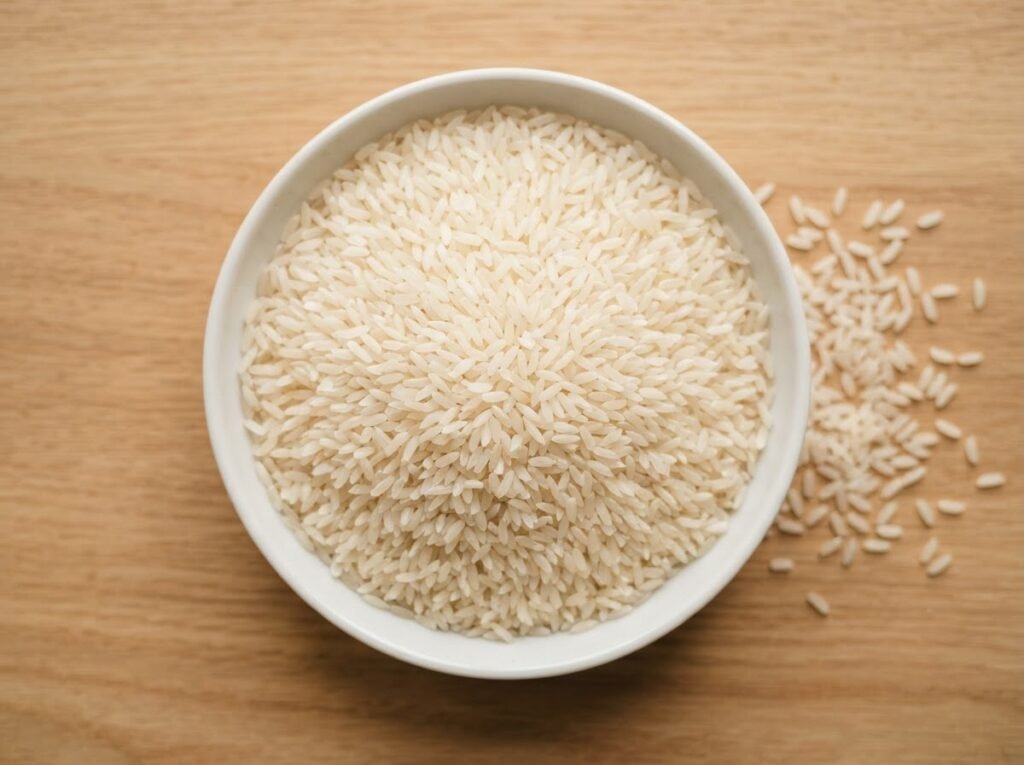
IRRI-6 White Rice
Milled and polished with the bran taken off, bright white, and the form most of the trade means when it says IRRI-6. It cooks in about fifteen minutes to a dry, separate grain that holds its shape in a fried rice or a plain boiled staple. Supplied at 5%, 10%, 15% or 25% broken, single or double polished and sortexed.
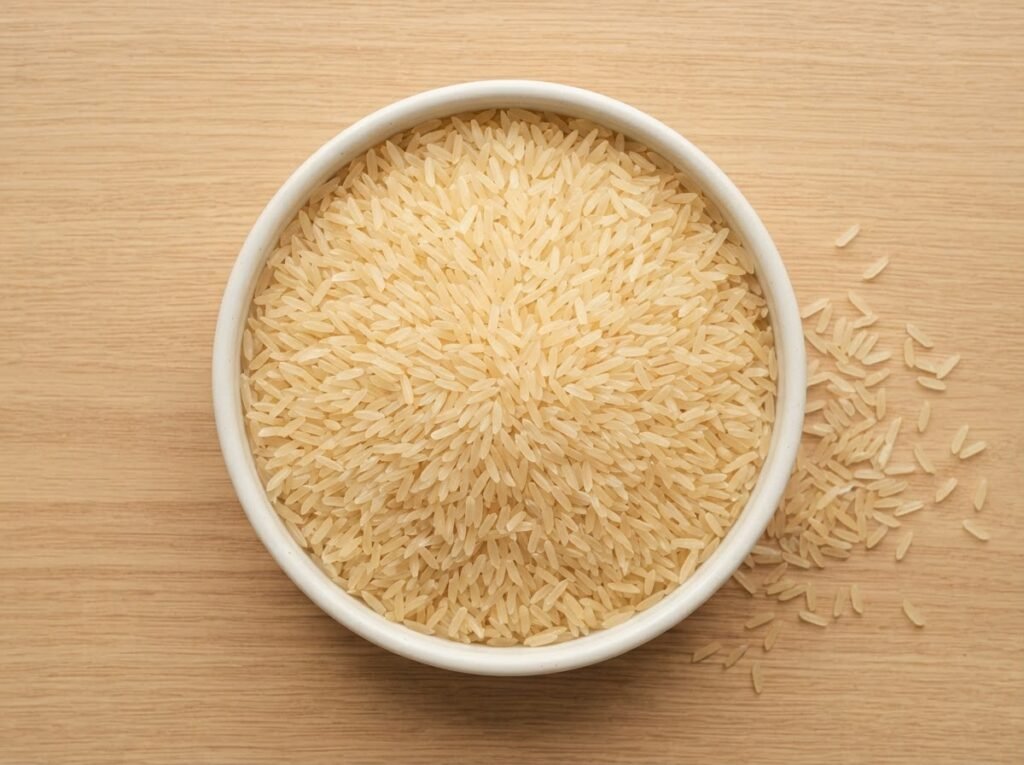
IRRI-6 Sella Rice (Parboiled)
IRRI-6 part-cooked in the husk before milling, which is what sella means and what parboiled means, the same process under two names. The grain comes out harder and pale gold, it forgives a long hold in a warming tray, and less breaks in transit. Supplied at 5% and 10% broken only, more on parboiled against white rice.
IRRI-6 Brown Rice
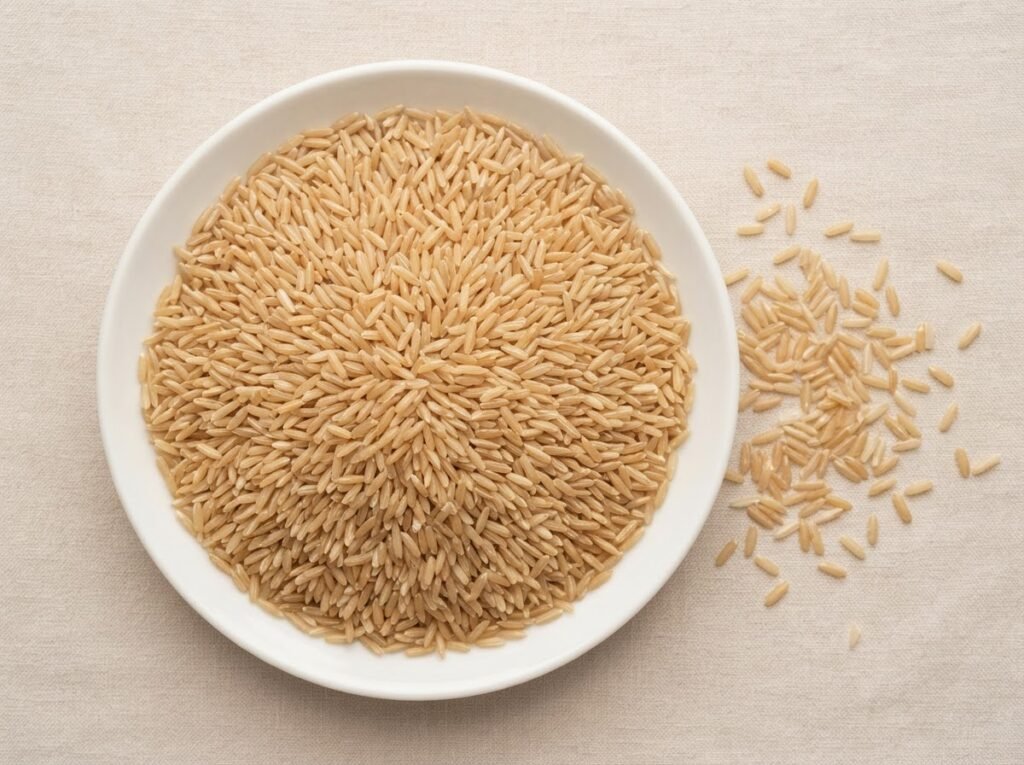
Hulled but not polished, so the bran layer stays on and the grain is tan rather than white. It keeps its natural oil, which means a nuttier taste and a shorter shelf life, and it goes mostly to health retail and to mills that polish it themselves. Availability on IRRI-6 brown is by arrangement rather than from stock.
Not Sure Which Form of IRRI-6 You Need?
Tell us how the rice will be cooked and how long it sits before it is served, and we will tell you which form to take. If it is still a close call we will send samples of two so you can compare them side by side before you commit to a container. Most buyers who ask end up on IRRI-6 white; a few are better off on sella.
How IRRI-6 Long Grain Rice Is Graded by Broken Percentage
5%, 10%, 15% and 25% — and What Each One Is Bought For
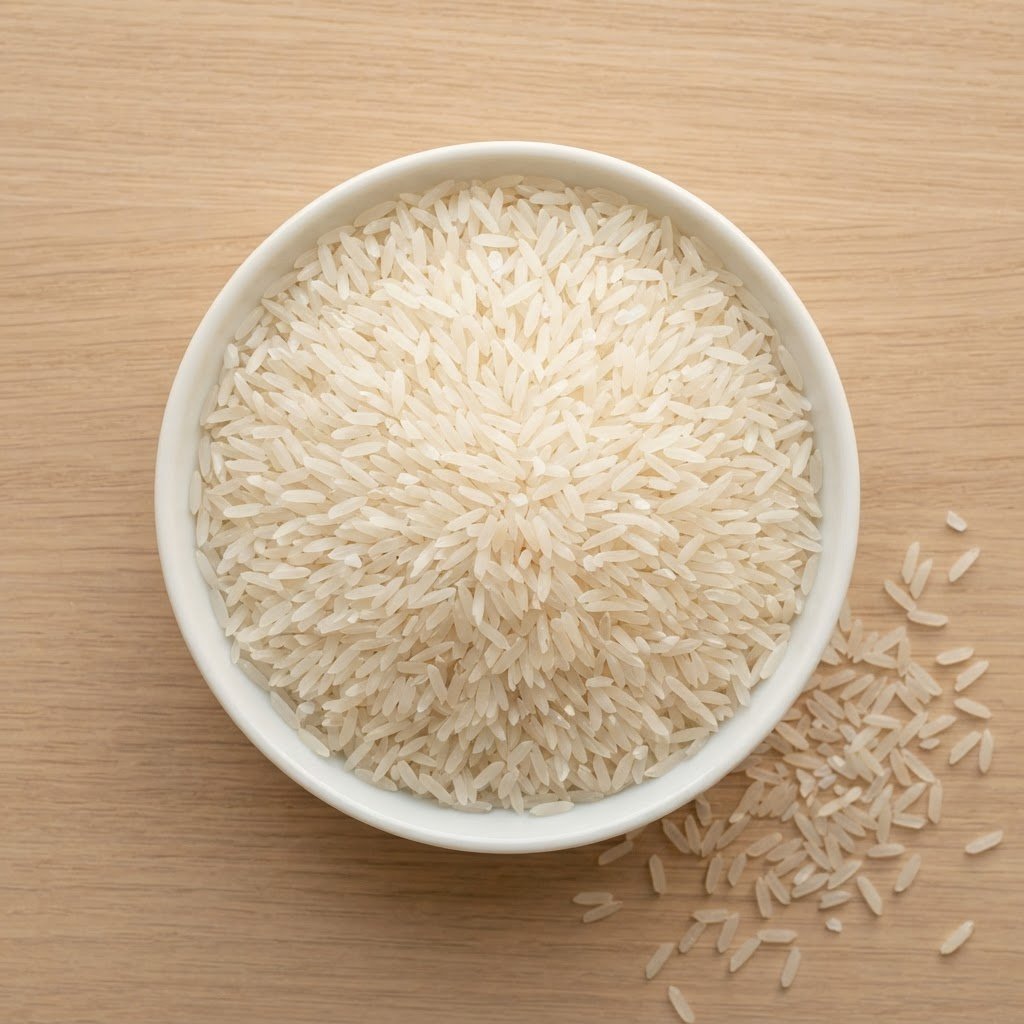
Ask for a price on IRRI-6 long grain rice and the first question back is the broken percentage. It sets the price per tonne, it decides whether the bag looks right on a shelf or simply feeds people at a cost that works, and on most African shipments it is the figure the pre-export certificate is written against.

IRRI-6 5% Broken
The cleanest grade in normal trade: ninety-five grains in every hundred whole. IRRI-6 at 5% photographs well, so it goes into printed retail packs, hotel kitchens and the Gulf grocery shelf, and most destination inspections are written against it. Supplied white or sella.
IRRI-6 10% Broken
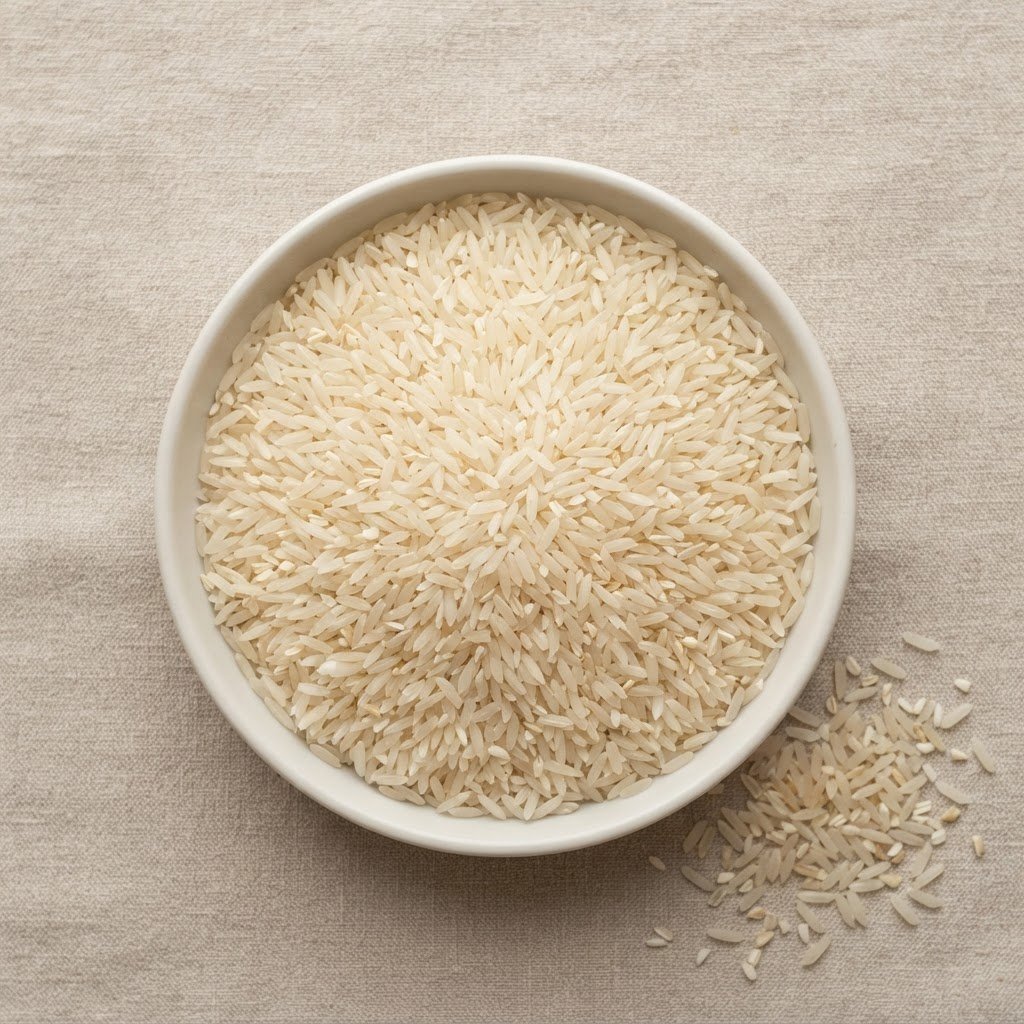
One visible step down in appearance and a real step down in price per tonne. Distributors selling into independent grocers and cash-and-carry take IRRI-6 here, because the difference shows clearly on the invoice and barely shows at all on the plate. Supplied white or sella.
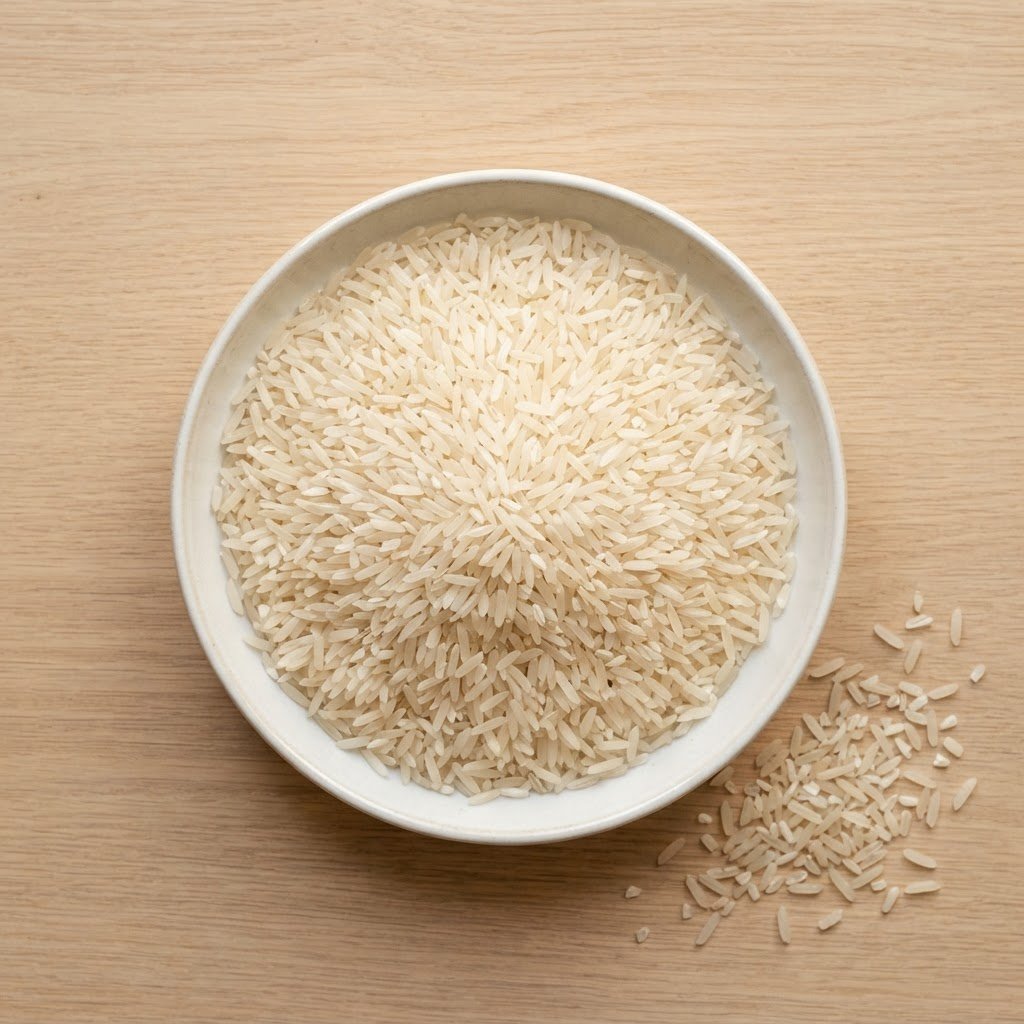
IRRI-6 15% Broken
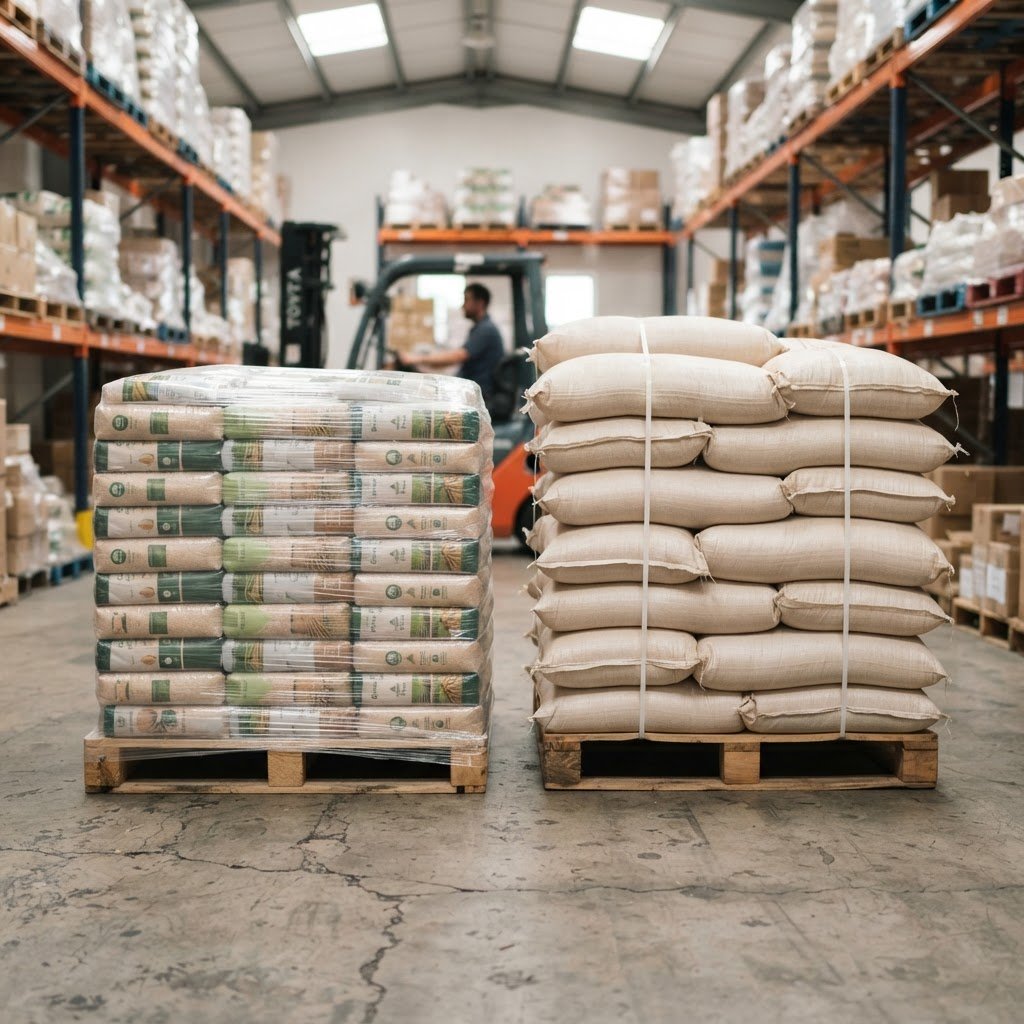
The working staple grade. Camp caterers, canteens and institutional kitchens buy IRRI-6 at 15% because nobody at the table is judging the grain, they are judging the meal and the cost per head. Almost always plain woven 25kg and 50kg bags rather than printed retail packs.
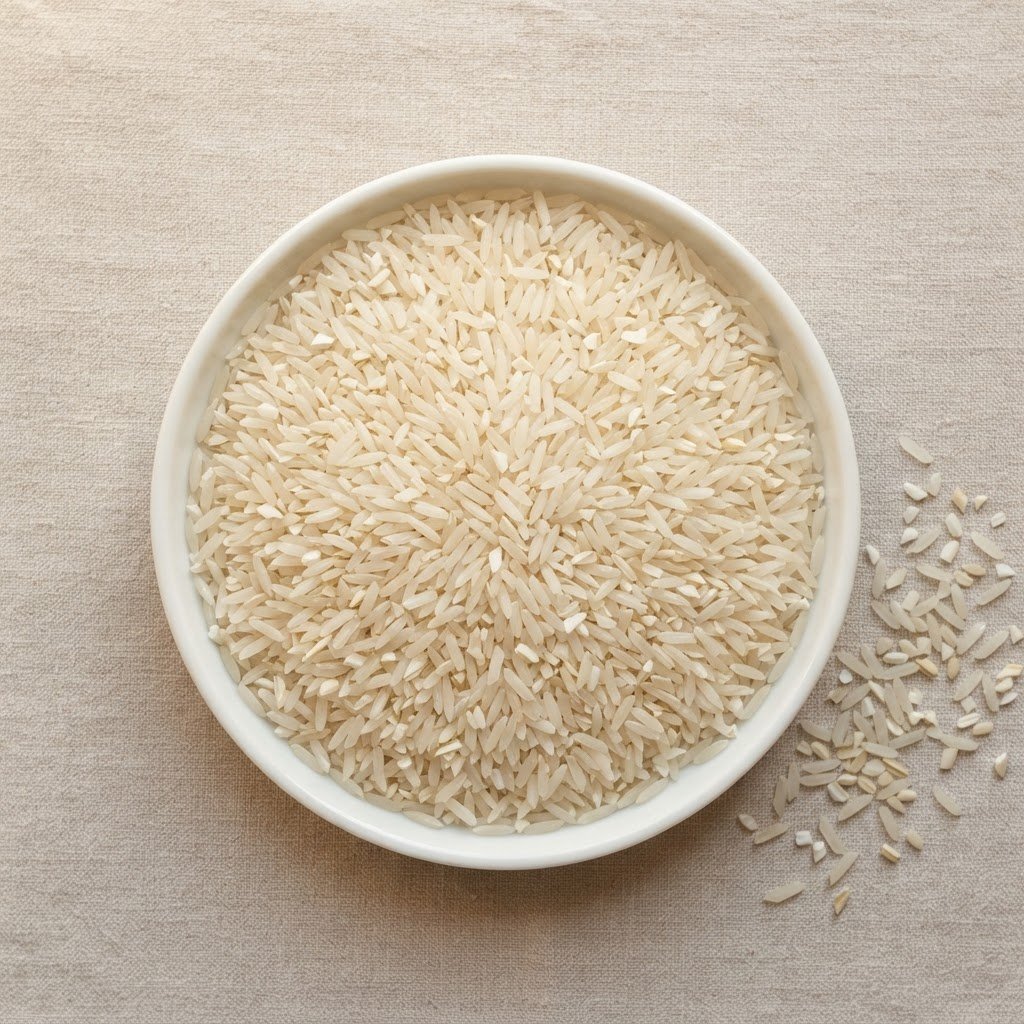
IRRI-6 25% Broken
The volume grade, bought by the container. IRRI-6 at 25% feeds staple programmes and is repacked into small local bags across West Africa and East Africa, where the shelf price per kilo is the argument. Cooks and eats perfectly well; it just does not look like a retail premium bag.
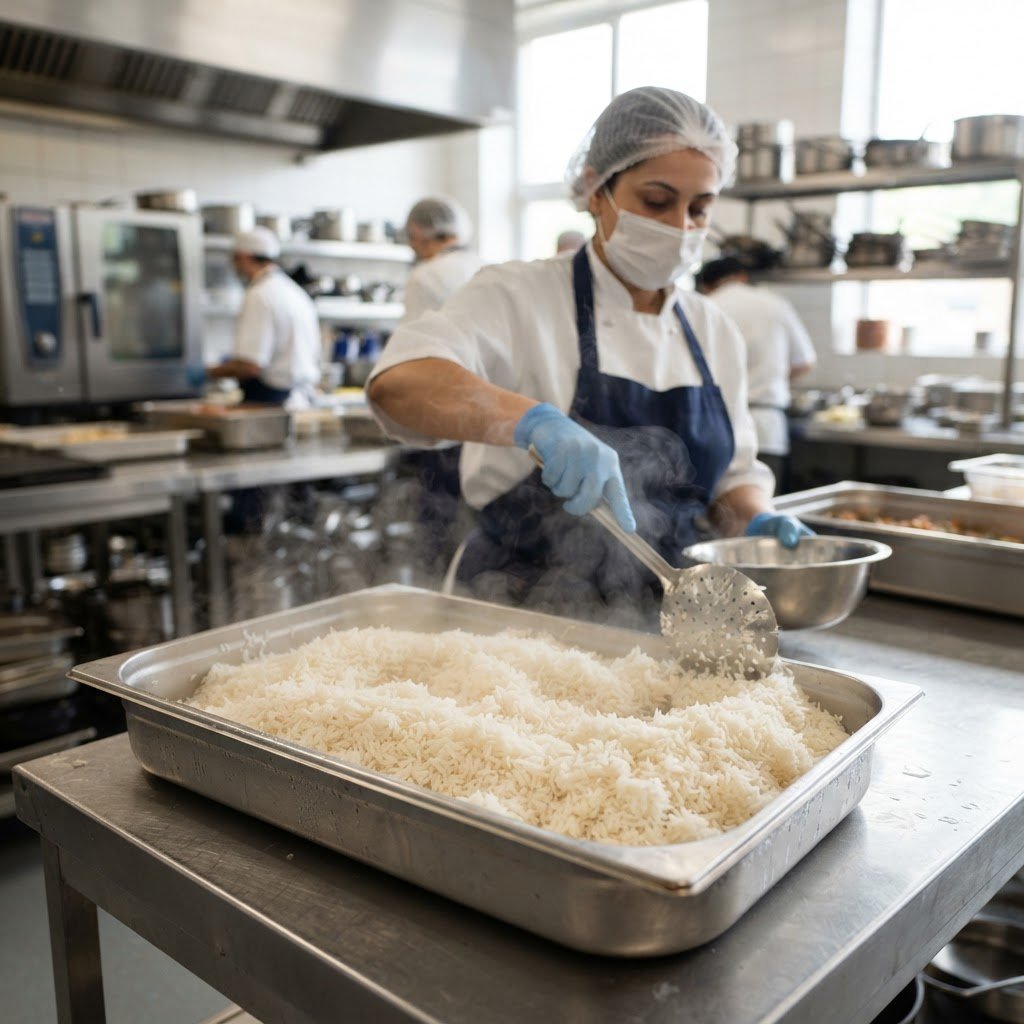
If you are not sure which broken percentage your market takes, tell us the country and what the rice is for, and we will tell you which IRRI-6 grade moves there and quote two side by side.
Past 25% IRRI-6 stops being sold as a table rice and starts being sold as an ingredient. That is 100% broken rice, and it is priced, packed and certified differently, so it lives on its own page rather than as a fifth card here.
IRRI-6 Long Grain Rice Specification
The Trade Figures, and the Test Sheet That Comes With Your Batch
These are the figures IRRI-6 long grain rice is normally bought and sold against. Every batch we ship also carries its own test sheet from the mill laboratory showing what your rice actually measured, rather than what the trade standard says it should. If you need tighter figures than these, say so before you order and we will tell you straight whether the mills can hit them.
- Variety: IRRI-6 (IR-6), Non-Basmati Long Grain
- Origin: Punjab and Sindh, Pakistan
- Grain Type: Long Grain, Bold — Slightly Wider Than IRRI-9
- Average Grain Length: 6.0 mm min, Typically 6.0 to 6.2 mm
- Aroma: None. IRRI-6 Is Non-Aromatic
- Texture Cooked: Dry and Separate, Not Sticky
- Moisture Content: 13% max
- Broken Grain: 5%, 10%, 15% or 25% - Specified by You
- Pure IRRI-6 Grain: 95% min
- Chalky Grains: 5% max
- Foreign Matter: 0.1% max
- Paddy Grain: 0.2% max
- Polishing: Double, Pearl, Finish Or Silky Polished
- Sortex: Colour Sortexed
- Forms Available: IRRI-6 White, IRRI-6 Sella, IRRI-6 Brown
- Shelf Life: 18 to 24 Months, Stored Cool, Dry and Sealed
- Crop: Current Crop Or Aged, Subject To Availability
- Packaging: 5, 10, 20, 25, 35, 40, 50 Kg — Or Your Specification
- Private Label: Available
- Export Markets: Qatar, GCC, Middle East, East Africa, West Africa
Grain length is where IRRI-6 long grain rice gets misquoted more than anything else. Published figures run anywhere from 6.0mm to 6.5mm depending on who is measuring, on which crop, and on whether they are quoting the average or the longest grain in the sample. We publish 6.0mm as the floor and 6.0 to 6.2mm as typical, which is what the grain actually measures, and the certificate with your lot carries its own figure. A supplier quoting you a single flattering number without a test sheet behind it is quoting you a brochure.
Two rows read differently from the rest. Aroma reads none, because IRRI-6 has none and a supplier claiming otherwise is selling you a sentence rather than a specification. Broken grain reads as a choice rather than a maximum, because on this variety it is one: you name 5%, 10%, 15% or 25% and the price follows the number you name. Everything else on the table is a limit we hold the mill to.
Third-party inspection at loading port is available through SGS, Cotecna, Eurofins or Bureau Veritas, covering quality, quantity and weight — so you can verify against the agreed specification before the container sails.
Why Buyers Choose IRRI-6 Long Grain Rice
Four Things That Actually Differ Between One Long Grain and the Next
Nobody buys IRRI-6 long grain rice by accident. It gets chosen against PK-386 above it and 100% broken rice below it, and the reasons are commercial rather than culinary.

The Cost Per Head Works
A camp kitchen feeding two thousand men or a retailer holding a shelf price cannot carry a basmati cost line, and IRRI-6 long grain rice closes that gap without dropping to a broken grade. It is the cheapest whole grain in the catalogue that still serves as a table rice.
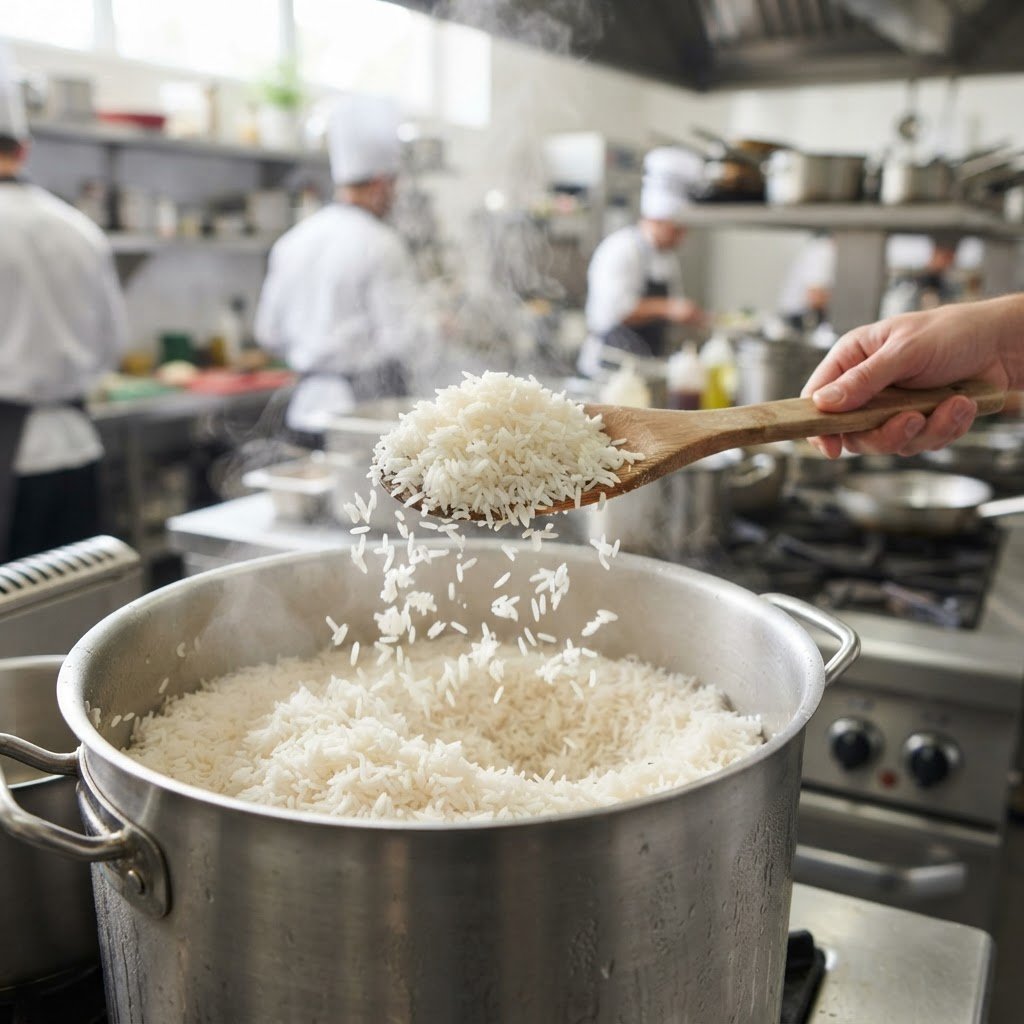
It Cooks Dry and Separate at Scale
IRRI-6 holds its shape in a large pot and does not turn to paste when it is cooked in volume and held. That is why it works for fried rice, for plain boiled staple service and for biryani cooked in quantity, where a softer grain would collapse before it reached the tray.
You Grade It to Your Own Number
The same IRRI-6 serves a printed retail bag at 5% broken and a container of staple feeding at 25%, so a single supply line covers several price points. Buyers running a retail brand and a catering contract side by side do not need two different grains to cover both.
It Travels and It Keeps
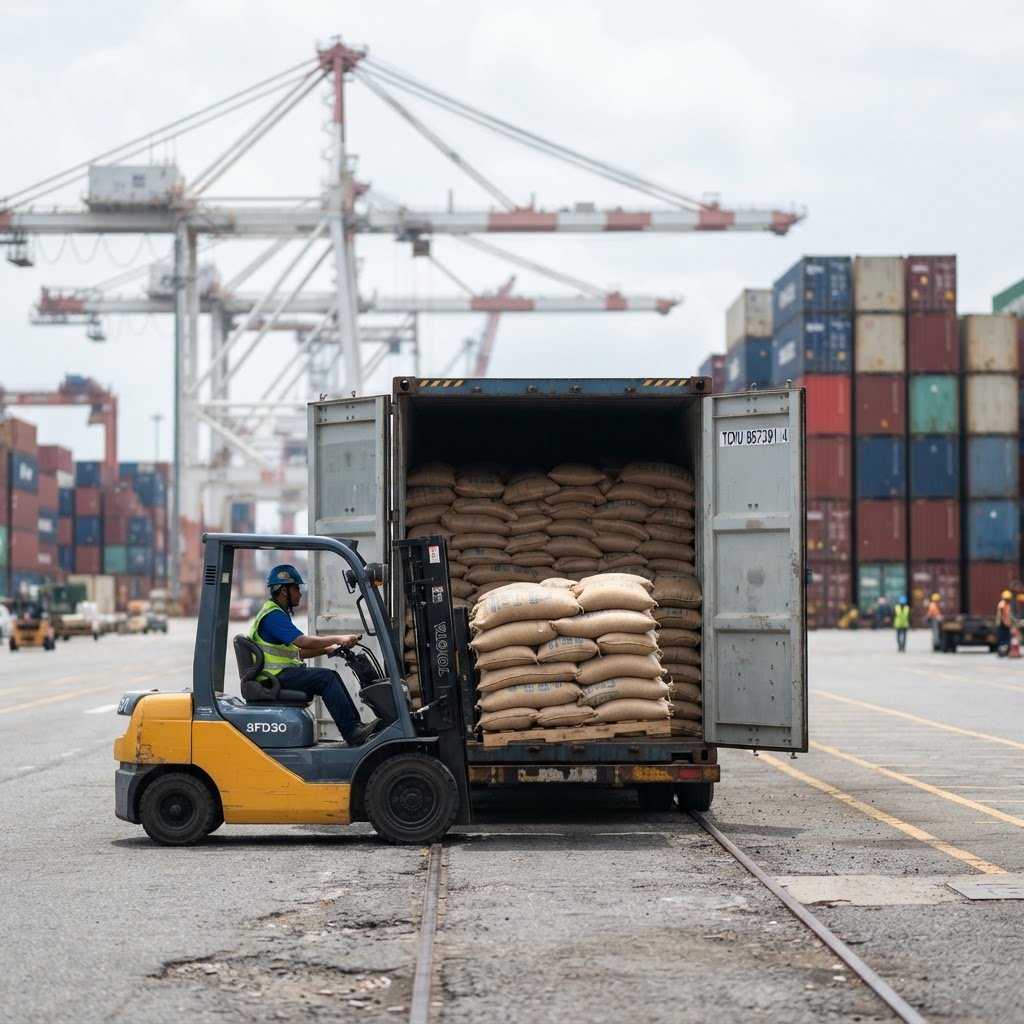
IRRI-6 is bold, hard grain with a low breakage rate in transit and eighteen to twenty-four months of shelf life in dry storage. On the long routes to West Africa and the Horn that matters more than looks do, and sella is harder still where a container will sit before it is sold.
Who Buys IRRI-6 Long Grain Rice From Us
Six Kinds of Buyer, Six Different Bags
A camp caterer and a retail brand can order IRRI-6 long grain rice on the same morning and take delivery of two different-looking products: different bag, different broken percentage, one dropped off in Doha and one shipped to a port abroad, or to a door where we hold clearance.

Importers and Distributors
Container buyers in Africa, the Gulf and Central Asia taking IRRI-6 by the load, usually 25kg or 50kg plain bags at 15% or 25% broken, with the destination certificate arranged first. See wholesale rice supply.

Repackers and Private Label
Buyers taking IRRI-6 in 50kg and repacking into their own branded 1kg to 10kg bags for a local shelf, or having us pack it under their brand at the mill. Both routes are covered on private label rice supply.

Camp and Labour Catering
Contract caterers feeding accommodation blocks and worksites, buying IRRI-6 long grain rice at 15% broken in 25kg and 50kg on a monthly call-off against a fixed price. More on food service rice supply.
Hotels, Restaurants and Canteens
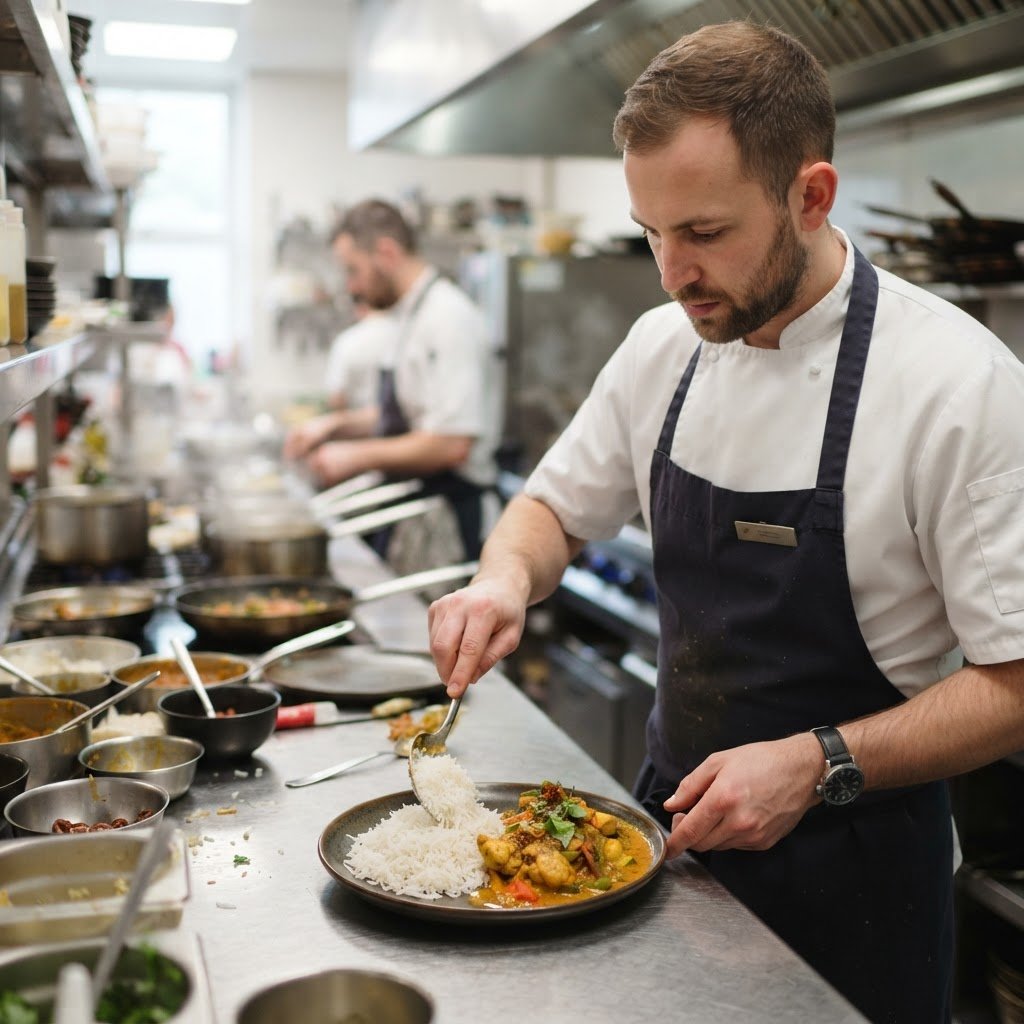
Kitchens cooking rice in quantity daily and wanting the same grain every week rather than whatever the market had, typically IRRI-6 white at 5% or 10% broken in 20kg and 40kg. See hospitality rice supply.
Retail and Cash-and-Carry
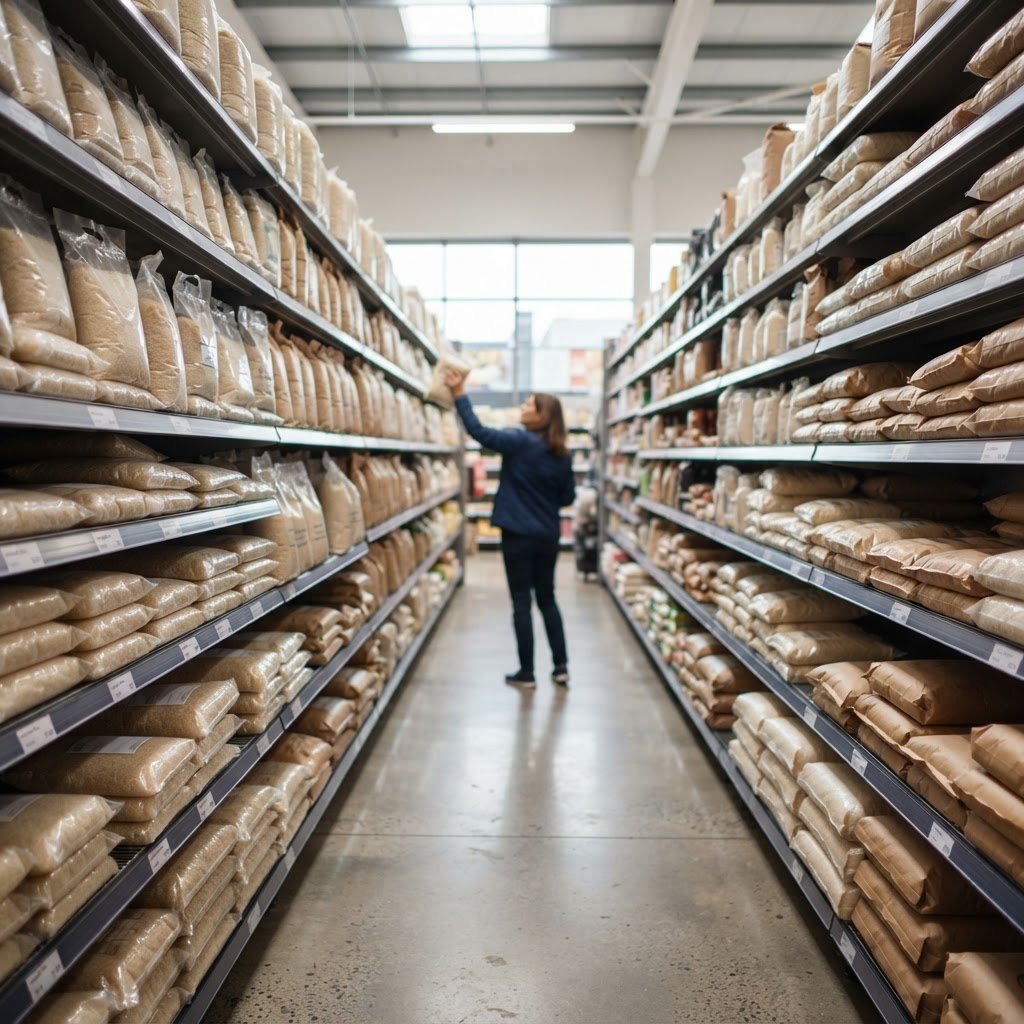
Supermarkets, grocery chains and cash-and-carry operators shelving IRRI-6 at 5% broken in printed bags, delivered here in Qatar off our own stock rather than by the container — background in the Qatar rice market.
Food Manufacturers and Millers
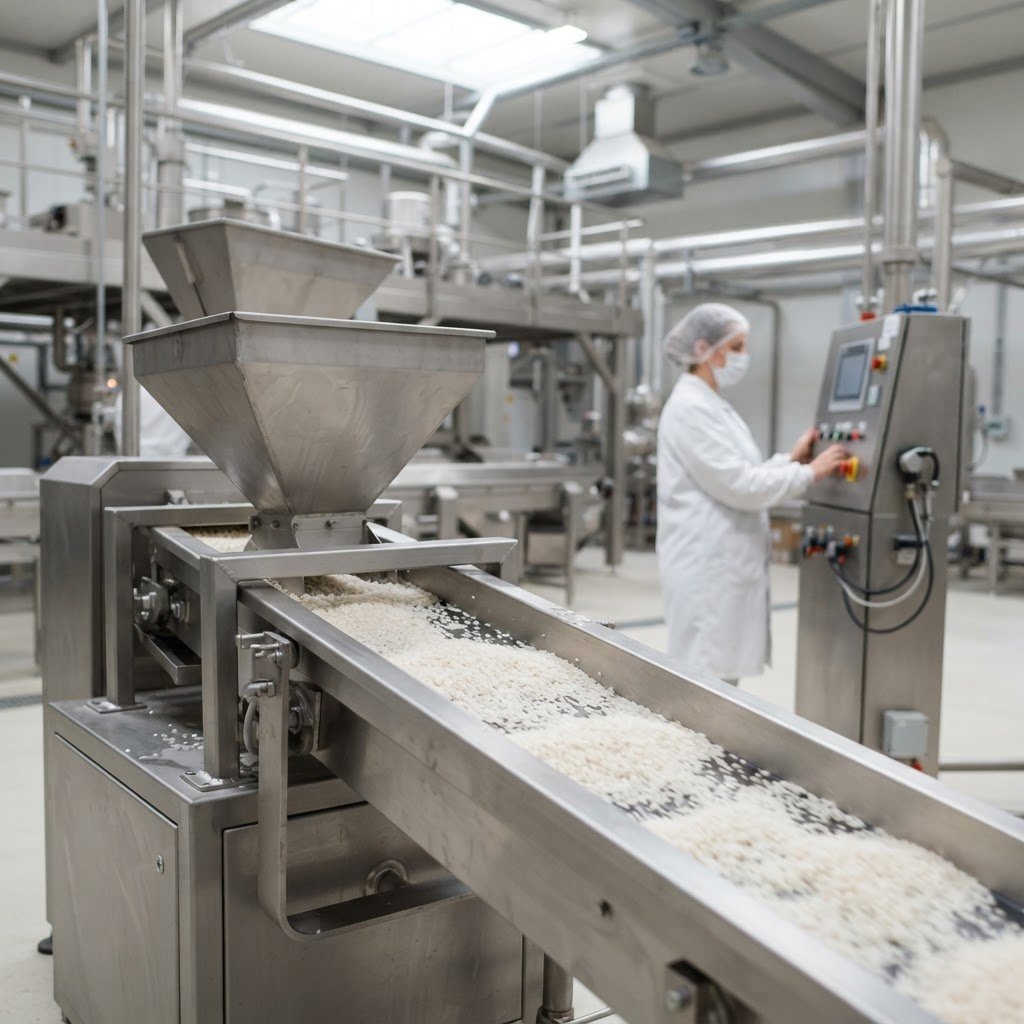
Plants taking IRRI-6 long grain rice as an input for ready meals and rice products, and mills buying it brown to polish themselves. Where the requirement is fragment rather than whole grain, that is 100% broken rice.

Where We Supply IRRI-6 Long Grain Rice
Qatar and the Gulf, East Africa, West Africa, Yemen, Afghanistan and Central Asia
The same IRRI-6 long grain rice that reaches a Doha grocery shelf at 5% broken in a printed 5kg bag leaves for Lagos at 25% in a plain 50kg sack, carrying a certificate the Gulf never asks for.

Qatar & the Gulf (GCC)
We hold IRRI-6 white at Al Wakra, so a buyer in Qatar takes a pallet or a part load rather than a container, in riyals, with nothing to clear — background in the Qatar rice market. Saudi Arabia, the United Arab Emirates, Kuwait, Oman and Bahrain take it at 5% and 10% broken in 20kg and 25kg through Hamad Port, Jebel Ali, Dammam, Shuwaikh, Sohar and Mina Salman, delivered to your port with the freight already paid, or to your door where we hold local clearance.
East Africa
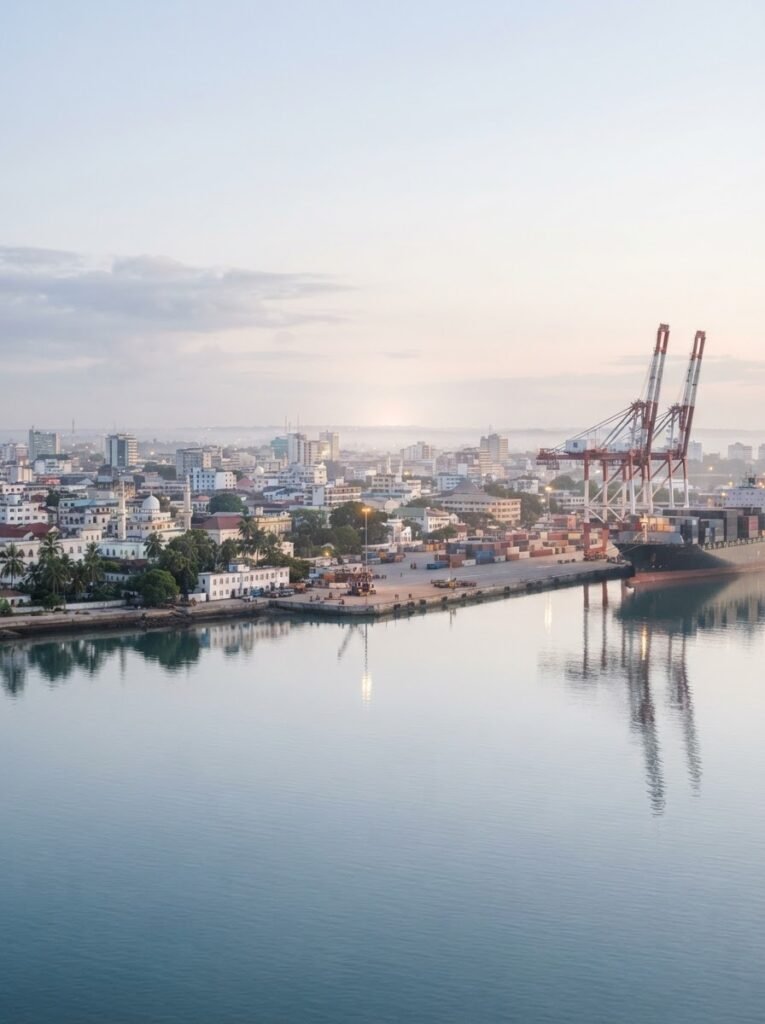
Kenya, Tanzania, Uganda, Rwanda, Burundi, Somalia and Djibouti, moving through Mombasa, Dar es Salaam, Djibouti and Berbera, and inland from those ports by road. IRRI-6 white at 5% and 15% broken in 25kg woven bags is the standard here. Kenya, Tanzania and Uganda all require the container to be inspected and certified before it leaves Pakistan, and that certificate travels with the documents — we arrange it, and it is inside the price rather than added afterwards.
West Africa
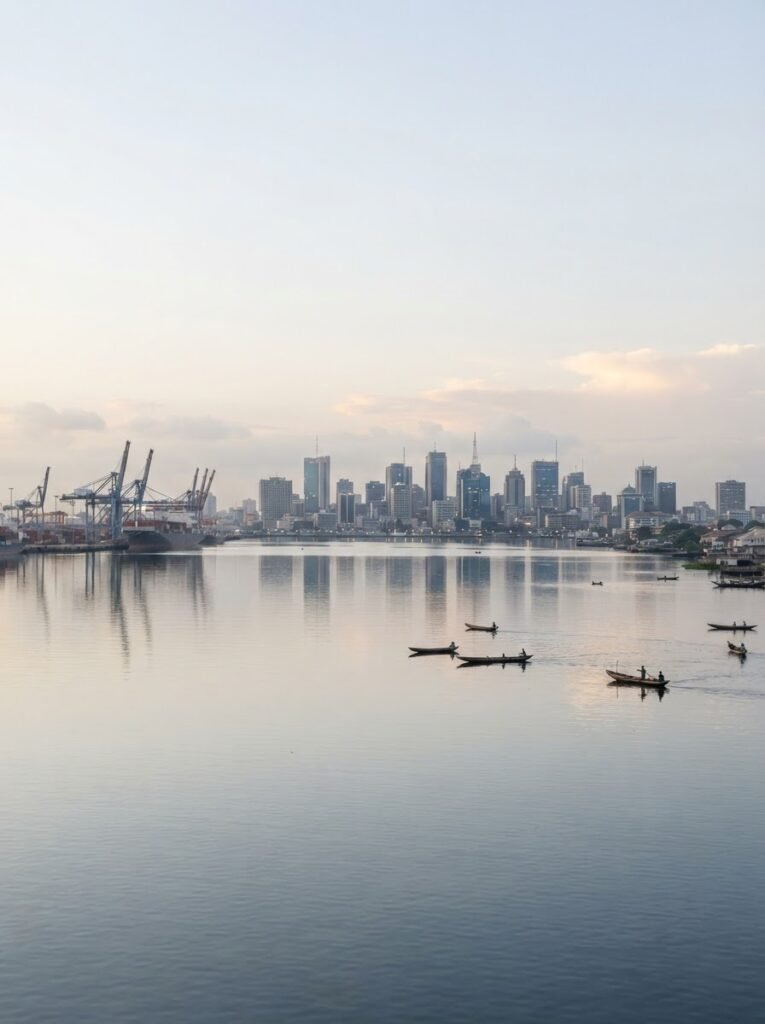
Nigeria, Ghana, Senegal, Ivory Coast, Guinea, Benin and Togo, through Lagos, Tema, Dakar, Abidjan, Conakry, Cotonou and Lomé. This is the 25% broken end of the trade: rice bought by the container in 50kg and repacked into small local bags, where the shelf price per kilo decides everything. Nigeria requires its own pre-shipment certificate and the paperwork is unforgiving, so we build that step into the loading schedule rather than discovering it at the port.
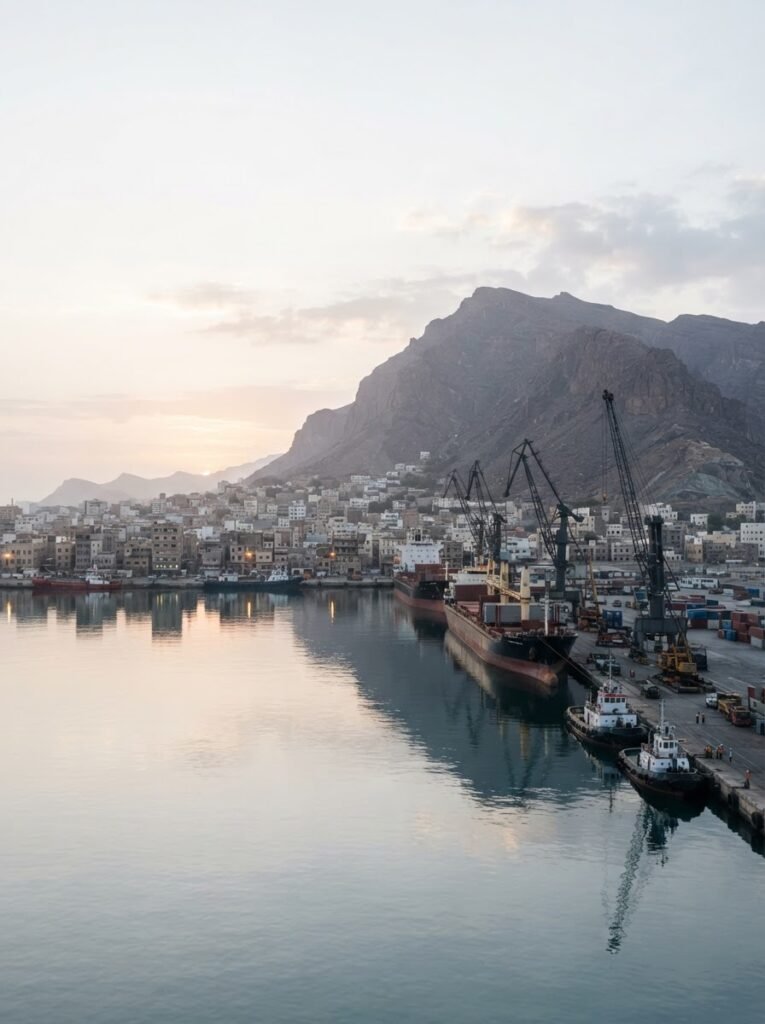
Yemen
Yemen is one of the largest single destinations for Pakistani IRRI-6 long grain rice, arriving through Aden and Mukalla in 25kg and 50kg, mostly at 10% and 15% broken and increasingly as IRRI-6 sella, which holds better where a container may sit before it is sold. Freight and insurance to Yemen behave differently from the rest of this list, so the quotation is written per shipment rather than off a standing rate. We quote Aden as standard and Mukalla on request.
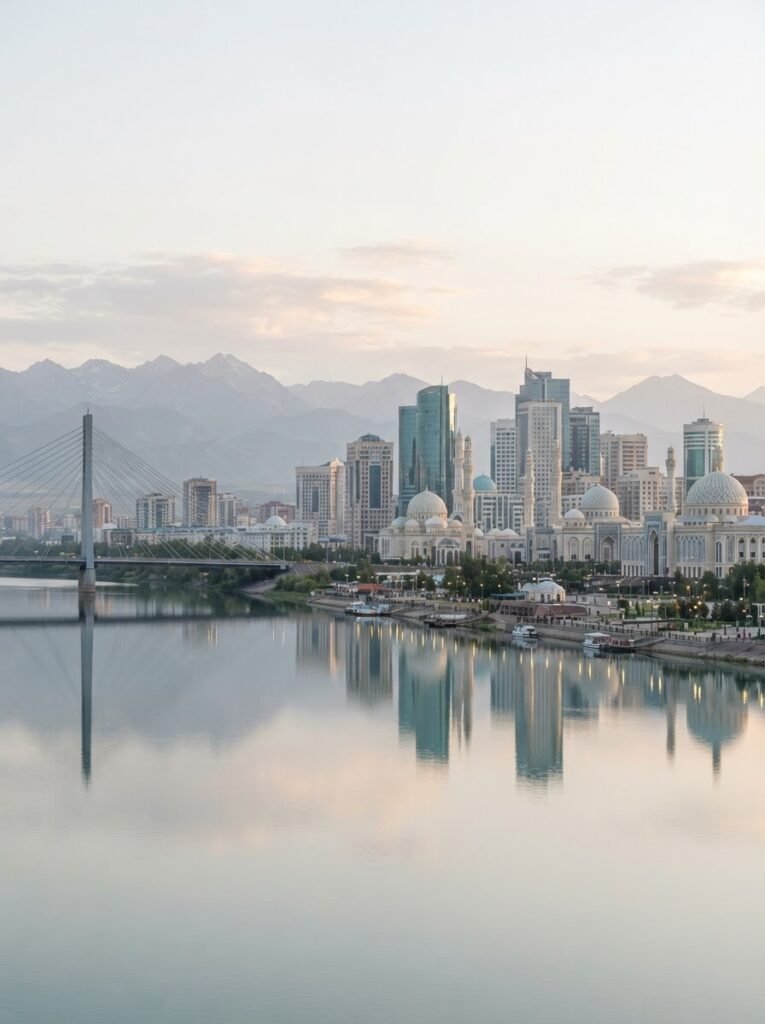
Afghanistan and Central Asia
Afghanistan takes IRRI-6 overland from Pakistan rather than by sea, through Chaman and Torkham, which makes it one of the few markets where the rice never sees a container ship. Uzbekistan, Tajikistan, Turkmenistan and Kazakhstan take it in 25kg and 50kg through Karachi and onward by road and rail. White at 5% and 10% broken is the norm across this region. Overland lots are smaller than a container, so the minimum order here is lower than anywhere else on this list.
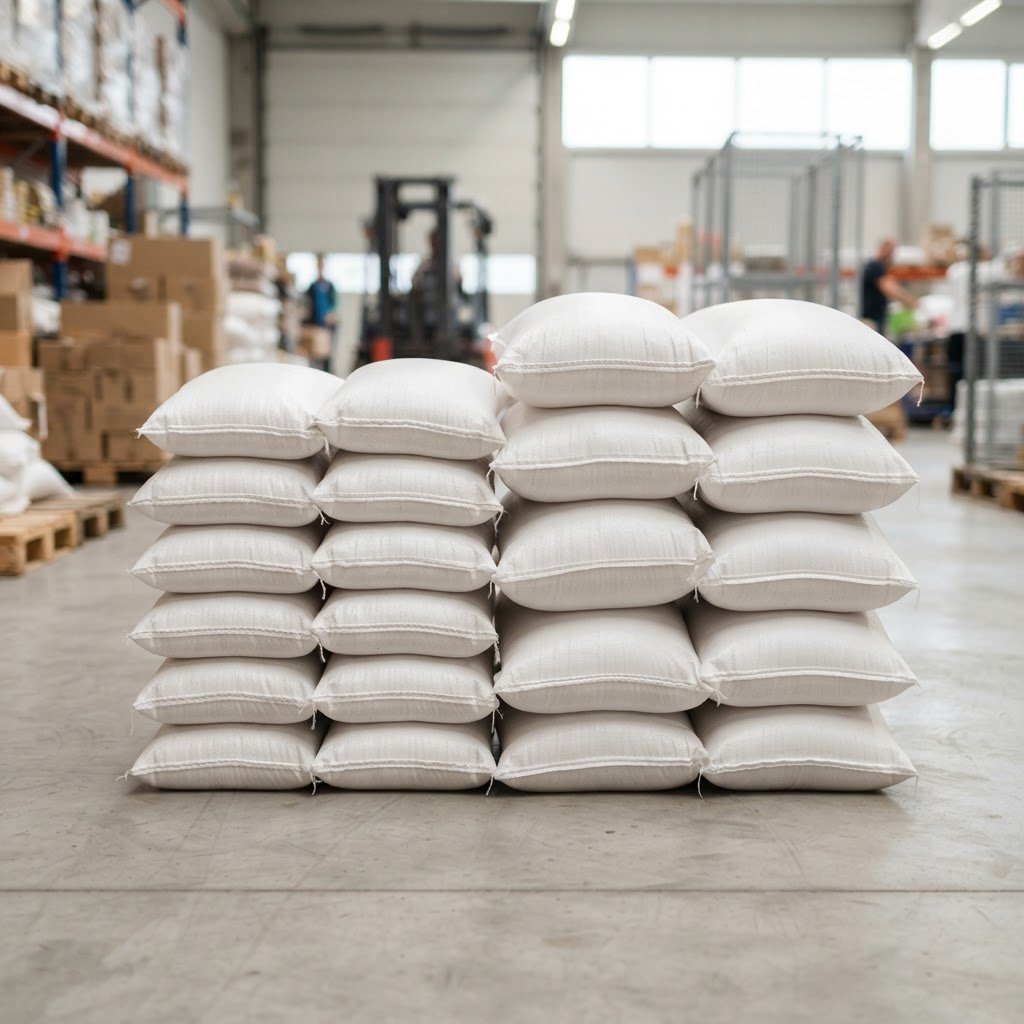
How IRRI-6 Long Grain Rice Is Packed
25kg and 50kg for the Container, 5kg and 10kg for the Shelf
The bag is not an afterthought on this variety. It is most of what separates a container of IRRI-6 long grain rice bound for a repacker from the same rice going onto a shelf, and it changes more between markets than the grain itself does.

25kg and 50kg Woven Bags
The working bulk formats for IRRI-6 long grain rice: woven polypropylene, stitched, single or double, with an inner liner where the route is long or humid. 25kg is the East African standard and 50kg the West African and Central Asian default.
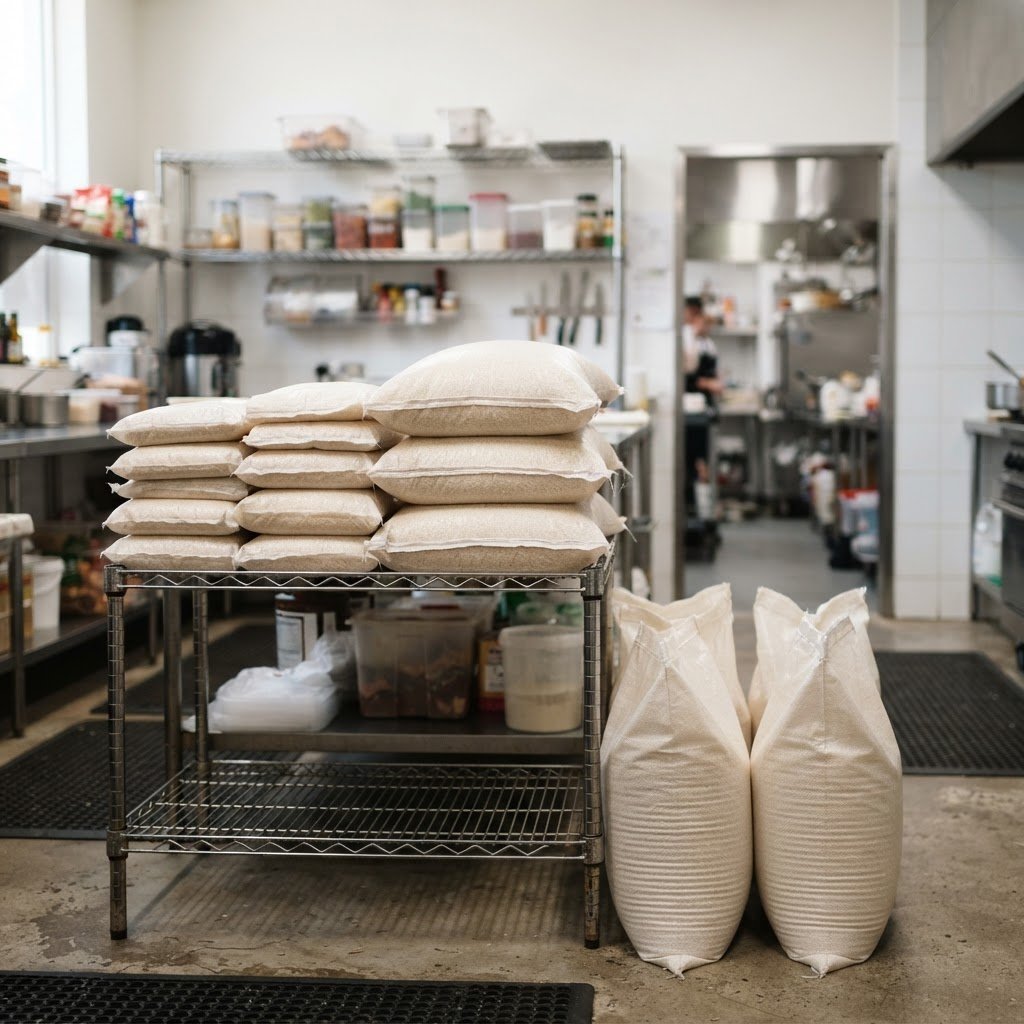
20kg and 40kg for Catering
The sizes a kitchen actually lifts. Camp caterers, canteens and hotel kitchens take IRRI-6 in 20kg and 40kg because a porter moves them without a trolley and a store cupboard holds a week of them, which a pallet of 50kg sacks does not.
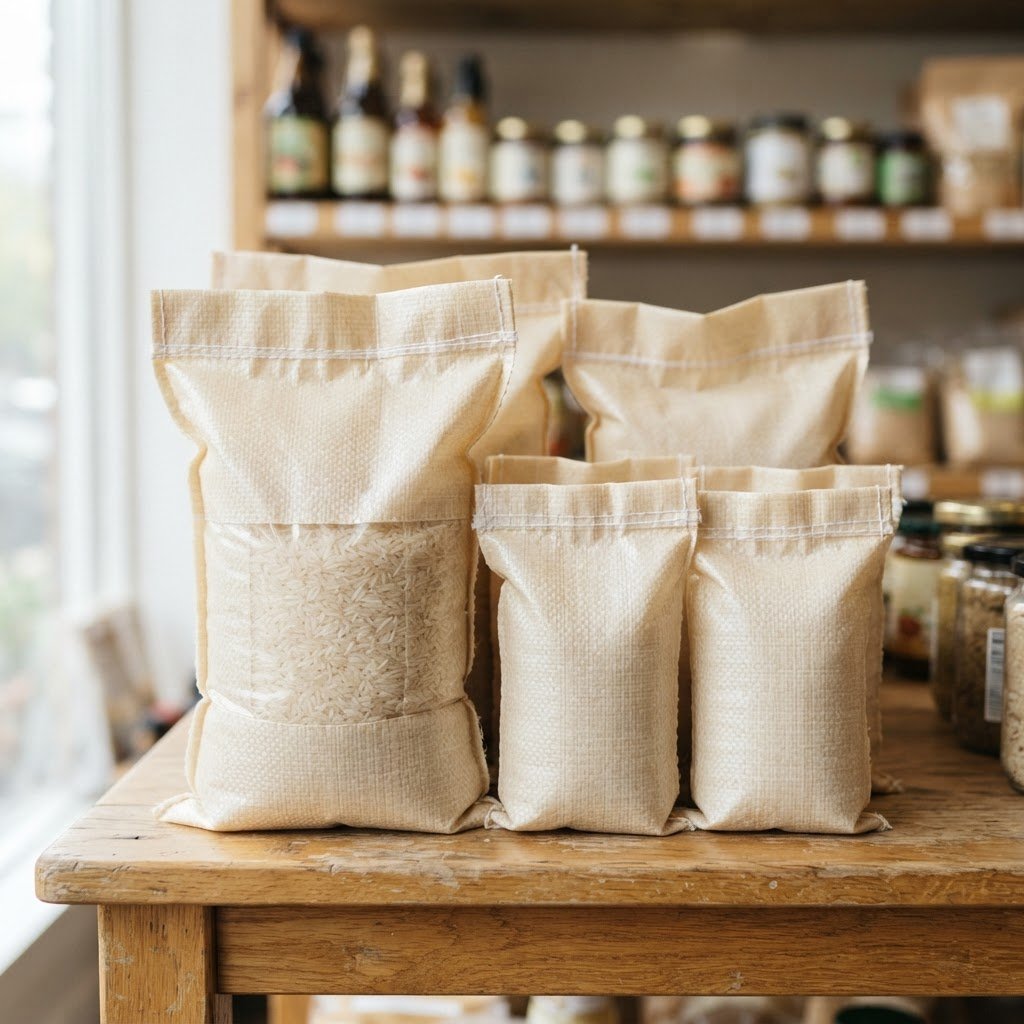
5kg and 10kg Retail Bags
Printed consumer packs for the grocery shelf, filled at the mill in laminated or woven material with a clear window. This is 5% broken IRRI-6 territory, and where Arabic labelling matters for the Gulf — see rice packaging for the GCC.
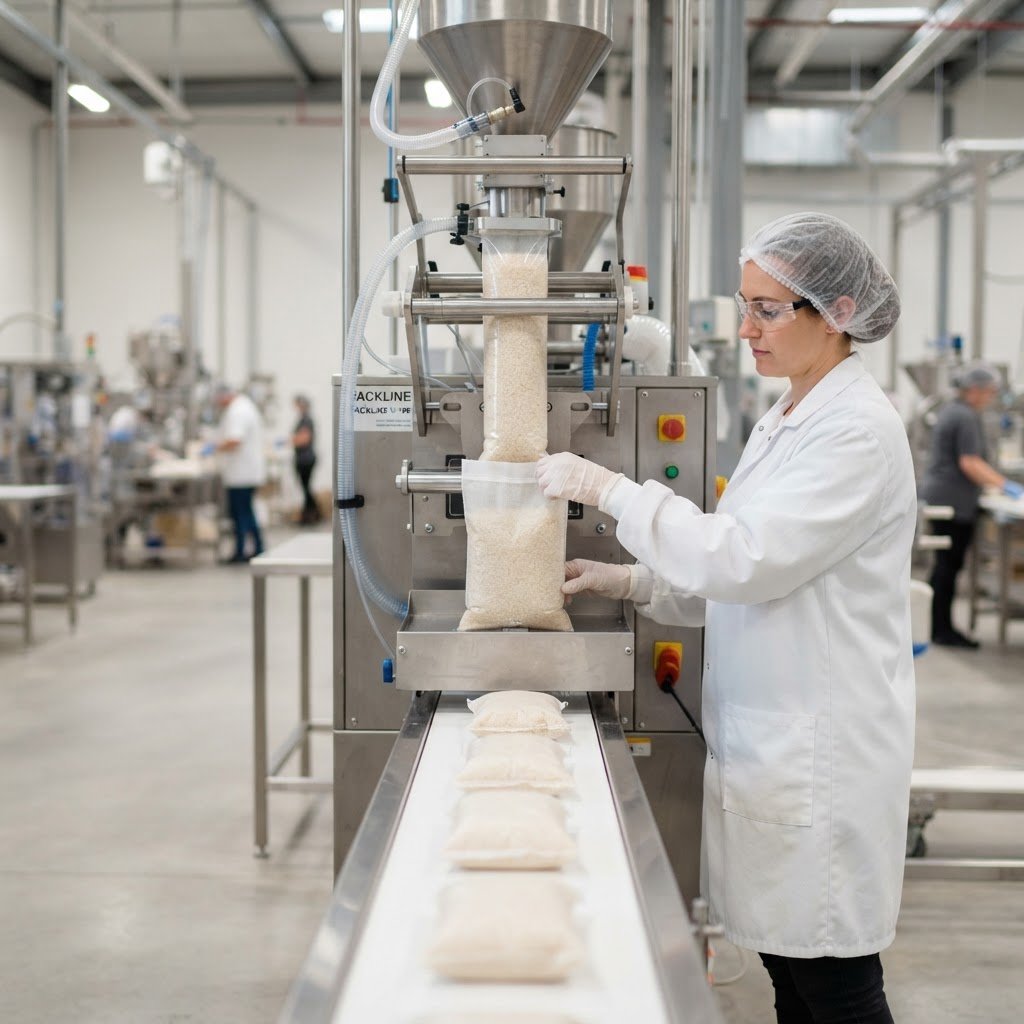
Your IRRI-6 Brand, Not Ours
We pack IRRI-6 long grain rice under your own brand from 1kg upward, printed at the mill to your own artwork and specification, or supply it in 50kg for you to repack locally. How both routes run is set out on private label rice supply.
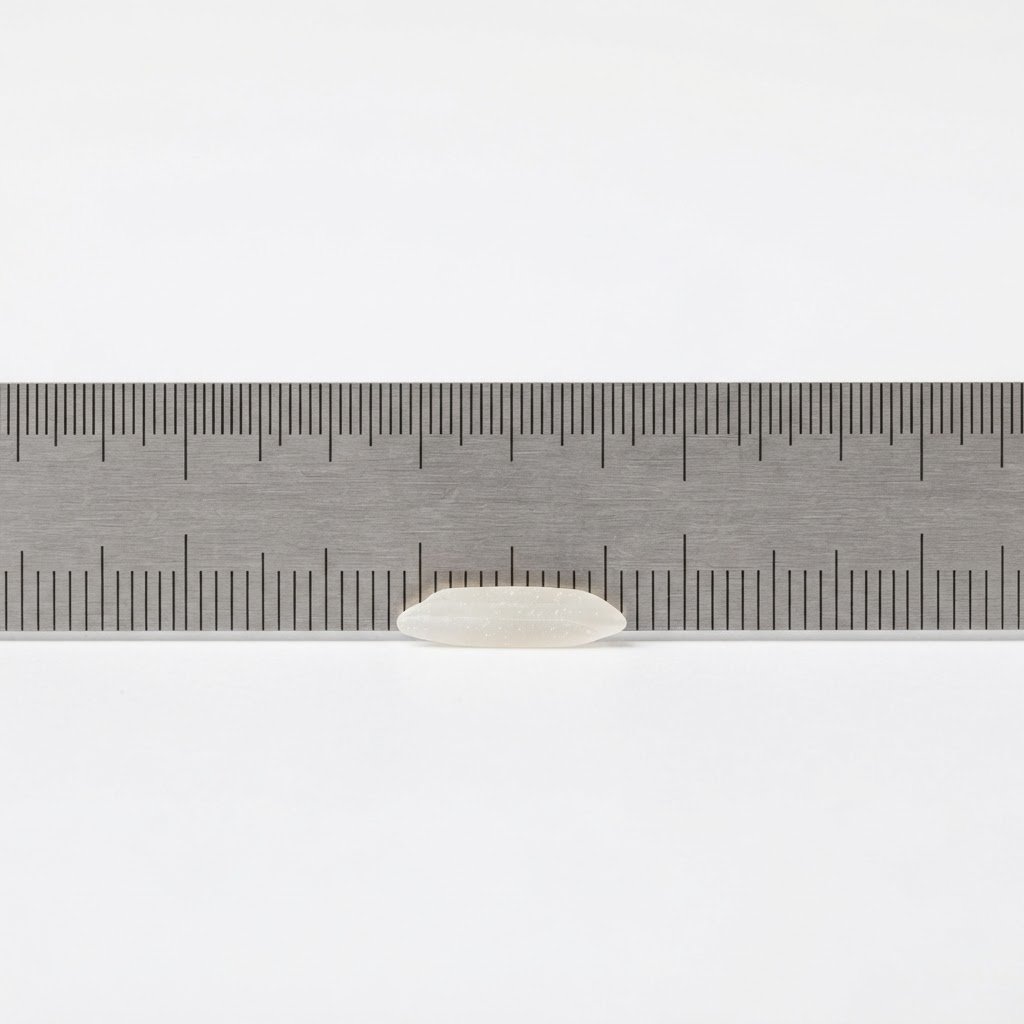
Quality, Inspection and the Certificate Your Port Wants
Checked at the Mill, Checked Before Loading, Certified Before It Sails
A container of IRRI-6 long grain rice can be refused at the destination for something nobody looked at in Pakistan, and by then the rice is sitting at the port running up charges at your cost. On the routes this variety actually travels, none of these checks are optional.
Four figures matter most on IRRI-6 long grain rice, and they are the four we hold the mills to:

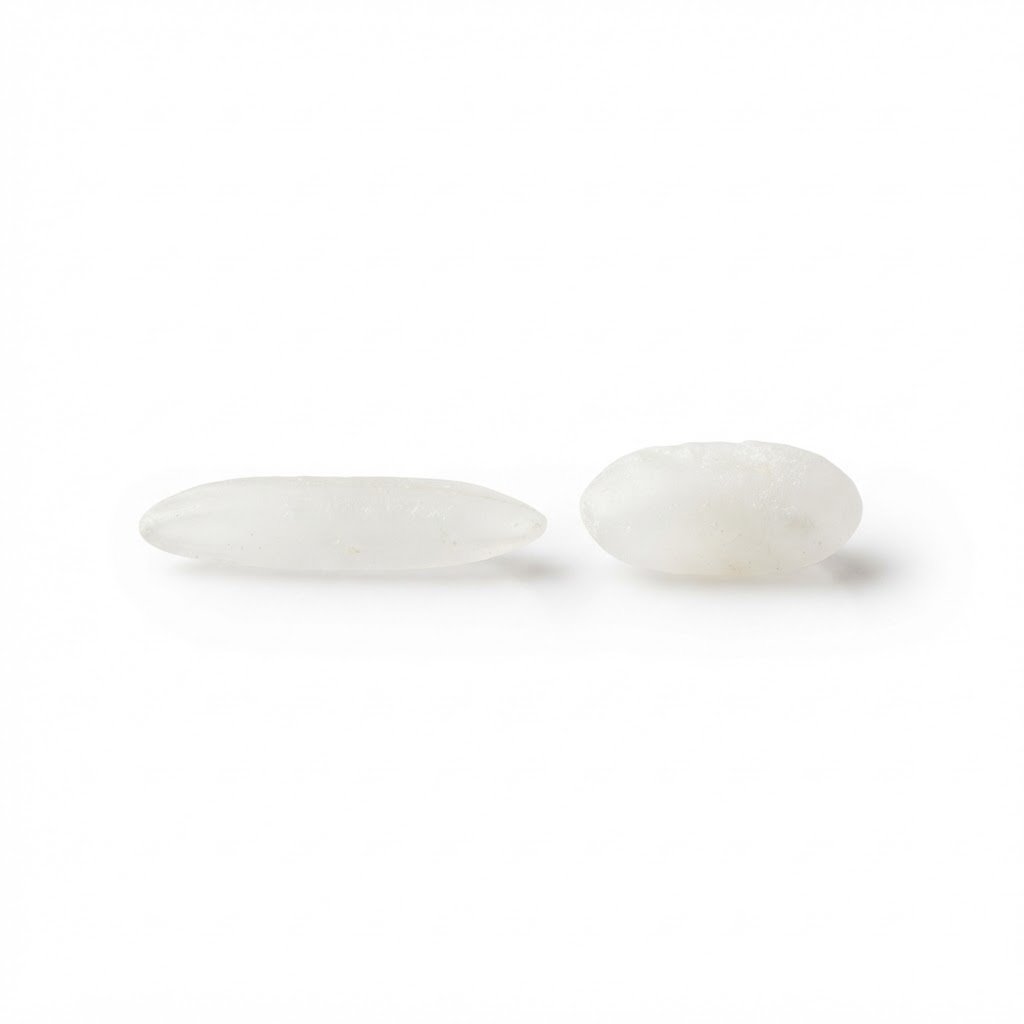
6.0mm Minimum
Average grain length. IRRI-6 is bought bold rather than long, so we publish the figure the mill will certify, not the one that sounds best.
95% pure IRRI-6
Varietal purity, checked lot by lot. IRRI-6 grows alongside other long grains and a mixed lot cooks two different ways in the same pot.
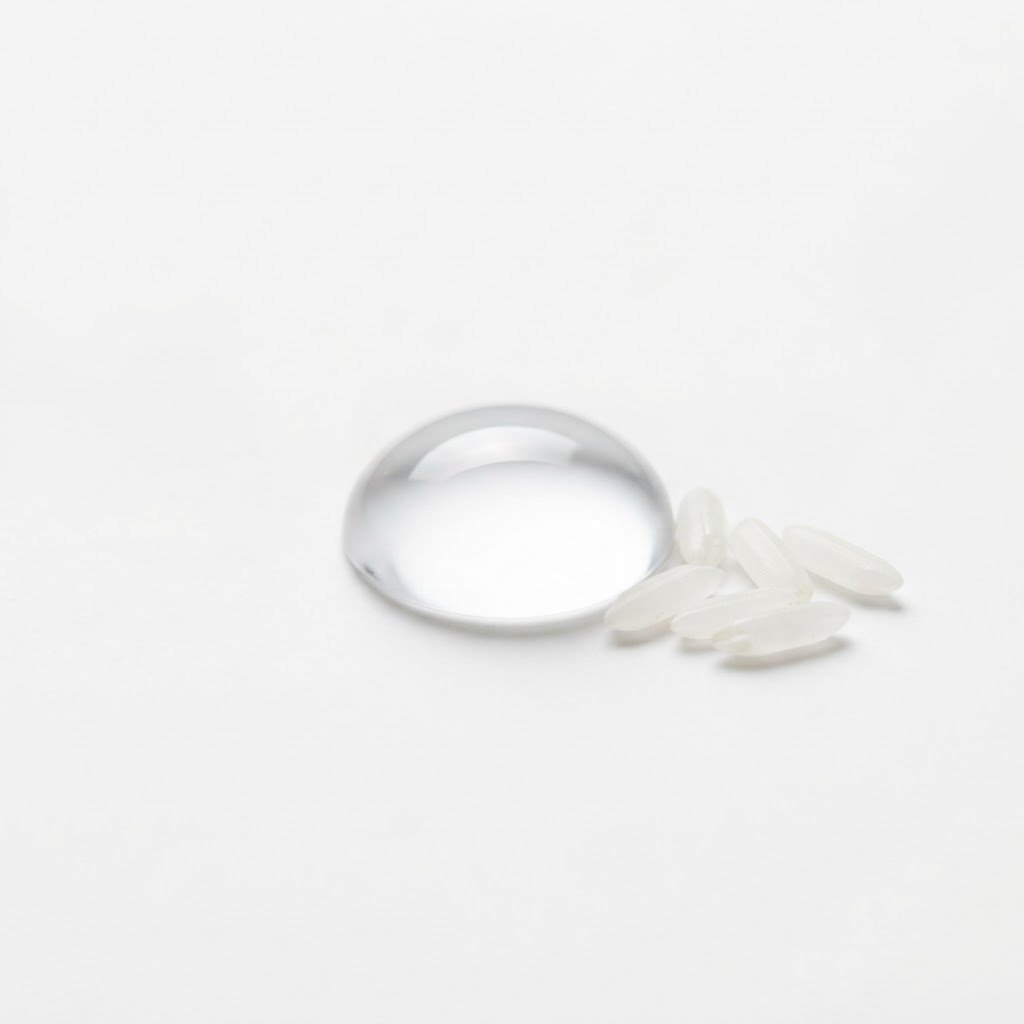
13% maximum
Moisture content. Above this the IRRI-6 rice sweats in the bag and it is finished long before a container has sold through in Mombasa or Lagos.
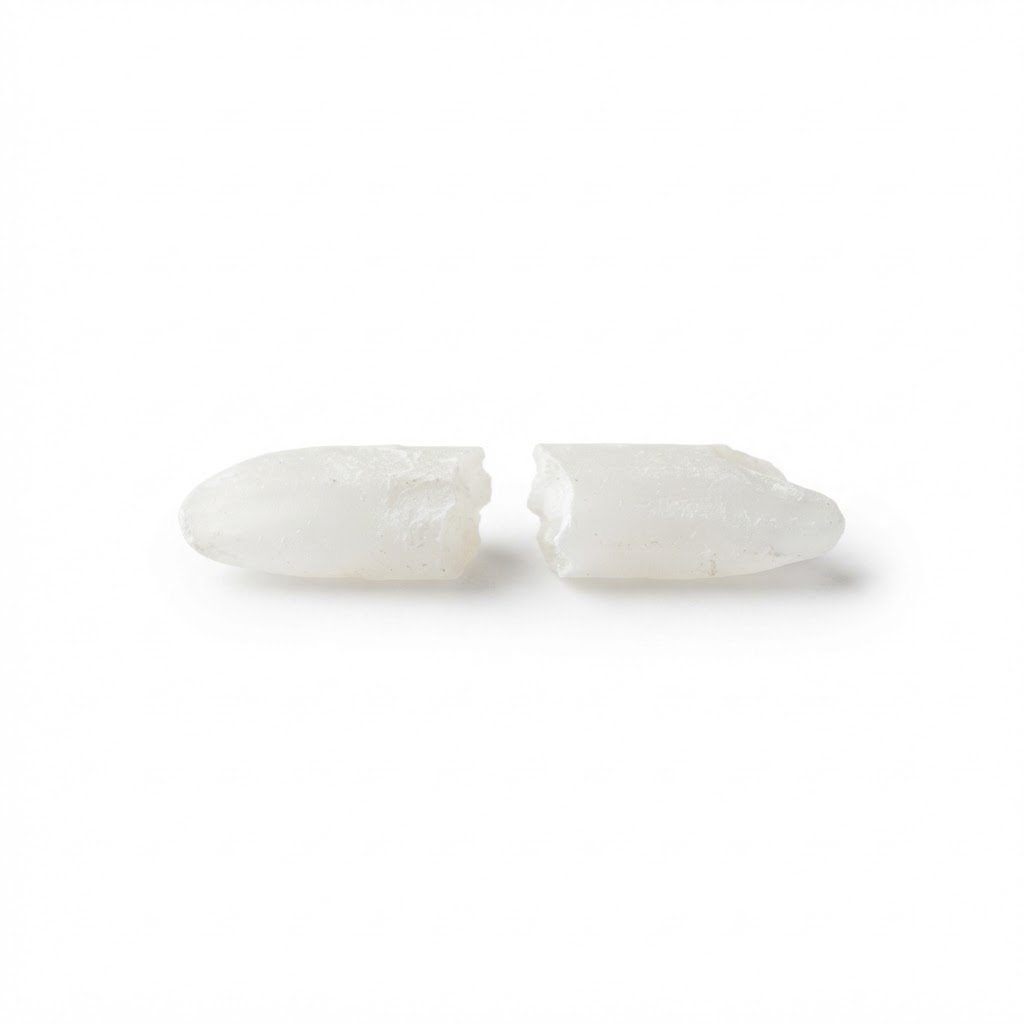
5% to 25% broken
Broken grain, screened to the grade you name. On IRRI-6 this is the number that sets the price, so it is specified rather than capped.
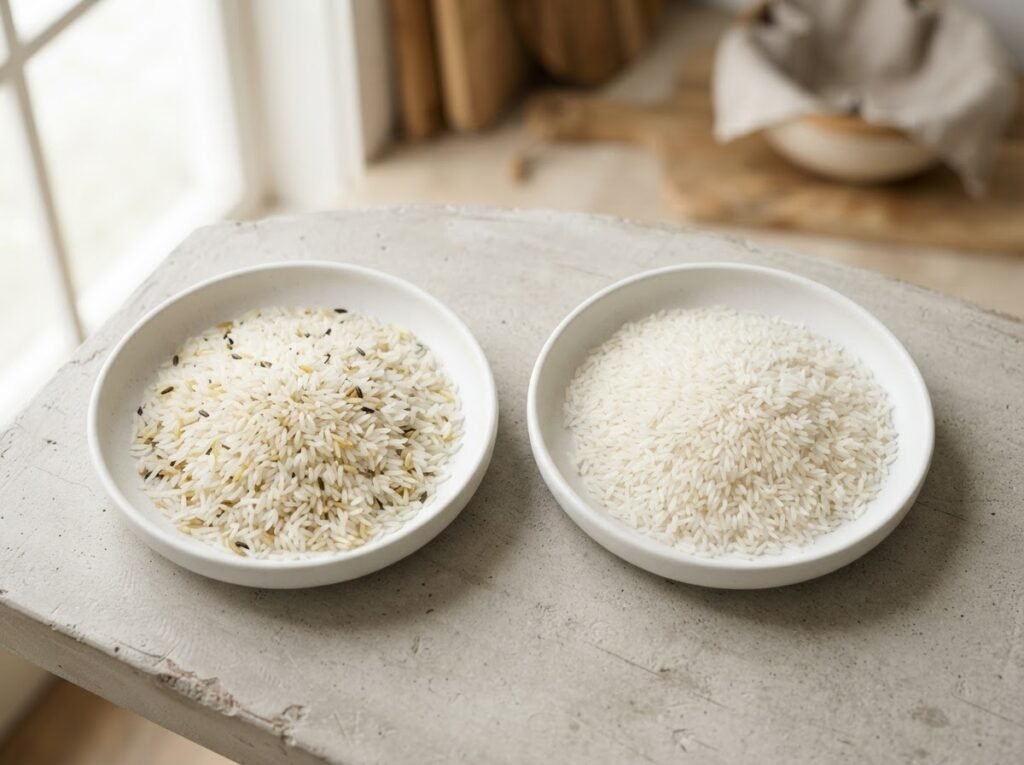
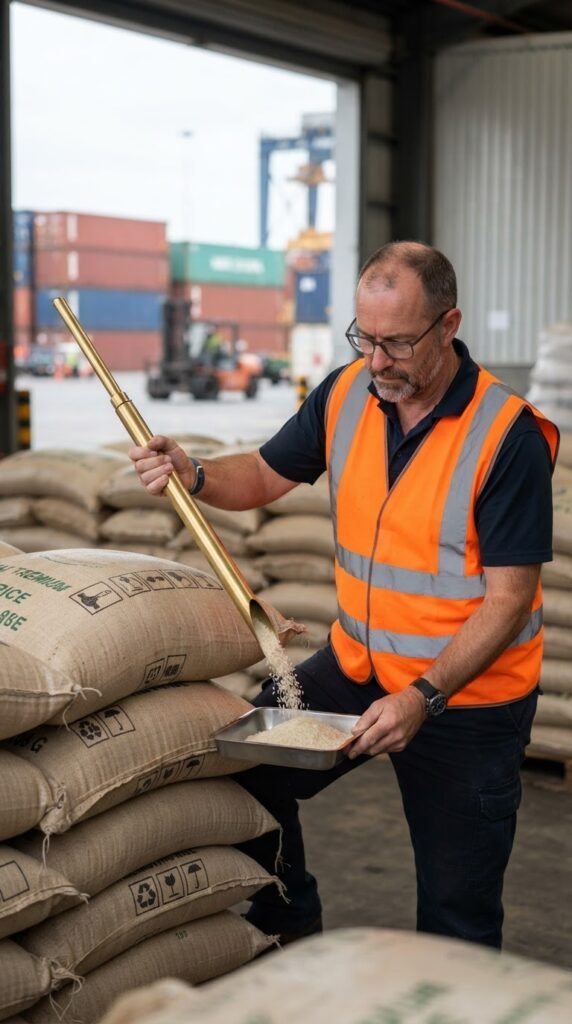
Purity and Moisture Are Where IRRI-6 Goes Wrong
Two things decide whether a container of IRRI-6 long grain rice arrives right: that it is actually IRRI-6 all the way through, and that it was dried properly before it was bagged. Purity is the one you cannot see. IRRI-6 is grown alongside other long grains, and a few per cent of a cheaper variety is invisible in the bag and obvious in the pot, because the shorter grains cook at a different rate to the rest of them.
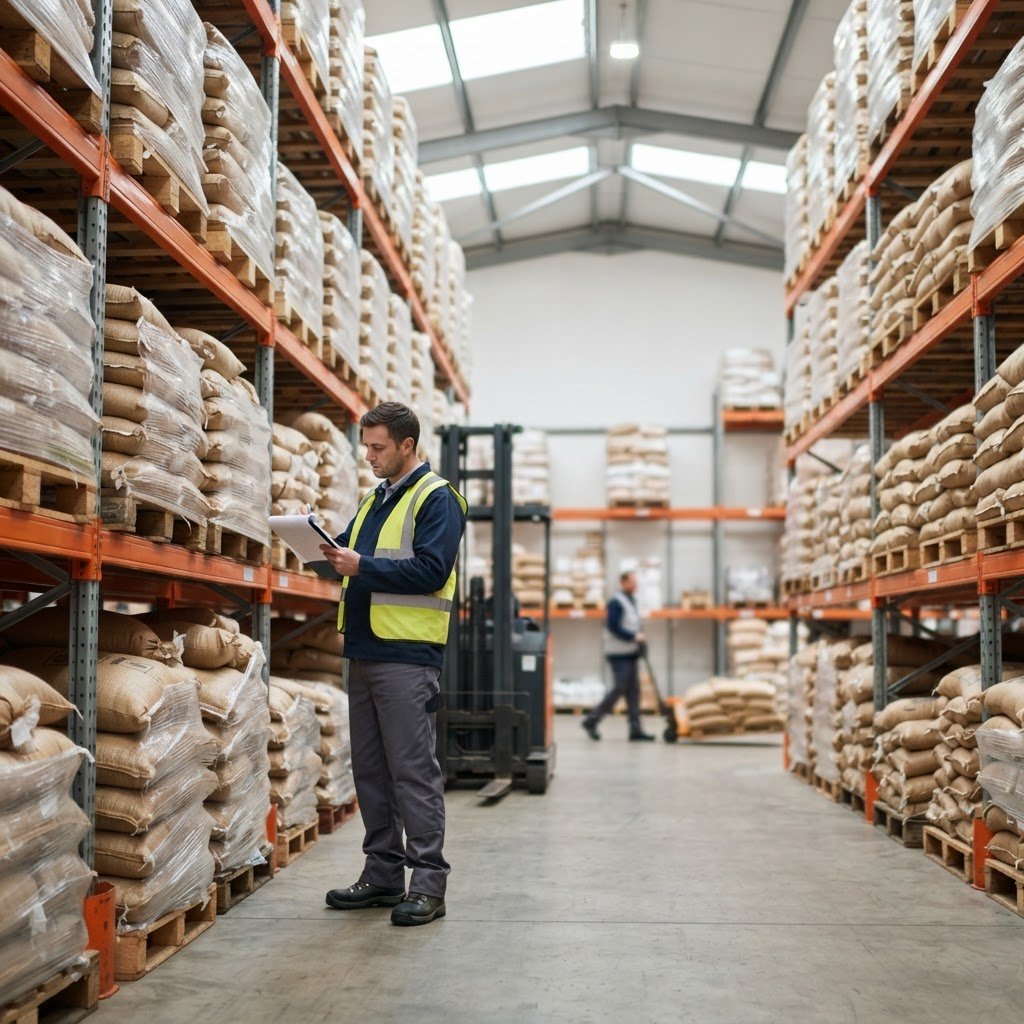
We hold the mills to 95% pure IRRI-6 and check it lot by lot against a reference sample, colour sortexed before it is bagged. Moisture is checked on arrival at the mill and again at the bag, because moisture is what turns a good lot into a claim six weeks later in a Mombasa or Lagos warehouse. Crop year is recorded on every batch and stated to you, not left as subject to availability. In Qatar the stock is kept under cover at Birkat Al Awamer and rotated first in, first out.
The Certificate Your Country Asks For on IRRI-6 Rice
Several destinations require the shipment to be inspected and certified in Pakistan before it sails, and the certificate has to be in the documents when the container lands. Kenya, Tanzania, Uganda and Nigeria all work this way, and without it a container can be refused at the port or fined. The Gulf runs a different set of paperwork instead, built around health and halal certification and Arabic labelling on retail packs, which is a different lead time rather than a lighter one. We arrange whichever applies as part of the shipment rather than leaving it with you, and the cost is inside the price we quote. Tell us the destination country at enquiry and we will tell you which one you need and what it adds.
Independent Inspection Before It Sails
You do not have to take our word for the IRRI-6 specification. SGS, Intertek, Bureau Veritas and Cotecna all work at Pakistani ports, and any of them can attend the loading, draw their own samples and issue their own report on quality, quantity and weight before the container leaves. You appoint them and you pay them, and that is the point: the report is written to you, not to us. Buyers taking a first container from us often do this once and then never again.
What Travels With Every Container of IRRI-6 Rice
Commercial invoice, packing list, bill of lading, certificate of origin, phytosanitary certificate, fumigation certificate, halal certificate and the mill test sheet for your own IRRI-6 lot, showing what your rice actually measured. If your bank or your border wants a document that is not on that list, ask before the container is booked. Adding one afterwards means the rice waits at the port at your cost until it is sorted out, and that gets expensive quickly.
Our partner mills operate under internationally recognised food safety and quality management systems, and are active members of the Rice Exporters Association of Pakistan (REAP), complying with Pakistan Standards & Quality Control Authority (PSQCA) requirements. The certificate for the mill behind your IRRI-6 is available on request.

Two Ways to Buy IRRI-6 Long Grain Rice From Us
From Our Stock in Qatar, or Delivered to Your Port or Door
Buying IRRI-6 long grain rice in Qatar involves you importing nothing at all. Buying it anywhere else makes you the importer in your own market, and the two arrangements have almost nothing in common.

In Qatar: Delivered, In Riyals, Nothing to Clear
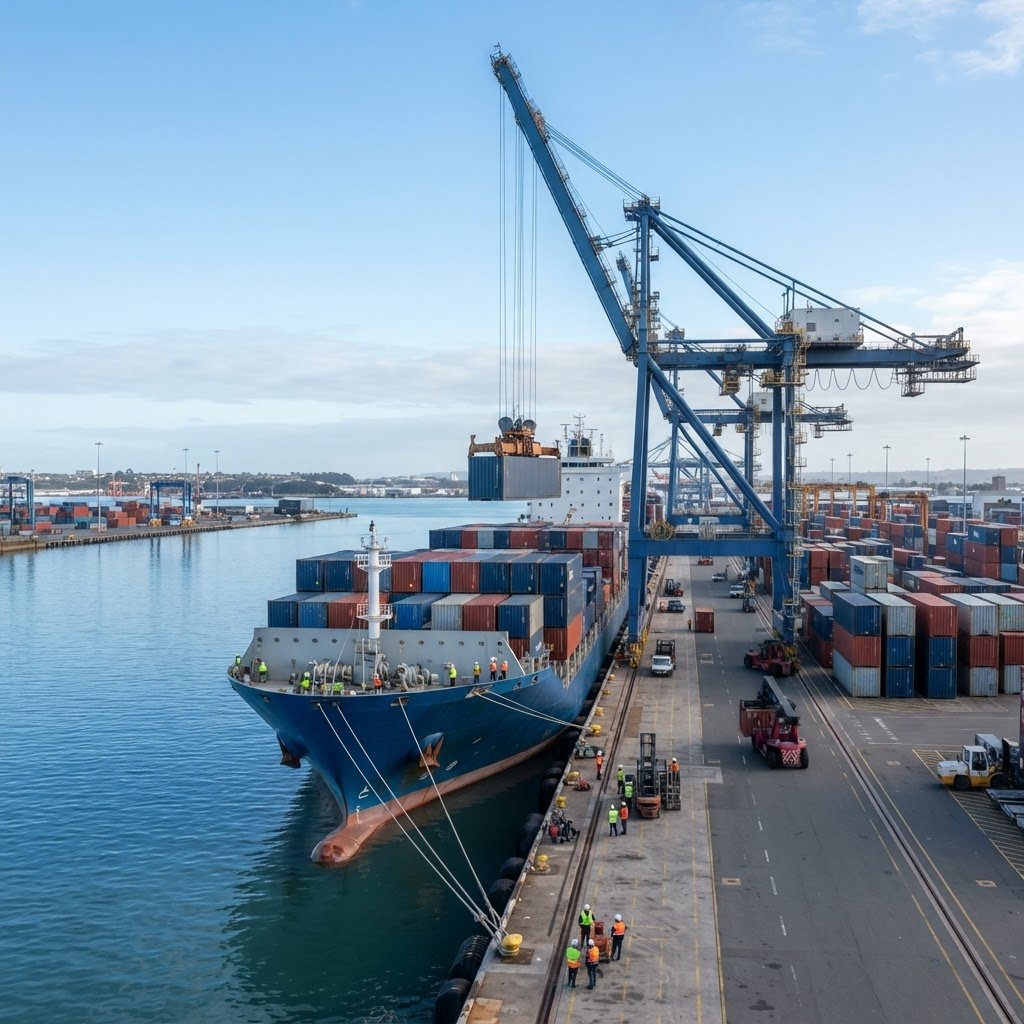
We already imported the rice. It cleared customs in our name, it is sitting at Al Wakra, and you are buying it from a Qatari company in Qatari riyals. You can take a pallet or a part load rather than a container, you need no import licence, no letter of credit and no clearing agent, and we deliver it to your door on our own trucks. Competitors selling into Doha offer to help a Qatar buyer import IRRI-6 long grain rice. Our Qatar buyers do not import anything.
Outside Qatar: To Your Port or Your Door
Everywhere else you are the importer in your own market and we ship IRRI-6 to your destination port with the freight paid, and the insurance too if you want it that way. You get the shipping documents, the destination certificate where your country requires one, and a named person here from the enquiry to the discharge. In the markets where we hold local clearance we go one step further and deliver to your door. We buy the rice, we own it, and we deliver it.
Every other supplier ranking for IRRI-6 long grain rice in Qatar quotes you a price at a Pakistani port and offers to help you import it. If you are in Qatar you are not importing anything from us. The rice is already here.
What Turns an IRRI-6 Enquiry Into a Price
Send These Five and the Price Comes Back Inside One Business Day
Send these and you get a firm number on IRRI-6 back inside one business day. Leave them out and the first reply is just this list again, which costs you a day.
Where Your IRRI-6 Rice Is Going
The destination, not the port. Tell us the city and whether you want it at the port or at your door, and we will tell you which of the two we can actually do in your market rather than promising both.
Which Broken Percentage
IRRI-6 long grain rice at 5%, 10%, 15% or 25% broken. This is the single figure that moves the price most, and if you are not sure, tell us what the rice is for and we will tell you what that market normally buys.
White, Sella or Brown
IRRI-6 white unless you say otherwise. IRRI-6 sella if the rice has to hold in a warming tray or sit a while before it sells; IRRI-6 brown is by arrangement and needs more lead time than the other two.
The IRRI-6 Bag / Sack
Size and type: 25kg or 50kg woven for bulk, 20kg or 40kg for a kitchen, 5kg or 10kg printed for a shelf. Say if it is your own brand and whether you have artwork ready, because printed bags add time at the mill.
How Much and How Often
Tonnage and timing. One container now and one container a month are different prices, and a standing monthly call-off on IRRI-6 gets a better one than a spot enquiry, because we can plan the buying against it.
IRRI-6 Long Grain Rice: Questions Buyers Ask
Nine Questions Buyers Ask Before Their First Container
Straight answers to the nine most frequently asked questions about IRRI-6 Long Grain Rice we get most.
IRRI-6 is a non-basmati long grain rice variety grown mainly in Sindh and parts of Punjab in Pakistan. The grain is long and bold, it cooks dry and separate rather than sticky, and it is non-aromatic. It is the variety that carries Pakistani rice exports by volume, and it is bought and priced by broken percentage.
No. IRRI-6 long grain rice is non-aromatic. You will see it listed elsewhere as having a mild natural aroma, and that is simply wrong — the variety has no scent, cooked or raw. If aroma is what you are buying, you want basmati rather than IRRI-6, and we supply that too.
IRRI-6 long grain rice averages 6.0 to 6.2mm, with 6.0mm as the working minimum. Published figures elsewhere run as high as 6.5mm depending on the crop and on how the measurement was taken. Every batch we ship carries its own mill test sheet showing what your lot actually measured.
IRRI-6 long grain rice at 5%, 10%, 15% and 25% broken. 5% goes into retail packs and hotel kitchens, 15% is the working staple grade for catering, and 25% is the container volume grade for repacking. Below that the product becomes 100% broken rice, which is a separate grade with its own uses in flour, snacks, brewing and feed.
PK-386 is the longer grain of the two and costs more per tonne; IRRI-6 is shorter, bolder and cheaper. Neither has any aroma. Buyers who need the grain to look longer on the plate take PK-386, and buyers whose decision is the cost per head take IRRI-6. IRRI-9 sits alongside IRRI-6 and is slightly narrower in the grain.
IRRI-6 sella is the same variety part-cooked in the husk before it is milled. Sella and parboiled mean the same thing. The grain comes out harder and pale gold, it holds far better in a warming tray or a long transit, and it breaks less on the way. We supply it at 5% and 10% broken.
IRRI-6 long grain rice in 5kg, 10kg, 20kg, 25kg, 40kg and 50kg bags, plus private label packing from 1kg upward under your own brand. 25kg is the standard bag on East African shipments and 50kg is the West African and Central Asian default. Arabic labelling is available for Gulf retail packs.
Yes. We import IRRI-6 long grain rice into Qatar, hold it at Al Wakra and deliver it to buyers here on our own trucks in Qatari riyals. A Qatar buyer imports nothing, clears nothing and can take a pallet or a part load rather than a full container. Outside Qatar we ship to your port with the freight paid, or to your door where we hold local clearance.
Qatar, Saudi Arabia, the United Arab Emirates, Kuwait, Oman and Bahrain across the Gulf. Kenya, Tanzania, Uganda, Rwanda, Burundi, Somalia and Djibouti in East Africa. Nigeria, Ghana, Senegal, Ivory Coast, Guinea, Benin and Togo in West Africa. Yemen through Aden and Mukalla. Afghanistan overland, and Uzbekistan, Tajikistan, Turkmenistan and Kazakhstan in Central Asia.
Pricing IRRI-6 Long Grain Rice for Your Market
One Named Contact in Doha, Seven Days a Week
Tell us the destination, the broken percentage and the bag, and you will have a price per tonne inside one business day.
We buy the rice, we own it, and we deliver it, to your door in Qatar, or to your port anywhere else.
We are open seven days: Saturday to Thursday 08:00 to 18:00, and Friday 14:00 to 18:00.
Explore related rice varieties and supply solutions available through TEFT Global.
Premium Basmati Rice
Long Grain Rice
Rice Supply Solutions
SEND US AN ENQUIRY
Whether you need a regular monthly supply of IRRI-6 long grain rice or just want to check we can meet your specification, we are happy to talk.
Fill in the form and we will come back to you within one business day. If you prefer, you can reach us directly on WhatsApp.
We supply distributors, retailers, hotels, restaurants and food service businesses in Qatar from our own stock at Al Wakra, and ship IRRI-6 to buyers across the Gulf, East Africa, West Africa, Yemen and Central Asia.
All enquiries are handled personally. No automated responses, no call centres.