
Sella vs raw basmati is one of the first decisions procurement professionals must get right when sourcing for GCC food service operations, since both varieties originate from the same premium long-grain rice but undergo distinct processing methods. Both varieties originate from the same premium long-grain rice but undergo distinct processing methods that directly impact cooking performance, shelf stability, and end-use applications. Pakistani basmati rice suppliers offer both formats under strict quality certifications including ISO 22000:2018, HACCP, and Halal standards.
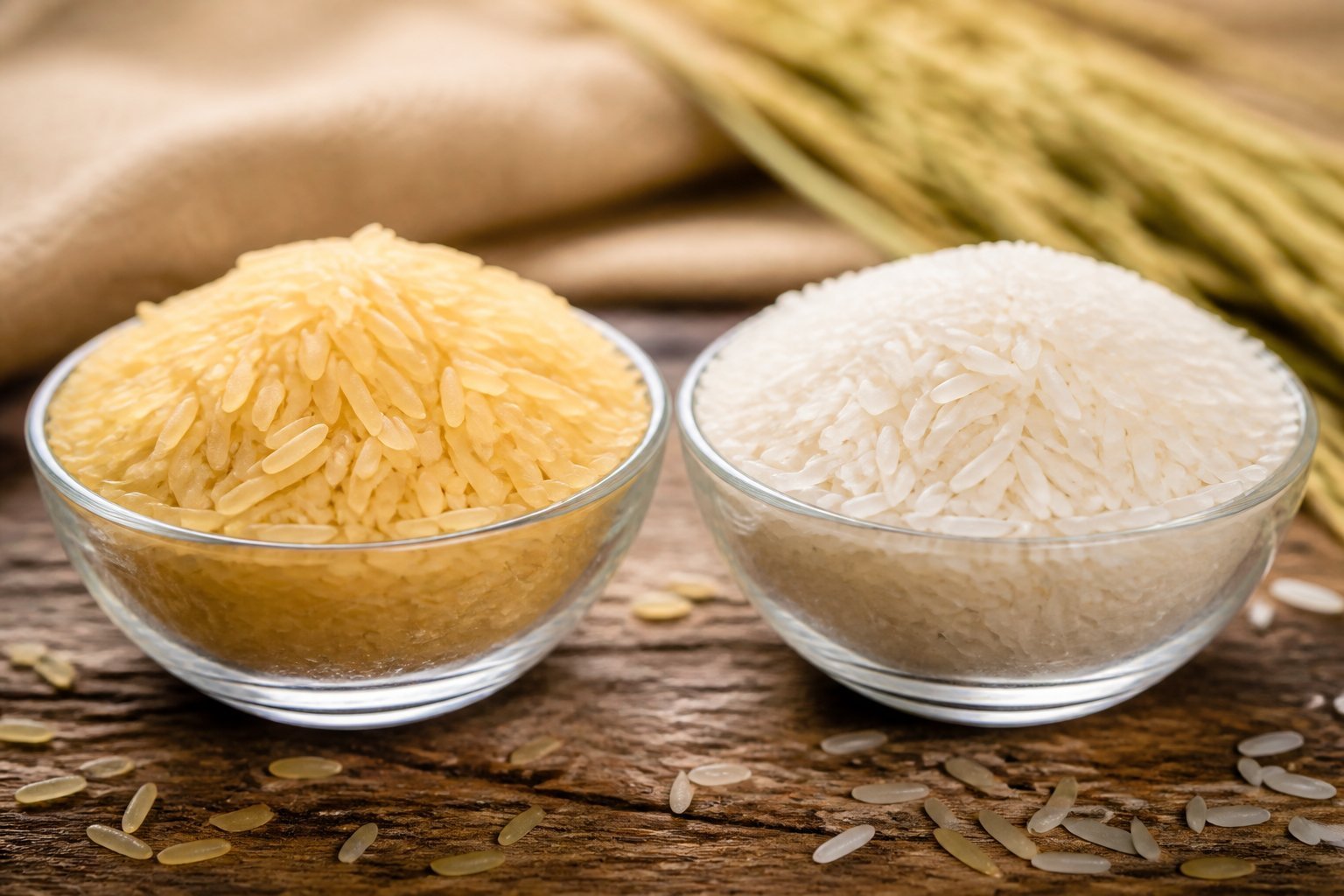
Sella basmati undergoes a parboiling process before milling that hardens the grain and extends shelf life, while raw basmati is milled directly after paddy dehusking to preserve its natural aroma and soft texture. The processing method affects grain color, cooking behavior, and nutritional retention, making each type suited to different commercial applications. Importers supplying hotels, restaurants, and catering operations across Qatar, UAE, Saudi Arabia, and other GCC markets must align product selection with client expectations for grain firmness, visual appeal, and storage requirements.
Pakistani mills export both sella and raw basmati rice varieties under internationally recognized food safety certifications, ensuring consistent quality for distributors and food service buyers. The choice between these two formats influences not only menu performance but also inventory management, as sella varieties offer superior resistance to breakage and extended storage capability compared to raw basmati rice.
Key Takeaways
- Sella basmati is parboiled before milling for firmer grains and longer shelf life, while raw basmati retains natural aroma through direct milling
- Pakistani basmati rice exporters supply both varieties under ISO, HACCP, and Halal certifications for reliable GCC market distribution
- Selection depends on cooking requirements, with sella suited for biryani and bulk catering while raw basmati serves aromatic pilaf applications
Fundamentals of Basmati Rice Processing
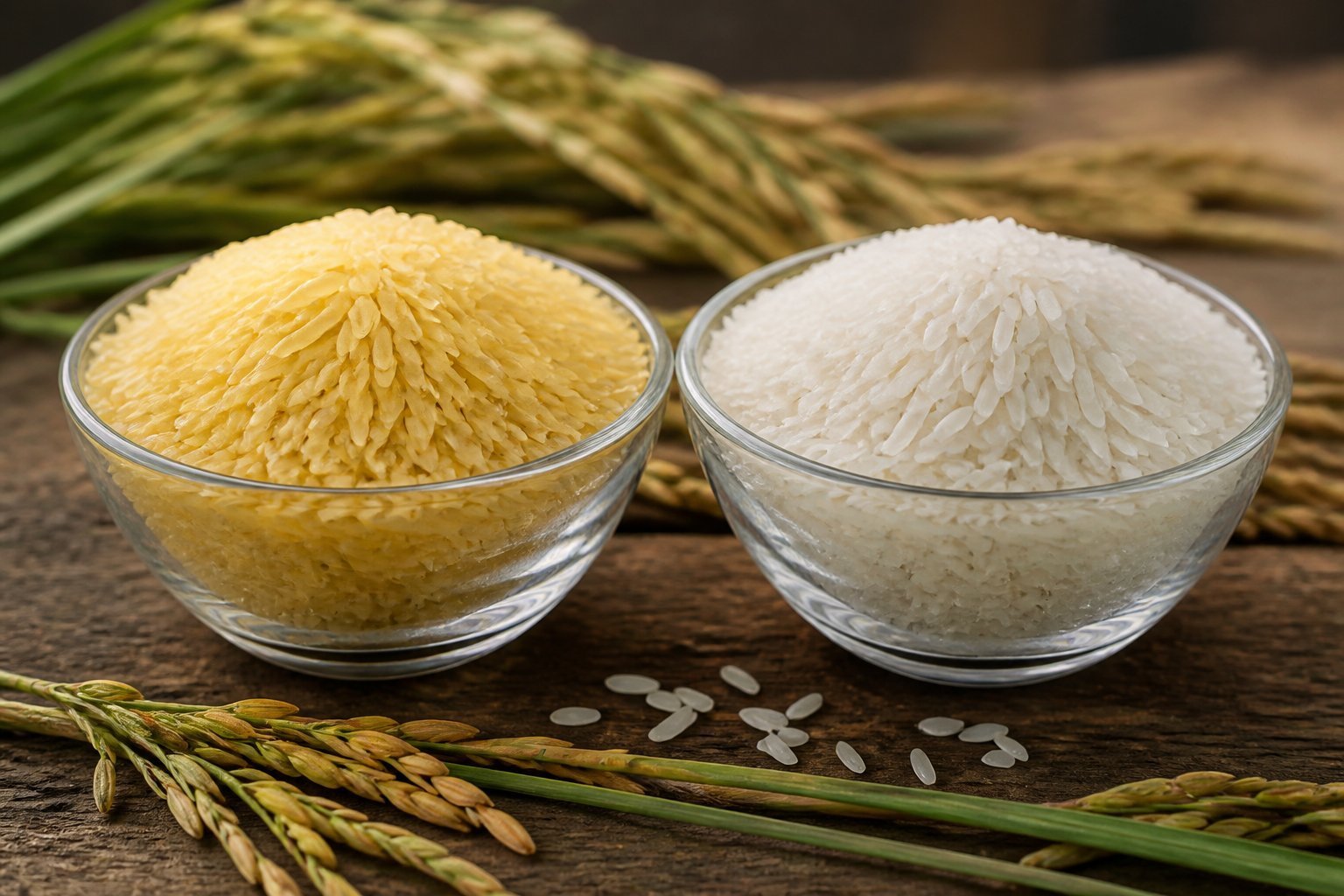
Basmati rice undergoes specific harvesting and milling procedures that determine its final quality and market classification. The grain’s signature aroma develops through controlled aging after processing.
Harvesting and Milling Overview
Basmati rice begins as paddy, which is harvested when moisture content reaches 20-24%. The paddy goes through a husking process to remove the outer layer. Mills can then process the grain in different ways to create distinct rice varieties.
Raw basmati rice is milled directly from harvested paddy without any pre-treatment. This traditional method preserves the grain’s natural white color and intense fragrance. The rice maintains its original characteristics through simple dehusking and polishing.
Sella rice follows a different path. The paddy is soaked, steamed under pressure, and dried before milling. This parboiling process alters the grain’s structure and color. Pakistani facilities use ISO 22000:2018 certified processes to ensure consistent quality during these milling stages.
The processing method affects grain hardness, breakage rates, and cooking behavior. Raw rice maintains softer texture while sella develops increased firmness through parboiling.
Aging and Aroma Development
Basmati aroma comes from a natural compound called 2-Acetyl-1-pyrroline that forms in specific growing regions. Newly harvested rice contains this compound but requires aging to reach full potential.
Premium basmati rice ages for 6-12 months in controlled conditions. During this period, the grains lose moisture content from around 14% down to 12%. This reduction strengthens the grain and intensifies the characteristic fragrance.
Temperature and humidity control during aging prevents spoilage while allowing flavor development. Pakistani exporters operating under HACCP standards maintain precise storage environments between 15-20°C with relative humidity below 65%.
The aging process also improves cooking elongation. Properly aged grains expand 1.5 to 2 times their original length when cooked. Both raw and sella varieties benefit from aging, though raw rice typically shows more pronounced aroma enhancement.
Sella Basmati Rice: Processing and Distinct Features
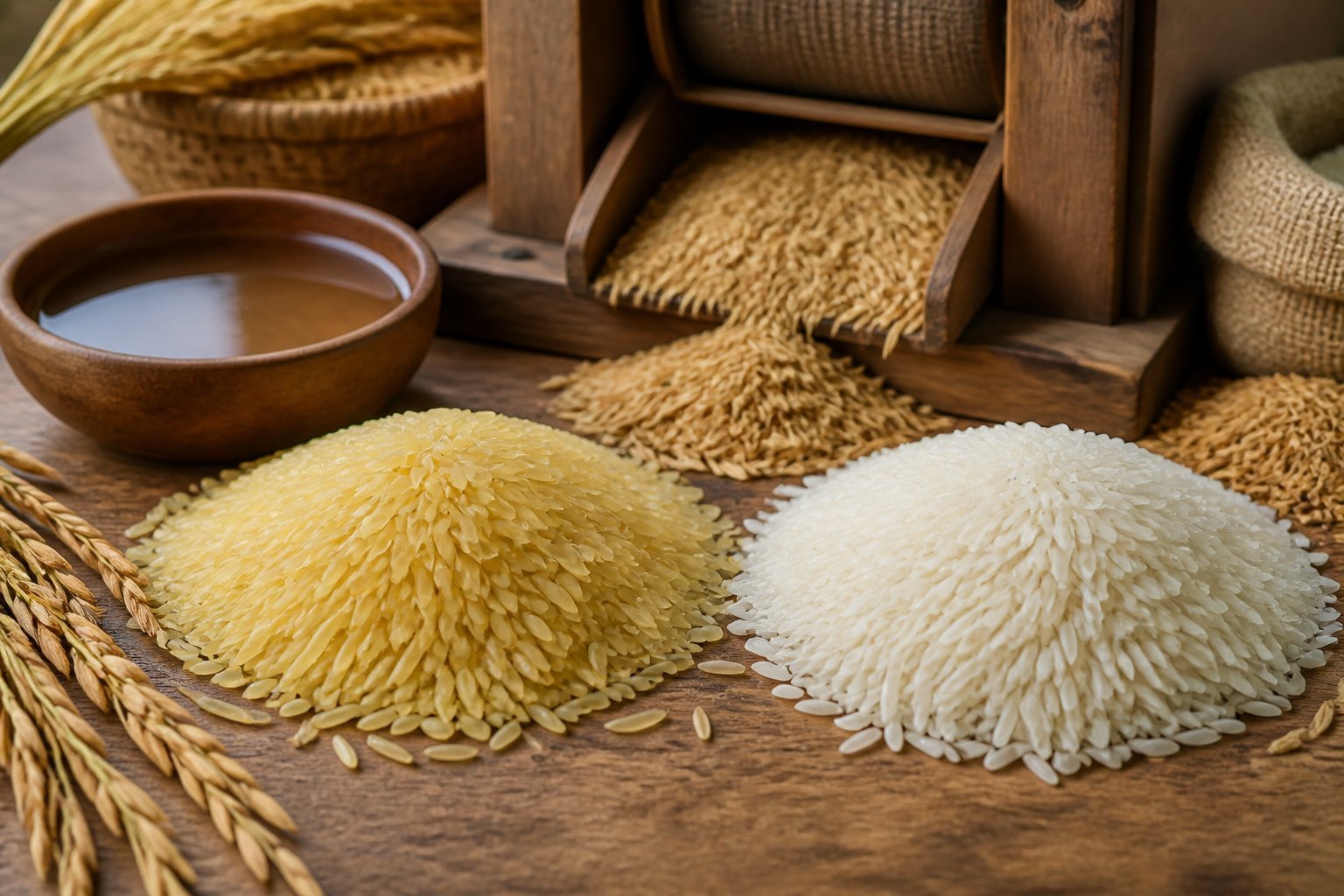
Sella basmati undergoes parboiling before milling, which transforms the grain’s texture, color, and shelf stability. This process creates two main variants with different appearances and cooking properties.
Parboiling Process Explained
The parboiling process involves soaking paddy rice in water, then steaming it under pressure while still in the husk. This forces nutrients from the bran layer into the grain itself. After steaming, the rice is dried and then milled to remove the husk.
This method fundamentally changes the grain structure. The starch gelatinizes during steaming, which hardens the kernel and makes it more resistant to breakage during processing and shipping.
Parboiled basmati rice produces firmer, non-sticky grains when cooked. The process also extends shelf life significantly compared to raw varieties. Pakistani rice suppliers produce sella rice under strict quality controls that meet international food safety standards.
Golden Sella and Creamy Sella Variants
Golden sella basmati gets its distinctive yellow color from intensive parboiling at higher temperatures and longer duration. Golden sella basmati rice maintains grain lengths of 8.3 mm to 8.5 mm, making it among the longest available.
Creamy sella undergoes a milder parboiling process that produces a pale cream or milky white appearance. This variant offers similar structural benefits with a subtler color profile preferred in certain markets.
| Variant | Color | Grain Length | Best Uses |
|---|---|---|---|
| Golden Sella | Golden yellow | 8.3-8.5 mm | Biryani, festive dishes |
| Creamy Sella | Pale cream | 8.2-8.4 mm | Curries, commercial kitchens |
Both types cook into firm, separate grains that hold their shape well in layered dishes and reheating applications.
Nutritional and Storage Advantages
Parboiling drives vitamins and minerals from the outer bran into the endosperm before milling. This retention makes sella basmati more nutritious than raw white rice, particularly in B vitamins and iron content.
Sella basmati rice offers extended shelf life ranging from 24 to 36 months when stored in cool, dry conditions. The hardened grain structure resists moisture absorption and insect damage better than raw varieties.
The parboiled grain maintains quality during long-distance shipping and storage in varying climates. This makes sella rice particularly suitable for GCC markets where high temperatures challenge rice storage. The reduced breakage rate during handling also improves commercial value for distributors managing bulk quantities.
Raw Basmati Rice: Characteristics and Use Cases
Raw basmati rice undergoes minimal processing after harvest, maintaining its natural white color and delivering the strongest aromatic profile among basmati varieties. This unprocessed form elongates significantly during cooking and offers a softer texture compared to parboiled options.
Natural State and Grain Attributes
Raw basmati rice is milled directly after removing the husk, without any steaming or parboiling steps. The grains retain their polished bright white appearance and measure between 7.5 mm to 8.4 mm in length before cooking.
This variety requires aging for 6 to 12 months after milling to develop its characteristic texture and flavor. The aging process reduces moisture content and allows the grains to elongate more effectively during cooking.
Raw basmati grain specifications show it produces a softer, slightly stickier texture than parboiled varieties. The grains separate well when cooked properly but may clump if overcooked or if excess water is used.
Pakistan produces certified raw basmati that meets ISO 22000:2018 and HACCP standards. Premium varieties from both Pakistan and India supply global markets including North America, Europe, and the GCC region.
Aroma Profile and Culinary Performance
The basmati aroma in raw rice comes from 2-Acetyl-1-pyrroline, a natural compound that gives the grain its distinctive fragrance. Raw basmati delivers the most intense aromatic experience compared to steam or sella varieties.
This strong natural fragrance makes raw rice ideal for dishes where aroma is a key element. Home cooks prefer it for preparing pulao, jeera rice, and biryani when a softer grain texture is desired.
Raw basmati cooking characteristics include higher water absorption and faster cooking times than parboiled options. The grains nearly double in length when cooked, creating an appealing visual presentation.
The shelf life ranges from 12 to 18 months when stored in cool, dry conditions. Raw rice works best for retail packaging and household consumption rather than bulk food service operations.
Comparative Analysis: Sella vs Raw Basmati Rice
Sella and raw basmati differ fundamentally in processing methods, which creates distinct variations in appearance, cooking properties, and commercial viability. These differences directly impact selection criteria for importers, distributors, and end consumers across global markets.
Color, Texture, and Aroma Differences
Raw basmati maintains its natural bright white appearance after milling, while sella basmati develops a creamy white to golden hue depending on parboiling intensity. The color difference stems from the steaming process that occurs before milling in sella varieties.
Raw basmati grain length typically ranges from 7.5 mm to 8.4 mm, while sella varieties often reach 8.2 mm to 8.5 mm due to the parboiling process strengthening grain structure. Raw basmati delivers a strong, natural fragrance that appeals to consumers who prioritize aroma. Sella basmati produces a milder, slightly nutty aroma since the parboiling process reduces volatile aromatic compounds.
The texture contrast becomes evident during preparation. Raw basmati cooks to a soft, slightly sticky consistency when prepared fresh. Sella basmati remains firm and separate after cooking, making it ideal for dishes requiring distinct grain definition.
Cooking Behavior and Shelf Life
Steam vs sella vs raw basmati varieties behave differently when exposed to heat and water. Raw basmati absorbs water quickly and cooks faster, typically requiring 12-15 minutes of cooking time. Sella basmati takes longer to cook, usually 18-22 minutes, due to the pre-gelatinization of starches during parboiling.
Raw basmati maintains shelf life of 12 to 18 months under proper storage conditions. Sella basmati extends this significantly to 24 to 36 months, offering substantial advantages for long-distance shipping and warehousing. The parboiling process creates a protective barrier that reduces moisture absorption and prevents insect infestation.
Sella varieties produce non-sticky rice consistently, even when reheated multiple times. This characteristic makes them preferred for commercial kitchens, catering operations, and airline meal services where food must maintain quality over extended holding periods.
Export Suitability and Handling
Basmati rice export requirements favor sella varieties for certain markets due to enhanced durability during transportation. Pakistani sella basmati meets ISO 9001:2015, ISO 22000:2018, HACCP, Halal, and USFDA certification standards, making it suitable for GCC countries and international destinations.
Raw basmati commands premium pricing in markets like the USA, UK, Canada, and Australia where consumers prioritize aroma and traditional texture. Sella basmati dominates in UAE, Saudi Arabia, Qatar, and West African markets where bulk cooking, reheating, and visual appeal drive purchasing decisions.
Sella varieties tolerate temperature fluctuations better during shipping and storage. They resist breakage more effectively, reducing waste percentages in supply chains. Raw basmati requires climate-controlled environments and faster turnover to maintain optimal quality characteristics throughout distribution networks.
1121 Basmati and Prominent Export Varieties
The 1121 basmati rice variety dominates international trade due to its grain length of 8.3 to 8.5 mm and exceptional elongation after cooking. Pakistan produces certified 1121 basmati that meets ISO 9001:2015, ISO 22000:2018, HACCP, Halal, and USFDA standards for global distribution.
1121 Sella, Raw, and Golden Sella
1121 basmati comes in several processing types that serve different market segments. Raw 1121 basmati maintains a bright white appearance with strong natural aroma and measures 7.5 to 8.4 mm in grain length. It works well for daily meals and retail packaging.
Golden sella undergoes intensive parboiling that creates a distinctive golden color and extends shelf life to 24-36 months. The grains reach 8.3 to 8.5 mm in length and stay firm during cooking. This variety performs exceptionally in biryani and high-end catering.
Processing comparison:
| Type | Color | Grain Length | Shelf Life | Texture |
|---|---|---|---|---|
| Raw 1121 | Bright white | 7.5-8.4 mm | 12-18 months | Soft, aromatic |
| Golden Sella | Golden yellow | 8.3-8.5 mm | 24-36 months | Firm, separate |
1121 sella basmati receives moderate parboiling that strengthens the grain structure while maintaining quality standards required for certified export markets.
Emerging Market Preferences
Middle Eastern buyers favor golden sella for premium biryani preparations in restaurants and hotels. UAE, Saudi Arabia, Qatar, and Iraq import substantial volumes of this variety for both retail and food service.
European markets show growing demand for 1121 raw basmati in consumer packaging. The UK and Germany prefer the authentic aroma profile for household cooking.
West African importers increasingly specify golden sella for its extended shelf life in warm climates. The parboiled processing reduces breakage during transport and storage. Pakistani suppliers meet these regional requirements through certified production facilities that maintain international quality standards across all 1121 basmati variants.
Applications Across Global and GCC Food Service
Commercial kitchens across the GCC region demand rice varieties that maintain grain separation during bulk preparation and extended holding periods. Sella rice delivers superior structural integrity for high-volume operations, while raw basmati serves specific culinary applications requiring maximum aroma.
Bulk Cooking and Catering Requirements
Large-scale food service operations in Qatar, UAE, and Saudi Arabia prioritize non-sticky rice that maintains quality during preparation and service. Sella rice excels in these environments due to its parboiled structure.
Key advantages for bulk operations:
- Grains remain separate for 2-3 hours after cooking
- Minimal breakage during mechanical stirring and portioning
- Consistent texture across 50-100 kg batches
- Extended hold times without clumping or deterioration
Hotels, airline catering facilities, and institutional kitchens typically specify Golden Sella for buffet service and mass meal programs. The parboiling process gelatinizes the starch, creating a firmer grain structure that withstands commercial steamers and warming equipment.
Raw basmati requires more precise cooking control and immediate service. Pakistani exporters supply both varieties with certifications including ISO 22000:2018, HACCP, and Halal standards required for GCC food service contracts.
Fried Rice, Jeera Rice, and Specialty Dishes
Restaurant applications demand different grain characteristics based on cooking method and final presentation. Jeera rice and light preparations benefit from raw basmati’s natural aroma and soft texture.
Raw basmati performs best in:
- Jeera rice where fragrance is essential
- Lightly seasoned pilaf dishes
- Quick stir-fry applications requiring delicate grains
Sella rice dominates in:
- Chinese-style fried rice requiring firm, separated grains
- Mixed rice bowls with heavy sauces
- Dishes requiring advance preparation and reheating
High-end restaurants across Doha and Dubai increasingly specify Pakistani 1121 Sella for fried rice preparations. The longer grain length (8.3-8.5 mm) and firm post-cooking texture create visual appeal and prevent oil absorption. Pakistani rice suppliers maintain USFDA certification and ISO 9001:2015 quality systems, ensuring consistent specifications for international restaurant chains operating in the GCC market.
Selecting Reliable Basmati Rice Exporters
Certification standards and verifiable business credentials separate professional basmati rice exporters from unreliable suppliers. Pakistani exporters who maintain ISO 9001:2015, ISO 22000:2018, HACCP, Halal, and USFDA certifications demonstrate their commitment to international food safety protocols.
Quality Controls and Certifications
A reliable basmati rice exporter maintains multiple third-party certifications that verify production standards. ISO 22000:2018 certification confirms food safety management systems across the entire supply chain. HACCP certification shows hazard analysis controls are in place during processing.
Essential certifications include:
- ISO 9001:2015 – Quality management systems
- ISO 22000:2018 – Food safety management
- HACCP – Critical control point monitoring
- Halal certification – Religious compliance for Muslim markets
- USFDA registration – Access to North American markets
Pakistani facilities with these credentials perform batch testing for moisture content, grain purity, and contaminants. They maintain temperature-controlled storage to prevent quality degradation. Regular audits verify that aging processes meet the 12-24 month standards required for optimal grain performance.
Exporter Reputation in B2B Procurement
Established exporters demonstrate track records through verifiable shipping documentation and long-term client relationships. They provide certificates of origin, phytosanitary certificates, and quality analysis reports with each shipment.
Professional basmati rice export operations maintain separate processing lines for raw and sella varieties to prevent cross-contamination. They offer transparent pricing structures and honor contractual commitments during market fluctuations. Pakistani exporters who supply GCC markets typically maintain offices or representatives in importing countries for faster communication.
Request mill inspection reports and ask for references from current wholesale buyers. Exporters with strong B2B reputations respond quickly to quality concerns and provide replacement shipments when specifications are not met.
Frequently Asked Questions
Buyers often need clarity on processing methods, cooking behavior, and nutritional differences when selecting between these two rice types. The parboiling process fundamentally changes grain structure, cooking requirements, and nutrient availability compared to traditionally milled varieties.
What are the key processing differences between parboiled basmati and unprocessed basmati rice?
Parboiled basmati undergoes steaming while still in its husk before milling begins. This process drives nutrients from the bran layer into the grain itself and gelatinizes the starch.
Raw basmati receives no steam treatment. Mills remove the husk and bran layers directly from dried paddy, preserving the grain’s natural state.
The parboiling process creates a firmer grain structure that resists breakage during handling and cooking. Pakistani rice processors follow certified standards including ISO 22000:2018 and HACCP protocols to ensure quality control throughout both processing methods.
How do cooking time and water ratio typically differ between these two types of basmati?
Parboiled basmati requires longer cooking time, usually 20-25 minutes compared to 12-15 minutes for raw varieties. The pre-gelatinized starch in parboiled grains needs more time to fully hydrate and soften.
Water ratios also differ between the two types. Raw basmati typically uses a 1:1.5 rice-to-water ratio, while parboiled versions need 1:2 or slightly more to achieve proper texture.
The hardened grain structure from parboiling demands extra moisture to cook through completely. Soaking parboiled rice for 30 minutes before cooking can reduce total cooking time by several minutes.
Which option tends to produce longer, more separate grains after cooking, and why?
Parboiled basmati consistently produces longer, firmer, and more separate grains after cooking. The starch gelatinization during processing strengthens the grain structure and reduces surface starch.
Raw basmati elongates during cooking but tends toward a softer, slightly stickier texture. The natural starch content remains on grain surfaces, creating more cohesion between cooked grains.
Premium Pakistani varieties like 1121 basmati can reach grain lengths of 8.3-8.5mm in parboiled form. The parboiling process prevents grains from clumping together, making this type ideal for biryani and pilaf dishes where grain separation matters most.
How do the flavor and aroma profiles usually compare between parboiled and unprocessed basmati?
Raw basmati delivers a stronger, more pronounced aromatic profile from the natural compound 2-Acetyl-1-pyrroline. This intense fragrance appeals to consumers seeking traditional basmati characteristics.
Parboiled basmati has a milder, subtly nutty aroma. The steaming process reduces volatile aromatic compounds, resulting in a less fragrant but still pleasant scent profile.
The flavor of parboiled rice tends toward earthy and slightly sweet notes. Raw basmati maintains a lighter, more delicate taste that many prefer for daily meals and dishes where rice serves as a flavor carrier rather than a dominant element.
What are the typical differences in texture and firmness after cooking between the two varieties?
Parboiled basmati cooks to a firm, non-sticky texture with distinct grain separation. Each grain maintains structural integrity even after extended holding times in warming equipment.
Raw basmati produces softer, fluffier grains with a tender mouthfeel. The texture is more delicate and slightly sticky when freshly cooked, especially if preparation uses excess water.
Commercial kitchens and food service operations across GCC markets often prefer parboiled varieties for their consistency and durability. Hotels and catering services benefit from grains that hold shape during bulk cooking and buffet service without becoming mushy or clumped.
How do nutrient retention and glycemic impact generally compare between parboiled and unprocessed basmati rice?
The parboiling process pushes B vitamins, minerals, and other nutrients from the bran into the grain before milling occurs. This results in higher nutritional retention compared to raw basmati where nutrients are removed with the bran layer.
Parboiled basmati also has a lower glycemic index than raw varieties. The modified starch structure from steam treatment slows digestion and glucose absorption.
Raw basmati retains minimal nutrients after polishing removes the bran and germ. However, it still provides complex carbohydrates and energy for balanced diets. Pakistani exporters supplying both types ensure all products meet international food safety standards including Halal and USFDA certifications for diverse market requirements.
Sella or Raw — We Supply Both, Certified
Whether your operation needs the shelf stability of Golden Sella or the natural aroma of raw basmati, TEFT Global delivers both under full ISO, HACCP and Halal certification — matched to your kitchen’s exact requirements.