Pakistani Sella Basmati Rice Supplier: Golden Sella, White Sella and Creamy Sella
Four Pakistani Basmati Rice Varieties, Parboiled Before Milling, 6.8mm to 8.30mm
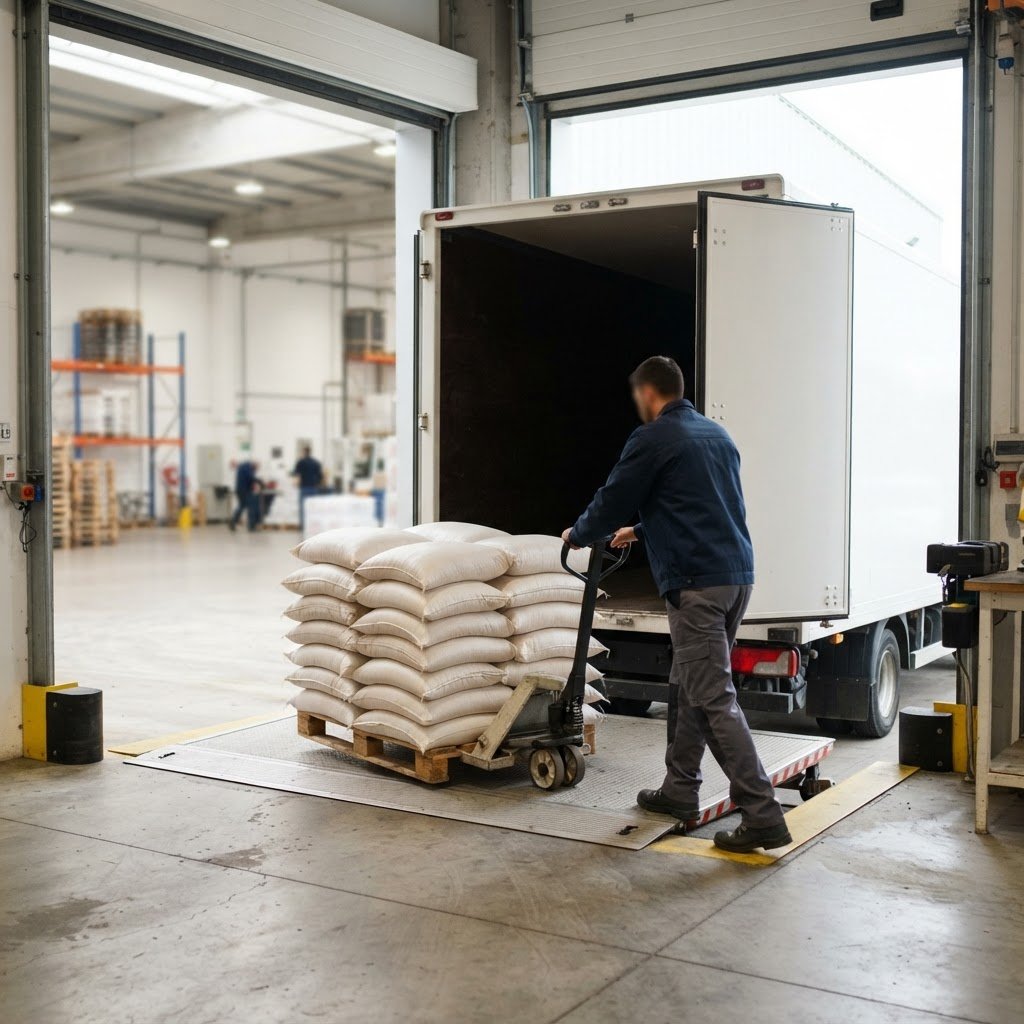
Golden Sella and Creamy Sella From Our Qatar Stock, Shipped to Your Port or Door
Sella basmati rice is the grade Gulf kitchens reach for when the rice has to be cooked in one pot, held warm for hours and still look like rice at the end of the queue. TEFT Global supplies it in four Pakistani basmati varieties, from 1121 at 8.30mm down to D-98 at 6.8mm, and in four grades: golden sella, white sella, creamy sella and brown sella. In Qatar we deliver from our own warehouse in Al Wakra. Outside Qatar we ship to your port with the freight paid, or to your door in the countries where we hold our own clearance.

Golden Sella, White Sella, Creamy Sella and Brown Sella, Milled in Pakistan
We buy the rice, we own it and we ship it. Golden sella and creamy sella are held in stock at Al Wakra and go out to Qatar buyers by the pallet. Everything else moves by the container from the mill to your port or your door, with one contact, one invoice, and a certificate of analysis on every batch.
Sella Basmati Rice Is Basmati Steamed in the Husk Before It Is Milled
Sella and Parboiled Are the Same Word
Rice arrives at the mill still inside its husk. Before the husk comes off, the mill soaks it, steams it under pressure and dries it again. That is parboiling, and sella is simply the word South Asia and the Gulf use for it. The steam part-cooks the grain while the husk is still on and leaves it far harder than it started, which is the whole reason this rice behaves the way it does in a big pot.
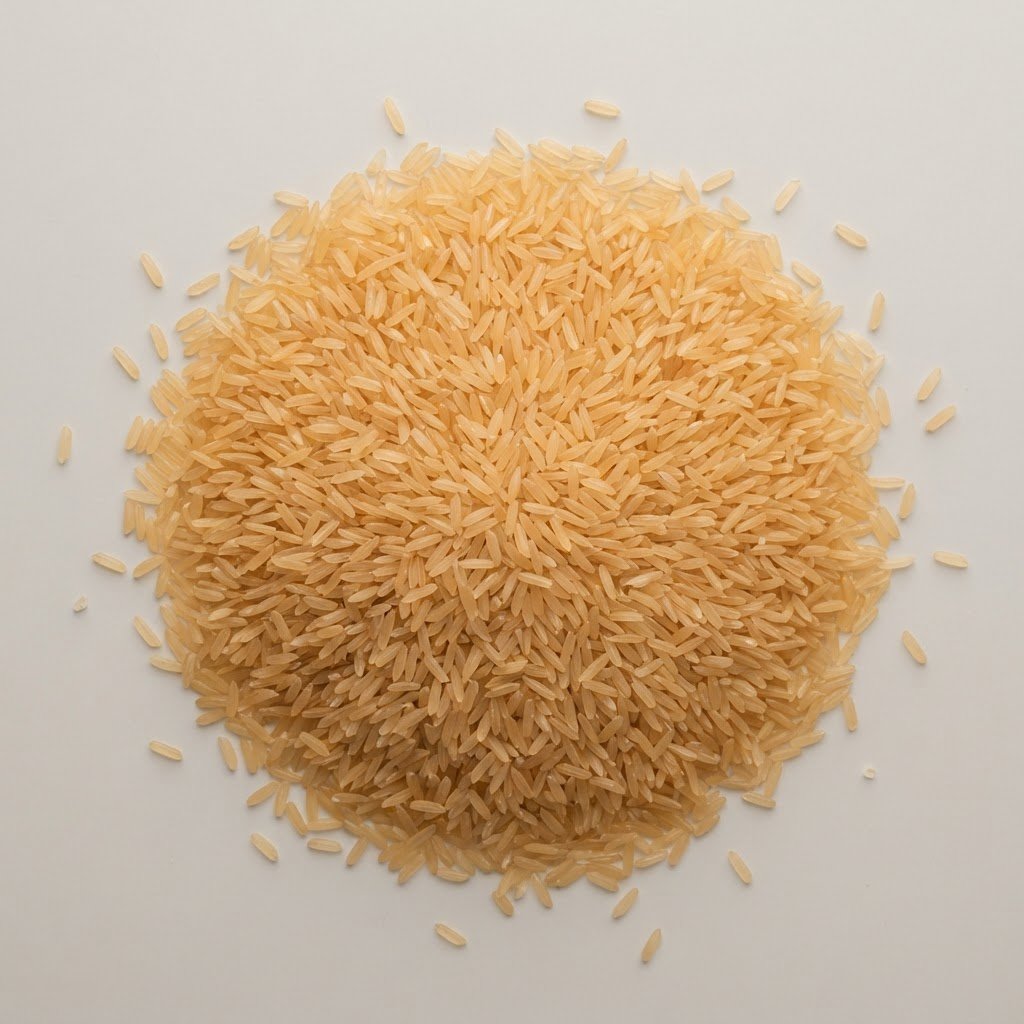
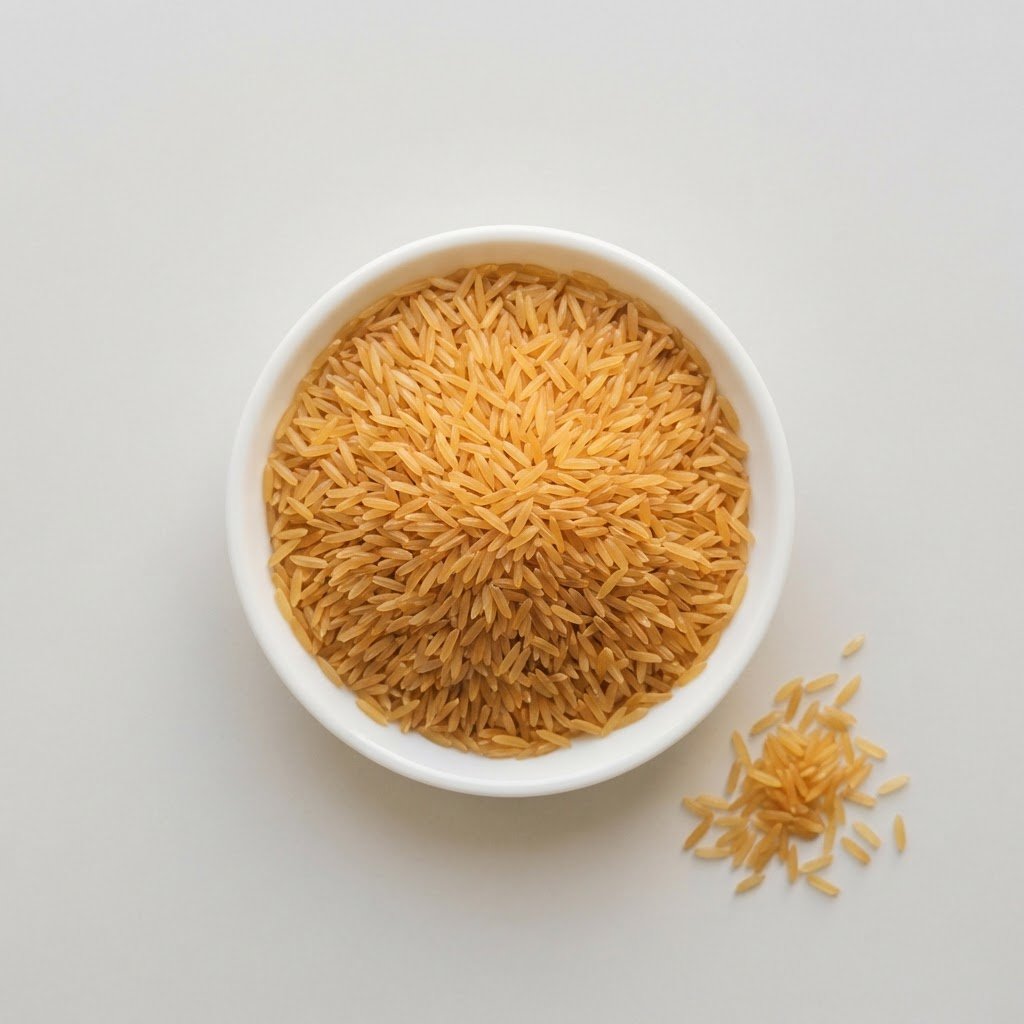
The steam also changes the colour, and how long it runs is what separates the grades. A long steam pulls colour out of the husk into the grain and turns it amber: that is golden sella. A shorter steam leaves the grain pale: that is white sella. Shorter again and it holds a soft cream tone, which the trade sells as creamy sella. Leave the bran on through the steam and you have brown sella. Same paddy, same mill, four different times under pressure.
Sella is not a variety. It is what the mill does to a variety, which is why this page carries four of them rather than one. A sella made from 1121 and a sella made from D-98 are as different from each other as their unparboiled versions are, and they sell to different buyers at different prices. The table further down sets the four side by side. It is also why sella is not the same thing as basmati: plenty of non-basmati rice is sold as sella, and those grades sit on their own page rather than this one.
Sella is not steam rice either, and the two get confused constantly. In steam rice the paddy is steamed after the husk is off rather than before, so the grain stays white, cooks faster, smells stronger and is softer on the plate. It also breaks more easily and it will not sit in a warm tray for two hours without going down. Sella trades some of the aroma for a grain that survives the service. If aroma is what your customer is buying, ask us about the steam grades instead.
Storage is the last thing sella does better, and it is the reason Iraqi and Gulf wholesalers hold it rather than raw basmati. Hardening the grain at the mill slows down what happens to it in a hot warehouse, so a sack of sella tolerates a Gulf summer that would take the edge off raw basmati in the same shed. We still ship one crop year per batch and state it on the test sheet, because a bag holding two crops cooks unevenly and no amount of care in the kitchen fixes it.
Golden Sella, White Sella, Creamy Sella and Brown Sella Basmati Rice
One Crop, Four Steam Times, Four Prices
All four grades start as the same crop from the same mills. What separates them is how long the rice is steamed, and whether the bran is left on. Most buyers choose by colour rather than by quality, because all four are premium grades and all four cook long, firm and separate.

Golden Sella Basmati Rice
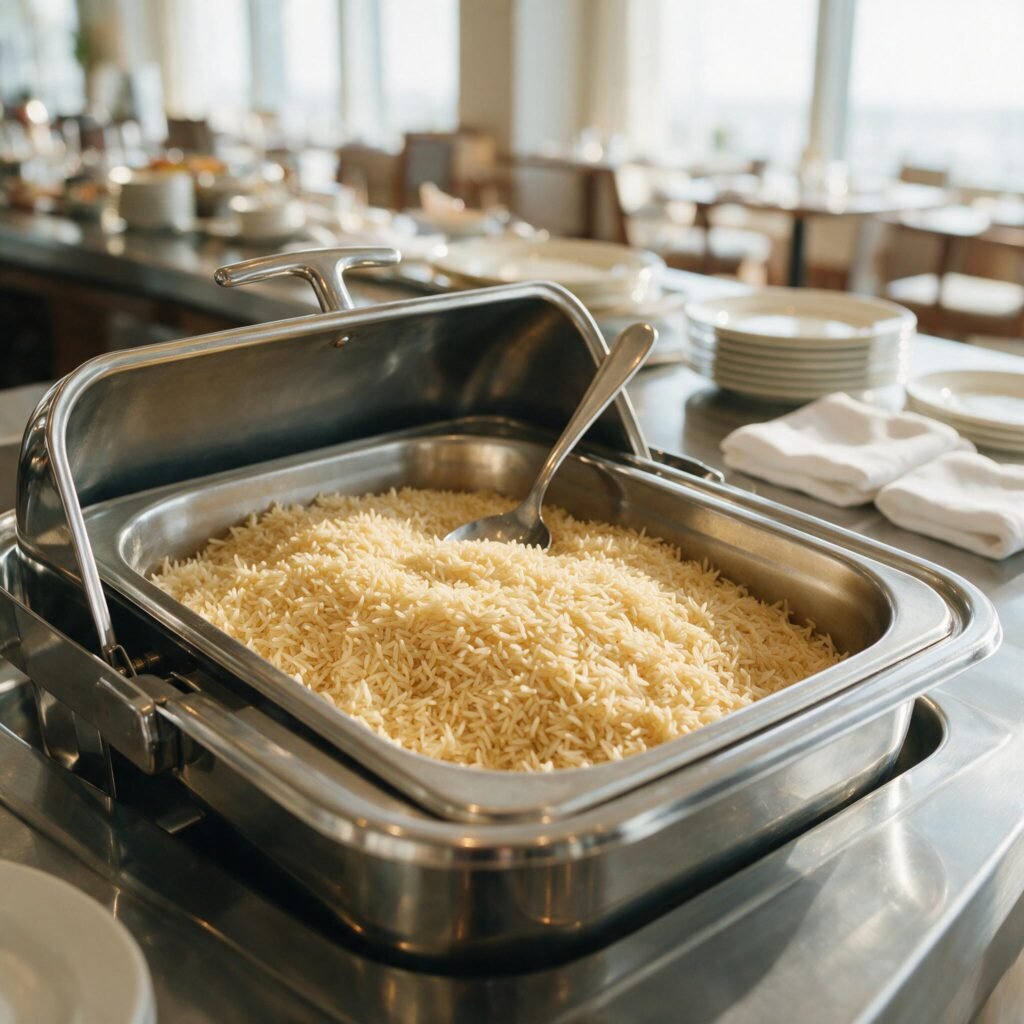
The longest steam of the four, and the grade the Gulf buys most. Golden sella is amber to deep gold, and it holds its shape when rice is overcooked or held hot. Mandi, kabsa and biryani kitchens work to a Kett reading of 20 to 22, and we agree the shade with the mill.
White Sella Basmati Rice
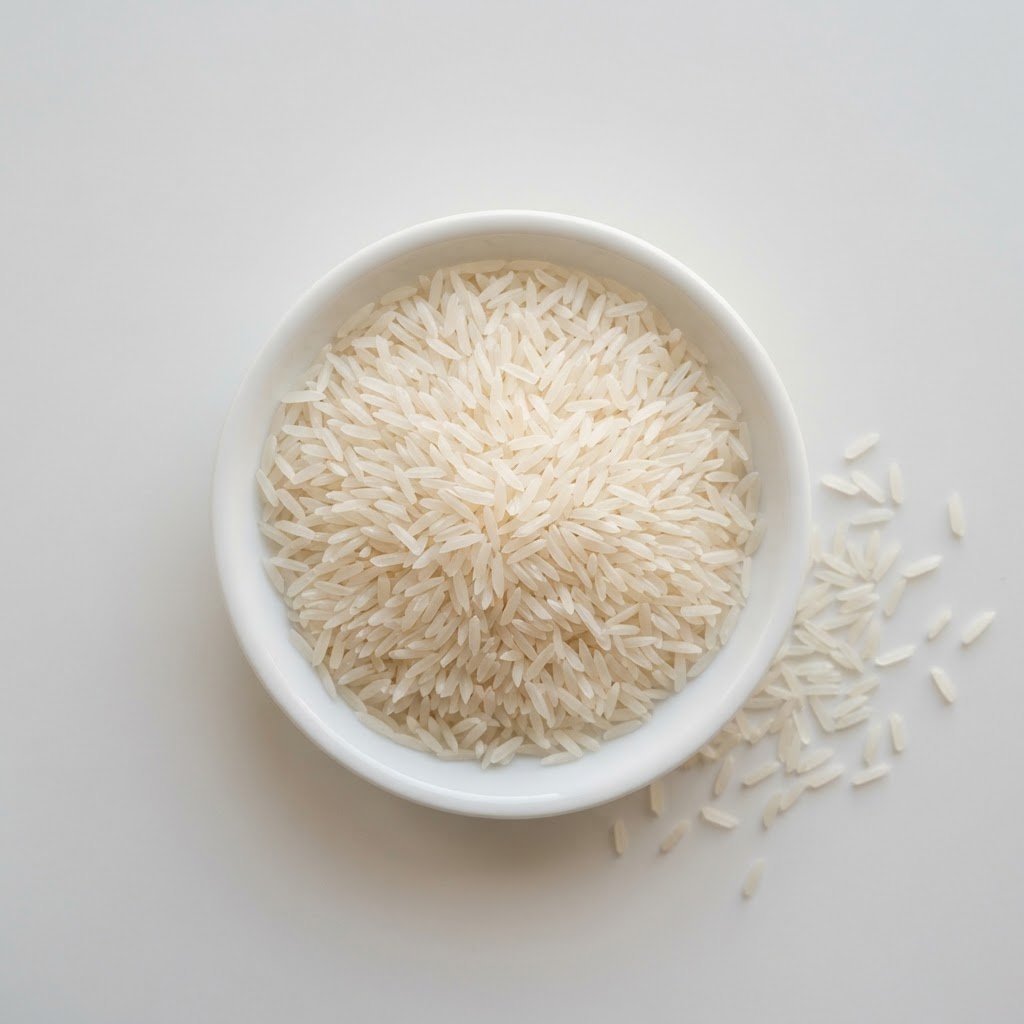
A shorter steam that leaves the grain pale rather than amber. Just as hard as golden sella and it cooks the same way. Choose white sella when the finished dish has to look white, or when you are putting the colour in yourself with saffron, turmeric or a strong stock.
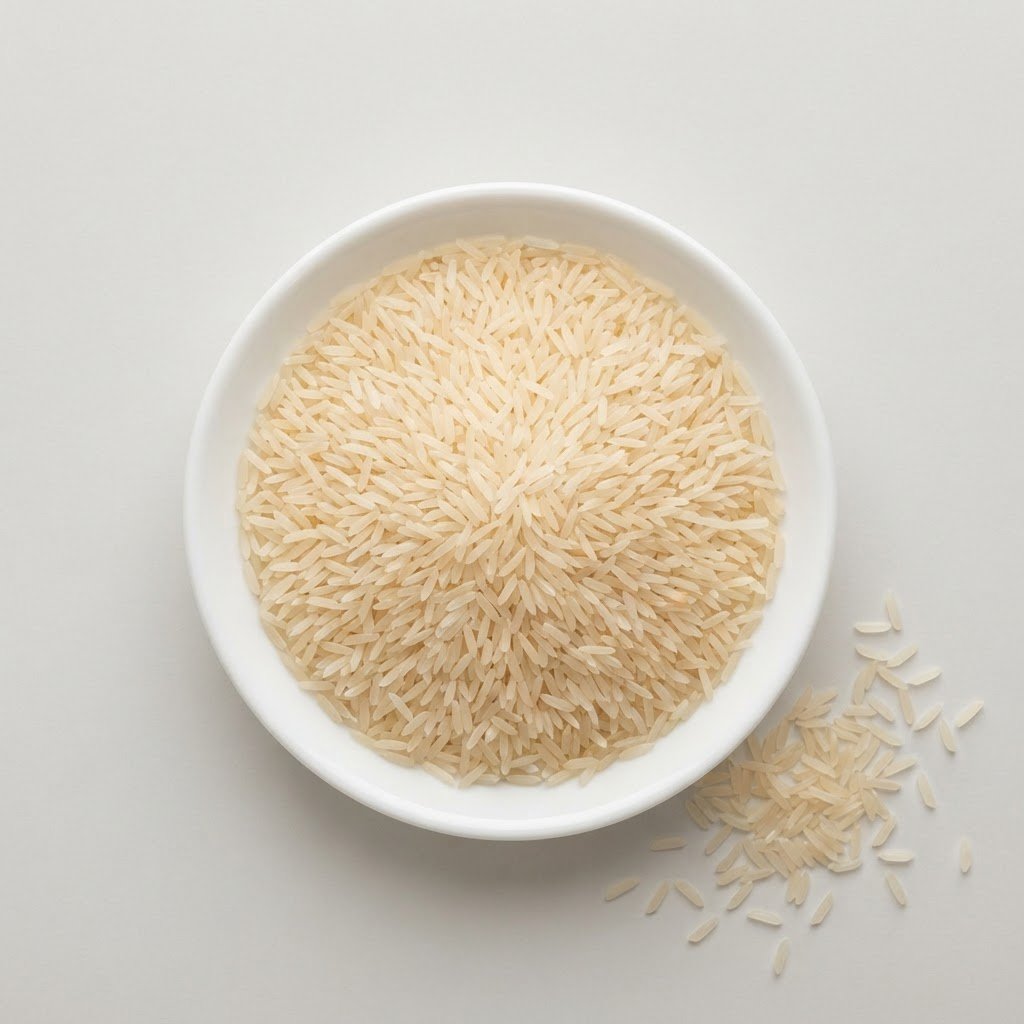
Creamy Sella Basmati Rice
Shorter again, holding a soft cream tone rather than a true white. Creamy sella is what Gulf retail shelves carry most under their own brands, it resists breakage better than unparboiled basmati, and it eats marginally softer than golden. Priced between white and golden.
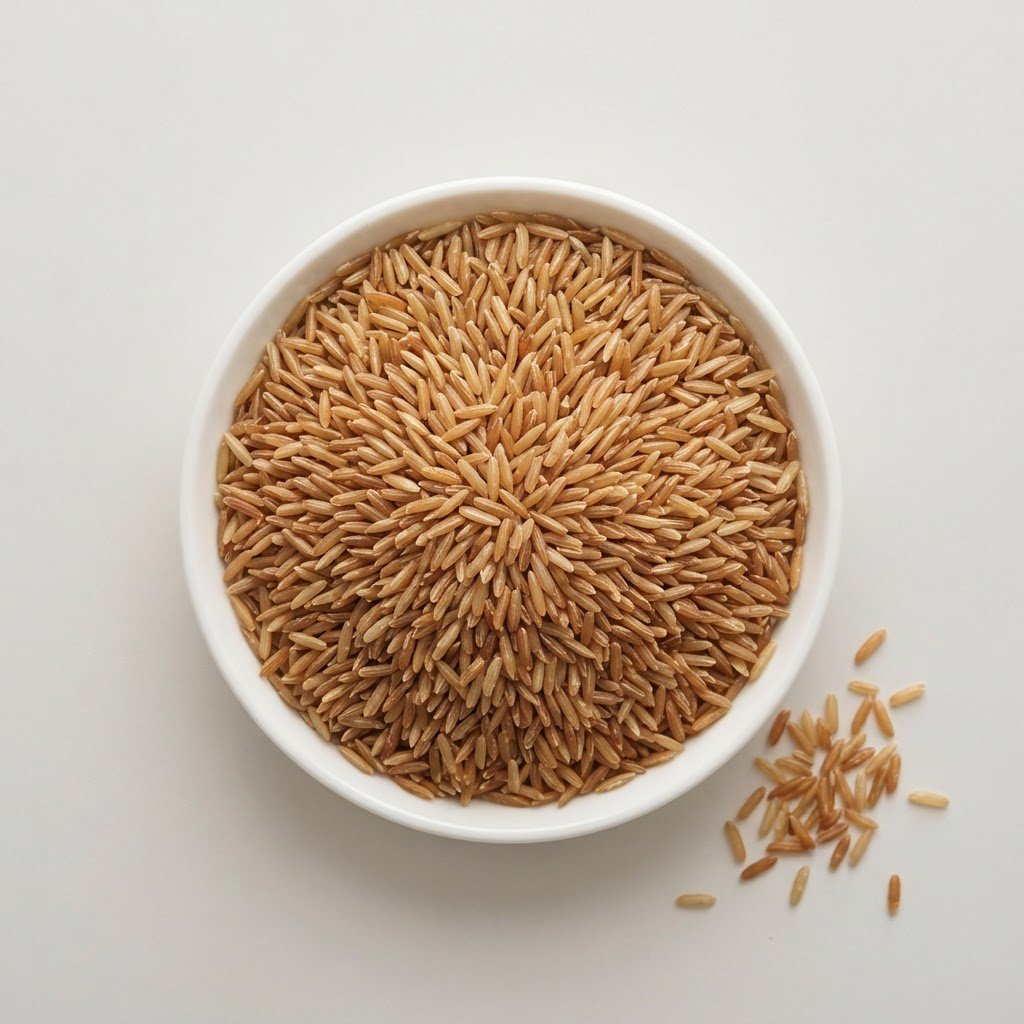
1121 Brown Sella Basmati Rice
Steamed with the bran left on, so it takes longer in the pot and eats firmer and nuttier. We supply brown sella on 1121 only, and it is made to order rather than held in stock, so tell us early and allow extra time. For unparboiled wholegrain, see our brown rice page.
Four Sella Basmati Rice Varieties Compared Side by Side
Grain Length, Aroma, Price Band and Who Buys Each One
The four varieties run from 6.8mm to 8.30mm and from an everyday catering grain to the longest basmati Pakistan grows. Every figure below is confirmed on the mill test sheet that travels with your batch.
| Variety | Average Grain Length | Aroma | Sella Grades Available | Price Band | Bought By |
|---|---|---|---|---|---|
| 1121 Sella Basmati Rice | 8.30mm min | Strong | Golden, White, Creamy and Brown | Premium | Gulf biryani and mandi kitchens, premium retail bags |
| 1509 Sella Basmati Rice | 8.30mm | Present | Golden and White | Mid-price | Iraqi wholesale trade buying by the container |
| Super Kernel Sella Basmati Rice | 7.3mm | Strong | Golden, White and Creamy | Mid-price | Own-brand retail across the Gulf and the UK |
| D-98 Sella Basmati Rice | 6.8 to 7.2mm | Mild | Golden and White | Value | Contract caterers and camp kitchens on a fixed budget |
Whichever variety and grade you take, the same four measures are held across the range: moisture 13% maximum, broken grain 2% maximum, varietal purity 95% minimum and foreign matter 0.5% maximum. Every batch is colour sortexed and every batch ships with its own test sheet from the mill laboratory showing what your rice actually measured, not what a brochure says it should.
Two things are worth saying plainly. Parboiling softens aroma on all four varieties, so sella smells less than the raw or steam version of the same grain, and any supplier selling you parboiled basmati on intense aroma is overselling it. And on golden sella the shade is set by the length of the steam, not by the variety, so agree a Kett colour range with us before production rather than after the container lands.
Why Sella Basmati Rice Works When the Pot Is Big
A Harder Grain That Holds Its Shape and Goes Further
Sella basmati rice is bought for what happens after it is cooked. Rice for four hundred people is cooked in one pot, kept warm for a few hours, moved across a site and served at the end of a long queue. The grain is made hard at the mill, so it comes through all of that and still looks like rice: long, loose and separate.

Sella Rice Stays Loose While It Waits
The starch in sella basmati rice is already set before you cook it, so rice sitting in a warm tray stays soft and easy to serve an hour or two later instead of setting into a block. On a buffet or a service line, rice that sets is unservable.
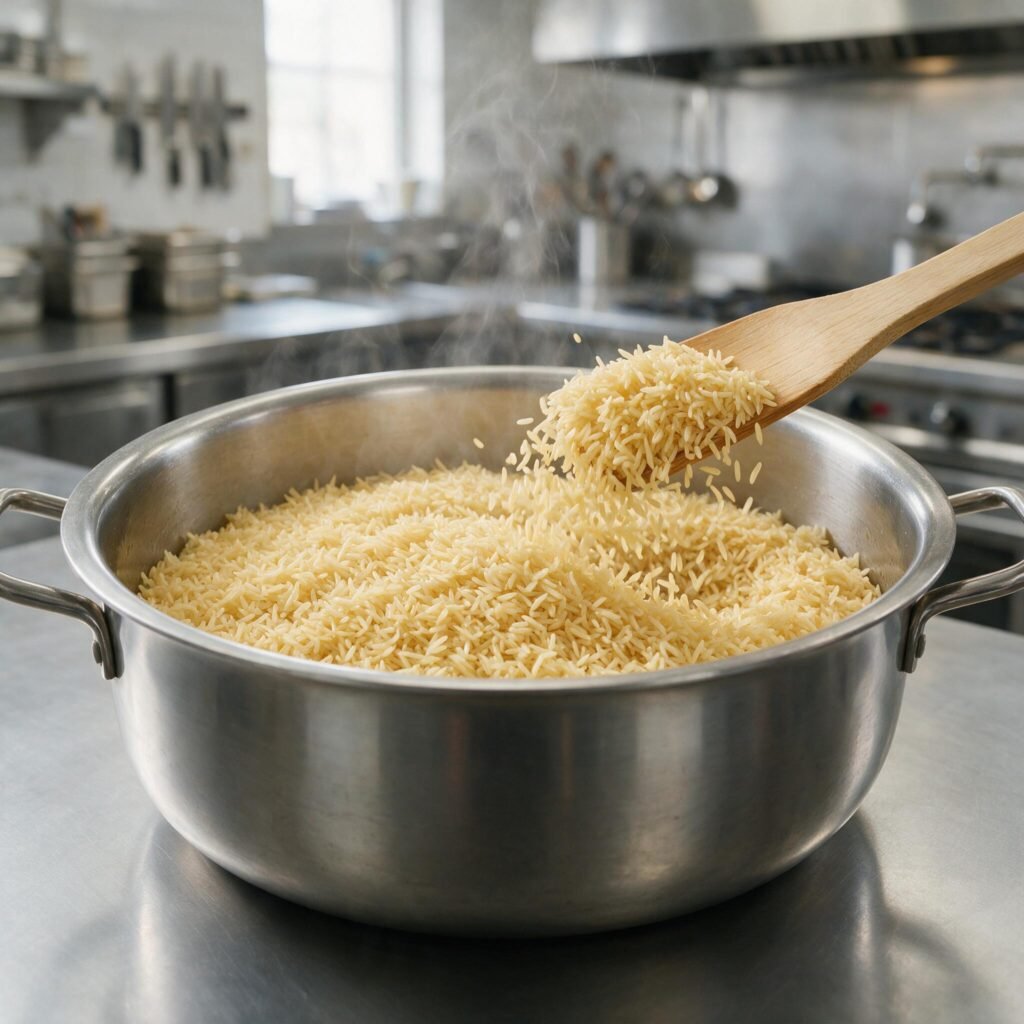
Sella Rice Does Not Break When You Move It
Stirring a big pot, folding it through meat and stock, driving it to another site, warming it again the next day. Sella basmati rice takes all of that and the grains stay whole and long rather than breaking down into shorter pieces on the tray.
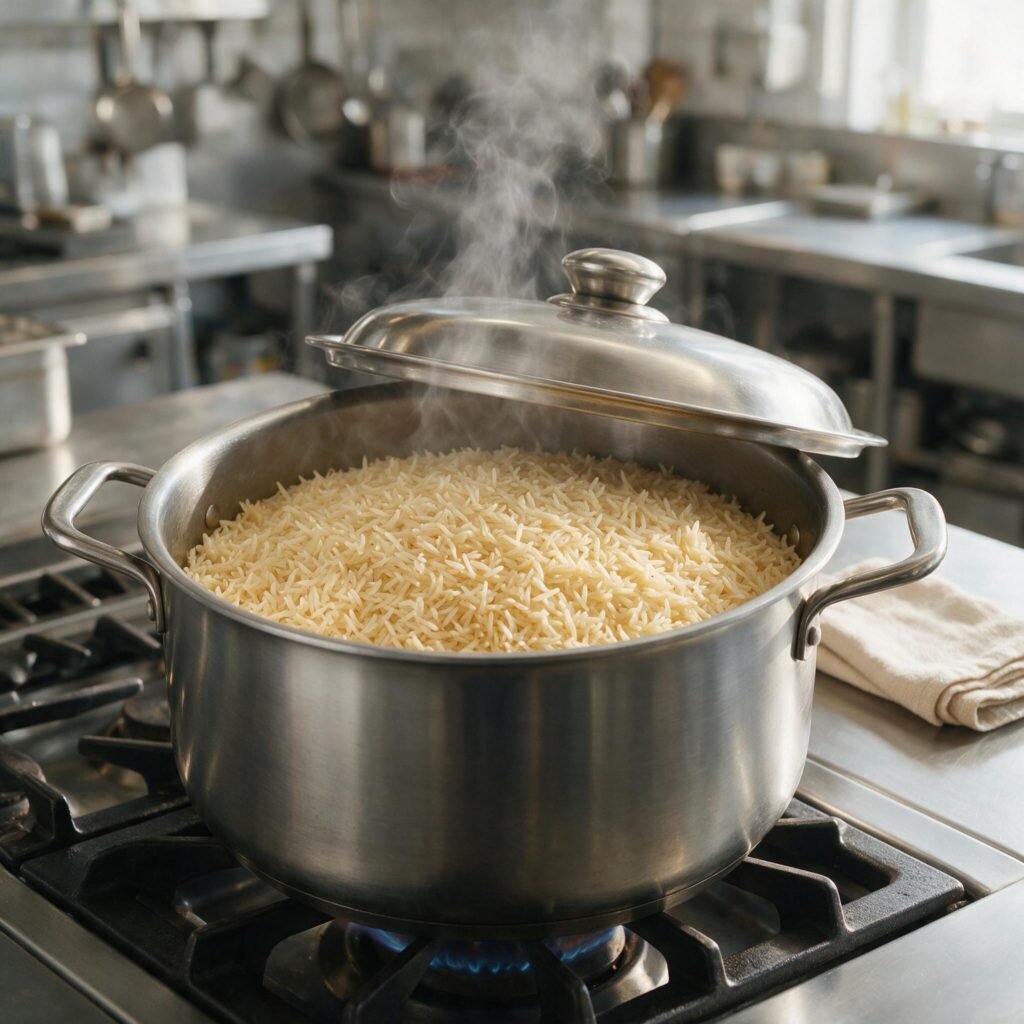
Sella Rice Is Harder to Overcook
Sella basmati rice leaves a wider gap between cooked and overcooked than raw basmati does, so the pot is harder to ruin. When one pot feeds four hundred people and the person watching it is not your head chef, that margin is what keeps the batch usable.
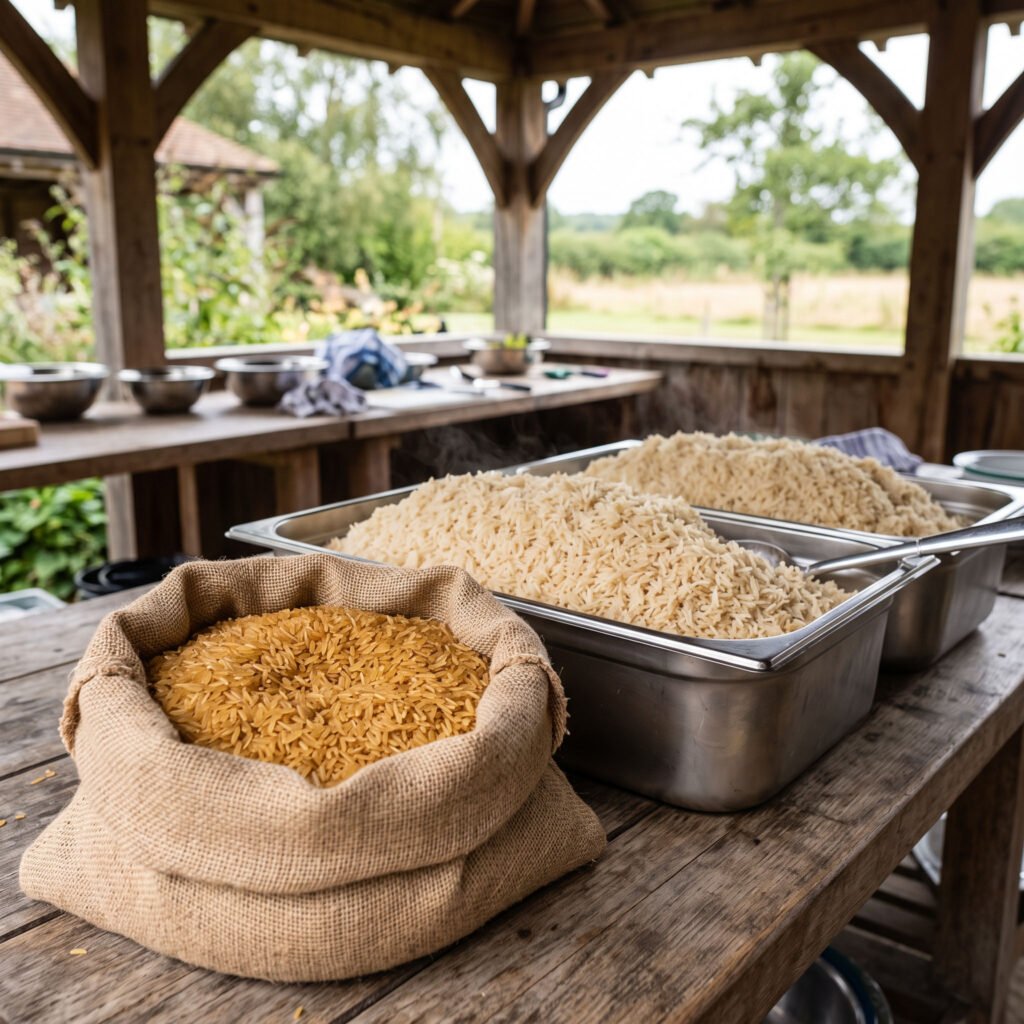
You Get More Rice From Every Sella Bag
Sella basmati rice takes in more water than raw rice does, so a kilo of it dry gives you more cooked rice on the tray. Cook one batch your own way and weigh the result before you change your food cost, because the gain depends on your method.

Who Buys Sella Basmati Rice From Us
Six Kinds of Buyer, Six Different Bags and Terms
Sella basmati rice moves in tonnes, not in cases. These six take most of it, and each buys for a different reason. Some need the same rice every month, some need the most cooked rice out of every bag, and some need it to look right on the plate.

Contract and Institutional Catering
Hospitals, schools, universities, staff canteens and caterers, cooking fixed menus to a fixed budget. They need the same sella basmati rice in month nine that they approved in month one, and to be told early if the crop changes. This is core food service supply.
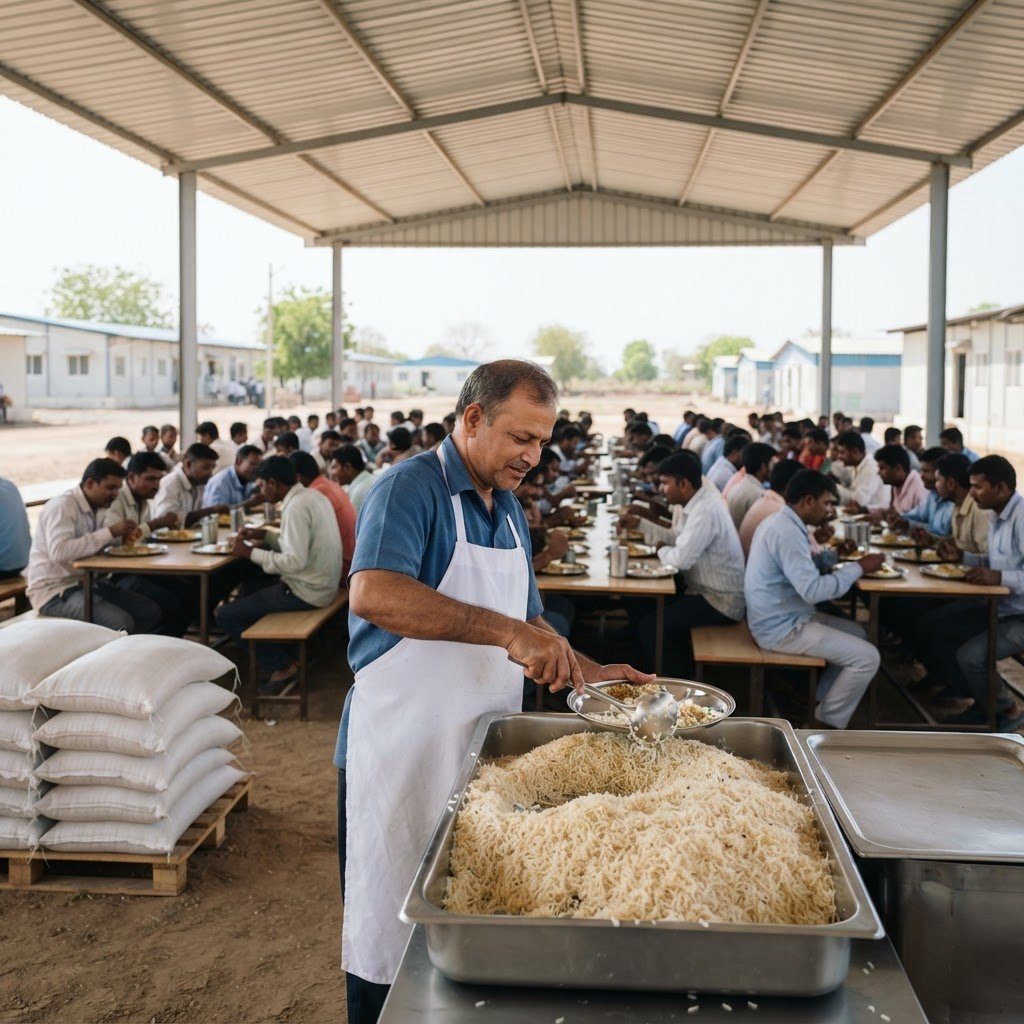
Labour Accommodation and Camp Kitchens
Large sites feeding hundreds of workers every day. Cost matters most here, so D-98 and the shorter grades do the work rather than 1121. White sella rice gives more cooked rice from each bag and is easier to cook well in a busy kitchen. Usually 25kg bags on pallets.
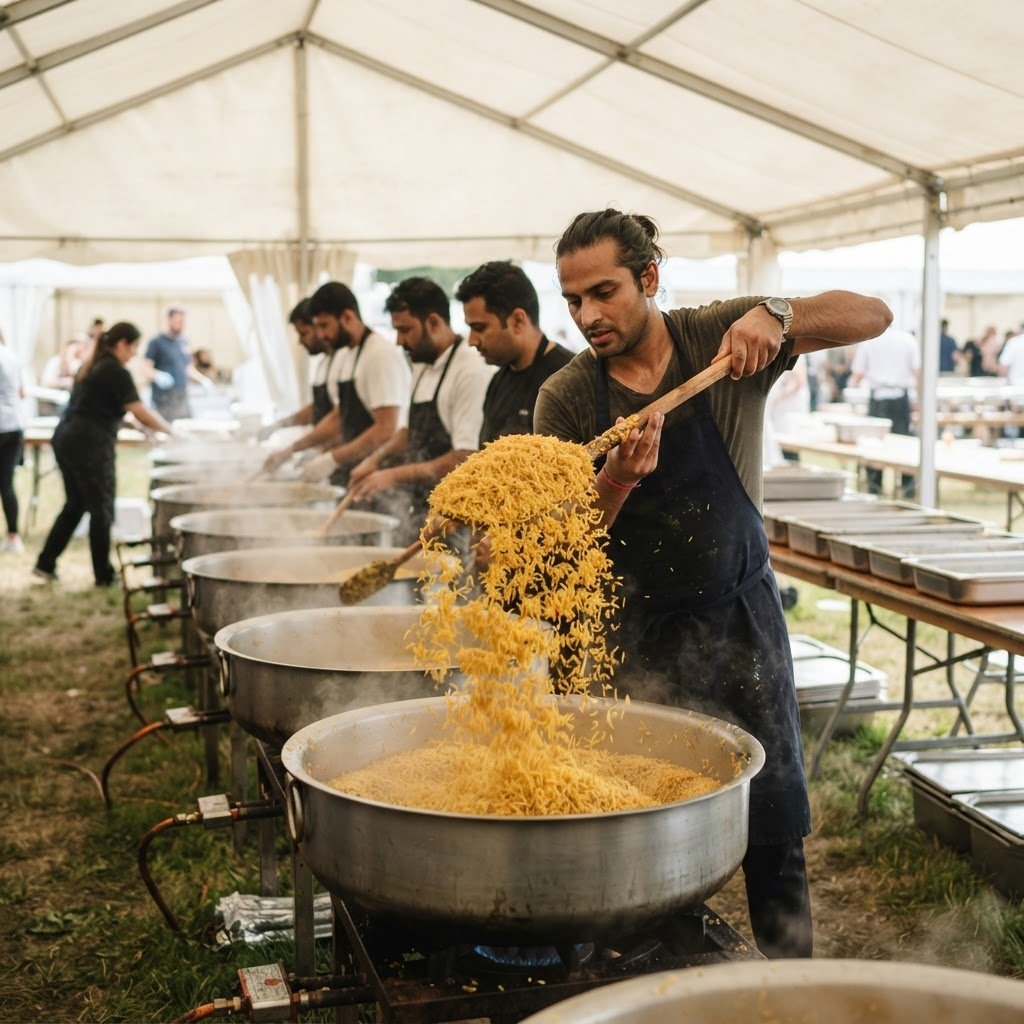
Mass and Pilgrimage Catering
Demand rises sharply around Ramadan, Hajj and Umrah, and these kitchens use golden sella rice almost daily through the season. Volumes are planned months ahead across the Saudi market, and the buyers who get the grade and shade they want plan before the season starts.

Hotels, Restaurants and Delivery Kitchens
Biryani and mandi restaurants, hotel banqueting and delivery kitchens where the rice sits in a closed box for half an hour or more. Here the look of the grain matters as much as the way it cooks, which is why these kitchens pay for the length of 1121 golden sella.

Wholesalers, Retailers and Repackers
Hypermarkets, cash and carry, grocery chains and repackers. Some buy finished retail bags of creamy and golden sella rice for the shelf. Others buy in bulk and pack under their own brand. We supply both, from Qatar stock or by the container, through wholesale supply.
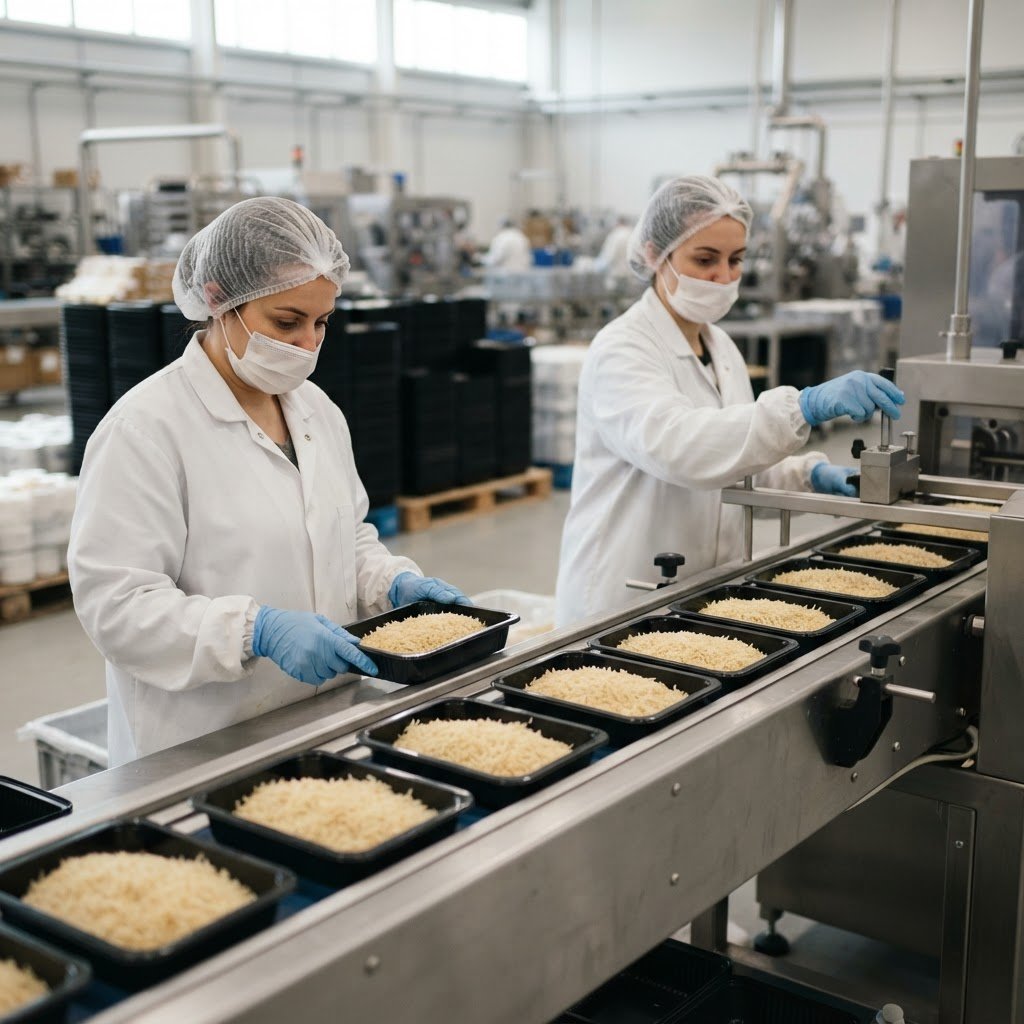
Food Manufacturers and Ready Meal Producers
Frozen and chilled biryani, retail ready meals, and central kitchens that cook, blast chill and reheat, often under their own label. Golden, white and creamy sella rice all come through the freezer and the reheat whole, because the starch was set at the mill.

Where We Supply Sella Basmati Rice
The Gulf, Saudi Arabia, Iraq, Central Asia, Europe and North America
The same sella basmati rice goes to a Doha caterer, an Iraqi wholesaler and a British supermarket, and what changes between them is the grade, the bag and the paperwork.

Qatar and the Gulf (GCC)
We hold golden and creamy sella at Al Wakra, so a Doha buyer takes a pallet or a part load rather than a container, in riyals, with nothing to clear. Into the United Arab Emirates, Oman, Kuwait and Bahrain we ship to your port with the freight paid, or to your door where we hold clearance. The UAE is also the re-export route: Jebel Ali reaches Iraq and Central Asia faster than a direct call.

Saudi Arabia
The largest basmati market in the world, and golden sella rice is what it eats every day, because Kabsa and Mandi are cooked in one pot and held. Almost every brand on the shelf in Jeddah, Riyadh and Dammam is Indian origin, so a Pakistani bag stands out instead of looking like a copy. Container quantities to Dammam or Jeddah, with the freight paid, and printed retail bags for the repackers.

Iraq and the Levant
Iraq buys around 1.3 million tonnes of rice a year and grows almost none of it, and the wholesale trade there runs on golden sella in 1121 and golden sella 1509 because it keeps well in stores that are not air conditioned. Containers are unloaded at Umm Qasr for Basra and Baghdad. Jordan and Lebanon take the same grades through the same channels, against a written specification agreed before production.

Central Asia
Kazakhstan, Uzbekistan, Azerbaijan, Turkmenistan, Tajikistan and Kyrgyzstan now take Pakistani basmati directly rather than through Afghanistan, and most of what they buy is basmati rather than long grain. It suits the region because plov and pilau are cooked in one large kazan and held for hours. Container quantities into Almaty, Astana and Tashkent, usually 25kg and 50kg in plain bags.

The UK and Europe
The United Kingdom is the strongest Western market for Pakistani basmati, and it sells there in 1kg, 2kg and 5kg in Asian food shops and in the big supermarkets alike, where it is often labelled easy cook rice. The Netherlands, Germany, France, Italy and Spain buy through Rotterdam and Antwerp. European buyers ask harder questions about residues and paperwork, and we answer them in writing.

North America
The United States and Canada hold large South Asian communities that buy basmati by the brand rather than by the price, and golden sella is one of the rices they buy most. Volumes are smaller than the Gulf, the margin is better, and they reorder on consistency rather than on price. Retail packs and private label, shipped to your port with the freight paid, or to your door where we hold clearance.
How to Cook Sella Basmati Rice in Large Amounts
A Method to Start From, Then Adjust to Your Own Pots
Sella basmati rice is not cooked like raw white basmati. It is a harder grain, so it wants more water, more time and a soak first. Start with the four steps below and adjust them to your own pots and burners. Most first orders that disappoint are cooked like raw basmati, not because anything is wrong with the rice.
Soak
Put the rice in clean cold water for 30 to 45 minutes. Skipping the soak is the most common reason it comes out hard in the middle. Brown sella wants longer, and the shorter varieties want less.
Water
Use about two parts water to one part dry rice. Raw basmati needs about one and a half. If you boil and drain instead, salt the water well, cook until the grain is about 70 per cent done, then drain it.
Cook
Bring it to the boil, drop to the lowest heat and cover the pot. Do not stir after that. For layered dishes, seal the lid and finish on dum, in its own steam, for 15 to 20 minutes on very low heat.
Rest
Leave the pot covered for 10 minutes. Then lift the rice with a fork rather than stirring it, because stirring hot grain is what breaks it. Kept covered and warm, it stays loose for two to three hours.
Sella Basmati Rice in 1kg to 50kg Bags
Which Pack Goes to Which Market
Sella basmati rice sells off a supermarket shelf in Birmingham and out of a camp kitchen in Al Wakra, and those are entirely different bags. Our mills run printed PP, laminated, non-woven and jute lines, so the bag is your choice. Mixed sizes in one container are normal and we do not charge extra for splitting a load.

Sella Rice in 1kg and 2kg Bags
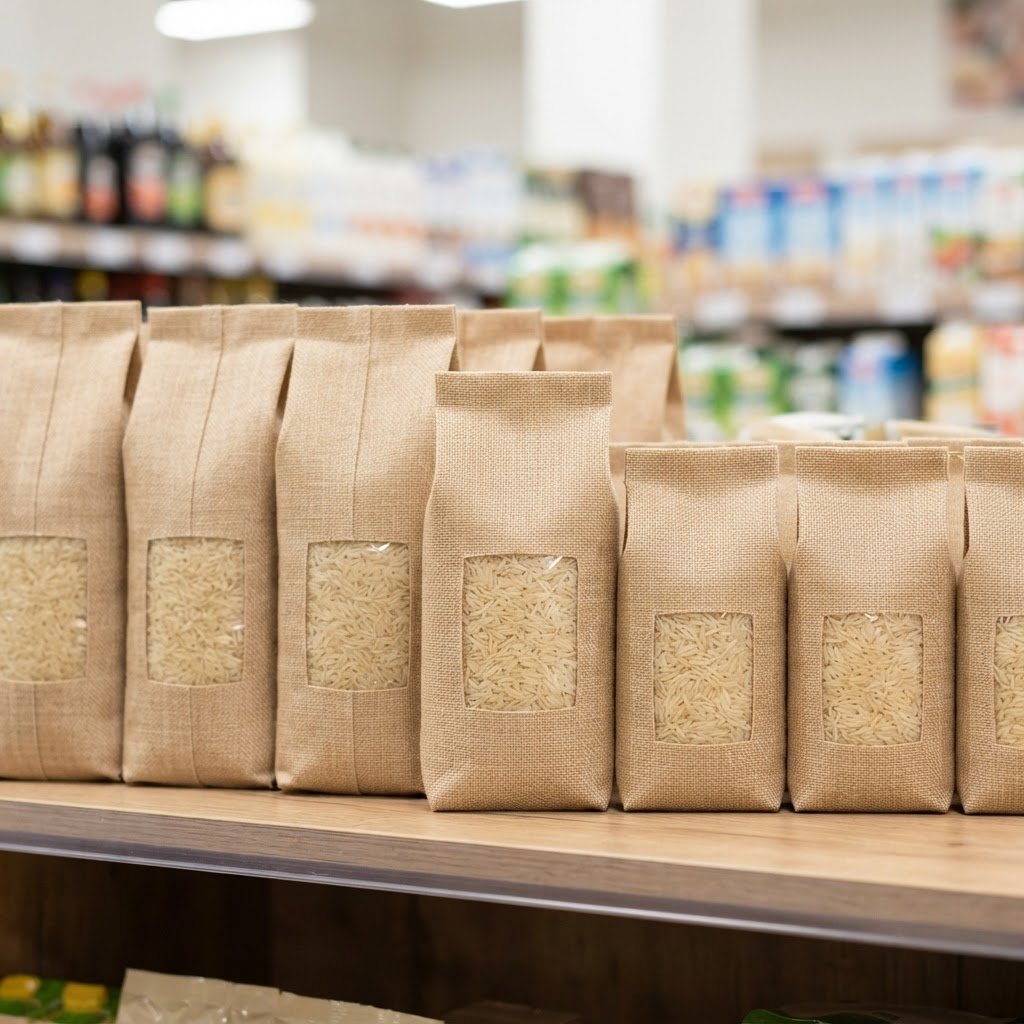
The trial sizes, and the ones a shopper picks up before committing to a big bag. Printed PP or laminate, packed in cartons or shrink wrap. Mostly UK and European sizes, and where creamy and golden sella compete directly with the Indian brands already on the shelf.
5kg Bags, the Main Shelf Size
The size that sells most across the Gulf, the UK, Europe and North America, and the size almost every branded sella rice on a Qatar shelf is sold in. Printed PP or laminate with a carry handle. Sold in cartons of five or ten, and the size most first orders start with.
10kg and 20kg Catering Bags
The normal size for restaurant, hotel and central kitchens buying golden sella rice. Heavy enough to work out cheaper per kilo, light enough for one person to lift onto a bench without a trolley. Printed or plain woven PP, and the size most biryani and mandi kitchens reorder every month.
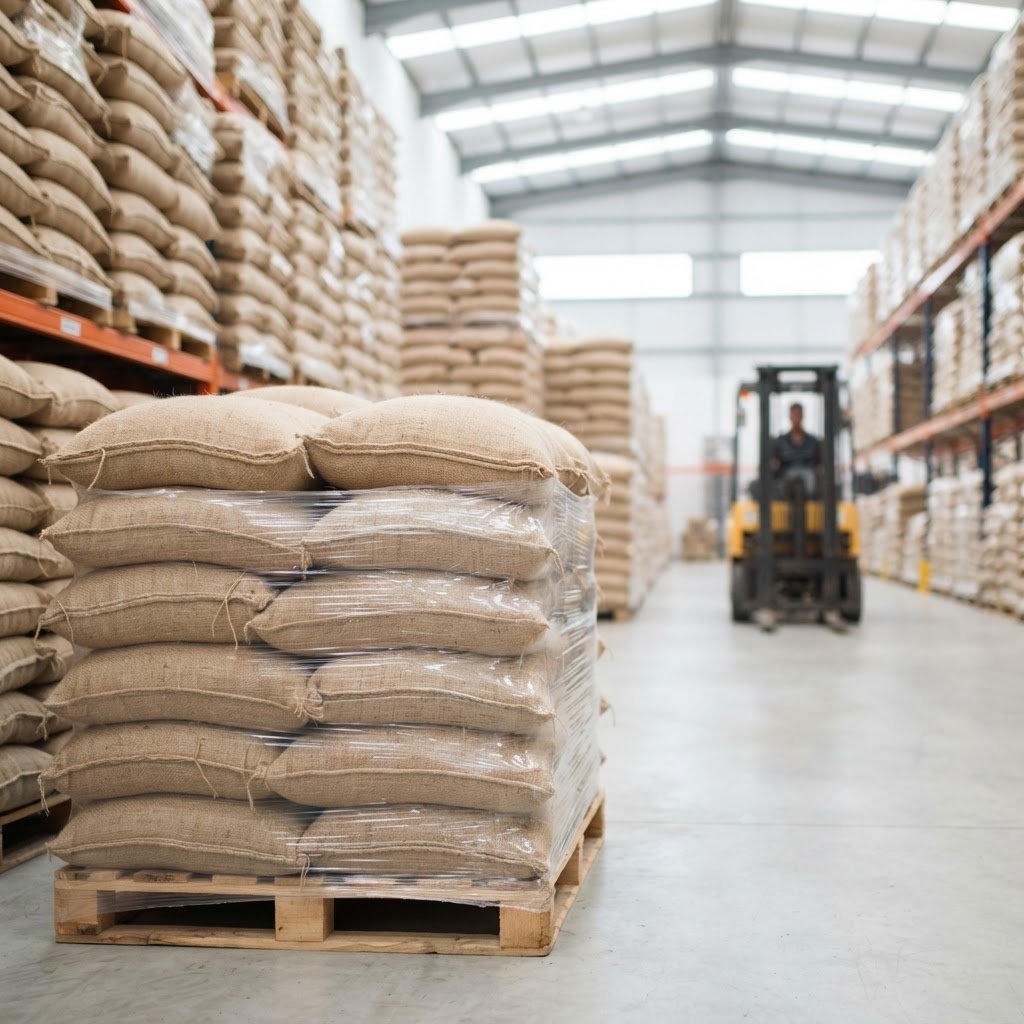
25kg, 40kg and 50kg Bulk Bags
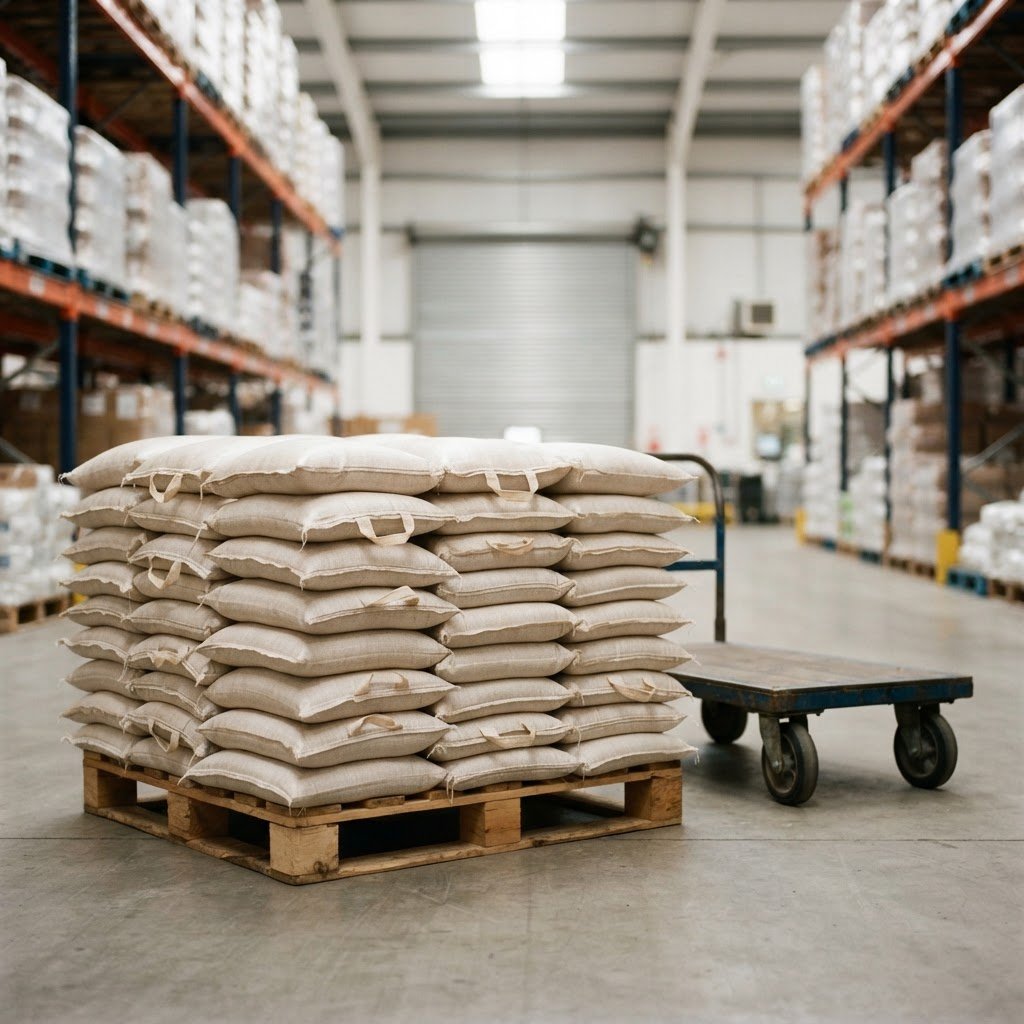
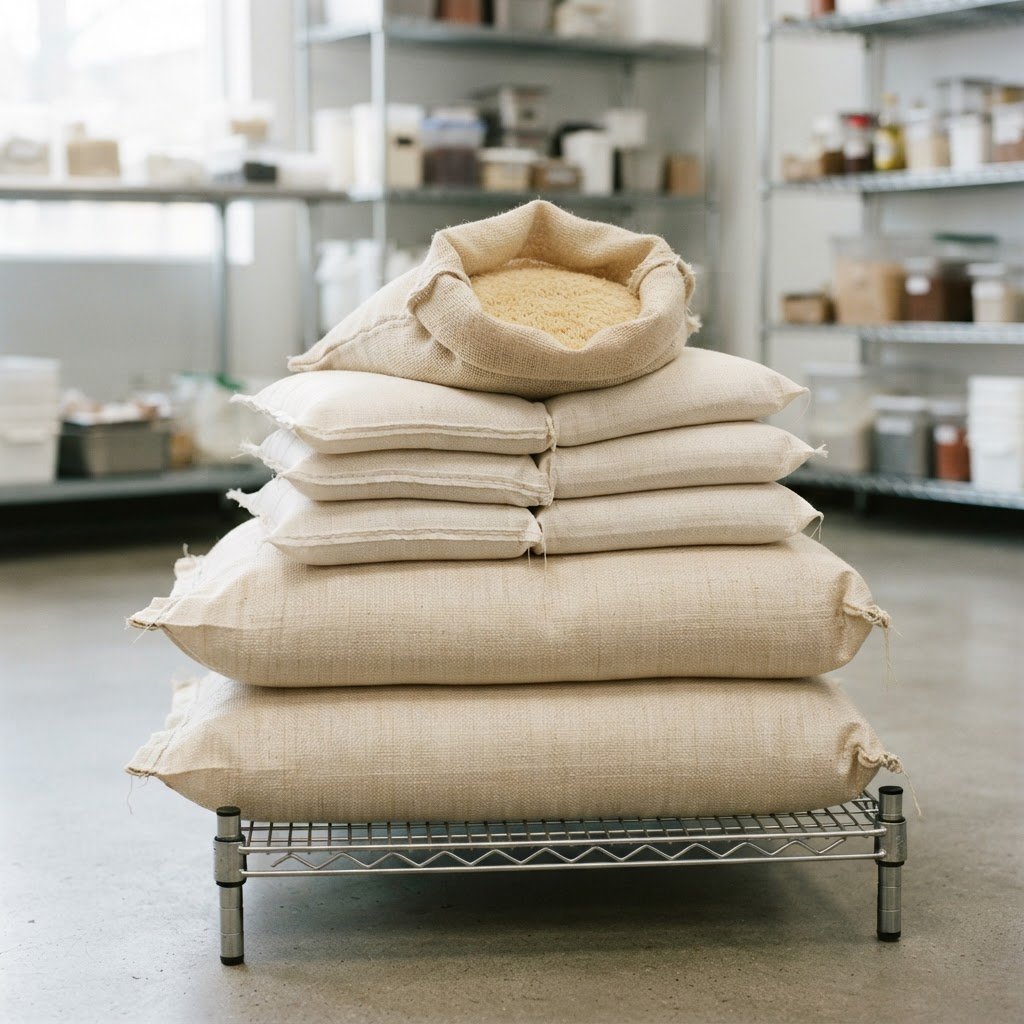
Jute, woven PP or non-woven, for camp kitchens, central kitchens and repackers taking sella rice in volume. Palletised and wrapped for delivery in Qatar. About 25 to 26 tonnes fill a 20ft container, and this is where the pilgrimage and labour catering trade buys.
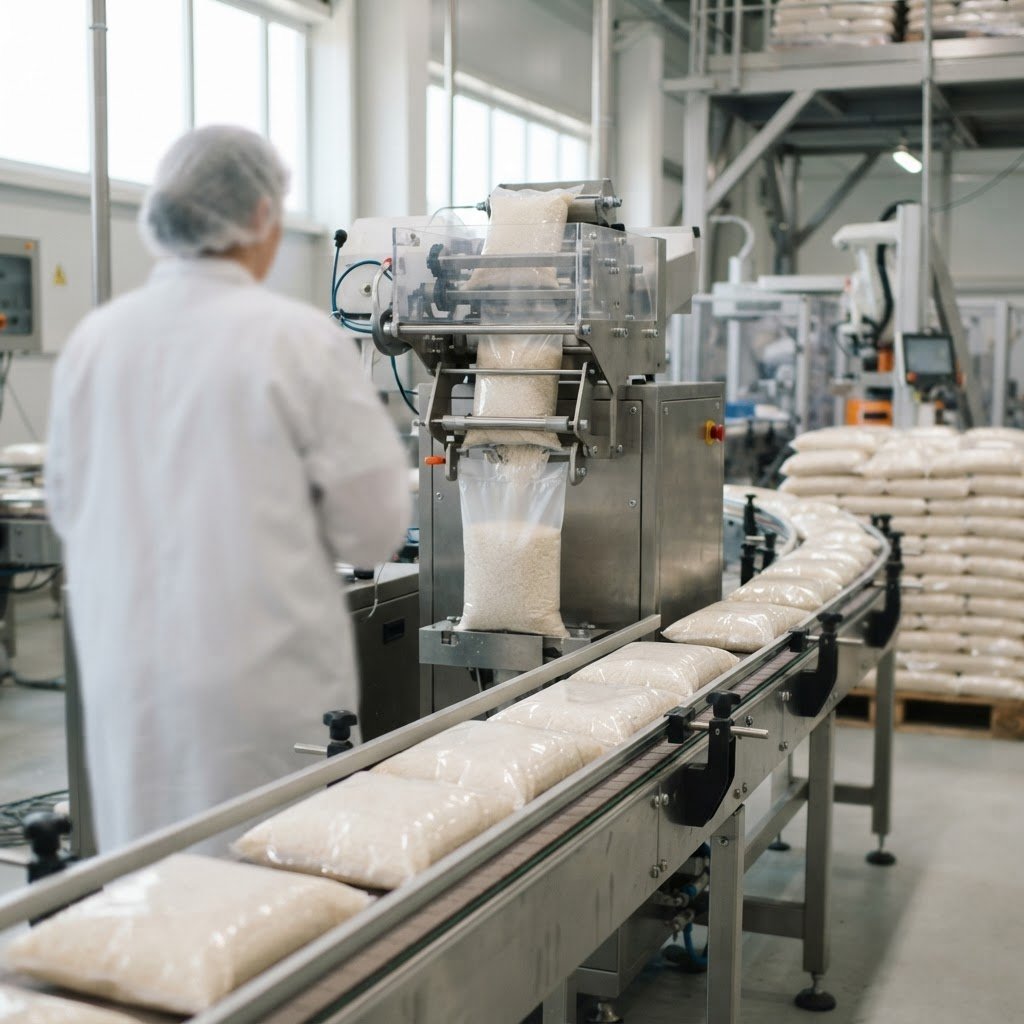
Your Own Brand on the Sella Rice Bag
Your design printed at the mill as part of our private label rice supply, on any sella rice bag above. Artwork is approved and a sample bag signed off before the rice is packed, so the print run sits at the front of the schedule. Minimum quantities apply per design and per size.
Sella Basmati Rice Quality, Inspection and Certificate of Conformity
What We Check Before Your Container Ships
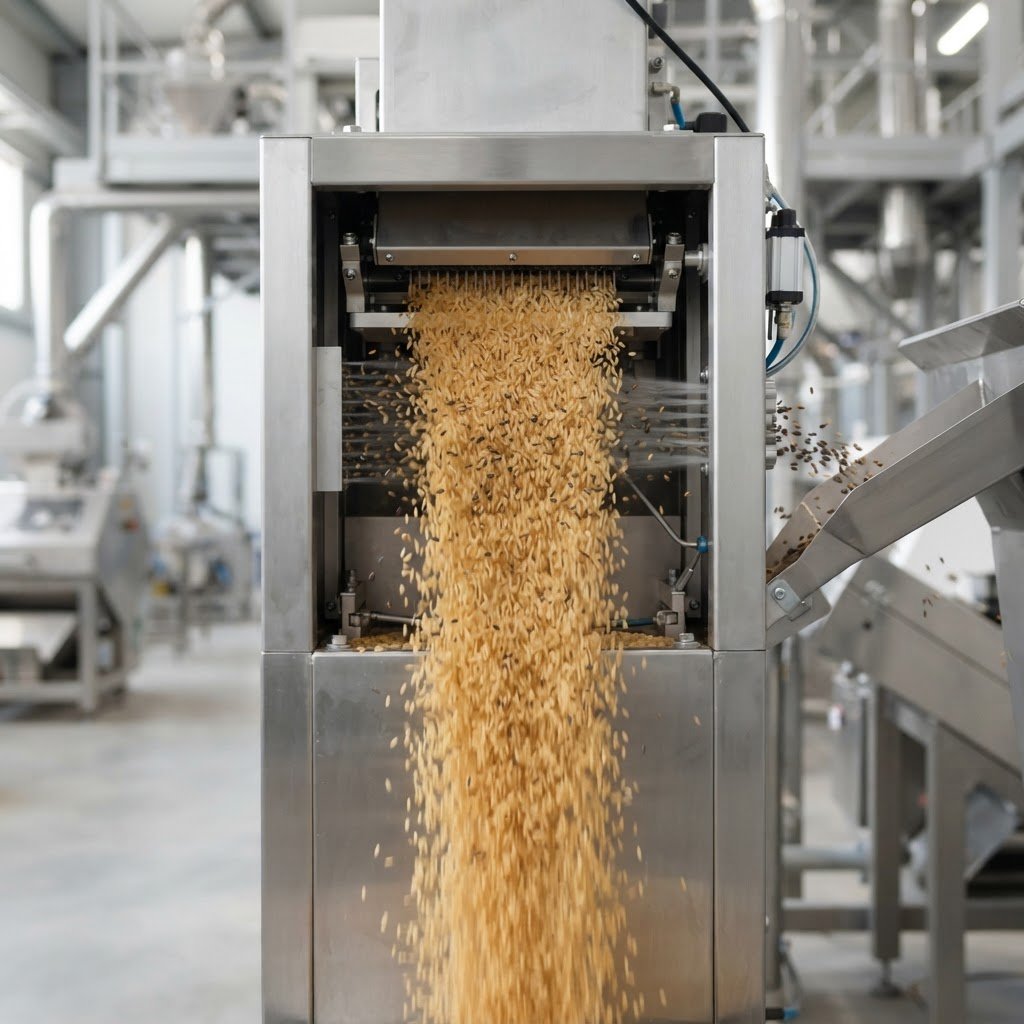
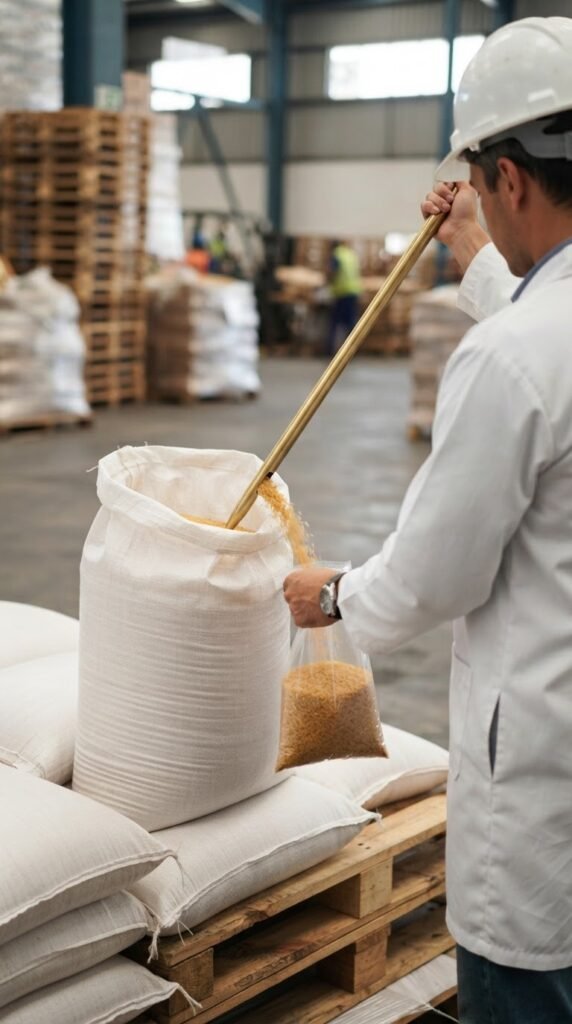
Parboiling is an extra step at the mill, and extra steps are where quality is kept or lost. Every batch of sella basmati rice is tested before it loads, the test sheet travels with it, and the certificates your market needs are arranged before the container sails.
Four figures matter most on sella basmati rice, and they are the four we hold the mills to:

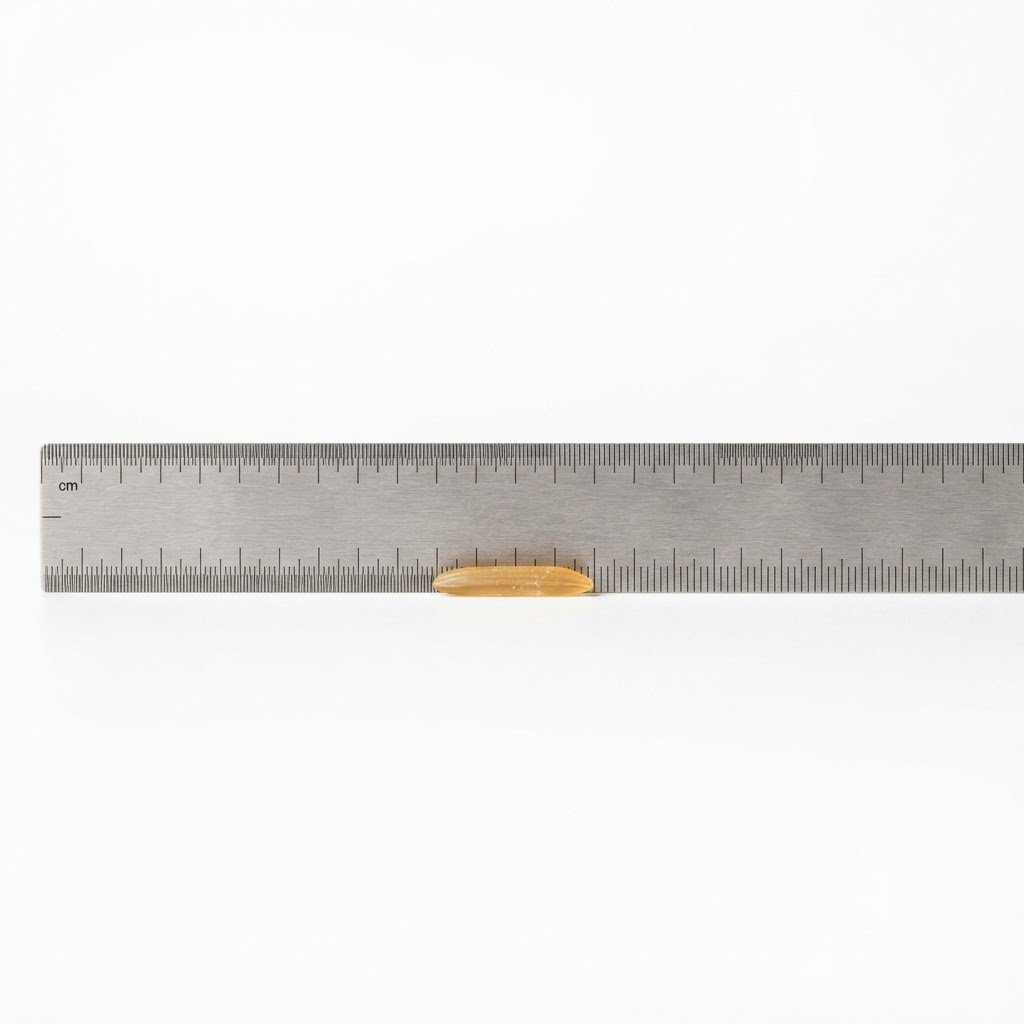
8.30mm Minimum
Average grain length on 1121 sella basmati rice, and the figure the mills will certify. Length is what the premium rows are bought for, so it is measured lot by lot.
13% Maximum Moisture
Moisture content, held across all four varieties. Above this and sella basmati rice spoils in a hot store long before your customer has sold it through.
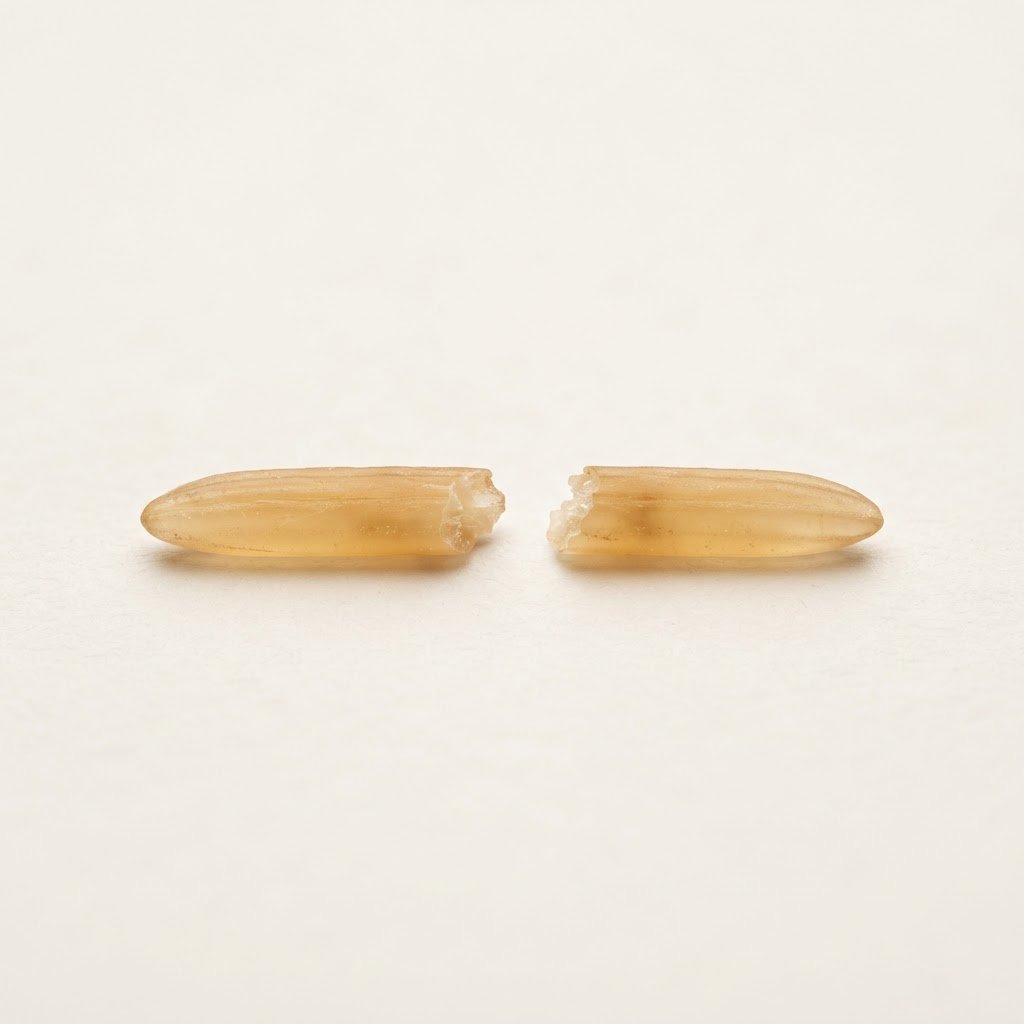
2% Maximum Broken
Broken grain in the bag. A parboiled grain resists breakage, so a high broken figure on sella basmati rice points at rough handling rather than at the variety.
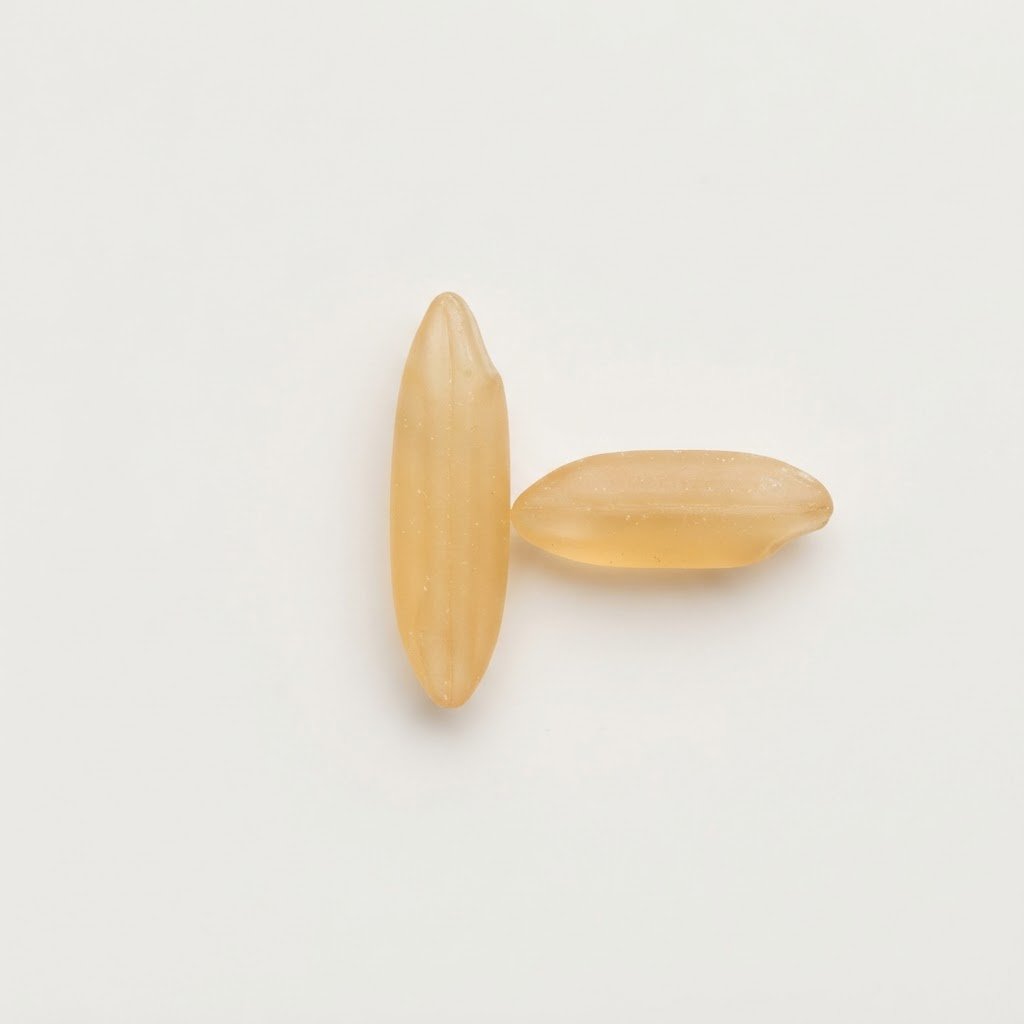
95% Pure Variety
Varietal purity, checked lot by lot. 1121 and 1509 both cost more than the basmati grades they get blended with, which is why the figure is on the test sheet.
Colour and Crop Year Are Where Sella Rice Goes Wrong
Three things decide whether a batch of sella basmati rice is good: the same colour every time, grain that was dried properly after the steam, and one crop year in the bag instead of a mix. Colour is the one buyers notice and the one mills vary, because the shade depends entirely on how long the rice was steamed rather than on the variety underneath it. Golden sella runs from light amber to deep gold and most Gulf buyers work to a Kett colour reading of 20 to 22, which is a meter reading rather than an opinion. We agree that range with the mill before production and check it against the sample you approved, because shade is the first thing your own customer notices and it is the most common reason a delivered container gets argued about. On white and creamy sella the same discipline applies in reverse: a batch steamed a few minutes too long stops being white and starts being cream, and a buyer who ordered one and received the other has a shelf problem you cannot fix from Doha.
Crop mixing is the fault most likely to reach your customer, because a bag holding two crop years cooks unevenly and no amount of care in the kitchen fixes it. We ship one crop per batch and the test sheet says which. Moisture is read twice, once at the mill after drying and once before loading, since a grain that leaves the dryer correctly can still pick up moisture in a humid shed. A sealed reference sample is kept from every batch so there is something physical to go back to if a question comes up later, and in Qatar the stock at Al Wakra is kept under cover and moved first in, first out, so the rice you receive has not been sitting through two summers. The certificates that travel with it record all of it.
The Certificate Your Country Asks For on Sella Basmati Rice
Some countries will not release your container without a Certificate of Conformity. That is an inspection carried out in Pakistan before the ship sails, by an agency your own government appoints, confirming the rice meets your national standard. Saudi Arabia runs its own version and it applies to every consignment landing at Dammam or Jeddah, which matters here because Saudi Arabia is the single biggest market for sella rice on this page. Iraq, and several of the Central Asian markets we ship into, operate comparable pre-shipment regimes. We arrange it as part of the shipment rather than leaving it with you, and the cost sits inside the quoted price rather than arriving afterwards. None of it can be fixed after sailing. If the certificate is missed, the rice waits at the port at your cost until it is sorted out, and demurrage on a container of sella basmati rice gets expensive faster than most buyers expect.
Appoint Your Own Inspector for Sella Basmati Rice
You can also appoint your own inspector to look at the rice before it loads. SGS, Intertek, Bureau Veritas and Cotecna all work at Pakistani ports, and some of them are the same agencies appointed for the certificates above, so one visit can do both jobs. They draw the samples, run the tests and send the report to you rather than to us. On a first order we would rather you did it, and most buyers who do it once never feel the need to do it again.
What Ships With Every Container
The mills we work with operate to HACCP, ISO 22000, ISO 9001, FSSC 22000, GMP and Halal standards, and every container of sella basmati rice ships with a certificate of analysis against the figures above, a phytosanitary certificate, a certificate of origin and a fumigation certificate. The certificate of analysis names the variety, the grade, the crop year and the colour reading where the grade has one, so the paperwork and the rice say the same thing. If your market needs something else on the file, tell us at enquiry stage and we will confirm it before you order rather than after.
Our partner mills operate under internationally recognised food safety and quality management systems, and are active members of the Rice Exporters Association of Pakistan (REAP), complying with Pakistan Standards and Quality Control Authority (PSQCA) requirements.

How to Buy Sella Basmati Rice From TEFT Global
From Our Stock in Qatar, or Shipped to Your Port or Door
In Qatar, sella basmati rice is already imported and cleared before you order it. Everywhere else it ships to your port with the freight paid, or to your door where we hold clearance.

In Qatar: Delivered From Our Own Stock
We have already imported the sella basmati rice, cleared it and stored it at Al Wakra, so you buy the way you buy from any local supplier: by the pallet or the part load, priced in riyals, delivered to your door in Qatar. Golden and creamy from stock, 1kg to 50kg, mixed sizes on one order. No container commitment, no import licence, no customs entry, no letter of credit.

Outside Qatar: By the Container
For buyers in other countries we ship sella basmati rice by the container, in retail packs or in 25kg to 50kg sacks, and about 25 to 26 tonnes fill a 20ft. We deliver to your port with the freight paid, on CFR or CIF terms: CFR means the price includes getting it there, CIF the same plus marine insurance. Where we hold our own clearance we deliver to your door instead.
Sella Basmati Rice: Buyer Questions
Nine Questions Buyers Ask Before Their First Order
These are the questions buyers ask us most often about sella basmati rice. If yours is not here, ask us.
Sella rice is rice that has been parboiled: soaked, steamed under pressure and dried again while the husk is still on, before the husk is removed. The steam part-cooks the grain and hardens it, which is why sella holds its shape in a big pot and does not go sticky. Sella basmati rice is that process applied to a basmati variety such as 1121, 1509, Super Kernel or D-98.
Yes. Sella is the word used in South Asia and the Gulf for parboiled rice, and the two are interchangeable. So golden sella simply means golden parboiled. In British supermarkets the same rice is usually labelled easy cook rather than sella or parboiled.
Only the length of the steaming. Golden sella is steamed longer, which pulls colour out of the husk into the grain and turns it amber to deep gold. White sella is steamed for less time and stays pale. Both are the same grain, both are the same length, and both cook long, firm and separate. Choose golden when the dish should look golden and white when you add the colour yourself.
Creamy sella sits between white and golden. It is steamed long enough to firm the grain and hold a soft cream tone, but not long enough to turn amber, and it eats marginally softer than golden sella while resisting breakage better than unparboiled basmati. Golden is the Gulf catering default; creamy is what most Gulf retail shelves carry under their own brands. They are separate grades at separate prices, so name the one you want when you ask us to quote.
In sella the paddy is steamed before the husk comes off; in steam rice it is steamed after. Sella comes out harder, holds its shape through a long service and resists overcooking. Steam stays white, cooks faster and smells stronger, but it is softer, it breaks more easily and it will not sit in a warm tray for two hours. Catering buys sella; buyers selling on aroma buy steam.
It depends what you are buying it for. 1121 sella is the longest grain at 8.30mm minimum and it is what shows on a plate, so it is the premium choice for biryani, mandi and retail bags. Super Kernel and 1509 sella sit below it and are the volume grades for own-brand retail and for the Iraqi wholesale trade. D-98 sella is the value row for contract catering on a fixed budget. All four are premium parboiled basmati; they are not better and worse, they are longer and shorter.
It is the grade most Gulf biryani kitchens buy. It holds its shape through the dum and through a reheat the next day, the grains stay separate rather than clumping, and on 1121 the extra length is what shows on the plate. It is also the more forgiving grain when the pot is large and the person watching it is busy.
1kg, 2kg, 5kg, 10kg, 20kg, 25kg, 40kg and 50kg, in printed PP, laminate, non-woven or jute, plain or printed with your own artwork. 5kg is the size that sells most at retail, 10kg and 20kg are what restaurant kitchens buy, and 25kg to 50kg is the catering and repacking end. Mixed sizes on one container are normal.
We deliver from stock in Qatar and ship by the container everywhere else. In the Gulf: Saudi Arabia, the United Arab Emirates, Oman, Kuwait and Bahrain. In the wider Middle East: Iraq, Jordan and Lebanon. In Central Asia: Kazakhstan, Uzbekistan, Azerbaijan, Turkmenistan, Tajikistan and Kyrgyzstan. In Europe: the United Kingdom, the Netherlands, Germany, France, Italy and Spain, through Rotterdam and Antwerp. In North America: the United States and Canada. Outside Qatar we deliver to your port with the freight paid, or to your door in the countries where we hold our own clearance.
SEND US AN ENQUIRY
Whether you need a regular monthly supply of sella basmati rice or a single container to test the line, the same person handles it from the first message to the shipping documents.
Tell us the variety, the grade, the shade, the pack and the destination and samples go out alongside the quote, free up to 500g per grade. If you are still deciding between golden and creamy sella, say so and we will send both.
We supply sella basmati rice into Qatar and the Gulf, Saudi Arabia, the United Arab Emirates, Oman, Kuwait and Bahrain, Iraq, Jordan and Lebanon, Kazakhstan and Central Asia, the United Kingdom and the European Union, and the United States and Canada. In Qatar it comes from our own stock at Al Wakra and is with you within one business day.
All enquiries are handled personally. No automated responses, no call centres.
Explore related rice varieties and supply solutions available through TEFT Global.