Pakistani D-98 Basmati Rice Supplier Qatar: PK-385 White and Sella
Listed as Basmati 385 in the UK and EU, and Cheaper Than Super Kernel
Own-Brand Bags From the Mill, or Plain Sacks From Qatar Stock
D-98 Basmati Rice, known across the trade as Sindhi Basmati, is the basmati a kitchen buys when Super Kernel is priced out of the range. It is grown in the Sindh rice belt, milled pearl white, and carries a clean natural basmati aroma that sits under the dish rather than over it. PK-385 is the same variety under the name it is listed by. TEFT Global buys it, owns it and moves it: part loads out of our Qatar stock, or a full container to your port with the freight paid, or to your door where we hold local clearance.

D-98 Basmati White, Sella and Brown, Grown in Sindh
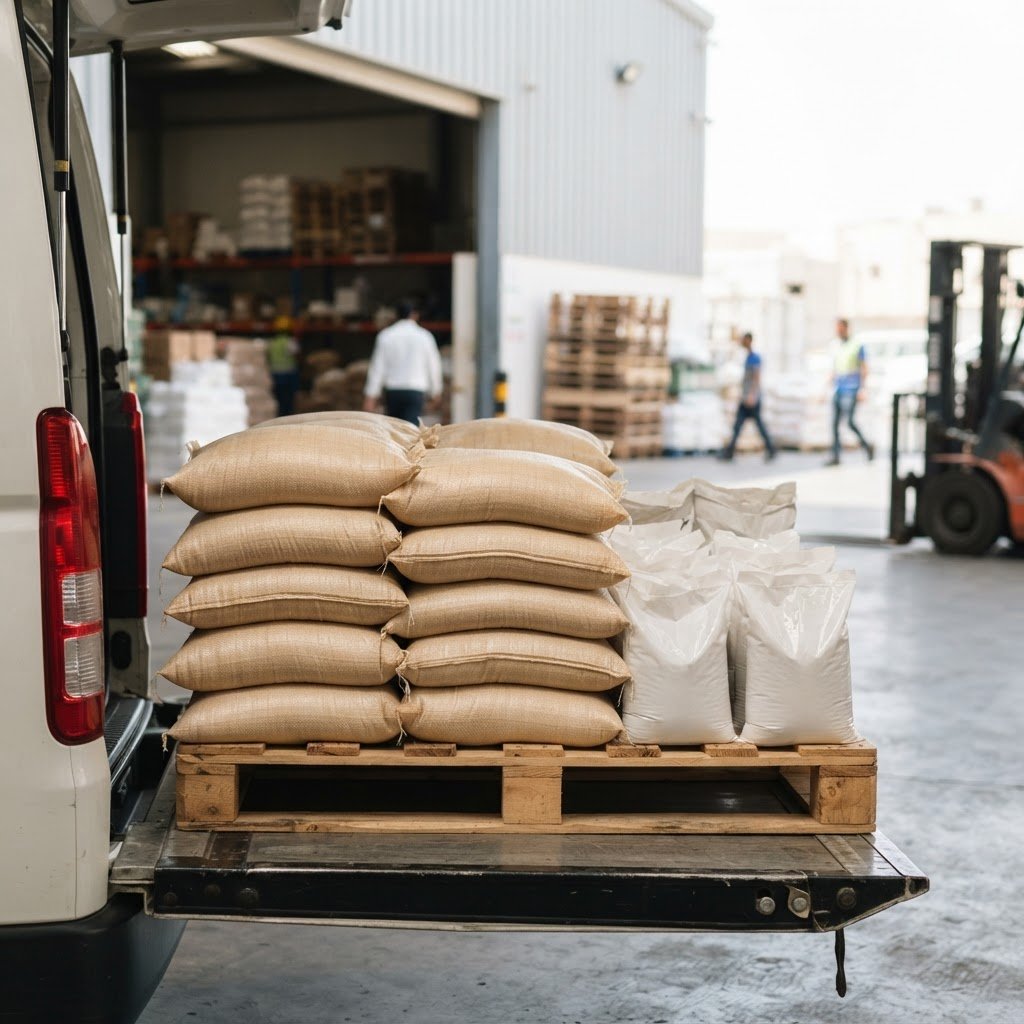
We own every tonne of D-98 Basmati Rice we sell. It is bought against our own contracts with milling groups in the Sindh rice belt, loaded at Karachi under our name, and held as our own stock at Al Wakra in Qatar. Buyers in Qatar draw on that stock. Buyers in the Gulf, Europe, Central Asia, East Africa, Southeast Asia and North America take it by the container, to the port with the freight paid or to the door where we hold local clearance.
The Cheapest Basmati We Sell, and It Is Still Basmati
Shorter Grain, Quieter Aroma, Same Label
D-98 Basmati Rice is a Pakistani basmati grown in the Sindh rice belt, and that origin is what separates it from every other basmati on this site. Super Kernel and 1121 come off the Kalar tract in Punjab. D-98 comes from the paddy districts of upper Sindh, and the trade has called it Sindhi Basmati for as long as it has been exported.
It is sold under a second name, PK-385, and the two travel together on the same offer sheet. PK-385 is the name it appears under on the list of varieties that may be described as basmati in the United Kingdom and the European Union, which is why a European importer buying D-98 is buying a listed variety rather than a lookalike.
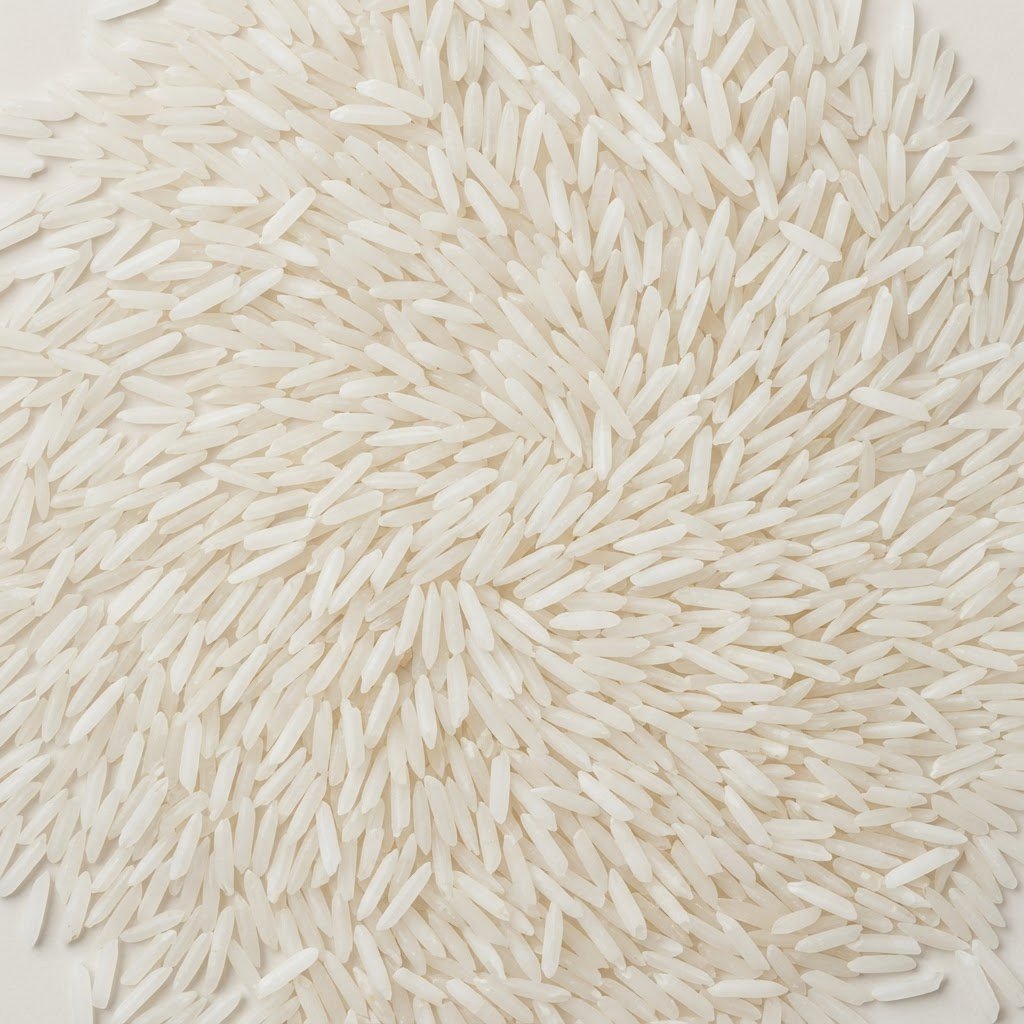
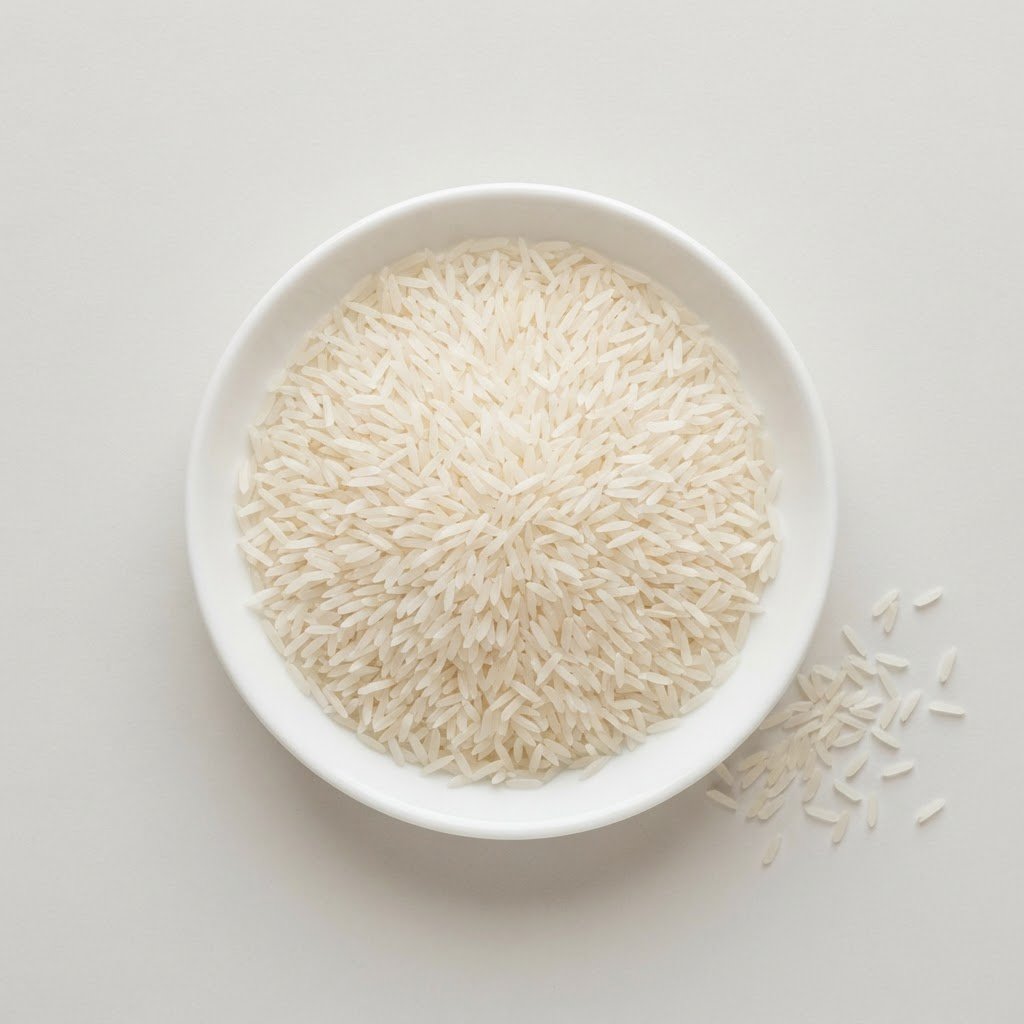
What the grain does: it mills pearl white, measures 6.80mm to 7.00mm raw, and stretches past 7.40mm in the pot. The aroma is there and it is quiet, clearly basmati across a kitchen, without the weight of a Super Kernel Basmati Rice. It cooks dry and separate and it does not clump in a warming tray.
That combination is why it sits where it does on price. It is a shorter grain than Super Kernel and shorter again than 1121 Basmati Rice, and this page does not pretend otherwise. What it gives a buyer is basmati on the label at a number that survives a 20kg catering sack and a printed retail bag.
TEFT Global supplies D-98 Basmati Rice white, sella parboiled and brown, colour sortexed and double silky polished, from 5kg retail bags up to 50kg trade sacks.
White for the Shelf, Sella for the Service, Brown for Health Retail
White and Sella Held in Qatar, Brown Against a Mill Run
The variety is one thing and the form is another. D-98 Basmati Rice is the variety in all three of the cards below; what changes is how the grain is milled before it goes in the bag, and each one behaves differently in the pot.

D-98 White Basmati Rice
Raw milled and double silky polished, pearl white, the form of D-98 that carries most of the trade. It cooks dry and separate in the time a kitchen expects of basmati, and it is what goes into printed retail bags and 20kg catering sacks. Held in Qatar stock.
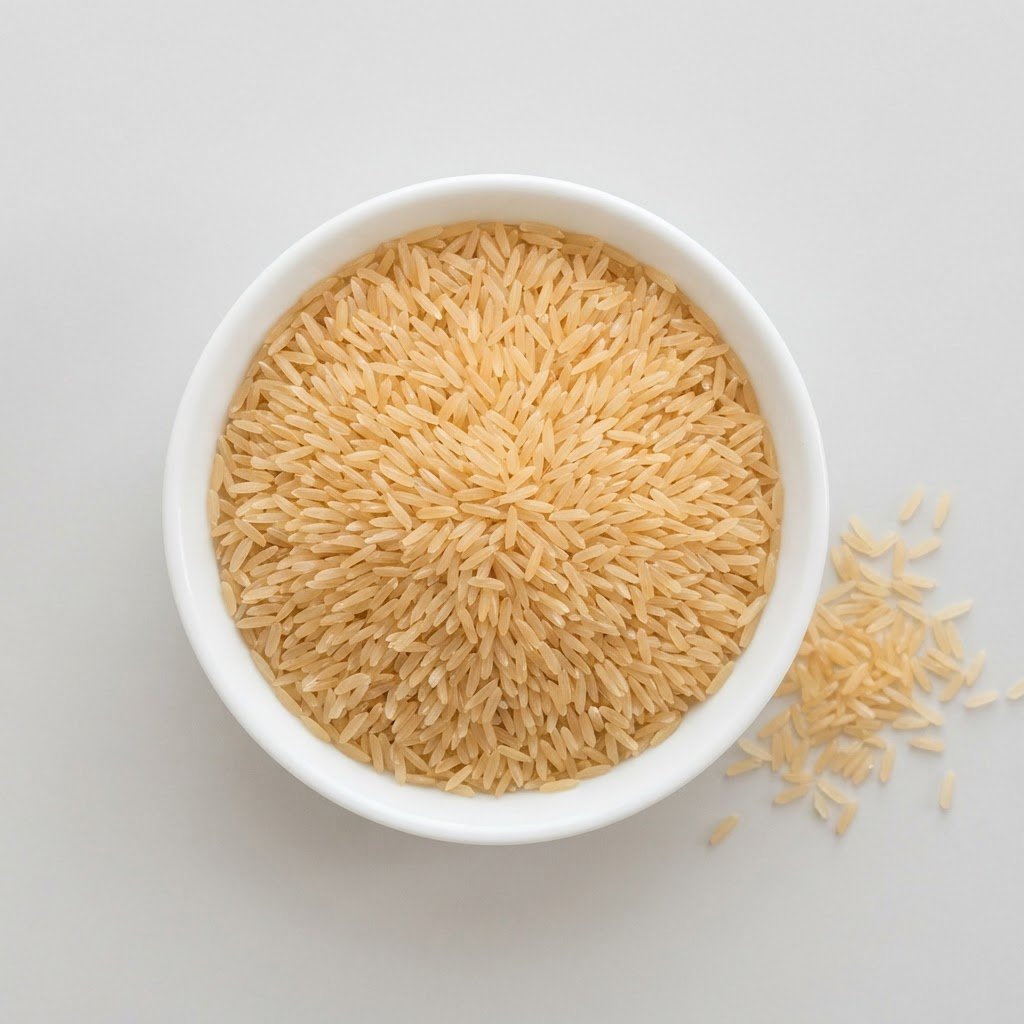
D-98 Sella Basmati Rice (Parboiled)
D-98 parboiled before milling, so the grain sets firm and holds its shape through a long service. Caterers running trays for several hundred covers buy sella for exactly that reason, and it forgives a pot left standing. Read more on sella against raw.
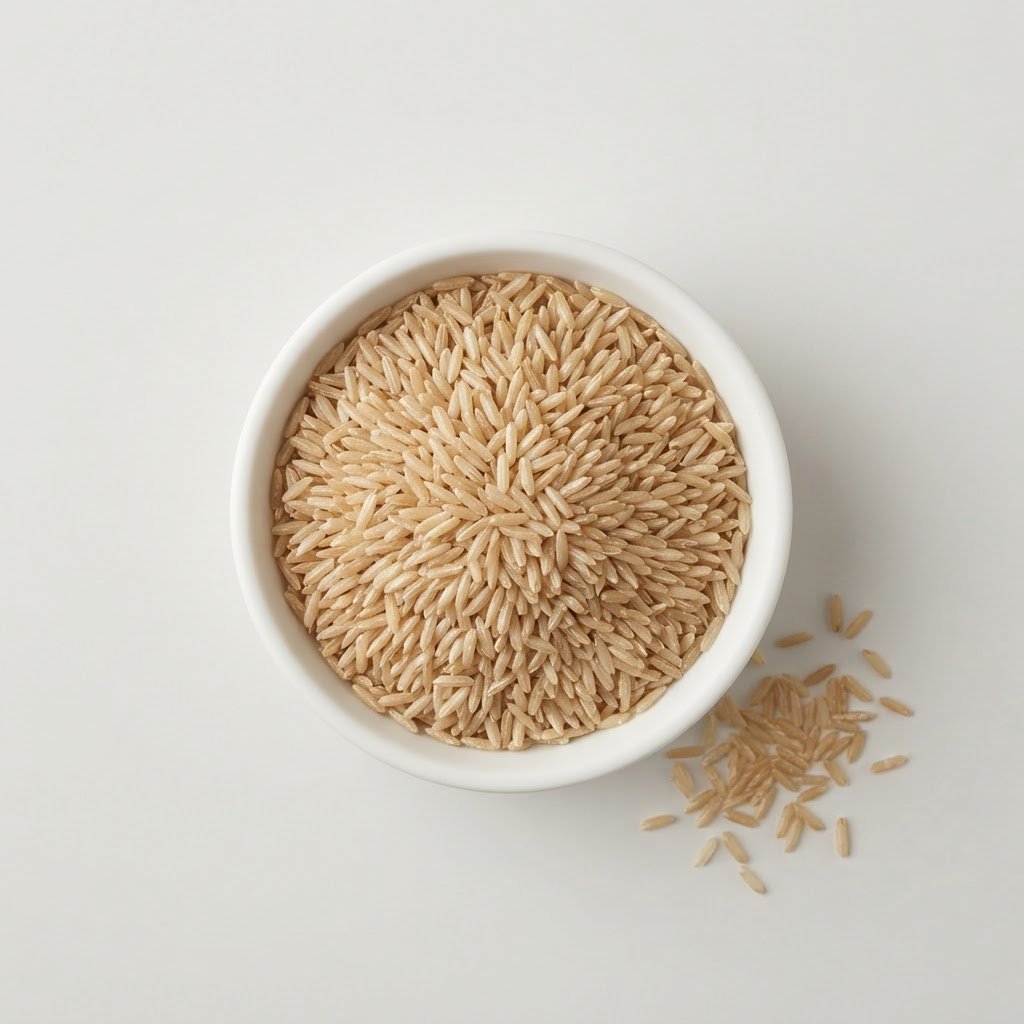
D-98 Brown Basmati Rice
D-98 husked but not milled white, so the bran layer stays on and the grain keeps its colour and its bite. A smaller line than the other two forms, moving mainly into health and speciality retail. Booked against a mill run rather than held.
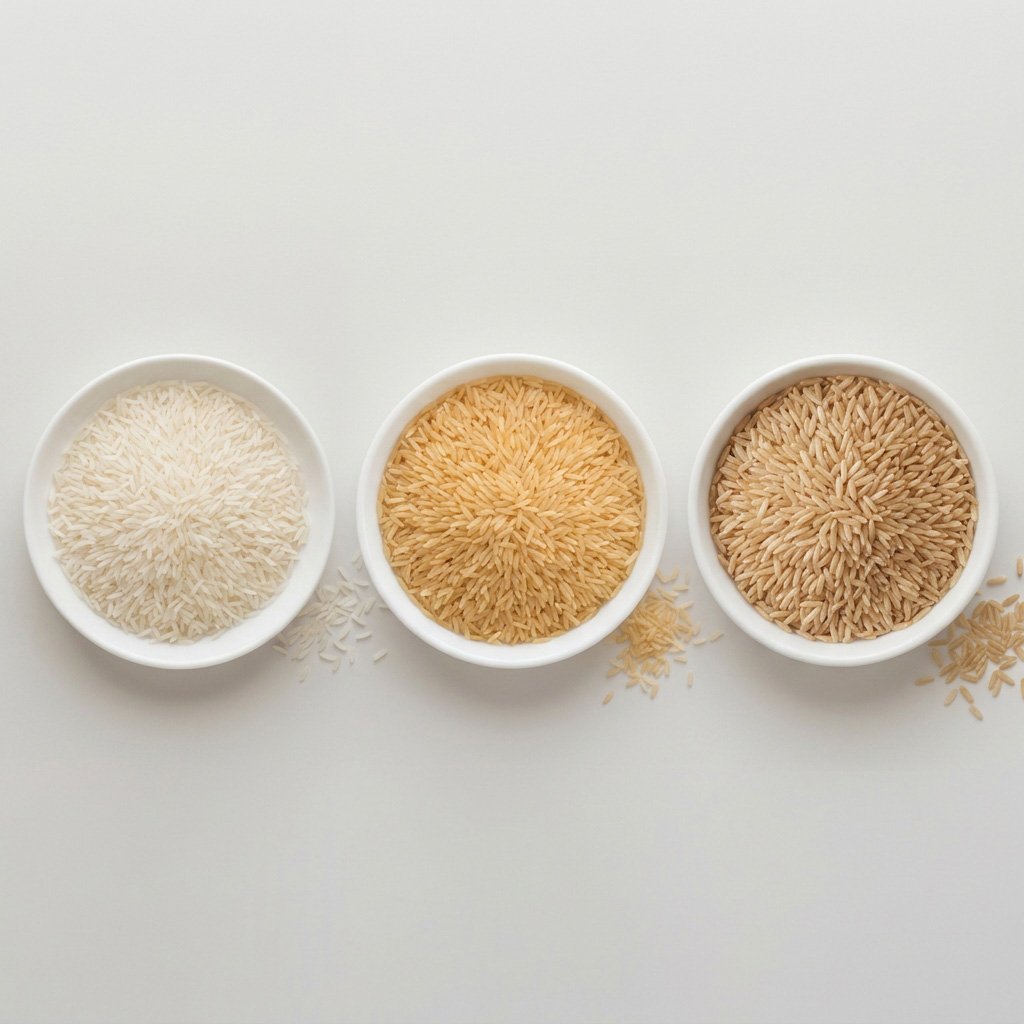
Not Sure Which Form You Need?
Tell us the dish and the service, not the specification. We send 500g of two D-98 forms in the same post so you can cook them side by side, and the one that comes out of your own pot best is the one we quote. Free, and in Qatar we deliver them.
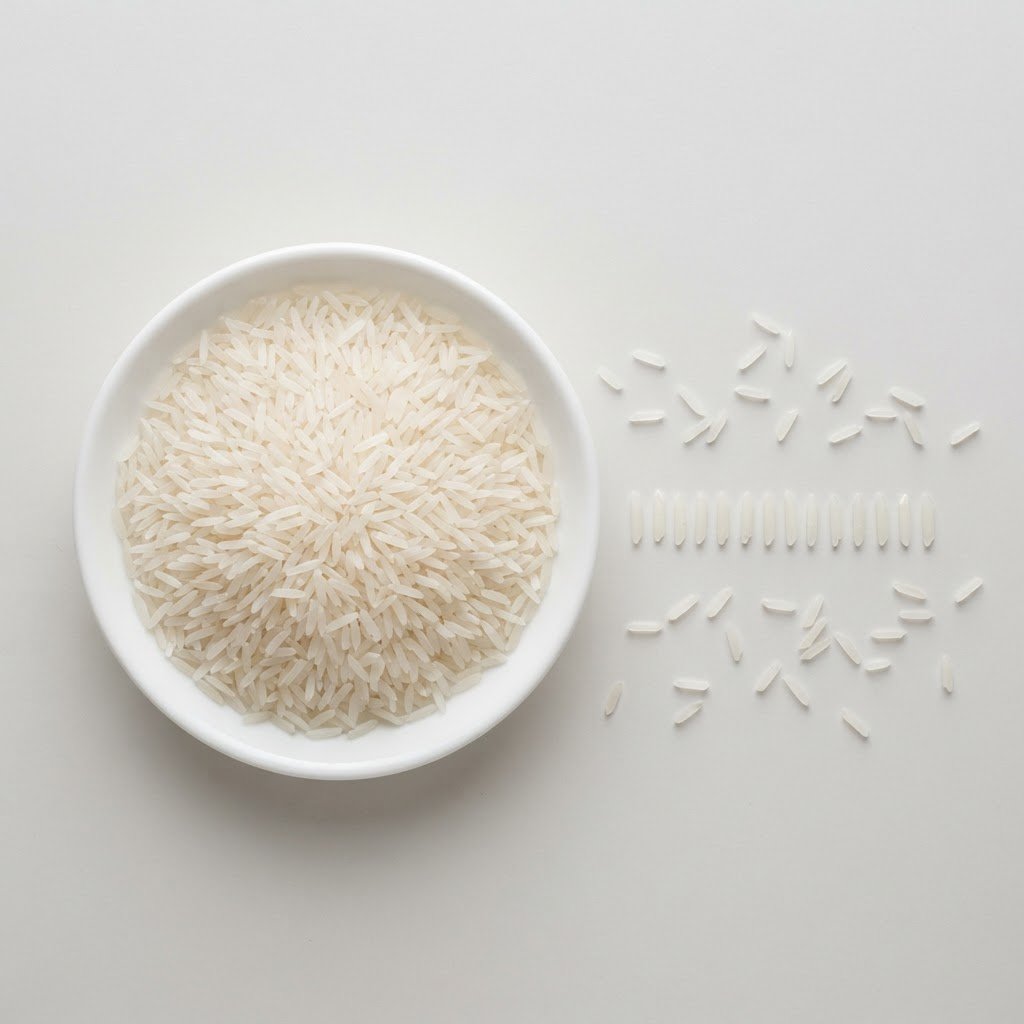
How We Know D-98 Basmati Rice Is Really Basmati
Four Tests, and the Standard Is Not Ours
A buyer packing D-98 Basmati Rice into a bag that says basmati on it is making a claim he has to be able to stand behind. The four tests below are not ours. They are the ones the United Kingdom and the European Union apply to that claim, and they are the same four whoever is selling the rice.

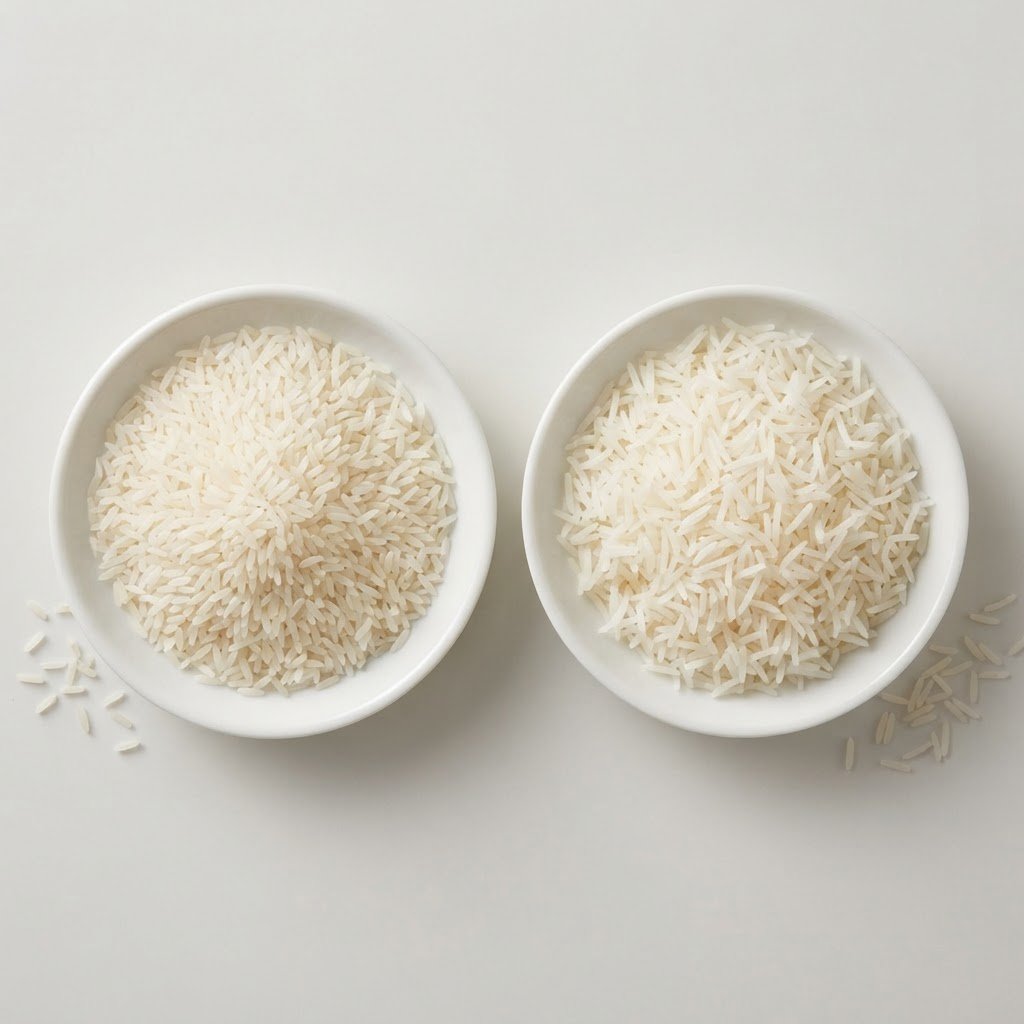
Long Enough to Qualify As Basmati
The floor for a basmati variety is 6.5mm on the raw milled grain. D-98 Basmati Rice runs 6.80mm to 7.00mm, so it clears the bar rather than sitting on it. Shorter than Super Kernel, and that is where the price difference comes from. More on judging basmati.
It Stretches When It Cooks
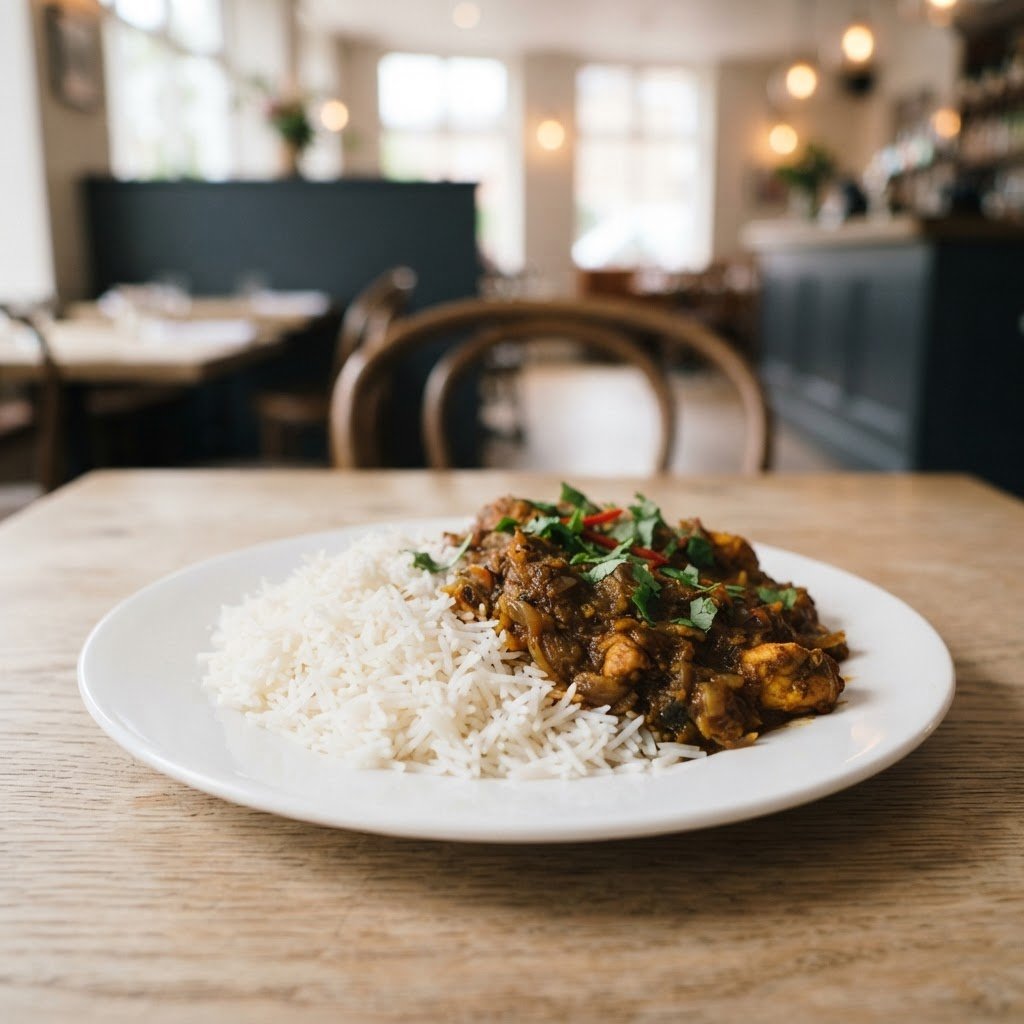
A basmati grain has to lengthen by at least seven parts in ten when it cooks, without swelling fat across the middle. D-98 Basmati Rice goes past 7.40mm from a 6.80mm start and stays slender, which is what keeps a plate of it looking like basmati.
The Aroma Is There, and It Is Quiet
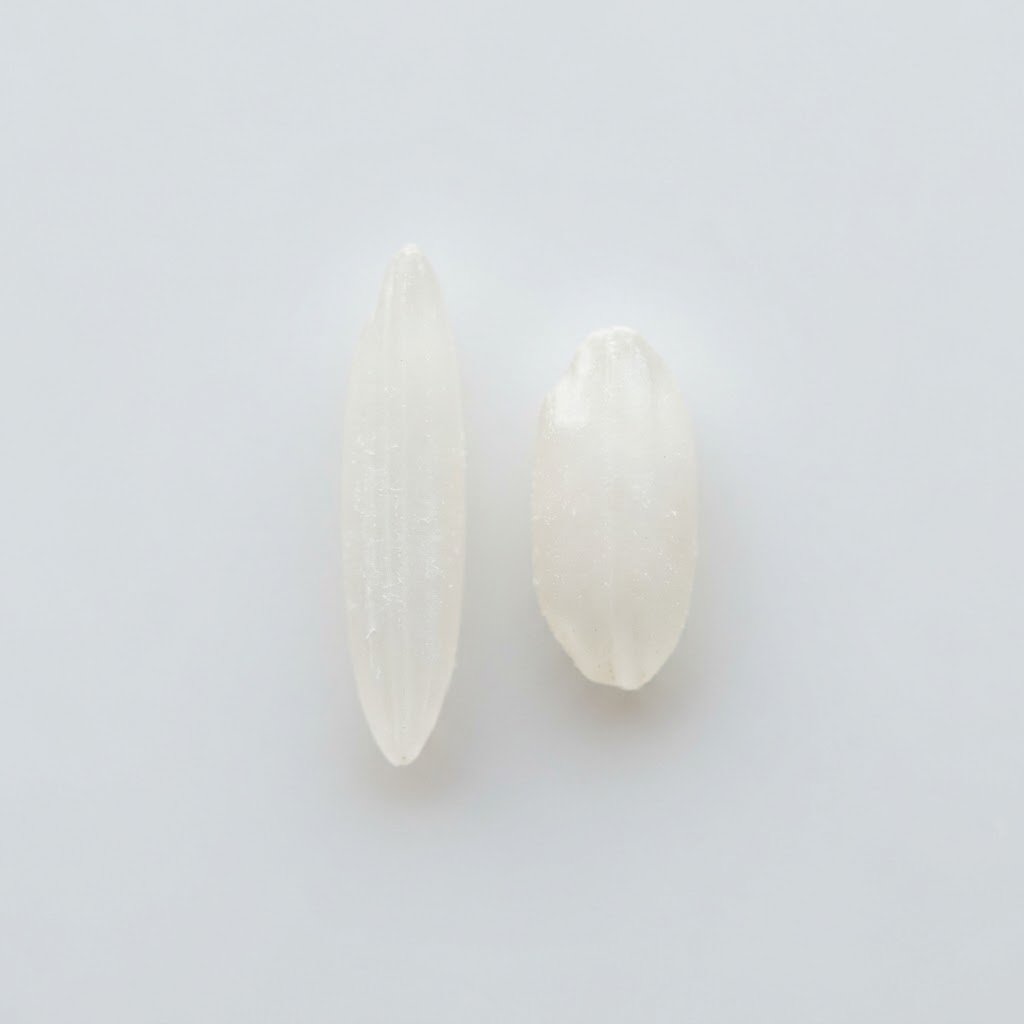
D-98 Basmati Rice carries the basmati aroma, and it carries less of it than Super Kernel does. A kitchen serving it under a heavily spiced dish usually counts that as a benefit, because the rice smells of basmati without arguing with what is going on top of it.
D-98 Is Slender, Not Just Long
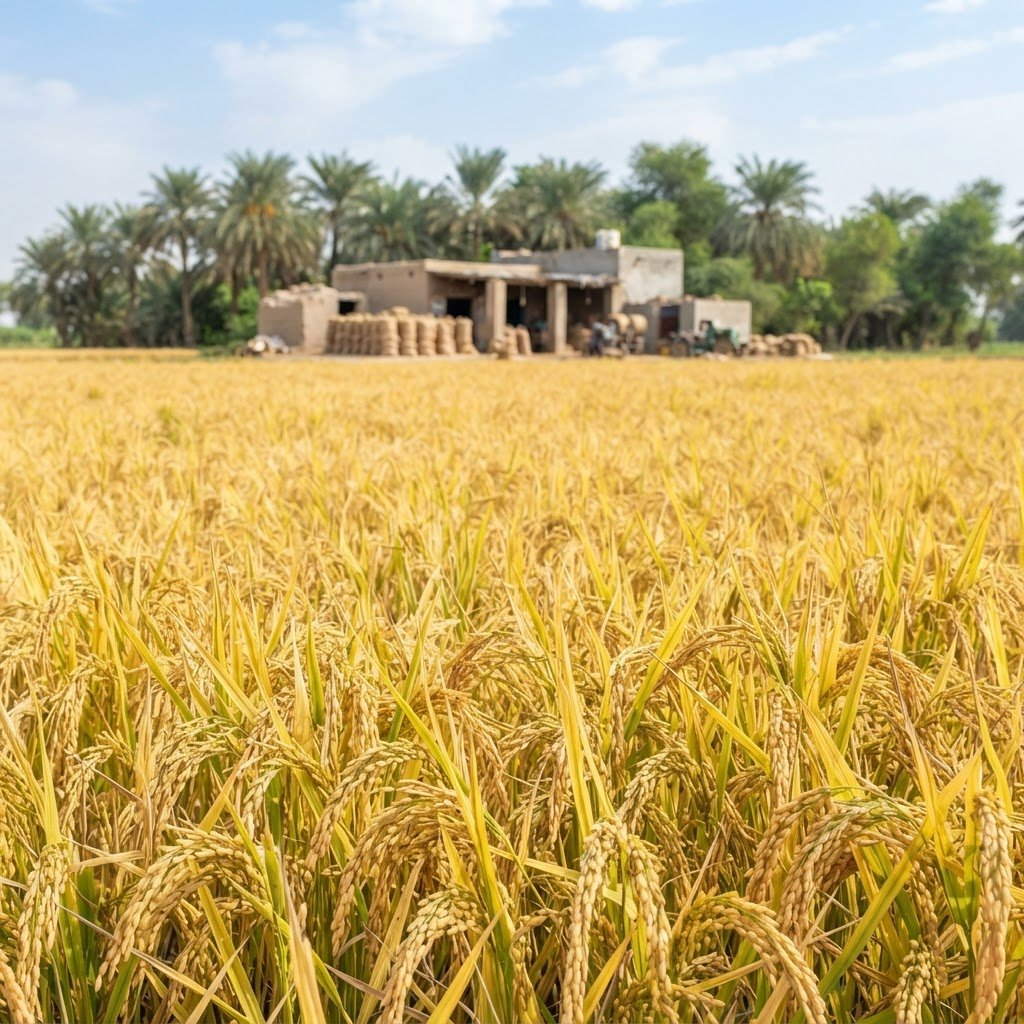
Length alone is not the test. A basmati grain has to be more than three and a half times longer than it is wide, so a fat 7mm grain fails where a slender one passes. D-98 runs comfortably over four to one, which is what keeps it looking like basmati on the plate.
So the discount is not a discount on the paperwork. D-98 Basmati Rice gives up grain length against Super Kernel Basmati Rice and it gives up some of the aroma, and it keeps everything a buyer needs to sell it, ship it and label it as basmati.
D-98 Basmati Rice — Product Specification
Twenty-Five Measures, Checked at Intake and Again at Loading
Every consignment of D-98 Basmati Rice ships with a certificate of analysis against the figures below. Where a figure is a maximum we hold the mills to it; where it is a range we state the range rather than the flattering end of it.
- Variety: D-98 (PK-385) Basmati
- Origin: Pakistan, Grown in Sindh
- Grain Type: Long Grain White Basmati
- Average Grain Length: 6.80mm, Typically 6.80mm to 7.00mm
- Cooked Grain Length: 7.40mm Minimum
- Length to Breadth Ratio: Over 3.5 to 1
- Aroma: Natural Basmati Aroma, Mild
- Texture Cooked: Dry and Separate, Not Sticky
- Moisture Content: 13% Maximum
- Broken Grain: 2% Maximum, Higher Grades To Order
- Pure D-98 Grain: 97% Minimum
- Contrasting Varieties: 7% Maximum
- Chalky Grains: 3% Maximum
- Damaged or Discoloured Grain: 1.5% Maximum
- Under-Milled and Red-Striped: 2% Maximum
- Foreign Grains: 0.2% Maximum
- Foreign Matter: 0.2% Maximum
- Paddy Grain: 0.2% Maximum
- Polishing: Double Silky Polished
- Sortex: Colour Sortexed
- Forms Available: White, Sella Parboiled, Brown
- Shelf Life: 18 to 24 Months, Stored Cool, Dry and Sealed
- Crop: Current Crop or Carryover, Stated on Every Batch
- Packaging: 5kg, 10kg, 20kg, 25kg, 40kg, 50kg PP or Jute, 1000kg Jumbo — Or Your Specification
- Private Label: Available
The two figures a buyer should look at first are the length and the purity. 6.80mm is the working average across the crop and it is the figure that puts D-98 Basmati Rice inside the basmati definition rather than beside it; 97% is what stops a bag of it being a blend of whatever milled white at the same time.
Broken grain is quoted at 2% maximum because that is what a basmati buyer expects and it is what the mills load as standard. Higher broken percentages are available where the price matters more than the plate, and they are quoted separately rather than slipped into the same specification. See basmati grades.
Why Buyers Stay With D-98 Basmati Rice
Four Things That Do Not Change Between Containers
A packer who has set his artwork and his weights around D-98 Basmati Rice is not looking for a better grain in March. He is looking for the same grain, the same purity and the same bag, from a supplier who answers the phone.

Basmati on the Label, Not Only on the Invoice
PK-385 is a listed basmati variety in the United Kingdom and the European Union, and D-98 is that variety under its trade name. A packer selling it as basmati there is making a claim the variety itself supports, and one a DNA test will back. See what else travels with it.
Sindh Paddy, Sortexed to One Variety
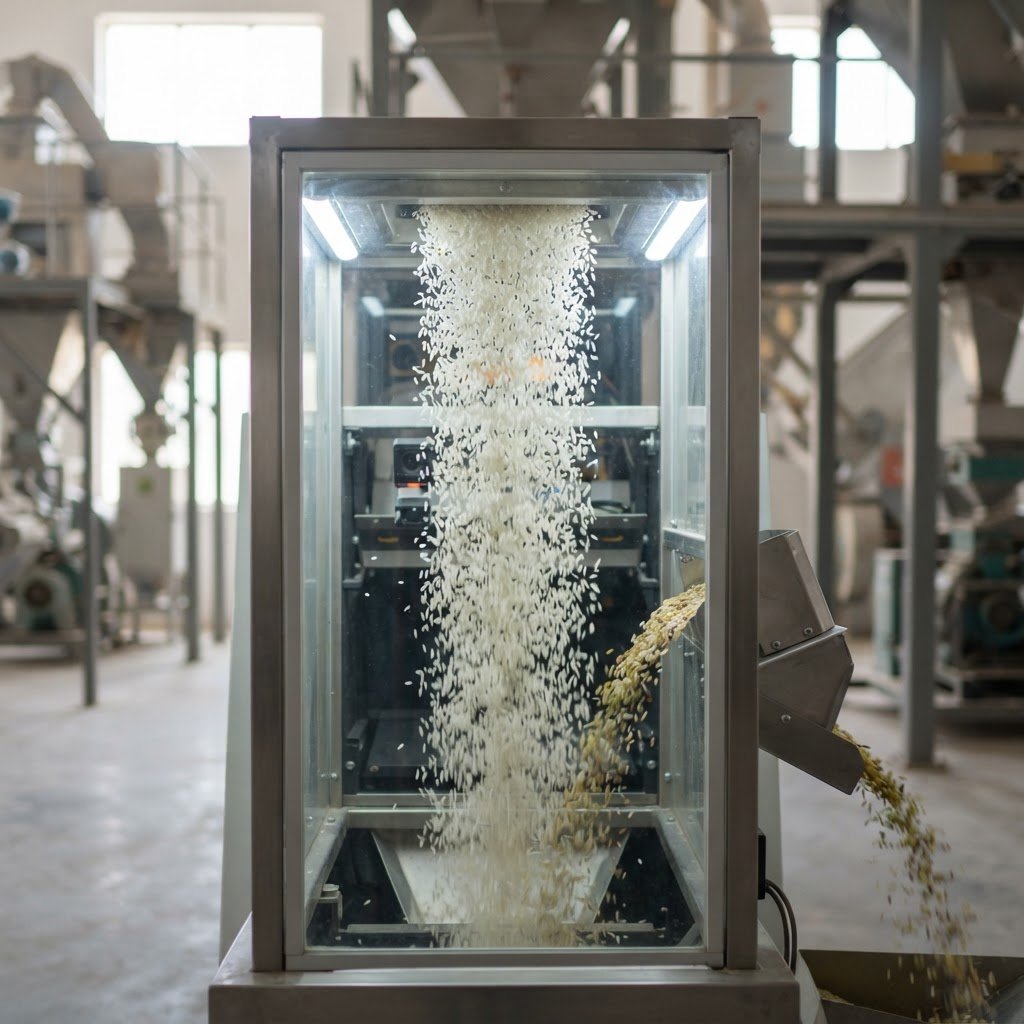
The paddy is bought as D-98 in the Sindh rice belt rather than assembled from whatever is milling that week, then colour sortexed and held to 97% pure variety. That is what keeps the cooked plate consistent from one container to the next instead of drifting with the crop.
Already Landed and Cleared in Qatar
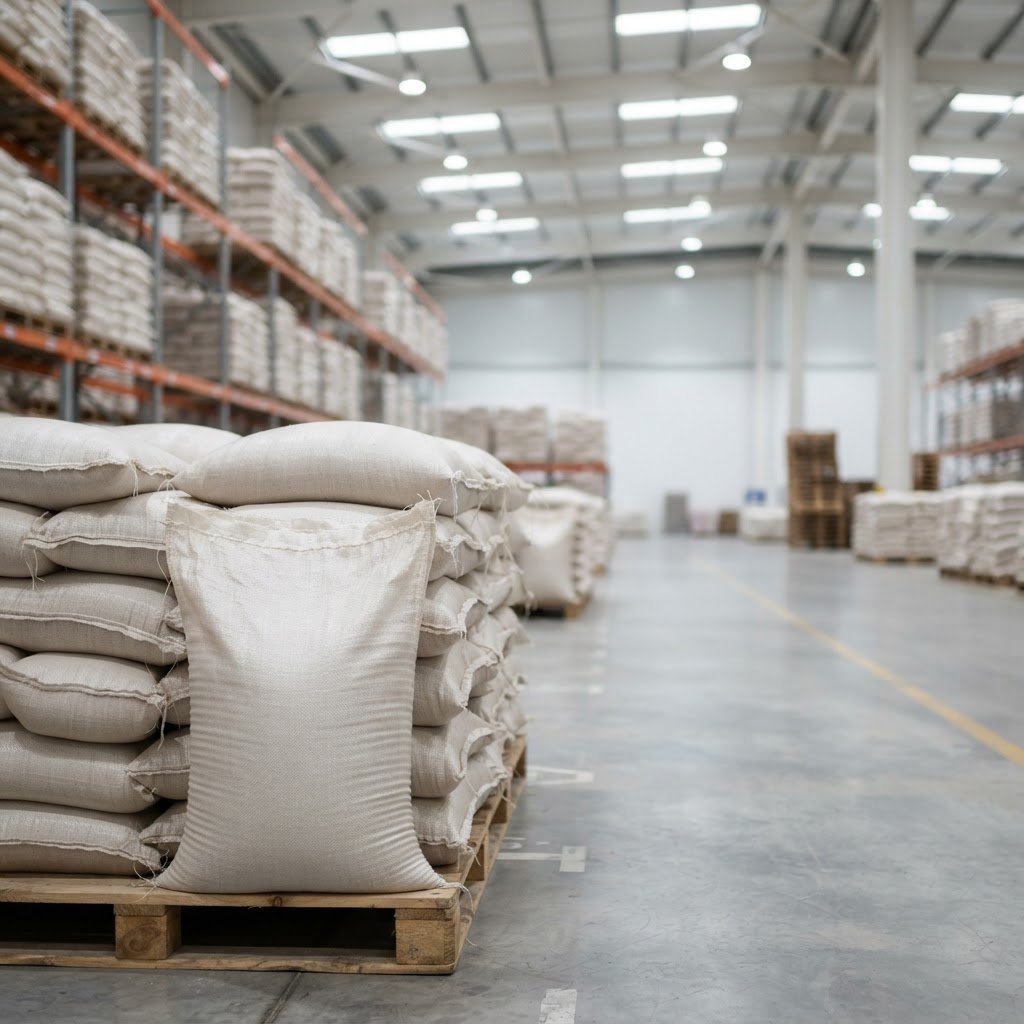
D-98 is landed, cleared and sitting at Al Wakra before you ask for it. In Qatar that means no import, no minimum container and no waiting on a mill — you order what the month needs and it arrives. Nobody outside Qatar can offer that on this grade.
1 Named Contact From Quote to Container
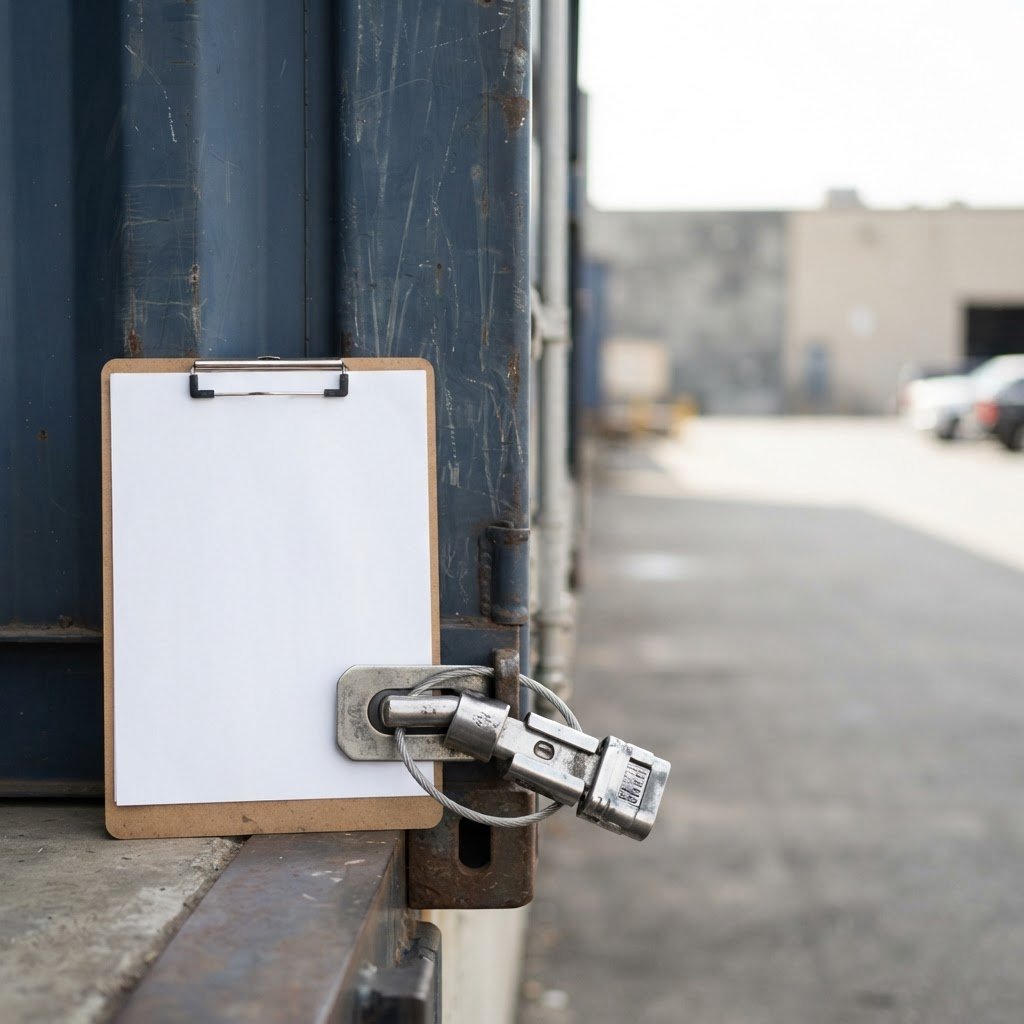
The person who quotes your D-98 is the person who confirms the crop year, sends the certificate of analysis and tells you the vessel has sailed. Nothing is handed to a desk that has never seen your order, and nothing goes quiet between deposit and documents.
Who Buys D-98 Basmati Rice From Us
Same Rice, Six Different Bags and Six Different Terms
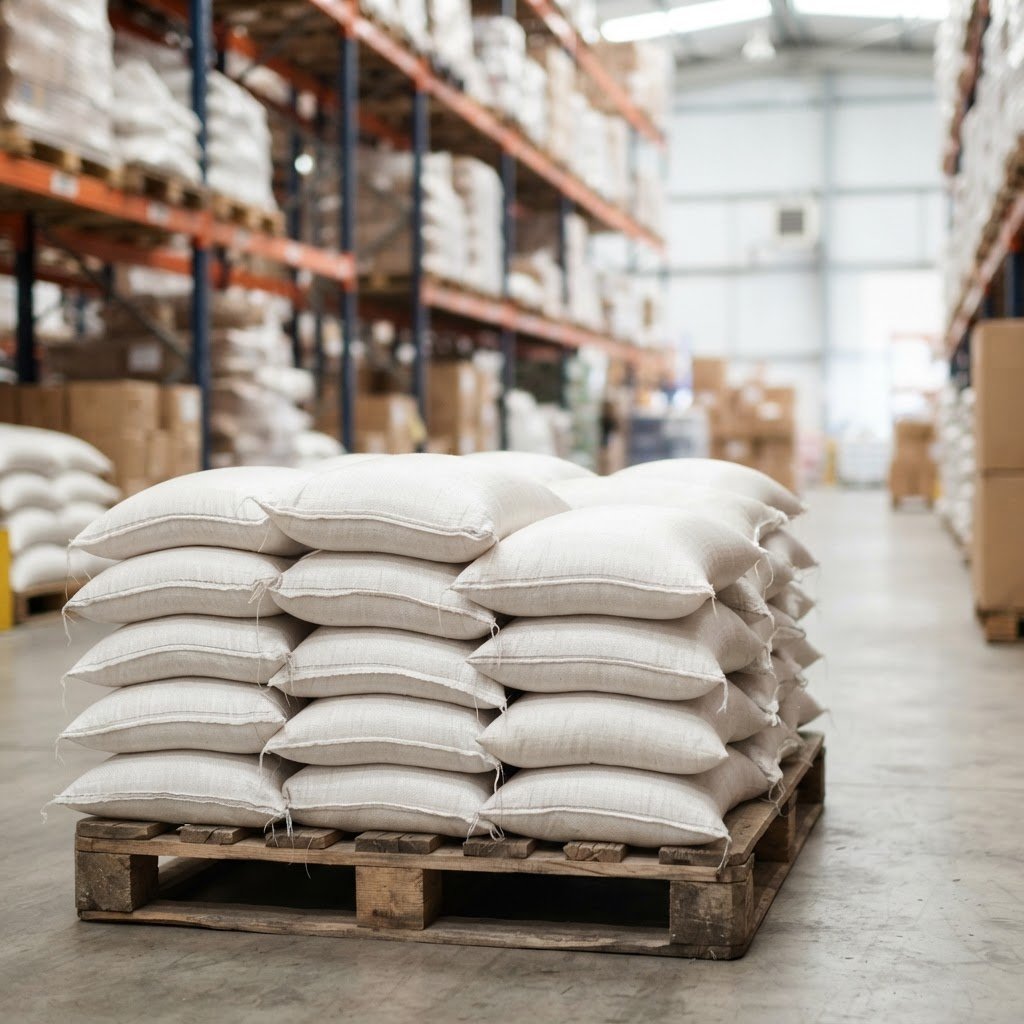
A retail packer taking printed 5kg bags and a caterer taking 50kg sacks off a standing monthly call are running two different orders on the same rice. The D-98 Basmati Rice specification does not move between them. The bag, the volume and the terms all do.

Importers and Distributors
Full containers of D-98 to your port with the freight paid, or to your door where we hold clearance. Terms are set before the vessel books and the documents follow the pattern your bank approved. See wholesale supply.
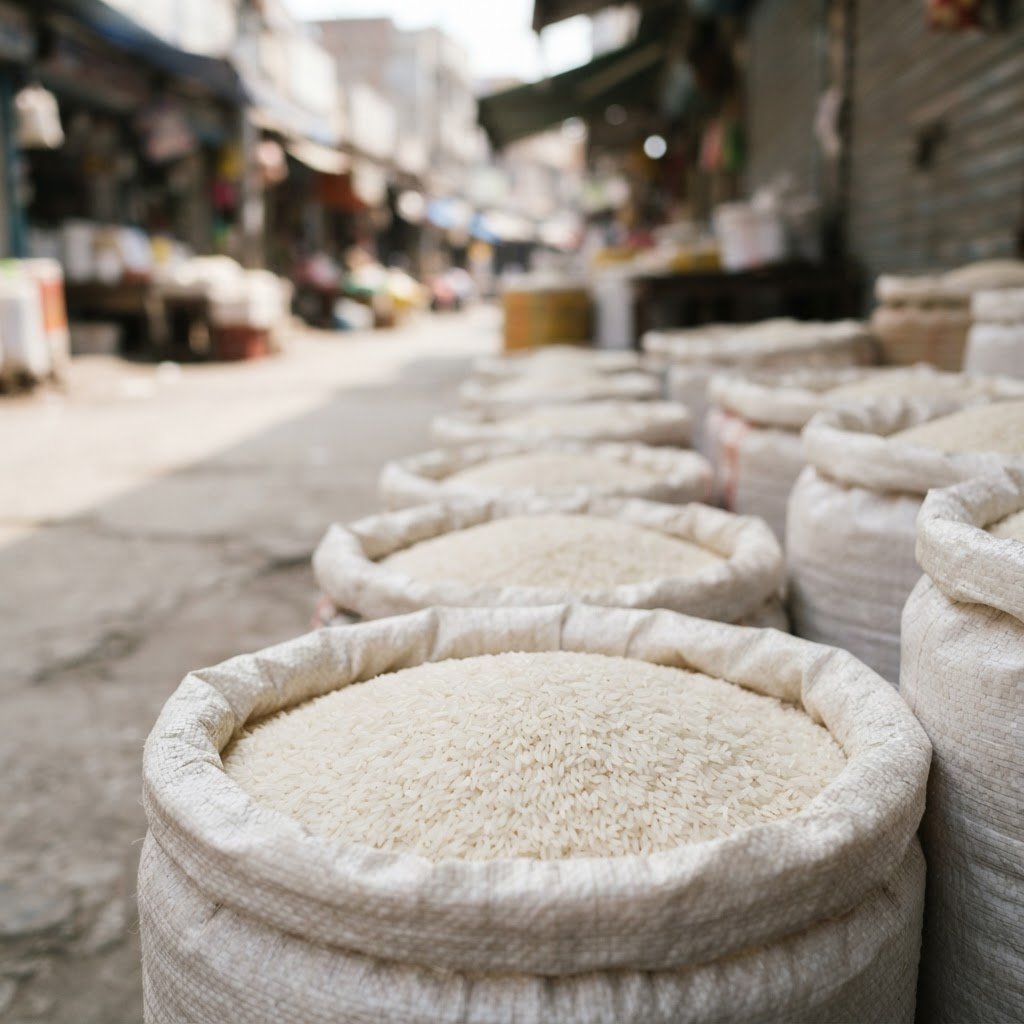
Wholesalers and Cash and Carry
Mixed pallets of D-98 in 20kg and 25kg sacks against a standing monthly call-off, drawn from Qatar stock where you are in Qatar. Repeat volumes are priced on the year rather than re-quoted every time the crop moves.
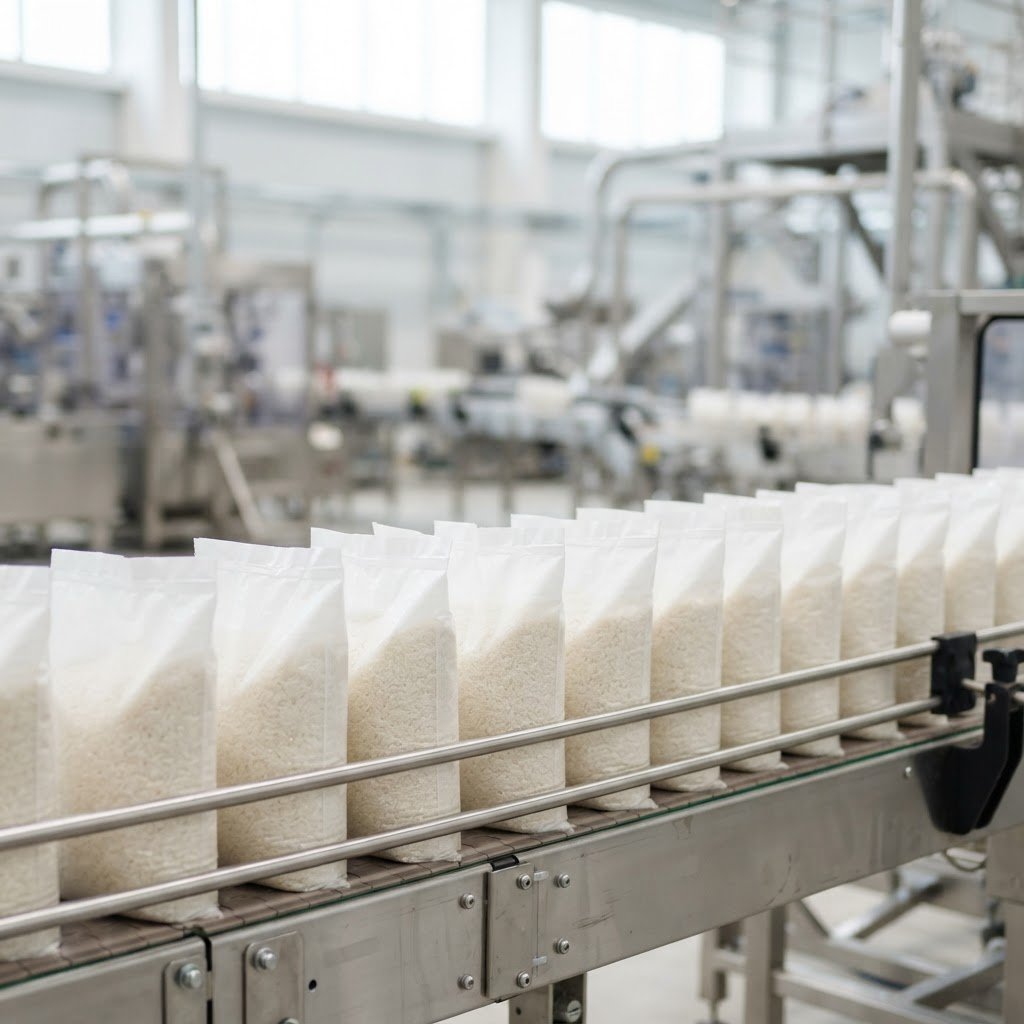
Own-Brand Packers and Retail Brands
D-98 in printed 5kg and 10kg bags in your own artwork, filled at the mill before the container loads. Artwork is approved first, so the print run sits at the front of the lead time. See private label supply.
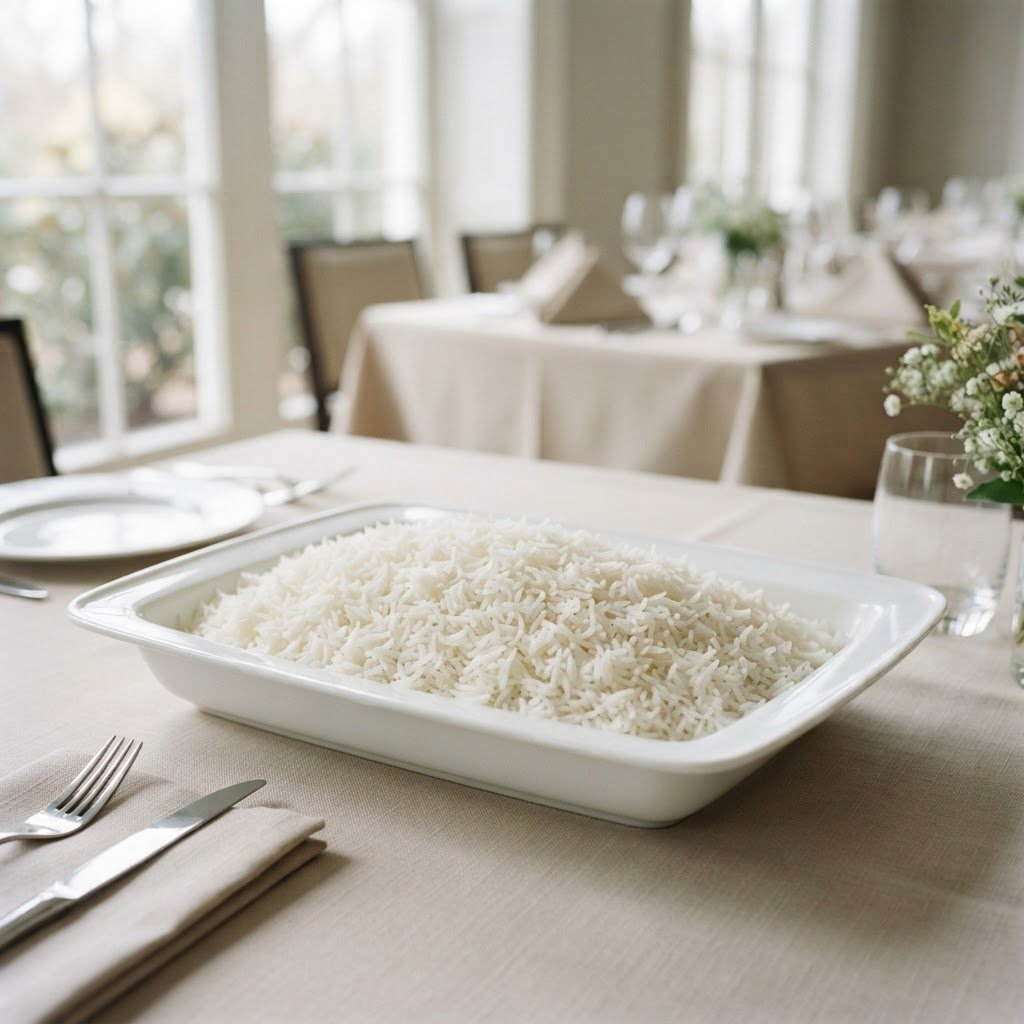
Hotels and Restaurant Groups
D-98 in 20kg and 25kg sacks against a schedule the kitchen sets rather than one we set, with the crop year stated on every batch so a chef is not re-learning his water ratio in March. See hospitality supply.
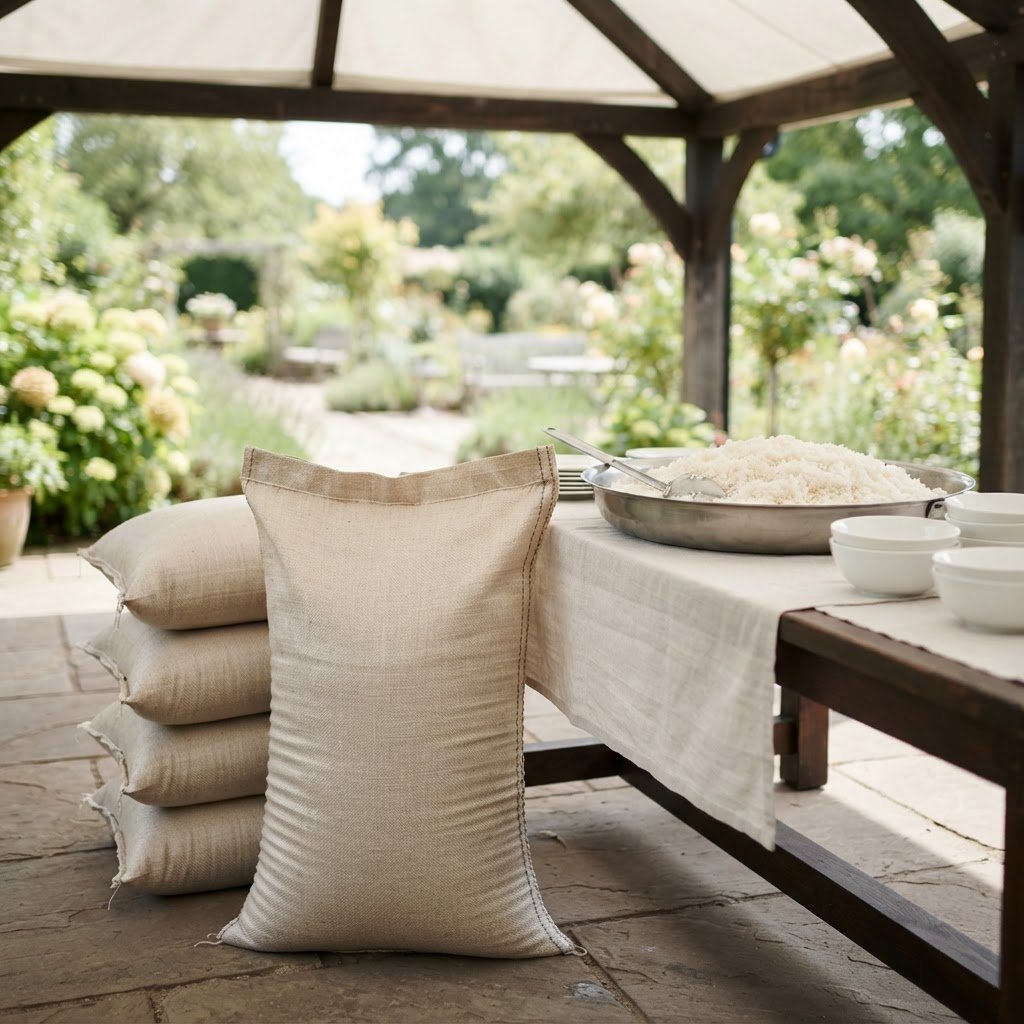
Contract and Institutional Catering
D-98 in 40kg and 50kg sacks by the pallet or the container, priced for a contract already won on a fixed rate. Sella is the usual form here because it holds through a long service. See food service supply.
Food Manufacturers
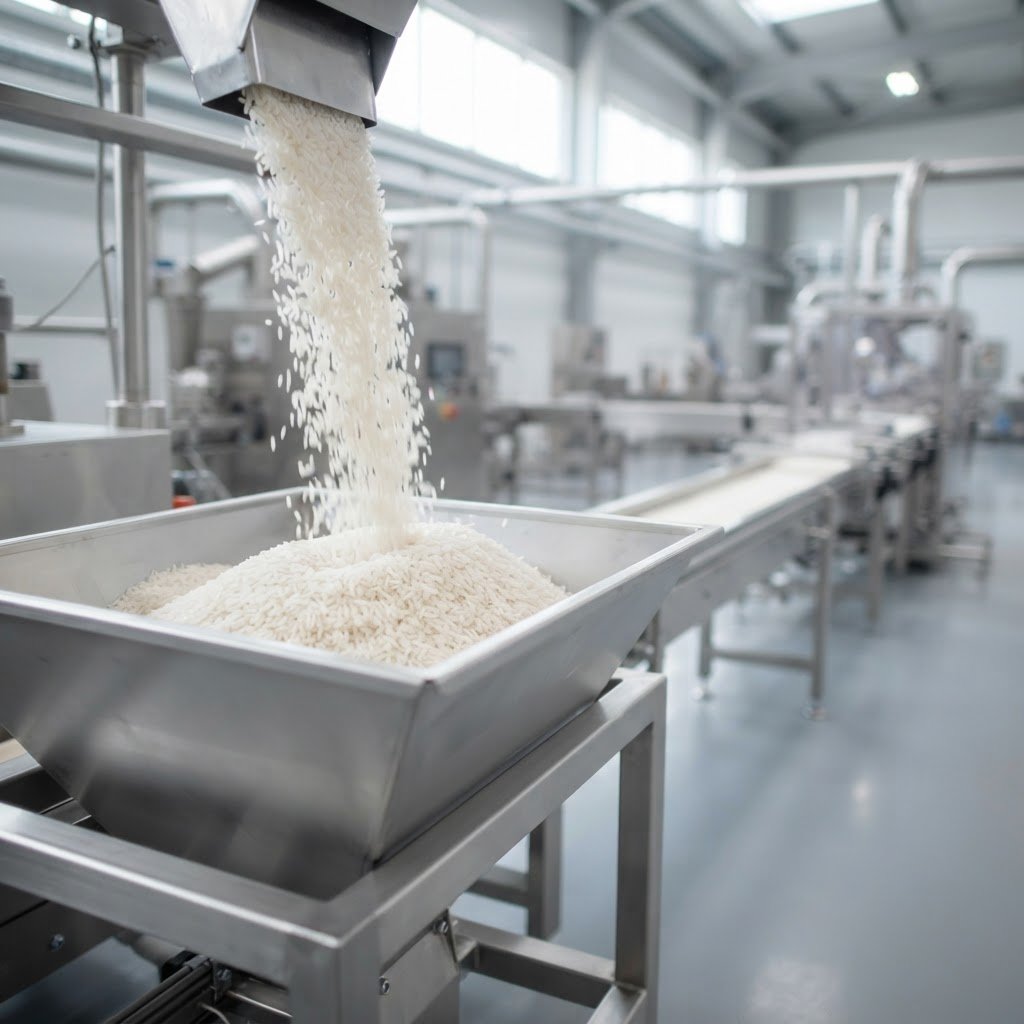
Consistent D-98 by the container for ready meals, chilled and frozen rice lines and retail meal kits, with a reference sample retained from every batch we ship so a later query has something to test against.

Where We Already Ship D-98 Basmati Rice
Twenty-Three Countries on Four Continents
Every one of these markets has its own paperwork, and in Saudi Arabia, Kenya and Tanzania the certificate has to be issued in Pakistan before the vessel sails. We arrange it, and it is already inside the price we quote you.

Qatar and the Gulf (GCC)
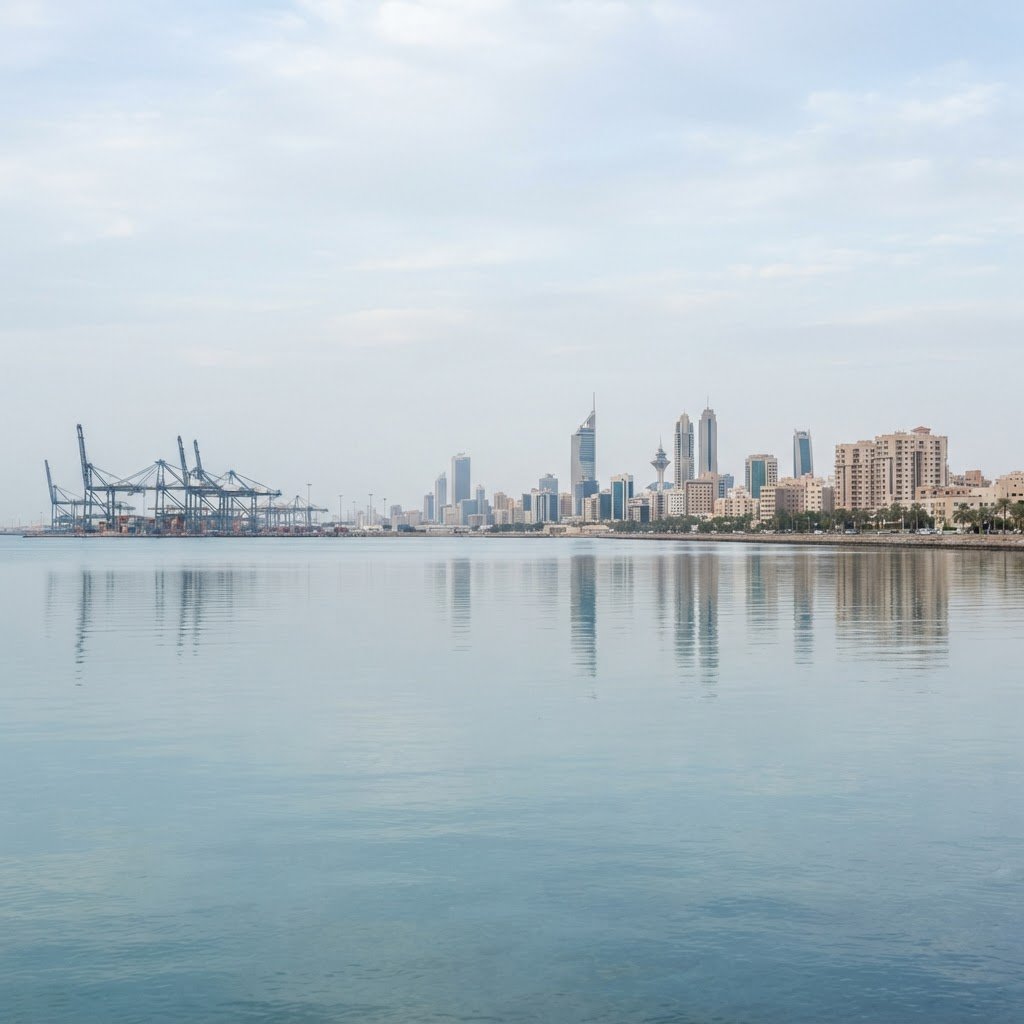
Qatar, Bahrain, Kuwait and Oman. D-98 is already landed and cleared at Al Wakra, so a Qatar buyer orders a delivery date and we bring it. The other three take 20kg and 25kg sacks and printed retail bags, to your port or your door. See the Qatar market.
Saudi Arabia
The largest basmati market in the world, and D-98 Basmati Rice sells into the tier underneath the premium grades: own-brand retail bags and catering sacks rather than banqueting. Through Dammam or Jeddah, to your port or your door. See the Saudi market.

The United Arab Emirates
Pakistan's largest single rice destination and a re-export hub for half the region. Jebel Ali takes D-98 in 20kg and 25kg sacks for repacking and re-shipping, plus printed retail bags for the grocery trade, to your port or your door. See the UAE market.

Kazakhstan and Central Asia
Kazakhstan, Uzbekistan, Kyrgyzstan and Tajikistan, where Pakistani basmati has arrived directly since the last harvest. The route runs overland, so D-98 has to survive road freight. 25kg and 50kg woven sacks, quoted to the border or to your door.

The United Kingdom and the EU
The United Kingdom, the Netherlands, Belgium, Germany, Italy and Spain. This is where the PK-385 listing earns its place: D-98 may be described as basmati and the bag has to be at least 97% of it. Printed retail bags and 20kg sacks, to the port or the door.

Malaysia and Southeast Asia
Malaysia, Singapore and Indonesia, where the retail trade is strict on documentation and halal certification travels with every consignment. D-98 in printed 5kg and 10kg bags for grocery and 25kg sacks for food service, to your port or your door.

Kenya and Tanzania
D-98 moves into East Africa as a retail line rather than a staple, so it goes in printed bags on the shelf beside the long grain. Mombasa and Dar es Salaam both need a conformity certificate issued before sailing, which we arrange and quote inside the price.

The United States and Canada
Both buy basmati almost entirely for retail and ethnic grocery, and both have been re-sourcing since Indian rice became more expensive to land. D-98 in printed retail bags in your own brand, to your port with the freight paid or your door where we clear.
Your Bag or Ours, From 5kg to 50kg
The Print Run Happens Before the Rice Is Packed
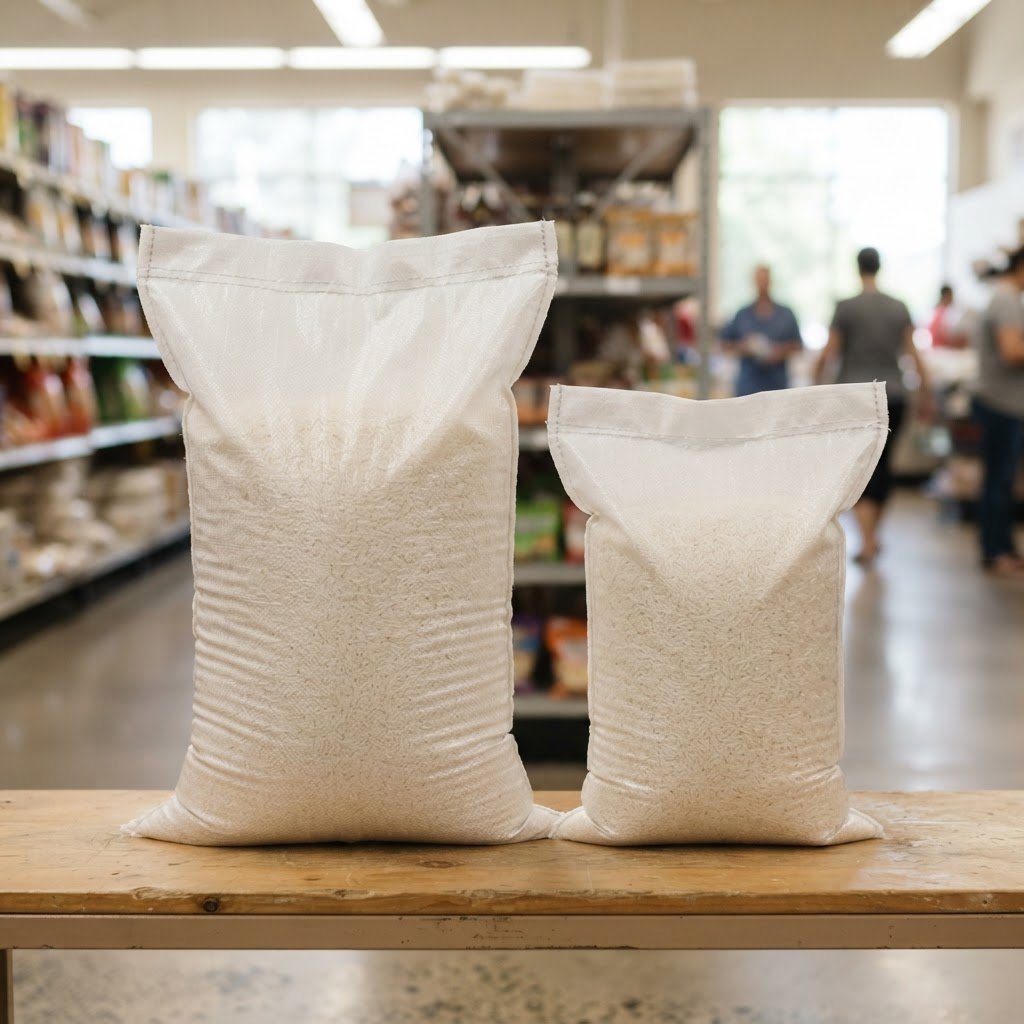
D-98 Basmati Rice is packed to the tier the buyer sells in, not to a house standard. The bag is priced into the quote, so a printed 5kg retail bag and a plain 50kg trade sack are two different numbers on the same rice.

5kg and 10kg Retail Bags
The grocery tier. Woven, non-woven or laminated, plain or printed in your own artwork, palletised and shrink-wrapped shelf-ready. This is the pack most of the European and North American D-98 volume moves in.
20kg and 25kg Catering Sacks
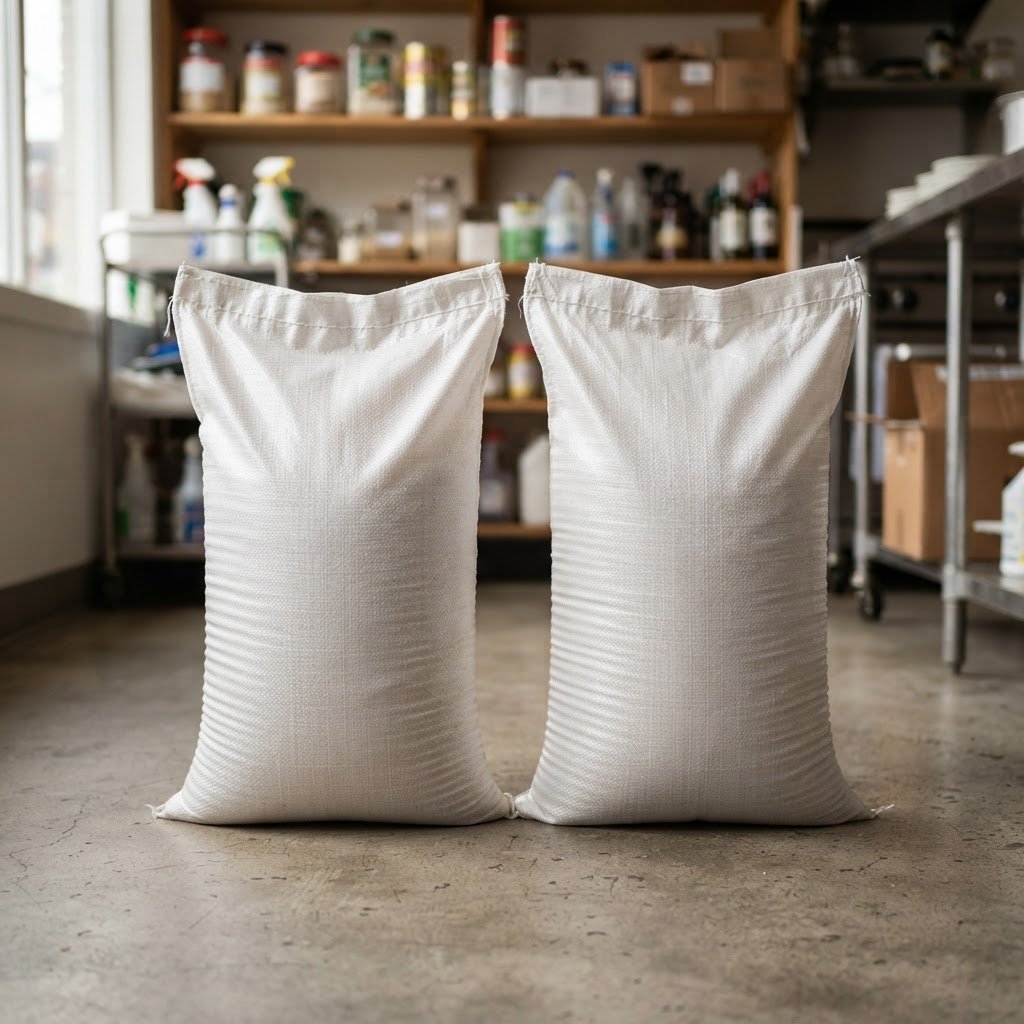
The kitchen tier, and the standard D-98 bag across the Gulf and East Africa. Woven PP or jute, stitched, sized so one person can move it without a trolley, and the size most hotel and restaurant orders are built from.
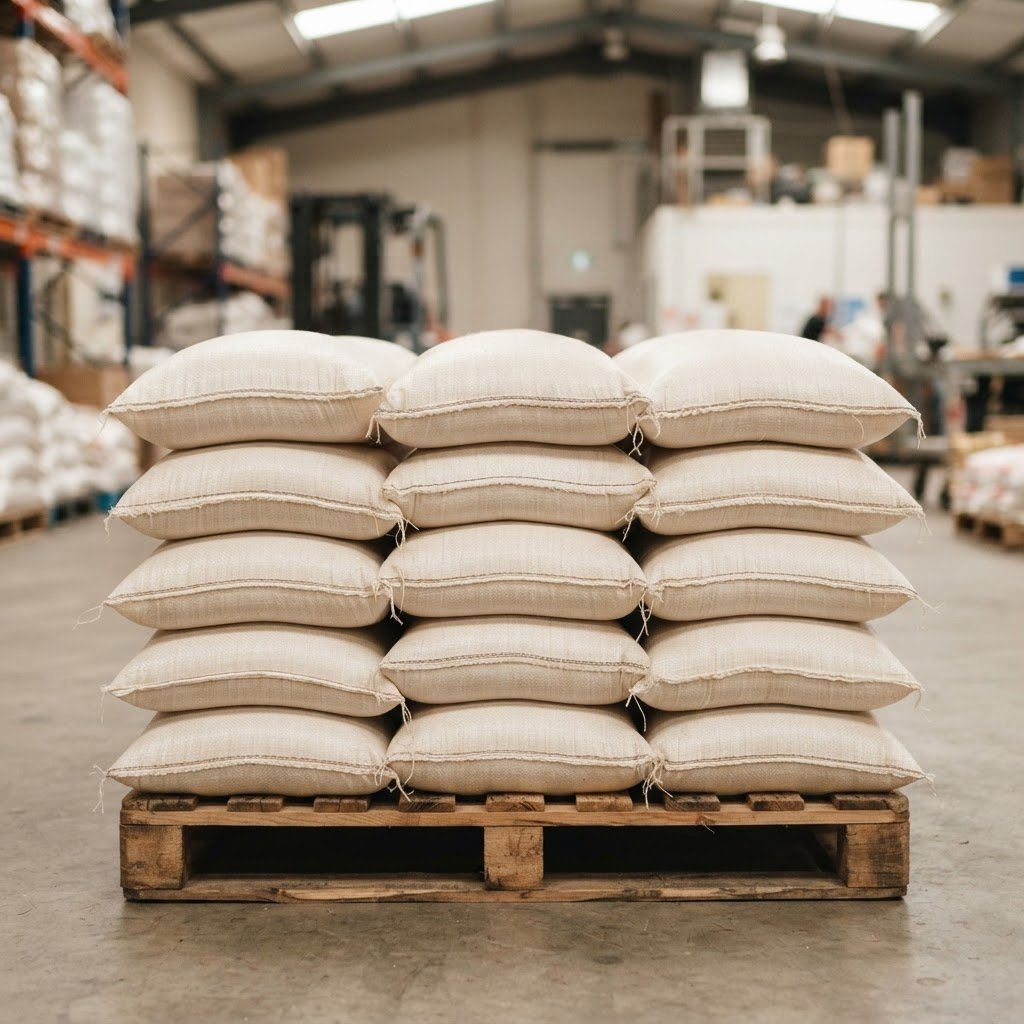
40kg and 50kg Trade Sacks
The volume tier for wholesalers, contract caterers and repackers. Woven PP or jute, stitched and stacked to fill a container properly, and the cheapest way to land a tonne of D-98 Basmati Rice anywhere we ship.
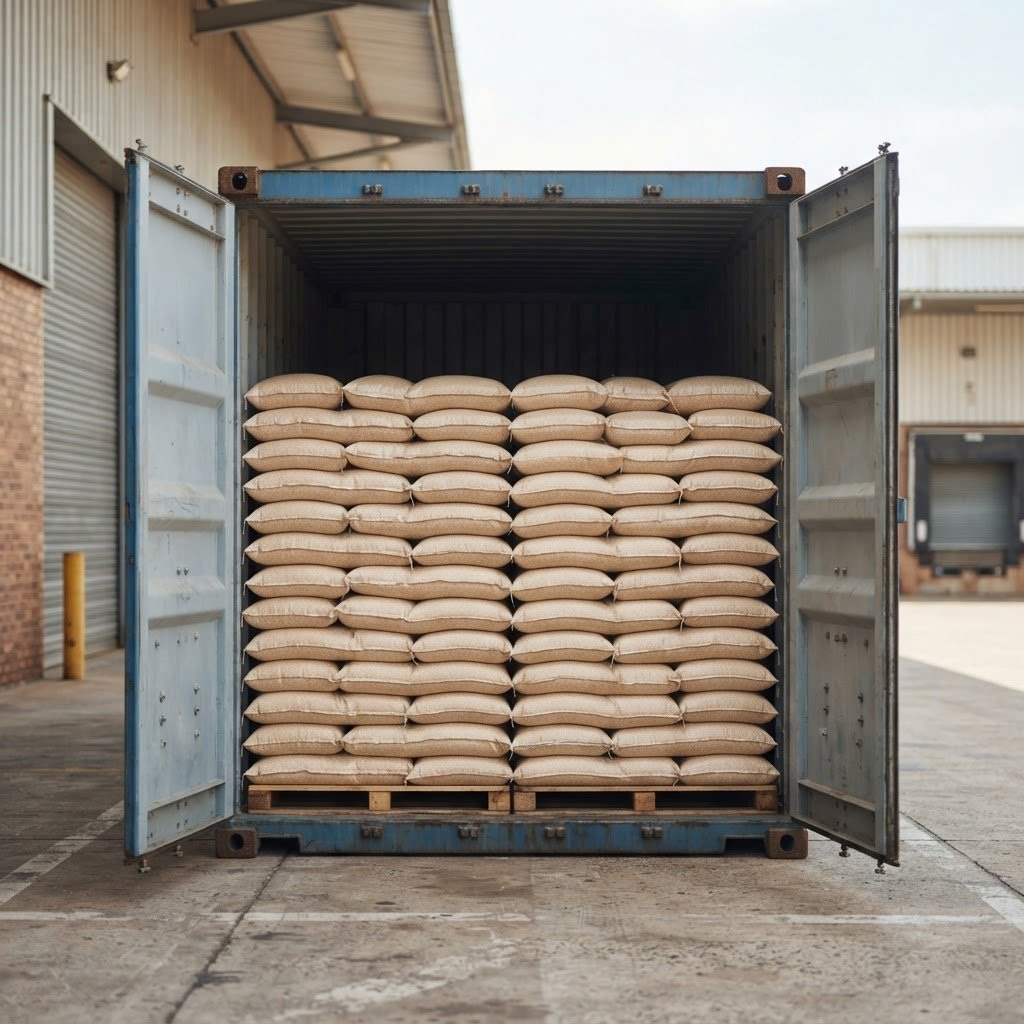
Full Container Loads
A 20ft container takes 25 to 27 tonnes of D-98 net in 50kg bags. Mixed pack sizes load in the same container where you need two tiers at once, and the loading plan goes to you before it is stuffed rather than after.
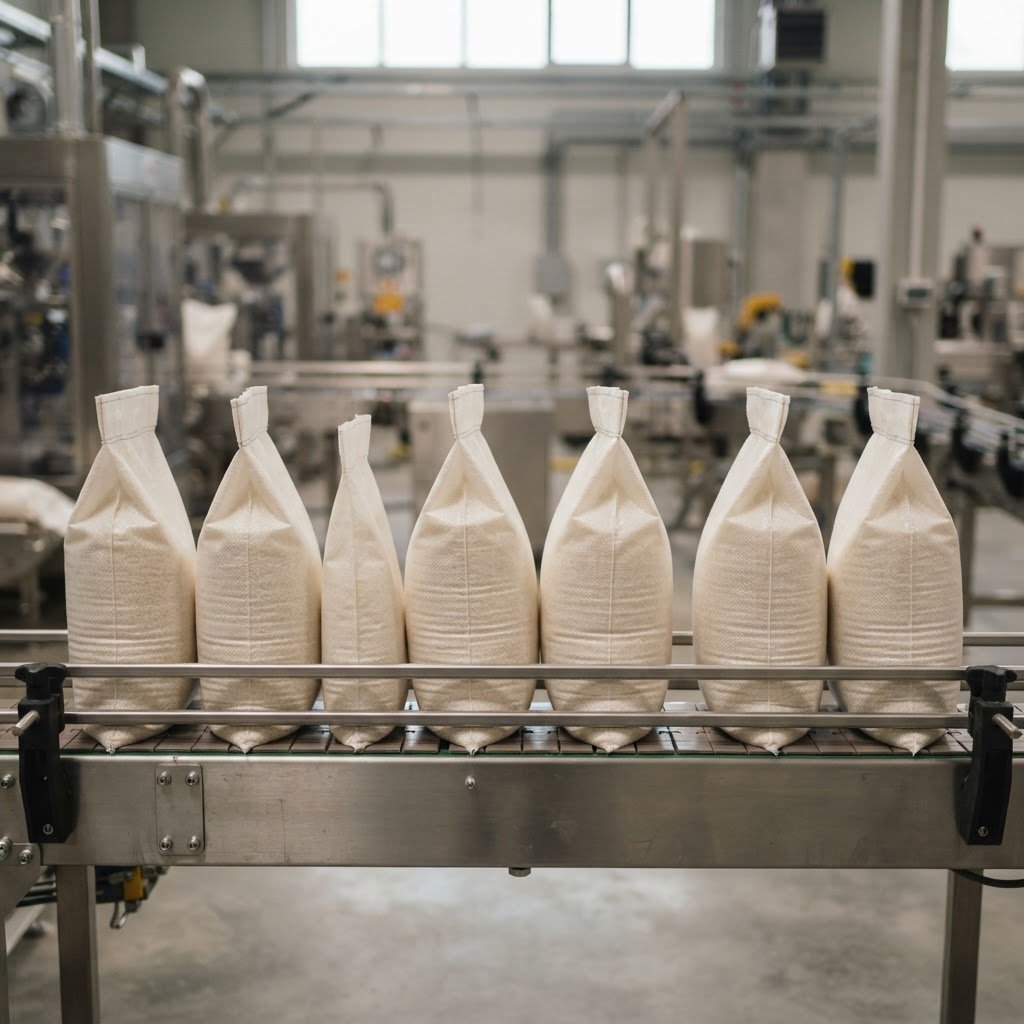
Your Own Brand on the Bag
Artwork is approved and the bags printed before the D-98 is packed, so the print run sits at the front of the lead time rather than the end of it. See private label supply and the GCC private label guide.
D-98 Quality, Inspection and Certificate of Conformity
Every Figure on the Certificate, Checked Twice
A basmati claim is worth what the paperwork behind it can stand. Every container of D-98 Basmati Rice leaves Pakistan with a certificate of analysis, and in most of these markets with a certificate of conformity issued before it sails.
Four figures matter most on D-98 Basmati Rice, and they are the four we hold the mills to:

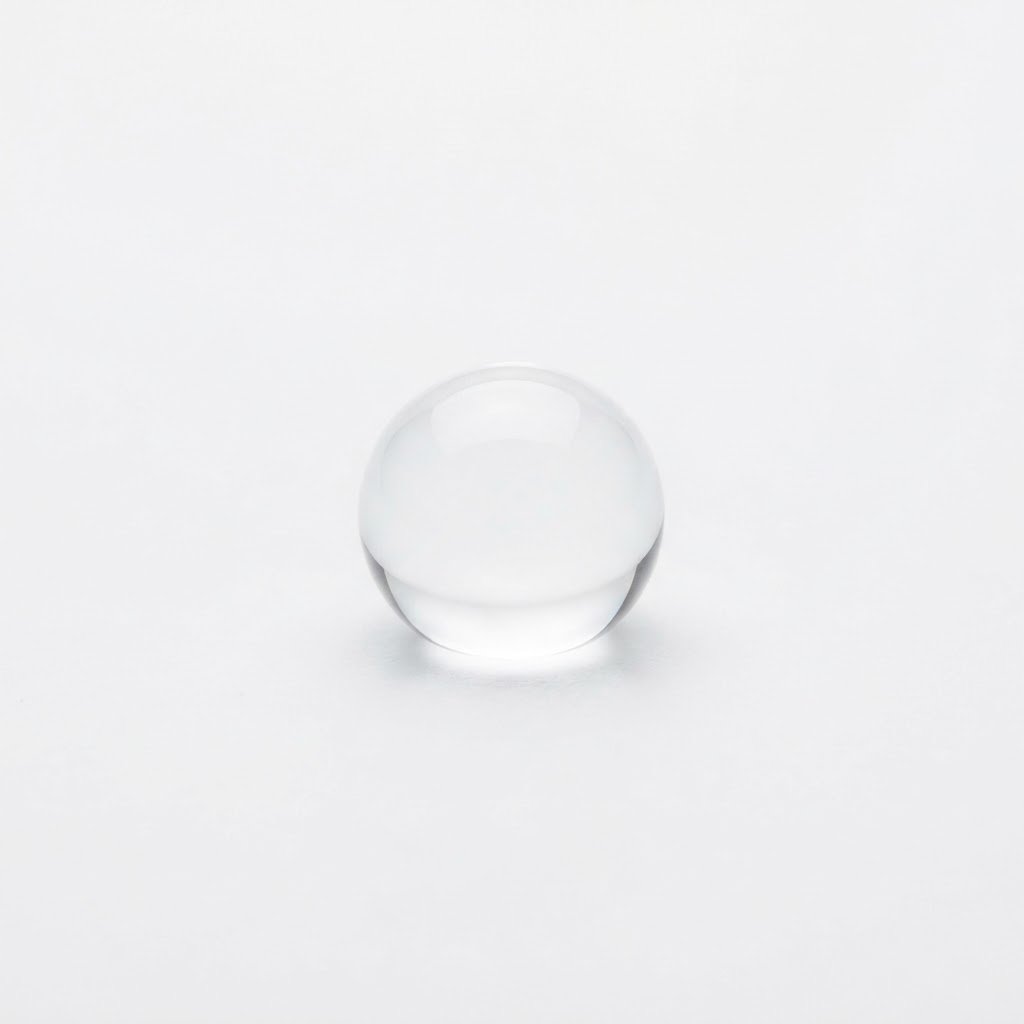
97% Pure D-98
The bag is at least 97% D-98 Basmati Rice by grain count. That is the figure a European packer's own basmati claim rests on, and it is checked before loading.
13% Maximum Moisture
Above thirteen percent a sack of D-98 basmati sweats in a container and arrives smelling of the voyage. Moisture is read at intake in Sindh and read again on the day it loads.
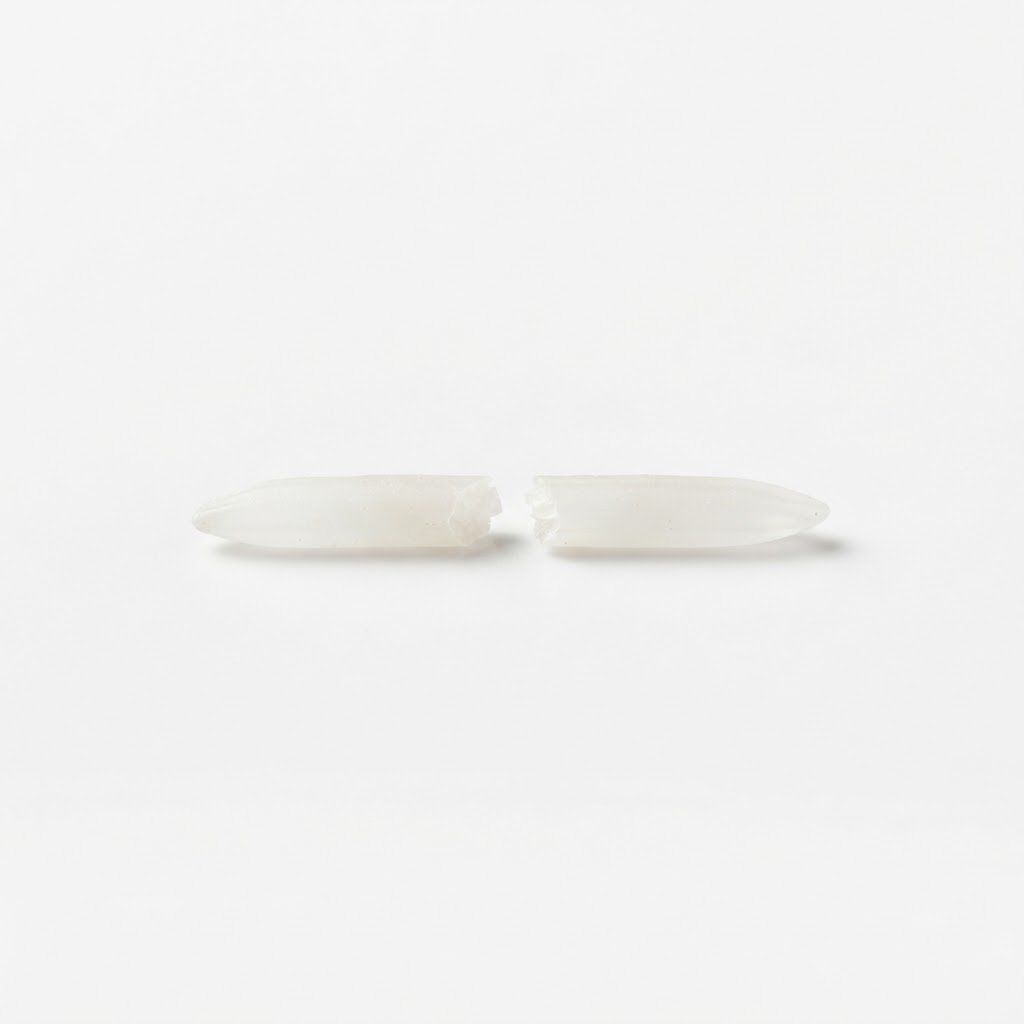
2% Maximum Broken
2% is what a D-98 basmati rice buyer expects to see in the bag, and broken grain is what a retail customer notices first. Higher grades exist are quoted upon request.
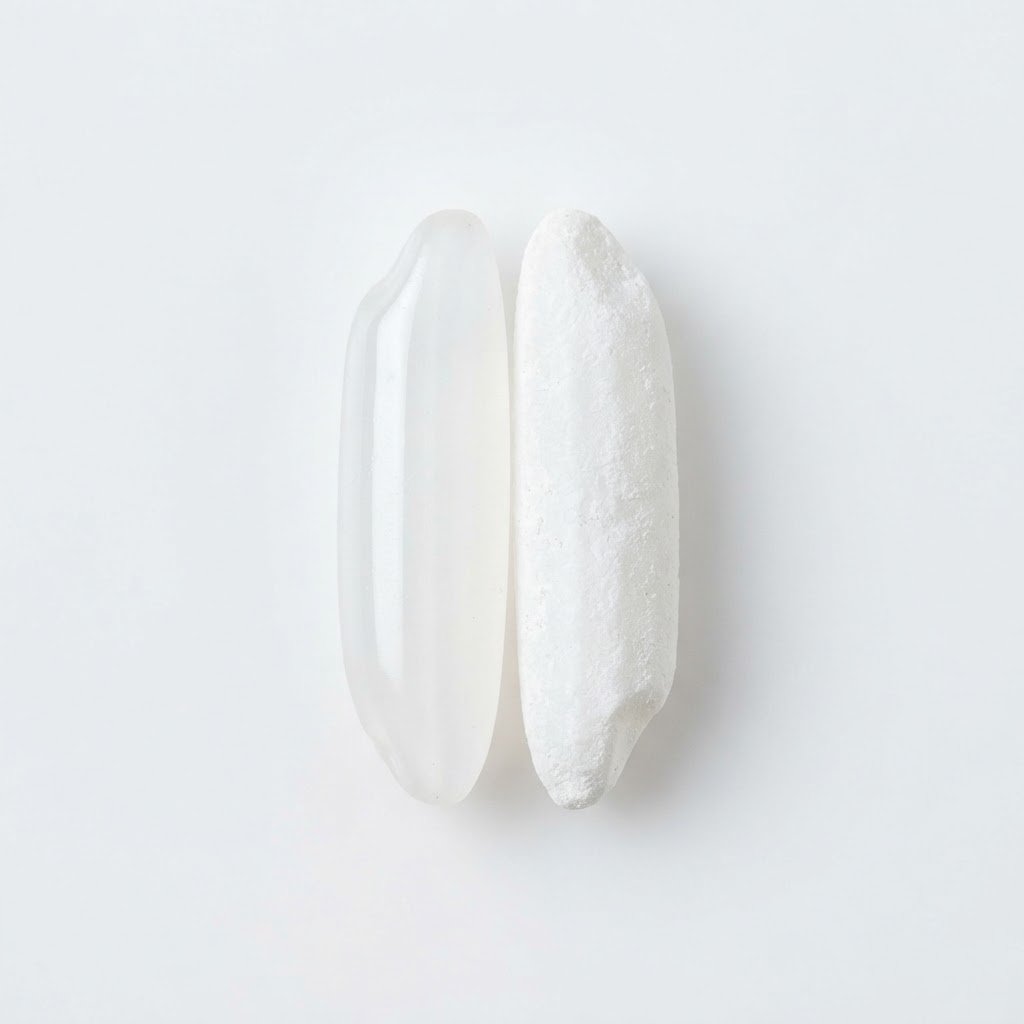
Double Silky Polished
Polished twice rather than once, so the grain leaves the mill bright and even instead of dull. It is the finish a shelf-facing bag of D-98 Basmati Rice is judged on before it is cooked.
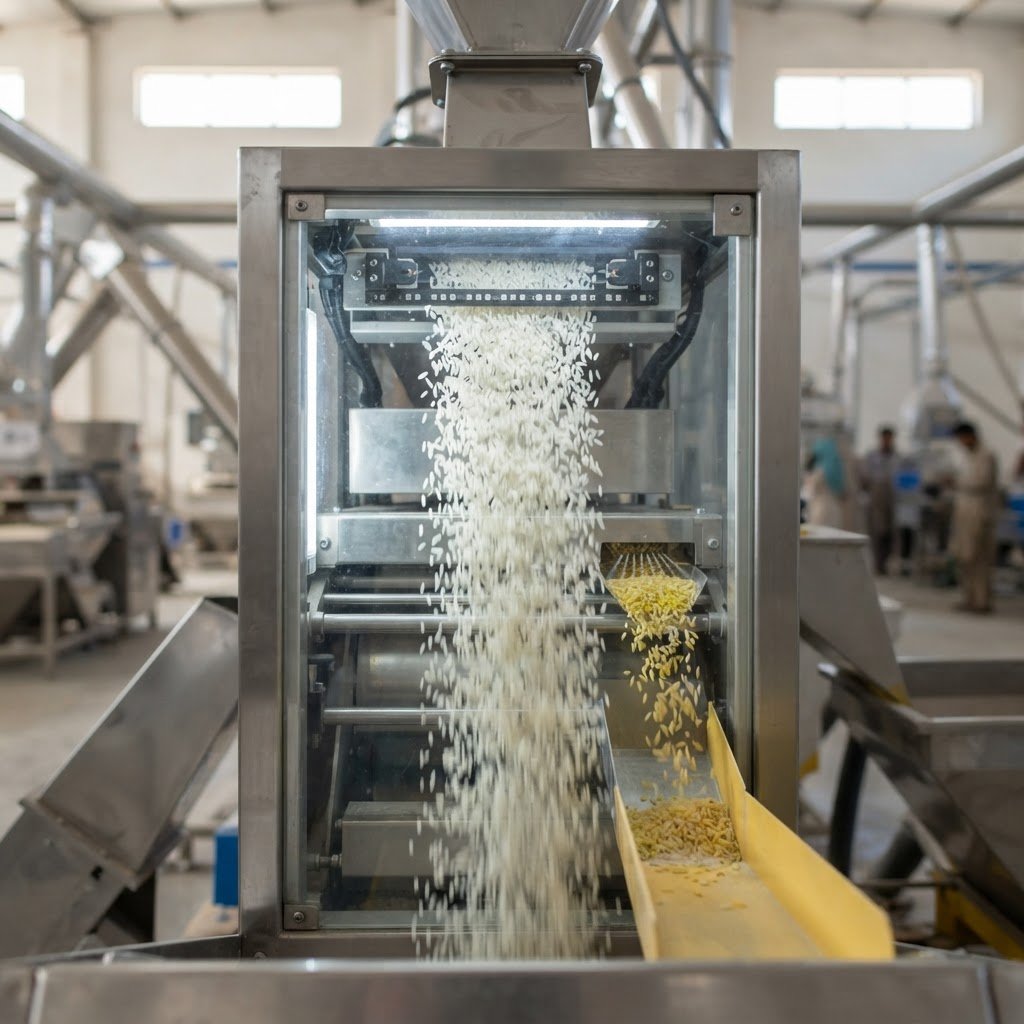
Sortex Is Where a Cheap Bag of Basmati Gives Itself Away
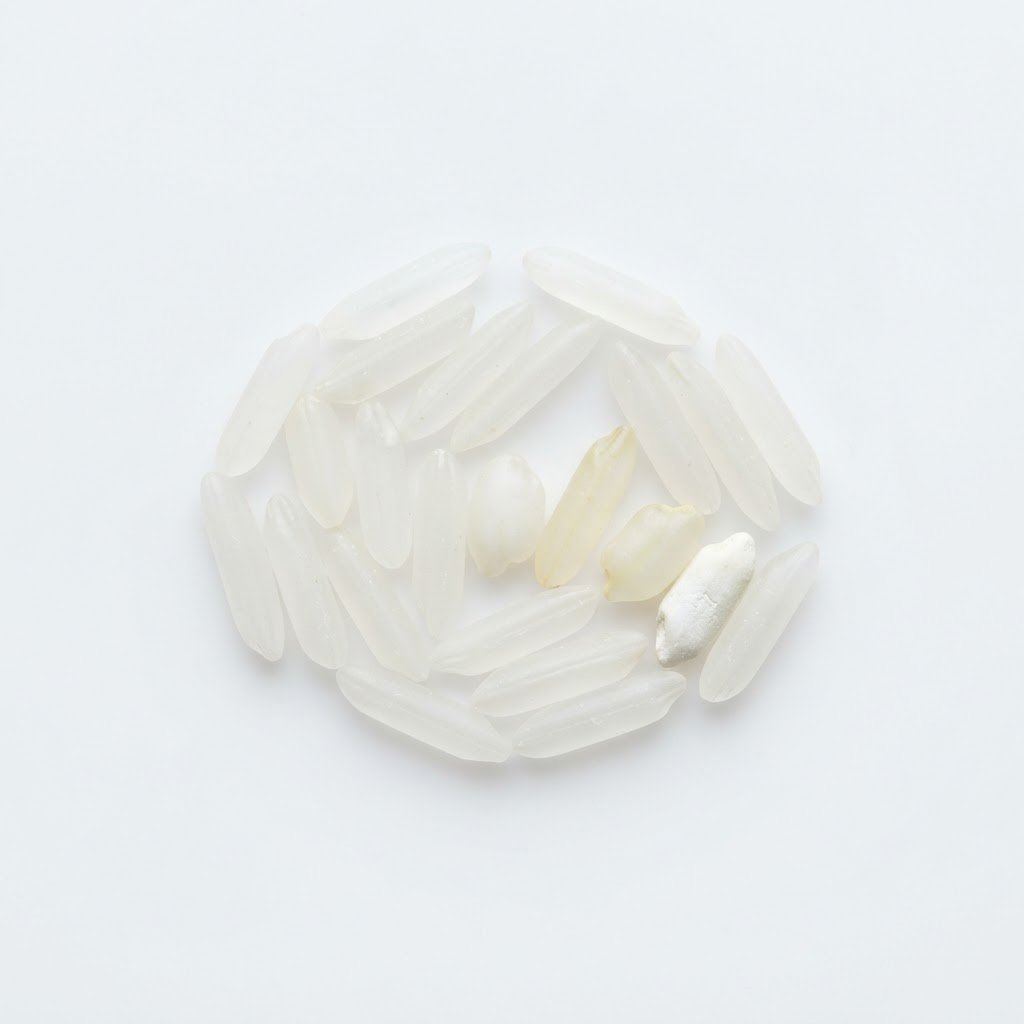
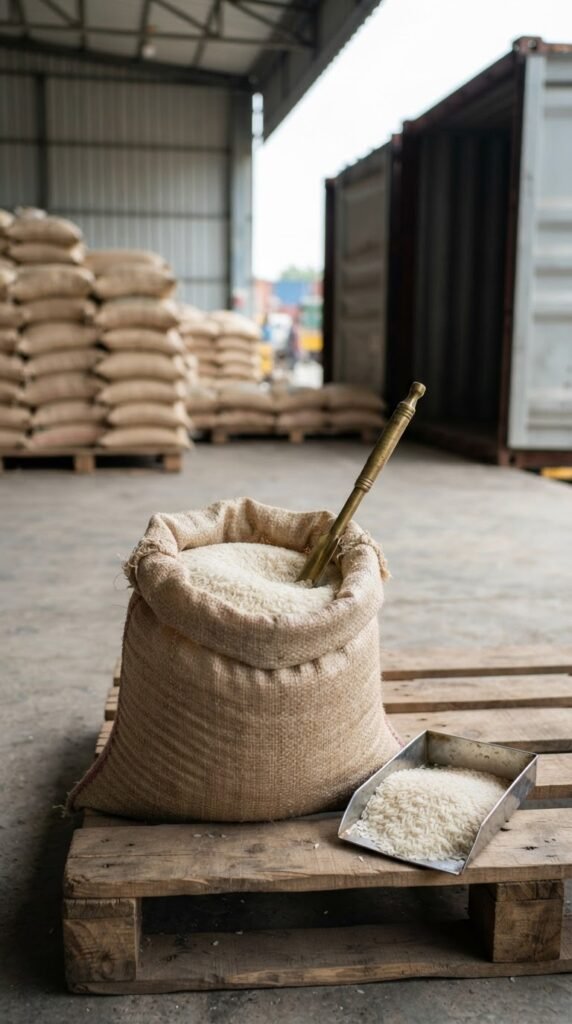
An optical colour sorter runs the milled rice past a camera array in a thin falling curtain and blows out anything the wrong colour — a yellow grain, a red-striped grain, a chalky one, a fragment of husk, a stone. On D-98 Basmati Rice it is doing a second job as well, because it is the machine that takes a mixed intake down to a single variety. A bag sortexed once and a bag sortexed properly look identical in a photograph and look nothing alike under a shop light, and the difference shows up on the certificate as the contrasting varieties figure rather than as anything a buyer can see at the port. That is why we specify the sortex rather than leaving it to the mill’s own standard.
A reference sample is drawn and retained from every batch we ship, so a query three months later has something to test against instead of a memory. Moisture is read twice, once at intake and once on the day the container loads, because the number that matters is the one at the door and not the one at the mill. The crop year is stated on every batch rather than left to be asked for, and stock held in Qatar is rotated by crop so an order placed in March is not quietly filled from the back of the warehouse. The same certification set travels with the export containers and the Qatar stock alike.
The Certificate Your Country Asks For on D-98 Rice
Most of the markets on this page will not release a container of D-98 Basmati Rice without a conformity certificate that was issued in Pakistan before the vessel left. Saudi Arabia works to its own conformity programme. Kenya and Tanzania each require a certificate against their national standard. The European Union and the United Kingdom add residue testing on top of the analysis, and Malaysia and Indonesia want the halal certification in the same file as the invoice. None of it can be fixed after sailing. A container that arrives without the right certificate sits at the port while somebody negotiates with a customs officer, the storage charges run from the day it lands, and the buyer pays for the wait whether or not the rice inside it is perfect. We arrange the inspection, we hold the appointment with the inspection body, and the cost is already inside the price we quoted you rather than appearing as a line on the invoice afterwards.
The Inspection Report Is Written to You
Pre-shipment inspection on our containers is carried out by SGS, Cotecna, Intertek or Bureau Veritas, and the report is addressed to the buyer rather than to us. That distinction matters more than it sounds: a report written to the seller is a report the seller can decline to share, and you would be taking the specification on trust. You nominate which of the four, and you can send your own surveyor instead if you would rather have your own eyes on the sacks before they load. Most buyers take the inspection on the first container of D-98 Basmati Rice and then stop asking for it, which is the outcome we are working towards rather than a step we are trying to talk anybody out of.
What Travels With the Container
Every shipment of D-98 Basmati Rice goes out with a commercial invoice, a packing list, a bill of lading, a certificate of origin, a phytosanitary certificate from the Department of Plant Protection, a halal certificate, a fumigation certificate, a certificate of analysis against the specification on this page, a weight and quality certificate from the appointed inspection body, and the destination conformity certificate where the market requires one. Insurance certificates follow where the sale is on CIF terms, and the crop year is stated on the analysis rather than left to be asked for. If a document is missing the container does not leave. A document chased after loading is a document chased while the rice is sitting at a port accruing storage, and that is a cost nobody put in the quote. The set travels as one file, it goes to you by email the day it is issued, and the originals follow by courier against whatever your bank has asked for.
Our suppliers are members of the Rice Exporters Association of Pakistan and mill to the standards administered by the Pakistan Standards and Quality Control Authority.

How You Buy D-98 Basmati Rice From TEFT Global
From Our Stock in Qatar, or Shipped to Your Port or Door
In Qatar, D-98 Basmati Rice is already imported and cleared before you order it. Everywhere else it ships to your port with the freight paid, or to your door where we hold clearance.

From Our Qatar Stock
D-98 white and sella are held at Al Wakra in 5kg and 10kg bags and 20kg, 25kg and 50kg sacks. You order what you need rather than a container of it, we deliver in Qatar, and there is nothing for you to import, clear or store. Brown is booked to a mill run.
Shipped to You Anywhere Else
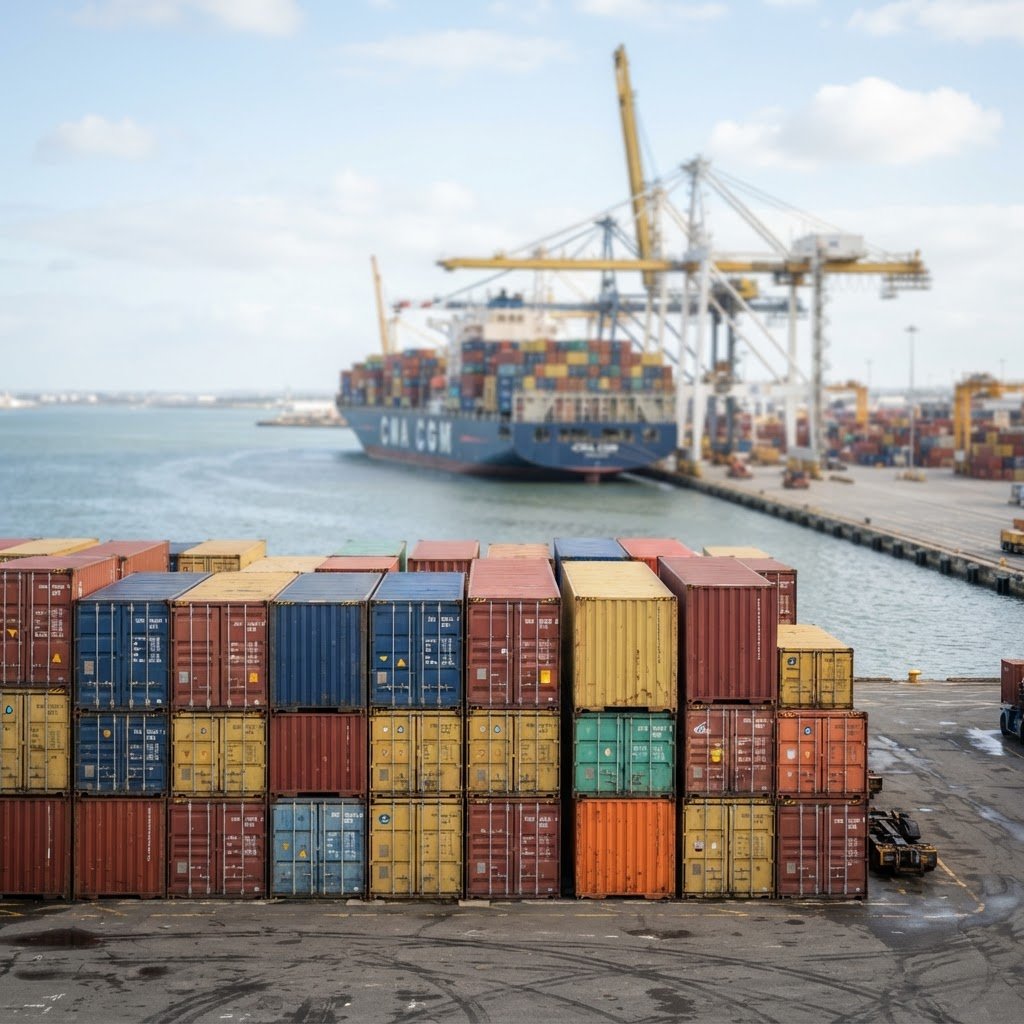
Full containers of D-98 out of Karachi against a named mill run, with the crop year, the pack and the certificate fixed before it books. CFR or CIF to your port with the freight paid, or to your door in the markets where we hold local clearance.
Every other supplier ranking for D-98 basmati rice in Qatar quotes you a price at a foreign port and offers to help you import it. If you are in Qatar you are not importing anything from us. The rice is already here.
How to Get a Price on D-98 Basmati Rice
Five Things That Turn an Enquiry Into a Price
D-98 Basmati Rice is quoted per metric tonne, and the number moves with the form, the bag and where it is going. The five things below are what we need before we can put a real figure in front of you rather than a range.
Which Form
D-98 white, sella or brown. Three different mill runs at three different prices, and if you are not sure we send samples of two of them before anything is quoted.
Which Bag
The D-98 rice pack is priced into the rice. A printed 5kg retail bag and a plain 50kg sack are two different quotes, and the artwork changes the lead time on the first of them.
Where It Is Your D-98 Rice Going
Give us the destination rather than the port. The freight, the certificate and whether we can reach your door all follow from the country, not from the quay.
How Much and How Often
One container and a standing monthly call-off are priced differently. Tell us which you are actually planning, not which sounds better, and the number you get back will hold.
Samples Go Out With the Quote
500g of D-98 per form, free, alongside the quote rather than before it. In Qatar we deliver them; for export they go on your own courier account. See sample approval.
D-98 Basmati Rice — Frequently Asked Questions
Nine Answers Before You Ask
If your question about D-98 Basmati Rice is not answered here, the enquiry form at the foot of the page reaches a person rather than a queue.
D-98 Basmati Rice is a Pakistani basmati variety grown in the Sindh rice belt, which is why the trade calls it Sindhi Basmati. It is sold under a second name, PK-385, and the two names refer to the same variety. It mills pearl white, measures 6.80mm to 7.00mm raw and carries a mild natural basmati aroma.
Yes. D-98 and PK-385 are two names for one variety and they travel together on the same offer sheet. PK-385 is the name it is listed under on the United Kingdom and European Union list of varieties that may be described as basmati, so the two names matter for different reasons: PK-385 for the paperwork, D-98 for the trade.
Yes. PK-385, which is D-98, is on the list of varieties that may be described as basmati in the United Kingdom and the European Union, and a consignment can be checked by DNA test against it. D-98 also meets the objective measures the definition uses — a raw milled grain over 6.5mm, an elongation of at least 1.7 on cooking, a length to breadth ratio over 3.5 and a natural basmati aroma.
Grain length and aroma, and therefore price. D-98 Basmati Rice runs 6.80mm to 7.00mm where Super Kernel Basmati Rice runs longer, and the aroma on D-98 is present but milder. Both are basmati and both can be labelled as such. D-98 is the grade a buyer takes when the plate needs to be basmati and the price needs to be closer to a long grain.
D-98 is supplied white, sella parboiled and brown. White and sella are the volume lines and both are held in our Qatar stock; brown is a smaller line and is booked against a mill run rather than held. All three are double silky polished where the form allows and colour sortexed.
D-98 Basmati Rice is packed in 5kg, 10kg, 20kg, 25kg, 40kg and 50kg, in woven PP or jute, plain or printed in your own artwork. A 20ft container takes 25 to 27 tonnes net in 50kg bags. Mixed pack sizes can load in the same container where you need two tiers at once.
Yes. Artwork is approved and printed before the D-98 is packed, so the print run sits at the front of the lead time rather than at the end of it. Retail bags from 5kg upwards are the usual private label tier. Our private label supply page covers how it works.
Qatar, Bahrain, Kuwait, Oman, Saudi Arabia, the United Arab Emirates, Kazakhstan, Uzbekistan, Kyrgyzstan, Tajikistan, the United Kingdom, the Netherlands, Belgium, Germany, Italy, Spain, Malaysia, Singapore, Indonesia, Kenya, Tanzania, the United States and Canada. In Qatar we deliver from our own stock. Everywhere else we ship to your port with the freight paid, or to your door where we hold local clearance.
Yes. 500g of D-98 per form, free, and they go out alongside the quote rather than after a deposit. In Qatar we deliver them. For export enquiries they travel on your own courier account, or at cost, and we credit it against your first order. If you are deciding between white and sella we send both, so your own pot settles it.
Explore related rice varieties and supply solutions available through TEFT Global.
Premium Basmati Rice
Long Grain Rice
Rice Supply Solutions
Talk to a D-98 Basmati Rice Supplier That Owns the Rice
One Named Contact in Doha, Seven Days a Week
Send the form, the pack size, your destination and the volume, and we will come back within one business day with availability, a written price and a lead time. If you would rather see the D-98 before you talk about price, ask for a sample and say which forms you want to compare.
SEND US AN ENQUIRY
Whether you need a regular monthly supply of D-98 Basmati Rice or a single container to test the line, the same person handles it from the first message to the shipping documents.
Tell us the form, the pack and the destination and 500g samples go out alongside the quote, free. If you are still deciding between white and sella, say so and we will send both.
We supply D-98 Basmati Rice into Qatar and the Gulf, Saudi Arabia, the United Arab Emirates, Kazakhstan and Central Asia, the United Kingdom and the European Union, Malaysia and Southeast Asia, Kenya and Tanzania, and the United States and Canada. In Qatar it comes from our own stock at Al Wakra and is with you within one business day.
All enquiries are handled personally. No automated responses, no call centres.