Pakistani IRRI-6 100% Broken Rice Supplier for Food Manufacturers and Importers
Double Silky Polished, Colour Sortexed and Graded Under 4.5mm
Wholesale by the Container, or From Our Own Stock in Qatar
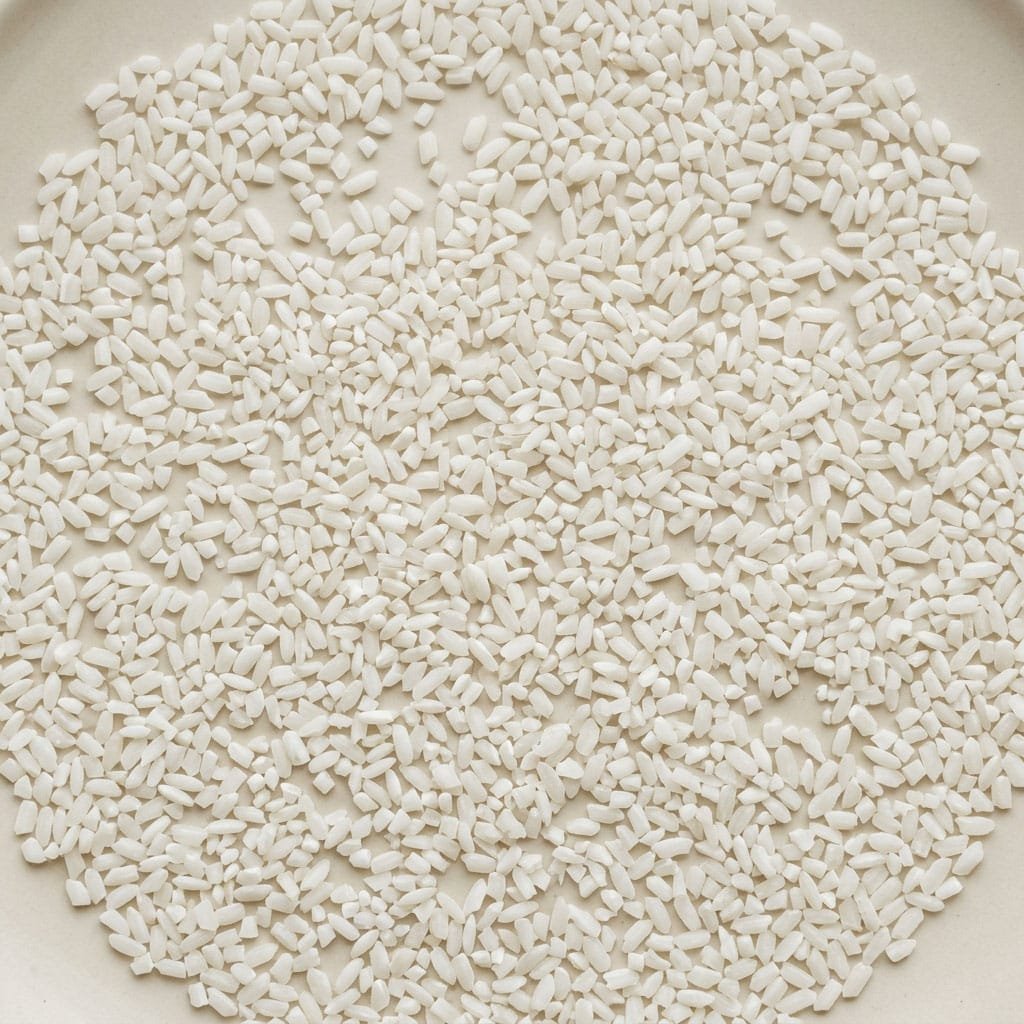
100% Broken Rice is the fraction separated during the milling and grading of IRRI-6 long grain rice, double silky polished and colour sortexed to a clean, even fragment under 4.5mm. It is the base for rice flour, noodles and vermicelli, baby cereal, rice starch and animal feed, and an everyday staple in its own right across West Africa. TEFT Global buys it, owns it and moves it: part loads out of Qatar stock, or a full container to your port with the freight paid, or to your door where we hold local clearance.

100% Broken Rice, Milled in Sindh and Punjab in Pakistan and Held in Qatar
TEFT Global buys 100% Broken Rice direct from milling groups across Sindh and Punjab in Pakistan, holds stock in Qatar and ships it by the container to buyers in West Africa, East Africa, Southern Africa, China and Southeast Asia, Europe and North America. We are not an introduction service. We buy the rice, we own it, we ship it.
What 100% Broken Rice Is
The Fraction Separated When IRRI-6 Long Grain Rice Is Graded
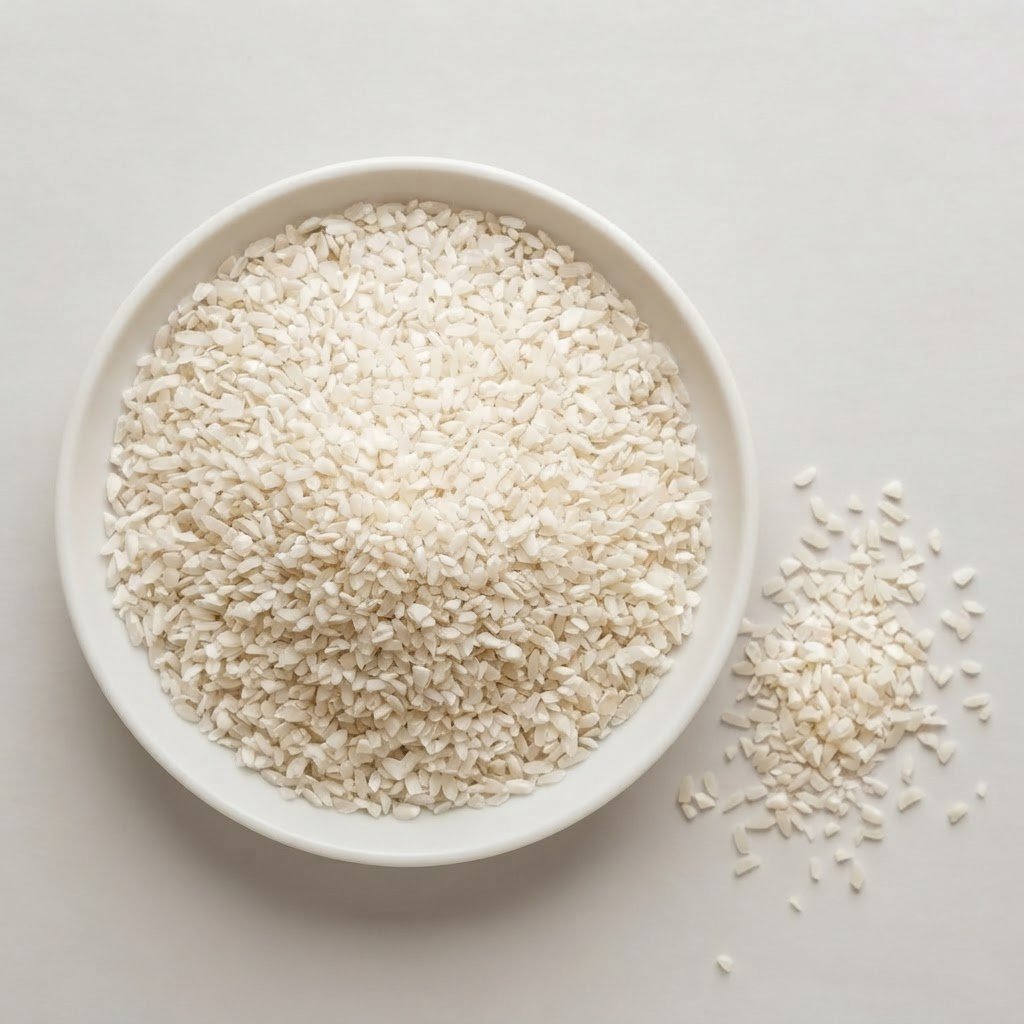
100% Broken Rice is milled rice made up entirely of fragments rather than whole grains. The fragments are separated from head rice on a length grader during the milling of IRRI-6 long grain rice, and they run under 4.5mm, most of them between 2.5mm and 4.5mm. Nothing is added and nothing is left out: it is the same rice, graded by length.
It is not a defect and it is not a downgrade. Every rice mill in the world produces broken rice, the table-rice trade does not want it, and the industries that do want it want it fragmented — a flour miller is going to grind it anyway. 100% Broken Rice is nutritionally identical to whole milled rice of the same grade, and it cooks faster because the fragments are smaller.
The trade sells broken rice by how much of it is in the bag. IRRI-6 long grain rice is offered at 5%, 10%, 15% and 25% broken, where the number is the share of fragments mixed through whole grains. 100% Broken Rice is the other end of that scale and a separate product with its own buyers: there are no whole grains in it at all, which is exactly why the flour mills, starch plants and feed mills buy it. The whole long grain range sits in the rice catalogue.
The Forms 100% Broken Rice Is Supplied In
Three Forms, One Fragment Size, Different Industries
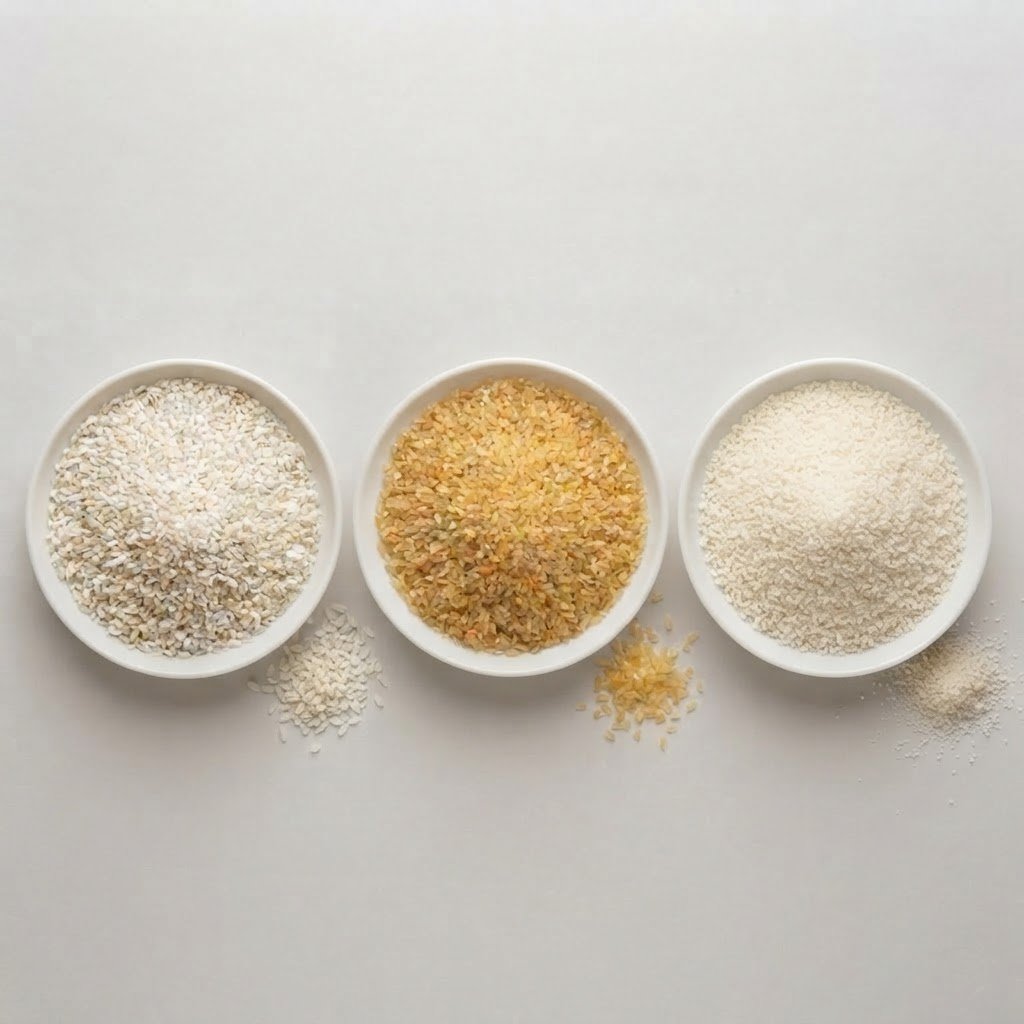
The form is how the grain was milled before it was graded, and the fragment size is how fine the pieces are afterwards. A flour mill and a starch plant can order 100% Broken Rice on the same morning and take delivery of two different-looking products from the same consignment.
100% Broken White Rice
Raw IRRI-6 milled white, graded to fragments and double silky polished, then colour sortexed to lift discoloured and chalky pieces. This is the standard form and the one most buyers mean: the everyday staple across West Africa and the base for rice flour.
100% Broken Sella Rice
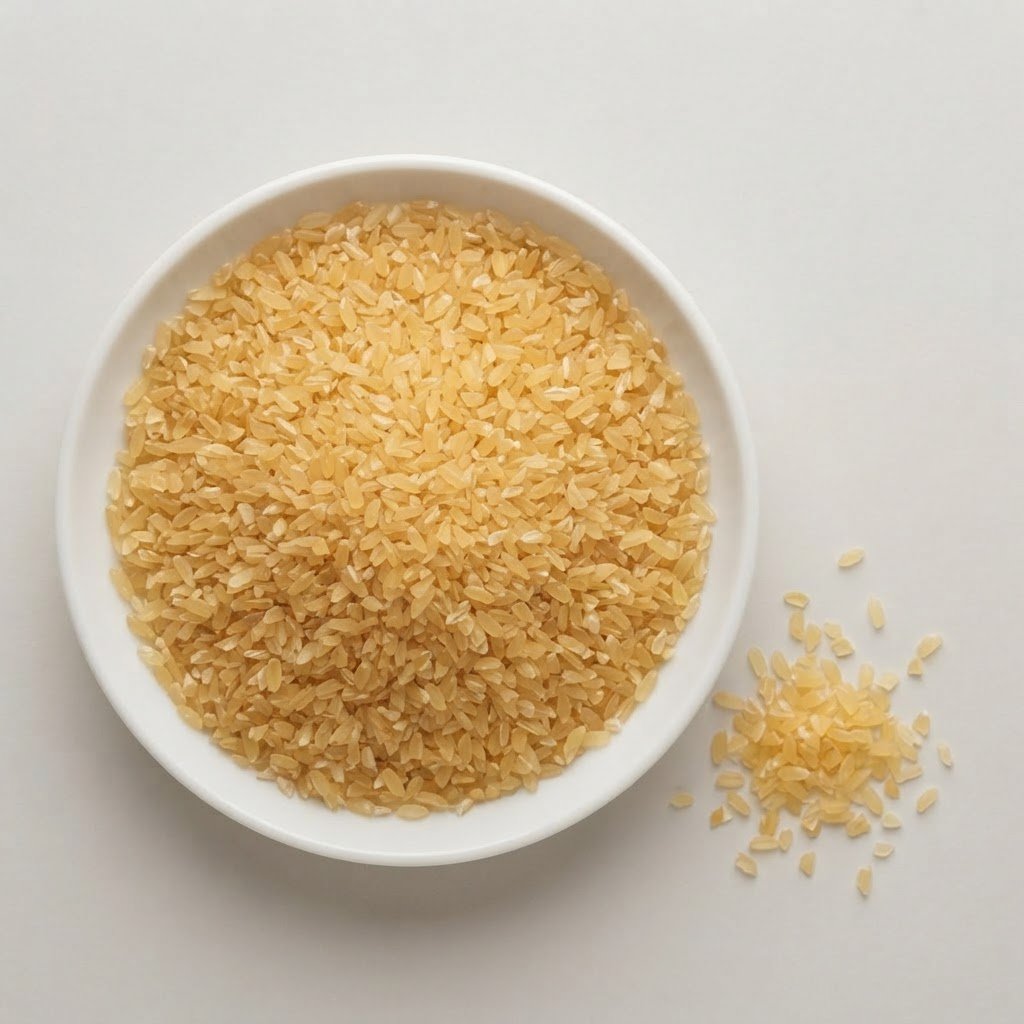
The same fragments from IRRI-6 that was parboiled before milling — part-cooked in the husk, which hardens the grain and turns it pale gold. It holds up better in long cooking and in hot-holding, and it is asked for by name in several parts of the African trade.
Fine Broken and Rice Grits
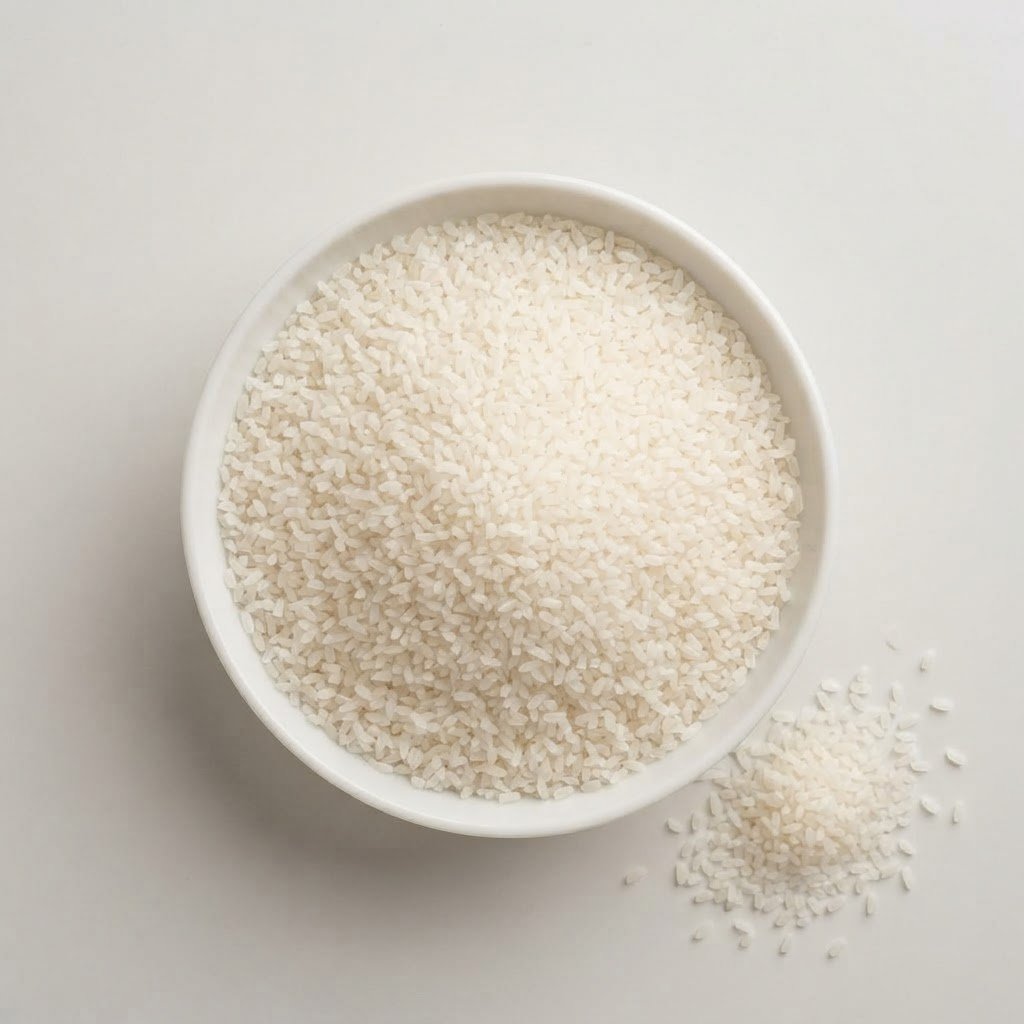
The finest fraction of 100% Broken Rice, milled to small even pieces and screened. Starch, glucose and sweetener plants buy this rather than the standard cut because particle size and consistency drive their yield, not appearance or how it looks in the bag.
Not Sure Which 100% Broken Form?
Tell us what the 100% Broken Rice is going into rather than what to call it. If it is going into a flour mill, a starch line or a cooking pot, that answers the question on its own — and we will send samples of two forms side by side so you can run both on your own line.
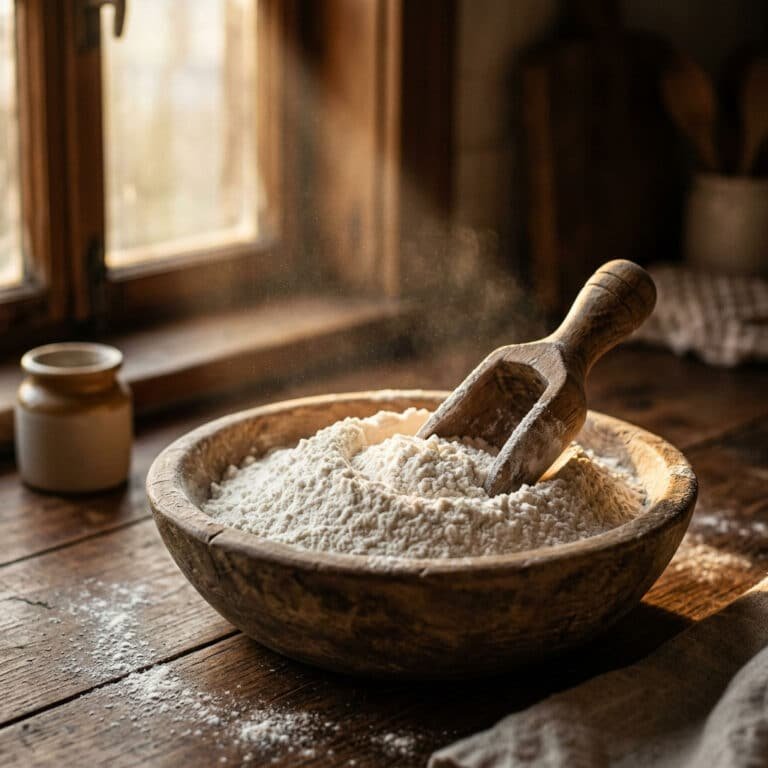
What 100% Broken Rice Is Used For
Six Industries, and What Each One Checks on the Spec Sheet
100% Broken Rice is one of the most versatile rice grades in international trade. Its uniform, fragmented grain and neutral flavour make it a preferred raw material across a range of food industries, as well as an affordable everyday staple.
On every other grade the buyer is choosing the grain. With 100% Broken Rice the grain is already decided, so what varies is the end use, and the end use decides which line of the specification actually matters to you.
Rice Flour, Starch & Glucose
The largest single use for 100% Broken Rice, and one mill run often feeds both: flour for bakery and gluten-free lines, and starch and glucose syrup. Appearance counts for nothing here and moisture counts for everything, and moisture is the figure to hold us to.
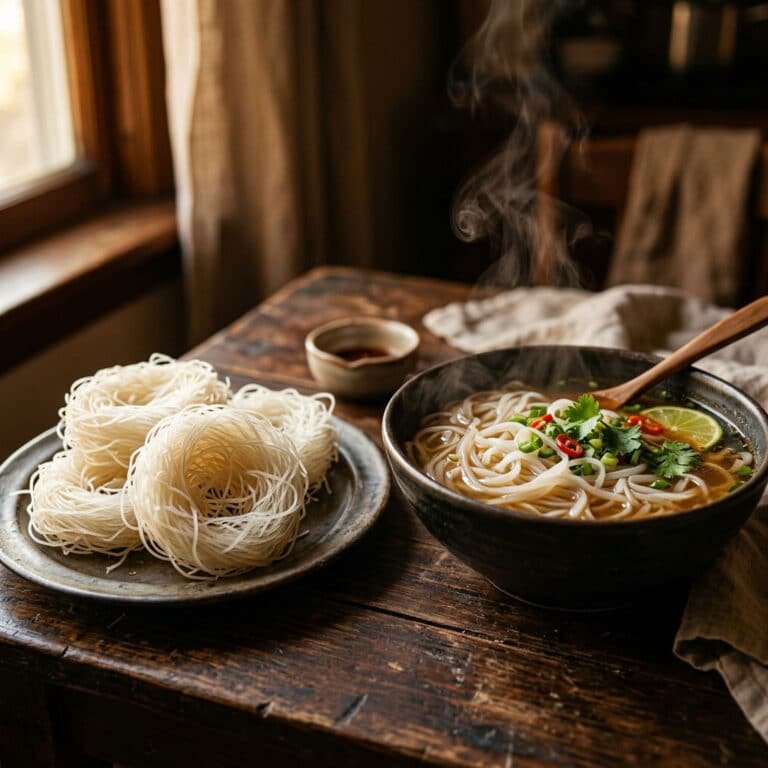
Noodles & Vermicelli
Rice noodle and vermicelli plants across Asia run on 100% Broken Rice because it hydrates evenly and mills to a consistent particle. What they check is varietal purity, because a mixed-variety load changes the starch behaviour and the extrusion with it.
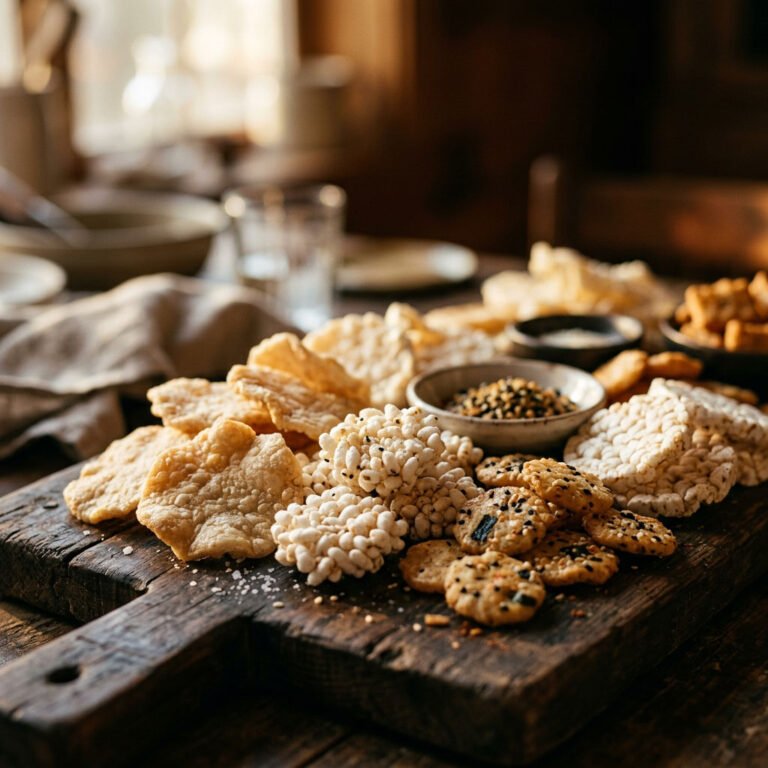
Snacks & Food Ingredients
Crackers, rice-based snacks and functional ingredients across processed food. Extruded and puffed lines live or die on how evenly the 100% Broken Rice expands, so particle size and a consistent fragment carry the order rather than how the rice looks.
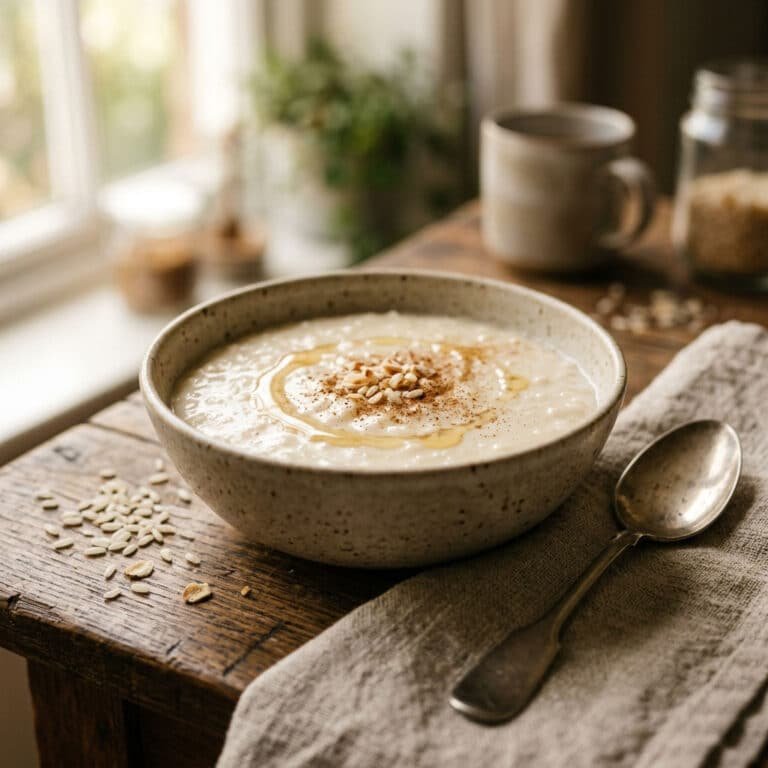
Baby Food & Cereals
Infant cereal and weaning food plants mill 100% Broken Rice to a smooth base. This is the tightest specification of the six: foreign matter and discoloured fragments are the tested figures, and the tolerance sits far below what the staple trade needs.
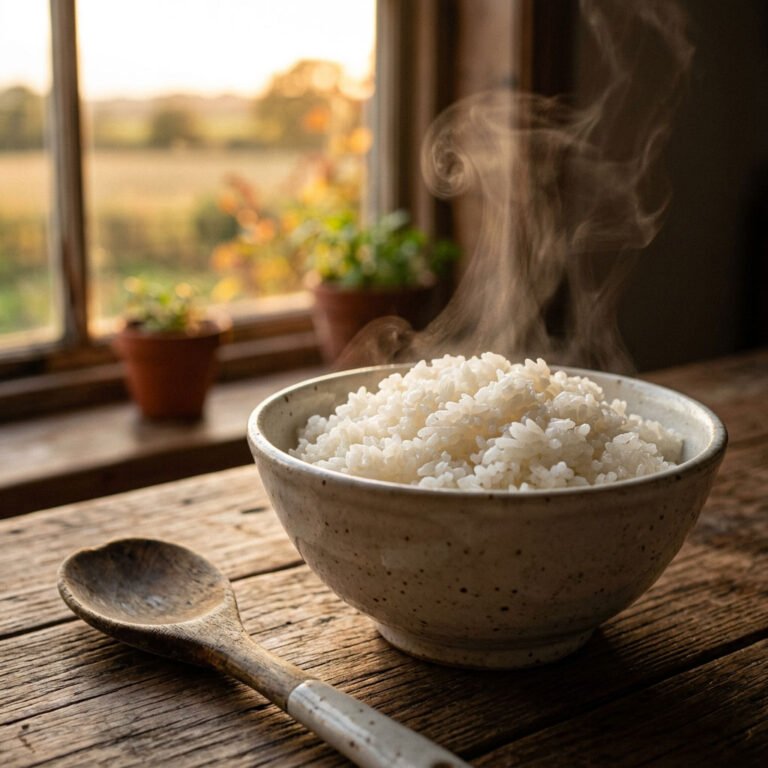
Everyday Staple Food
In Senegal, The Gambia and across West Africa 100% Broken Rice is not a substitute for table rice, it is the rice. It goes on a plate, so it is judged on whiteness and on how hard the sortex is, the one use where the rice is looked at before it is eaten.
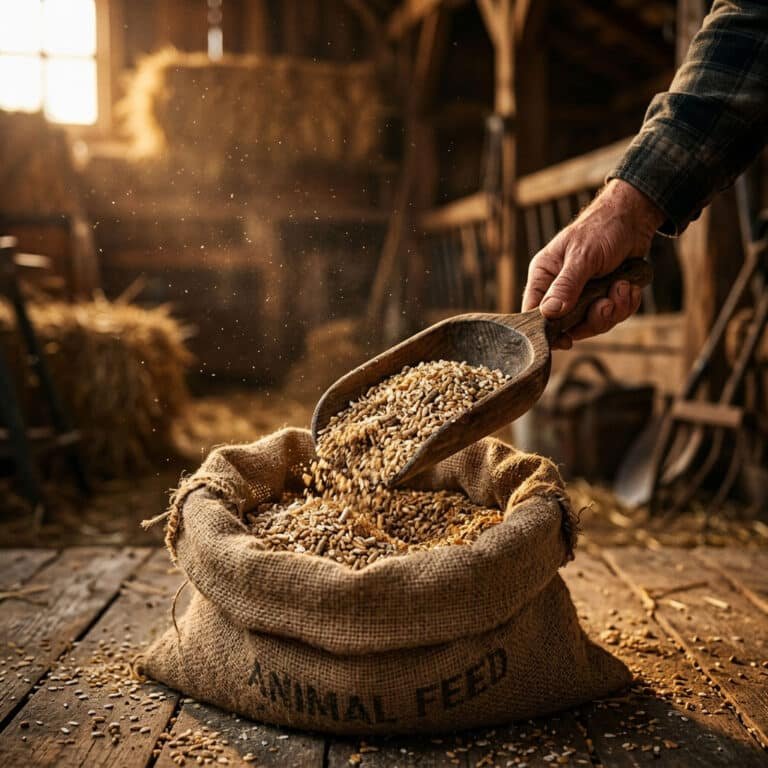
Pet Food & Feed
Kibble extruders and feed mills use 100% Broken Rice as a digestible energy source and blend it against corn on price. What they need is a consistent bulk density and a load that arrives dry, so bulk density and delivered price carry the decision here.
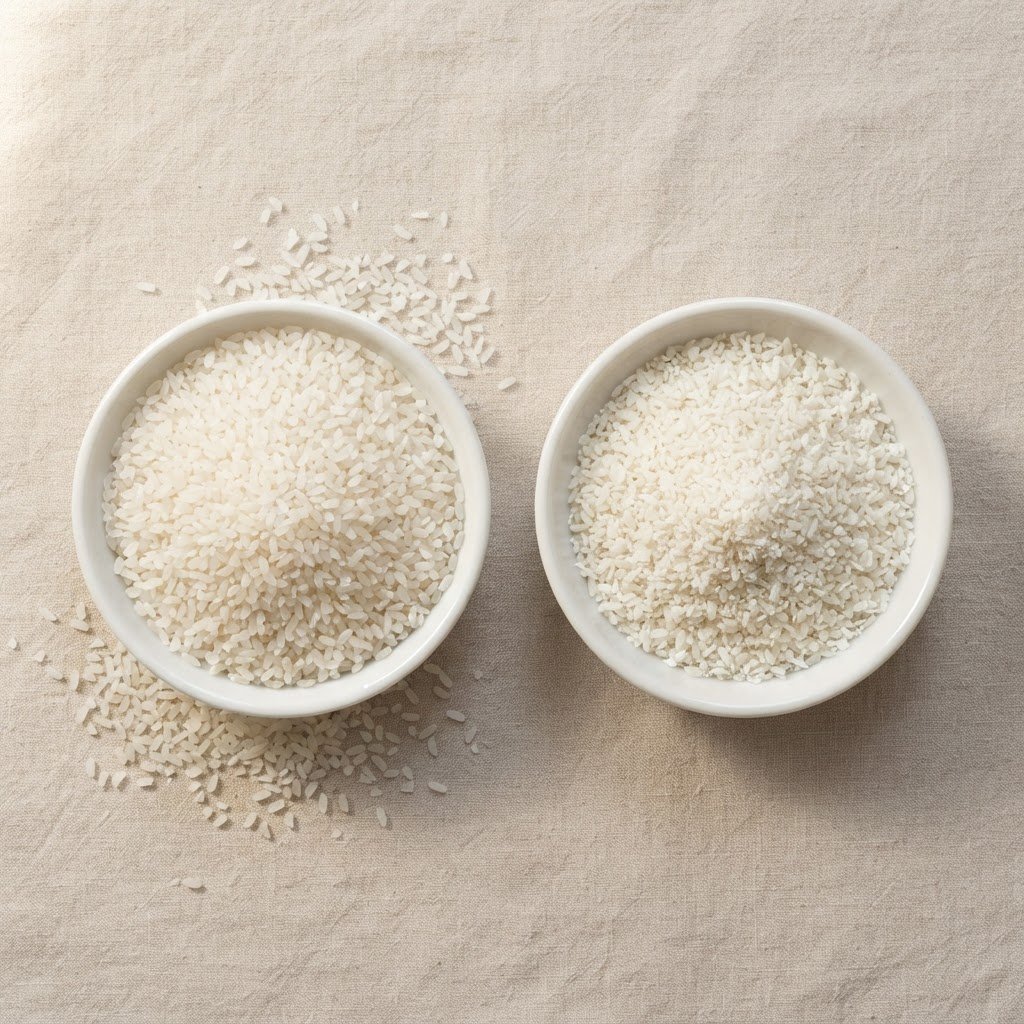
Tell us the end use when you enquire about 100% Broken Rice and the quote comes back against the right figures.
The full rice catalogue covers the whole-grain grades if you need both on one container.
IRRI-6 100% Broken White Rice — Product Specification
Every Consignment Ships With a Certificate of Analysis
Every consignment of 100% Broken Rice ships with a certificate of analysis against the figures below. Where a figure is a maximum we hold the mills to it; where it is a range we state the range rather than the flattering end of it.
-
Variety: IRRI-6
-
Origin: Pakistan
-
Grain Type: 100% Broken White Rice, Non-Basmati
-
Fragment Size: Below 4.5mm, Typically 2.5mm to 4.5mm
-
Broken Grain: 100%
-
Aroma: None, Naturally Non-Aromatic
-
Texture Cooked: Soft and Tender, Cooks Faster Than Whole Grain
-
Moisture Content: 13% max
-
Pure IRRI-6 Grain: 95% Minimum
-
Chalky Grains: 5% max
-
Foreign Matter: 0.5% max
-
Paddy Grain: Nil to Trace
-
Polishing: Double Silky Polished
-
Sortex: Colour Sortexed
-
Forms Available: White, Sella Parboiled, Fine Grits
-
Shelf Life: 18 to 24 Months, Stored Cool, Dry and Sealed
-
Crop: Current Crop Or Aged, Subject To Availability
-
Packaging: 5kg, 10kg, 20kg, 25kg, 40kg, 50kg PP or Jute, 1000kg Jumbo — Or Your Specification
-
Private Label: Available
Fragment size is the row that matters most and the one most often left off a specification altogether. 100% Broken Rice grades under 4.5mm, and the working range is 2.5mm to 4.5mm. The fine grits cut sits below that and is screened separately. Moisture at 13% is a maximum and not a target: above it the rice sweats in the bag and a container is finished long before it has sold through in Dakar or Abidjan.
Third-party inspection at loading port is available through SGS, Cotecna, Eurofins or Bureau Veritas, covering quality, quantity and weight — so you can verify against the agreed specification before the container sails.
Why Buyers Choose 100% Broken Rice From Pakistan
Four Reasons That Hold Up on a Certificate of Analysis
Pakistan and India between them supply almost all of the world’s traded 100% Broken Rice. What separates one Pakistani offer from another is not the variety, which is fixed, but the milling and the load that turns up.
A Larger, Cleaner Fragment
Pakistani 100% Broken Rice grades to a larger and more even fragment than several competing origins, which matters to a flour mill screening for consistency and to a staple buyer who does not want a bag that looks like grit.
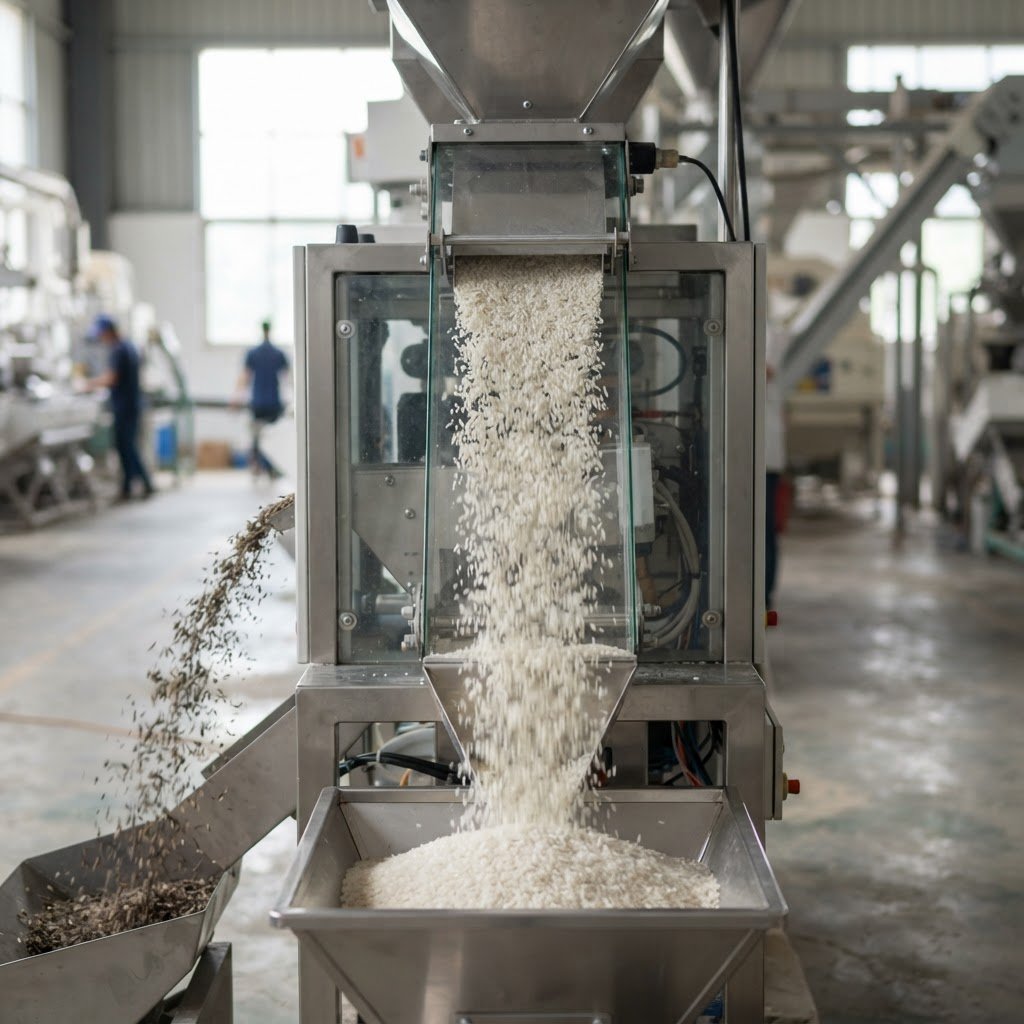
Double Polished and Colour Sortexed
Every consignment of 100% Broken Rice is double silky polished and run through a colour sortex, which lifts discoloured and chalky fragments. On the one use where the rice is looked at before eating, that is the argument.
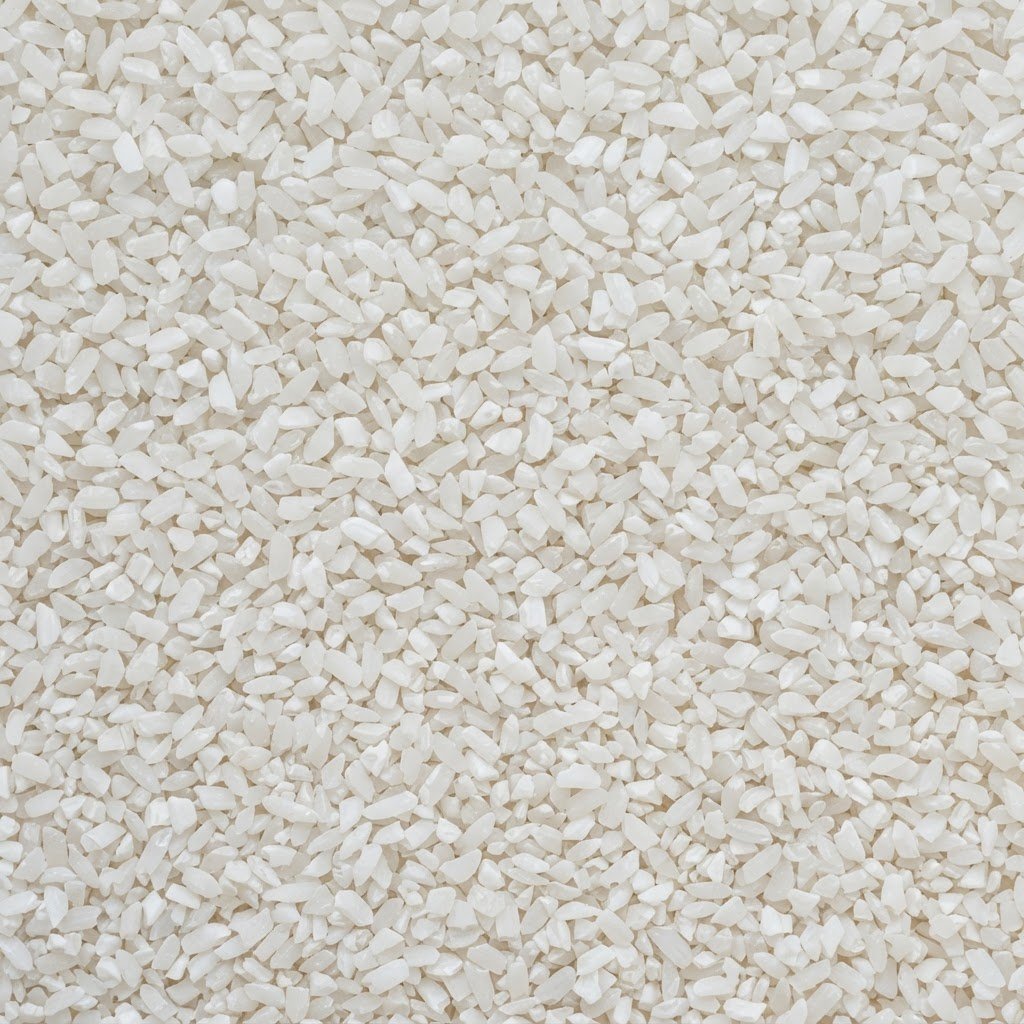
One Variety in Multiple Bags
100% Broken Rice from a mixed load behaves differently in an extruder and on a starch line. Ours is graded from IRRI-6 and held to 95% varietal purity, so the starch behaves the same way from one container to the next.
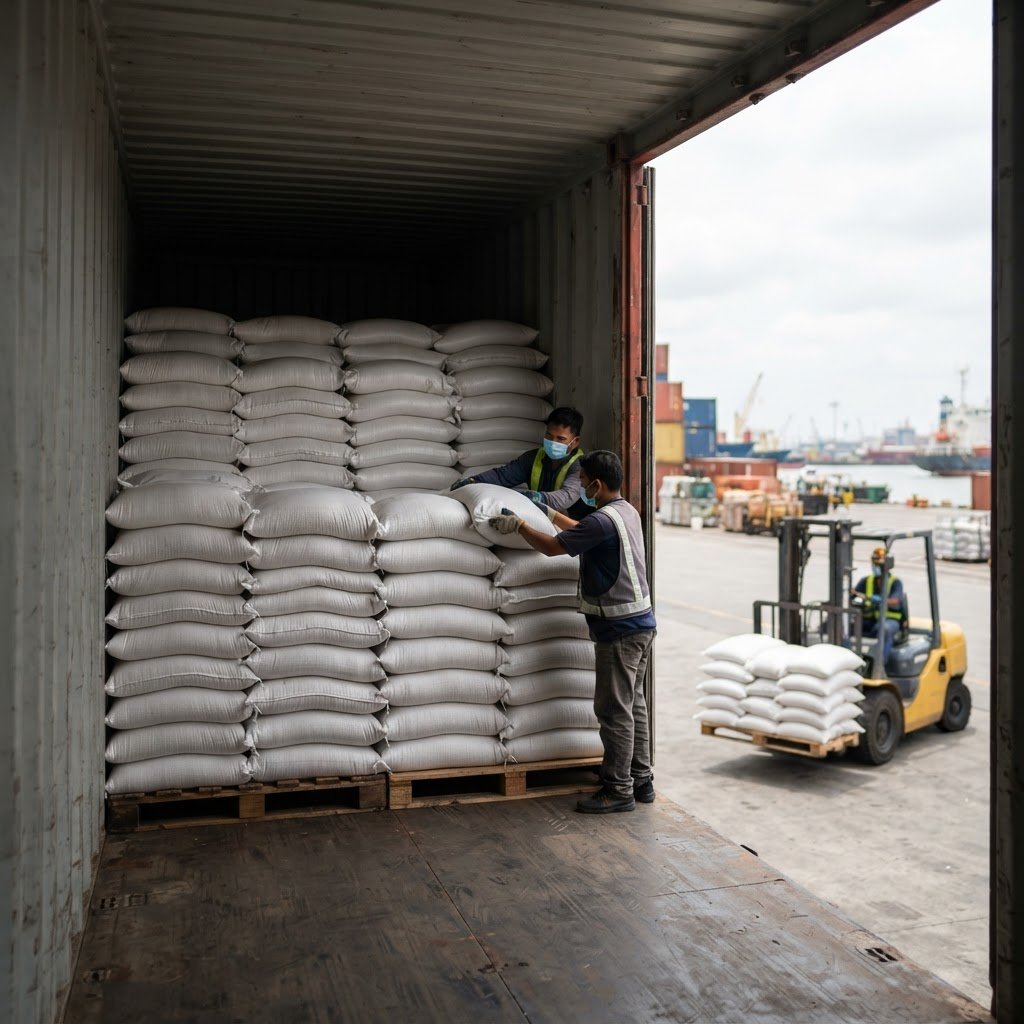
100% Broken Rice in Qatar Stock
100% Broken Rice moves two ways from us: part loads out of our own Qatar warehouse here, and full containers shipped from Pakistan to your port with the freight paid, or to your door in markets where we hold local clearance.
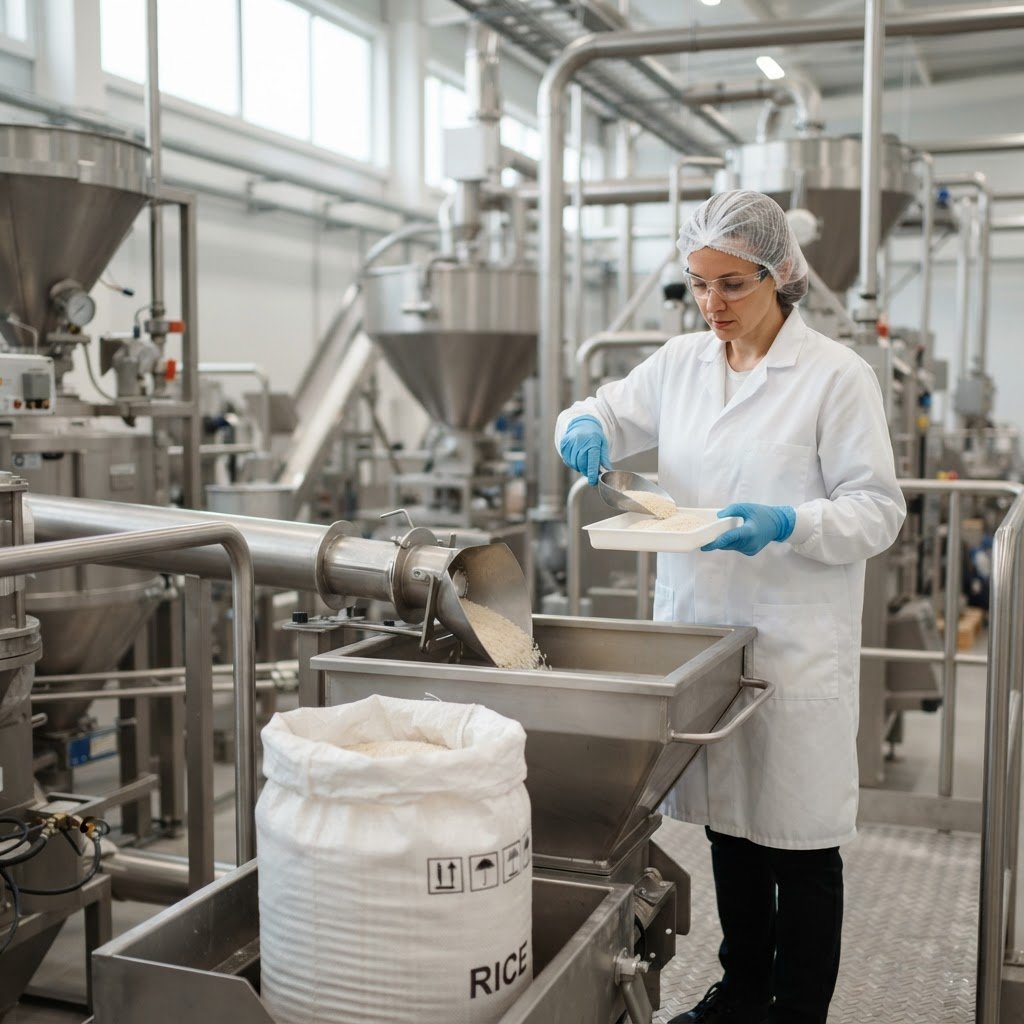
Who Buys 100% Broken Rice From Us
Six Kinds of Buyer, Six Different Bags and Terms
The rice is the same rice. What changes from one buyer to the next is the bag it goes into, the volume it moves in and the terms it ships on.
Food Manufacturers
Flour, noodle, snack, cereal and starch plants buying 100% Broken Rice as a raw material. They order against a written specification with a certificate of analysis, at wholesale volumes in 50kg or jumbo bags, on repeat contract.
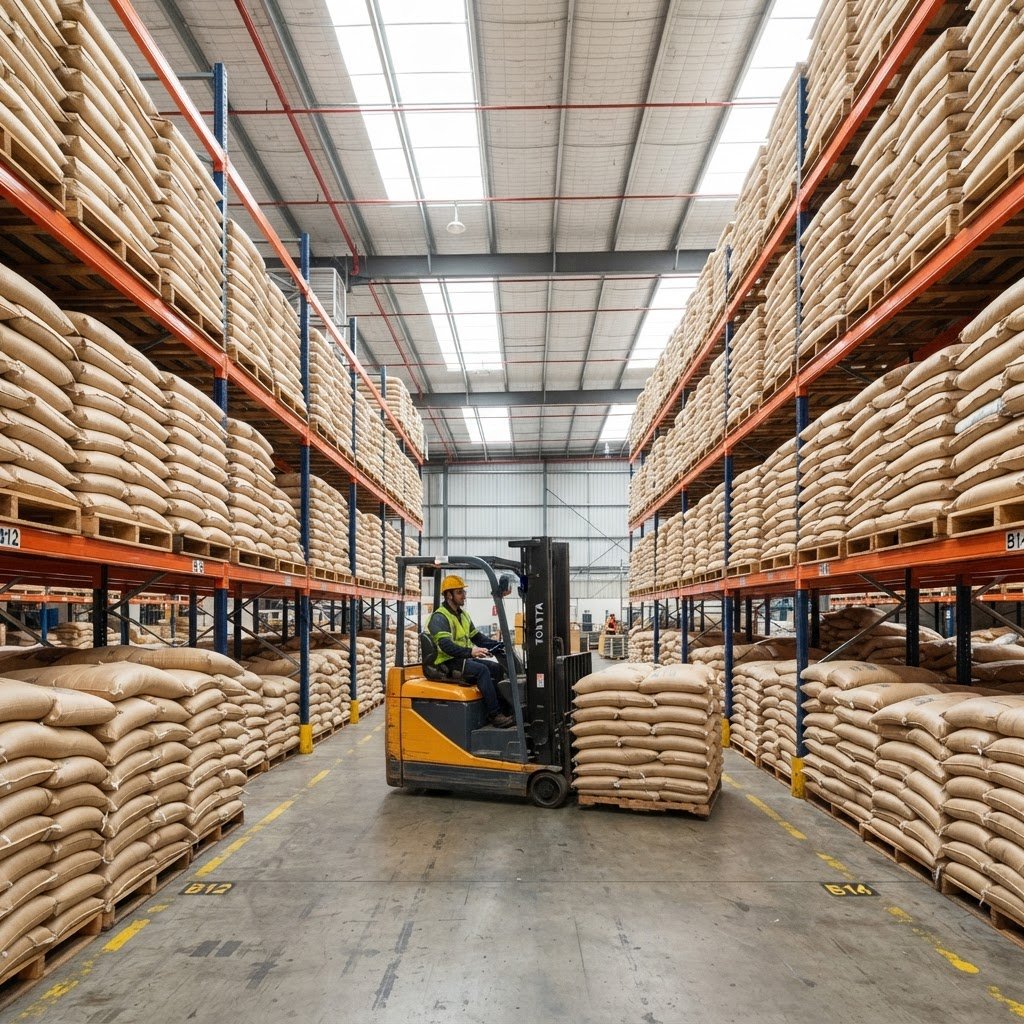
Importers and Distributors
Commodity importers and distributors moving 100% Broken Rice by the full container into high-volume markets. They buy on landed price and on whether the documents clear first time, and they reorder to a fixed shipping schedule.
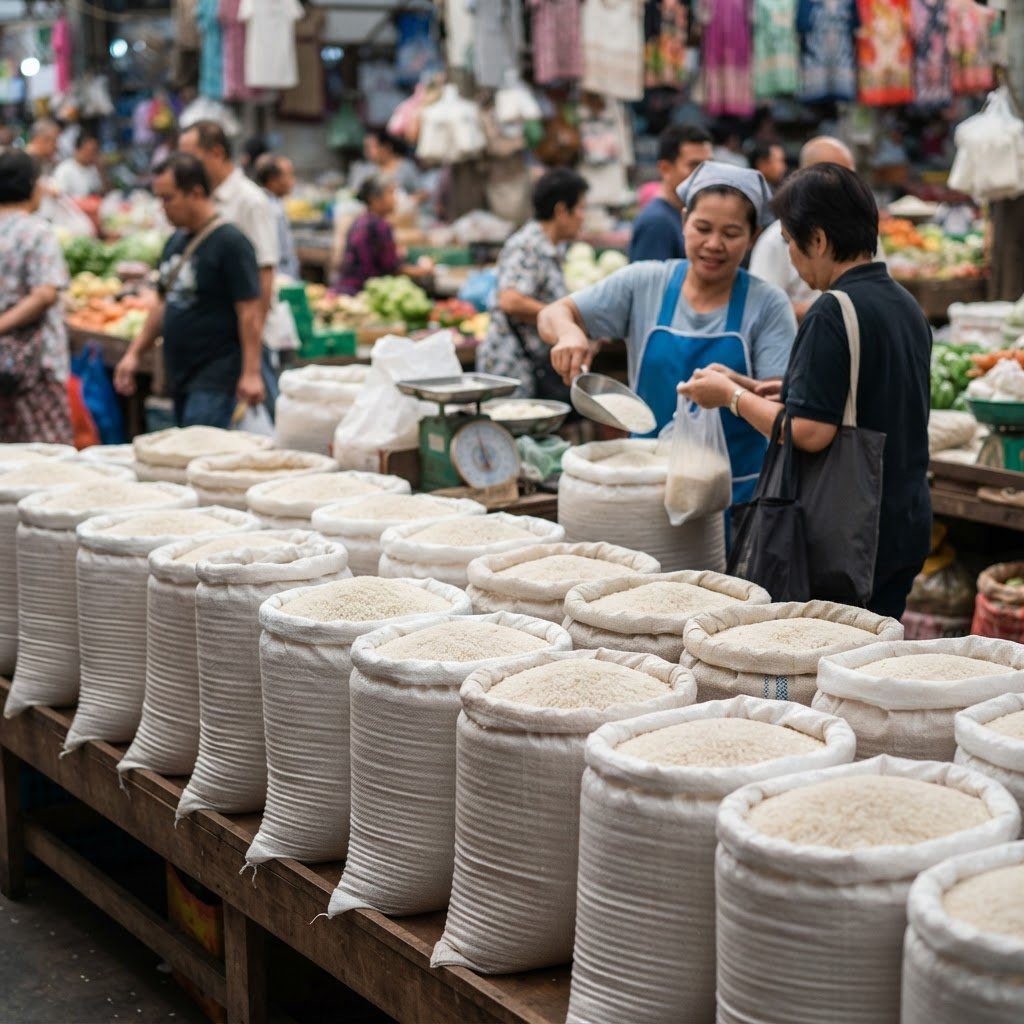
Staple-Food Wholesalers
Wholesalers and traders selling 100% Broken Rice on as an everyday staple, including the East African trade. They take 50kg sacks plain-bagged so they can brand it locally, and they buy every month of the year rather than seasonally.
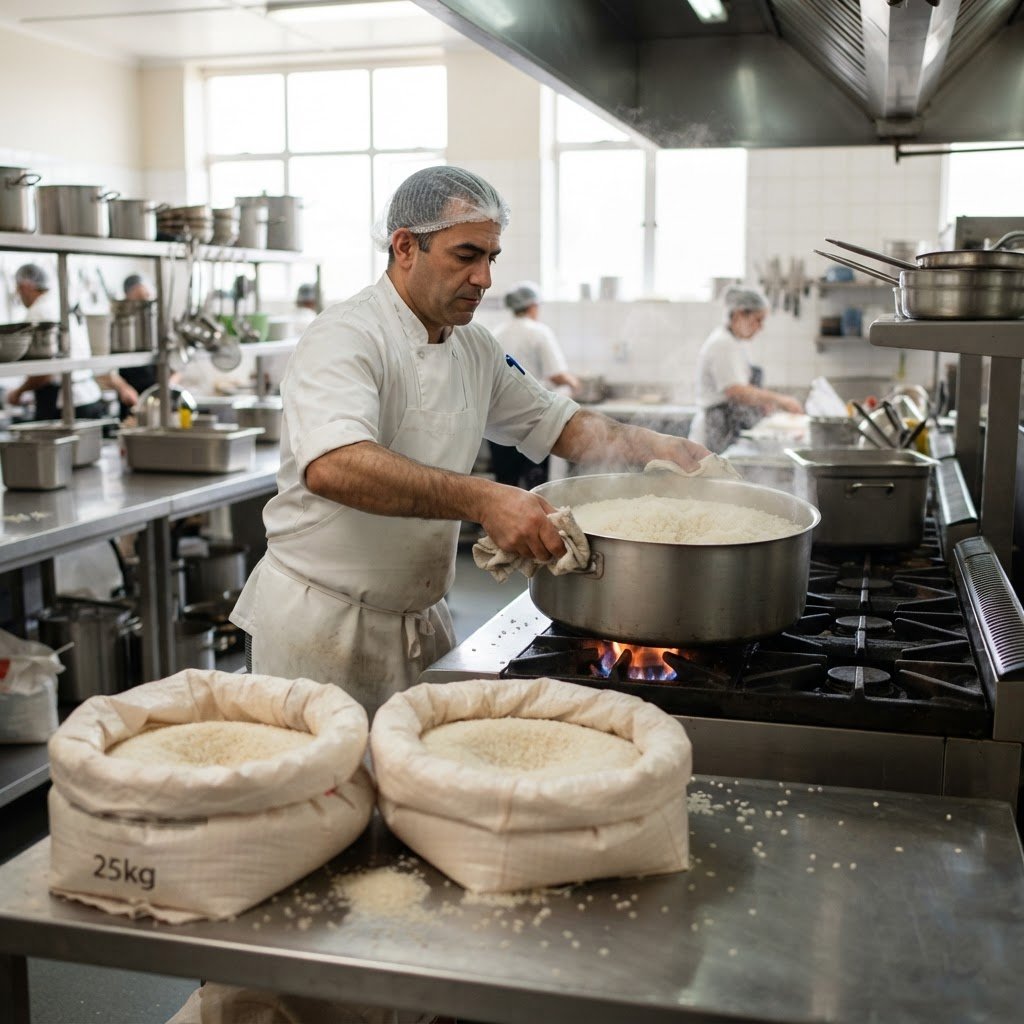
Food Service and Institutional Caterers
Camp kitchens, canteens and food service caterers cooking 100% Broken Rice in volume. They want 25kg sacks they can lift by hand, delivered rather than shipped, and the same order repeating monthly without a fresh negotiation.
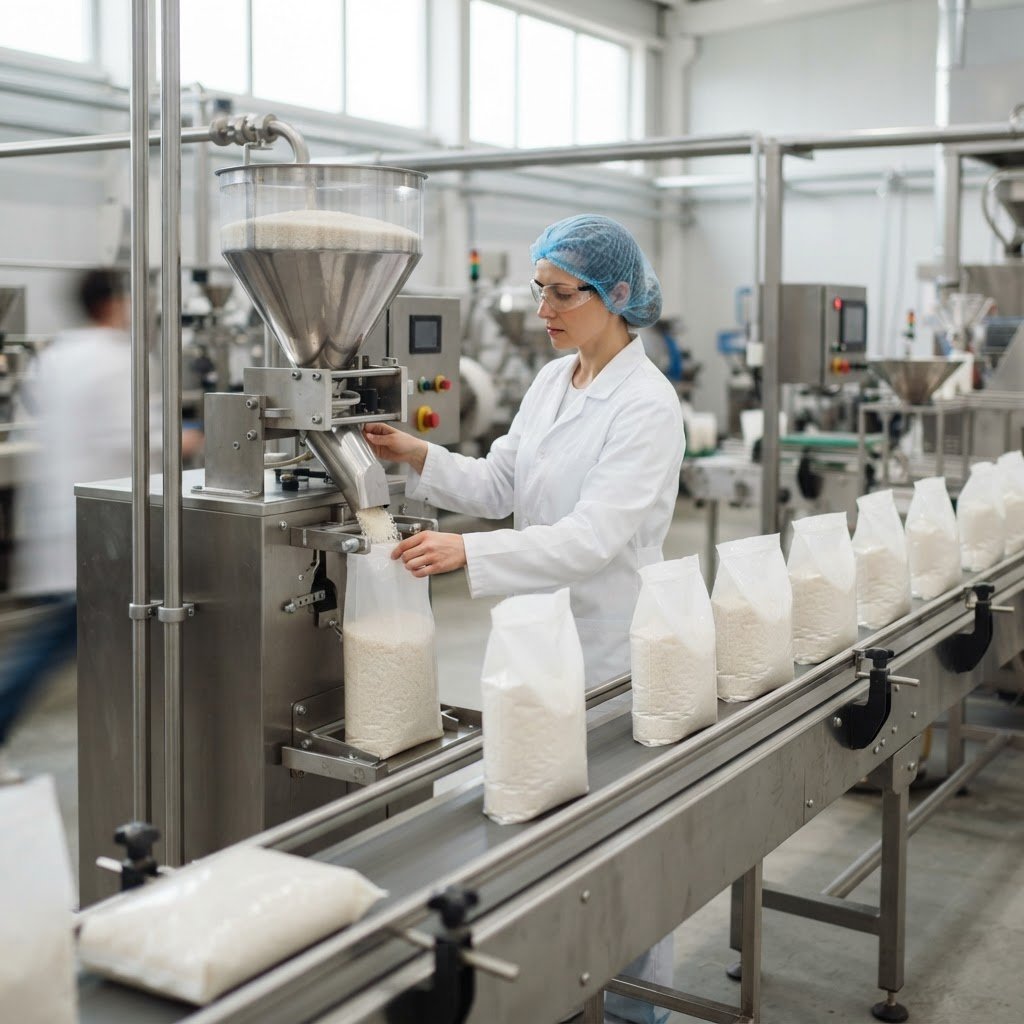
Own-Brand Packers and Repackers
Repackers putting 100% Broken Rice into retail bags under their own label. Bags are printed at the mill and filled there, so artwork approval sits at the front of the lead time, and the print run sets the order date, not the sailing.
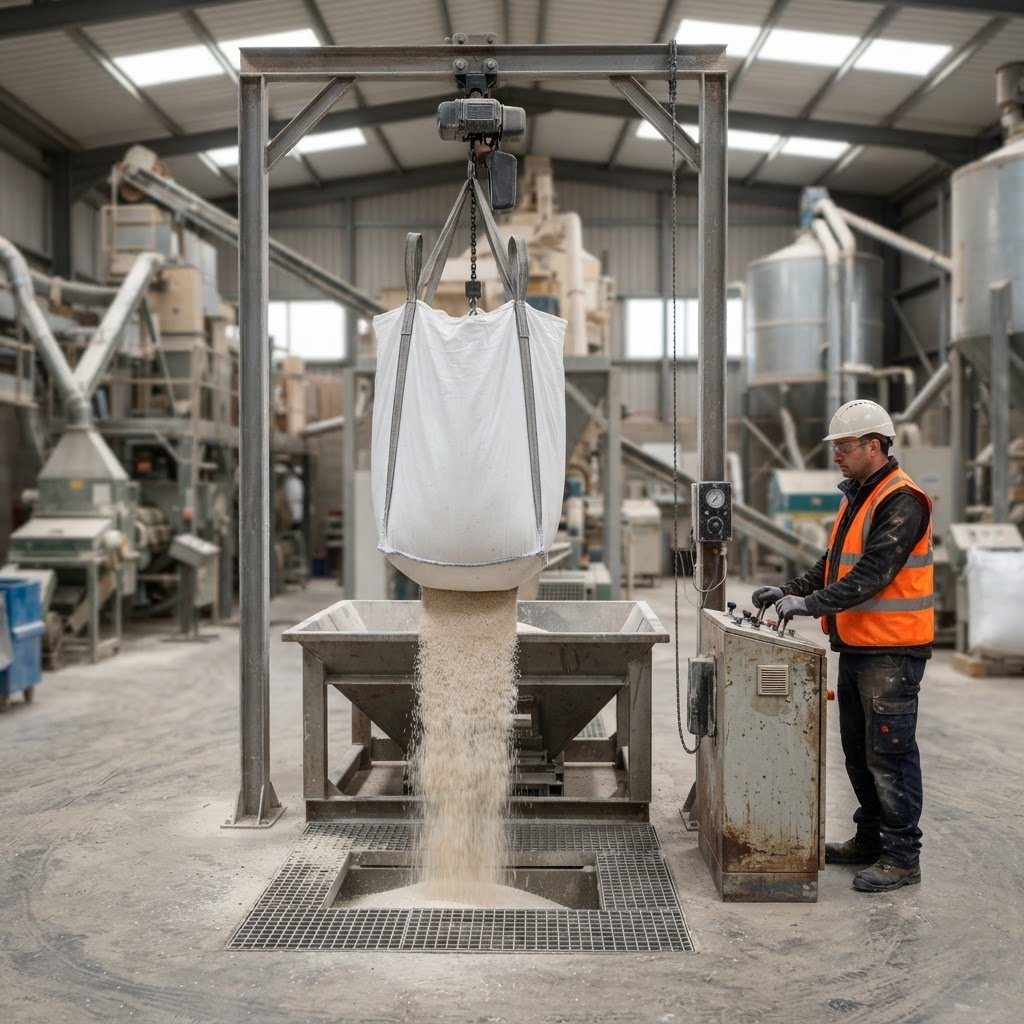
Feed Mills and Pet Food Plants
Feed mills and kibble plants taking 100% Broken Rice in 1000kg jumbo bags, tipped straight into an intake pit with no sacks to clear afterwards. They price it against corn on delivered cost and never need a printed bag or a brand.
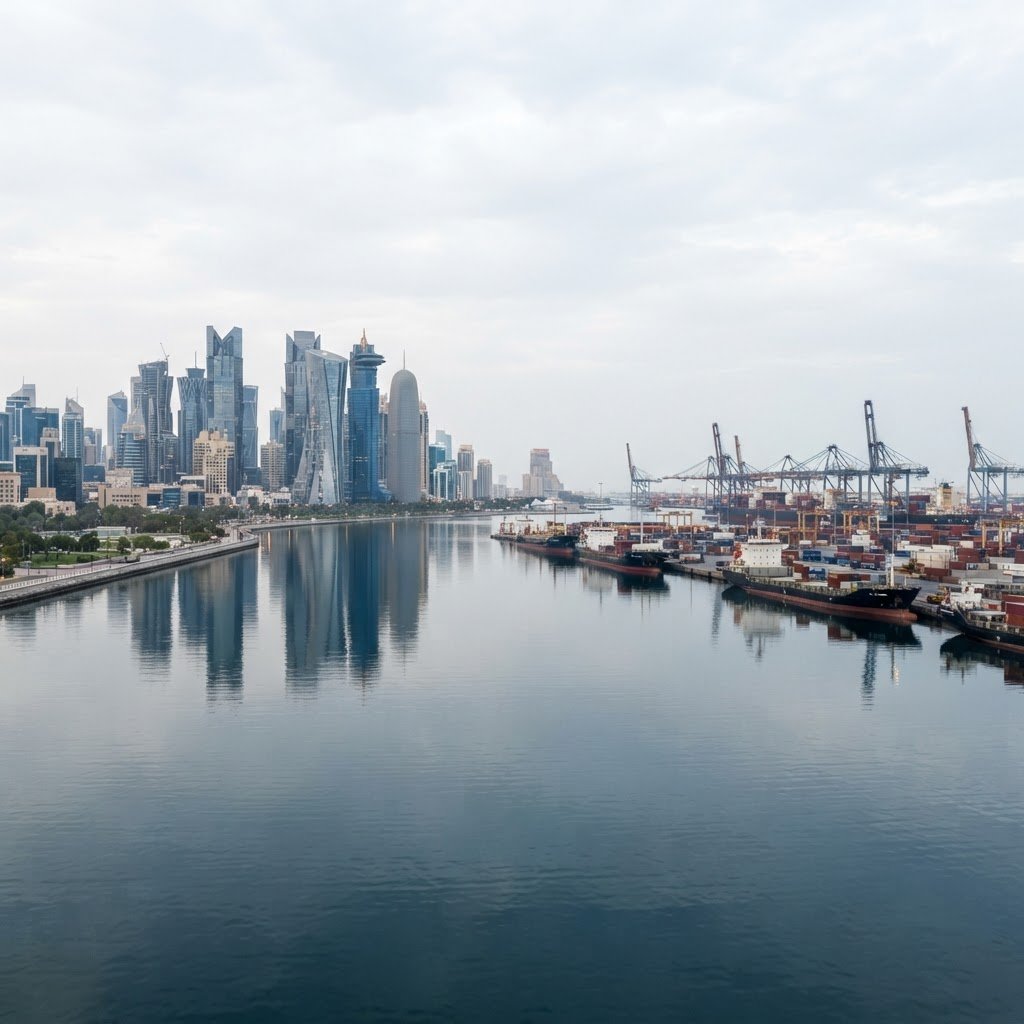
The Markets We Ship 100% Broken Rice Into
Eight Regions, and the Bag Changes in Every One
100% Broken Rice goes to more different kinds of market than any other grade we sell. What changes between them is the bag, the certificate the destination demands and whether the rice ends up on a plate or in a mill.
Qatar and the Gulf (GCC)
In Qatar 100% Broken Rice is a food-manufacturing and catering line rather than a volume staple: flour and snack plants, camp kitchens and repackers. We hold it at Al Wakra, so a Doha buyer orders part loads and takes delivery here, imports nothing and clears nothing. Into Saudi Arabia, the UAE, Kuwait, Bahrain and Oman it ships in 25kg and 50kg to your port with the freight paid, or to your door where we hold local clearance.
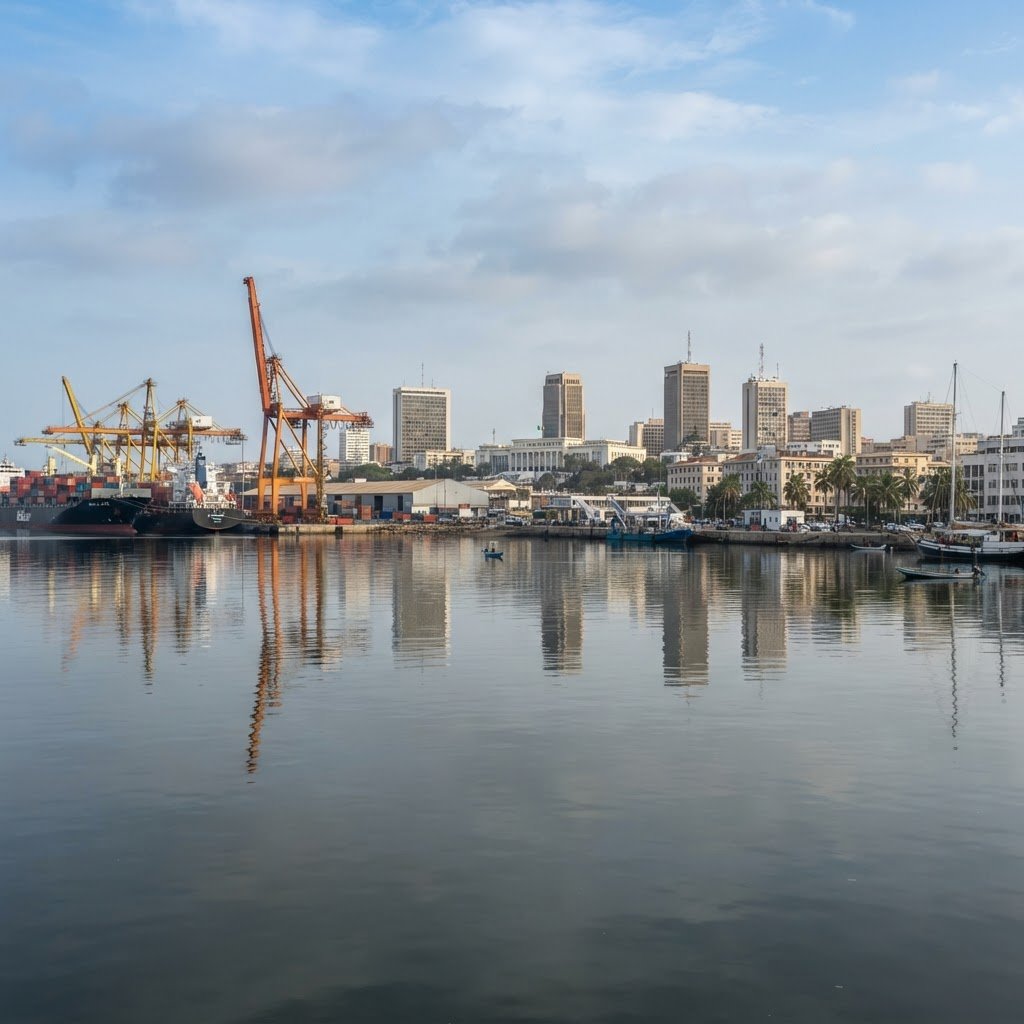
Senegal and The Gambia
Senegal is the largest 100% Broken Rice market in the world and The Gambia buys it the same way. This is not a substitute for table rice here, it is the rice, cooked daily and judged on how it looks on the plate — so whiteness and a hard colour sortex carry the sale, not price alone. Standard shipment is 50kg sacks into Dakar and Banjul, plain or printed at the mill, shipped to your port or to your door where we hold clearance.
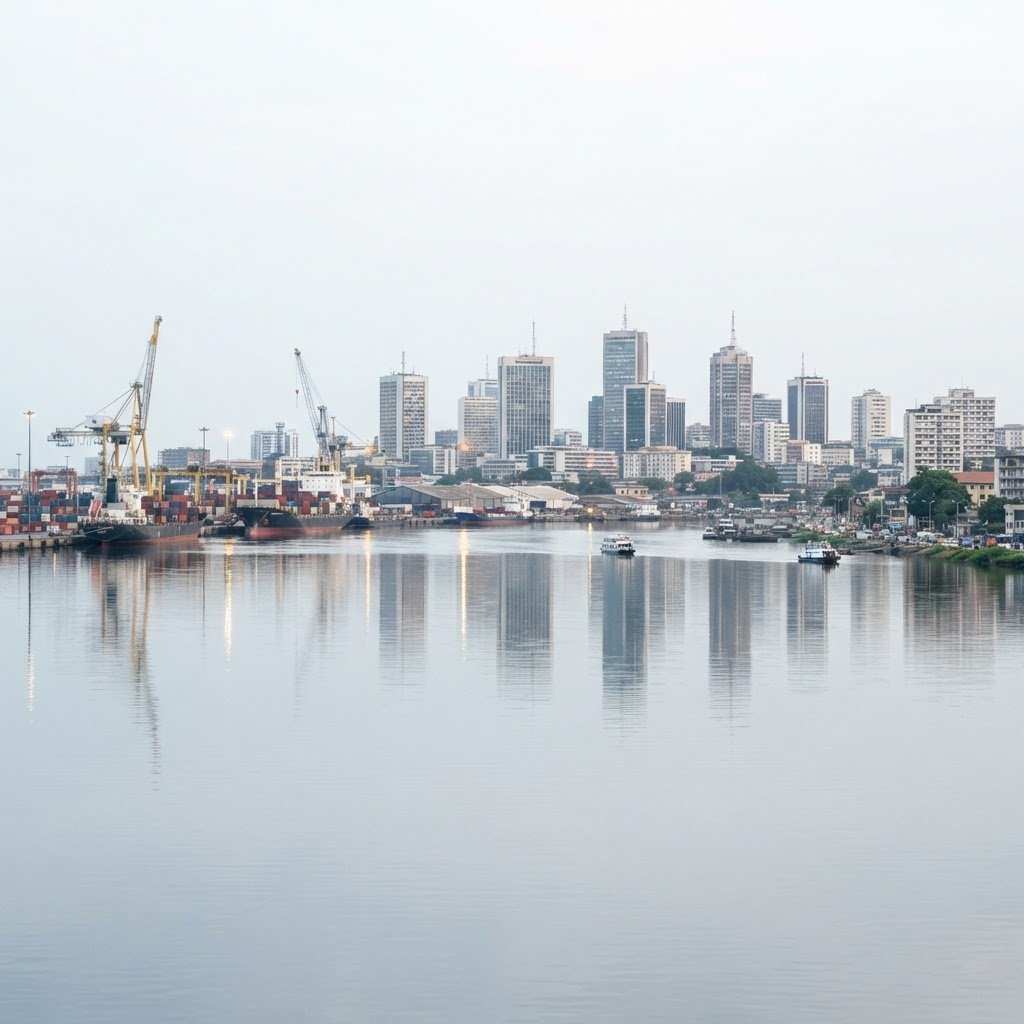
Côte d'Ivoire, Ghana and the Gulf of Guinea
Abidjan, Tema and Lomé clear 100% Broken Rice for their own markets and for the landlocked trade behind them into Mali and Burkina Faso, so a container often has two destinations, one set of documents and a road leg nobody quotes for. Togo and Benin move it on again. We ship 50kg woven and jute sacks, plain-bagged for distributors who brand locally, to your port with the freight paid or to your door where we hold clearance.
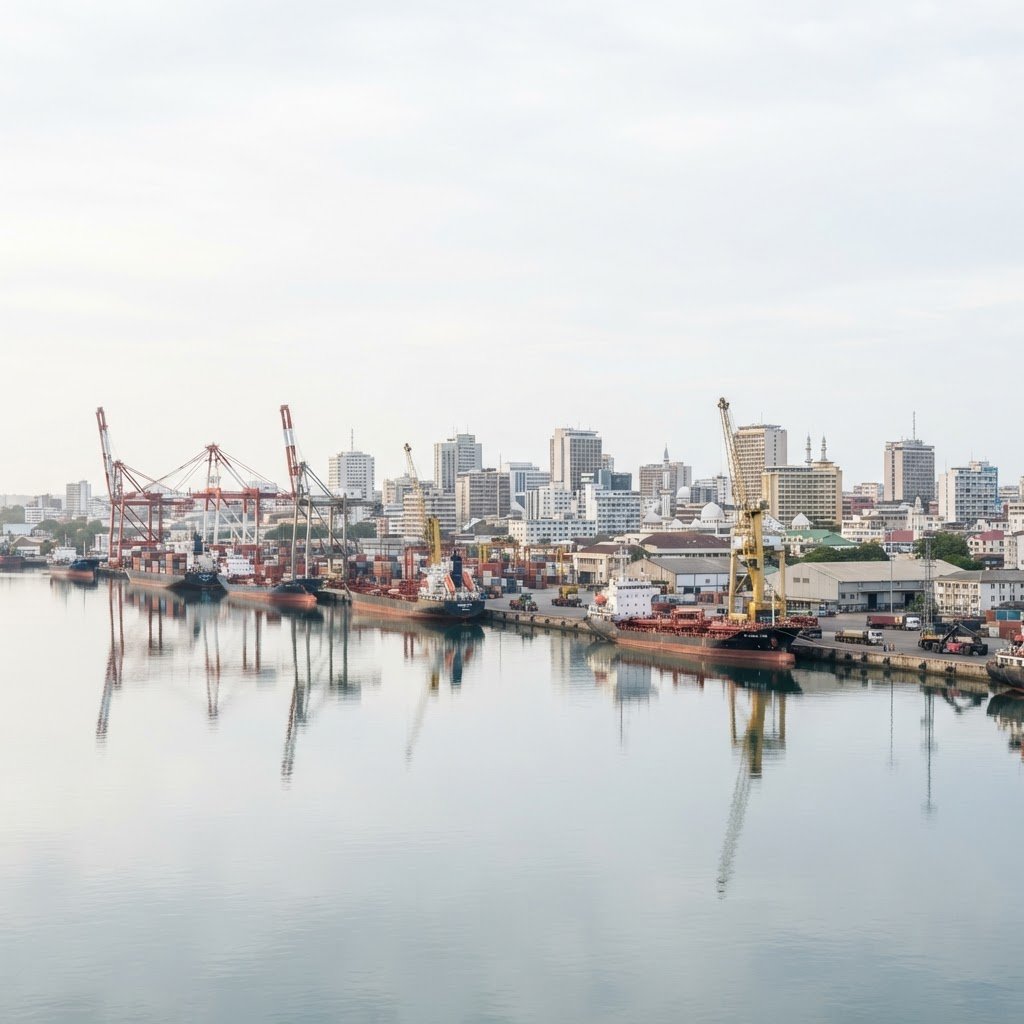
Kenya and the Horn of Africa
Mombasa is the gate for Kenya and for the transit trade inland to Uganda, and Djibouti is the gate for Ethiopia. Kenya wants 25kg woven bags rather than 50kg and it wants a certificate of conformity issued before loading, which we arrange at origin and quote inside the price. Shipment is to your port with the freight paid, or to your door where we hold local clearance. More detail sits in our note on the East African rice trade.
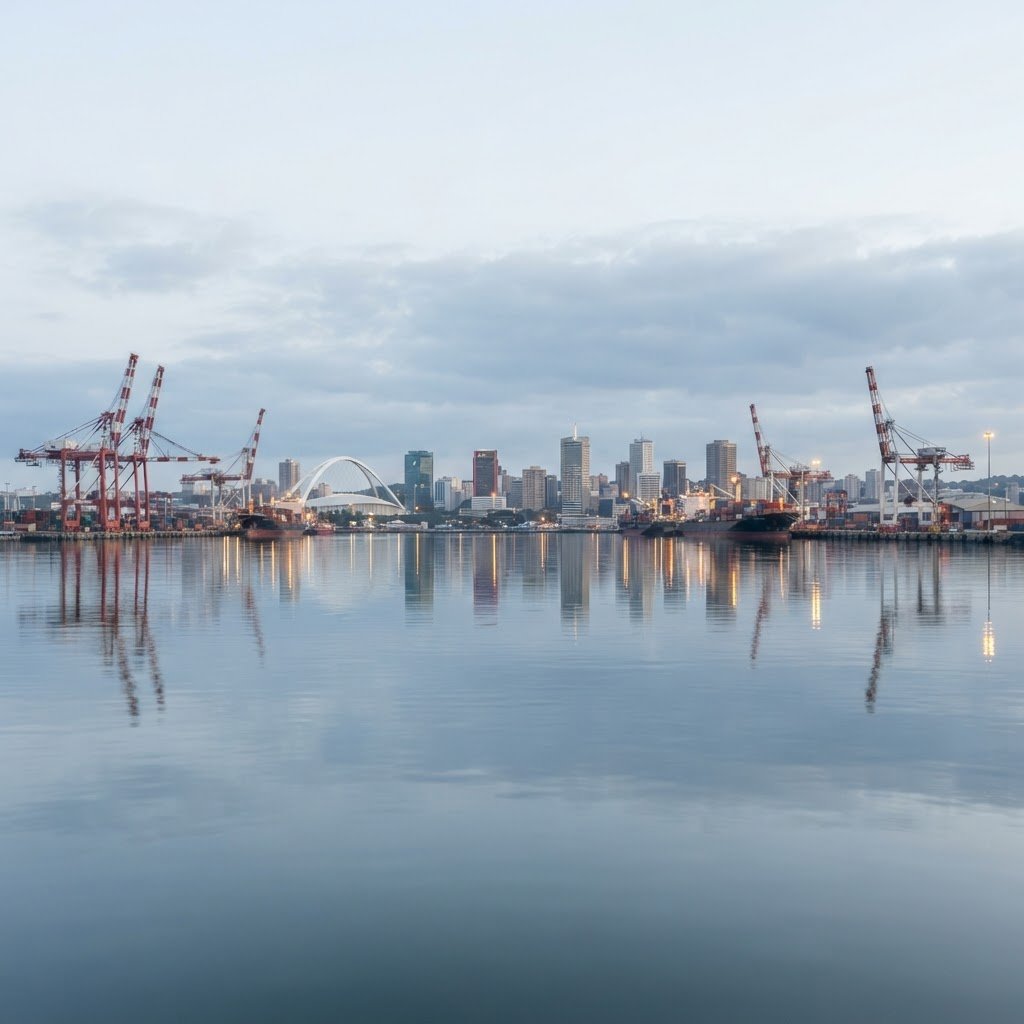
Zimbabwe and Southern Africa
Zimbabwe is one of the largest 100% Broken Rice buyers in the world and it is landlocked, so the rice arrives through Beira or Durban and moves inland by road with Zambia, Malawi and Botswana on the same corridors. That makes the inland haulage and the transit paperwork the real work, rather than the loading itself. We ship 25kg and 50kg to your port with the freight paid, and to your door where we hold local clearance.
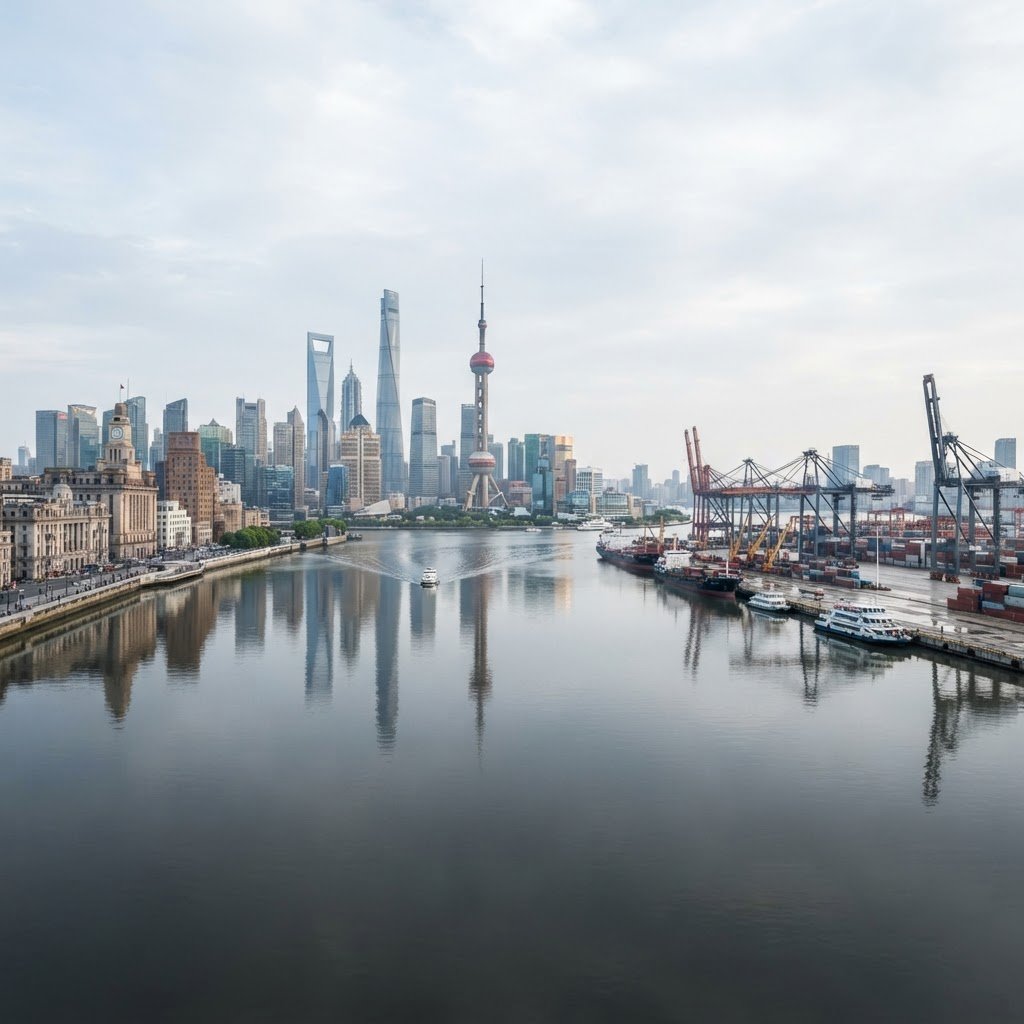
China and Southeast Asia
China is the second-largest 100% Broken Rice market in the world and it buys for feed mills and starch plants rather than for the table, in 50kg and jumbo bags. The Philippines, Indonesia and Vietnam buy it for noodle plants. Chinese entry requires the mill to hold its own registration with Chinese customs, which we confirm before quoting. Shipped to your port with the freight paid, or to your door where we hold local clearance.
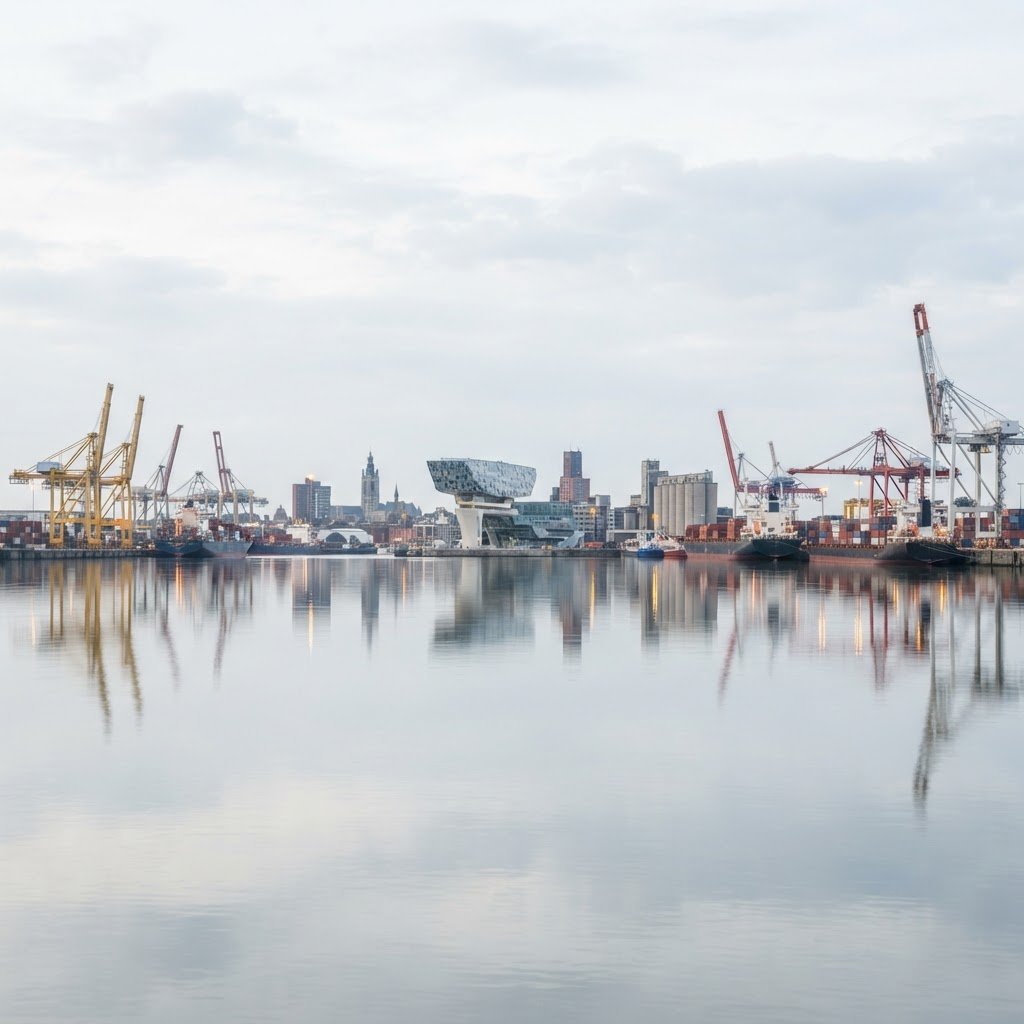
The UK and The European Union
Antwerp, Rotterdam and Genoa are where Europe buys 100% Broken Rice for flour, starch, glucose and pet food, and Pakistani rice enters the EU at zero duty. What decides a European order is not the tariff but the residue and contaminant testing, so we ship against a full analysis certificate and third-party inspection at loading. Belgium, the Netherlands, Italy and Spain already buy more Pakistani rice than any other origin's.

North America and the Caribbean
Canada imports 100% Broken Rice with no domestic crop and no protective duty behind it, mostly into pet food, starch and the South Asian retail trade, through Montreal and Halifax. Jamaica and Trinidad and Tobago buy it as a staple and for food processing. Shipment is 25kg and 50kg woven, plain or printed at the mill for own-brand packers, to your port with the freight paid or to your door where we hold local clearance.
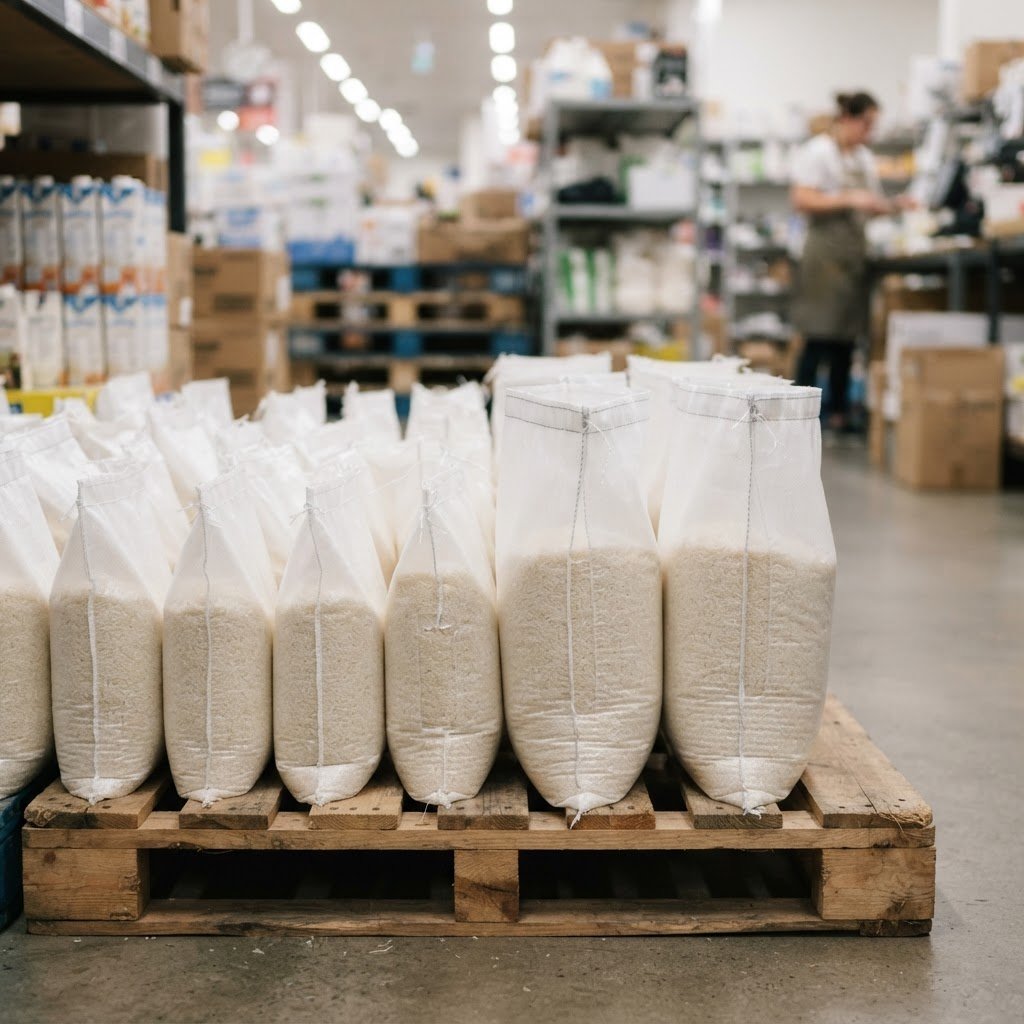
Packing and Private Label for 100% Broken Rice
From 5kg Retail Bags to 1000kg Jumbos, Printed or Plain
The bag is decided at order stage and filled at the mill, because 100% Broken Rice ships pre-bagged. A buyer who wants his own print has to say so before the rice is packed, not when it lands.
5kg and 10kg Retail Bags
For retail shelves and cash-and-carry, where 100% Broken Rice sells as an everyday staple. Printed to your own artwork at the mill, or plain with a blank panel so a distributor can brand it locally.
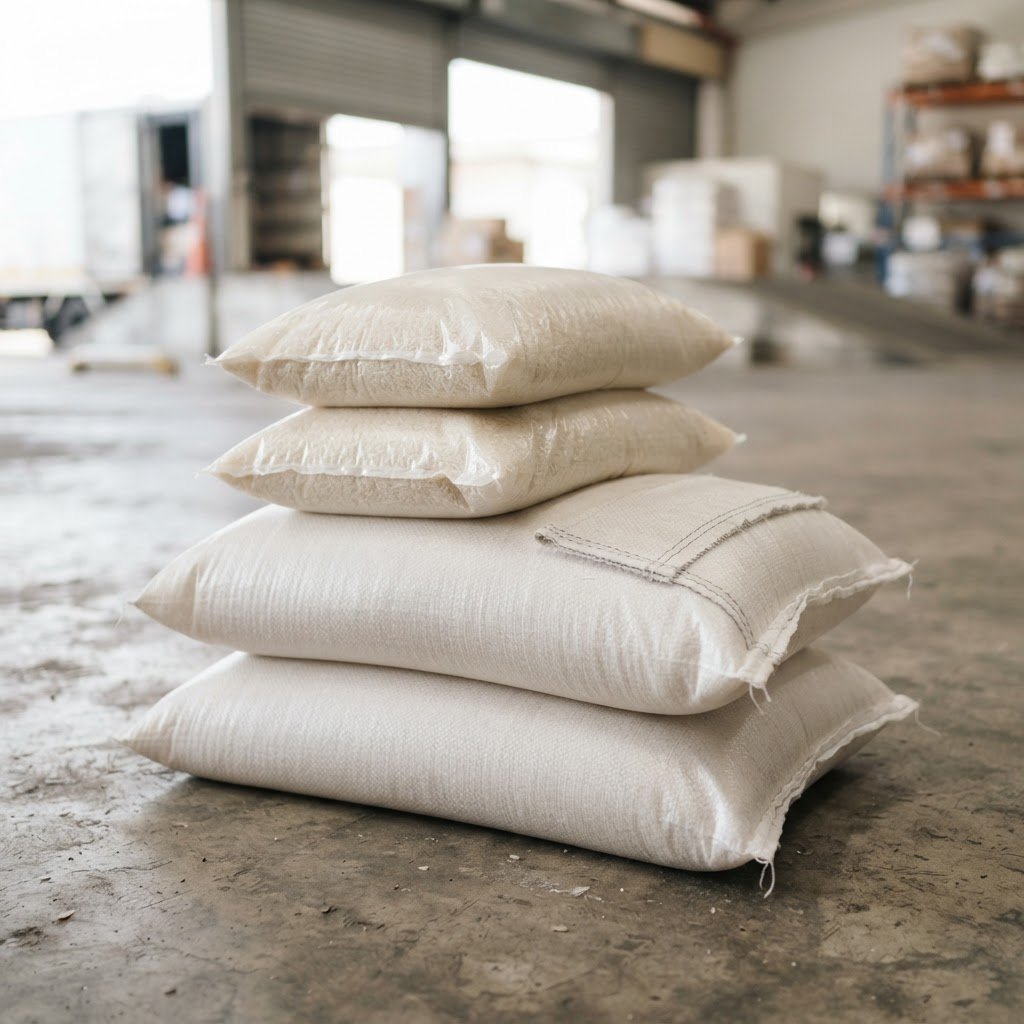
Catering Sacks, 20kg and 25kg
The standard East African bag for 100% Broken Rice, and the one institutional kitchens ask for. 20kg or 25kg woven polypropylene handles better on a manual chain than 50kg, and it is what Mombasa clears against.
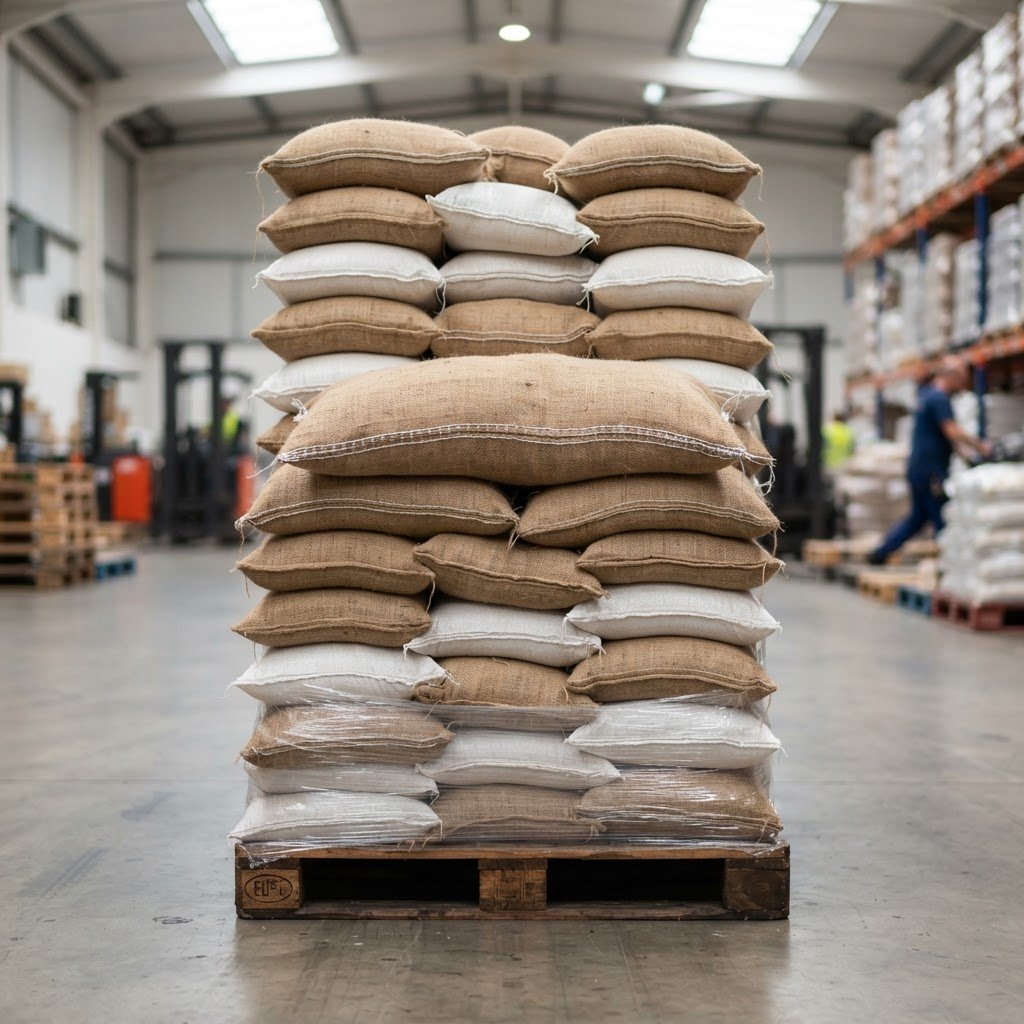
Bulk Sacks, 40kg and 50kg
The West African trade bag and the flour-mill bag. 40kg & 50kg woven polypropylene or jute, plain or printed, stacked to container height and much the cheapest way to move 100% Broken Rice per tonne.
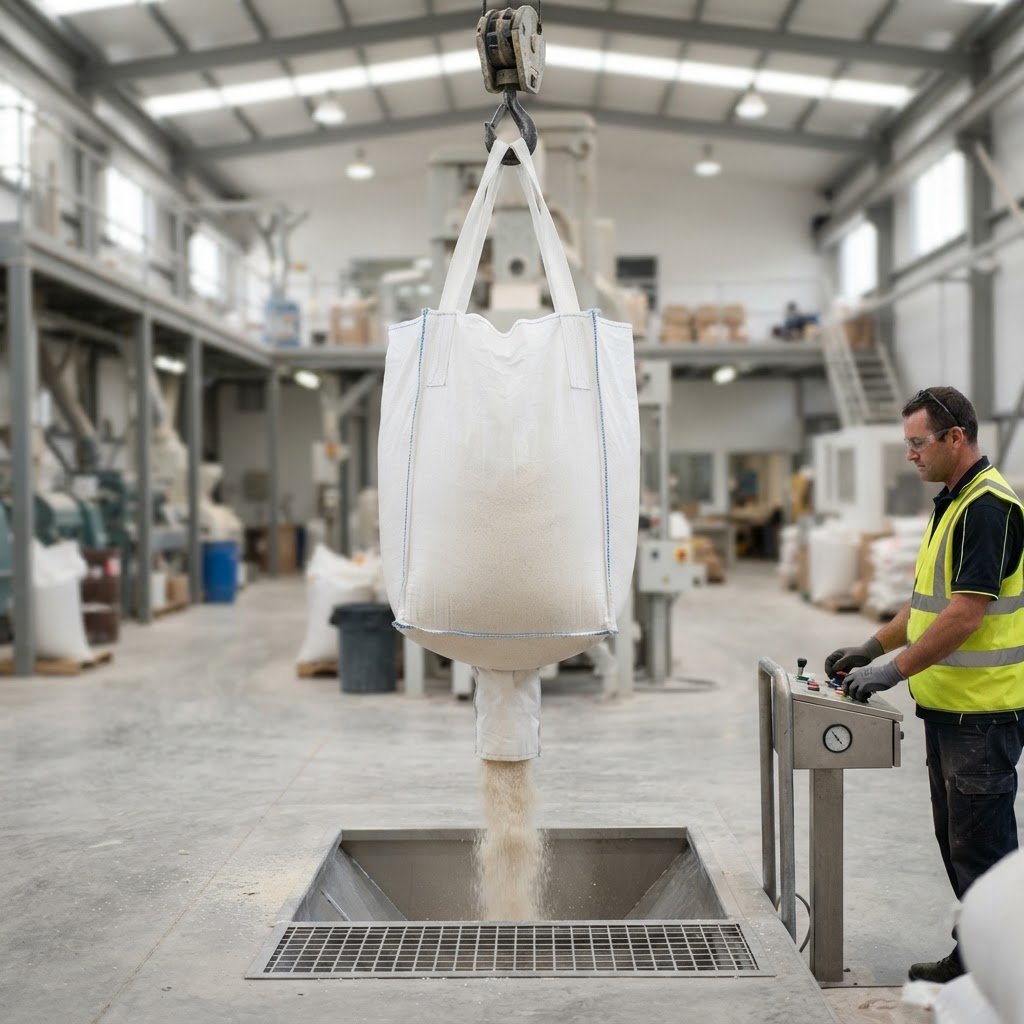
1000kg Jumbo Bags
For flour mills, starch plants and feed mills tipping 100% Broken Rice into an intake pit. One-tonne bulk bags with a discharge spout, no manual handling and no empty sacks to clear afterwards.
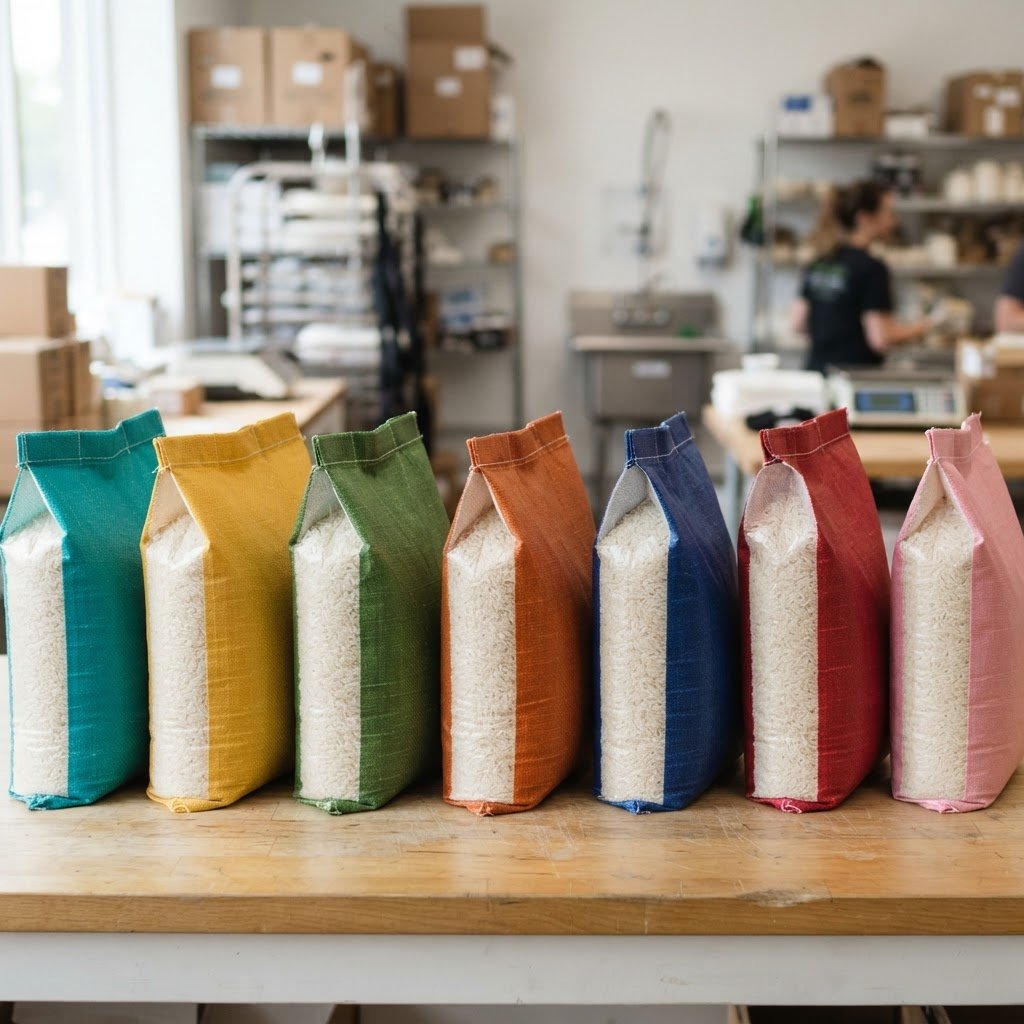
Your Own Brand on the Bag
Send artwork and your 100% Broken Rice is bagged into it at the mill, so the print run sits at the front of the order rather than the end. What that involves is set out in our note on private label rice in the GCC. Print runs start at one container.
Quality, Inspection and Certificate of Conformity
Tested at the Mill, Inspected at the Port, Documented to Destination
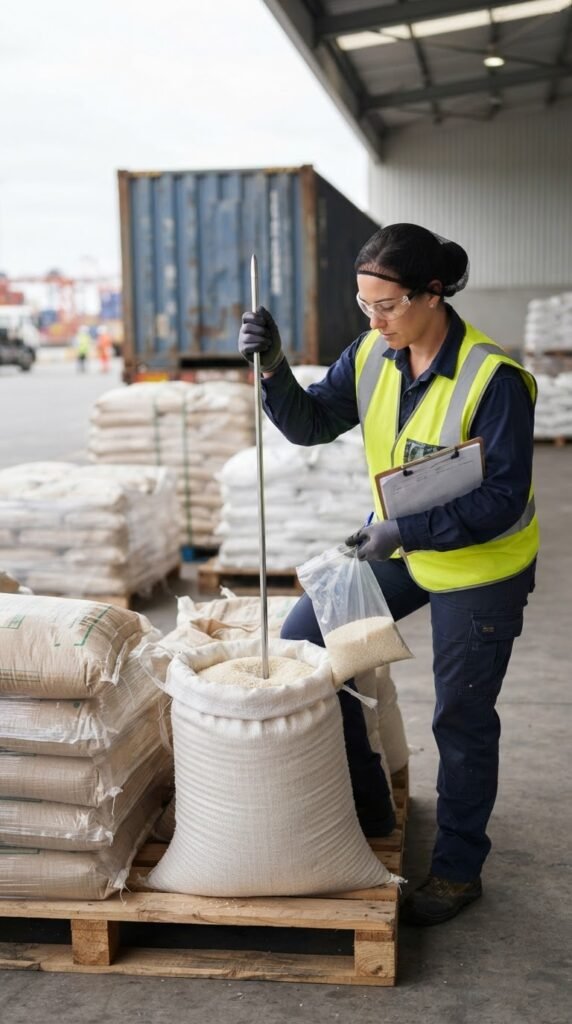
100% Broken Rice is bought on figures, not on a photograph. Every consignment is tested at the mill and can be inspected independently before it loads, and the certificate travels with the documents.
Four figures matter most on 100% Broken Rice, and they are the four we hold the mills to:
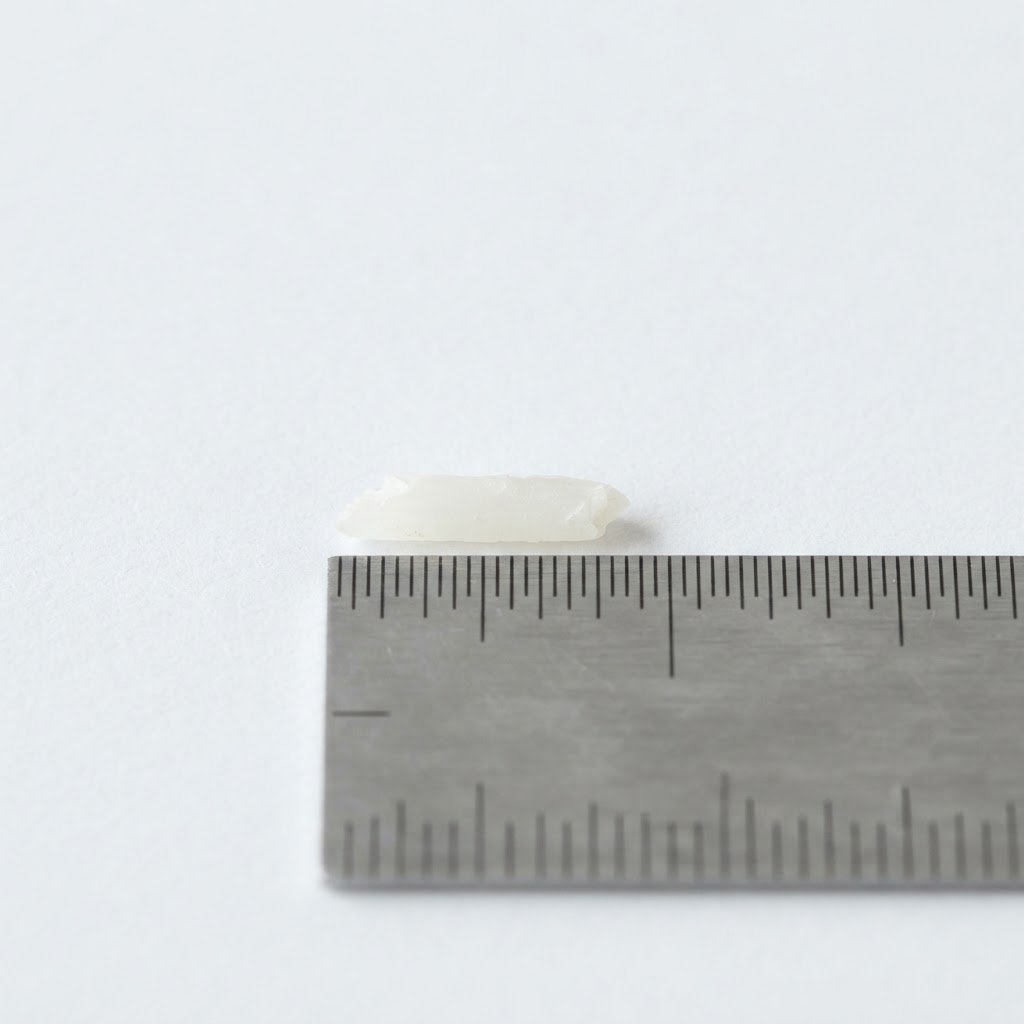
Under 4.5mm Fragment
This is the figure that defines 100% Broken Rice and the one most often left off a quote. The working range is 2.5mm to 4.5mm; the fine grits cut sits below it and is screened separately.
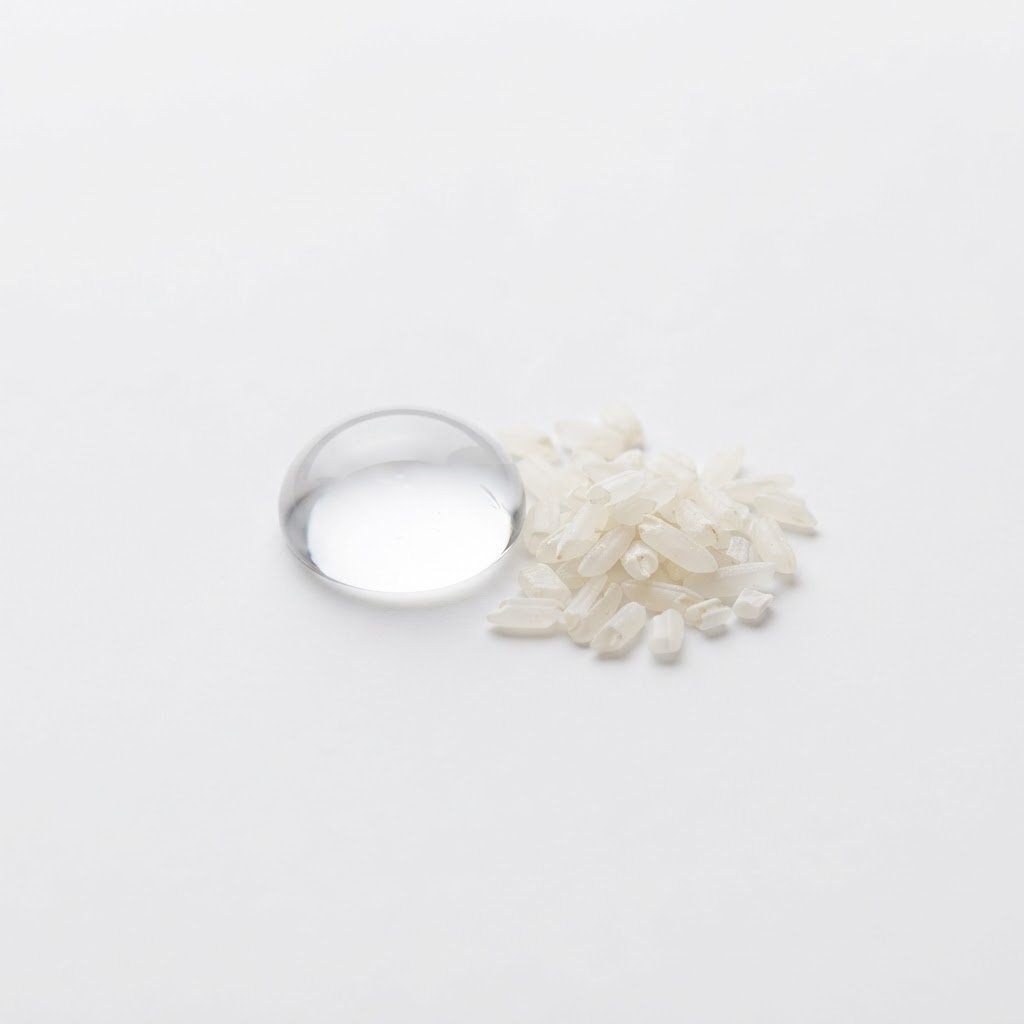
13% Maximum Moisture
Above this the 100% Broken Rice sweats in the sack and the load is finished long before a container has sold through in Dakar or Mombasa. It is a maximum, not a target.
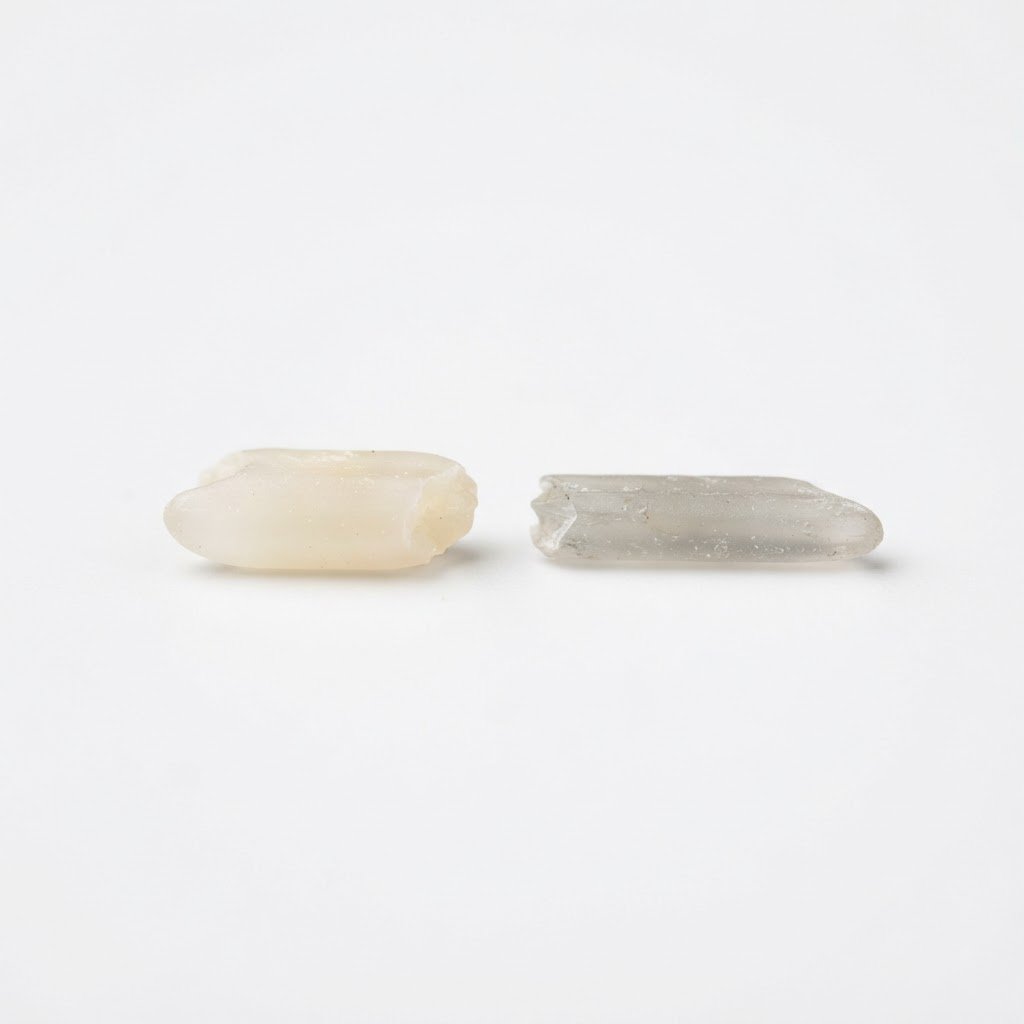
95% Pure IRRI-6
A mixed-variety load of 100% Broken Rice behaves differently in an extruder and on a starch line. Holding one variety is what makes it repeatable container to container.
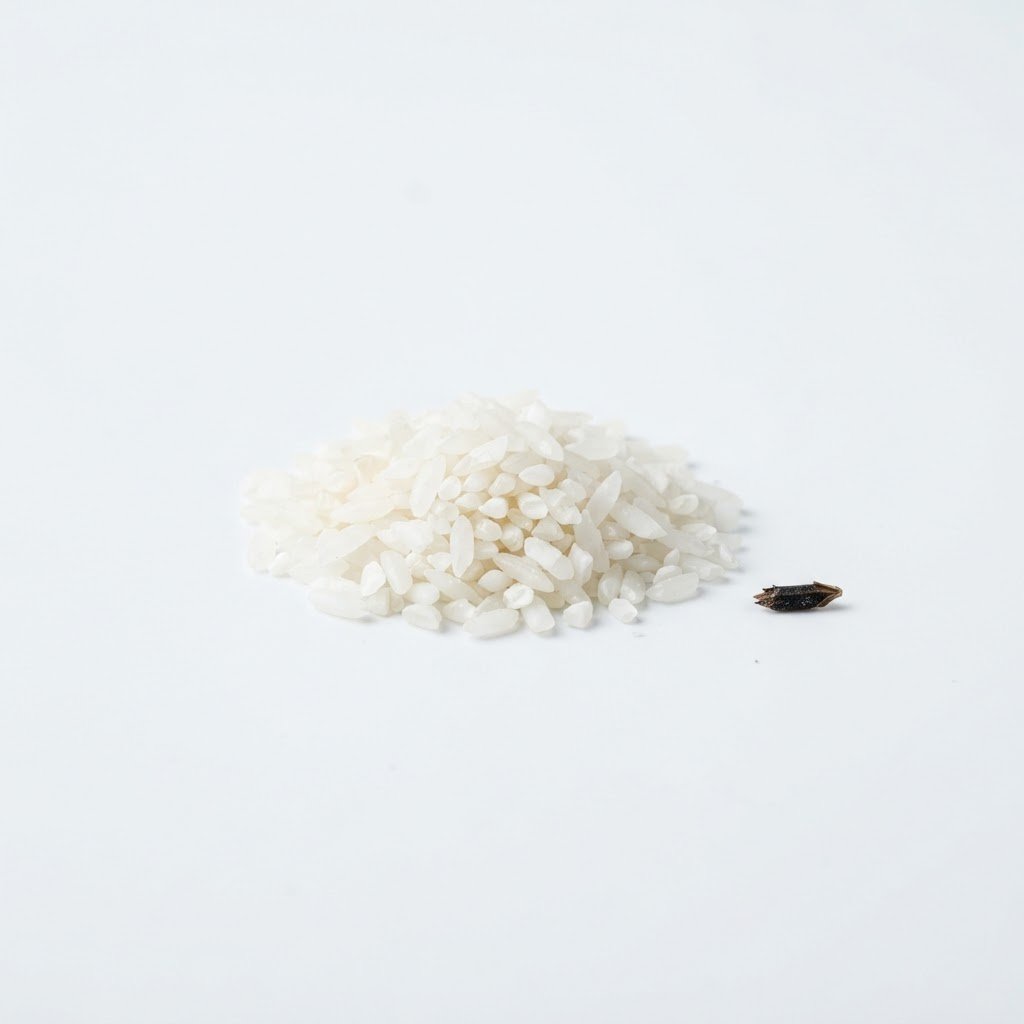
0.5% Foreign Matter
The figure a baby-food or flour plant tests first on 100% Broken Rice, because anything that is not rice ends up in the flour and there is no step downstream that removes it.
Sortex Is Where 100% Broken Rice Goes Wrong
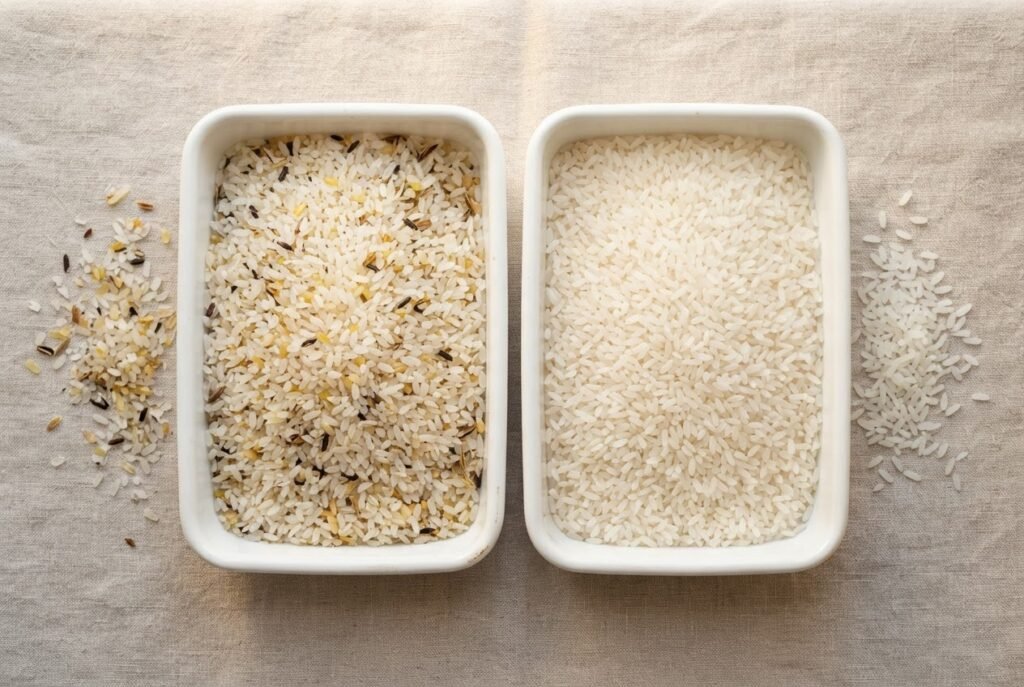
A colour sortex reads every fragment as it falls and blows out the ones that are the wrong colour — chalky whites, ambers, yellows and anything that is not rice at all. On 100% Broken Rice it does more work than on whole grain, because a fragment hides damage that a whole grain shows on its surface. Ours is double silky polished and colour sortexed, and the chalky and discoloured figures are on the certificate of analysis.
We hold the mills to those figures and check every lot against a reference sample before it is bagged. Moisture is checked on arrival at the mill and again at the bag, because moisture is what turns a good lot into a claim six weeks later in a Dakar or Mombasa warehouse. Crop year is recorded on every batch and stated to you, not left as subject to availability, and what the Pakistani certifications actually cover is set out in our note on rice certifications for GCC buyers. In Qatar the stock is kept under cover at Birkat Al Awamer and rotated first in, first out.
The Certificate Your Country Asks For on 100% Broken Rice
Several destinations require the shipment of 100% broken rice to be inspected and certified in Pakistan before it sails, and the certificate has to be in the documents when the container lands. Kenya, Tanzania and Uganda all work this way, and without it a container can be refused at the port or fined. Saudi Arabia runs its own route instead, built around product registration before the first shipment and Arabic labelling on retail packs, which is a different lead time rather than a lighter one. We arrange whichever applies as part of the shipment rather than leaving it with you, and the cost is inside the price we quote. Tell us the destination country at enquiry and we will tell you which one you need and what it adds.
Independent Inspection Before It Sails
You do not have to take our word for the 100% Broken Rice specification. SGS, Intertek, Bureau Veritas and Cotecna all work at Pakistani ports, and any of them can attend the loading, draw their own samples and issue their own report on quality, quantity and weight before the container leaves. You appoint them and you pay them, and that is the point: the report is written to you, not to us. Buyers taking a first container from us often do this once and then never again.
What Travels With Every Container of 100% Broken Rice
Commercial invoice, packing list, bill of lading, certificate of origin, phytosanitary certificate, fumigation certificate, halal certificate and the mill test sheet for your own 100% Broken Rice lot, showing what your rice actually measured. If your bank or your border wants a document that is not on that list, ask before the container is booked. Adding one afterwards means the rice waits at the port at your cost until it is sorted out, and that gets expensive quickly.
Our partner mills operate under internationally recognised food safety and quality management systems, and are active members of the Rice Exporters Association of Pakistan (REAP), complying with Pakistan Standards and Quality Control Authority (PSQCA) requirements. The certificate for the mill behind your 100% Broken Rice is available on request.
How You Buy 100% Broken Rice From TEFT Global
From Our Stock in Qatar, or Shipped to Your Port or Door
In Qatar, 100% Broken Rice is already imported and cleared before you order it. Everywhere else it ships to your port with the freight paid, or to your door where we hold clearance.
In Qatar, From Our Own Stock
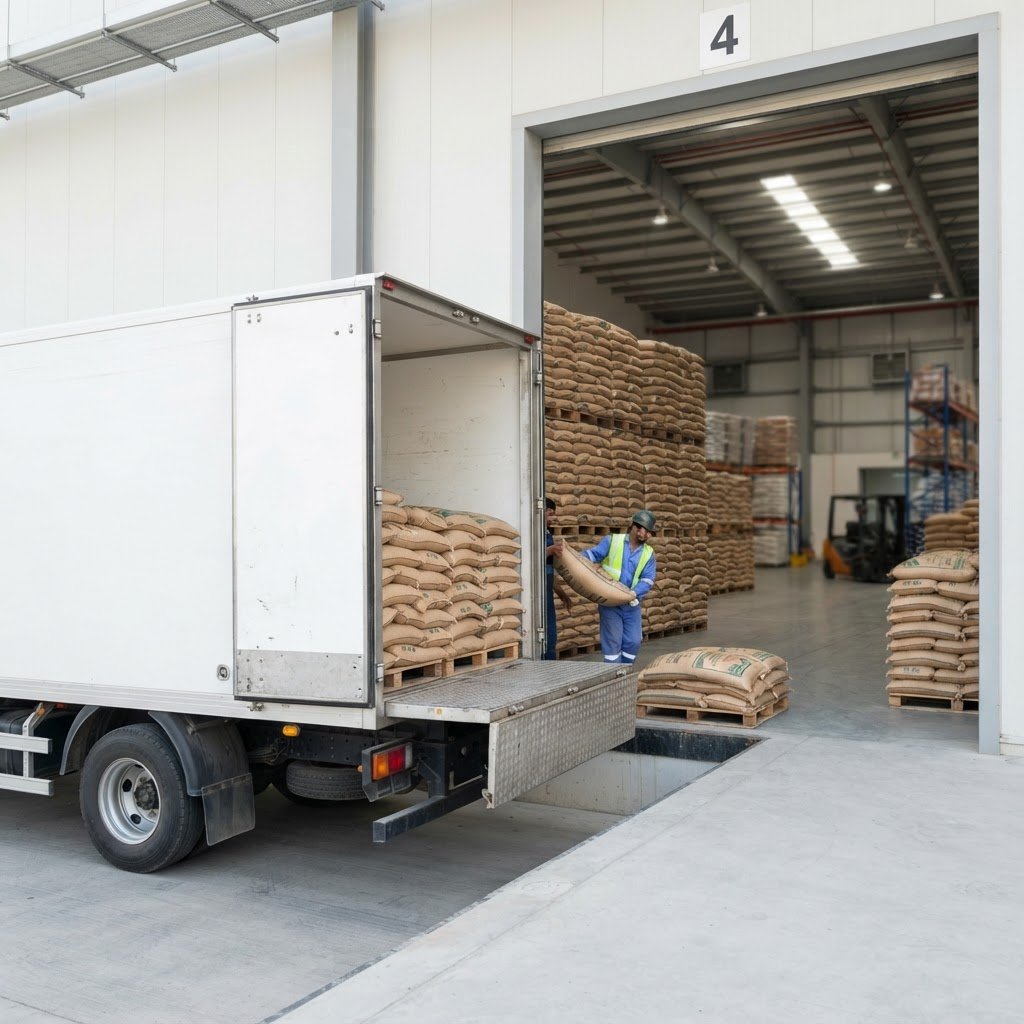
We hold 100% Broken Rice at Birkat Al Awamer in Al Wakra, already imported, cleared and sitting under our own name. A flour plant, a repacker or a camp kitchen here orders part loads rather than containers, takes delivery on our transport and never opens a letter of credit or touches a customs entry. Order in the morning, and for stock lines we deliver anywhere in Qatar the same week, on our own transport.
Everywhere Else, Shipped to You
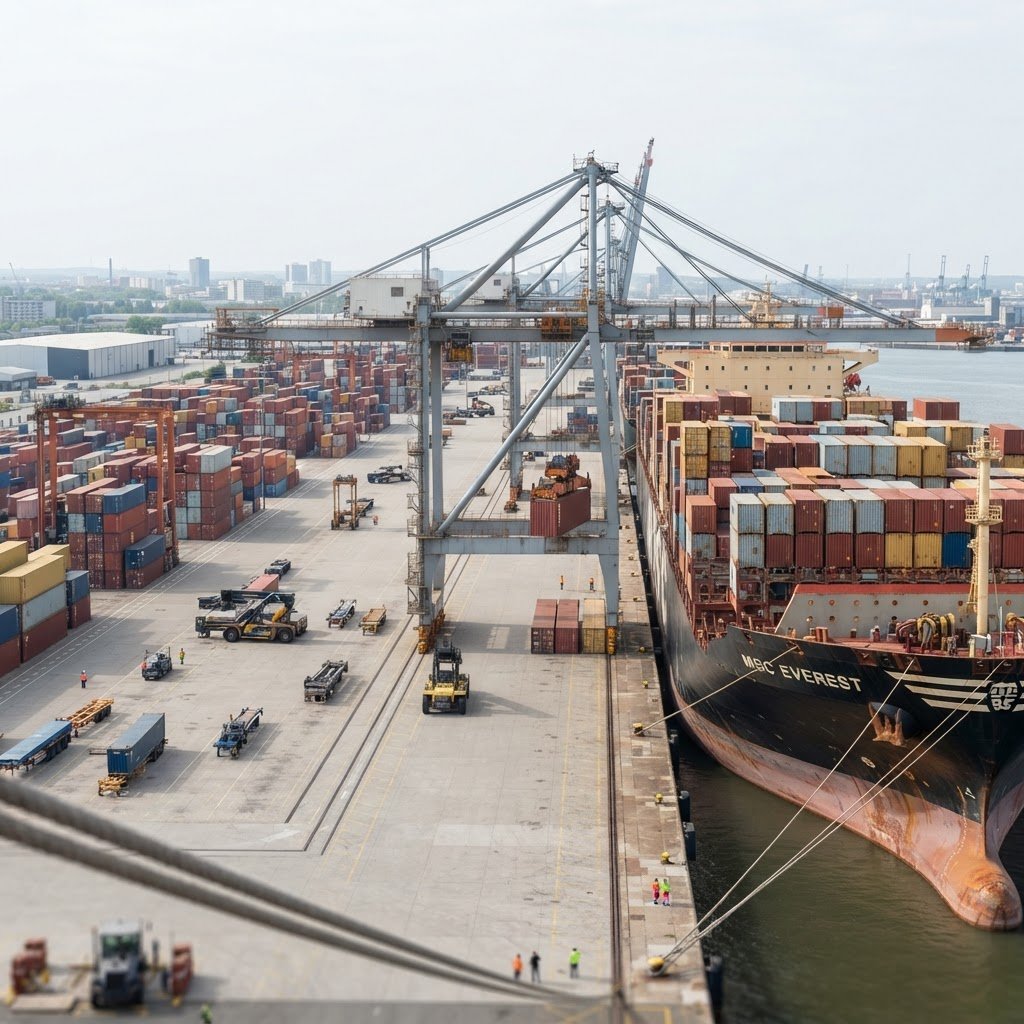
Outside Qatar, 100% Broken Rice ships by the container from Pakistan against your specification and your bag, on terms that land it at your port with the freight paid — or at your door in markets where we hold local clearance. Certificates of conformity, phytosanitary and fumigation documents are arranged at origin, and inspection happens before the container is sealed, which is what keeps a shipment moving.
Every other supplier ranking for 100% Broken Rice in Qatar quotes you a price at a foreign port and offers to help you import it. If you are in Qatar you are not importing anything from us. The rice is already here.
What Turns an Enquiry for 100% Broken Rice Into a Price
Five Things We Need, and One Sample Before You Commit
100% Broken Rice is quoted per metric tonne, and the number moves with the form, the bag and where it is going. Tell us those and the quote comes back within one business day.
The Form
White, sella or the fine grits cut. If you are not sure of the name, tell us what the 100% Broken Rice is going into and we will tell you which one the trade uses for it.
The Quantity
Part loads of 100% Broken Rice from Qatar stock, or full containers at roughly 26 tonnes to a 40ft. Volume moves the per-tonne number more than anything else on this list.
The Destination
The country and the delivery point, not just the port. Whether it goes to a quayside, a bonded store or your own door changes the terms and changes the certificates.
The Bag
5kg to 50kg or 1000kg jumbo, plain or printed. Printed 100% Broken Rice bags are made before the rice is packed, so artwork adds lead time at the front of the order.
The Timing
When you need it on the ground, and in which month. Crop timing, the print run and the sailing all sit between an agreed price and a delivered container on your yard.
100% Broken Rice: Questions Buyers Ask
Sourcing, Specification, Packing and Supply
The questions that come up most often on 100% Broken Rice, answered plainly.
No. Broken rice is graded by length, not by defect — every rice mill in the world produces it, and the industries that buy it want it fragmented. What varies between one 100% Broken Rice offer and another is the milling: how hard it has been polished, whether it has been colour sortexed, and how much chalky and discoloured material is left in the bag.
25% broken means a quarter of the bag is fragments and the rest is whole grain — it is a grade of IRRI-6 long grain rice, sold to be cooked and eaten as table rice. 100% Broken Rice has no whole grain in it at all. They are two different products with different buyers, not two points on the same scale.
Below 4.5mm, with a working range of 2.5mm to 4.5mm. A finer grits cut is screened separately for starch, glucose and sweetener plants, where particle size drives the yield rather than appearance.
5kg and 10kg retail bags, 20kg and 25kg catering sacks, 40kg and 50kg woven or jute trade sacks, and 1000kg jumbo bulk bags for mills and feed plants. 100% broken rice bags can be plain with a blank panel for local branding, or printed to your own artwork at the mill.
Yes. Private label bags are printed at the mill and filled there, because rice ships pre-bagged. That means artwork has to be approved before packing rather than after, and the print run sits at the front of the lead time.
Yes, as 100% Broken Sella Rice — IRRI-6 that was parboiled in the husk before milling, which hardens the grain and turns it pale gold. It holds up better in long cooking and hot-holding than the raw white form, and it is asked for by name in parts of the African trade.
We ship to Qatar, Saudi Arabia, the United Arab Emirates, Kuwait, Bahrain, Oman, Senegal, The Gambia, Côte d’Ivoire, Ghana, Mali, Burkina Faso, Togo, Benin, Kenya, Uganda, Ethiopia, Djibouti, Zimbabwe, Zambia, Malawi, Botswana, South Africa, China, the Philippines, Indonesia, Vietnam, Belgium, the Netherlands, Italy, Spain, Canada, Jamaica and Trinidad and Tobago. If your market is not on that list, just ask as we quote worldwide and we ship from Pakistan to any port you nominate.
Explore related rice varieties and supply solutions available through TEFT Global.
Premium Basmati Rice
Long Grain Rice
Rice Supply Solutions
Looking for a 100% Broken Rice Supplier?
One Named Contact in Doha, Seven Days a Week
Whether you are milling 100% Broken Rice into flour, running it on a starch line, packing it under your own brand or moving it by the container as a staple, tell us the end use and the destination and we will come back with a price and a lead time.
SEND US AN ENQUIRY
Whether you need a regular monthly supply of 100% Broken Rice or you are checking whether we can meet a one-off specification, we are happy to talk.
Fill in the form and we will come back to you within one business day. If you prefer, you can reach us directly on WhatsApp.
We supply flour mills, noodle and cereal plants, starch producers, importers, distributors and institutional caterers in Qatar and the Gulf, across West Africa, East Africa and Southern Africa, into China and Southeast Asia, and in Europe and North America — in Qatar from our own stock at Al Wakra.
All enquiries are handled personally. No automated responses, no call centres.