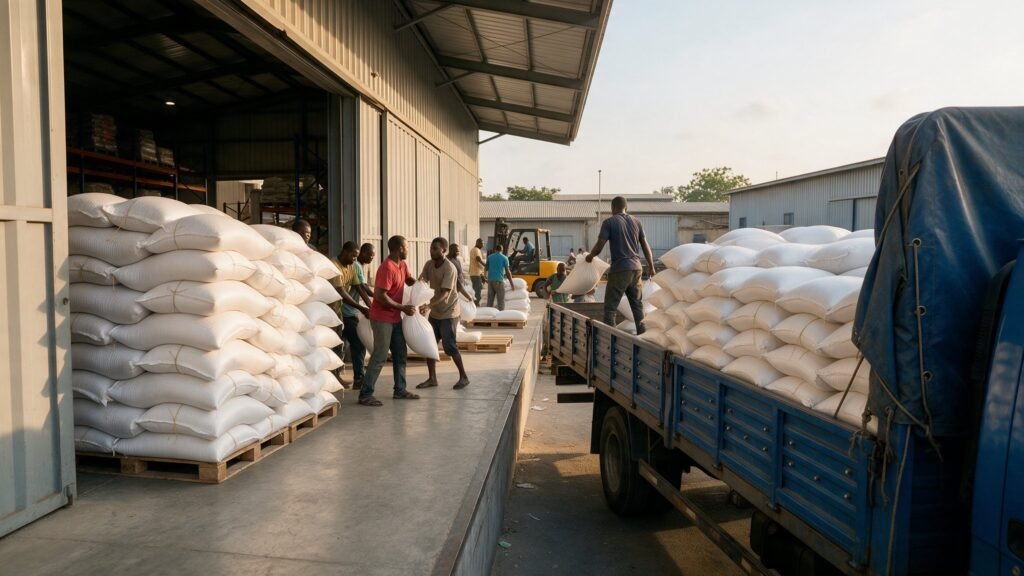
A reliable Pakistan basmati rice supplier is the single biggest factor separating smooth GCC procurement from costly disruption. Pakistani Basmati rice accounts for more than 35% of global Basmati exports, yet supplier reliability remains the primary concern for GCC importers managing bulk procurement contracts. Delays, inconsistent grain quality, and documentation gaps can disrupt distribution networks across Qatar, Saudi Arabia, and the UAE. Professional buyers need a structured approach to evaluate processing standards, export compliance, and shipment performance before committing to supply agreements.

Reliable Pakistani Basmati suppliers maintain ISO 22000:2018 and HACCP certifications, demonstrate consistent grain specifications across shipments, and provide complete export documentation that meets GCC import requirements. These operational standards directly affect landed costs, customs clearance speed, and customer satisfaction in competitive rice markets. Evaluating Pakistani Sella Basmati suppliers requires verification methods that go beyond price comparisons.
Understanding how Pakistan’s rice export infrastructure supports long-term supply commitments helps procurement teams reduce sourcing risk. The Rice Exporters Association of Pakistan oversees quality standards, while certified mills implement traceability systems that protect B2B buyers from specification failures and regulatory complications.
Key Takeaways
- Pakistani Basmati supplier reliability depends on processing certifications, quality control systems, and export documentation accuracy
- Professional importers evaluate suppliers through factory audits, laboratory testing, and shipment performance history rather than price alone
- Long-term partnerships with certified integrated exporters deliver the most consistent grain quality and logistics performance for GCC markets
What underpins Pakistan’s basmati rice supply and exports?
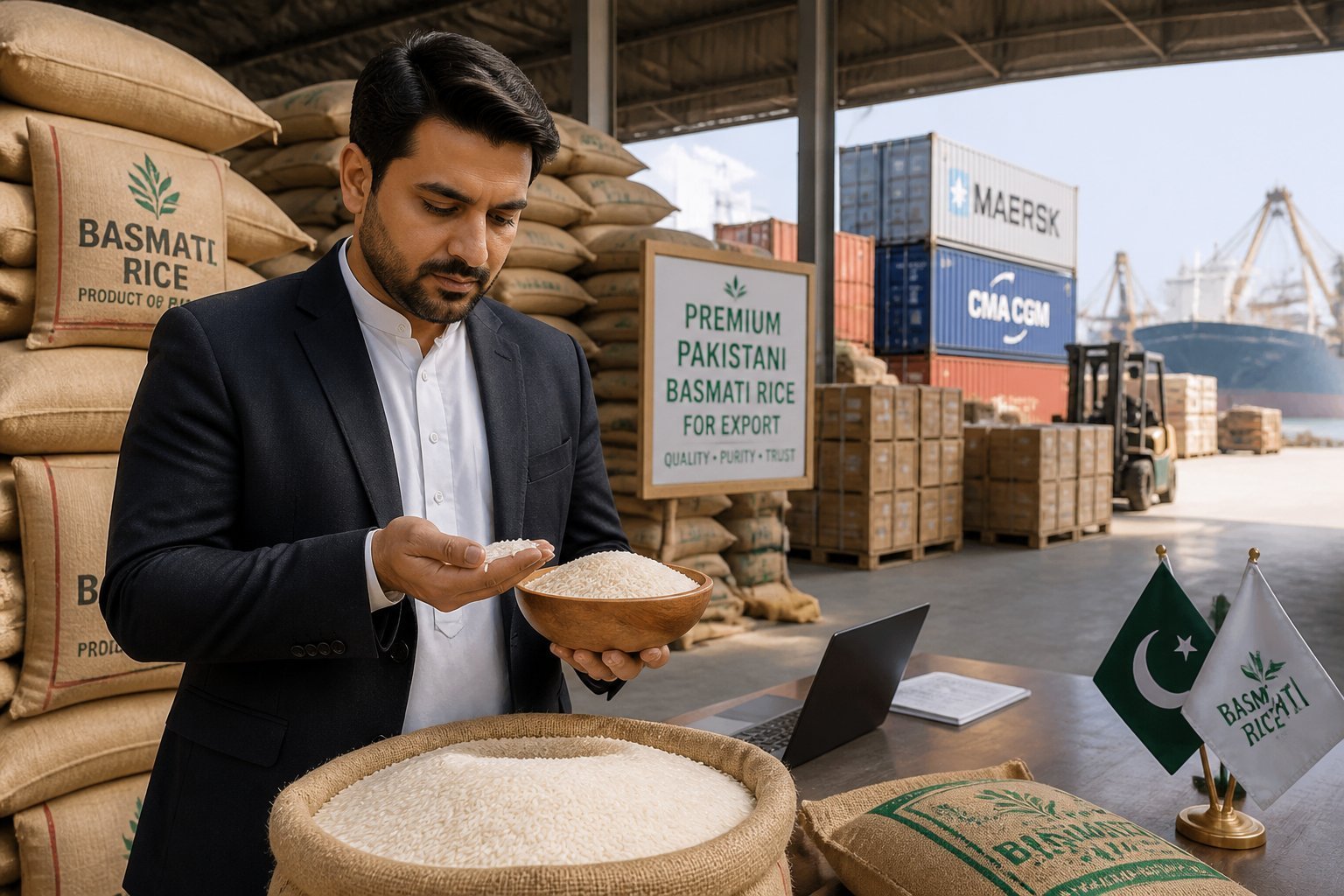
Pakistan stands as a major basmati rice exporter with established infrastructure, quality standards, and agricultural expertise that support consistent global supply. The country’s export framework combines traditional farming practices with modern quality certifications to meet international market requirements.
Unique Characteristics of Basmati Rice
Basmati rice from Pakistan features distinct physical and sensory properties that differentiate it in global markets. The grain exhibits extra-long length, typically measuring 7-8mm before cooking and expanding to nearly double that size when prepared.
Pakistani Basmati rice carries a signature aroma and fluffy texture after cooking. These characteristics result from specific cultivation conditions in Punjab’s fertile agricultural regions, where climate and soil composition create optimal growing environments.
The grain maintains its shape during cooking and does not clump together. This quality makes it suitable for various culinary applications across different cuisines.
All Pakistani basmati rice for export meets ISO 9001:2015, ISO 22000:2018, HACCP, Halal, and USFDA certification standards. These certifications ensure food safety, quality management, and compliance with international regulations.
Export Landscape and Market Dynamics
Pakistan exported over 5.54 million metric tons of rice in the first 11 months of FY 2024-25. Basmati rice exports grew by 1% during this period, demonstrating steady market demand.
Key import markets include:
- UAE and Saudi Arabia – Primary destinations in the GCC region
- European Union – Strong consumer preference for basmati varieties
- North America – Growing demand for premium rice
- Africa – Expanding market presence
The Rice Exporters Association of Pakistan represents private sector exporters after the industry transitioned from state control. This organization coordinates export activities and maintains quality standards across the industry.
Pakistan competes primarily with India in European basmati markets, with varieties like Super Kernel Brown Basmati gaining market share. Both origins serve different market segments based on variety preferences and pricing.
Significance of Bulk Supply for International Trade
Bulk basmati rice supply serves as the foundation for international distribution networks. Large-scale importers and distributors require consistent volumes to maintain inventory levels and fulfill ongoing contracts.
A bulk basmati rice supplier must demonstrate reliable production capacity and logistics capabilities. This includes access to sufficient grain stocks, processing facilities, and shipping infrastructure to handle container-level orders.
Pakistan’s established export infrastructure supports bulk operations through dedicated milling facilities, quality control systems, and port access. The country processes and exports basmati rice in various packaging formats, from retail consumer packs to industrial bulk containers.
Bulk supply advantages include:
- Lower per-unit costs for large volume orders
- Consistent quality across shipments
- Flexible packaging options for regional distribution
- Streamlined logistics and documentation
Certified Pakistani basmati rice exporters maintain quality throughout the bulk supply chain, ensuring that rice arrives in destination markets meeting the same standards as when it left processing facilities.
How do you evaluate a basmati supplier’s reliability?
Reliable basmati rice suppliers demonstrate measurable quality standards through certifications, maintain consistent grain specifications across shipments, and execute dependable logistics that prevent delays or damage. These three criteria protect importers from rejection costs and supply chain disruptions.
Quality Assurance and Certification Standards
A basmati rice supplier proves reliability through internationally recognized certifications. ISO 9001:2015 confirms quality management systems, while ISO 22000:2018 validates food safety controls throughout processing and storage. HACCP certification demonstrates hazard analysis protocols that prevent contamination.
Halal certification is essential for GCC markets. USFDA registration indicates compliance with United States import requirements. Pakistan maintains certified production facilities that meet these standards.
Verification methods for 1121 basmati quality include laboratory testing for moisture content, grain length measurement, and broken percentage analysis. Reliable exporters provide test certificates with each shipment showing moisture levels between 12-13%, grain length of 8.00-8.40 mm, and broken ratios under 5%.
Third-party inspection removes supplier bias. Independent organizations verify physical quality, packing standards, and container loading conditions before shipment release. This neutral verification reduces dispute risk in bulk basmati rice transactions.
Traceability and Consistency in Bulk Orders
Consistent grain specifications across multiple shipments define supplier dependability. A bulk basmati rice supplier maintains uniform grain length, aroma intensity, and purity levels through controlled processing systems.
Traceability documentation tracks rice from paddy origin through milling, sorting, and packaging. Lot numbers connect each container to specific harvest batches and processing dates. This system enables rapid response if quality issues emerge after delivery.
Processing consistency requires standardized equipment calibration. Color sorters must remove defects at identical sensitivity levels. Moisture testing must use the same measurement protocols across all batches.
Key Consistency Metrics:
- Grain length variation under 0.2 mm between shipments
- Moisture content deviation under 1%
- Broken percentage consistency within 2% range
- Aroma compound stability verified through testing
Suppliers who document these parameters demonstrate operational control that supports long-term procurement relationships.
Logistics and Timely Delivery
Transportation infrastructure determines whether a basmati rice exporter can meet delivery schedules. Pakistan’s Karachi port handles containerized rice exports with established shipping routes to GCC markets, typically requiring 5-7 days transit time.
Container loading procedures protect rice quality during transport. Proper stacking prevents bag damage, while moisture barriers control humidity exposure. Reliable suppliers use food-grade containers and seal verification before departure.
Delivery timelines depend on port efficiency and documentation processing. Suppliers with customs clearance experience reduce delay risk through accurate paperwork preparation.
Critical Logistics Factors:
| Factor | Reliability Indicator |
|---|---|
| Lead Time | Consistent 14-21 day order-to-shipment window |
| Container Condition | Food-grade certification and pre-inspection |
| Documentation | Complete phytosanitary and origin certificates |
| Communication | Real-time shipment tracking and updates |
Supplier evaluation criteria include financial stability verification and regulatory compliance history. Bulk basmati rice suppliers with established banking relationships and transparent financial records reduce payment risk for importers working with letters of credit.
What role does the Rice Exporters Association of Pakistan (REAP) play for basmati buyers?
The Rice Exporters Association of Pakistan serves as the primary regulatory and support body for Pakistan’s rice export industry, ensuring quality standards and facilitating trade relationships. REAP oversees mandatory membership requirements, provides direct assistance to international buyers, and maintains systems for quality verification and dispute resolution.
REAP Membership and Its Importance
REAP membership became compulsory in 1998-99 when the Ministry of Commerce registered the organization and required all rice exporters to join. This mandatory membership ensures that every basmati rice exporter operates under standardized guidelines and quality protocols.
The Rice Exporters Association of Pakistan functions as the second-largest export trade body in Pakistan after the textile sector. The organization is a major contributor to national exports and serves as a bridge between its members and government ministries.
Key membership benefits include:
- Access to government policy updates affecting rice exports
- Participation in international trade missions to markets like Oman and the United States
- Training programs on EU-approved varieties and compliance standards
- Representation in resolving issues with milling machinery imports and rice research
REAP brings together growers, millers, and traders on a single platform, creating coordination across the rice supply chain. This unified approach helps maintain Pakistan’s certification standards including ISO 9001:2015, ISO 22000:2018, HACCP, and Halal requirements that international buyers require.
Support for International Buyers
REAP provides direct assistance to international buyers through organized trade missions and buyer-seller meetings. In 1992, the association hosted the GCC, which included government buyers from Saudi Arabia, Kuwait, Oman, UAE, Bahrain, and Qatar. This marked the first major sale of 36,000 tons since private sector exports began.
The organization implements effective marketing strategies to promote Pakistani rice globally, helping establish the country’s reputation as a reliable supplier. REAP coordinates directly with the Ministry of Commerce and Ministry of Food, Agriculture and Livestock to address buyer concerns and streamline export processes.
International buyers benefit from REAP’s documentation support, including certificates of origin and quality assurance paperwork. The association also facilitates communication between buyers and individual exporters, reducing transaction complexities for companies sourcing premium basmati and non-basmati varieties for GCC and international markets.
Verification and Dispute Resolution Mechanisms
REAP played a significant role in defining rice standards in Pakistan, leading to the establishment of Pakistan Rice Standards in 1992. These standards provide clear quality benchmarks for different rice varieties and grades.
The association maintains verification systems to ensure exporters meet quality specifications before shipment. This includes oversight of milling processes, moisture content, grain length, and purity standards that align with international certification requirements.
When disputes arise between buyers and exporters, REAP serves as an intermediary to facilitate resolution. The organization’s managing committee reviews complaints related to quality discrepancies, delivery delays, or contractual disagreements. This dispute resolution framework protects both exporters and buyers, maintaining trust in Pakistan’s rice trade relationships.
What compliance and quality controls should suppliers meet?
Pakistani basmati rice exporters maintain international food safety standards through ISO certifications, third-party lab testing, and hygiene protocols that meet regulatory requirements across GCC markets and beyond.
International Certifications and Audits
Reliable basmati rice exporters from Pakistan hold multiple certifications that verify food safety and quality management systems. ISO 9001:2015 certification ensures consistent quality management processes throughout production. ISO 22000:2018 addresses food safety management from farm to export.
HACCP certification identifies and controls potential hazards during processing and packaging. Halal certification confirms compliance with Islamic dietary laws, which is essential for GCC and Middle Eastern markets. USFDA certification enables export to regulated international markets with strict safety requirements.
Premium Pakistani Basmati rice exporters maintain these certifications through regular third-party audits. These audits verify that processing facilities follow documented procedures and meet international benchmarks. Buyers can request current certification documents before placing bulk orders to confirm a supplier’s compliance status.
Packaging and Hygiene Protocols
Processing facilities use advanced technology to maintain product characteristics while meeting hygiene standards. Rice mills implement clean-room environments for packaging operations. Workers follow sanitation protocols including protective equipment and handwashing procedures.
Packaging materials meet food-grade standards to prevent contamination during storage and transport. Sealed bags protect against moisture, pests, and foreign matter. Labels include batch codes, production dates, and certification marks for traceability.
Multi-stage inspections from paddy to packaging identify quality issues before shipment. These checks include visual inspection, moisture testing, and broken grain analysis. Facilities maintain temperature and humidity controls in storage areas to preserve grain quality.
Inspection and Third-Party Verification
Third-party inspection services provide unbiased quality verification before shipment. These services operate in Punjab and Sindh rice-growing regions where most basmati rice production occurs. Independent labs test for pesticide residues to ensure levels remain within safe limits set by international regulations.
Pre-shipment inspection confirms that bulk basmati rice orders meet contract specifications. Tests verify grain length, aroma, purity percentage, and moisture content. Lab testing and compliance methods help buyers avoid shipment rejection risks.
Inspection reports document test results and provide photographic evidence of packaging conditions. Buyers receive these reports before final payment and shipment departure. This verification step gives importers confidence that their basmati rice supply meets quality expectations and regulatory standards for their target markets.
What logistics and documentation does bulk procurement require?
Pakistani basmati rice export requires specific paperwork and customs procedures that vary by destination market. Buyers need original bills of lading, phytosanitary certificates, and certificates of origin to clear customs, while suppliers must navigate port regulations and freight arrangements.
Standard Export Documentation
Every basmati rice supplier in Pakistan must provide a standard set of documents for international shipments. The commercial invoice lists the product description, quantity, unit price, and total value. The packing list details the number of bags per container, net weight, and gross weight.
A certificate of origin verifies that the rice originated in Pakistan. Banks require this document for letter of credit processing. The bill of lading serves as proof of shipment and must match all other documents exactly.
Quality certificates from SGS, Bureau Veritas, or Intertek confirm that the rice meets agreed specifications before loading. Many suppliers include pre-shipment inspection as part of their service. Health certificates and fumigation certificates may be mandatory depending on the importing country’s requirements.
ISO 9001:2015, ISO 22000:2018, HACCP, Halal, and USFDA certifications demonstrate that the supplier follows international food safety standards. These certificates reassure buyers about quality control throughout processing and packaging.
Customs and Regulatory Requirements
Import regulations for basmati rice differ significantly across markets. The European Union requires EU MRL testing and Eurofins lab certification to verify pesticide residue levels stay within maximum residue limits. China mandates GACC registration for rice mills before any shipments can enter the country.
GCC countries typically require Halal certification and health certificates issued by Pakistani authorities. Some nations request additional documents like a non-GMO certificate or radiation-free certificate.
Importers must verify the correct HS codes for rice to calculate duties and taxes accurately. Basmati rice generally falls under HS code 1006.30 for semi-milled or wholly milled rice. Incorrect classification leads to customs delays and financial penalties.
Mitigating Risks in Global Shipments
Container damage and quality deterioration during transit pose real threats to rice shipments. Buyers should specify moisture-proof packaging and proper palletization in purchase agreements. Marine insurance protects against loss or damage during sea freight.
Payment terms affect risk distribution between buyer and supplier. Letters of credit provide security for both parties when structured correctly. The L/C process requires that documents match terms precisely or banks will reject payment.
Working with experienced logistics partners reduces documentation errors and customs issues. Reliable suppliers maintain relationships with freight forwarders who understand specific market requirements. They provide tracking information and communicate proactively about any shipment delays.
Requesting samples before placing bulk orders allows buyers to verify quality standards. This step prevents disputes after goods arrive at the destination port.
How do leading Pakistani exporters ensure reliable supply?
Top Pakistani rice suppliers maintain dependable operations through direct mill ownership, advanced processing infrastructure, and structured buyer relationships. These practices help meet ISO 9001:2015, ISO 22000:2018, HACCP, Halal, and USFDA certification standards required for GCC and international markets.
Profile of Direct Mill Suppliers
Direct mill suppliers control the entire production chain from paddy procurement to final packaging. Leading integrated mill exporters manage the entire production chain from paddy procurement to final packaging, eliminating middlemen and reducing supply chain disruptions.
This vertical integration eliminates middlemen and reduces supply chain disruptions. Mills located in Punjab’s rice belt maintain direct farmer relationships for consistent raw material access.
Mills with decades of operational history in Punjab’s rice belt combine traditional cultivation knowledge with modern export practices and direct farmer relationships.
Technology and Scale in Modern Rice Mills
Modern facilities use automated systems for cleaning, grading, de-stoning, color sorting, and moisture-controlled packaging. These technologies ensure uniform grain quality essential for bulk basmati rice supply operations.
Leading rice mills in Pakistan employ processing equipment that meets international food safety standards. Color sorters remove discolored grains while moisture monitors prevent spoilage during storage and transport.
Key processing capabilities include:
- Automated cleaning and polishing lines
- Optical sorting technology
- Temperature-controlled storage warehouses
- Quality testing laboratories
- Export-grade packaging facilities
Large-scale operations handle container volumes efficiently, which matters for distributors serving regional markets across the GCC.
Building Long-Term Partnerships with Buyers
Reliable basmati rice suppliers prioritize consistent quality over transaction-based relationships. Reliable exporters work with inspection agencies like SGS, Intertek, and Bureau Veritas to verify each shipment before export.
Transparency in grading, pricing, and delivery schedules builds trust with international buyers. Established exporters provide samples, detailed specifications, and certificates of origin to demonstrate product authenticity.
Payment terms, contract flexibility, and responsive communication separate professional bulk basmati rice suppliers from inconsistent traders. Mills maintain buffer stock to fulfill repeat orders during harvest gaps, ensuring year-round availability for partners in Qatar and other Gulf markets.
How do you select a trusted basmati supplier?
Selecting a reliable basmati rice supplier requires examining business credentials, implementing quality verification protocols, and establishing clear contractual terms. These practices protect importers from supply disruptions and ensure consistent product standards.
Due Diligence and Background Checks
Importers must verify a basmati rice exporter’s registration with Pakistan’s Rice Exporters Association and confirm active export licenses. These credentials demonstrate legal compliance and industry standing.
Business longevity indicates operational stability. Suppliers with 10+ years of export history typically maintain established processing facilities and quality control systems. Importers should request company registration documents, tax certificates, and bank references.
Essential Verification Points:
- Export license validity and registration number
- Processing facility certifications (ISO 9001:2015, ISO 22000:2018, HACCP)
- Third-party audit reports from international bodies
- Customer references from similar markets
- Financial stability indicators
Importers should confirm that rice suppliers meet international standards through certification validation. Pakistan-based exporters serving GCC markets maintain Halal certification alongside food safety protocols.
Physical facility visits provide direct insight into milling capacity, storage conditions, and hygiene standards. Virtual facility tours serve as an alternative when travel is not feasible.
Quality Verification Before Bulk Orders
Quality verification prevents costly shipment rejections and ensures product consistency. A bulk basmati rice supplier should provide sample batches for laboratory analysis before order confirmation.
Third-party inspection removes supplier bias and produces neutral certification accepted globally. Independent inspection agencies examine grain length, moisture content, broken percentage, and foreign matter levels.
Critical Quality Parameters:
| Parameter | Standard Range |
|---|---|
| Grain Length | 8.00–8.40 mm (1121 variety) |
| Moisture Content | 12–13% |
| Broken Grains | 0–5% maximum |
| Foreign Matter | Nil |
Laboratory testing validates moisture levels, pesticide residues, and aging quality through scientific methods. USFDA compliance requires documented testing for markets with strict food safety regulations.
Sample orders ranging from 100–500 kg allow importers to assess cooking quality, aroma retention, and grain elongation before committing to container loads.
Negotiation and Performance Guarantees
Contract terms must specify quality standards, inspection protocols, and remedies for non-compliance. Clear documentation prevents disputes during import clearance.
Performance guarantees include quality certificates, moisture guarantees, and replacement clauses for rejected shipments. A basmati rice supplier should agree to pre-shipment inspection as a contractual requirement.
Key Contract Elements:
- Specific grade designation (1121 Sella, Steam, or other varieties)
- Delivery timeline with penalty clauses
- Payment terms tied to inspection approval
- Force majeure conditions
- Dispute resolution mechanism
Payment structures typically include 30% advance and 70% against document presentation. Letter of credit arrangements provide security for both parties in new supplier relationships.
Importers should negotiate minimum order flexibility for initial contracts. Trial shipments of 20–40 MT allow relationship building before scaling to larger volumes. Long-term agreements secure pricing stability while maintaining quality enforcement through periodic inspections.
What trends are shaping basmati rice exports?
Pakistani basmati rice suppliers are adapting to new buyer priorities across multiple regions while upgrading logistics and certification practices. Quality standards and traceability now play central roles in securing long-term contracts.
Rising Demand in the GCC and Beyond
The Gulf Cooperation Council represents a significant growth area for basmati rice exports from Pakistan. Countries like Qatar, UAE, and Saudi Arabia continue increasing their imports due to population growth and rising consumer purchasing power. Importers in these markets prioritize suppliers who maintain consistent quality standards and hold recognized certifications.
Pakistan exported over 5.54 million metric tons of rice in the first 11 months of FY 2024-25. Pakistan’s position as the world’s third-largest rice exporter strengthens its reliability for buyers seeking stable basmati rice supply partnerships.
Beyond the Gulf region, emerging markets in Africa, Central Asia, and China offer expansion opportunities. These destinations value Pakistan’s production capacity and established export experience while requiring suppliers to meet ISO 9001:2015, ISO 22000:2018, HACCP, Halal, and USFDA certification standards.
Supply Chain Innovations
Modern basmati rice suppliers now implement digital tracking systems that monitor grain movement from mill to port. These technologies allow buyers to verify shipment status in real time and confirm quality parameters before containers arrive.
Temperature-controlled storage facilities prevent moisture damage during the natural aging process. Many Pakistani rice millers age premium basmati for 12-18 months to enhance aroma and texture characteristics.
Key supply chain improvements include:
- Automated quality testing at multiple checkpoints
- GPS-enabled container monitoring
- Blockchain-based documentation systems
- Direct mill-to-port logistics coordination
These upgrades reduce transit times and minimize handling risks that could compromise basmati rice quality during export.
Sustainable and Responsible Sourcing
Buyers increasingly request documentation proving environmental and social compliance throughout the basmati rice supply chain. Suppliers who demonstrate water conservation practices, fair labor conditions, and reduced chemical inputs gain preference in competitive markets.
Third-party audits verify that rice originates from certified farms following good agricultural practices. Traceability systems link each shipment back to specific growing regions and harvest dates.
Pakistan’s rice sector responds to these requirements by adopting international sustainability frameworks. Suppliers provide transparency reports covering:
- Water usage efficiency metrics
- Pesticide application records
- Farmer payment documentation
- Carbon footprint calculations
These practices align with buyer expectations in the GCC and European markets where responsible sourcing influences purchasing decisions.
Frequently Asked Questions
Buyers evaluating Pakistani basmati suppliers need clear answers on certifications, verification methods, contract protections, quality assessment protocols, shipping logistics, and authenticity confirmation to ensure reliable long-term partnerships.
What certifications and quality standards should a trusted exporter provide?
A reliable Pakistani basmati rice supplier must hold ISO 9001:2015 for quality management systems and ISO 22000:2018 for food safety management. These certifications demonstrate that the exporter follows internationally recognized standards for production, handling, and traceability.
HACCP certification is essential for identifying and controlling potential hazards during processing. Halal certification confirms that the rice meets Islamic dietary requirements, which is particularly important for GCC markets.
USFDA registration allows exporters to ship to the United States market legally. Suppliers should also provide phytosanitary certificates and fumigation certificates for each shipment to meet import country requirements.
How can I verify a supplier’s track record, references, and past shipment performance?
Request detailed references from at least three current clients in similar markets or industries. Contact these references directly to ask about shipment consistency, quality adherence, and responsiveness to issues.
Review the supplier’s export history by checking their business registration, tax compliance, and chamber of commerce membership in Pakistan. Pakistan’s Punjab region produces premium 1121 basmati from certified mills that maintain documented export records.
Ask for copies of recent bills of lading, quality certificates, and lab test reports from previous shipments. A transparent supplier will provide this documentation without hesitation.
What contract terms best protect against quality variation and delivery delays?
Include detailed specifications for grain length, broken percentage, moisture content, and chalky kernels in the purchase contract. Reference international standards such as Codex Alimentarius or specific national standards.
Build in quality inspection clauses that allow for third-party testing before shipment and upon arrival. The contract should specify consequences for failing to meet agreed specifications, including price adjustments or shipment rejection rights.
Payment terms should protect both parties through letters of credit at sight for new relationships or structured telegraphic transfers with partial advance and balance against document copy. Include clear penalties for delayed shipments and force majeure clauses that define acceptable exceptions.
How should I assess consistency in grain length, aroma, and moisture across multiple lots?
Request pre-shipment samples from the specific lot assigned to your order rather than generic samples. Testing protocols should verify 1121 basmati quality through independent laboratory analysis of each parameter.
Grain length should measure 8.2mm minimum for raw 1121 basmati with elongation ratios of 2.3x to 2.5x after cooking depending on processing type. Moisture content must not exceed 13.5% to prevent spoilage during transit and storage.
Conduct sensory evaluations by cooking samples from different bags within the same lot to assess aroma consistency and texture uniformity. Document findings with photos and written observations for comparison against future shipments.
What are the typical lead times, shipping options, and Incoterms for international orders?
Standard lead times from order confirmation to vessel loading range from 15 to 25 days for white basmati and 10 to 15 days for sella or steam varieties already in stock. Aged rice may require additional coordination depending on warehouse availability.
FOB Karachi is the most common Incoterm for Pakistani rice exports, with the buyer arranging ocean freight and insurance from Karachi port. CNF and CIF terms are available where the supplier quotes including freight or freight plus insurance to the destination port.
Container options include 20-foot containers holding approximately 26 metric tons and 40-foot containers holding 27 to 28 metric tons depending on packaging. Buyers should specify packaging preferences such as 5kg, 10kg, or 50kg bags during order placement.
How can I confirm product authenticity and prevent adulteration or mislabeling in bulk shipments?
Require the supplier to provide certificates of origin from Pakistani government authorities confirming the rice originated from approved cultivation regions. DNA testing services can verify basmati authenticity by detecting non-basmati rice mixed into shipments.
Inspect packaging for tamper-evident seals and batch codes that trace back to specific milling dates and locations. Pakistan produces basmati, IRRI, and broad grain rice varieties with distinct characteristics that trained inspectors can identify.
Arrange for SGS, Bureau Veritas, or other third-party inspection companies to conduct pre-shipment inspections at the supplier’s warehouse. These inspectors verify that the actual loaded product matches specifications, packaging meets requirements, and container seals are intact before departure.