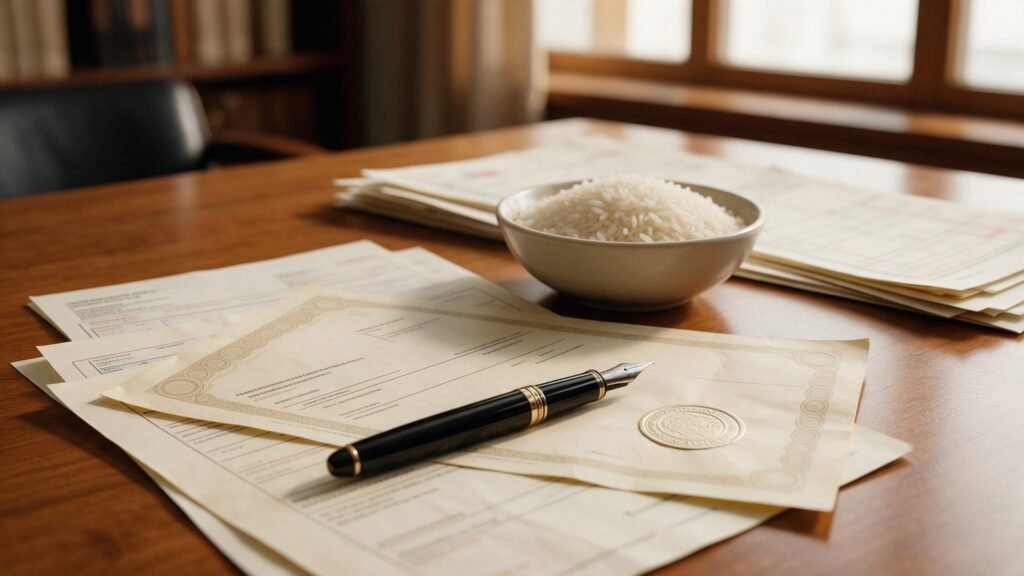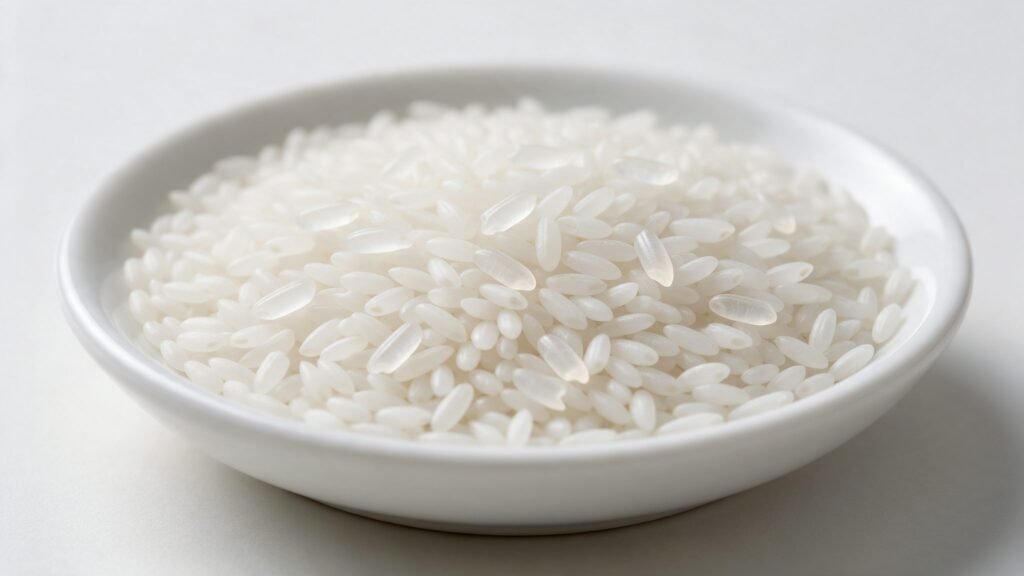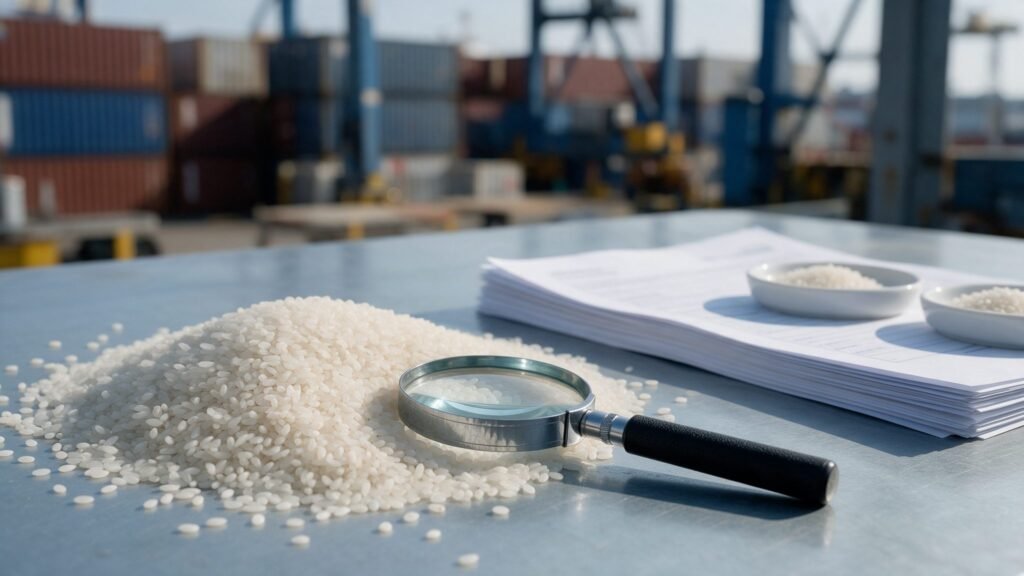
Procurement teams sourcing long grain rice for import markets often look for a dependable non-basmati option that performs consistently across bulk orders. PK-386 rice is a long grain, non-basmati variety grown in Pakistan’s Punjab region, known for its firm texture, non-sticky grains, and mild taste after cooking. PK-386 rice offers importers a reliable, competitively priced alternative to basmati for large-scale foodservice, retail, and institutional supply contracts.
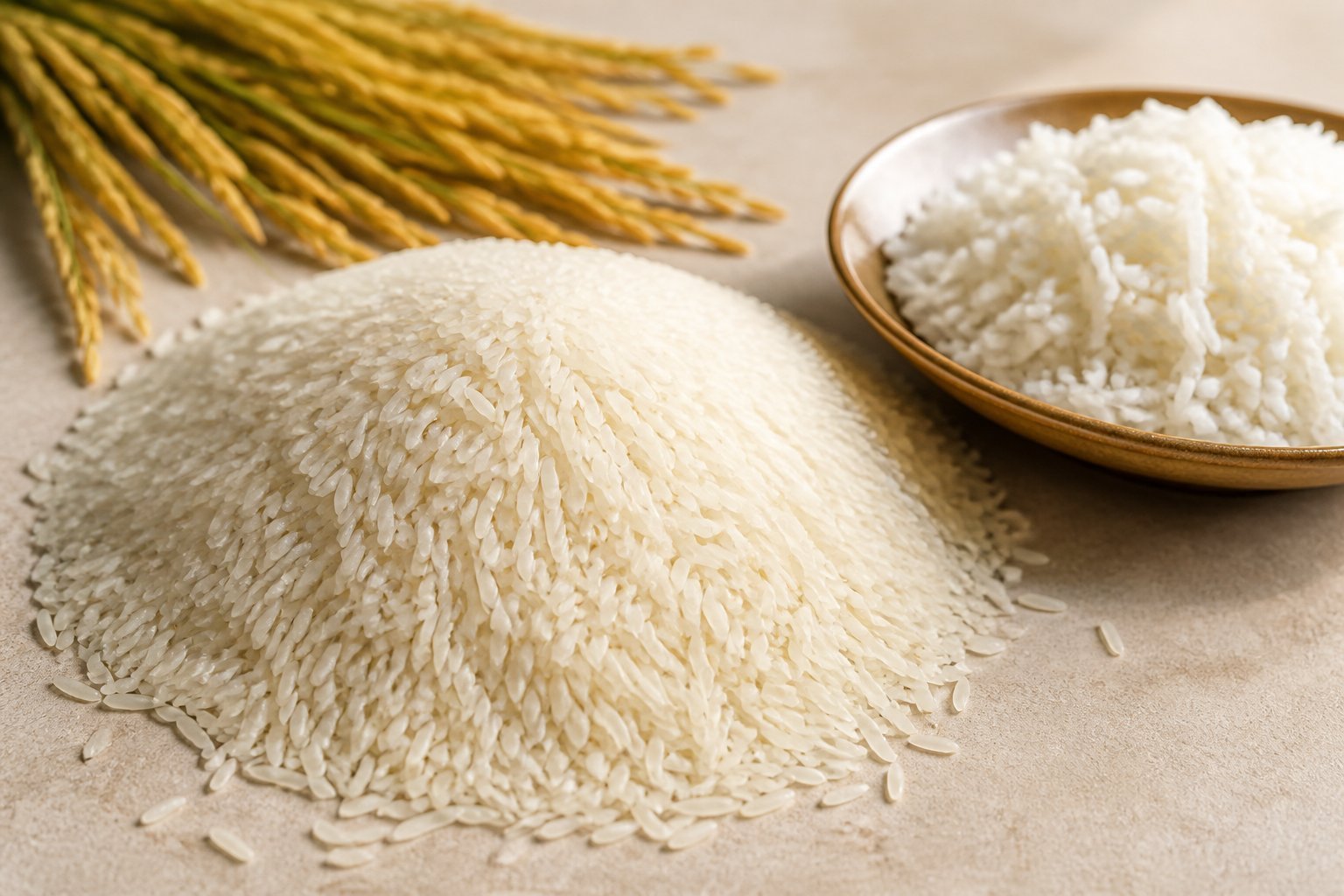
Buyers evaluating rice suppliers need clear information on grade specifications, processing options, and documentation before finalizing an import agreement. This variety is available in white, brown, steam, and parboiled forms, each suited to different cooking applications and shelf-life requirements. Pakistan has built a strong reputation as a certified origin for long grain rice, with mills following international quality and food safety standards that importers require for customs clearance and retail compliance.
This article covers what procurement professionals need to know before placing an order, including grain specifications, sourcing practices, pricing structures, and packaging standards. It also addresses how to match the right grade to specific market needs across the Gulf region.
Key Takeaways
- PK-386 rice is a long grain, non-basmati variety valued for its firm texture and mild taste in bulk trade.
- Buyers can choose from white, brown, steam, and parboiled grades depending on cooking application and storage needs.
- Consistent sourcing, proper documentation, and adherence to international food safety standards support smooth import transactions for buyers.
What is PK-386 rice and how is it positioned?
Variety profile and market positioning:
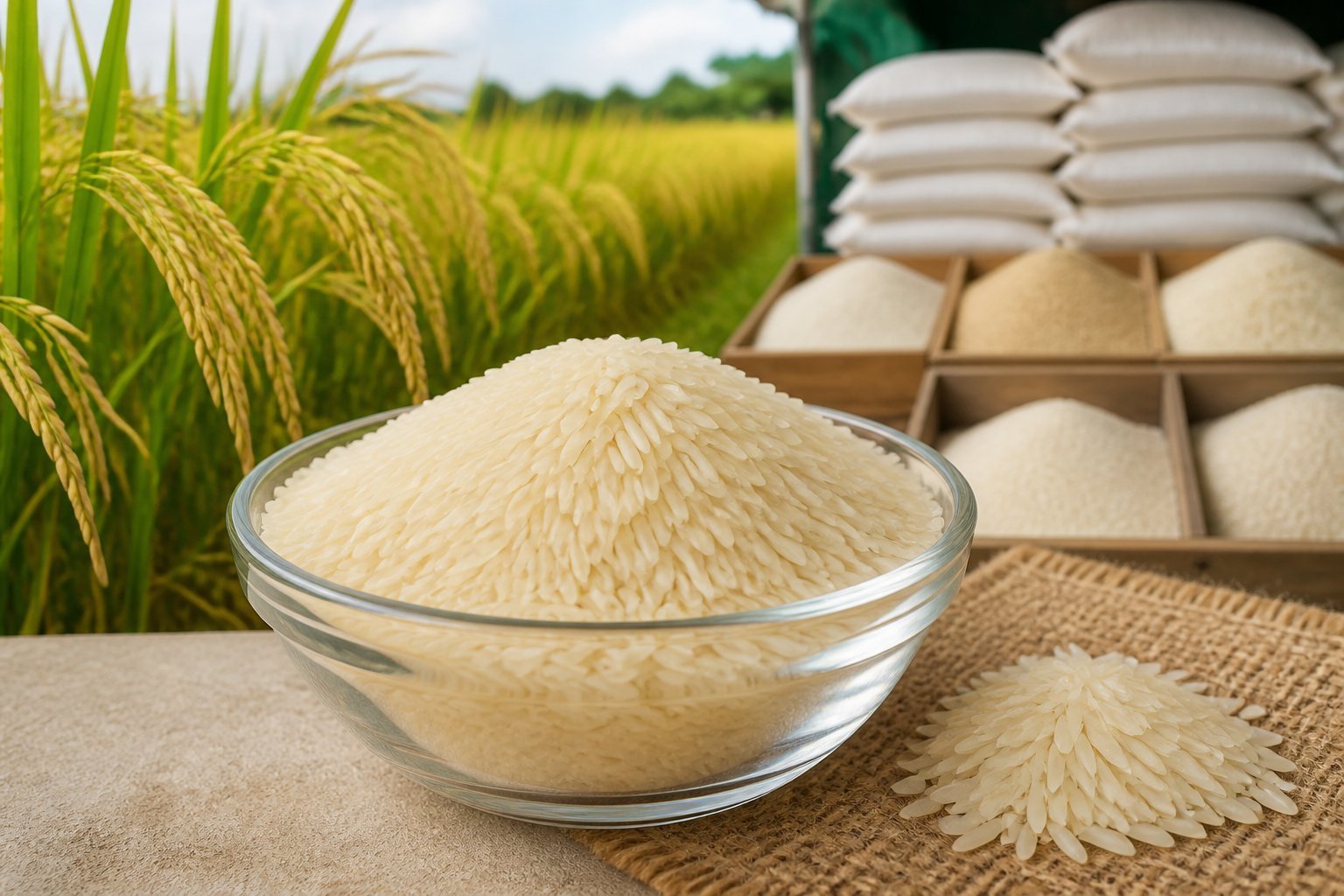
PK-386 occupies a specific niche in Pakistan’s rice sector, offering grain characteristics that resemble Basmati while remaining classified as a separate rice variety. Its value depends on how millers and buyers interpret its length, texture, and cooking performance compared to both premium and standard long grain rice options.
Non-Basmati Classification and Basmati-Like Attributes
PK-386 is officially classified as a non-basmati rice variety, meaning it does not carry the natural aroma compounds found in true Basmati strains. Despite this, it shares a similar long-grain appearance without Basmati’s strong aroma, which is one reason it gets grouped with premium-style rice in trade discussions.
This resemblance has led exporters to position it as a Basmati alternative for buyers seeking similar length at a lower cost. The variety has also earned recognition for its widespread cultivation across Pakistan’s Punjab region, where it is valued for its economic return and dependable output. This combination of classification and physical similarity gives PK-386 a distinct spot between standard long grain rice and higher-priced Basmati types.
Grain Length, Aroma, and Cooking Characteristics
PK-386 was developed through hybridization of two rice lines at a research institute in Punjab, with the goal of producing a high yielding, early maturing, long-grain and non-aromatic rice variety. Its grain length is the main feature that sets it apart from shorter, standard non-basmati types.
Although it lacks natural fragrance, its cooking behavior is often described as close to Basmati in texture and structure, which makes it a common choice for biryani and other layered rice dishes. The grain itself is typically slender, with a clean, consistent white color after milling. When cooked properly, the kernels tend to stay separate and firm rather than clumping together, a trait buyers look for in long grain rice used for dry-style dishes.
Key the region and Regional Demand Markets
PK-386 has built strong demand in Gulf and African import markets, where it is valued for consistent grain length and clean milling quality compared to other non-basmati options. This pricing advantage, combined with its Basmati-like appearance, makes it appealing to buyers who want visual quality without paying premium Basmati rates.
Regional demand is especially strong in countries such as Iraq, Afghanistan, and parts of East Africa, where mid-range long grain rice is widely used in everyday cooking. It’s also offered in different processing forms, including white and parboiled options for international buyers.
For importers, sourcing from Pakistan carries added assurance when supply chains meet recognized quality standards. Rice shipments handled under these standards typically include certifications such as:
- ISO 9001:2015
- ISO 22000:2018
- HACCP
- Halal
- USFDA compliance
These certifications support consistency and food safety expectations across the region and other international markets that rely on Pakistan as a steady rice-exporting origin.
Which PK-386 processing grades are available?
Available processing grades:
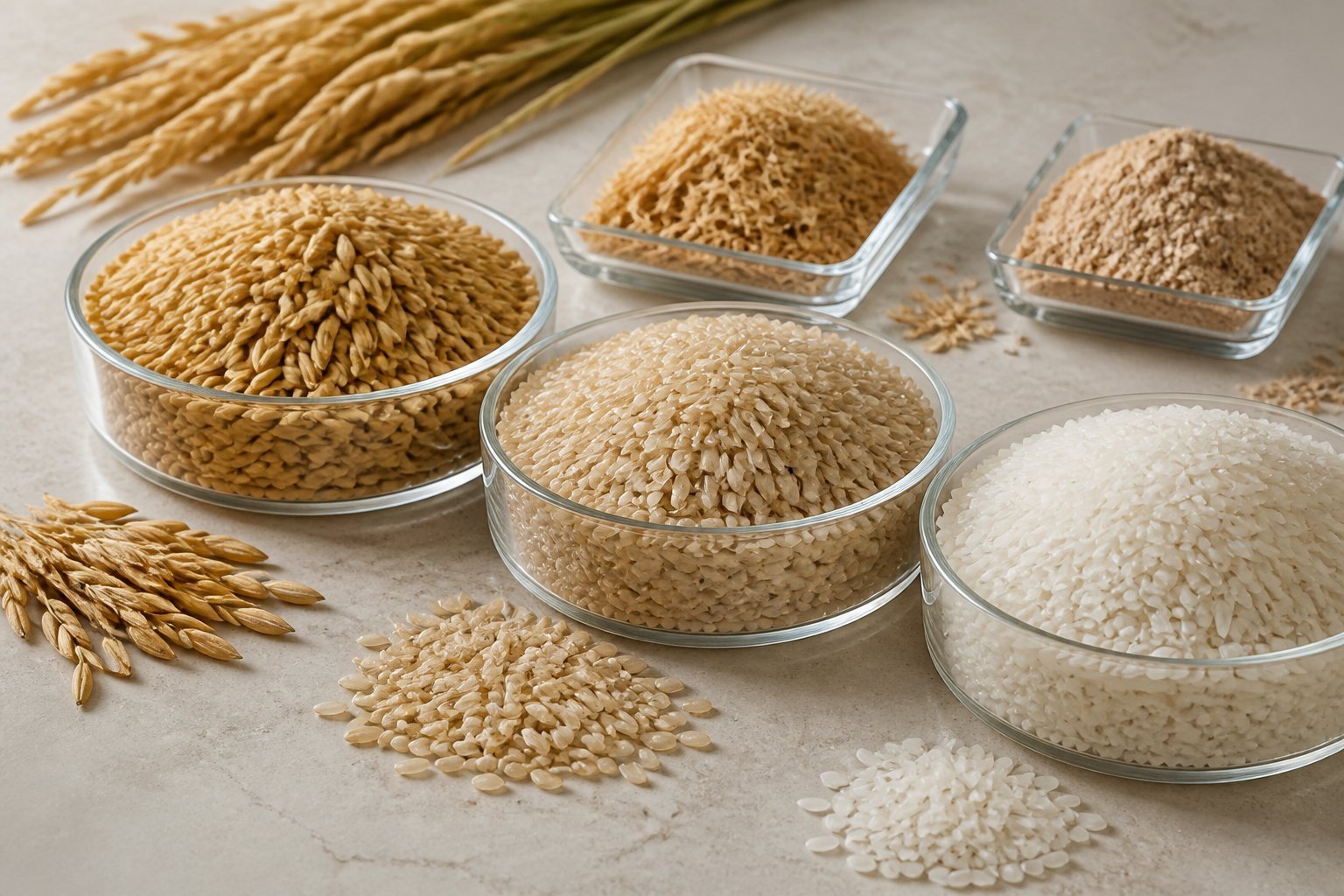
PK-386 rice mills go through different processing methods depending on how the grain will be used. Each grade changes the color, texture, and cooking behavior of the rice, giving buyers options based on their end use.
White Milled Grade
White milled PK-386 is the most common form found in markets. Mills husk and polish the raw paddy right after harvest, which gives the grain a bright white color and a soft texture once cooked.
This grade is the standard choice for households and general food service. It cooks quickly and has a mild taste that works well with many dishes.
Buyers looking for white rice market conditions in Pakistan often use this grade as the reference point, since it represents the baseline product before any extra processing steps are added. Pakistan’s export mills follow strict quality checks, and rice shipped under ISO 9001:2015 and HACCP standards gives importers confidence in consistent grain quality across shipments.
Steam-Treated Grade
Steam-treated PK-386 goes through a heating process without the paddy being soaked or parboiled first. This step firms up the grain while keeping its natural white color.
The result is a grain that holds up better than raw white rice during cooking, especially in dishes that need longer cook times or reheating. It offers a middle ground between the softness of raw white rice and the durability of parboiled grades.
Kitchens that prepare large batches, such as steam rice used in catering and food service settings, often choose this grade because it resists breaking apart. Mills processing this grade for export follow Halal and USFDA-recognized standards, which supports its use across the region and international markets where certification matters.
Parboiled and Sella Grade
Parboiled rice, also called Sella, is made by soaking and steaming the paddy before milling. This process pushes nutrients from the outer layer into the grain and gives it a golden or cream color.
Sella grade PK-386 is known for its strength. The grains stay separate and rarely break, even during bulk cooking or long steam-table service.
This makes it a preferred choice for institutional catering and labor camp meal programs, where large volumes need to be prepared and held for extended periods. Because Pakistan mills process Sella under HACCP and ISO 22000:2018 certified systems, buyers can expect consistent grain integrity from batch to batch.
Brown Rice Option
Brown rice is PK-386 in its least processed form. Mills remove only the outer husk, leaving the bran layer intact.
This gives the grain a light tan color, a firmer bite, and a slightly nutty taste compared to white rice. Cooking time runs longer than milled white rice because the bran layer slows water absorption.
Brown rice appeals to buyers focused on whole-grain diets or specific nutritional goals. While it makes up a smaller share of total pk-386 rice exports compared to white and parboiled grades, mills in Pakistan still process it under the same certified quality systems, including Halal compliance, to meet demand from health-focused retail and food service buyers.
Which PK-386 specifications belong in an import contract?
Quality specifications for import contracts:
Import contracts for PK-386 rice rely on clear technical standards that protect both buyers and sellers. These standards cover grain measurements, moisture content, cooking results, and inspection procedures before shipment.
Length, Purity, and Uniformity Requirements
Grain length is one of the first specifications buyers check in a contract. PK-386 typically measures between 6.6mm and 7.5mm, which places it firmly in the long grain rice category favored by many import markets.
Purity standards usually require at least 95% consistency, meaning the shipment contains very few mixed or off-type grains.
Uniformity matters just as much as length. Buyers want grains that look and cook the same way across the entire batch.
Contracts often specify a maximum tolerance for foreign matter, sometimes as low as 0.5%. Pakistan’s grain classification systems help exporters meet these targets consistently, supporting its reputation as a dependable source for rice export.
Moisture, Broken Grain, and Chalk Limits
Moisture content directly affects shelf life and shipping safety. Most contracts cap moisture at 13%, since higher levels can lead to spoilage or mold during long transit routes.
Broken grain limits are another key factor. Buyers typically accept up to 5% broken grains for standard PK-386 shipments, though fully broken grain options exist for industrial buyers who don’t need whole kernels.
Chalk limits address the appearance of the rice. Chalky grains look opaque instead of translucent and can signal uneven ripening. Contracts often set a maximum chalk percentage to keep the final product visually consistent. Meeting these three benchmarks together ensures the rice performs well in storage, transport, and final preparation.
Cooking Performance and Sensory Evaluation
Cooking tests are a standard part of quality checks before a contract is finalized. Buyers look at how the rice expands, how firm it stays after cooking, and whether grains separate cleanly instead of clumping together.
PK-386 is known for a mild aroma and neutral flavor profile, making it suitable for a wide range of dishes across different cuisines.
Sensory evaluation also covers color and texture after cooking. Inspectors check for a clean white appearance and a texture that holds up well in dishes like pilaf or everyday rice meals. These checks help confirm that the rice will meet consumer expectations once it reaches retail or foodservice markets.
Pre-Shipment Sampling and Independent Inspection
Before any shipment leaves the mill, samples are pulled and tested against the agreed specifications. This step confirms that grain length, moisture, and broken grain percentages match what’s written in the contract.
Independent inspection agencies often handle this process to remove any bias from the results. Third-party checks give buyers confidence that the rice meets international standards before it ever reaches the port.
Distributors like TEFT Global, which sources rice for markets across the region, rely on this process to confirm shipments align with ISO 9001:2015, ISO 22000:2018, HACCP, Halal, and USFDA requirements. This layered approach to inspection supports Pakistan’s standing as a certified, reliable origin for long grain rice.
How consistent is PK-386 sourcing and milling?
Sourcing, milling, and supply consistency:
Reliable supply of PK-386 rice depends on where the paddy is grown, how it is milled, and how well exporters can prove consistency across shipments. Buyers who understand these factors are better positioned to secure quality white rice at scale.
Punjab Crop Origins and Seasonal Availability
PK-386 rice is grown primarily in the irrigated plains of Punjab, Pakistan. This region has fertile soil and a controlled irrigation system that supports consistent paddy yields year after year.
The crop follows a single main growing season, with harvest typically occurring in the fall months. This means supply volumes are shaped by planting decisions made months earlier.
Buyers should track regional weather patterns and water availability, since irrigation levels directly affect paddy quality and quantity. Pakistan has built a strong reputation as a dependable rice growing region for long-grain, non-Basmati varieties like PK-386.
Because harvest timing is predictable, importers can plan procurement schedules in advance. This reduces the risk of supply gaps during peak demand periods in African and Middle Eastern markets.
Milling, Sorting, and Grade Consistency
Milling quality determines how well PK-386 rice performs in commercial and retail settings. The process typically follows several defined stages:
- Paddy procurement: Mills select paddy based on preset specifications, often paying farmers a premium for meeting quality standards.
- Husking: Rubber roll hullers separate brown rice from husk while limiting grain breakage.
- Polishing: Multiple polishing stages, including vertical abrasive and dry friction polishing methods, refine grain texture.
- Grading and sorting: Length graders separate broken grains from whole grains, and color sorting machines remove discolored or damaged rice.
This multi-step process helps mills consistently hit a 95%+ purity standard for PK-386 rice. It also supports the clean, non-sticky milling quality that buyers expect from this rice variety when comparing it to alternatives like IRRI-6.
Evaluating Exporter Capacity and Traceability
Exporter reliability matters as much as grain quality. Buyers should review a supplier’s mill capacity, packaging options, and ability to meet large-volume orders without quality drops.
Traceability is another key factor. This includes documentation showing paddy origin, milling steps, and quality testing results.
Certifications provide a clear benchmark for evaluating exporters. Rice suppliers meeting ISO 9001:2015, ISO 22000:2018, HACCP, Halal, and USFDA standards demonstrate consistent food safety and quality control practices across their supply chain.
TEFT Global, a Qatar-based importer and distributor, sources this type of certified Pakistani rice for wholesale and export supply chains across the region and international markets. Working with exporters that hold these certifications reduces risk for buyers managing large-scale rice import operations.
How do FOB terms and landed cost work for PK-386?
Export pricing and Incoterm considerations:
Buying PK-386 for export involves more than a single quoted number. Buyers need to understand how FOB terms, container variables, and total landed cost interact before locking in a contract.
Understanding FOB Karachi quotations
Most PK-386 export offers are made on an FOB Karachi or FOB Port Qasim basis. The exporter covers costs up to loading the rice onto the vessel at the port, and the buyer takes on freight, insurance, and destination charges after that point. Karachi and Port Qasim remain the two primary loading points for rice leaving Pakistan, so buyers should confirm which port applies to their offer.
Variables that shape an offer
Several quality factors shape a PK-386 offer: broken grain percentage, purity level, polish type, and whether the rice is white, parboiled, or Sella. Crop year matters too, as does grain-length consistency, typically around 6.6mm to 7.5mm for this variety. Packaging format, order volume, and whether pre-shipment inspection is included all play a part.
Comparing FOB, freight, and landed cost
Buyers comparing offers should separate three distinct cost layers:
- FOB — rice plus loading at Karachi or Port Qasim
- Freight — ocean transport from Pakistan to the destination port
- Landed cost — FOB plus freight, insurance, duties, and destination handling
A low FOB offer does not guarantee the lowest landed cost. Freight varies by destination, shipping line, and season, so buyers importing into Gulf or African ports should calculate full landed cost before comparing suppliers.
Quote validity and contracting
Export offers are rarely open-ended; exporters commonly set a validity window tied to a specific shipment month, so buyers should confirm the validity date before finalizing a purchase order. Agreeing clear payment and delivery terms up front helps protect both parties as currency and market conditions move.
How is PK-386 packaged, documented, and shipped?
Packaging, documentation, and shipping:
PK-386 rice moves from Pakistani mills to global markets through a clear chain of packaging choices, paperwork, and shipping steps. Buyers who understand these steps can plan orders with more confidence and avoid delays at the port.
Retail, Foodservice, and Bulk Bag Formats
PK-386 rice comes in several bag sizes to fit different buyers. Retail packs often use 5 kg or 10 kg bags, while foodservice and bulk buyers usually order 25 kg or 50 kg bags.
Exporters use different materials based on the order. Non-woven bags work well for smaller retail sizes, and these often get packed into larger 40 kg master bags for easier handling. PP woven bags cover a wider range of sizes, from 5 kg up to 50 kg. Some buyers request jute bags for a more traditional or premium look, which many suppliers of PK386 rice packaging offer as an added option.
Private Label and the region Market Labeling
Many rice exporters offer private label services so buyers can sell PK-386 rice under their own brand name. This includes custom printing for company name, logo, and package design.
the region countries have specific labeling rules that exporters must follow. Bags typically need the country of origin, batch codes, net weight, and nutritional information printed in a clear format. Some markets also require Arabic language labeling alongside English.
Working with an experienced supplier of long grain PK-386 rice helps buyers meet these labeling standards without extra back-and-forth. This matters most for buyers entering new markets where rules differ from their home country.
Required Export and Import Documentation
Rice export from Pakistan requires a full set of documents to clear both Pakistani customs and the buyer’s port. These documents confirm the shipment’s quality, origin, and safety.
A standard set includes:
- Commercial invoice
- Packing list
- Bill of lading
- Certificate of origin
- Phytosanitary certificate
- Fumigation certificate
- Weight certificate
- Quality certificate
- Health certificate
Buyers should confirm they receive the full rice export documentation package before the shipment leaves Karachi. Missing paperwork can delay customs clearance and add unexpected costs. Pakistan’s export process also aligns with international quality standards, including ISO 9001:2015, ISO 22000:2018, and HACCP guidelines, which gives buyers added assurance about food safety.
Container Loading and Port Delivery Planning
Most PK-386 rice shipments load into 20-foot containers at the port in Karachi. Exporters calculate safe net weight limits based on the rice grade and packing type to avoid overloading.
Shipping terms often use FOB Karachi, meaning the buyer takes responsibility for the goods once they load onto the vessel at the port. This term affects how buyers plan freight costs and insurance.
Buyers working with a reliable bulk long grain rice exporter benefit from clear timelines on loading and departure dates. Planning ahead for container availability and port schedules helps avoid delays, especially during peak export seasons when demand for Pakistani rice increases across the Middle East, Africa, and Asia.
How do buyers pick the right PK-386 grade?
Selecting the right grade for buyers:
PK-386 rice comes in different processing types, and each one fits a different part of the supply chain. Retailers, foodservice buyers, and procurement teams all look for slightly different things when they choose a grade.
Matching Grades to Retail and Foodservice Channels
Retail buyers in the the region often want rice that looks clean and cooks consistently on the shelf. Foodservice buyers, like catering companies and labor camp kitchens, care more about consistent value and steady supply.
PK-386 works well in both spaces because it is priced lower than basmati but still performs well in daily cooking. Many importers use it as an affordable basmati alternative for high-volume orders.
Buyers should also check moisture and broken grain percentages before confirming a purchase order. These specs affect shelf life and customer complaints, especially in warmer the region storage conditions, as outlined in this guide on Pakistani rice varieties for the region demand.
Using White, Steam, and Sella Grades in Product Portfolios
Product portfolios in the region usually include more than one processing type. White rice is milled without steaming, giving a softer texture and shorter shelf stability.
Steam rice goes through a steaming step before milling. This makes the grains firmer and less likely to break during shipping, which is why many importers choose PK-386 steamed rice for long-distance orders.
Sella, or parboiled rice, is processed further and holds up well in bulk catering. Combining these grades under one non-basmati rice line lets distributors serve both budget retail shelves and food service contracts.
Suppliers offering PK-386 as an export-grade rice variety often package it separately for white and steamed formats, based on buyer request. Buyers can also compare white rice packaging options directly through suppliers like LDS Foods.
Supplier Comparison Checklist for Procurement Teams
Procurement teams should compare suppliers using a clear checklist before placing a bulk order. Key items include:
- Certifications: ISO 9001:2015, ISO 22000:2018, HACCP, Halal, and USFDA approval
- Moisture content: confirmed lab report, not just mill claims
- Broken grain percentage: verified through third-party inspection
- Packaging options: bulk, branded, or private label
- Traceability: direct mill sourcing versus broker-based supply
Pakistan remains a reliable origin for certified non-basmati rice exports, and buyers benefit from working with suppliers who document each step. Companies like TEFT Global help importers apply this kind of checklist when comparing mills.
Reviewing supplier profiles, such as PK-386 bulk export listings or PK-386 grower and exporter details, gives procurement teams a clearer picture of consistency before committing to a long-term contract.
Source PK-386 long grain rice for your market
Get buyer-specific specifications, certifications, and supply options matched to your market.
What do buyers ask most about PK-386 rice?
Frequently asked questions:
PK-386 rice raises common questions about its grain traits, cultivation needs, and how it compares to other rice varieties. The answers below cover growing conditions, yield expectations, and farming practices that affect quality.
What are the key characteristics of this rice variety?
PK-386 is a non-basmati long grain variety grown in Pakistan’s Punjab province. It has a natural fragrance similar to basmati rice, which makes it popular for dishes like biryani and pulao.
The grain length ranges from 6.6mm to 7.5mm, with purity levels above 95%. After cooking, the grains stay separate and firm, giving it a clean texture that suits many cuisines.
How does this variety differ from Basmati rice?
PK-386 shares some qualities with basmati rice, including its aroma and cooking performance. However, it is classified as a non-basmati variety and is priced lower than traditional basmati rice.
This makes it a practical choice for buyers who want good grain quality without the higher cost of basmati. Many restaurants and catering businesses use PK-386 as a daily rice option because it holds its shape well after cooking.
What is the average yield per acre under suitable growing conditions?
Yield depends on soil quality, weather patterns, and farming methods used during the growing season. Farmers in Punjab typically see yields that support PK-386’s steady presence in export markets across the Middle East and Africa.
Proper field management, including timely planting and pest control, plays a large role in maximizing output. Consistent yields help keep supply steady for both local use and international shipments.
What climate and soil conditions are best for cultivation?
PK-386 grows best in the warm, humid climate found in Pakistan’s Punjab region. This area provides the right temperature range and water availability that rice plants need during their growing cycle.
The soil in this region tends to hold moisture well, which supports healthy root development. Flat, well-irrigated fields are common in areas where PK-386 is grown at scale.
How long does the crop take to mature after transplanting?
Rice varieties like PK-386 generally follow a maturity timeline similar to other long grain non-basmati rice grown in Punjab. The exact number of days can shift slightly based on weather conditions and field management during the season.
Farmers monitor grain development closely as the crop nears harvest time. This helps them determine the right moment to begin the harvesting process for the best grain quality.
What are the recommended irrigation and fertilizer practices?
Rice fields need consistent water levels throughout most of the growing season, especially during early growth stages. Flooding the fields at the right times helps control weeds and supports steady plant growth.
Fertilizer use typically includes a mix of nitrogen, phosphorus, and potassium, applied based on soil testing results. Balanced fertilizer application supports strong grain development and helps farmers maintain the quality standards expected in export markets.