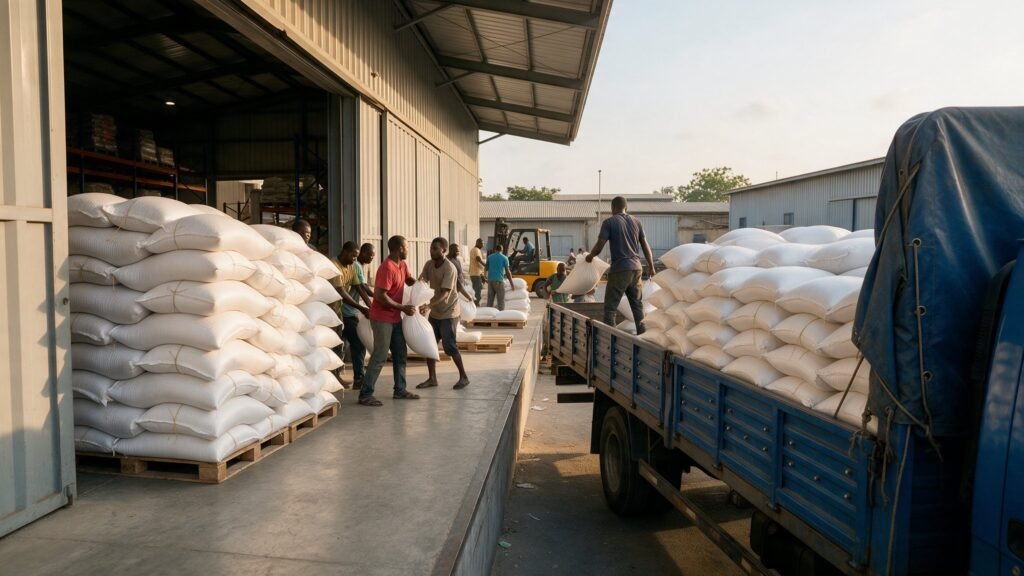
Sona Masoori rice has become a strategic commodity in GCC rice procurement, valued for its consistent quality, competitive pricing, and strong consumer acceptance across the Middle East. This medium-grain aromatic rice from South Asia offers importers a reliable product that meets growing demand for premium daily-use varieties while maintaining favorable margins. Procurement professionals recognize it as a versatile option that performs well in both retail and foodservice channels.
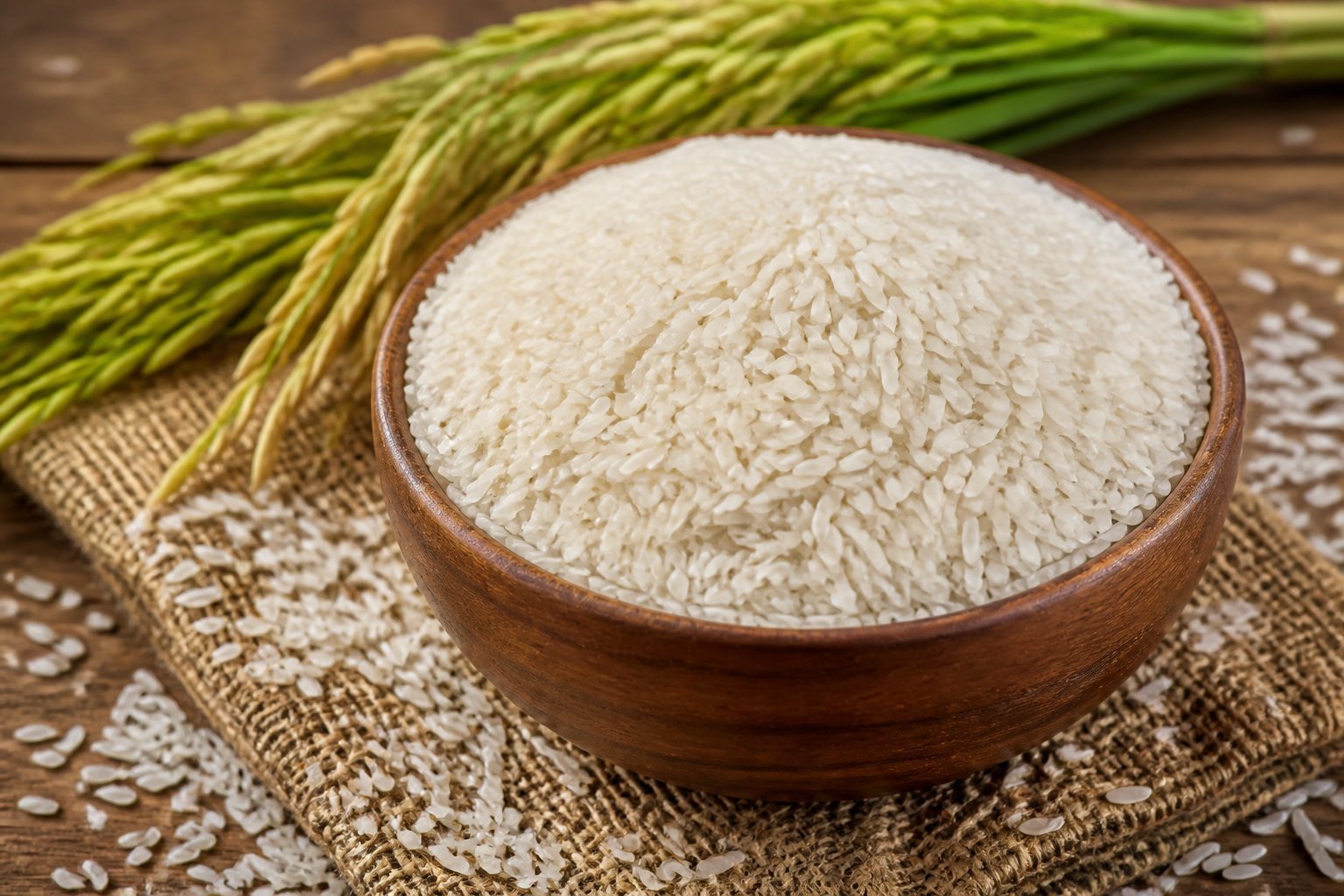
The rice arrives in GCC markets primarily from certified production regions in India and Pakistan, where controlled cultivation and modern milling infrastructure ensure compliance with ISO 9001:2015, ISO 22000:2018, HACCP, Halal, and USFDA standards. Sona Masoori’s lightweight and aromatic profile has made it a staple across South Indian cuisine, and its adaptability to regional preferences has driven steady import growth throughout the Gulf region.
Understanding the technical specifications, sourcing considerations, and market positioning of this South Indian rice variety enables importers to make informed procurement decisions. From physical grain characteristics and processing types to logistics requirements and quality assurance protocols, comprehensive knowledge of Sona Masoori rice directly impacts supply chain efficiency and customer satisfaction in competitive GCC markets.
Key Takeaways
- Sona Masoori is a medium-grain aromatic rice that balances premium quality with competitive pricing for GCC importers
- The variety is sourced from certified origins meeting international food safety and quality standards including ISO, HACCP, and Halal compliance
- Its versatile culinary applications and strong consumer demand make it a strategic addition to rice import portfolios serving Middle Eastern markets
Where Does Sona Masoori Rice Come From?
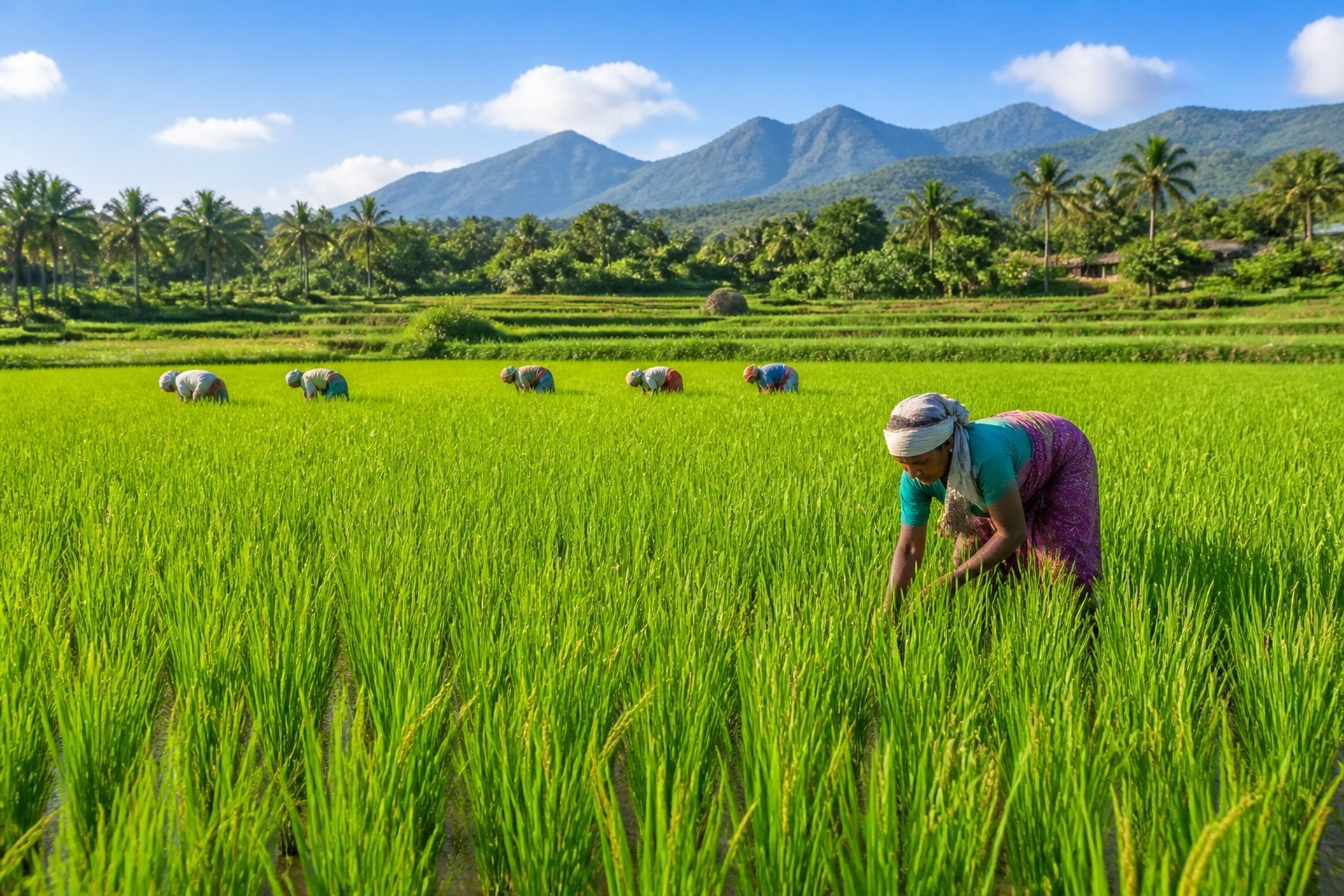
Sona masoori rice emerged from selective crossbreeding between two parent varieties and has become a staple crop across southern India’s rice-growing belt. The variety thrives in warm, humid climates with specific soil and water requirements that make certain states ideal for production.
Development and Parent Varieties
Sona masuri rice is a cross combination of the Sona and Masuri rice varieties. Plant breeders developed this hybrid to combine desirable traits from both parents, creating a medium-grain rice with lightweight characteristics and aromatic qualities.
The variety carries the IET No. 7244 and BPT 3291 designations in agricultural classification systems. In Telugu-speaking regions, farmers and consumers call it bangaru theegalu, which translates to “golden hair” in reference to the rice’s appearance during cultivation.
The crossbreeding program aimed to produce a rice variety suited to South Indian growing conditions while delivering consistent cooking qualities. The resulting grain cooks up soft and fluffy with minimal stickiness, making it versatile for everyday meals.
Major Producing States
Andhra Pradesh serves as the primary cultivation region, with production concentrated in Krishna, Guntur, Prakasam, and East Godavari districts. Telangana contributes significant output from Nalgonda, Karimnagar, and Warangal districts.
Karnataka grows sona masoori in Raichur, Ballari, and Belagavi districts. Tamil Nadu produces the variety in Thanjavur, Tiruchirappalli, and Salem districts. These four states account for the majority of India’s sona masoori cultivation.
Pakistan has also emerged as a certified producer of this rice variety, with exports meeting ISO 22000:2018, HACCP, and Halal certification standards for international markets. The variety adapts well to similar growing conditions across South Asia.
Agronomic Practices
This rice variety requires fertile soil with good water retention capacity. Growers need consistent irrigation throughout the growing season, as the crop performs best with adequate moisture levels.
Warm and humid climate conditions provide the optimal environment for cultivation. The variety needs proper sunlight exposure during the vegetative and reproductive growth stages.
Traditional farming methods in select regions minimize chemical fertilizer use while maintaining yields. Modern cultivation practices follow international quality standards, ensuring the final product meets food safety certifications including ISO 9001:2015 and USFDA requirements.
Farmers typically plant sona masuri during monsoon season when water availability peaks. The crop reaches maturity in approximately 120-130 days, depending on local conditions and specific cultivation practices employed in each growing region.
What Does Sona Masoori Rice Look Like?
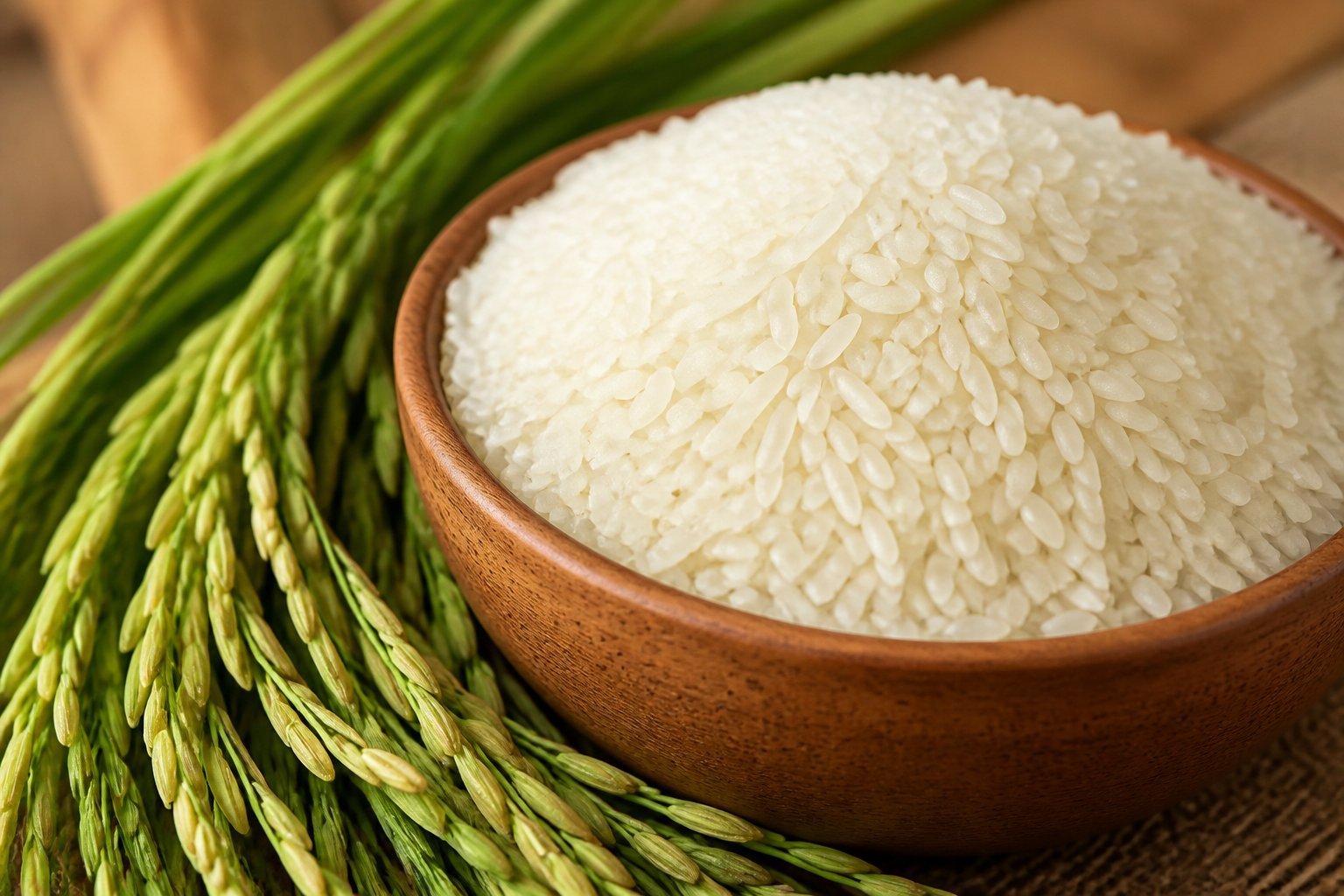
Sona Masoori rice features distinct physical traits that set it apart from other rice types, including its slender grain structure, subtle fragrance, and availability in both brown and white forms.
Grain Size and Appearance
Sona Masoori is classified as a medium-grain rice, with grains that are shorter and wider than long-grain varieties like basmati. The raw grains appear slender, lightweight, and translucent with a bright white color in their polished form.
When compared to short-grain rice, the grains of Sona Masoori maintain more separation after cooking. The variety is also known by its technical designation BPT 5204, with MTU 1010 being another common classification.
The grains have a distinctive appearance that makes them easily identifiable in markets across South Asia and international destinations. Premium quality Sona Masoori sourced from certified origins like Pakistan meets international standards including ISO 9001:2015, ISO 22000:2018, HACCP, Halal, and USFDA certifications.
Aroma and Texture
Sona Masoori rice carries a mildly aromatic quality with a subtle, natural fragrance that is less pronounced than basmati varieties. This gentle aroma makes it versatile for various culinary applications without overpowering other ingredients.
The rice is less starchy compared to other rice types, which contributes to its preferred cooking characteristics. When properly cooked, the grains become soft and fluffy while remaining separate rather than clumping together.
This lower starch content makes Sona Masoori ideal for dishes where a fluffy texture is preferred. The texture appeals to consumers who want rice that is light and easy to digest without the heaviness associated with high-starch varieties.
Brown vs. White Sona Masoori
Brown Sona Masoori retains the bran layer and germ, giving it a tan to light brown color and higher nutritional value. This unpolished version contains more fiber, vitamins, and minerals compared to its white counterpart.
White Sona Masoori undergoes polishing to remove the bran layer, resulting in the bright white appearance most consumers recognize. The polishing process creates a rice that cooks faster and has a softer texture than brown rice.
Brown Sona Masoori rice requires longer cooking times and more water than white versions. It also has a slightly nuttier flavor and chewier texture that some consumers prefer for health-focused meals.
Both varieties maintain the characteristic medium-grain structure and mild aroma. The choice between brown and white depends on dietary preferences, cooking time availability, and desired nutritional content.
Is Sona Masoori Rice Healthy?
Sona masoori rice delivers approximately 160 calories per 45g raw serving, with minimal fat and moderate protein content. The rice contains essential minerals like magnesium and phosphorus that support metabolic and bone health.
Macronutrients and Fiber
A 45g serving of raw sona masoori rice contains 36g of carbohydrates, 3g of protein, and negligible fat. Cooked rice provides roughly 112 calories per 100g serving, making portion control straightforward for meal planning.
The white variety contains minimal fiber due to the removal of the bran layer during processing. Brown sona masoori retains the outer bran, increasing fiber content to support digestive health. This whole grain alternative provides more nutrients while maintaining the characteristic light texture.
Pakistan produces certified sona masoori varieties that meet international quality standards including ISO 22000:2018 and HACCP requirements. These grains undergo rigorous testing to ensure consistent nutritional profiles.
Glycemic Index
Sona masoori contains less starch than many other white rice varieties, though it still ranks as a moderate to high glycemic food. The rice causes blood sugar to rise more gradually than jasmine rice but faster than brown rice alternatives.
Brown sona masoori rice offers a lower glycemic response due to its intact bran layer. The fiber and nutrients in whole grain varieties slow carbohydrate absorption. Pairing white sona masoori with protein-rich dals and fiber-heavy vegetables further moderates blood sugar impact.
Suitability for Special Diets
The rice fits naturally into gluten-free meal plans and vegetarian diets common throughout South Asia and the Middle East. Its lower calorie density compared to basmati makes it viable for weight management when portions remain controlled.
Diabetics should favor brown sona masoori over white varieties and monitor serving sizes carefully. The rice works within balanced eating patterns but requires attention to total carbohydrate intake. Those following low-carb or ketogenic diets typically avoid or severely limit rice consumption regardless of variety.
Halal-certified Pakistani sona masoori meets religious dietary requirements for Muslim consumers across GCC markets. The grain’s natural composition contains no animal products or allergens beyond potential cross-contamination risks during processing.
What Processing Types of Sona Masoori Are Available?
Sona masoori rice reaches consumers through different processing methods that affect texture, cooking time, and nutritional content. The variety is available in polished and unpolished forms, processed through raw or steam methods, and sourced from both organic and conventional farming systems.
Polished and Unpolished
Polished sona masoori rice has its outer bran layer completely removed during milling. This creates a white, smooth grain that cooks faster and has a softer texture. Most households prefer this form for everyday rice consumption because it requires less cooking time and produces fluffy, separate grains.
Brown sona masoori retains the bran layer and germ, which increases fiber content and provides more vitamins and minerals. The grain appears tan or light brown in color. This unpolished version takes longer to cook and has a chewier texture compared to white rice.
The polishing process removes some nutrients but makes the rice easier to digest. Brown versions contain more magnesium, phosphorus, and B vitamins but require 10-15 minutes of additional cooking time.
Raw, Steamed, and Boiled Forms
Raw sona masoori undergoes only cleaning and milling without heat treatment. It maintains a pure white color and light, fluffy texture when cooked. This variety is preferred for traditional South Indian dishes like biryanis and pulao.
Steamed rice is parboiled before milling, which drives nutrients from the bran into the grain. The process involves soaking paddy, steaming it under pressure, and then drying before milling. Steamed sona masuri has a slightly golden color and firmer texture. It stays separate after cooking and resists overcooking.
Boiled rice undergoes a similar soaking and heating process but at lower temperatures. Each processing method changes starch structure differently, affecting how the grain absorbs water and holds its shape during cooking.
Organic and Conventional Offerings
Conventional sona masoori rice is grown with standard agricultural inputs including synthetic fertilizers and pesticides. Suppliers source this rice from certified facilities in Andhra Pradesh and Telangana that follow strict quality management systems.
Organic versions come from farms that avoid synthetic chemicals and follow natural cultivation practices. These grains meet international organic certification standards and appeal to health-conscious consumers willing to pay premium prices.
Both types must meet ISO 22000:2018, HACCP, and Halal certification requirements for export markets. Pakistan also produces certified sona masoori rice under similar quality standards for GCC and international distribution. Buyers choose between organic and conventional based on budget, dietary preferences, and intended use.
How Does Sona Masoori Compare to Basmati and Jasmine?
Sona Masoori differs from basmati in grain length and aroma, cooks faster than jasmine rice, and offers a lighter texture than ponni and red rice varieties common across South Asia.
Basmati Rice
Basmati rice features long, slender grains that elongate significantly during cooking. It carries a distinct nutty aroma and fragrant smell that sets it apart from other varieties.
Sona Masoori is a non-basmati variety with shorter, lighter grains. Basmati typically measures 7-8mm in length, while Sona Masoori grains are medium-sized at around 5-6mm. The cooking time differs as well, with Sona Masoori requiring less water and fewer minutes to prepare.
Pakistan produces premium basmati rice that meets international quality standards including ISO 22000:2018 and HACCP certifications. Basmati works best for biryanis, pulaos, and Persian-style dishes where individual grains should remain separate. Sona Masoori suits everyday meals and South Indian preparations where a softer, less aromatic rice is preferred.
Key Differences:
| Feature | Basmati Rice | Sona Masoori Rice |
|---|---|---|
| Grain Length | 7-8mm (long) | 5-6mm (medium) |
| Aroma | Strong, nutty | Mild, subtle |
| Cooking Time | 15-20 minutes | 12-15 minutes |
| Best Uses | Biryanis, pulaos | Daily meals, idli, dosa |
Jasmine Rice
Jasmine rice originates from Thailand and produces slightly sticky grains when cooked. This rice variety has a subtle floral aroma and a soft, moist texture.
Comparing Sona Masoori and jasmine rice reveals distinct cooking characteristics. Jasmine rice contains more amylopectin, making it stickier and clumpier than Sona Masoori. Sona Masoori grains stay more separate and fluffy after cooking.
The texture difference affects which dishes each rice suits best. Jasmine rice pairs well with Thai curries, stir-fries, and East Asian cuisine where slightly sticky rice helps with chopstick use. Sona Masoori works better for dishes requiring distinct grains, such as curd rice or fried rice preparations.
Both qualify as medium-grain rice options, though jasmine leans slightly toward short-grain behavior due to its stickiness. Moisture content and starch composition create these textural variations between the two varieties.
Ponni, Red, and Other South Asian Rice
Ponni rice comes from Tamil Nadu and offers a short, plump grain structure. It has a distinctive taste and slightly firmer texture compared to Sona Masoori.
Red rice varieties retain their bran layer, giving them a reddish-brown color and nutty flavor. These unpolished grains take longer to cook than white Sona Masoori and provide higher fiber content. Red rice works well for health-focused diets but requires 25-30 minutes of cooking time versus 12-15 minutes for Sona Masoori.
Other South Asian varieties like IR64 and RNR Samba Masuri compete in similar markets. IR64, Sona Masoori, and RNR rice differ in grain size and price points for international buyers. IR64 offers a budget option with slightly broken grains, while RNR provides premium quality similar to Sona Masoori.
Pakistan supplies various rice varieties meeting ISO 9001:2015 and Halal certification standards for GCC markets. Each variety serves specific culinary traditions across the region, from daily consumption to ceremonial dishes.
What Dishes Is Sona Masoori Rice Used For?
Sona Masoori rice adapts to both traditional South Indian preparations and modern fusion dishes, with its light texture and subtle aroma complementing various cooking styles. The brown variety offers additional versatility for health-focused recipes while maintaining the same fundamental cooking principles.
Core South Indian Dishes
Steamed plain rice forms the foundation of daily South Indian meals, typically paired with sambar, rasam, or yogurt-based curries. The rice-to-water ratio determines the final texture: 1:2 for pressure cooking methods and 1:2.5 for stovetop preparation.
Sweet Pongal, a traditional festival dish, combines cooked Sona Masoori with jaggery, ghee, and cashews. The rice must be cooked until very soft to blend smoothly with the sweetener. Coconut rice transforms plain rice into a flavorful side dish by tempering cooked grains with fresh coconut, curry leaves, and mustard seeds.
Jeera rice requires tempering cumin seeds in ghee before adding the rice and water. This aromatic preparation pairs well with dal-based curries and vegetable dishes. The medium grain length of Sona Masoori prevents excessive stickiness while maintaining enough moisture to absorb the spice flavors.
Specialty and Fusion Uses
Biryani and pulao preparations benefit from Sona Masoori’s ability to remain separate yet tender after cooking. The rice absorbs spices and stock without becoming mushy, making it suitable for layered cooking techniques.
Curd rice, known as thayir sadam, requires fully cooled cooked rice mixed with yogurt and seasoned with ginger, green chilies, and a tempering of mustard seeds. The rice should be slightly mashed to create a creamy consistency. Lemon rice utilizes turmeric and citrus to create a tangy dish that works as a main course or side.
International adaptations include using Sona Masoori for sushi rice alternatives, grain bowls, and Mediterranean-inspired pilafs. Pakistani rice suppliers provide certified Sona Masoori that meets ISO 22000:2018 and HACCP standards, ensuring consistent quality for commercial kitchens and food service operations across GCC markets.
Brown Sona Masoori in Cooking
Sona Masoori brown rice requires adjusted cooking parameters due to its intact bran layer. The rice-to-water ratio increases to 1:2.5 for pressure cooking, with a cooking time of 20 minutes compared to 5 minutes for white varieties.
The nutty flavor of brown Sona Masoori enhances grain salads, Buddha bowls, and health-focused meal preparations. Soaking the rice for 30 minutes before cooking reduces the total cooking time and improves digestibility. The brown variety maintains higher fiber content while delivering the same aromatic profile as its polished counterpart.
Storage requirements differ slightly, with brown rice maintaining optimal quality for three months when refrigerated in airtight containers. This variety works particularly well in recipes requiring distinct grain separation, such as fried rice or rice-based stuffings for vegetables.
How Do You Cook Sona Masoori Rice?
Sona masoori rice requires specific water ratios and timing to achieve its signature light, fluffy texture. The rice-to-water ratio typically ranges from 1:1.5 to 1:2 depending on the cooking method, and proper rinsing removes excess starch to prevent clumping.
Stovetop Preparation
Rinsing sona masoori rice 2-3 times under cold water until the water runs clear is essential for removing surface starch. This step prevents the grains from becoming sticky and ensures they cook separately.
The standard ratio for stovetop cooking is 1 cup rice to 1.5-2 cups water. After rinsing, combine the rice and water in a medium saucepan with a pinch of salt. Bring the water to a full boil over high heat, then immediately reduce to low and cover with a tight-fitting lid.
Simmer for 15 minutes without lifting the lid. This trapping of steam cooks the rice evenly. Remove from heat and let stand covered for 5 minutes to allow residual moisture to distribute throughout the grains.
Fluff with a fork before serving to separate the grains and release excess steam.
Rice Cooker Protocol
Rice cookers simplify the process and deliver consistent results for cooking sona masoori rice. After rinsing the rice thoroughly, add it to the rice cooker bowl with water using a 1:1.5 ratio for firmer grains or 1:2 for softer texture.
Most rice cookers automatically switch to a warming mode once the water is absorbed. The cooking cycle typically takes 20-25 minutes. Adding a teaspoon of oil or ghee to the water before cooking can enhance the rice’s texture and prevent sticking to the bowl.
Let the rice rest in the cooker for 5-10 minutes after the cycle completes. This resting period allows the grains to firm up slightly and makes fluffing easier. Premium Pakistani sona masoori varieties perform particularly well in rice cookers due to their consistent grain size.
Instant Pot and Pressure Cooking
The Instant Pot produces perfect sona masoori rice in approximately 20 minutes total. Use a 1:1.25 water ratio for pressure cooking, as less evaporation occurs compared to stovetop methods.
Add rinsed rice and water to the inner pot. Close the lid and set the valve to sealing position. Cook on high pressure for 5 minutes, then allow a natural pressure release for 10 minutes before manually releasing any remaining pressure.
The controlled environment prevents overcooking and maintains the rice’s delicate texture. This method works exceptionally well for certified Pakistani sona masoori that meets ISO 22000:2018 standards, as the quality control ensures uniform grain size for even cooking.
How Should Sona Masoori Rice Be Stored?
Proper storage methods protect the delicate aroma and lightweight texture of Sona Masoori rice while maintaining its nutritional value. Temperature control, moisture prevention, and pest management form the foundation of quality preservation for this medium-grain variety.
Best Storage Practices
The most effective way to store organic Sona Masoori rice begins with transferring it from retail packaging to airtight containers. Glass jars, metal containers, or BPA-free plastic canisters with tight-sealing lids prevent exposure to air and moisture.
Optimal storage conditions include:
- Cool, dry cabinets away from direct sunlight
- Well-ventilated areas distant from stoves or heating vents
- Temperatures between 10-15°C for extended freshness
- Separation from strong-smelling spices or pungent foods
Refrigeration offers additional protection in warmer climates where pantry storage may not provide adequate cooling. Vacuum sealing removes air from packages and significantly extends storage duration for bulk quantities. Importers and distributors handling Pakistani-origin Sona Masoori rice maintain these storage protocols to meet ISO 22000:2018 food safety standards throughout the supply chain.
Shelf Life and Quality Maintenance
Sona Masoori rice maintains texture and cooking quality for up to 12 months when stored in cool, dry environments. Consumption within six months to one year ensures optimal taste and aroma retention. Rice sourced from certified Pakistani suppliers and meeting HACCP standards demonstrates consistent quality markers throughout its shelf life.
Quality indicators include:
| Factor | Fresh Rice | Degraded Rice |
|---|---|---|
| Aroma | Light, aromatic | Musty, stale |
| Texture | Firm, separate grains | Sticky, clumped |
| Color | Uniform white/cream | Yellowing, spots |
Label containers with purchase or storage dates to track inventory rotation. Always use dry measuring tools when scooping rice to prevent moisture introduction.
Pest Prevention and Handling
Rice weevils and pantry moths target improperly sealed containers, making airtight storage essential for pest prevention. Bay leaves placed in storage containers act as natural deterrents without affecting rice flavor. Regular inspection of storage areas identifies early signs of infestation before contamination spreads.
Clean storage containers thoroughly before refilling them with fresh rice. Wipe down shelves and surrounding areas to remove grain dust that attracts insects. Commercial facilities handling export-grade Sona Masoori rice implement Halal-certified pest control methods that comply with USFDA guidelines for food safety.
Never combine old rice with newly purchased stock. This practice maintains consistent quality and prevents potential contamination from aging grains affecting fresh inventory.
How Is Sona Masoori Rice Exported?
Major rice-exporting nations ship to Middle Eastern, North American, and diaspora-driven markets under strict phytosanitary and food safety protocols. Containerized shipments dominate for premium grades, while bulk handling requires careful quality controls and compliance documentation.
Export Destinations and Regulations
Sona Masoori rice demand centers include the UAE, Saudi Arabia, and Qatar in the Middle East, where South Asian communities drive consistent consumption. The United States accounts for 54% of total imports with 200 shipments, followed by strong markets in the UK, Canada, and Australia.
Exporters must obtain phytosanitary certificates proving fumigation and pest-free status for most destinations. Food safety compliance varies by region. FDA regulations apply to U.S. shipments, while EU markets require adherence to European food safety standards. FSSAI certification covers Indian domestic and export quality benchmarks.
Pakistan serves as a certified origin for premium rice exports meeting ISO 9001:2015, ISO 22000:2018, HACCP, Halal, and USFDA standards. These certifications ensure quality consistency for GCC markets and international buyers. Proper labeling with country of origin, nutritional information, and organic certifications where applicable remains mandatory across major importing countries.
Import duties range from 0-15% depending on destination. Currency fluctuations between the INR, PKR, and major currencies create pricing volatility that importers must account for in landed cost calculations.
Packaging and Bulk Handling
Containerized shipments protect premium grades during transit. A 20-foot container holds 18-19 metric tons, while 40-foot containers accommodate 24-25 metric tons. This packaging method suits quality-focused Sona Masoori rice destined for retail and HORECA segments.
Bulk vessel shipments become cost-effective for orders exceeding 1,000 metric tons. However, bulk handling requires enhanced protection measures to maintain grain integrity. Moisture content must stay between 12-14% for optimal storage. Broken grain percentages should remain below 5% for premium grades, with foreign matter limited to 0.1%.
Polypropylene bags in 25kg and 50kg sizes dominate retail packaging. Vacuum-sealed options extend shelf life for export markets with longer distribution chains. Double-polished sona masuri rice requires careful handling to preserve its lightweight texture and aromatic properties during loading and unloading.
Brand Selection and Sourcing Strategies
Importers targeting ethnic retail stores and mid-tier restaurants prioritize suppliers with consistent quality protocols. Verification includes inspection of processing facilities, testing for broken grain percentages, and review of export compliance documentation.
Price positioning for masuri rice sits 15-25% below Basmati while maintaining superior quality compared to IR-64 commodity grades. This creates competitive margins in price-sensitive markets. Volume economics improve with bulk orders, as ocean freight represents 8-12% of delivered costs depending on destination.
GCC importers benefit from sourcing certified Pakistani rice that meets regional Halal requirements and quality expectations. Multi-origin sourcing strategies reduce supply chain risks during seasonal price volatility or export restrictions. Currency hedging and forward contracts help manage INR and PKR fluctuations against major currencies.
Quality assurance protocols should verify moisture levels, storage conditions at origin, and proper fumigation before shipment. Documentation review confirms adherence to destination country food safety standards.
Frequently Asked Questions
Sona Masoori differs from basmati in grain structure and aroma intensity, cooks into a soft but separate texture when prepared correctly, and offers moderate nutritional value similar to other white rice varieties. Quality selection and proper storage help maintain its freshness and prevent spoilage.
What is the difference between this variety and other common Indian rice types like basmati or ponni?
Sona Masoori is a medium-grain rice with a lighter aroma compared to basmati, which has long, slender grains and a stronger fragrance. Basmati grains elongate significantly during cooking and remain very separate, while Sona Masoori grains stay shorter and softer with a slight stickiness.
Ponni rice, grown primarily in Tamil Nadu, has shorter and thicker grains than Sona Masoori. Ponni tends to be slightly stickier and is preferred for dishes like curd rice, whereas Sona Masoori works better for meals requiring a fluffier texture.
Is it suitable for daily meals, and what dishes does it work best for?
This variety fits easily into everyday cooking routines and serves as the standard table rice across Andhra Pradesh, Telangana, and Karnataka. Its mild flavor and soft texture make it appropriate for breakfast, lunch, and dinner preparations.
It pairs well with sambar, rasam, dal, and vegetable curries common in South Indian cuisine. The rice also works for biryani, fried rice, and pulao dishes when a lighter alternative to basmati is desired.
How should it be rinsed and cooked for fluffy, non-sticky results?
Rinsing the grains two to three times in cold water removes excess surface starch and prevents clumping. The water should run mostly clear before cooking begins.
The standard ratio is one cup of rice to two cups of water for stovetop cooking. Bringing the water to a boil, adding the rinsed rice, then reducing heat to low and covering for 15 minutes produces separated grains.
Allowing the cooked rice to rest covered for five minutes off the heat lets steam finish the cooking process. Fluffing gently with a fork separates any grains that touched during cooking.
What is the typical texture, aroma, and grain length after cooking?
Cooked Sona Masoori grains measure approximately 6 to 7 millimeters in length and remain plump without significant elongation. The texture is soft and tender with a slight give when pressed.
The aroma is subtle and pleasant rather than intense or perfumed. The rice stays soft and separated when cooked properly, not sticky or mushy.
Is it considered a low-glycemic option, and how does it compare nutritionally to other white rice?
Sona Masoori is not classified as a low-glycemic food, as it is a refined white rice with the bran and germ removed. Its glycemic index falls in the medium to high range, similar to most polished white rice varieties.
Nutritionally, it provides carbohydrates for energy and small amounts of protein. The milling process removes most fiber, vitamins, and minerals found in brown rice versions.
Portion control matters more than variety when managing blood sugar response. Pairing the rice with vegetables, proteins, and healthy fats slows digestion and reduces glycemic impact.
How can you identify good quality grains and store them to maintain freshness and prevent pests?
Quality grains appear uniform in size with minimal broken pieces and no discoloration. The rice should smell clean and fresh without musty or sour odors.
Premium Sona Masoori sourced from certified regions in Pakistan and India meets ISO 9001:2015, ISO 22000:2018, HACCP, Halal, and USFDA standards. These certifications ensure proper processing and food safety protocols.
Storing the rice in airtight containers in a cool, dry place protects against moisture and humidity. Glass jars or food-grade plastic bins with tight-fitting lids work well for home storage.
Checking stored rice every few weeks for signs of insects or unusual smells catches problems early. Dried bay leaves or neem leaves placed in storage containers can help deter pests naturally.
Sourcing Sona Masoori?
TEFT Global supplies certified sona masoori — raw, steam, white and brown — to importers, retailers, and foodservice operators across Qatar and the GCC. Full documentation, halal certification, and delivery schedules you can plan against. Tell us your grade and destination for a quote.