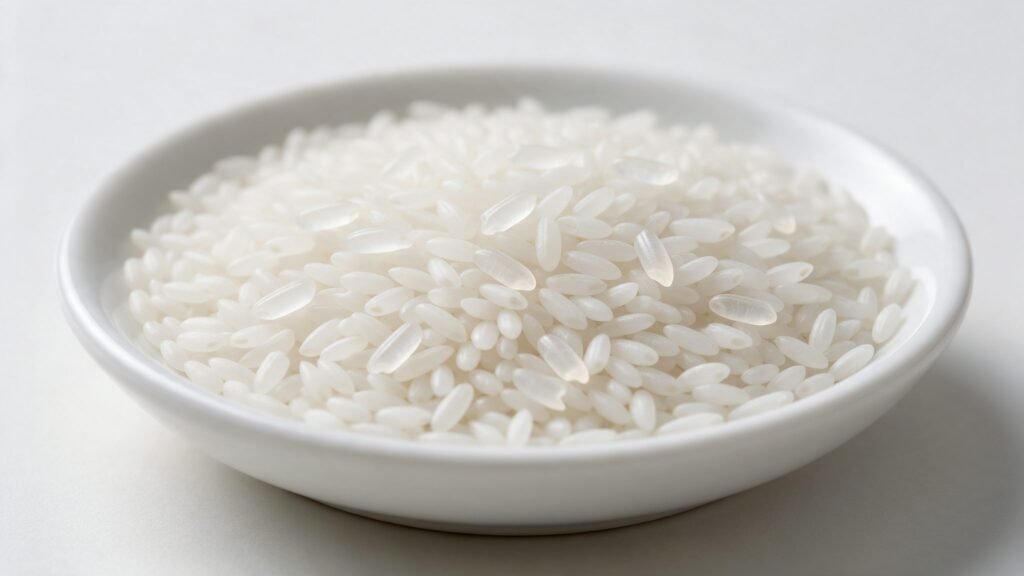
Golden sella basmati represents one of the most sought-after rice categories in GCC procurement channels, combining the aromatic qualities of traditional basmati with enhanced shelf stability and cooking performance. Golden sella basmati is a parboiled long-grain rice variety that undergoes steam treatment while still in its husk, resulting in a distinctive golden color, firmer texture, and superior nutrient retention compared to raw basmati. This processing method makes it particularly valuable for bulk food service operations, institutional catering, and retail distribution across Gulf markets.
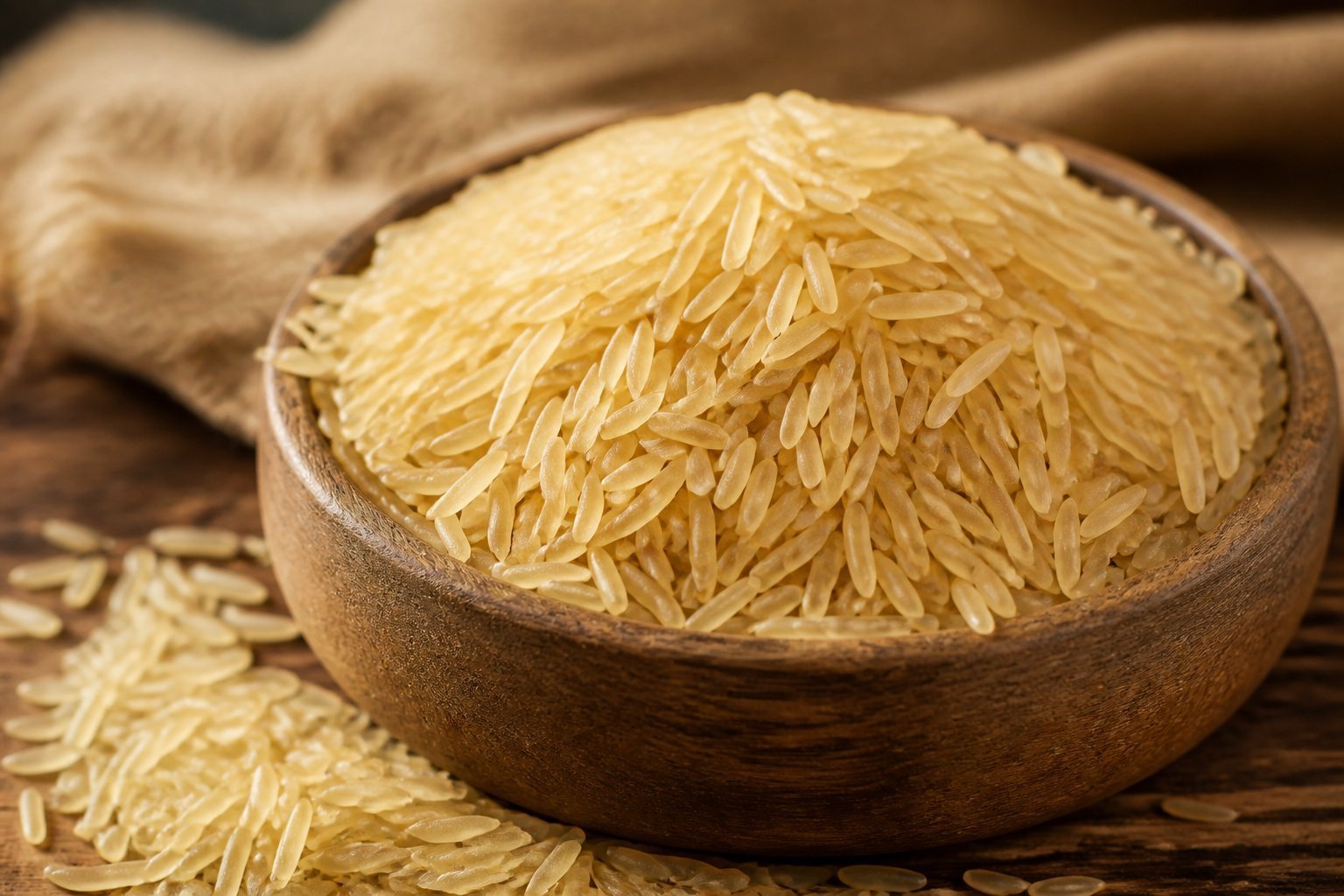
For importers and distributors operating in the GCC region, understanding the technical specifications and quality benchmarks of golden sella basmati directly impacts procurement decisions and customer satisfaction. The rice maintains its structure during prolonged cooking and reheating, which explains its popularity in hotel kitchens, airline catering, and large-scale food preparation facilities. Pakistani suppliers provide certified golden sella varieties meeting international food safety standards including ISO 22000:2018, HACCP, and Halal certifications.
Market demand for parboiled basmati rice continues to grow throughout UAE, Saudi Arabia, Qatar, and neighboring territories, driven by its extended shelf life of 24 to 36 months and consistent cooking results. Procurement professionals benefit from understanding grain length specifications, moisture content requirements, and the differences between golden sella and other basmati variants when negotiating with suppliers and planning inventory strategies.
Key Takeaways
- Golden sella basmati is parboiled rice with enhanced durability and nutrient retention ideal for commercial food service operations
- The variety offers 24 to 36 month shelf life and maintains firm texture during bulk cooking and reheating
- Pakistani certified suppliers meet international quality standards required for GCC import regulations and institutional procurement
What is golden sella basmati and what makes it distinct?
Defining golden sella basmati and its unique attributes:
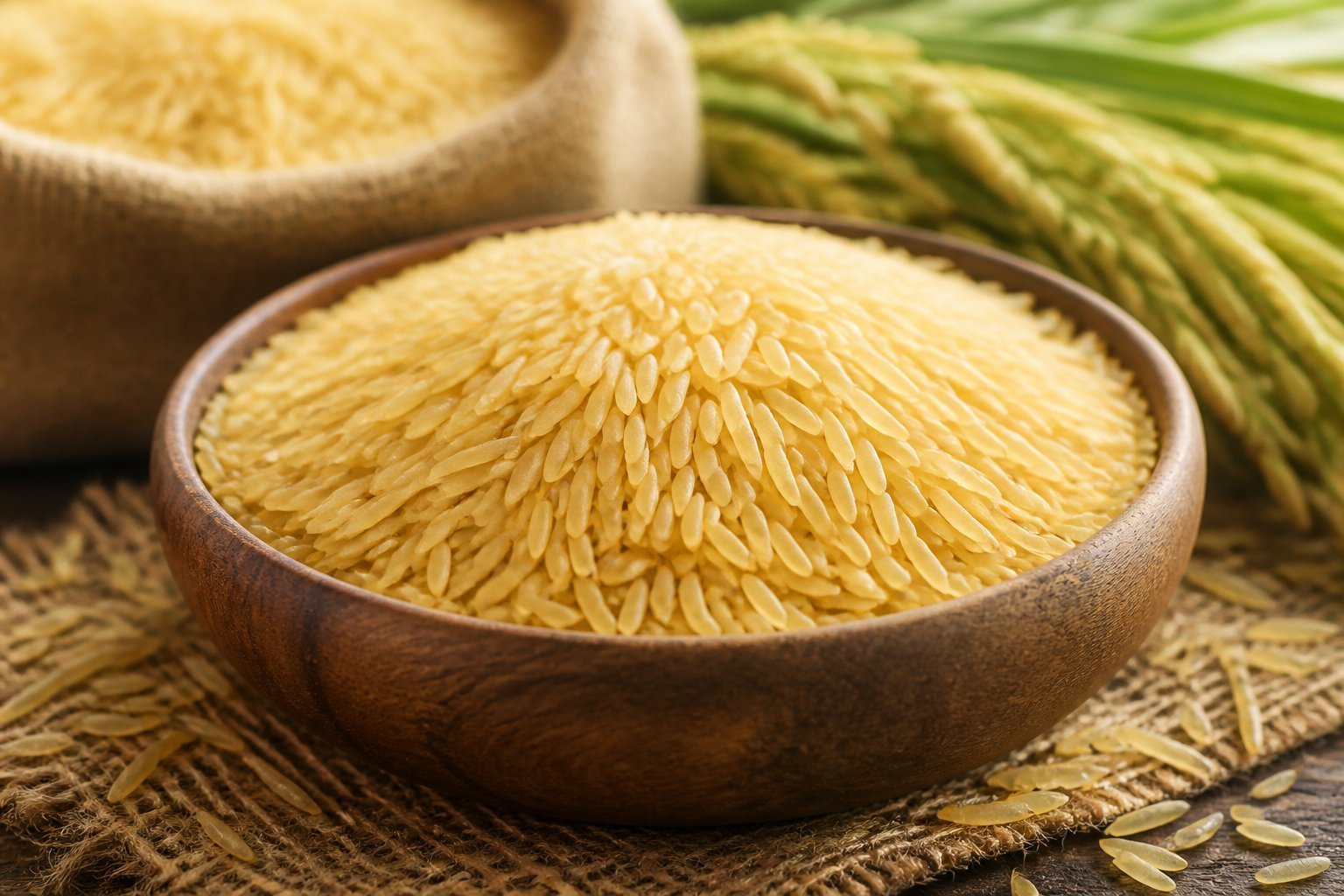
Golden sella basmati undergoes a specialized parboiling process that creates its distinctive golden color and firm grain structure. This processing method also enhances nutrient retention and shelf stability compared to standard white basmati varieties.
Processing Methods and Color
The sella processing method involves steaming raw basmati paddy before removing the husk and milling the grain. This technique forces water-soluble nutrients from the bran into the starchy endosperm.
The golden hue develops during the drying phase after steaming. Grains are dried under controlled conditions that create the characteristic yellow-gold appearance.
This parboiling strengthens the grain structure significantly. The rice becomes harder and more resistant to breakage during handling, storage, and cooking.
Golden sella basmati maintains grain lengths of 8.3 mm to 8.5 mm, making it among the longest in the basmati category. Pakistani suppliers meeting ISO 22000:2018 and HACCP standards ensure consistent processing quality for international markets.
Aroma and Texture Characteristics
Golden sella basmati offers a mild, slightly nutty aroma compared to raw basmati rice. The parboiling process reduces the intensity of the natural fragrance compound 2-Acetyl-1-pyrroline.
The cooked texture remains firm and non-sticky. Each grain separates cleanly, elongating further during cooking without clumping together.
This firm texture makes golden sella ideal for biryani and other dishes requiring distinct, separate grains. The rice holds its structure even when mixed with gravies or sauces.
The grains stay fluffy for extended periods after cooking. This quality makes the variety suitable for buffet service, meal preparation, and commercial food operations where rice needs to maintain quality over time.
Nutritional Profile Compared to White Rice
Golden sella basmati retains more B-vitamins and minerals than standard white rice due to the parboiling process. The steaming pushes nutrients from the outer layers into the grain before milling.
This variety provides complex carbohydrates with a moderate energy density. The processing creates a slightly lower glycemic response compared to regular milled white rice.
Key nutrients enhanced through parboiling:
- Thiamin (Vitamin B1)
- Niacin (Vitamin B3)
- Iron
- Calcium
- Fiber content
The shelf life extends to 24 to 36 months when stored properly in dry conditions. This extended stability results from reduced moisture content and strengthened grain structure created during processing.
Which sella basmati varieties should buyers know?
Core varieties: golden sella, sella basmati, and related types:
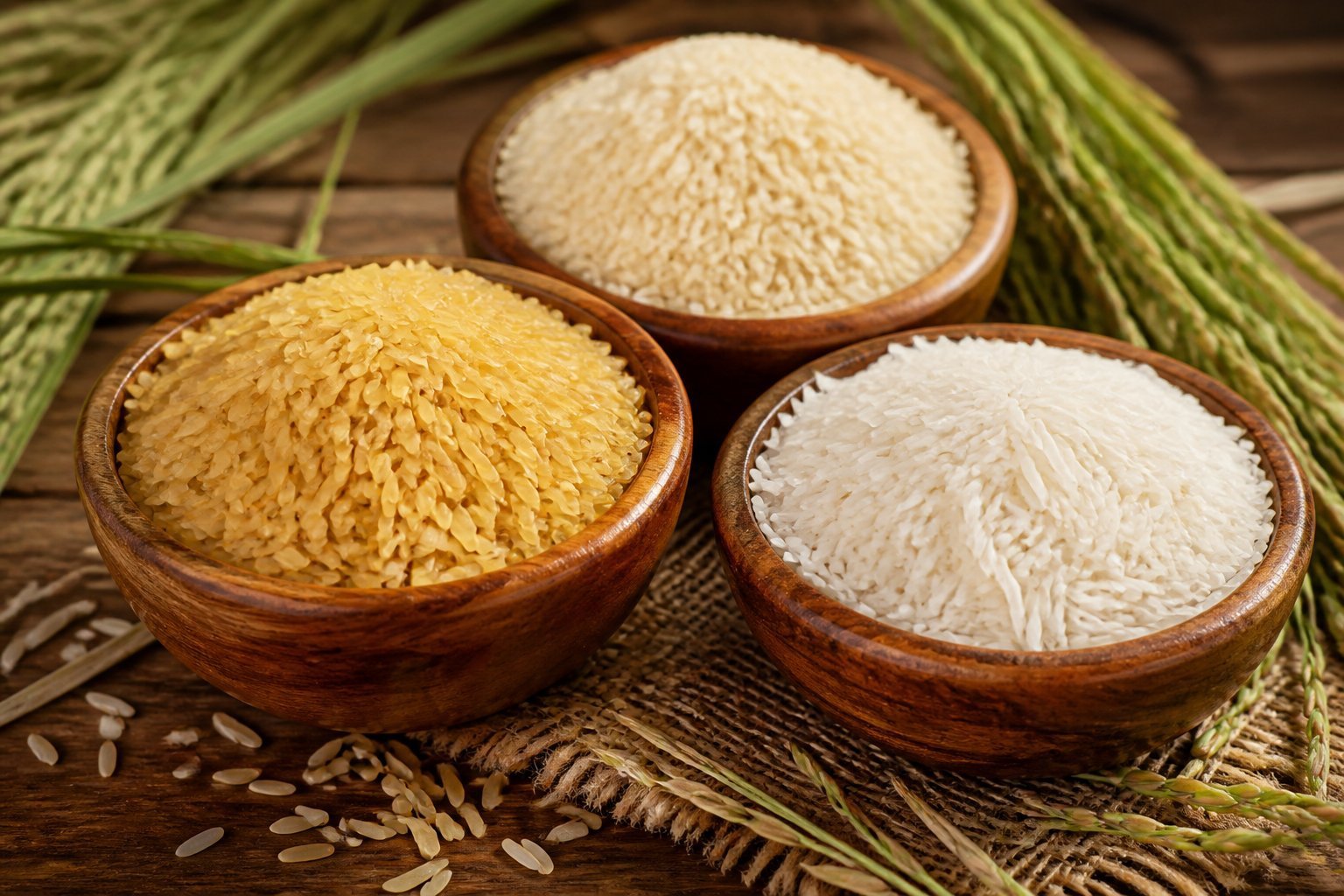
The sella category includes several processing methods that change how basmati rice looks and cooks. Golden sella basmati rice goes through parboiling that creates a golden color, while creamy sella basmati has a lighter appearance from different drying techniques.
Golden Sella Basmati Rice Overview
Golden sella basmati rice gets its name from the golden hue created during parboiling. The rice is soaked, steamed under pressure, and then dried before milling. This process pushes nutrients from the outer layers into the grain.
The parboiling makes the grains harder and more resistant to breaking during cooking. Golden sella grains stay separate and fluffy after cooking, which makes them popular for biryani and pilaf dishes.
Pakistani producers supply golden sella that meets ISO 22000:2018 and HACCP standards. The grains elongate 2.5 to 3 times their original length when cooked.
This variety has a longer shelf life than raw basmati. The hardened grains resist pests and moisture damage better during storage and shipping.
Sella Basmati Versus Golden Sella
Sella basmati and golden sella are both parboiled, but they differ in color intensity and processing time. Regular sella basmati often refers to white or creamy sella, which has a pale ivory color. Golden sella goes through additional drying that deepens the color to golden yellow.
The texture differs between the two types. Golden sella produces firmer, more robust grains that hold up well in dishes with heavy sauces or gravies. White sella has a slightly softer texture while still maintaining separate grains.
Both varieties share the same parboiling benefits. They retain more vitamins and minerals than raw rice. The grains also absorb less water during cooking, which helps control portion consistency.
Raw and Creamy Sella Options
Raw basmati receives no parboiling treatment and maintains its natural white color and full aroma. It cooks faster than sella varieties but requires more careful attention to avoid overcooking.
Creamy sella basmati sits between raw and golden sella in processing intensity. The parboiling for creamy sella is lighter, creating an ivory or cream-colored grain instead of golden. This variety offers moderate firmness with better aroma retention than fully processed golden sella.
Pakistani exporters provide all three options with ISO 9001:2015 certification and Halal compliance. Raw basmati works well for everyday meals and dishes where aroma matters most. Creamy sella balances durability with fragrance for mid-range applications.
Each processing method serves different cooking needs and storage requirements. Buyers can select based on their specific market demands and preparation methods.
What specifications and quality standards define golden sella?
Product specifications and quality standards:
Golden sella basmati rice meets defined export specifications covering grain dimensions, purity levels, moisture limits, packaging requirements, and international certifications that ensure consistent quality across shipments.
Grain Length, Purity, and Moisture Content
Golden sella basmati rice is classified by precise grain measurements and quality parameters. The 1121 Golden Sella variety features grain lengths of 8.30mm to 9mm, while the 1509 Golden Sella measures 7.4 to 7.8mm. Both varieties elongate during cooking, with 1121 reaching up to 21mm.
Purity standards require 95% to 98% minimum purity for export-grade sella basmati. Foreign matter including stones, husk, and debris must remain below 0.5% of total weight. Broken grain percentage determines grade classification: 5% broken indicates premium retail quality, 10% broken suits mid-tier wholesale, and 15% to 25% broken serves price-sensitive markets.
Moisture content directly affects shelf stability and preservation. Export-grade golden sella basmati maintains 12% to 13% moisture content to prevent spoilage during transport and storage. Pakistani suppliers control moisture through precise drying after the parboiling process.
Packaging and Shelf Life Considerations
Basmati rice packaging varies based on distribution channels and destination requirements. Retail packaging includes 5kg, 10kg, and 25kg bags made from food-grade polypropylene or laminated materials. Bulk shipments use 50kg PP bags or 1000kg jumbo bags for wholesale and institutional buyers.
Golden sella basmati demonstrates superior storage durability compared to raw rice varieties. The parboiling process creates a stable grain structure that resists moisture absorption and insect infestation. Properly stored golden sella basmati rice maintains quality for 18 to 24 months in controlled environments below 25°C with managed humidity levels.
In high-temperature markets across the GCC region, this extended shelf life provides significant advantages for importers and retailers managing inventory cycles.
Certifications for Export
International quality certifications validate food safety and processing standards for golden sella basmati rice exports. Pakistan-origin rice meets ISO 9001:2015 for quality management systems and ISO 22000:2018 for food safety management. HACCP certification ensures hazard analysis and critical control points throughout production.
Halal certification confirms compliance with Islamic dietary requirements, essential for GCC markets. USFDA registration allows access to North American distribution channels. Phytosanitary certificates accompany each shipment to verify pest-free grain status and meet importing country agricultural regulations.
These certifications demonstrate adherence to international standards and facilitate customs clearance across multiple jurisdictions. Buyers verify documentation before accepting shipments to ensure regulatory compliance.
What supply-chain factors matter for importers and distributors?
Supply chain considerations for importers and distributors:
Successful procurement of golden sella basmati requires strategic planning across sourcing channels and storage infrastructure. Direct farm connections and proper bulk handling protocols protect grain quality from origin to end market.
Sourcing and Direct-from-Farm Procurement
Importers working with certified suppliers in Pakistan benefit from traceable supply chains that meet ISO 9001:2015, ISO 22000:2018, HACCP, Halal, and USFDA standards. Direct-from-farm procurement reduces intermediary costs while ensuring grain authenticity and quality consistency.
Quality certifications like FSSAI and APEDA registration verify that sella basmati meets international food safety parameters. Importers should verify crop year documentation, laboratory test reports for pesticide residue levels, and phytosanitary certificates before finalizing purchase orders.
Building relationships with mills that control their own paddy procurement creates supply stability during seasonal fluctuations. Distributors serving GCC markets often establish multi-year contracts with Pakistani exporters to lock in pricing and guarantee year-round availability of golden sella rice varieties.
Bulk Handling and Storage Best Practices
Proper warehouse management preserves the golden color and aroma that define premium basmati rice. Storage facilities must maintain temperatures between 15-20°C with relative humidity below 65% to prevent moisture absorption and pest infestation.
Bulk shipments arriving in 25kg and 50kg PP woven bags require palletized stacking with adequate air circulation between rows. First-in-first-out inventory rotation ensures older stock moves before shelf life degradation occurs.
Critical storage protocols include:
- Monthly moisture testing to maintain the 12-13% standard
- Fumigation records and pest monitoring logs
- Separate zones for different grain grades
- Temperature-controlled environments for premium varieties
Distributors handling container-load quantities should inspect cargo upon arrival for any transit damage or moisture exposure that could compromise grain integrity before distribution to retail channels.
Where is golden sella used in B2B and institutional kitchens?
Culinary applications in B2B and institutional settings:
Golden sella basmati performs consistently in high-volume kitchens due to its parboiled structure and grain separation. This rice variety suits diverse menu applications from traditional South Asian dishes to international cuisines requiring firm, elongated grains.
Biryani, Pilaf, and Catering Dishes
Golden sella basmati cooks into fluffy, non-sticky grains that remain separate even during extended holding periods. This makes it ideal for buffet service and large-scale catering operations where rice must maintain quality for hours.
Biryani preparation benefits from the strengthened grain structure. The parboiling process allows each grain to absorb spices and marinades without breaking down during layered cooking.
Pilaf dishes require rice that stays firm under butter, stock, and aromatics. Golden sella maintains its texture and extends 1.5 to 2 times its original length when cooked properly. Hotels and banquet facilities rely on this predictable elongation for consistent plating.
The 1:2 rice-to-water ratio with 30 minutes of soaking delivers optimal results in commercial rice cookers and steam kettles. This standardized method reduces training time for kitchen staff and minimizes batch failures.
Use in Fried Rice, Jollof, and Multicultural Menus
Golden sella adapts well to fried rice applications because the parboiled grains resist clumping when stir-fried at high heat. The firm texture holds up under wok cooking and repeated tossing with vegetables, proteins, and sauces.
Restaurants serving diverse clientele use golden sella as a versatile base grain. While white rice might become mushy in certain preparations, the strengthened structure of golden sella performs across cooking methods.
Jollof rice and similar West African dishes require rice that absorbs rich tomato-based sauces without dissolving. The golden color complements the final dish appearance while maintaining grain integrity during the one-pot cooking process.
Pakistani suppliers provide certified golden sella meeting ISO 22000:2018 and HACCP standards. These certifications ensure consistency for institutional buyers managing food safety protocols across multiple locations.
Advantages of Golden Sella in Food Service
Restaurant and catering operations prefer golden sella for its repeatable plating characteristics and resilience under holding conditions. The parboiling process locks in nutrients and creates a protective layer around each grain.
Key operational benefits include:
- Extended holding time without quality loss
- Lower breakage rates during storage and handling
- Consistent batch-to-batch performance
- Reduced water absorption variation
- Better yield per kilogram compared to raw basmati
The golden hue provides visual distinction on mixed buffet lines. Food service chains value the uniform appearance that meets brand presentation standards across different kitchen teams.
Bulk purchasing through GCC distributors provides access to ISO 9001:2015 certified supplies. Pakistani origin golden sella arrives in 25 kg and 50 kg packaging suitable for commercial storage systems and inventory rotation schedules.
How should GCC buyers approach procurement and trade rules?
Procurement strategies and trade regulations in the GCC:
GCC buyers sourcing golden sella basmati rice need verified supplier credentials, complete import documentation, and quality testing protocols that address grain specifications and moisture consistency. Payment terms, certification requirements, and pre-shipment inspection reduce supply chain disruptions.
Best Practices for Sourcing Golden Sella Basmati
Procurement teams should verify that suppliers hold ISO 22000:2018, HACCP, and Halal certifications before placing orders. These standards confirm food safety management systems and compliance with GCC regulatory requirements. Pakistani mills in Punjab province maintain these certifications and provide documentation with each shipment.
Minimum order quantities typically start at two 20-foot containers, which equals approximately 52 metric tons. Buyers establishing new supplier relationships should request pre-shipment samples to verify grain length, broken percentage, and moisture content before committing to full container loads.
Payment structures vary by buyer history. New relationships operate under Letter of Credit terms, while established buyers negotiate Telegraphic Transfer arrangements aligned to agreed shipping documents. Buyers should request certificates of analysis showing moisture levels at 13.5% or below and broken grain percentages between 1-5% depending on grade specifications.
Direct sourcing from mills rather than intermediaries provides better pricing and quality control. Buyers working with GCC rice suppliers benefit from established logistics networks and local inventory management.
Customs, Import Duties, and Documentation
Golden sella basmati rice entering GCC markets requires specific documentation for customs clearance. Each shipment needs a commercial invoice, packing list, bill of lading, certificate of origin, and phytosanitary certificate from the exporting country’s agriculture authority.
Saudi Arabia, UAE, and Qatar each maintain Gulf Standardization Organization specifications for basmati rice imports. Documentation must confirm compliance with GSO standards for moisture content, foreign matter limits, and grain quality parameters.
Import duties vary by country. Saudi Arabia applies a 5% customs duty on basmati rice imports. UAE maintains zero percent duty for most rice categories. Qatar charges minimal tariff rates for basmati under GCC trade agreements.
Halal certification is mandatory across all GCC markets. Suppliers must provide valid Halal certificates issued by recognized Islamic certification bodies. The documentation package should also include a certificate of analysis from an accredited laboratory showing test results for moisture, broken percentage, and grain length measurements.
Quality Risk Mitigation
Pre-shipment inspection prevents quality disputes and ensures specifications match purchase agreements. Third-party inspection companies test moisture content, measure average grain length, and assess broken kernel percentages before containers leave the origin port. Buyers specify maximum broken limits in contracts—premium grades allow 0-1% broken, while standard grades permit up to 5%.
Moisture testing matters most for long-term storage stability. Rice exceeding 13.5% moisture develops spoilage during transit, particularly in sealed containers. Buyers should require moisture certificates with each shipment and reject containers that arrive above specification.
Sample retention protocols help resolve quality claims. Suppliers should seal representative samples from each production lot and store them for 90 days after shipment. If disputes arise, sealed samples provide reference points for re-testing grain specifications.
Storage conditions at destination affect quality maintenance. Golden sella basmati rice maintains stability in hot climates better than white varieties due to parboiling, but warehouses still need ventilation and pest control measures. Buyers managing inventory across multiple distribution points should establish first-in-first-out rotation systems to prevent aging beyond optimal consumption windows.
What is driving golden sella demand in the GCC?
Market insights and demand trends in the GCC:
The GCC basmati rice market demonstrates consistent growth driven by expatriate populations and regional culinary preferences, with golden sella basmati commanding the largest share across Saudi Arabia, UAE, Kuwait, Qatar, and Bahrain. Regional buyers prioritize specific processing types and grain characteristics that align with local consumption patterns and climate requirements.
Regional Preferences for Rice Types
Golden sella basmati dominates GCC imports due to its extended shelf life and heat resistance during storage and transportation. The deeper golden-amber color achieved through longer parboiling cycles appeals to Gulf consumers who associate the hue with premium quality.
Saudi Arabia and the UAE represent the largest import volumes within the region. These markets almost exclusively purchase golden sella over cream or white sella varieties. Pakistani-origin rice maintains strong positioning across GCC markets, meeting ISO 22000:2018, HACCP, and Halal certification requirements that Gulf importers mandate.
The 1121 variety specifically delivers the grain elongation and separation that traditional dishes like kabsa, mandi, and majboos require. The GCC basmati rice market continues expanding at steady rates through 2035.
GCC End-User Segments and Volume Requirements
Hospitality and catering operations consume substantial basmati rice volumes across hotels, restaurants, and event facilities throughout the Gulf. These buyers prioritize consistency in grain length, minimal breakage rates below 2%, and reliable supply chains that support year-round procurement.
Retail distribution networks serve both expatriate communities and local consumers through hypermarkets and specialty grocery chains. South Asian expatriates sustain cultural demand for aromatic long-grain rice varieties that replicate home-country cooking experiences.
Container-based imports dominate the trade structure, with buyers typically ordering multiple 20-foot containers per shipment. Pakistani mills supply the majority of this demand through established procurement networks across Punjab districts including Sheikhupura, Hafizabad, and Gujranwala. Premium grades are distinguished by strict quality specifications and processing standards.
Source golden sella basmati for your market
Get specifications, certifications, and supply options matched to your buyers.
What do GCC buyers ask most about golden sella basmati?
Frequently asked questions:
Golden sella basmati rice requires specific handling from selection through storage, with parboiled grains needing different water ratios and cooking times than regular basmati, while quality assessment depends on grain length, color uniformity, and moisture content.
What distinguishes this rice variety from other basmati types?
Golden sella basmati undergoes a parboiling process before milling that sets it apart from raw or steam basmati varieties. The grains are soaked, steamed under pressure, and dried while still in their husk. This process gives the rice its golden color and hardens the grain structure.
The parboiling locks nutrients into the kernel and creates a firmer texture than white basmati. Golden sella basmati elongates 2.5 to 3.0 times during cooking while maintaining separate, non-sticky grains. The 1121 variety offers the longest grain length among basmati types at 8.20 to 8.40 mm in raw form.
Pakistani-origin golden sella meets international certification standards including ISO 22000:2018 and HACCP. The rice stores longer than white basmati, maintaining quality for 18 to 24 months when kept below 25°C with proper moisture levels.
How should it be rinsed and soaked to achieve the best texture?
Rinsing golden sella basmati removes surface starch and any residual dust from processing. The grains should be placed in a bowl and covered with cold water, then gently agitated by hand. The water will turn cloudy and should be drained and replaced two to three times until it runs mostly clear.
Soaking helps achieve optimal grain elongation and even cooking. The rice should be covered with fresh water and left for 30 minutes at room temperature.
This pre-cooking step allows the grain to absorb moisture evenly. Draining the rice thoroughly after soaking prevents excess water from affecting the cooking ratio.
What is the ideal water-to-rice ratio for cooking it on the stovetop?
Golden sella basmati cooks best with a 1:2 rice-to-water ratio on the stovetop. For every cup of rice, two cups of water should be used. This ratio accounts for the parboiled grain’s firmer structure compared to raw basmati.
The water should be brought to a boil before adding the drained, soaked rice. Once the rice is added, the heat should be reduced to low and the pot covered with a tight-fitting lid.
Some cooks prefer a slightly lower ratio of 1:1.75 for firmer grains. The exact amount may vary based on desired texture and specific cooking equipment. Testing a small batch first helps determine the preferred consistency.
How long does it typically take to cook, and how can doneness be checked?
Cooking time for golden sella basmati ranges from 10 to 12 minutes after the water returns to a boil. The rice should simmer on low heat with the lid on during this period. Opening the lid releases steam and can result in unevenly cooked grains.
Doneness can be checked by tasting a grain after 10 minutes. The rice should be tender throughout with no hard center. The grains will have elongated significantly and separated from each other.
Another indicator is the absorption of all visible water and the formation of small steam holes on the surface. After cooking, the rice should rest covered for 5 minutes off the heat. This allows moisture to redistribute evenly throughout the grains.
What are the best storage practices to maintain aroma, freshness, and grain quality?
Golden sella basmati should be stored in an airtight container in a cool, dry location away from direct sunlight. Temperature below 25°C helps maintain grain structure and prevents moisture absorption. The rice’s parboiled nature gives it superior shelf life compared to steam basmati, but proper storage still matters.
Moisture content should remain between 12 and 13 percent for optimal preservation. Higher moisture levels increase the risk of mold growth and insect infestation. The storage container should be made of food-grade material that blocks air and humidity.
Unopened packages can last 18 to 24 months when stored correctly. Once opened, the rice should be used within 12 months for best aroma retention. Glass jars, food-grade plastic bins, or sealed mylar bags work well for home storage.
The rice should be kept away from strong-smelling foods as basmati can absorb odors. Regular inspection for signs of moisture or pests helps catch storage problems early.
How can buyers assess quality and authenticity when choosing a brand or batch?
Quality golden sella basmati displays uniform golden color throughout the batch without white, dark, or discolored grains mixed in. The grains should measure 8.20 to 8.40 mm in length for authentic 1121 variety. Shorter grains may indicate a different, lower-grade variety.
The broken grain percentage affects both price and cooking performance. Premium grades contain 0 to 2 percent broken grains, while standard export grades range from 5 to 10 percent. Buyers can examine a small sample by spreading grains on a white surface to check uniformity.
Pakistani exporters certified under ISO 9001:2015 and Halal standards provide documentation verifying origin and processing methods. The rice should be free from foreign matter, stones, or debris. A handful of grains should feel dry and firm, not soft or sticky.
Authentic golden sella has a mild, pleasant aroma that intensifies when cooked. Chemical or musty odors indicate poor storage or adulteration. Checking moisture content with a digital meter confirms it falls within the 12 to 13 percent range for proper preservation.