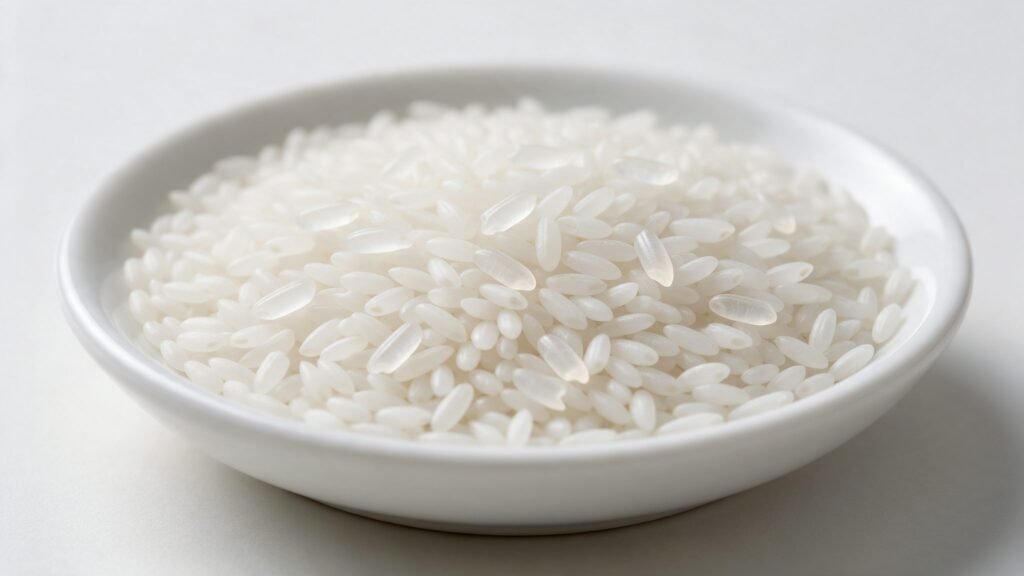
Kuwait relies heavily on rice imports to meet domestic demand, with the country importing nearly all of its rice supply from major exporters across Asia. Kuwait’s rice market remains closely tied to global supply conditions, which continues to present opportunities for importers and distributors operating in the GCC region. The market prioritizes Basmati rice varieties, particularly those meeting strict quality certifications including ISO 9001:2015, ISO 22000:2018, HACCP, and Halal standards.
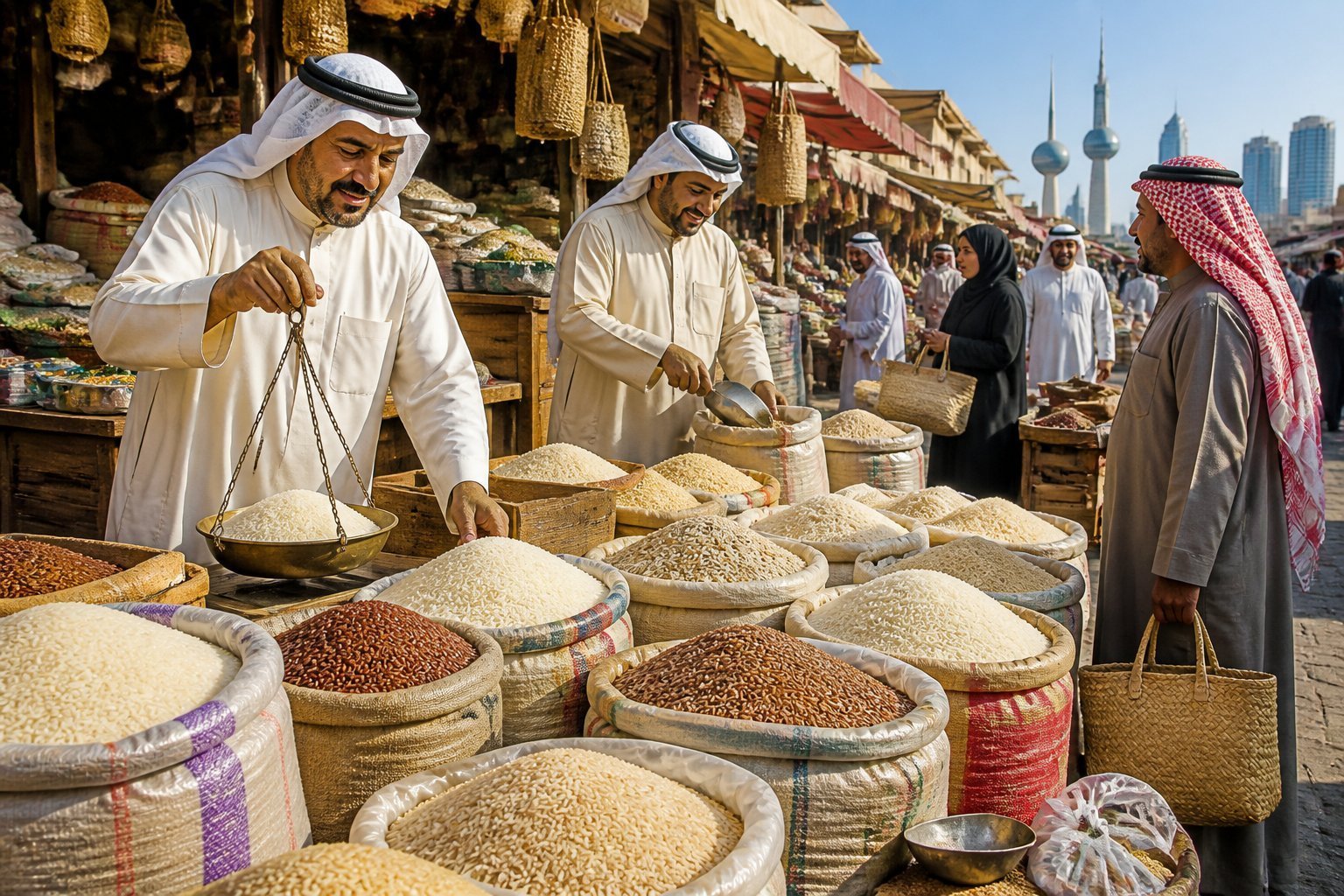
For B2B buyers and procurement professionals, understanding the Kuwaiti rice market structure provides essential insight into supply chain dynamics and pricing strategies. Pakistan serves as a certified and reliable origin for premium rice exports to Kuwait, alongside other established suppliers like India and Thailand. The market characteristics reflect evolving consumer preferences toward quality products, particularly during high-demand periods like Ramadan.
Import operations dominate the Kuwaiti rice sector, though the country has shown modest export activity in recent years. Trade data reveals Kuwait plays only a minor role in rice exports, ranking 62nd globally among rice exporters. This complex market environment requires distributors to navigate certification requirements, seasonal demand fluctuations, and competitive pricing structures to secure profitable contracts with retailers and food service operators throughout Kuwait.
Key Takeaways
- Kuwait’s import-dependent market stayed stable through 2026, keeping conditions attractive for importers
- The market demonstrates strong preference for certified Basmati rice varieties that meet international quality and Halal standards
- Import operations drive the Kuwait rice sector with Pakistan, India, and Thailand serving as primary supply origins
How is Kuwait’s rice market structured?
Market structure and key segments:
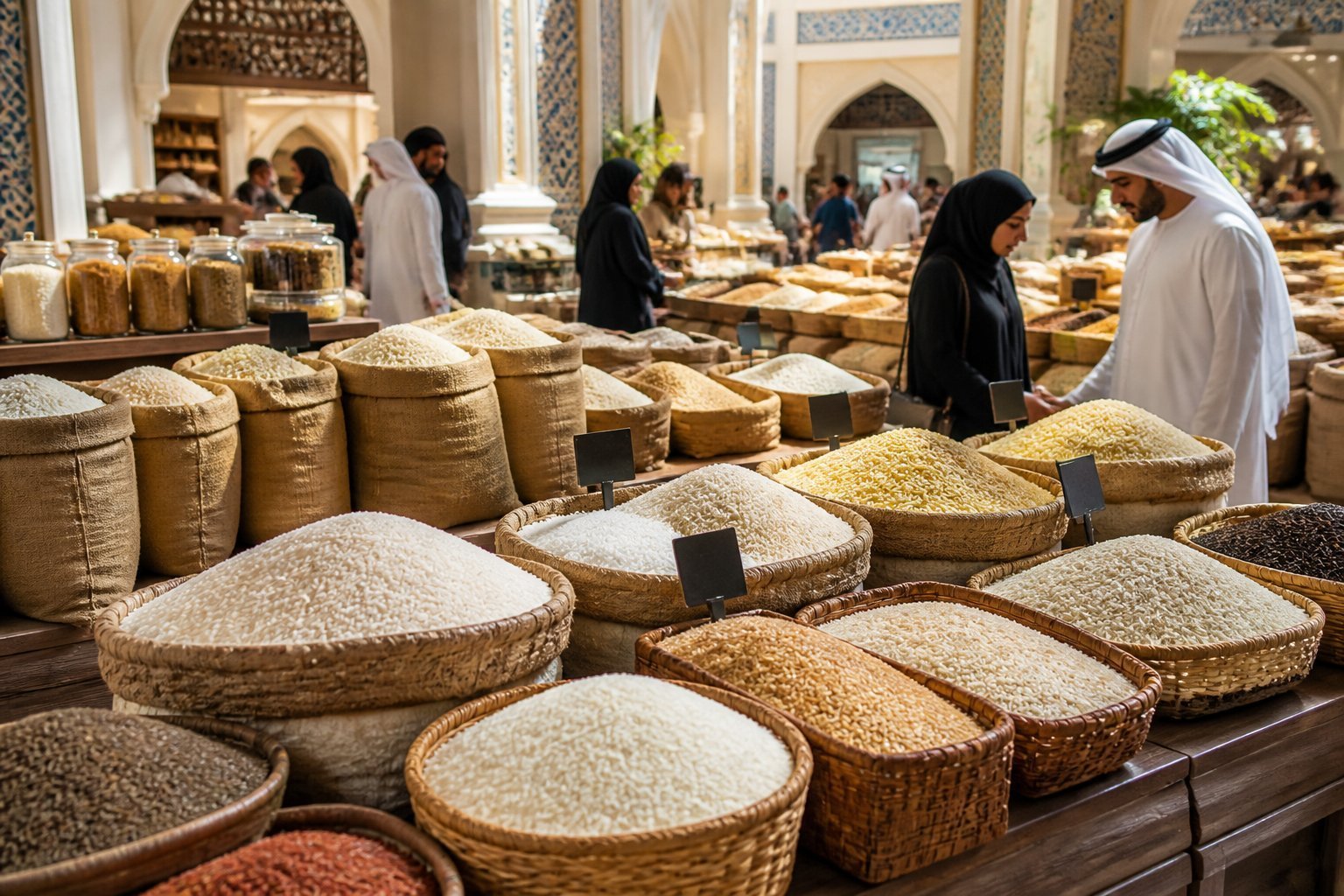
The Kuwait rice market consists of distinct product categories and distribution networks that serve diverse consumer preferences. Rice types range from everyday staples to premium varieties, while retail channels include traditional supermarkets and modern e-commerce platforms.
Major Rice Types and Product Groups
The Kuwait rice market encompasses several core product categories that meet different cooking needs and cultural preferences. White long-grain varieties dominate consumption patterns, particularly basmati and jasmine rice imported from major suppliers. These aromatic varieties remain popular for traditional Middle Eastern and South Asian dishes prepared in Kuwaiti households.
Brown rice represents a smaller but growing segment as health-conscious consumers seek whole grain alternatives. This variety retains the bran layer, providing higher fiber content compared to polished white rice. Black rice and red rice occupy niche positions within specialty segments, appealing to consumers interested in unique nutritional profiles and cooking applications.
Short-grain and medium-grain varieties serve specific culinary purposes, including sushi preparation and rice pudding dishes. Pakistan supplies certified basmati rice that meets international quality standards including ISO 9001:2015, ISO 22000:2018, HACCP, Halal, and USFDA certifications.
Premium, Organic, and Specialty Rice Overview
The Kuwait premium rice market shows steady growth driven by consumer demand for quality products. Premium basmati commands stronger buyer preference due to grain length, aroma, and aging processes that enhance cooking characteristics. These varieties typically come from specific geographic regions known for superior cultivation conditions.
Organic rice attracts consumers seeking products grown without synthetic pesticides or fertilizers. Certification requirements ensure these varieties meet strict agricultural standards throughout production and processing. Specialty rice includes flavored options, pre-seasoned blends, and quick-cooking formats designed for convenience.
Aged basmati rice, particularly varieties aged 1-2 years, delivers enhanced texture and elongation during cooking. Pakistani suppliers provide certified premium grades that comply with international food safety and quality management systems.
Distribution Channels and Retail Segments
Supermarkets and hypermarkets serve as primary distribution channels in Kuwait, offering extensive rice selections across multiple brands and price points. These large-format stores provide consumers with access to both local and imported varieties under one roof.
Online platforms represent an expanding distribution segment, delivering convenience through home delivery services. Digital retail channels allow consumers to compare prices, read product descriptions, and order bulk quantities without visiting physical stores.
Traditional grocery stores maintain relevance in neighborhood communities, stocking popular rice brands that cater to local preferences. The competitive market features various brands available through these diverse retail segments. Wholesale distributors supply restaurants, hotels, and catering services with commercial-grade rice in larger packaging formats.
What drives rice demand in Kuwait?
Demand dynamics and consumption patterns:
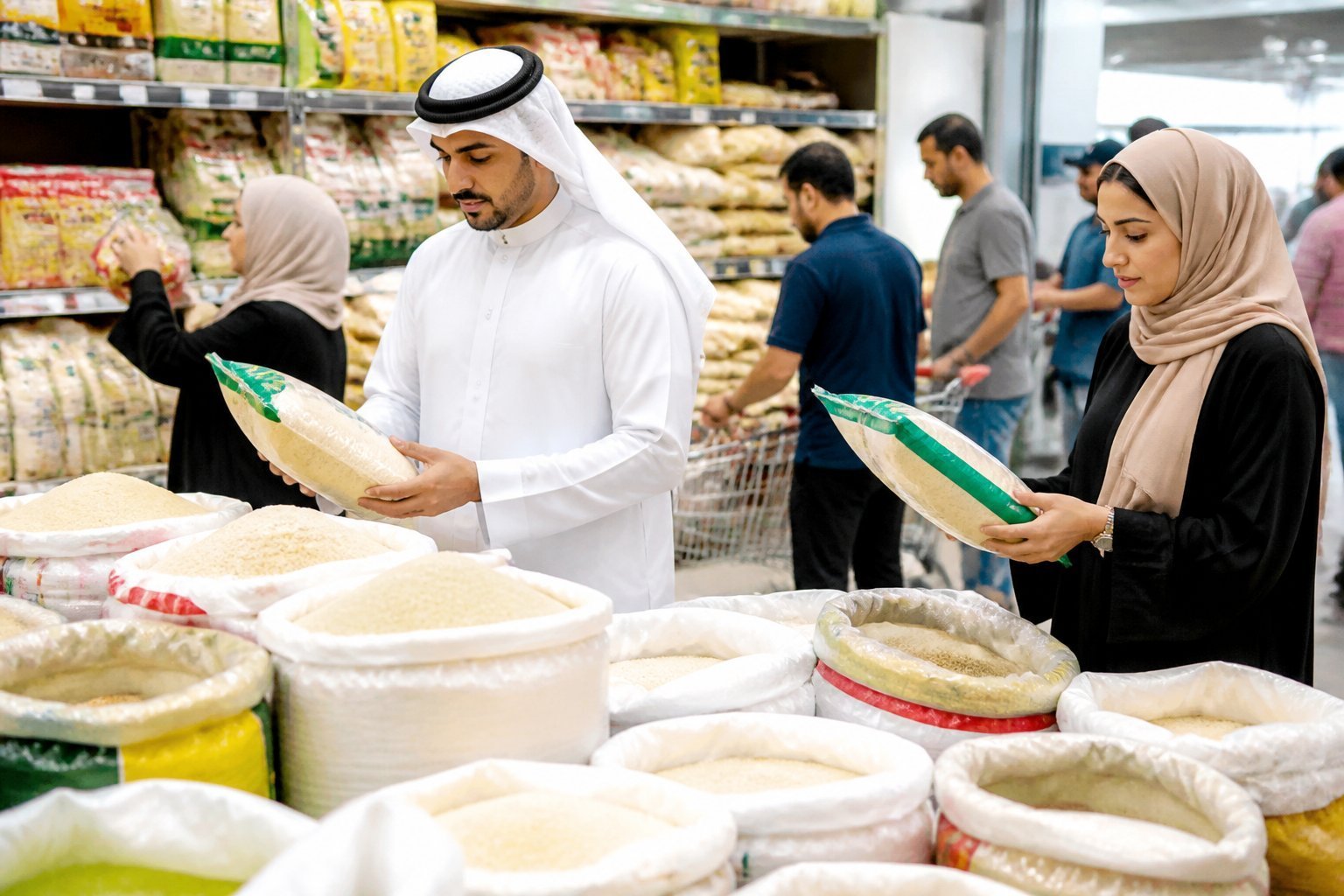
Kuwait’s rice consumption is shaped by household preferences for long-grain varieties, institutional buying patterns across hotels and restaurants, and significant seasonal spikes during Ramadan when demand can surge by notable margins.
Consumer Preferences and Shifting Trends
Kuwaiti consumers show a strong preference for long-grain rice varieties, particularly basmati and premium aromatic types. Premium rice consumption has grown as household incomes remain stable and quality expectations rise.
Brown rice has gained traction among health-conscious buyers, though it represents a smaller portion of total consumption compared to white rice. Younger consumers and expatriate communities drive interest in specialty varieties.
Pakistan has established itself as a certified, reliable origin for premium basmati rice entering Kuwait. The Kuwait rice market relies heavily on imports, with suppliers meeting ISO 9001:2015, ISO 22000:2018, HACCP, Halal, and USFDA certification standards to meet regulatory requirements and consumer expectations.
Brand loyalty influences purchasing decisions, especially in retail channels where packaging, grain length, and cooking characteristics matter to buyers.
Sectoral Demand: HoReCa, Retail, and Household
The HoReCa sector accounts for substantial rice consumption across Kuwait’s dining establishments, hotels, and catering services. Restaurants require consistent quality and bulk packaging to serve diverse cuisines, from traditional Arabic dishes to South Asian and international menus.
Retail channels serve household buyers who purchase rice in various pack sizes. Supermarkets and hypermarkets stock multiple brands and origins to accommodate different price points and quality tiers.
Household consumption dominates overall demand volume. Families purchase rice as a dietary staple, with larger pack sizes preferred for cost efficiency. The Kuwait rice market relies on imports from India, Pakistan, and Thailand to meet domestic needs across all sectors.
Industrial users, including food processors and ready-meal manufacturers, represent a smaller but growing segment requiring specific grain characteristics and consistent supply.
Seasonality and Impact of Ramadan
Ramadan creates the most significant seasonal demand spike in Kuwait’s rice market. Households stock up before and during the holy month to prepare traditional dishes and host iftar gatherings.
Import volumes typically increase in the months leading up to Ramadan. Distributors and retailers build inventory to avoid stockouts during this critical period when consumption patterns intensify.
Rice prices can fluctuate based on pre-Ramadan purchasing pressure, though certified suppliers maintain consistent quality standards throughout the year. The seasonal pattern repeats annually, making Ramadan a predictable yet crucial planning factor for importers and retailers operating in Kuwait.
Wedding seasons and cultural celebrations also generate smaller demand increases, though these remain less pronounced than the Ramadan effect on overall consumption volumes.
How does rice get imported into Kuwait?
Import and export operations:
Kuwait depends almost entirely on rice imports, bringing in roughly 223,000 tonnes in 2023. Sourcing is concentrated, with India holding the dominant share, while smaller volumes arrive from certified suppliers across Asia and Australia.
Core import partners and trade volumes
India supplies the majority of Kuwait’s rice needs, at about 201,700 tonnes in 2023 — roughly 90% of total import volume, underlining India’s role as the region’s established market-maker.
Australia ranks as the second-largest supplier at about 5,300 tonnes, with Thailand at around 5,900 tonnes and Vietnam near 4,900 tonnes.
Pakistan provides certified rice supplies of about 3,300 tonnes to the Kuwaiti market. Pakistani rice meets ISO 9001:2015, ISO 22000:2018, HACCP, Halal, and USFDA certification standards, making it a reliable option for quality-focused importers.
Additional suppliers include China, the United States, Bangladesh, and several smaller sources that collectively contribute a minor share of total volumes.
Export trends and competitive positioning
Kuwait maintains minimal rice export activity as a net-importing nation, lacking domestic production and serving primarily as a consumption market rather than a trade hub. Regional re-export operations remain limited compared with the neighbouring UAE ports, and import volumes have been broadly flat in recent years, suggesting a stable, mature market.
Role of sourcing intermediaries
Distributors and import agents connect international suppliers with Kuwaiti retailers and foodservice operators, handling logistics, customs clearance, and quality verification. Companies building a GCC go-to-market strategy often partner with Qatar-based and Kuwait-based distributors who verify that imported rice meets Gulf food-safety and quality standards.
These intermediaries also manage currency movements, shipping schedules, and documentation that affect procurement, matching specific rice varieties to consumer preferences across retail channels.
What shapes rice value and the supply chain in Kuwait?
Pricing analysis and value chain insights:
Rice value in Kuwait reflects near-total import dependence and global market dynamics. The value chain runs through several intermediaries from origin to retailer, and shifts with international supply conditions and currency movements. For buyers, the useful signals are quality tiers and reliable, certified origins rather than any single figure.
Quality tiers and value drivers
Value varies by rice quality and origin. Premium varieties hold stronger positioning thanks to grain length, aroma, and certified quality. Pakistan serves as a certified, reliable origin for premium varieties meeting international standards including ISO 9001:2015, ISO 22000:2018, HACCP, Halal, and USFDA certifications.
How the value chain works
The Kuwaiti value chain moves from international suppliers through importers, wholesalers, retailers, and increasingly e-commerce platforms. Quality certifications and food-safety compliance shape decisions at every stage. Import volumes have been broadly flat in recent years, reflecting a stable, mature market shifting gradually toward premium segments.
What drives value shifts
Global benchmark conditions, harvest cycles in exporting origins, and exchange-rate movements between the Kuwaiti dinar and supplier currencies all influence landed value. The premium segment tends to show steadier demand, supported by consistent buyer preference for certified products.
What trends are shaping Kuwait’s rice sector?
Trends shaping the Kuwaiti rice sector:
Kuwaiti consumers are shifting toward healthier rice options and premium products while demanding higher quality standards. The Kuwait premium rice market reflects these changing preferences as buyers seek both nutritional benefits and superior taste.
Health, Organic, and Sustainability Trends
Health-conscious consumers in Kuwait are increasingly choosing brown rice and black rice over traditional white varieties. Brown rice retains its bran layer, providing more fiber and nutrients that support digestive health and blood sugar control. Black rice offers high levels of antioxidants and is gaining attention for its nutritional profile.
Organic certification has become a key purchasing factor. Buyers want rice grown without synthetic pesticides or fertilizers, particularly from certified origins like Pakistan that meet international standards including ISO 22000:2018 and HACCP protocols.
Sustainability concerns are influencing rice market trends as well. Consumers prefer suppliers who demonstrate responsible water management and environmentally friendly farming practices. Packaging choices matter too, with buyers favoring recyclable materials over excessive plastic use.
Premiumization and New Product Development
The demand for premium rice varieties continues to grow in Kuwait. Basmati rice remains highly popular due to its aromatic qualities and longer grain length. Premium products command stronger buyer preference because consumers associate them with better taste and cooking properties.
Product innovation focuses on convenience and specialty options. Pre-washed rice, quick-cook varieties, and portion-controlled packaging appeal to busy households. Some distributors offer aged basmati that has been stored for extended periods to enhance flavor and texture.
Quality certifications provide competitive advantages in this market. Rice meeting ISO 9001:2015, Halal, and USFDA standards reassures buyers about food safety and production integrity. Pakistani rice exporters have established strong reputations by maintaining these certification requirements consistently.
Who supplies Kuwait’s rice market?
Competitive landscape and leading players:
The Kuwait rice market features diverse brands competing across multiple retail channels, with distribution strategies and sourcing relationships playing critical roles in market positioning. Companies differentiate through quality certifications, origin partnerships, and retail network strength.
Market Share and Brand Positioning
The Kuwait rice market operates with multiple competitors offering various rice types through supermarkets, hypermarkets, and online platforms. Premium brands command stronger buyer preference by emphasizing quality certifications including ISO 9001:2015, ISO 22000:2018, HACCP, and Halal standards.
Key positioning factors include:
- Origin credibility – Pakistan serves as a certified, reliable origin for premium varieties meeting international food safety standards
- Quality certifications – USFDA certification alongside ISO standards provides competitive advantage
- Product variety – Basmati, long-grain, and specialty rice segments serve different consumer needs
- Price tiers – Budget, mid-range, and premium rice segments target distinct consumer groups
Health-conscious consumers increasingly favor organic and certified options. Brands highlighting traceability and certification adherence gain stronger market positions in Kuwait’s quality-focused retail environment.
Strategic Partnerships and Distribution
Distribution networks determine market reach in Kuwait’s concentrated retail landscape. Companies partner with major supermarket chains and establish online presence to maximize accessibility.
Distribution approaches include:
- Direct partnerships with hypermarket chains for shelf placement
- E-commerce platforms capturing growing online food purchasing
- Wholesale relationships with smaller retailers and restaurants
- Regional distribution hubs serving GCC markets
Qatar-based importers like TEFT Global source premium Pakistani rice for GCC distribution, leveraging geographic proximity and established trade routes. These partnerships ensure consistent supply chains meeting certification requirements. Companies with diversified retail presence across physical and digital channels achieve broader consumer reach than single-channel competitors.
What’s the outlook for Kuwait’s rice market?
Future outlook and market forecasts:
The Kuwait rice market is expected to expand steadily through 2030, with revenue projected to grow annually by 5.51%. Market dynamics will be shaped by rising consumer demand for premium varieties, evolving import patterns, and ongoing regional trade relationships.
Growth Projections and Scenario Analysis
The rice market in Kuwait is forecasted to maintain consistent upward momentum over the next several years. The sector is anticipated to continue expanding at a compound annual growth rate of around 5.5% through 2030.
Premium rice segments show particularly strong growth potential. Consumer preferences are shifting toward higher-quality varieties, including Basmati and specialty long-grain options sourced from certified origins like Pakistan. These premium products meet international quality standards including ISO 9001:2015, ISO 22000:2018, HACCP, Halal, and USFDA certifications.
Market forecasts indicate that import volumes will continue to dominate the supply chain. Kuwait’s reliance on imported rice creates opportunities for established suppliers in the GCC region to strengthen trade partnerships and distribution networks.
Risks, Challenges, and Opportunities
Supply chain disruptions remain a primary concern for the Kuwait rice market. Global shipping delays and freight cost fluctuations can affect availability and pricing stability.
Key challenges include:
- Dependency on international suppliers for 100% of rice consumption
- Price volatility linked to global commodity markets
- Competition among multiple rice-exporting nations
Growth opportunities exist through:
- Expanding premium and organic rice categories
- Strengthening relationships with certified suppliers in Pakistan and other reliable origins
- Improving logistics infrastructure within Kuwait
- Growing demand from expatriate communities seeking specialty varieties
The premium rice market segment offers distributors the chance to differentiate through quality assurance and consistent supply. Importers who maintain robust certification standards and reliable sourcing partnerships are positioned to capture market share as consumer preferences evolve toward higher-value products.
Source rice for the Kuwait and GCC market
Get specifications, certifications, and supply options matched to your buyers.
What do buyers ask most about Kuwait’s rice market?
Frequently asked questions:
Rice purchasing decisions in Kuwait reflect a combination of demographic patterns, regulatory frameworks, and global supply chain dynamics that shape both retail availability and pricing structures.
What are the main factors driving changes in rice demand in Kuwait?
Population growth and the size of the expatriate community drive rice consumption patterns in Kuwait. The country hosts a large South Asian population that maintains strong preferences for specific rice varieties in daily meals.
Economic conditions and household income levels influence whether consumers choose premium or standard rice grades. During periods of higher disposable income, families tend to shift toward higher-quality options with better aroma and grain length.
Health awareness also affects purchasing decisions. Some consumers now seek rice varieties with lower glycemic indices or enriched nutritional profiles.
Which rice varieties are most widely purchased by consumers and foodservice operators in Kuwait?
Basmati rice dominates the Kuwait rice market due to its aromatic qualities and compatibility with traditional Gulf cuisine. Long-grain varieties from Pakistan and India receive strong preference from both households and restaurants.
The premium rice segment continues to grow as consumers prioritize quality. Aged Basmati commands stronger buyer preference because of its enhanced texture and flavor development during cooking.
Foodservice operators also purchase medium-grain and parboiled varieties for specific menu applications. These options offer different cooking properties and cost structures that suit bulk preparation needs.
How do import regulations and quality standards affect rice sourcing and pricing in Kuwait?
Kuwait enforces food safety regulations that require imported rice to meet international certification standards. Suppliers must provide documentation demonstrating compliance with quality and safety protocols before customs clearance.
ISO 9001:2015, ISO 22000:2018, HACCP, Halal, and USFDA certifications have become standard requirements for rice entering the Kuwaiti market. These certifications add procedural steps but ensure product safety and consistency.
Quality inspections at ports can delay shipments that lack proper documentation. Importers working with certified suppliers from Pakistan and other established origins typically experience smoother customs processes and fewer rejections.
Who are the leading suppliers and import origins for rice entering Kuwait, and how have they shifted over time?
India supplies the largest volume of rice to Kuwait, followed by Australia and Thailand. These three countries account for the majority of import volume based on recent trade data.
Pakistan serves as an important certified origin for premium Basmati rice varieties. Pakistani suppliers have built strong relationships with GCC importers by maintaining consistent quality standards and reliable export capacity.
Thailand provides jasmine and parboiled rice varieties that complement the product mix. Australia supplies medium-grain options that serve different culinary applications in the foodservice sector.
How do global grain prices and freight costs typically influence retail rice prices in Kuwait?
International grain markets set baseline prices for different rice varieties. When production costs rise in major exporting countries, these increases eventually reach Kuwait through import price adjustments.
Freight rates and shipping capacity affect final delivered costs. During periods of container shortages or higher fuel prices, logistics expenses add significant premiums to rice prices in Kuwait.
Exchange rate movements between the Kuwaiti Dinar and supplier currencies also create price volatility. A stronger Dinar can reduce import costs, while currency depreciation in exporting countries may lead to higher quoted prices.
What distribution channels dominate rice sales in Kuwait, and how are they evolving?
Wholesale distributors and retail chains control most rice distribution in Kuwait. These established networks purchase directly from importers and supply smaller retailers, restaurants, and institutional buyers.
Modern supermarkets and hypermarkets have expanded their rice selections to include premium and specialty varieties. These retail formats allow consumers to compare multiple brands and origins in one location.
Online grocery platforms are growing but still represent a smaller share of total rice sales. Digital channels provide convenience for regular household purchases, particularly for branded and premium products that consumers already trust.