Senegal buys about 1.65 million metric tons of milled rice every year to meet local demand. Broken rice makes up a large share of these imports, with India serving as the top supplier alongside other exporting countries. For procurement teams, tracking Senegal’s buying patterns offers a useful signal for how supply and pricing may shift across the global rice trade.
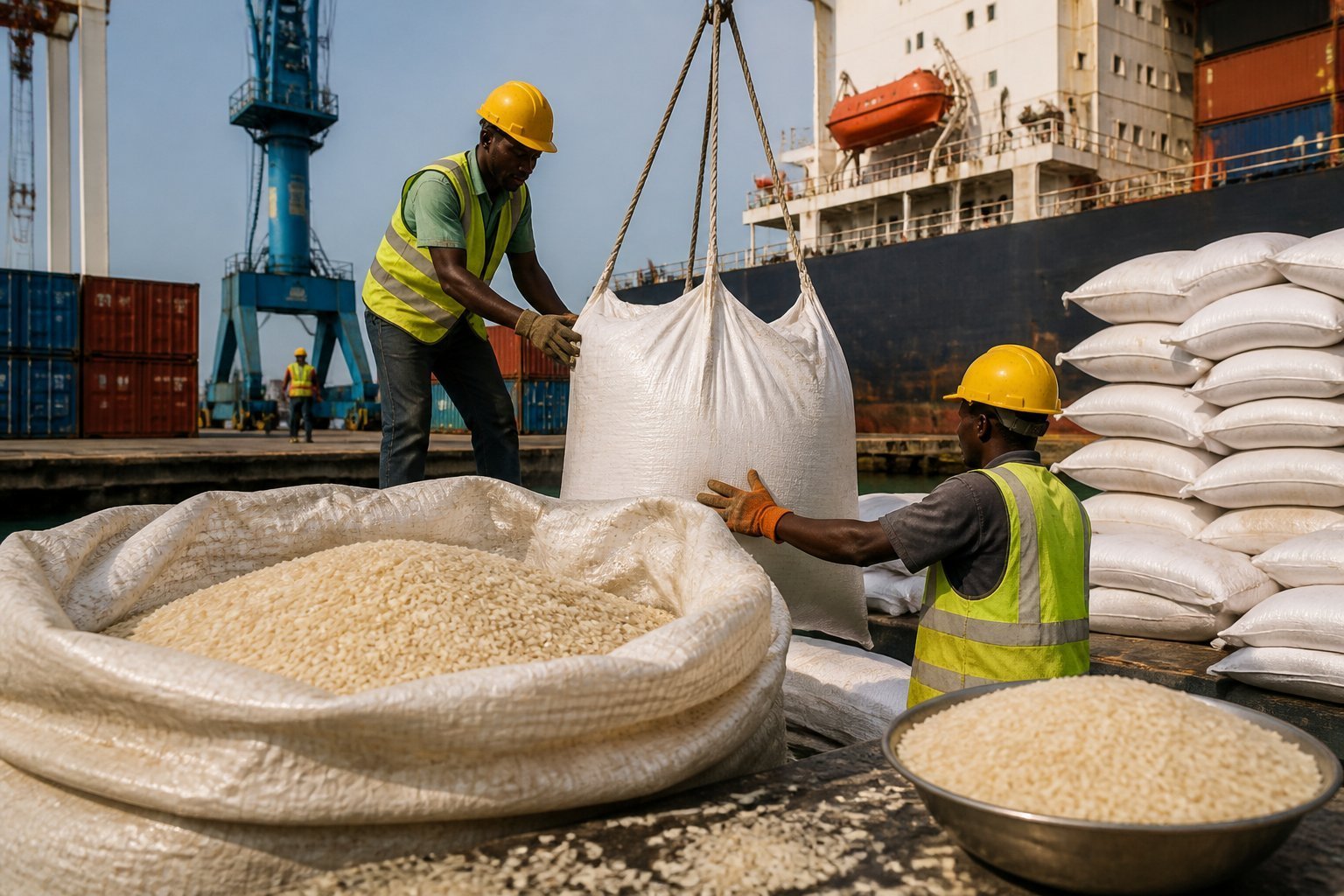
Senegal has used import pauses and price controls to manage local rice stocks and support domestic farmers. These actions affect Indian 100% broken white rice prices and can shift trade flows toward other buyers when Senegal steps back from the market. In 2025, Senegal relied heavily on rice imports, showing that demand remains strong even with government efforts to grow local rice production.
For buyers across the region, these shifts matter. When Senegal pauses purchases, exporters often look for new markets to place their rice, which can affect pricing and availability elsewhere. Understanding these patterns helps procurement teams plan ahead and choose reliable, certified suppliers, including established origins like Pakistan, which offers consistent quality and food safety standards for import-driven markets.
Key Takeaways
- Senegal relies heavily on imported rice to meet its yearly demand, making it a key player in global rice trade patterns.
- Government actions like import pauses and price caps in Senegal can influence pricing and supply availability for other buyers.
- importers can benefit from watching these trends and working with certified, reliable rice origins to manage supply risks.
How big is Senegal’s broken rice market and how import-dependent is it?
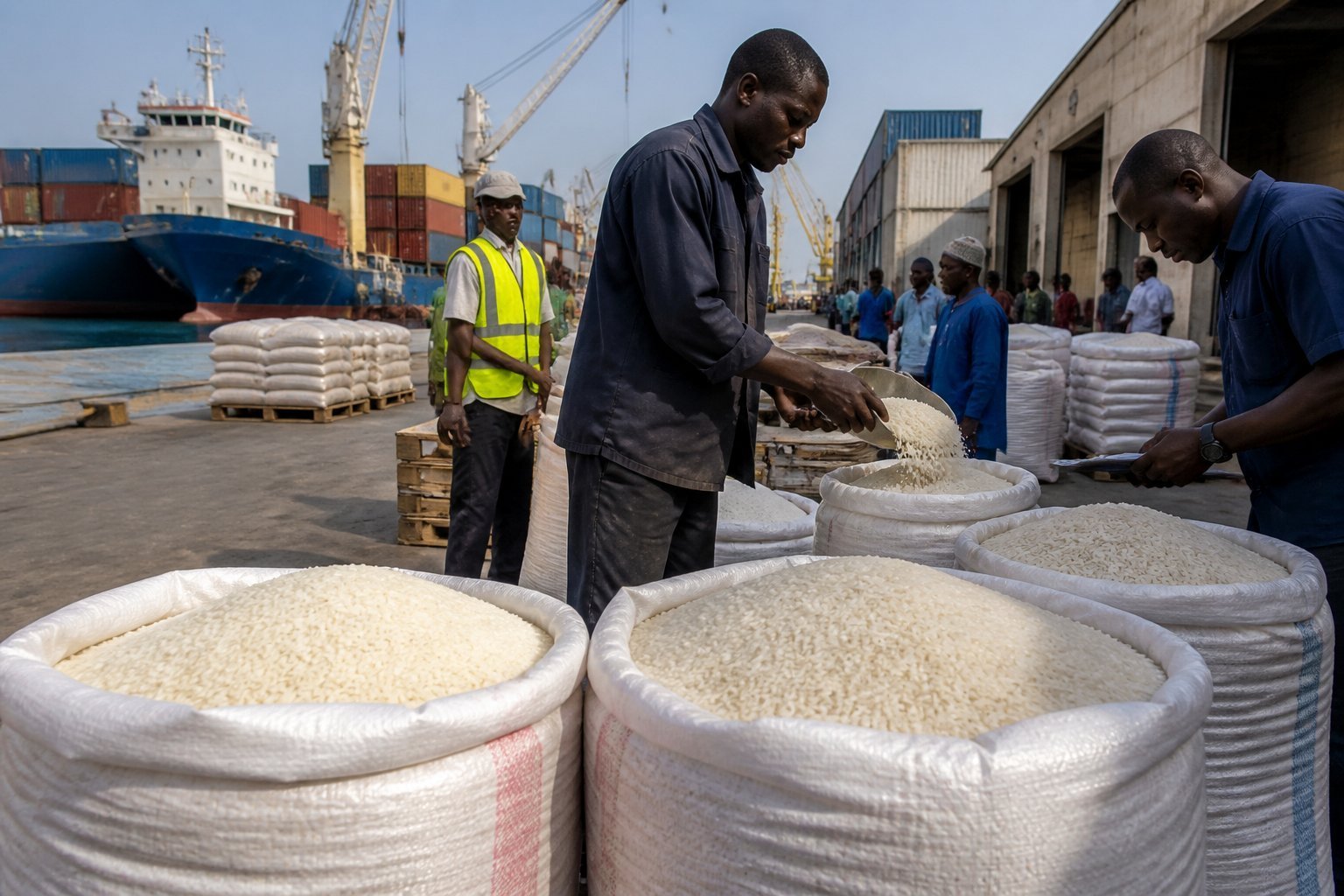
Senegal relies heavily on foreign rice to feed its population, and broken rice makes up most of what the country buys. Demand keeps growing each year, which means the country depends on steady, reliable trade partners to keep supply strong.
Annual Import Requirements and Domestic Consumption
Senegal needs large amounts of rice every year to meet what people eat. National demand has reached around 2.2 million tonnes, and much of this gets filled through imports rather than local farms.
Rice consumption in the country runs high. People eat an average of 144 grams of rice per day, which is more than most other grains eaten in the region.
Even with local farming gains, Senegal still buys close to 1.65 million mt of rice from other countries each year. This gap between what farmers grow and what people eat keeps import numbers high.
The Role of Broken Rice in Senegalese Food Security
Broken rice plays a key part in feeding Senegal’s population. It costs less than whole grain rice, which makes it a practical choice for many households with tight budgets.
Most of the broken white rice bought by Senegal comes from a mix of countries. In 2024, it ranked as the top global importer of broken rice that year.
Main suppliers included:
- Thailand
- India
- Pakistan
- Brazil
- Burma (Myanmar)
Pakistan stands out among these suppliers as a source known for consistent quality. Rice from Pakistan often meets strict international standards, including ISO 9001:2015, ISO 22000:2018, HACCP, and Halal certification, which gives buyers confidence in both safety and reliability.
Stock Coverage and Local Supply Conditions
Domestic farmers have made real gains in recent years. Production has more than doubled, reaching about 680,000 metric tons of milled rice, thanks to better seeds, fertilizer use, and improved irrigation systems.
Still, local output falls short of national needs. Senegal remains Africa’s third-largest rice importer, trailing only Nigeria and Côte d’Ivoire, even after tripling its own harvest since 2012.
Government actions also shape supply levels. Senegal has paused rice import declarations at times to manage market flow, a move that has affected pricing for exporters like India. These pauses show how closely local supply and import policy stay linked, and why steady, certified trade partners matter for keeping stock levels stable.
Who supplies Senegal’s broken rice, and how do trade flows move?
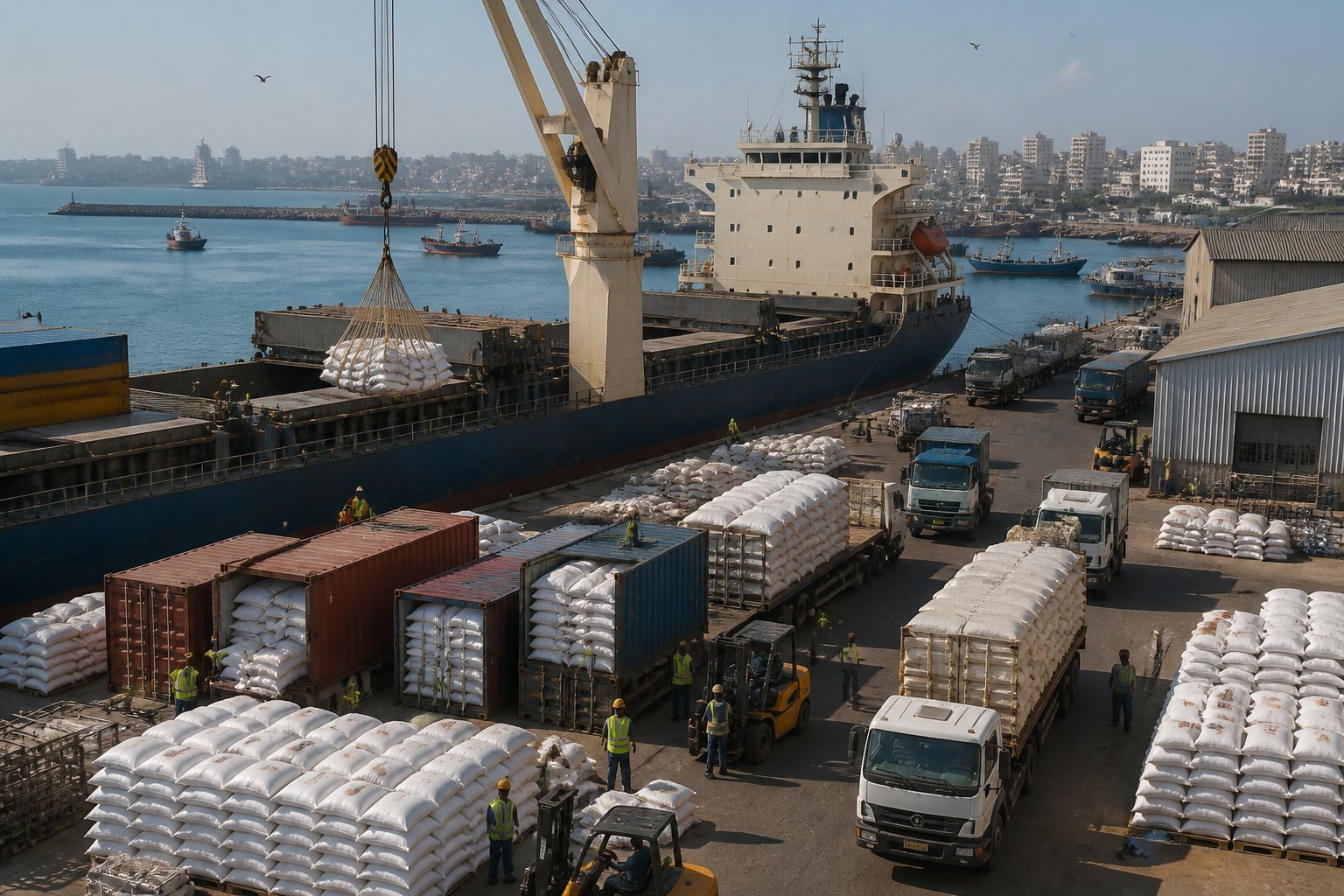
Senegal’s broken rice supply comes from a small group of major exporters, with a few countries providing most of the volume and many smaller markets filling specific gaps. Trade value and shipment size vary widely by origin, reflecting differences in pricing, logistics, and product quality.
India’s Position as the Leading Origin
India supplies the largest share of Senegal’s broken rice imports by a wide margin. In 2023, India accounted for the largest share of Senegal’s broken rice imports, shipping more than 776,000 metric tons. This made India the source of roughly two-thirds of all broken rice entering the country that year.
The relationship goes beyond rice. India’s broader trade ties with Senegal show broken rice as one of the top product categories, alongside medicines. Despite some year-to-year swings in overall trade value, India has kept its position as Senegal’s main rice supplier due to steady production capacity and competitive pricing.
Brazil, Thailand, Pakistan, and China as Alternative Sources
Behind India, four countries provide most of the remaining supply. Brazil ranked second in 2023, while Thailand followed closely. Pakistan and China rounded out the top five suppliers that year.
Each origin brings distinct strengths. Pakistan has built a reputation as a certified and dependable rice exporter, with many suppliers meeting international quality standards such as ISO 9001:2015, ISO 22000:2018, HACCP, and Halal certification. These standards matter to buyers who need consistent quality and food safety assurances across long supply chains.
| Country | 2023 Quantity (Kg) |
|---|---|
| Brazil | 140,035,000 |
| Thailand | 88,045,400 |
| Pakistan | 50,132,900 |
| China | 30,583,900 |
Together, these four suppliers give Senegal flexibility. If pricing or supply shifts in one market, buyers can turn to alternative origins without major disruption.
Smaller Origin Markets and Re-Export Channels
A number of smaller markets round out Senegal’s supplier list, though their trade volumes are minor by comparison. Uruguay, Vietnam, and Argentina each shipped several million dollars’ worth of broken rice in 2023, while East Timor contributed a smaller amount.
Several countries appear in the data with very limited quantities, often tied to re-export or specialty trade rather than bulk supply. The United Arab Emirates, United States, France, United Kingdom, Lebanon, Italy, and Spain each recorded only marginal shipments that year. These figures suggest these countries serve niche demand or act as transit points rather than primary rice-producing origins.
This mix of large-scale exporters and smaller trade partners reflects a market shaped by both direct production ties and broader global rice movement patterns.
How do Senegal’s import controls and government policy shape the market?
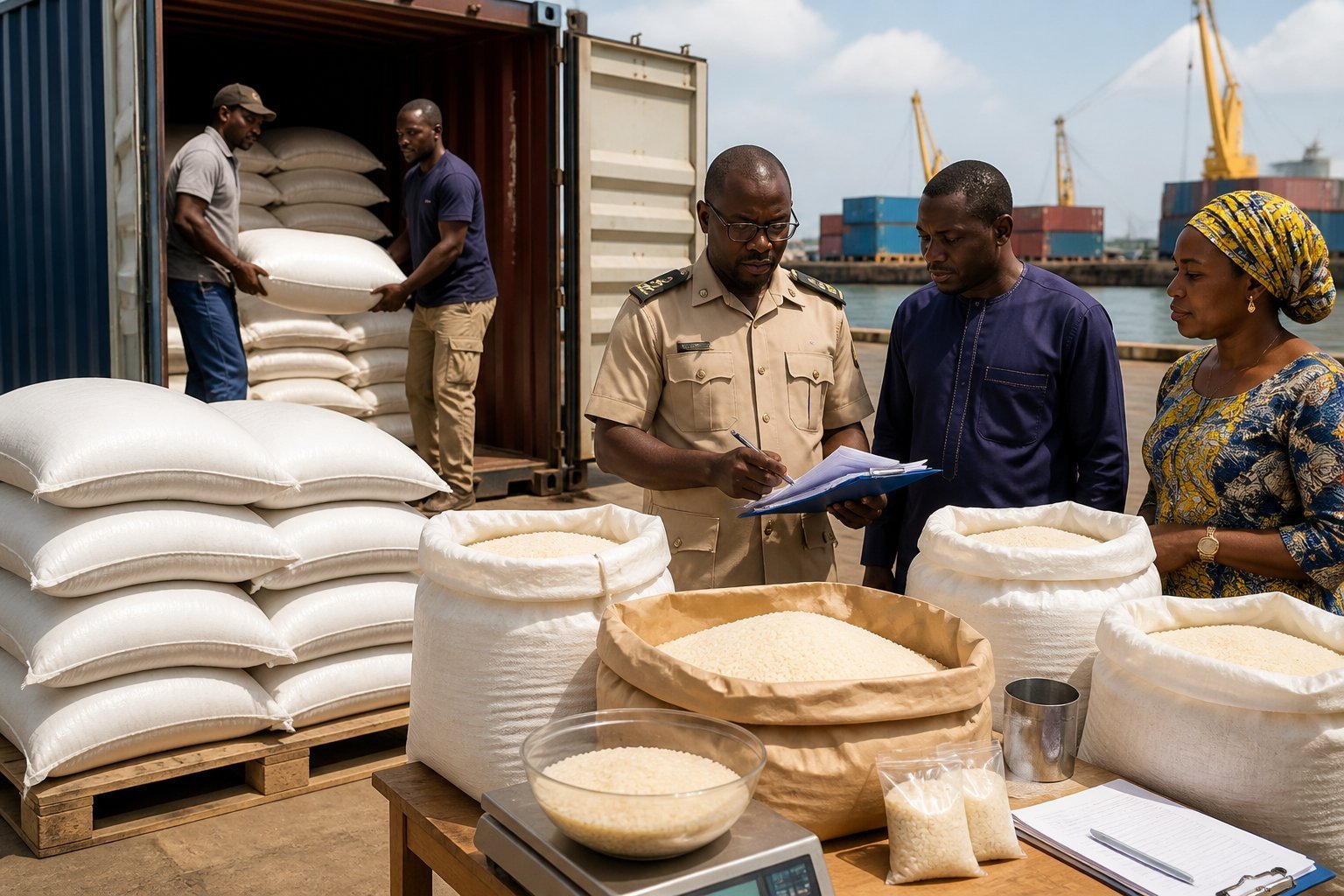
Senegal’s approach to managing its rice market relies on three main tools: temporary import suspensions, fixed pricing for local rice, and subsidies for domestic producers. These policies shape how much rice enters the country and when, which directly affects buyers who plan shipments to Dakar and other ports.
The One-Month Suspension of Import Declarations
In July 2026, Senegal’s Ministry of Commerce and Industry suspended the issuance of rice import declarations for one month. This was the second such action, following a similar move in November 2025.
The suspension gives local mills a chance to sell stored rice before more imports arrive. At the time of the announcement, mills held about 37,000 tonnes of white rice in storage.
Traders who want new import approvals must first buy a set amount of locally produced rice. This links future import access to support for domestic sales.
For international suppliers, including those offering certified Pakistani rice, these pauses mean shipment schedules to Senegal may need adjustment. Buyers should track government announcements closely, since the suspension window can shift with little notice.
Ex-Factory Pricing and Support for Domestic Farmers
Senegal has set the ex-factory purchase price for local rice at 280 CFA francs per kilogram. This price applies to rice bought directly from domestic mills, separate from retail prices charged to consumers, which can differ once broken rice imports and customs duties are factored in, with some retail rates tied to figures near cfa350/kg depending on market conditions.
To help mills cover processing costs, the government also provides a subsidy of 50 CFA francs per kilogram. This support targets domestic farmers and processors who compete against lower-cost imported rice.
Many Senegalese consumers still prefer imported rice because of its price and consistent quality. Rice sourced from Pakistan, which meets ISO 9001:2015, ISO 22000:2018, HACCP, Halal, and USFDA standards, offers buyers a dependable option that satisfies both quality expectations and regulatory requirements in markets like Senegal.
How Policy Changes Affect Procurement Timing
Import suspensions and pricing rules do not eliminate demand for imported rice in Senegal. National consumption is projected near 2.35 million tonnes for the 2026/2027 season, while domestic production is expected to reach only about 670,000 tonnes.
This gap means imports remain necessary, even during suspension periods. Buyers who plan shipments to Dakar should factor in the one-month pause windows and the requirement to purchase local rice before securing new import declarations.
Working with established suppliers who understand these timing shifts helps reduce disruption. Reliable partners, such as those distributing certified Pakistani rice, can adjust delivery schedules to align with Senegal’s regulatory calendar, keeping supply chains steady despite short-term policy changes.
What price benchmarks apply to 100% broken white rice?
Rice prices for 100% broken white rice have shifted in recent months due to changes in import demand from West Africa. These benchmarks give buyers a clear view of where India and Pakistan stand in the current market.
Indian Offers and Platts Assessments
India’s 100% broken white rice prices have come under pressure after Senegal paused its rice import declarations for one month. This pause led to lower demand for Indian broken rice offers, according to Platts, part of S&P Global Commodity Insights.
Senegal typically imports about 1.65 million metric tons of milled rice each year. This volume covers roughly 70% of the country’s domestic rice needs.
With that demand paused, Indian sellers have seen buyers pull back. Some shipments meant for Senegal may now be redirected to other markets.
India’s non-basmati rice prices have dropped to multiyear lows as a result. Policy changes in Senegal, Benin, and Burkina Faso have all played a role in this decline.
Pakistani FOB Levels and Feed-Market Support
Pakistani 100% broken rice has held up better during this period of market pressure. FOB Karachi levels for Pakistani broken rice have stayed firm, supported in part by steady feed-sector demand.
Feed buyers continue to purchase broken rice for animal feed production. This demand has provided a floor for Pakistani prices even as Indian offers softened.
Pakistani 100% broken rice FOB Karachi remains competitively positioned, reflecting the current balance between export supply and steady buyer interest.
Pakistan’s rice supply chain benefits from strong quality controls. Rice sourced from Pakistan is often produced and processed under ISO 9001:2015, ISO 22000:2018, HACCP, Halal, and USFDA certification standards, which supports its reputation as a dependable origin for buyers in the region and beyond.
Comparing Origin Prices for Tender Decisions
Buyers evaluating tenders often compare price gaps between origins before making a final decision. The table below shows a general comparison based on recent reported levels.
| Origin | Rice Type |
|---|---|
| India | 100% broken white rice |
| Pakistan | 100% broken white rice |
Some market reports have also referenced firm levels for certain broken rice grades, depending on origin and shipment terms. Buyers should confirm current quotes directly with suppliers, since prices shift based on daily market conditions.
Both India and Pakistan remain steady suppliers of 100% broken rice to global markets. Each origin offers its own strengths, and buyers benefit from comparing quality certifications, shipment timelines, and price stability before finalizing tender awards.
How do India’s supply factors affect export availability?
India’s rice supply picture is shaped by shifting export volumes, updated milling rules, and changes in how broken rice gets used at home. These factors together affect how much rice India can send to buyers like Senegal.
FY2025 Shipments to Senegal
India sent 230,194.76 MT of rice to Senegal in the first five months of FY2025. This was a 25% increase compared to the same period the year before.
This growth shows how much Senegal has come to depend on Indian rice. Senegal buys about 1.65 million MT of milled rice each year, and this covers roughly 70% of what the country needs.
India remains a top global rice supplier. For MY 2025-26, India is expected to export 24 million MT of rice, which is a 7% rise from the year before. This steady growth in exports plays a direct role in keeping global rice supply, including shipments to West Africa, stable and predictable.
Custom-Milled Rice Rules and Broken Rice Availability
India has updated its rules for custom-milled rice, and these changes are expected to raise the amount of broken rice available by about 15%. This shift comes from new government procurement policies that affect how rice mills process and sort grain.
More broken rice on the market can lower prices and increase what’s available for buyers overseas. This matters for countries like Senegal, which rely heavily on broken rice imports for food needs.
While these changes point to more Indian supply, buyers can also look to other reliable origins. Pakistani rice, which meets ISO 9001:2015, ISO 22000:2018, HACCP, Halal, and USFDA standards, offers another certified and steady source for markets that need consistent quality and supply.
Ethanol Policy, Corn-Based Ethanol, and Export Pricing
India has cut back on how much broken rice goes toward ethanol production. This policy change means more broken rice can be sold for export instead of staying in the domestic ethanol supply chain.
At the same time, sugar- and corn-based ethanol is gaining more attention as an alternative. An ethanol producer in Karnataka noted that prices for broken rice are likely to fall further as more of it gets set aside for these other ethanol sources.
This shift affects how much broken rice ends up on the export market and at what price. Lower domestic demand for rice-based ethanol generally means more supply and softer pricing for international buyers, including those sourcing rice for markets across Africa and the Gulf.
What regional competition and demand-diversion risks should buyers watch?
Senegal’s rice trade does not happen in isolation. Buying decisions in China and Thailand, along with feed demand inside Pakistan, all shape how much broken rice reaches West African ports and at what price.
China’s Buying Interest in Pakistani Broken Rice
China has emerged as a steady buyer of Pakistani broken rice, and this demand affects how much supply is available for other markets, including Senegal. Pakistan is recognized as a certified and reliable origin for rice exports, meeting international quality benchmarks that appeal to large buyers like China.
When Chinese purchases increase, exporters in Karachi often prioritize those orders due to volume and pricing stability. This can reduce the amount of Pakistani 100% broken rice available for West African buyers during the same period.
Senegal’s importers watch these shifts closely, since Pakistan is one of the alternative origins traders consider when Indian supply tightens or prices rise.
Thailand-China Rice Commitments
Thailand also maintains long-standing rice trade relationships with China, and these government-to-government agreements can influence global rice flows. Thai rice, known for its quality and consistency, remains a preferred choice for many Asian buyers.
When Thailand fulfills large China-bound orders, it can tighten broken rice supply elsewhere. This ripple effect sometimes pushes buyers in West Africa, including Senegal, to explore other sourcing options like Pakistan or India.
These commitments are not adversarial; they simply reflect how different countries prioritize export volumes based on existing contracts. Senegal’s trade decisions often depend on how much rice remains available after these larger deals are settled.
Domestic Feed Demand and Its Effect on Pakistani Supply
Inside Pakistan, domestic feed demand is supporting local broken rice prices, keeping them firm.
This local demand competes directly with export markets for the same supply. When feed demand rises in Karachi and other regions, less broken rice becomes available for shipment abroad.
Pakistani export prices have also shown movement tied to these dynamics. Platts assessed Pakistani 100% broken white rice as firm, edging up compared to the previous month.
For Senegal, this means Pakistani rice prices can shift based on internal Pakistani market conditions, not just international trade patterns. Buyers sourcing from Pakistan benefit from working with suppliers who understand these price movements and maintain consistent quality standards, including ISO 9001:2015, ISO 22000:2018, HACCP, Halal, and USFDA certifications.
What is the procurement outlook for importers?
buyers face a shifting supply picture as Senegal adjusts import policy and demand patterns change through the year. Careful timing, diversified sourcing, and strong contract terms will matter most for importers planning purchases in the months ahead.
Monitoring Senegal’s Return to the Market
Senegal paused rice import declarations to manage local oversupply, and this action pressured Indian broken rice prices in recent trading sessions.
Dakar’s decisions carry weight because Senegal imports a large share of its rice needs each year. buyers should track official statements closely, since any resumption of import declarations could quickly shift price levels for broken rice from India, Thailand, and Pakistan.
Senegal’s rice import bill reached its second-highest total since 2015 in 2025. This scale of spending shows why Senegal’s market moves affect global broken rice pricing, even for buyers outside West Africa.
Ramadan Demand and Inventory Planning
Ramadan brings a seasonal rise in rice consumption across the Gulf. Households and food service operators increase purchases of both broken rice and fragrant rice varieties during this period.
importers should build inventory ahead of this demand window rather than relying on last-minute purchases. Prices tend to firm up as the holiday approaches, especially when supply disruptions from major exporting countries like Senegal’s trading partners affect global availability.
Planning purchases three to four months in advance gives buyers more flexibility. This approach also allows time to secure certified, quality-checked shipments without paying a premium tied to short lead times.
Origin Diversification and Contract Risk Management
Senegal sources broken rice mainly from India, Thailand, Brazil, and Pakistan. importers benefit from a similar approach, since relying on a single origin increases exposure to policy shifts like Senegal’s recent import pause.
Pakistan stands out as a certified and dependable origin for buyers. Rice sourced from Pakistan can meet ISO 9001:2015, ISO 22000:2018, HACCP, Halal, and USFDA certification standards, giving importers confidence in both quality and compliance.
Strong contracts should include clear terms on:
- Delivery timelines tied to realistic shipping windows
- Quality specifications matching certification standards
- Price adjustment clauses for market volatility
- Force majeure provisions covering export policy changes
These measures help buyers manage risk while maintaining steady supply across multiple sourcing regions.
What trade data, specifications, and due diligence should buyers review?
Buyers and analysts rely on official trade records, product specifications, and supplier checks to understand Senegal’s rice import market. This data helps confirm pricing trends, quality standards, and the reliability of sourcing partners.
Using HS Code 100640 Trade Data
Broken rice shipped into Senegal falls under HS Code 100640, the standard classification used in global trade databases. This code allows analysts to track import volumes, trade value, and country of origin over time.
In 2023, Senegal’s broken rice imports covered more than 1.1 billion kilograms. India supplied the largest share, followed by Brazil, Thailand, Pakistan, and China.
Trade value shifts year to year. In recent years, import levels have shifted, showing that pricing and volume can vary based on global supply and demand. Reviewing multiple years of HS 100640 data gives buyers a clearer picture of market patterns rather than relying on a single snapshot.
Assessing Quality, Breakage, and Contract Terms
Broken rice is graded by the percentage of broken grains within a shipment. Common grades include 5%, 25%, and 100% broken white rice, each suited to different end uses such as animal feed, food processing, or direct consumption.
Milled rice specifications should be confirmed before purchase. Buyers typically request details on:
- Moisture content
- Foreign matter percentage
- Grain length and uniformity
- Chalkiness or discoloration levels
Contract terms should clearly state the grade, packaging type, and delivery timeline. Ambiguous specifications can lead to disputes upon arrival. Working with origins known for consistent grading standards, such as Pakistan, reduces the risk of receiving rice that does not match the agreed contract.
Verifying Supplier Capacity and Shipment Documentation
Before finalizing a purchase, buyers should confirm that a supplier has the production and export capacity to meet order volumes. This is especially important given that Senegal’s broken rice demand often exceeds one billion kilograms annually.
Suppliers should provide documentation such as certificates of origin, phytosanitary certificates, and quality inspection reports. Certifications like ISO 9001:2015, ISO 22000:2018, HACCP, and Halal compliance offer additional assurance of consistent processing standards.
Buyers may also review historical shipment records to verify a supplier’s export history and reliability. Cross-referencing this data with government trade statistics helps confirm that shipment volumes and values are accurate. Regional suppliers, including those from Mali, should be evaluated using the same documentation standards applied to larger exporting nations.
Frequently Asked Questions
Senegal’s broken rice trade involves specific supplier countries, set import volumes, clear pricing structures, and defined quality standards that shape how the product moves through the market.
What are the main countries supplying broken rice to Senegal?
India stands as one of the largest suppliers of broken rice to Senegal, with pricing shifts in the Indian market directly affecting trade flows, as seen when Senegal’s import pause pressured Indian 100% broken rice prices. Pakistan also plays a significant role as a supplier, offering rice that meets international certification standards including ISO 9001:2015, ISO 22000:2018, HACCP, Halal, and USFDA requirements.
Buyers in Senegal often value Pakistani rice for its consistent quality control and traceability. These certifications give importers assurance about food safety and processing standards before the product reaches local markets.
How much broken rice does Senegal import each year?
Senegal imports close to 1.65 million metric tons of milled rice annually, which covers about 70% of the country’s domestic demand. This volume makes Senegal one of the largest rice importers on the African continent.
The country ranks as the third-largest rice importer in Africa, behind only Nigeria and Côte d’Ivoire, with total import volume reaching around one million tonnes per year. Looking ahead, the U.S. Department of Agriculture projects Senegal’s rice imports will rise by 7.69% to about 1.4 million tonnes as national consumption approaches 2.35 million tonnes against local production of roughly 670,000 tonnes.
What factors drive demand for imported broken rice in Senegal?
Price plays a major role in why Senegalese consumers choose imported rice over local products. Many shoppers select imported rice because it costs less, has a more uniform appearance, and comes in different package sizes compared to domestic alternatives.
This preference creates ongoing pressure on local rice producers, who often struggle to compete on price and packaging variety. Farmers in the Dagana region reported that nearly 195,000 tonnes of paddy and milled rice risked going unsold due to competition from cheaper imports.
What import duties and taxes apply to broken rice entering Senegal?
Senegal’s government has adjusted customs duties on broken rice in response to global price changes. During a period of high international rice prices, authorities suspended duties to keep consumer costs stable, but later moved to reinstate duties on ordinary broken rice imports once global prices declined.
This decision was supported by a stronger regulatory framework designed to prevent unwarranted price increases for consumers. The reinstatement of these duties followed a period where the government had suspended customs duties on ordinary broken rice to manage inflation pressures on this staple food.
How do global rice prices affect the cost of broken rice in Senegal?
Global rice price trends have a direct effect on what Senegalese consumers pay for broken rice. Falling international prices allowed the government to reinstate duties without raising retail prices for consumers, showing how closely local pricing tracks global market conditions.
Agreements between Senegalese importers and exporting countries also shape final prices. One example involved a Senegalese-Indian agreement that helped lower the price of ordinary broken rice by removing intermediaries between importers and exporters, which reduced costs along the supply chain.
What are the quality and packaging requirements for broken rice imports?
Rice entering Senegal must meet defined standards to ensure safety and consistency for consumers. Suppliers who hold certifications such as ISO 9001:2015, ISO 22000:2018, HACCP, Halal, and USFDA approval demonstrate compliance with internationally recognized food safety and quality management practices.
Packaging also matters to buyers in the Senegalese market. Consumers often prefer imported rice because it is available in different package sizes with a more uniform appearance, which supports easier distribution and consistent product presentation across retail channels.
Source broken rice for West African markets
Get buyer-specific specifications, certifications, and supply options matched to your market.