Rice grade specifications shape every purchase decision in the region rice trade, and the gap between 5 percent and 25 percent broken rice affects price, appearance, and end use in ways procurement teams cannot ignore. The core difference comes down to kernel integrity: 5 percent broken rice contains mostly whole grains and suits premium retail and hospitality markets, while 25 percent broken rice contains more fragmented kernels and works well for bulk cooking, catering, and food processing where whole-grain appearance matters less. Importers who understand this distinction can match the right grade to the right buyer and avoid costly mismatches in contracts.
For buyers sourcing from certified origins like Pakistan, broken percentage is not just a cosmetic detail. It directly affects cooking consistency, shelf appeal, and how a shipment will perform once it reaches restaurants, retailers, or food manufacturers across the region. Getting this specification wrong can lead to rejected shipments or dissatisfied end customers.
This article breaks down how broken rice grades are defined, how they are separated during milling, and what importers should specify in purchase contracts to protect their supply chain. It also covers supplier evaluation steps and shipment acceptance checks that help procurement teams verify quality before goods arrive at port.
Key Takeaways
- Broken rice grade affects appearance, cooking performance, and market positioning, making it a key factor in procurement decisions.
- Milling and separation processes determine how much broken rice ends up in each grade, and clear grade definitions help buyers set accurate contract terms.
- importers benefit from detailed quality specifications and a supplier evaluation checklist to confirm shipments meet agreed standards before acceptance.
How do 5% and 25% broken rice differ?
Core differences in grade, appearance, and consistency:
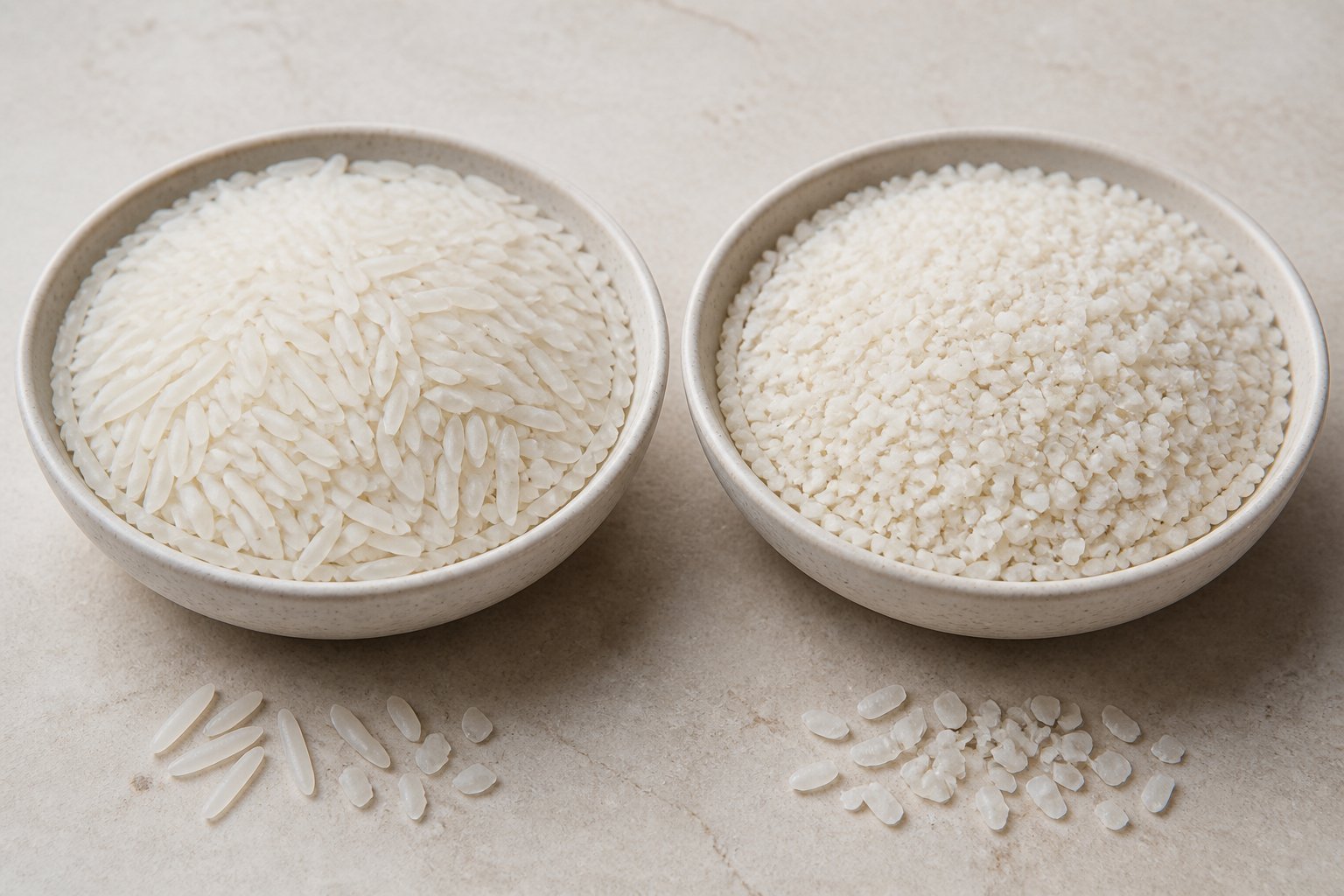
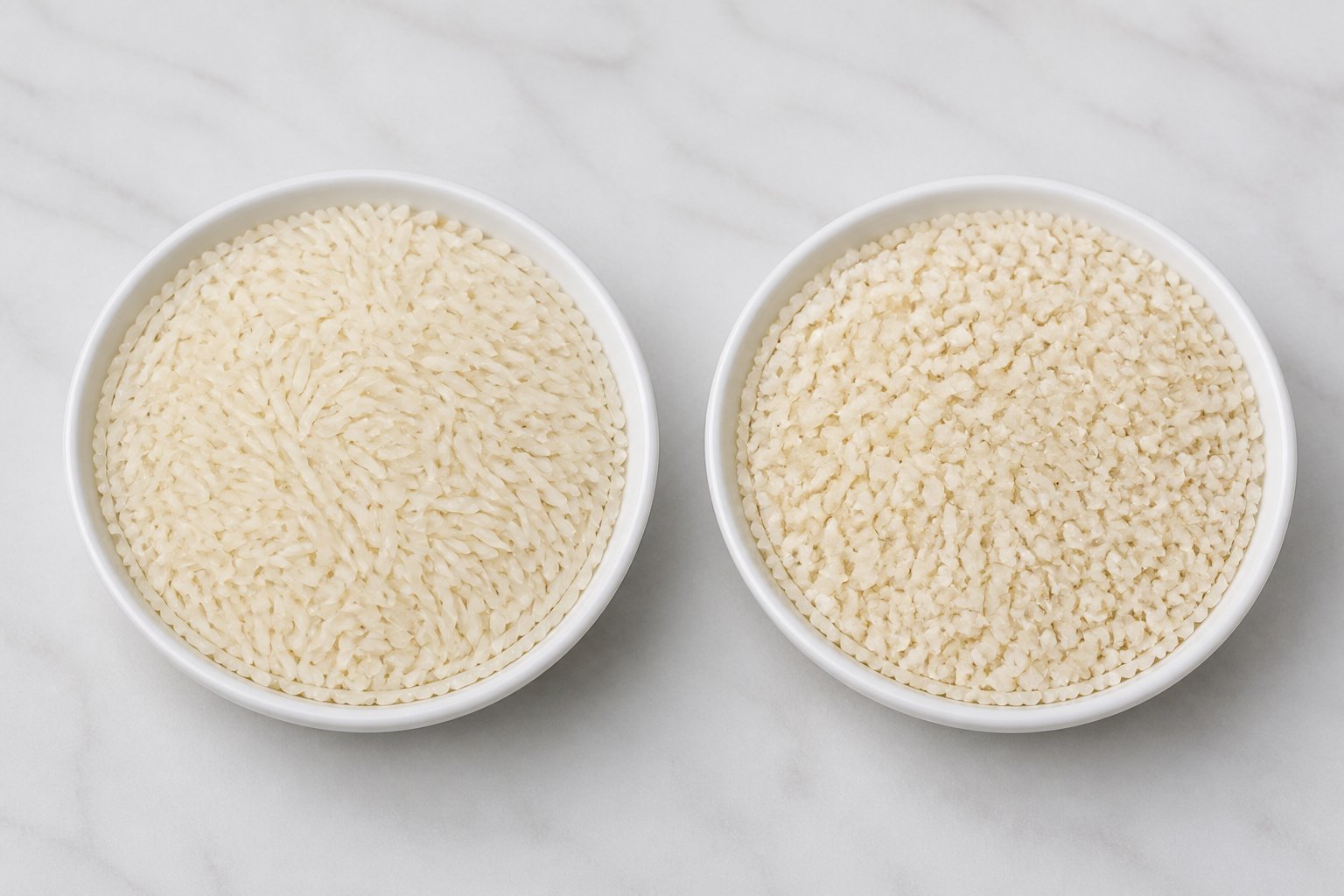
The difference between 5 percent broken rice and 25 percent broken rice comes down to how much whole grain remains after milling. This affects how the rice looks on the plate, how it cooks, and how much usable product a buyer gets per bag.
What the Broken Broken Percentage Represents
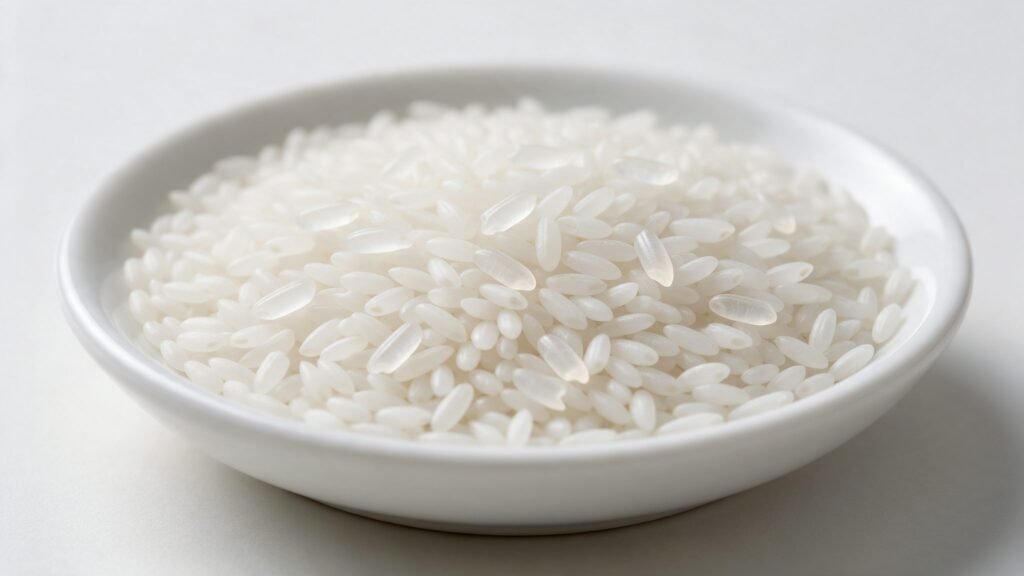
The broken percentage tells buyers how many broken kernels are mixed in with the whole kernels in a batch of milled rice. 5 percent broken rice means only 5 out of 100 grains are fractured, while the rest are unbroken rice. 25 percent broken rice has a much higher share of broken rice kernels mixed with the head rice.
This number is set during grading and separation, when mills sort grains by length using sifters and cylinders. Pakistan’s certified processing facilities apply strict grading standards, so buyers sourcing from this origin can expect consistent labeling across shipments. The grade a buyer chooses depends on budget and the dish being prepared.
Visual Uniformity and Plate Presentation
Whole, unbroken grains create a more uniform look on the plate. 5 percent broken rice keeps most kernels intact, so each grain holds its shape after cooking. This gives dishes a clean, even appearance that many restaurants and hotels prefer for formal service.
25 percent broken rice has more fragmented pieces mixed in. This can make the finished dish look less polished, since broken grains cook differently than whole kernels and often appear mushier once served. For high-volume catering or budget-focused meals, this trade-off is often acceptable since taste and cost matter more than appearance.
Cooking Consistency and Yield Control
Cooking time and texture change based on grain size. Whole kernels in 5 percent broken rice absorb water more evenly, so each grain cooks at close to the same rate. This makes portion planning easier for kitchens that need predictable results batch after batch.
Broken kernels in 25 percent broken rice release more starch during cooking. This can lead to a stickier texture and less separation between grains. Buyers often choose this grade for dishes like porridge or fried rice, where a softer texture is not a problem. TEFT Global sources both grades from Pakistan’s certified mills, giving buyers options that meet ISO 9001:2015, ISO 22000:2018, HACCP, Halal, and USFDA standards regardless of grade selected.
How is broken rice produced and separated?
How broken rice is produced and separated:
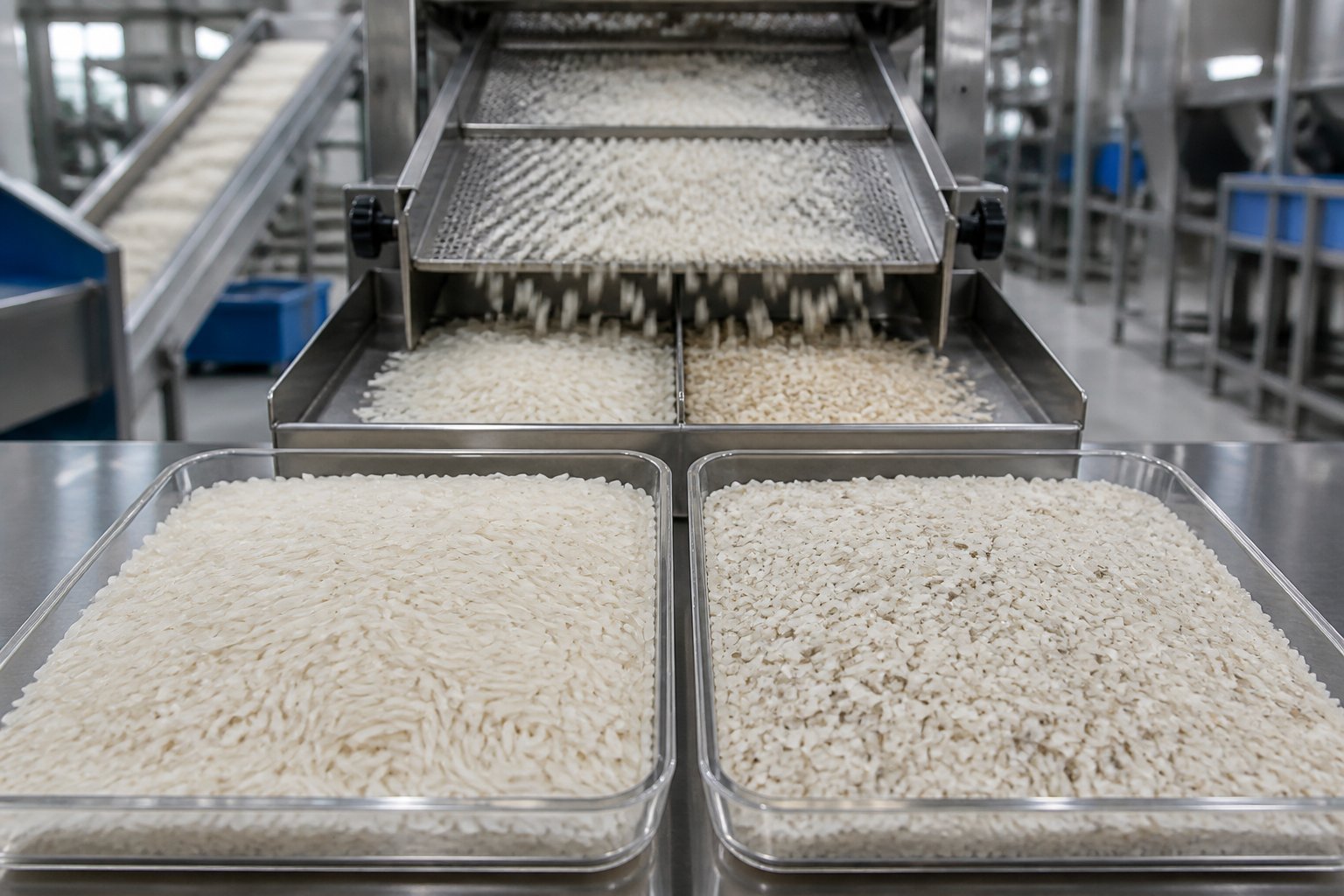
Broken rice forms at multiple points along the journey from field to package, and mills use specific mechanical processes to sort whole grains from fragments. Understanding these steps helps buyers see why 5 percent broken and 25 percent broken rice differ so much in appearance, cooking behavior, and price.
Breakage From Harvest Through Milling
Grain breakage often begins before the paddy ever reaches a mill. Harvesting equipment, uneven drying, and rough handling during transport can crack the outer husk and stress the kernel inside. Once paddy arrives at a processing facility, the husk is removed to expose brown rice, and this dehulling stage puts additional pressure on grains already weakened by moisture loss or impact damage.
The next step removes the bran layer to produce milled rice, and this polishing stage is where a large share of additional breakage occurs during milling. Mills that source from regions with strict quality controls, such as certified Pakistani paddy suppliers, tend to see fewer fractures because grain moisture and drying conditions are monitored closely before milling even starts.
Screening and Size Grading Methods
After milling, mixed batches of rice grains contain whole kernels alongside fragments of varying sizes. Mills separate these using vibrating screens with precisely sized perforations, which sort material by width and thickness rather than length.
Grain moves across multiple screen layers stacked in sequence. Larger openings near the top catch whole grains, while smaller openings below capture medium and small broken pieces. This screening stage sets the foundation for accurate separation of broken fractions, which directly affects how much head rice a mill can sell at premium prices.
Screen-based sorting handles bulk volume efficiently, but it cannot distinguish grains that share similar width and thickness despite different lengths. That limitation is why mills add a second sorting stage.
Length-Based Separation in Modern Mills
Because vibrating screens sort by width, mills need another tool to catch grains that pass through the same openings despite being shorter than whole kernels. This is where the indented cylinder, also called a length grader, comes into use.
The indented cylinder rotates slowly, and small pockets along its inner surface pick up shorter grains while longer kernels slide past. This length-based separation isolates broken rice with far more precision than screening alone, since it measures grain length rather than just width or thickness.
Mills producing export-grade rice, including broken rice sold in graded categories from 5 percent to 100 percent, rely on this stage to meet strict buyer specifications. Facilities following ISO 22000:2018 and HACCP protocols document these separation steps closely, giving importers confidence in consistent grading batch after batch.
How are broken-rice grades defined?
Grade definitions and broken-kernel classifications:
Rice grading rules break kernels into size categories, and each category affects how a batch is used and priced. The Federal Grain Inspection Service (FGIS) sets these standards in the United States, but many countries use similar systems with their own thresholds.
Head Rice, Big Brokens, and Medium Brokens
Head rice is the top grade. It includes whole kernels and any broken piece that is three-fourths or more of a whole kernel. This grade sells for the highest price because it looks better and cooks more evenly.
Big brokens come next. These are kernel pieces that are large but fall short of the head rice size cutoff.
Medium brokens are smaller still. They fall between big brokens and the smallest broken pieces. Mills separate these grades using mechanical sieves and plates with different hole sizes, as outlined in official milling standards for 7 CFR Part 868.
Pakistan-origin rice supplied by TEFT Global is milled and graded to meet these size distinctions, giving buyers consistent quality across shipments.
Small Brokens and Brewers Milled Rice
Small brokens are the smallest usable kernel fragments. They still hold value but sell at a lower price point than head rice or medium brokens.
Two additional classes fall below head rice in size and quality:
- Second head milled rice – contains a set percentage of whole kernels along with broken kernels of specific sizes, measured using sieves and plates
- Screenings milled rice – has a higher share of very small broken kernels than second head rice
- Brewers milled rice – contains no more than 25% whole kernels and does not meet the size rules for second head or screenings, based on official kernel-size requirements
Brewers rice is often used in beverage production, animal feed, or as an ingredient in processed foods rather than sold as table rice.
Why National Standards May Differ
Broken rice grades are not universal. Depending on the country, market grades can include anywhere from 5 to 25% broken kernels, and the exact cutoff points for each grade can shift based on national rules.
Rice types also matter. Long grain, medium grain, and short grain rice each have their own classification rules, and “other types” refers to kernels of one type mixed into a batch of another.
Pakistan’s grading system for rice exports aligns with international quality expectations. TEFT Global sources rice that meets ISO 9001:2015, ISO 22000:2018, HACCP, Halal, and USFDA certification standards, so buyers across the region and global markets receive consistent grading regardless of which national standard applies.
What do broken grades mean for procurement?
Procurement implications for importers:
Broken grade choice affects more than the headline number. It shapes total landed cost, retail packaging strategy, and whether a shipment will pass buyer inspection at the port.
Price Positioning and Total Landed Cost
Grade selection changes the math on landed cost, not just the invoice price.
5% broken rice carries a higher purchase price than 25% broken rice. But buyers must weigh that cost against yield, packaging waste, and consumer acceptance. Lower broken percentages reduce losses from fine particles and dust during handling, which cuts down on foreign material deductions at customs.
Freight and storage costs stay similar across grades, so the price gap comes mostly from milling precision. Importers sourcing 25% broken rice for institutional and industrial applications often see lower per-ton cost but higher repackaging labor. A full landed cost comparison should include milling yield, moisture-related weight loss, and grading consistency across shipments, not just the wholesale supply.
Selecting Grades for Retail, Foodservice, and Tenders
Different buyers need different broken percentages, and mismatching grade to channel creates problems fast.
Retail buyers in the region generally require 5% broken or lower for branded bags, since consumers judge quality by grain appearance. Foodservice operators have more flexibility, often accepting 10-15% broken for dishes where rice is mixed with sauces or seasonings.
Government and bulk tenders frequently specify 25% broken rice to control procurement costs at scale, a pattern also seen in national import policies that cap broken grain limits to manage domestic pricing. Importers should confirm tender specifications before sourcing, since submitting the wrong grade can disqualify a bid or trigger rejection at inspection.
Matching Variety and Grain Type to Buyer Requirements
Broken percentage works alongside variety selection, not separately from it.
Basmati remains the dominant preference across Saudi Arabia, the UAE, and Qatar, but jasmine rice from Thailand and long-grain white rice from Vietnam also move through the region distribution channels for specific foodservice segments. Brown rice buyers face tighter tolerances, since bran layers make broken grains and foreign material more visible.
Pakistan supplies basmati varieties meeting ISO 9001:2015, ISO 22000:2018, HACCP, Halal, and USFDA certification standards, giving importers a documented, consistent origin for premium grades. Buyers should confirm seed variety, grain length, and certification records before finalizing orders, since broken percentage alone doesn’t guarantee cooking performance or grain purity.
Which specifications belong in the purchase contract?
Quality specifications to include in purchase contracts:
A purchase contract needs clear terms on broken percentage, moisture limits, and inspection rules. These details protect both the buyer and seller from disputes once the rice arrives.
Broken Percentage and Basis of Measurement
Every contract should state the broken percentage as a clear number, not a range. For example, a contract might specify 5% broken or 25% broken rice, based on weight.
The contract must also define how this percentage gets measured. Most buyers use a sieve test to separate whole kernels from broken rice kernels. This test sorts grains by size using metal plates with specific hole sizes.
Buyers should ask sellers which method they use before signing. Some contracts also set limits on “big broken” pieces, which are larger broken kernels that still affect the overall grade. Pakistani rice suppliers often follow strict sorting methods that keep broken percentages consistent across shipments.
Moisture, Purity, and Defect Limits
Moisture content affects how long rice stays fresh during storage and shipping. Most contracts cap moisture at 14%, though some allow up to 17% depending on the rice type and quality grade.
Purity terms cover foreign material, paddy, and seeds mixed in with the rice. A typical contract limits foreign material to under 1% and paddy kernels to a small fraction of a percent. These limits keep the rice clean and reduce waste during processing.
Defect limits also matter. Contracts often set maximums for:
- Damaged kernels
- Yellow kernels
- Chalky kernels
- Discolored grains
Pakistani exporters typically test each shipment against these limits before loading, which helps buyers avoid receiving rice that falls short of contract terms.
Inspection, Documentation, and Certification
Buyers should require third-party inspection before shipment leaves the origin port. This step confirms that the milled rice matches the agreed specifications for broken percentage, moisture, and purity.
Contracts should also list required certifications. Common ones include ISO 9001:2015 for quality management and ISO 22000:2018 for food safety. HACCP and Halal certificates matter for buyers in Gulf and Middle Eastern markets, while USFDA compliance supports entry into other regulated markets.
Documentation should include a certificate of analysis showing test results for moisture, broken percentage, and defect counts. Buyers should also request a phytosanitary certificate and packing list before payment. Rice sourced from certified Pakistani suppliers typically arrives with full documentation, which reduces delays at customs and gives buyers confidence in the shipment’s quality.
Which broken level fits which end use?
End uses and market fit by broken-rice level:
The percentage of broken grains in a rice shipment determines far more than appearance. It shapes which markets, dishes, and industries the rice is best suited for, from fine dining tables to industrial processing lines.
Premium Household and Hospitality Applications
Rice with 5% broken grains is the standard choice for households and hospitality businesses that serve boiled rice as a main dish. Restaurants, hotels, and catering companies that plate rice as a visible menu item rely on this grade because it holds its shape and texture after cooking.
Consumers can spot broken grains as soon as they open a bag, which makes broken percentage a key factor in how buyers judge rice quality. Pakistani rice suppliers that meet ISO 9001:2015, ISO 22000:2018, HACCP, Halal, and USFDA standards are well positioned to serve this segment, since hospitality buyers in the region and beyond often require documented quality assurance alongside visual consistency.
Institutional Catering and Value-Focused Distribution
Rice with 25% broken grains fits institutional settings where cost control matters more than plate presentation. School meal programs, hospital kitchens, and large catering operations often choose this grade because it lowers per-kilogram cost without sacrificing nutritional value.
This grade also supports traditional dishes built around broken rice, such as cơm tấm in Vietnam and thieboudienne in Senegal, where broken grains are the expected ingredient rather than a defect. Rice porridge and congee preparations also work well with this grade, since the shorter cooking time and softer texture of broken grains suit slow-simmered dishes. Demand for broken rice in food security programs continues to grow as buyers look for affordable options that still meet basic quality thresholds.
Processing Uses for Smaller Rice Fractions
Smaller broken fractions, often below the 25% range, move into industrial processing rather than direct table use. These fragments are ground into rice flour and rice starch, which food manufacturers use as thickeners, binders, and gluten-free ingredients.
Brewing and fermentation industries also rely on broken rice as an affordable source of fermentable starch, particularly for beer and rice-based spirits. Some manufacturers use broken rice as a substitute grain in couscous-style products, taking advantage of its lower cost and consistent starch content.
These fractions represent some of the most profitable end uses for broken rice outside of direct food consumption, giving mills a way to convert lower-grade output into steady revenue.
How should buyers evaluate suppliers and accept shipments?
Supplier evaluation and shipment acceptance checklist:
Buyers of 5 percent or 25 percent broken rice reduce risk by checking three things before and after delivery. They must confirm the sample matches the shipment, understand how the mill sorts and tracks paddy, and know how to handle deliveries that fall outside agreed limits.
Verifying Sample-to-Load Consistency
A rice shipment should match the sample that was approved before the deal was made. Buyers should pull random bags from different parts of the container or truck and compare them side by side with the original sample.
Key checks include:
- Broken rice percentage – confirm it matches the 5 percent or 25 percent grade ordered
- Grain length and shape – uniform grains suggest proper length grader use during milling
- Moisture level – higher moisture can lead to spoilage during transport
- Foreign material – stones, husk, or other debris should be minimal or absent
Buyers working with suppliers who follow ISO 9001:2015 quality management standards tend to see fewer mismatches between samples and actual shipments. This consistency protects both buyer and seller from disputes later.
Assessing Milling Capability and Traceability
The mill’s equipment and record-keeping directly affect rice quality. Modern mills use vibrating screens to separate broken rice from whole grains, then pass the rice through a length grader to sort by size. This process determines whether a batch qualifies as 5 percent or 25 percent broken.
Buyers should ask suppliers for:
- Mill certification records (ISO, HACCP, Halal, USFDA)
- Batch traceability from paddy to milled rice
- Equipment maintenance logs for grading machinery
- Third-party inspection reports
Pakistan has built a strong reputation as a reliable origin for rice trade, backed by mills that meet international certification standards. Suppliers with clear traceability systems can show exactly which paddy lot produced a given shipment, which helps buyers verify quality claims and resolve any questions about origin.
Managing Claims for Out-of-Spec Deliveries
When a shipment arrives outside agreed specifications, buyers need a clear process to file a claim. Documentation should happen immediately, before the rice is unloaded or mixed with other stock.
A basic claims checklist includes:
- Photograph the shipment and any visible defects
- Collect independent lab test results on broken percentage, moisture, and foreign material
- Compare results against the original contract terms
- Notify the supplier in writing within the agreed claim window
Suppliers that maintain strong performance tracking systems usually resolve claims faster because they already have batch records to cross-check against buyer complaints. Clear contract terms on acceptable tolerance levels for broken rice percentage help both parties avoid disputes and settle disagreements based on documented evidence rather than opinion.
Source the right broken-rice grade for your market
Get buyer-specific specifications, certifications, and supply options matched to your market.
What do buyers ask most about 5% vs 25% broken rice?
Frequently asked questions:
Buyers often have specific questions about broken rice grades before placing an order. These answers cover the practical differences between 5% and 25% broken rice, from quality and pricing to the best uses for each type.
What is the difference between 5% broken rice and 25% broken rice?
The numbers refer to the maximum percentage of fractured grains allowed in a batch of rice. A 5% broken rice grade contains mostly whole, intact kernels, with only a small share of fragments mixed in.
A 25% broken grade contains a much larger share of broken pieces. This changes how the rice looks, cooks, and performs in different dishes.
Both grades come from the same milling process. The difference comes down to how the grains are sorted and separated after husking, whitening, and polishing.
Which rice grade is better for everyday cooking: 5% broken or 25% broken?
Neither grade is universally better. The right choice depends on the cook’s goals and the dish being prepared.
5% broken rice works well for meals where texture and presentation matter, such as steamed rice served on its own. The grains hold their shape and cook more evenly.
25% broken rice suits dishes where the rice is mixed with sauces, spices, or other ingredients. It also cooks faster and absorbs flavors more easily, which makes it practical for large-batch cooking or budget-conscious meal planning.
How does the percentage of broken grains affect rice quality and appearance?
Broken grains change how rice looks on the plate and how it behaves during cooking. Whole grains in 5% broken rice tend to stay separate and firm after cooking.
Higher broken percentages, like 25%, produce rice that can appear more clumped or softer in texture. This isn’t a sign of poor quality on its own. It simply reflects a different milling outcome.
According to industry grading standards, a well-run rice mill produces 50-60% head rice, with the rest sorted into large and small broken fractions. Mills separate these fractions using screens and length-based sorting equipment to keep each grade consistent.
Is 25% broken rice less nutritious than 5% broken rice?
Broken rice comes from the same grain as whole rice. Breaking a grain during milling does not remove nutrients or change its basic nutritional makeup.
The starch, protein, and mineral content in 25% broken rice is very similar to that in 5% broken rice. Any small differences come from processing conditions, not the fact that the grain is broken.
Buyers should not assume that a higher broken percentage means lower nutritional value. The two grades are nutritionally comparable.
Why is 25% broken rice usually cheaper than 5% broken rice?
Pricing reflects market demand and appearance, not a difference in nutrition or safety. Whole grains are viewed as more visually appealing and are often preferred for retail sale, which increases demand for 5% broken rice.
25% broken rice costs less to produce, partly because it requires less strict sorting. This makes it a practical option for buyers focused on cost efficiency, such as food manufacturers or bulk institutional buyers.
Both grades can meet strict quality and safety standards. Rice supplied by certified exporters, including sourced from Pakistan, is often produced under ISO 9001:2015, ISO 22000:2018, HACCP, Halal, and USFDA certification frameworks, regardless of the broken percentage.
Which dishes are best suited for 5% broken rice and 25% broken rice?
5% broken rice works well in dishes where whole grains are visually important, such as steamed rice, pilaf, or biryani. The intact grains give these dishes a more traditional appearance.
25% broken rice is a common choice for dishes like congee, rice porridge, and some West African rice dishes such as thieboudienne. Its shorter cooking time and ability to absorb liquid make it practical for these preparations.
Food manufacturers also use 25% broken rice in products like rice flour, noodles, and puffed rice snacks. This makes it a useful ingredient beyond direct table consumption.