
Aged basmati rice represents a critical procurement decision for importers, distributors, and foodservice buyers across the GCC region. Properly aged basmati rice undergoes a natural maturation process lasting one to two years, during which moisture content decreases and starch structure changes, resulting in grains that cook longer, fluffier, and more separate than freshly harvested varieties. This aging period directly impacts product performance in commercial kitchens, food manufacturing operations, and retail markets where consistency and quality determine customer satisfaction.
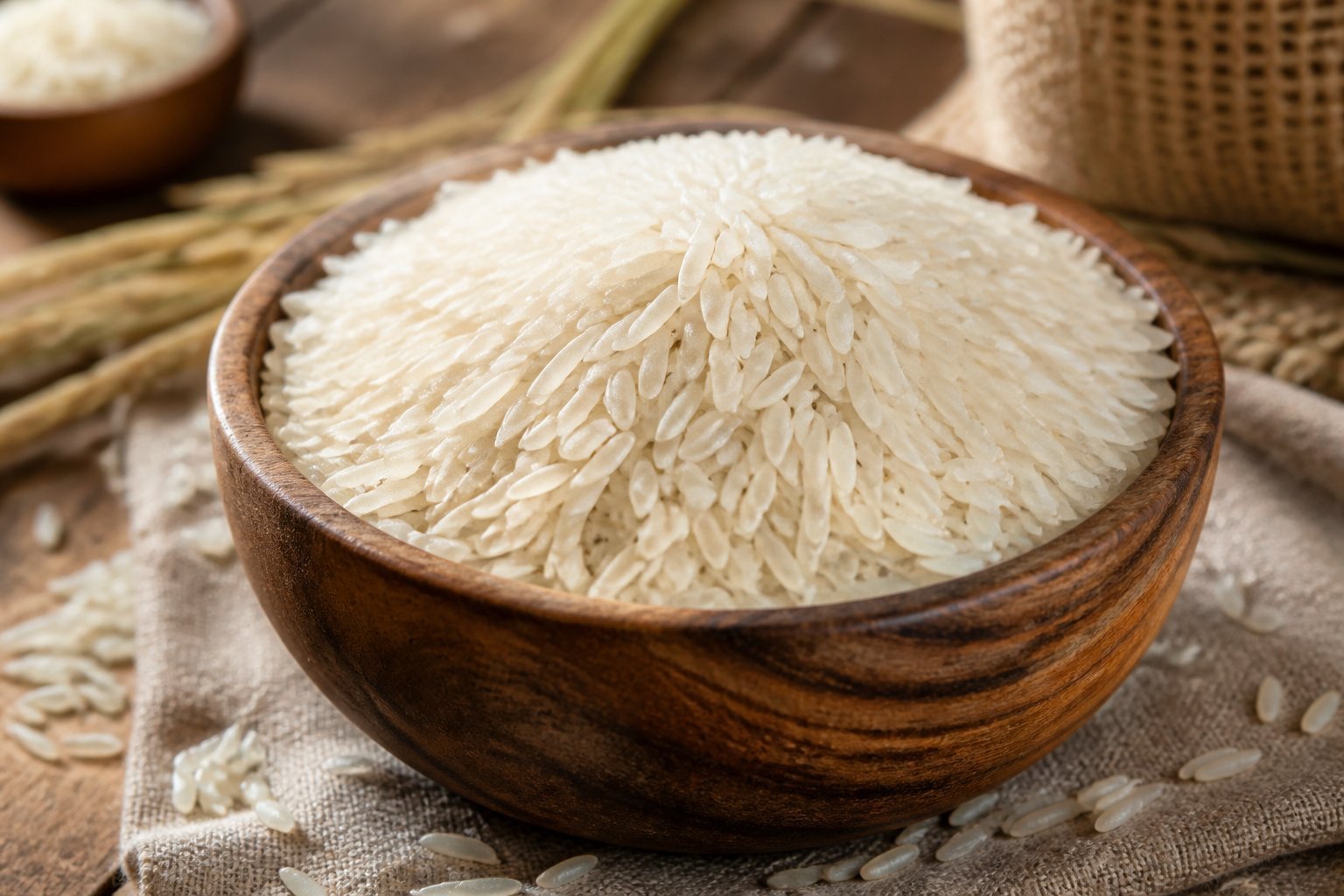
Pakistani basmati rice suppliers have refined aging techniques that preserve grain integrity while developing the characteristic aroma and texture that premium markets demand. Understanding how to identify aged versus fresh basmati rice helps procurement professionals make informed purchasing decisions. Certified suppliers meeting ISO 22000:2018, HACCP, and Halal standards ensure that aging processes maintain food safety protocols while delivering the culinary performance commercial buyers require.
The difference between aged and non-aged basmati extends beyond cooking characteristics to include shelf stability, glycemic response, and versatility across diverse regional cuisines. For businesses serving Middle Eastern, South Asian, and international markets, sourcing premium aged basmati rice that meets strict quality certifications ensures product reliability and customer loyalty.
Key Takeaways
- Aged basmati rice undergoes one to two years of controlled maturation that reduces moisture and alters starch structure for superior cooking performance
- Certified Pakistani suppliers provide aged basmati meeting ISO 9001:2015, ISO 22000:2018, HACCP, Halal, and USFDA standards for GCC markets
- Proper aging extends shelf life, improves digestibility, and ensures consistent grain elongation essential for commercial foodservice and manufacturing applications
What defines superior aged basmati rice?
Characteristics that define superior aged basmati rice:
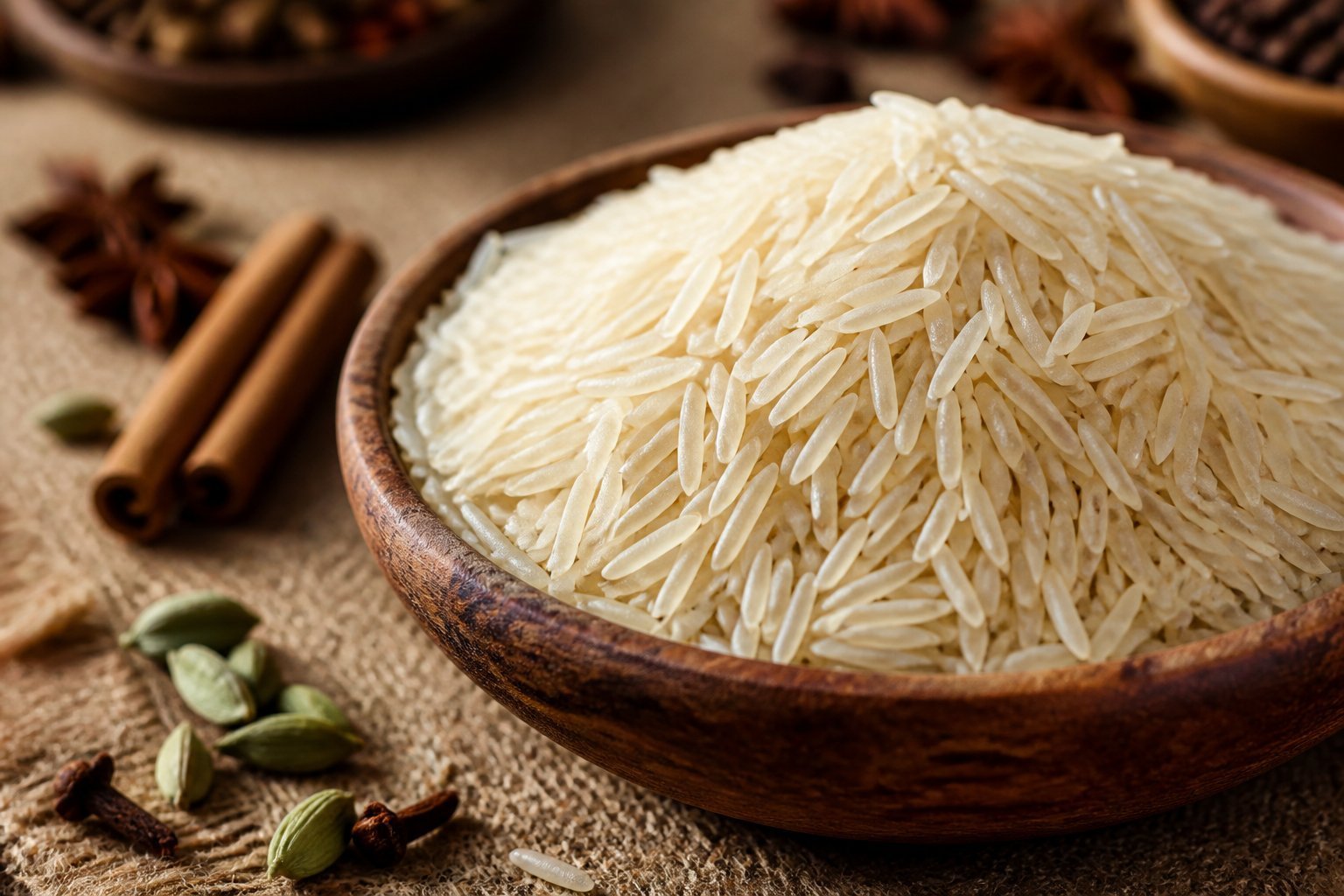
Premium aged basmati rice displays distinct physical, chemical, and sensory properties that separate it from freshly harvested grain. These quality markers include specific moisture levels, concentrated aromatic compounds, and visual characteristics that trained buyers recognize immediately.
Distinguishing Aged Grains From Fresh Stock
Aged basmati rice undergoes controlled maturation for 12 to 24 months under specific temperature and humidity conditions. During this period, moisture content decreases from approximately 14% to an optimal 12%, which strengthens the grain structure.
The aging process affects the starch composition within each grain. Amylose content increases relative to amylopectin, creating grains that remain separate and fluffy after cooking rather than clumping together. Premium aged basmati commands stronger buyer demand compared to new-crop rice due to these enhanced cooking properties.
Pakistan produces certified aged basmati that meets international quality standards including ISO 22000:2018 and HACCP certifications. Fresh rice lacks the elongation capacity and firm texture that develops during proper aging. Grains that have been aged correctly will double or triple in length when cooked while maintaining their slender shape.
The Role of 2-Acetyl-1-Pyrroline in Aroma Development
The signature fragrance of basmati rice comes primarily from a compound called 2-acetyl-1-pyrroline, which concentrates as moisture leaves the grain during aging. This biochemical transformation creates the nutty, popcorn-like aroma that defines quality basmati rice.
Fresh basmati contains this aromatic compound, but the concentration remains lower and less stable. The aging period allows volatile compounds to stabilize and intensify, developing depth and complexity that cannot be replicated artificially. This sensory difference is immediately apparent to consumers and significantly impacts purchasing decisions in premium markets across the GCC region and internationally.
Laboratory testing can measure aromatic compound levels to verify proper aging. Suppliers who provide documentation of these quality markers demonstrate commitment to transparency and product integrity.
Visual and Textural Quality Indicators
High-quality basmati rice appears pearly white or slightly translucent in color. The grains should be long, slender, and uniform without breakage or discoloration.
Key visual indicators include:
- Consistent grain length and width
- No artificial bleaching or excessive whiteness
- Minimal broken grains in each batch
- Uniform color throughout the container
Textural quality becomes apparent during cooking. Properly aged grains achieve remarkable elongation while maintaining structural integrity. The cooked rice should feel firm yet tender, with each grain remaining distinct rather than forming a sticky mass.
Quality assurance protocols for aged basmati include regular testing throughout the maturation process. Rice meeting ISO 9001:2015 and Halal certification standards provides buyers with documented proof of quality that satisfies regulatory requirements in diverse export markets.
Why choose premium, well-aged basmati?
Benefits of choosing premium and well-aged basmati:
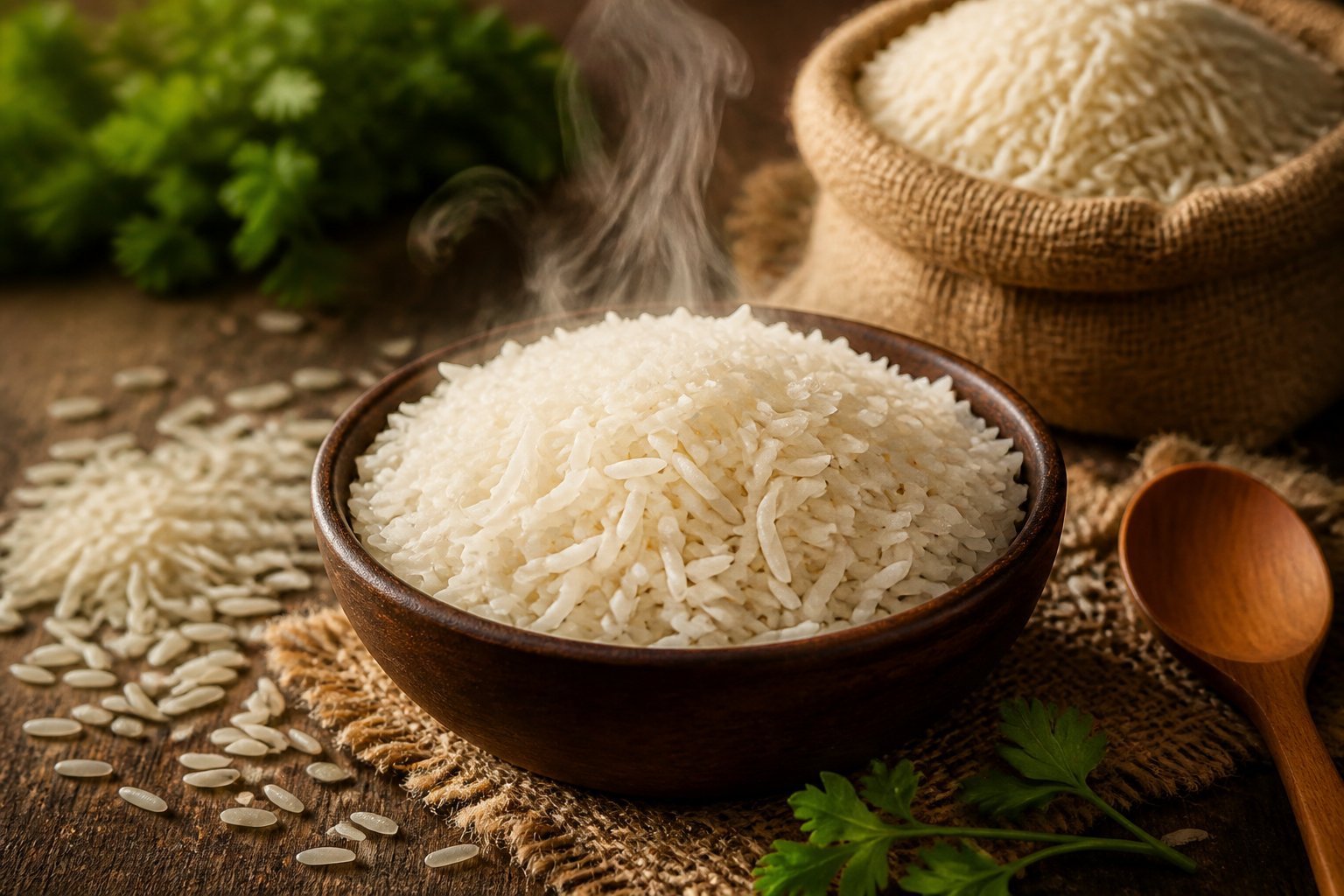
Premium aged basmati rice delivers measurable improvements in aroma complexity, grain elongation, and cooking performance compared to freshly harvested varieties. These changes result from biochemical transformations during controlled aging that affect both sensory qualities and structural properties.
Enhanced Aroma and Flavor for Culinary Applications
The signature fragrance of quality basmati rice intensifies through proper aging. Fresh basmati contains 2-acetyl-1-pyrroline (2-AP), but aging increases this compound’s concentration while developing secondary aromatic compounds. The most notable addition is 2-hydroxyl acetophenone, which creates the warm, nutty depth characteristic of premium aged basmati.
This aroma development cannot be replicated artificially. The enzymatic reactions require time in temperature-controlled storage facilities.
Pakistani basmati varieties aged 12-24 months show the strongest aromatic profiles. Professional kitchens prefer this aged basmati rice for culinary applications where consistent fragrance matters. Rice meeting ISO 22000:2018 standards undergoes controlled aging that preserves grain integrity while maximizing aroma compounds.
Impact on Grain Structure and Expansion
Aging fundamentally changes how basmati rice behaves during cooking. Moisture content drops from 14-16% in fresh rice to 10-12% in aged varieties. This dehydration hardens the starch structure, allowing grains to elongate dramatically when cooked.
Protein cross-linking occurs throughout the aging period. The grain’s protein matrix becomes more robust, maintaining structural integrity during extended cooking methods like dum-style preparations.
Starch retrogradation represents the most critical biochemical change. Amylose and amylopectin molecules slowly recrystallize into ordered structures during aging. This process increases resistant starch content, which digests more slowly than regular starch.
Rice aged 18-24 months shows optimal grain elongation and reduced glycemic response compared to the same variety harvested recently. HACCP-certified facilities in Pakistan maintain precise humidity and temperature controls to ensure proper aging without grain damage.
Reduced Stickiness and Improved Shelf Life
Premium aged basmati produces separate, fluffy grains with minimal surface stickiness. The hardened starch structure reduces the release of surface starches during cooking. Each grain maintains its shape and texture even in high-moisture cooking environments.
The lower moisture content in aged rice extends shelf life when stored properly. Grains remain stable in sealed packaging for 18-24 months after the aging period completes.
Best basmati rice suppliers print harvest years on packaging to verify aging claims. Halal-certified rice from Pakistan typically undergoes minimum 12-month aging before export to GCC markets. This ensures consistent cooking performance for both retail consumers and food manufacturers who require uniform grain behavior in automated production.
What should importers and distributors check before buying?
Procurement criteria for rice importers and distributors:
Importers need to verify aging claims through documentation and physical testing, while also evaluating supplier certifications and logistics capabilities that protect grain quality from mill to destination.
Verifying Age and Authenticity Claims
Choosing aged basmati rice requires documented proof of storage duration and varietal purity. Importers should request milling records that show paddy procurement dates and warehouse entry logs. Pakistan maintains structured aging programs where mills store milled rice in controlled conditions for 12 to 24 months.
Physical verification includes testing moisture content, which should remain at or below 14% even after extended storage. Aged grains develop a harder texture and deeper cooking elongation compared to fresh-milled rice. Importers can also request lab analysis for starch composition changes that occur during aging.
Authenticity testing protects against blended or mislabeled lots. DNA testing and grain morphology analysis confirm varietal identity. Reputable Pakistani exporters provide batch-specific certificates of analysis that detail grain length, broken percentage, and moisture readings. Importers should cross-reference these documents with independent testing upon arrival.
Assessing Packaging, Storage, and Logistics
Moisture control during shipping determines whether quality basmati rice arrives in saleable condition. Container conditions affect grain stability more than origin quality. Importers must verify that suppliers use food-grade polypropylene bags with moisture barriers and conduct pre-stuffing container inspections.
Storage facilities at origin should maintain temperature and humidity logs. Extended port dwell times in humid climates can raise moisture levels even in properly dried rice. Importers should specify maximum moisture thresholds in purchase contracts and require pre-shipment testing.
Transit time and route selection matter for aged rice. Longer voyages through tropical shipping lanes increase condensation risk inside containers. Suppliers should use container liners and desiccant packets for routes exceeding 30 days.
Evaluating Supplier Certifications and Export Standards
Mills serving international markets hold ISO 22000:2018 for food safety management and HACCP for hazard control. These certifications verify that processing facilities follow documented procedures for cleaning, sorting, and contamination prevention.
Halal certification matters for GCC markets and Muslim-majority regions. ISO 9001:2015 certification indicates consistent quality management across production batches. USFDA registration allows exporters to ship to United States markets under regulatory compliance.
Pakistani basmati rice suppliers meeting these standards demonstrate export readiness and audit capability. Importers should verify certification validity through issuing body databases and request recent audit reports. Mills with multiple certifications typically maintain better traceability systems and documentation accuracy than uncertified facilities.
How do you match basmati grades to different regional markets?
Selecting the best basmati rice for diverse regional demands:
Different markets prioritize distinct grain characteristics and aging profiles. Importers must align varietal selection with regional cooking traditions and consumer expectations to meet demand effectively.
Matching Varietal and Grain Length to Market Preferences
GCC markets typically favor long-grain varieties that demonstrate exceptional elongation during cooking. 1121 basmati reaches 20-22mm when cooked, making it ideal for biryani and kabsa preparations where visual grain length matters. Pakistani Super Kernel competes directly in this segment with comparable elongation ratios and consistent performance.
European foodservice operations often specify grain length minimums for retail packaging appeal. Premium aged basmati commands stronger buyer demand in these markets due to enhanced aroma concentration and fluffier texture. Markets focused on traditional preparations prioritize aroma intensity over extreme grain length.
Middle Eastern buyers frequently request aged stock that has been stored 12-24 months post-harvest. The aging process reduces moisture content to 11-12% and hardens starch granules for superior cooking results. Pakistani exporters offering certified aged basmati meet ISO 22000:2018 and HACCP standards required for GCC distribution.
Asian markets demonstrate more flexibility on grain length specifications but maintain strict standards for broken percentage and chalky grain content. Premium grades contain maximum 2% broken grains, while standard export grades allow up to 5%.
Bulk Sourcing of Premium and Specialty Lines
Importers serving multiple market segments require suppliers who maintain consistent inventory across quality tiers. Pakistani exporters provide FOB Karachi terms for containers ranging from standard 1509 varieties to premium aged 1121 selections.
Premium lines require documentation of aging duration, moisture content, and grain purity certification. Suppliers meeting ISO 9001:2015, Halal, and USFDA certification standards ensure compliance across GCC and international markets. Pre-shipment samples confirm grain characteristics before bulk commitment.
Specialty aged basmati lines command premium positioning and deliver measurable advantages for high-end restaurant suppliers and retail brands. The best basmati rice for premium positioning combines certified aging, minimal broken percentage below 2%, and verified origin documentation.
Bulk buyers benefit from establishing relationships with certified Pakistani suppliers who maintain traceability throughout the supply chain. Container loads should specify maximum broken percentage, minimum raw grain length of 6.61mm, and maximum 13% moisture content in purchase contracts.
How should you handle, store, and preserve aged basmati?
Handling, storage, and preservation best practices:
Aged basmati rice requires controlled temperature and humidity levels to maintain its distinctive characteristics, while proper pest management protects against common storage threats.
Optimal Conditions for Maintained Quality
Quality basmati rice maintains its aged properties best at temperatures between 10°C and 15°C. Higher temperatures can lead to moisture loss and affect the grain’s texture.
Humidity control is critical for preserving aged basmati rice. The ideal moisture content stays at 10% to 12%. Storage facilities must maintain relative humidity below 70% to prevent grain degradation.
Modern storage technologies help preserve the grain’s quality during extended periods. Metal silos with proper ventilation systems work well for large-scale operations. Smaller quantities benefit from airtight containers stored in cool, dry locations.
Pakistani exporters meeting ISO 22000:2018 and HACCP standards follow strict protocols for post-harvest handling and storage. These certified facilities use climate-controlled environments to protect the rice from physical and chemical damage.
Regular monitoring prevents quality loss. Check stored rice every two weeks for signs of moisture buildup or temperature fluctuations.
Mitigating Risks of Spoilage and Infestation
Pests pose the most significant threat to stored aged basmati rice. Rice weevils, moths, and beetles can damage entire batches if left unchecked.
Prevention strategies include:
- Cleaning storage areas thoroughly before introducing new stock
- Inspecting incoming shipments for existing infestations
- Using food-grade diatomaceous earth as a natural barrier
- Sealing containers completely to block pest entry
Temperature control serves double duty by also deterring insects. Most rice pests cannot reproduce effectively below 15°C. Cold storage facilities offer protection against both spoilage and infestation.
Rice quality diminishes when exposed to strong odors, light, or air. Store aged basmati away from items with strong smells like spices or cleaning products. Opaque containers block light that can cause nutrient degradation.
Facilities meeting ISO 9001:2015 and Halal certification standards implement regular sanitation schedules. These handling and preparation protocols reduce contamination risks throughout the supply chain.
Where does aged basmati perform best in foodservice and manufacturing?
Culinary applications in foodservice and food manufacturing:
Aged basmati rice delivers consistent performance in professional kitchens and food manufacturing facilities through its superior grain elongation and absorption properties. The controlled moisture content and enhanced starch structure make it particularly valuable for dishes requiring distinct, separate grains.
Chicken Biryani and Premium High-Value Dishes
Chicken biryani relies heavily on aged basmati rice to achieve its signature layered texture and aromatic profile. The grain elongation during cooking—often doubling in length—creates visual appeal that guests expect from premium preparations. Aged rice absorbs the spice-infused cooking liquid without becoming mushy or clumping together.
Hotels and restaurants serving high-value rice dishes benefit from the enhanced aroma development in aged basmati, which intensifies the nutty fragrance that complements saffron, cardamom, and other aromatics. Pakistani-origin basmati rice meeting international certifications including ISO 22000:2018 and HACCP standards provides the consistency required for commercial operations.
The firm yet tender texture holds up during the dum cooking process, where steam finishes the biryani in a sealed pot. Each grain remains separate on the plate, which matters for presentation in upscale dining environments where customers associate quality with proper grain definition.
Use in Pilaf, Fried Rice, and Value-Added Products
Pilaf preparations benefit from aged basmati’s ability to toast evenly in oil or butter before liquid addition. The reduced moisture content in aged grains prevents excess stickiness during the sautéing phase. Grains maintain their structure when combined with vegetables, nuts, or dried fruits.
Fried rice applications require rice that stays separate during high-heat wok cooking. Fresh basmati tends to clump when stir-fried, but properly aged basmati rice achieves the texture needed for restaurant-quality fried rice dishes. The grains withstand repeated stirring without breaking apart.
Food manufacturers producing frozen or refrigerated rice products use premium basmati rice for retail meal kits and ready-to-eat items. The stable starch structure prevents retrogradation—the hardening that occurs when cooked rice is chilled. Products maintain acceptable texture after reheating in microwaves or conventional ovens.
What trends are reshaping basmati supply chains?
Emerging trends and innovation in basmati supply chains:
The basmati rice industry is adapting through organic certification programs and digital quality control systems that verify aging processes and grain authenticity. Companies are investing in traceability platforms and premium product lines to meet buyer expectations across GCC markets and beyond.
Demand for Organics and Specialty Segments
Buyers now prioritize organic and certified aged basmati rice varieties that offer verified health benefits and transparent sourcing. Global consumers are reshaping the market by demanding traceability alongside premium quality standards.
Pakistan-origin basmati rice meets ISO 9001:2015, ISO 22000:2018, HACCP, Halal, and USFDA certification requirements. These certifications ensure that aged basmati rice products maintain consistent quality from farm to table. Premium aged varieties command stronger buyer preference because they deliver superior aroma, texture, and cooking characteristics.
Organic and premium basmati rice segments are gaining popularity as buyers in Germany, the United Kingdom, and GCC countries seek verified specialty products. Distributors in Qatar and other Gulf states stock certified aged varieties to serve discerning retail and food service clients.
Technology-Driven Quality Assessment
Advanced milling technologies and digital traceability systems now verify aging periods and grain quality metrics throughout the supply chain. Leading players have invested in advanced milling technologies and vertically integrated operations to reduce costs and enhance product consistency.
Optical sorting equipment identifies defective grains and ensures uniform aging across batches. Moisture sensors track storage conditions that affect aged basmati rice development. Blockchain platforms document each step from harvest through export, giving buyers confidence in product authenticity.
These systems help importers verify that premium basmati rice meets stated quality specifications before shipment. Temperature-controlled warehousing maintains optimal conditions during the aging process, which typically spans 12 to 24 months for quality basmati rice varieties.
Source premium aged basmati rice with confidence
Get buyer-specific specifications, certifications, and supply options matched to your market.
What do GCC buyers ask most about aged basmati rice?
Frequently asked questions:
Aged basmati rice raises specific questions about quality indicators, preparation methods, and health benefits. Pakistani basmati undergoes controlled aging that transforms starch structure, reduces moisture content, and concentrates aromatic compounds.
What does aging do to the aroma, texture, and cooking performance of basmati rice?
Aging intensifies the signature fragrance of basmati rice while reducing moisture content in the grains. The process typically lasts six months to a year and allows the rice to develop a stronger aroma reminiscent of popcorn and pandan. During this time, the starch structure changes in ways that improve cooking performance.
Aged basmati rice produces fluffier, more separate grains compared to freshly harvested rice. The grains, which measure 6.6 to 7.5 mm raw, elongate to almost double their original length when cooked. Fresh rice tends to be stickier and doesn’t achieve the same level of grain separation.
The texture becomes firmer and less prone to mushiness. Pakistani-origin aged basmati maintains its structure even when held warm for extended periods, making it reliable for commercial food service and home cooking.
How can you verify rice age and authenticity when shopping online or in-store?
Authentic aged basmati displays a slightly off-white or light golden color rather than bright white. The grains should be long, slender at about 2 mm wide, and uniform in shape. Broken or short grains indicate lower quality or improper aging.
Translucent grains signal proper aging and processing. Chalky or opaque grains suggest the rice has been over-polished or comes from lower-grade batches. Pakistani basmati meeting ISO 22000:2018 and HACCP standards carries certification marks on packaging that confirm quality controls.
Reputable importers provide origin documentation and batch numbers traceable to specific aging facilities. Packages should list the harvest year and aging duration. Rice aged for one year commands premium pricing but delivers superior cooking results.
What is the ideal water-to-rice ratio and cooking time for consistent, fluffy results?
The standard water-to-rice ratio for aged basmati is 1:1 for plain steamed rice. This ratio produces distinct, separate grains suitable for serving with curries and grilled meats. For slightly softer rice to pair with soupy dishes like dal, a 1:1.5 ratio works better.
Specialty preparations like pulao require 1:1.5 to 1:2 ratios depending on desired texture. The rice cooks for approximately 15 minutes after reaching a simmer. A wide pan distributes heat more evenly than a tall pot for these preparations.
Rinsing aged basmati before cooking removes excess surface starch. Two to three rinses in cold water until the water runs mostly clear prevents clumping. Soaking for 30 minutes before cooking allows grains to absorb some water and elongate more during cooking.
How should rice be stored to preserve fragrance and prevent moisture, pests, or staleness?
Aged basmati requires storage in airtight containers placed in cool, dry locations away from direct sunlight. The moisture-absorbing packets included with retail packages should remain with the rice to maintain optimal moisture levels. These silica gel packets prevent humidity from degrading grain quality.
In humid climates, freezer storage preserves fragrance and prevents pest infestation without affecting quality. Glass or food-grade plastic containers with tight-sealing lids work better than paper or cloth bags. Metal containers can impart off-flavors and should be avoided.
Proper storage extends the shelf life of aged basmati beyond two years when kept at stable temperatures below 25°C. Once opened, rice maintains peak aroma for six to twelve months. Regular inspection for moisture, odors, or insect activity ensures the rice remains suitable for consumption.
Which varieties or grades deliver the best long-grain length and non-sticky texture after cooking?
Super basmati represents the top grade with extra-long, slender grains ideal for biryani and pilaf. These grains measure more than 7.5 mm when raw and elongate significantly during cooking. Pakistani super basmati certified under ISO 9001:2015 standards guarantees consistent grain dimensions and minimal breakage.
Pusa basmati offers long grains at lower price points but may not achieve the same elongation as super varieties. This hybrid version still produces separate grains suitable for everyday meals. Brown basmati retains the bran layer, providing more fiber but with a chewier texture and nuttier flavor.
Aged white basmati from Pakistan delivers the most reliable non-sticky texture across all cooking methods. The aging process reduces surface starch that causes clumping. Rice meeting Halal and USFDA certification standards undergoes quality checks that screen out broken grains and foreign matter.
How does rice age influence glycemic impact, digestibility, and overall nutrition?
The aging process enhances digestibility compared to freshly harvested rice. Starch retrogradation during aging creates resistant starch that reduces the glycemic index. This structural change means aged basmati causes smaller blood sugar spikes than fresh rice.
Aged basmati has a lower glycemic index than many other rice varieties, making it suitable for individuals monitoring blood sugar levels. The resistant starch formed during aging acts similarly to dietary fiber in the digestive system. This slows glucose absorption and supports better metabolic responses.
Brown basmati aged for similar periods retains more nutrients than white varieties while still benefiting from improved digestibility. The bran layer provides B vitamins, minerals, and additional fiber. White aged basmati focuses primarily on improved starch structure rather than micronutrient content.