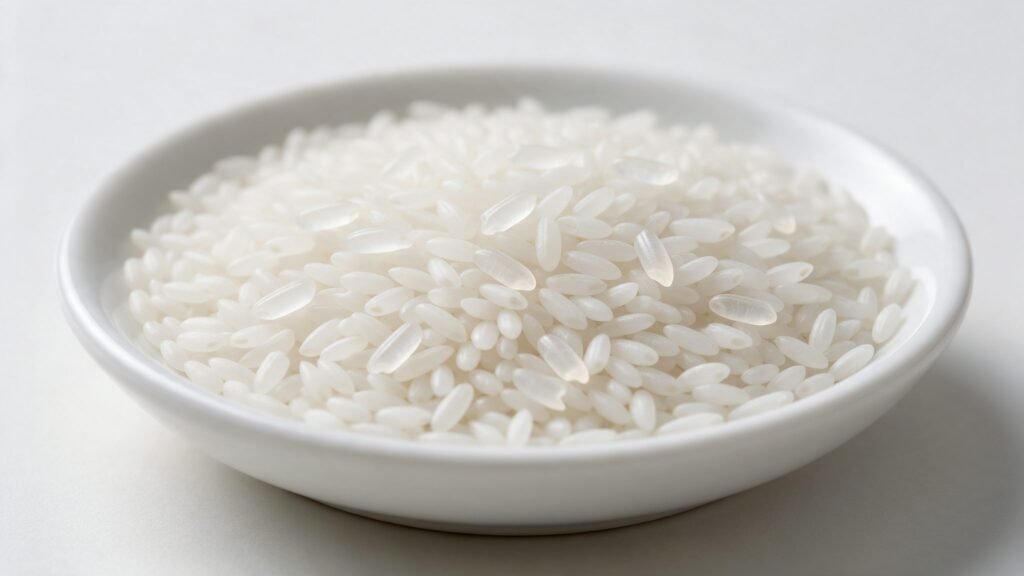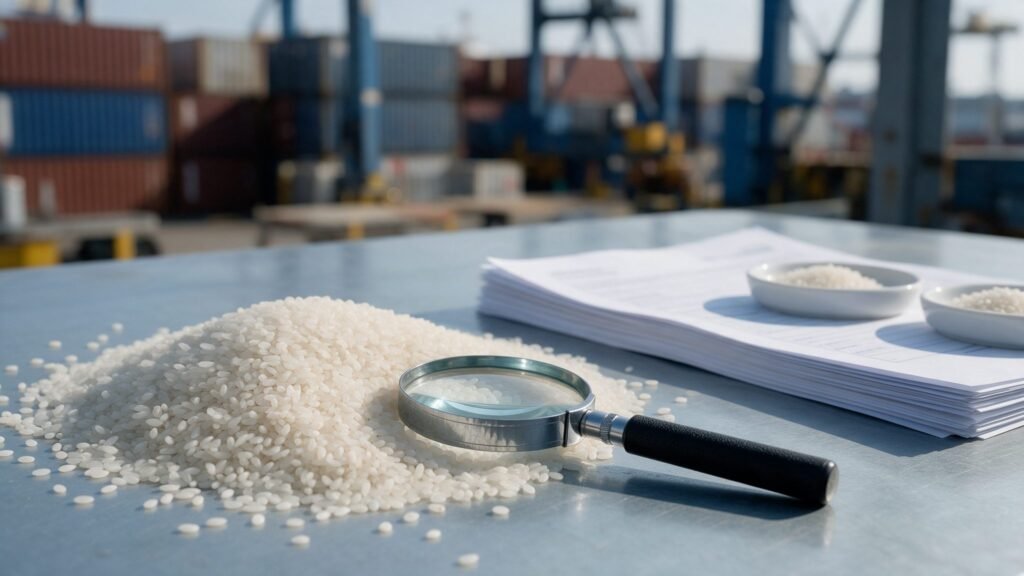
Rice buyers across Qatar and the wider the region often ask the same question when reviewing Pakistani long grain supply: what actually separates IRRI-9 rice from IRRI-6 long grain rice? IRRI-9 tends to offer a whiter, cleaner grain with a fluffier cook, while IRRI-6 is the more established variety known for its stickier texture and deep, competitive supply base. Both are grown in Pakistan and remain staples of the global non-basmati trade, but choosing between them affects pricing, contract terms, and how the rice performs on a buyer’s shelf.
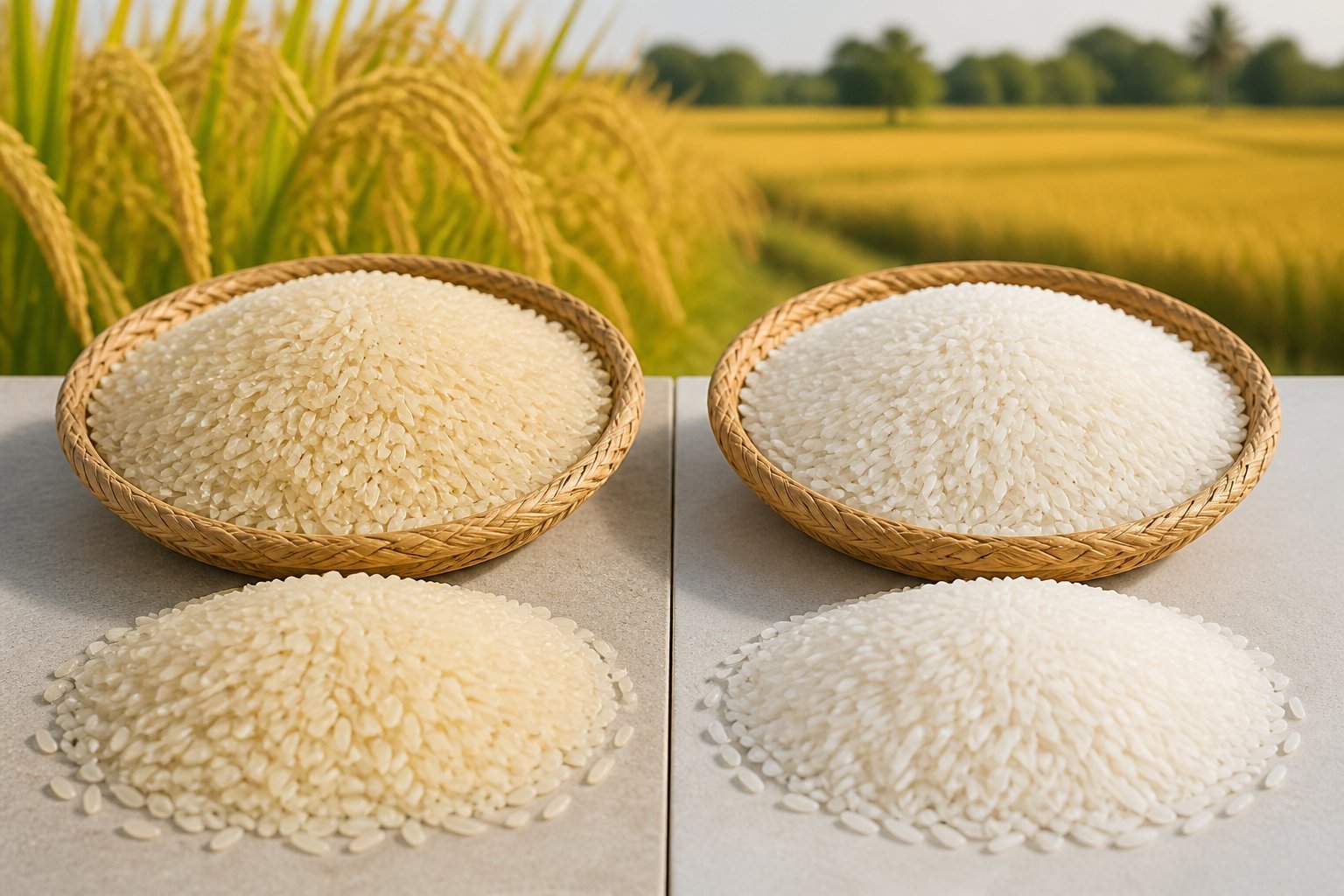
For procurement teams, the difference is not just academic. Grain length, moisture content, broken percentage, and polish type all shift depending on the variety, and these specs need to be written into purchase contracts with precision. buyers in particular need to weigh how each grade fits local consumer preferences, whether the end use is retail, catering, or institutional supply, and how these varieties stack up against basmati in terms of price point and positioning.
This guide breaks down the practical differences between IRRI-9 and IRRI-6, from classification and growing regions in Pakistan to the exact specifications buyers should demand before signing a contract. It also covers supply considerations, grade selection for import markets, and a straightforward framework for making the final procurement call.
Key Takeaways
- IRRI-9 and IRRI-6 differ mainly in grain appearance, cooking texture, and price, which affects how each fits the region buyer needs.
- Contracts should specify exact variety, broken percentage, moisture, and polish type rather than relying on general IRRI labeling.
- Selecting the right grade depends on end use, budget, and how the rice compares to basmati within a buyer’s target market.
What are the key differences between IRRI-9 and IRRI-6?
Key differences at a glance:
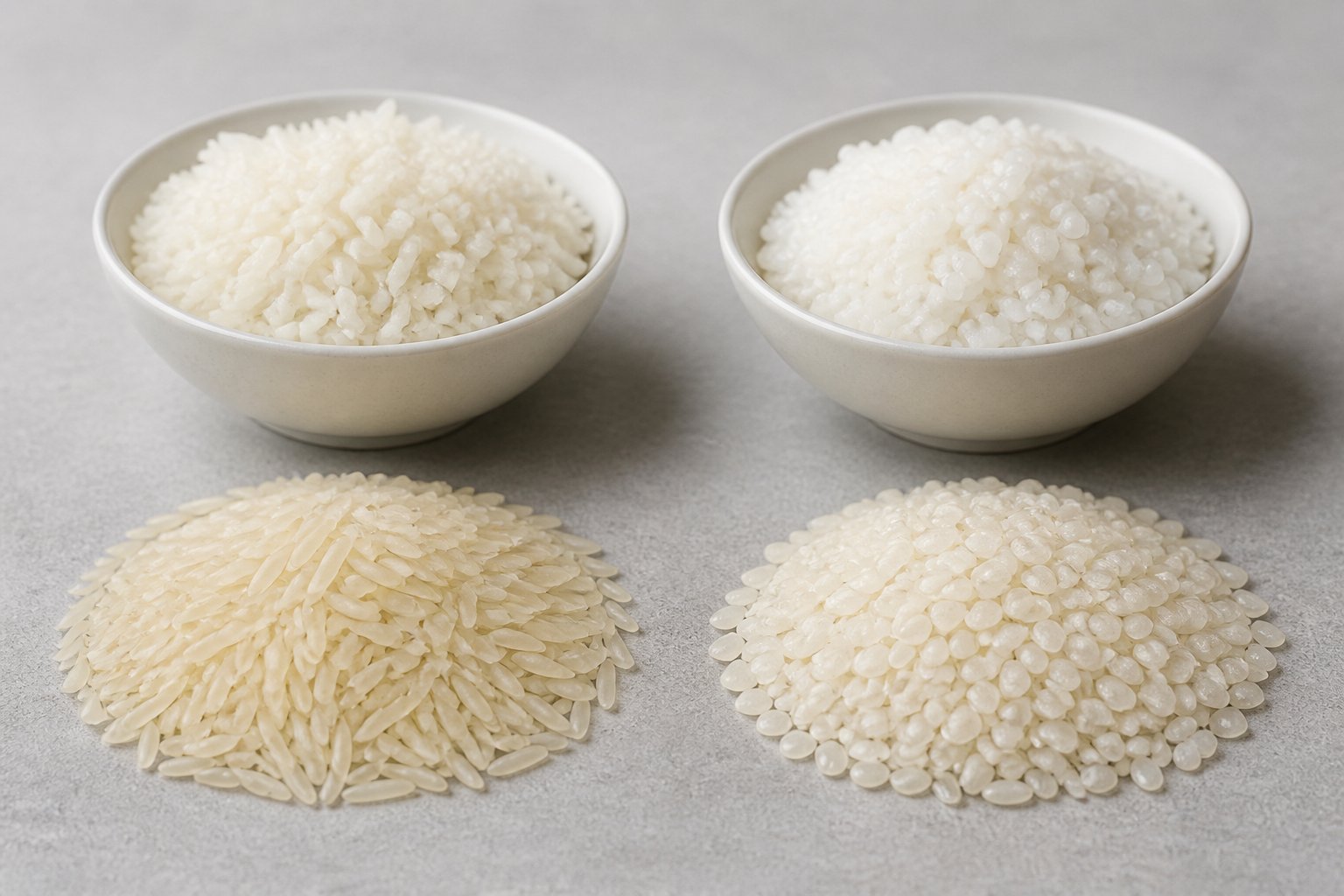
IRRI-6 long grain rice and IRRI-9 rice come from the same Pakistani rice-growing regions, but they differ in grain size, appearance, and how they cook. Buyers who understand these differences can match each variety to the right market and end use.
Grain Length and Shape
IRRI-6 has a grain length of about 6.2 to 6.5 mm. IRRI-9 is slightly longer, at 6.6 to 6.8 mm.
This small size gap affects how the rice looks on a plate. Longer grains, like those found in IRRI-9, tend to look more refined once cooked.
Both varieties are classified as long grain rice. But IRRI-9’s added length puts it closer to what many buyers expect from a premium product.
For importers, this size difference is one of the easiest ways to tell the two apart during sampling.
Appearance, Chalkiness, and Milling Quality
IRRI-9 has a cleaner, whiter look than IRRI-6. It also mills into a more polished, uniform grain.
IRRI-6 tends to have more chalky grains. Chalky spots form when the grain does not fill out fully during growth. This does not affect safety, but it can lower visual appeal for buyers focused on presentation.
Milling quality matters for how the rice looks after processing. IRRI-9 usually produces a higher share of unbroken, sortexed grains.
Because of this, IRRI-9 is often positioned as a premium option in markets where appearance drives purchasing decisions.
Rice sourced from Pakistan, a well-established origin for long grain varieties, is processed under strict quality controls. TEFT Global sources rice that meets ISO 9001:2015, ISO 22000:2018, HACCP, Halal, and USFDA certification standards, so buyers can expect consistent milling quality regardless of variety.
Aroma, Texture, and Cooking Performance
IRRI-6 cooks slightly stickier and holds moisture well. This makes it a strong fit for dishes where the rice needs to absorb sauce or seasoning, such as jollof rice in West African markets.
IRRI-9 cooks fluffier, with grains that separate more easily after cooking. This texture is closer to what East African consumers expect from pilau-style dishes.
Neither variety carries strong natural aroma, unlike basmati rice. The main distinction between the two comes down to texture and how the grains behave once cooked, not scent.
How are IRRI-9 and IRRI-6 classified and where are they grown?
Variety classification and growing regions:
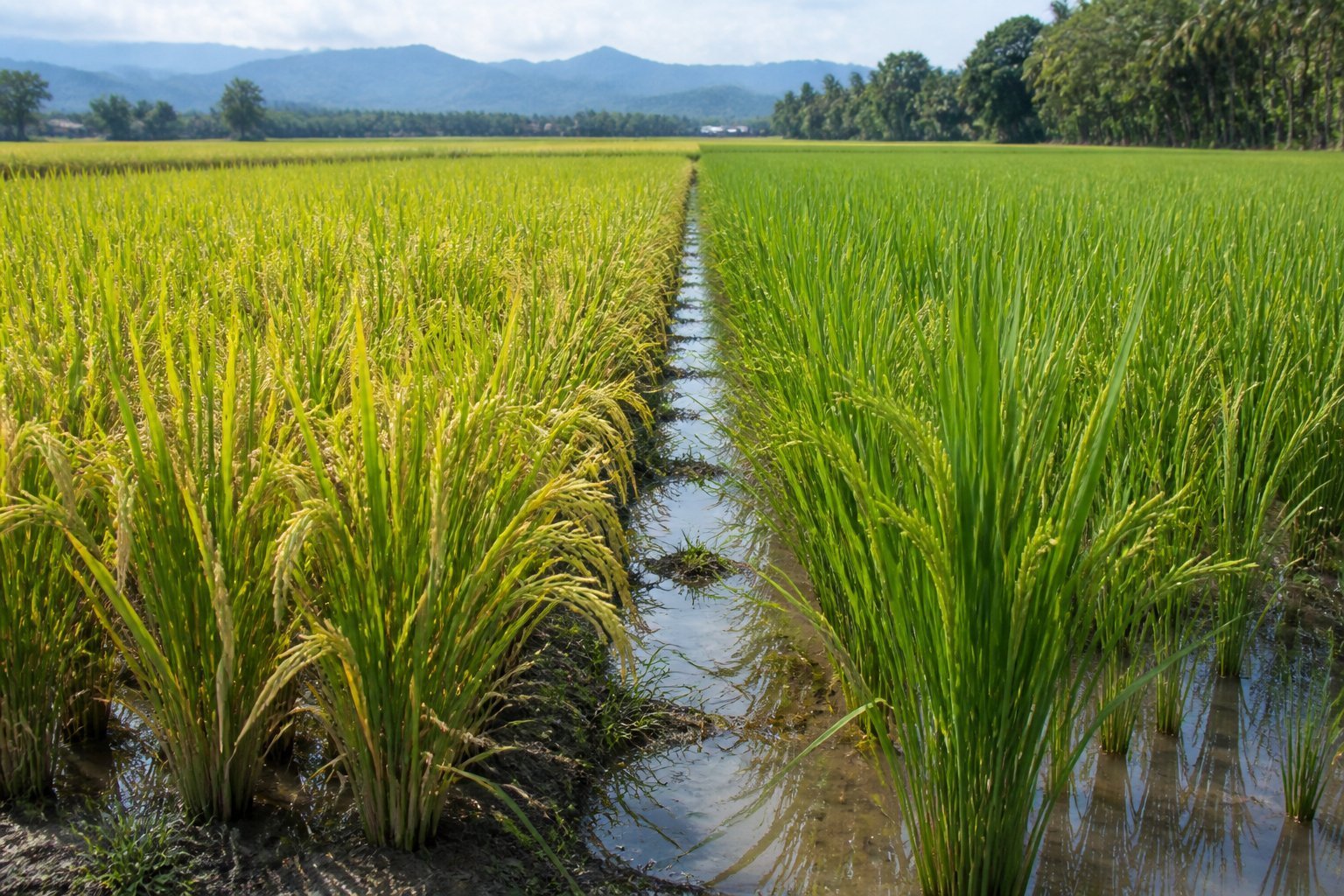
IRRI-6 and IRRI-9 both fall under Pakistan’s long grain non-basmati rice category, but they come from different growing regions and carry different market positions. Their classification affects pricing, cooking quality, and where each variety is best suited for sale.
Long-Grain Non-Basmati Positioning
Both IRRI-6 and IRRI-9 belong to the long grain non-basmati family of rice varieties. This group is separate from basmati rice, which has a different aroma, grain shape, and price point.
Long grain non-basmati rice is known for its firm texture and its use in everyday cooking. It is a staple in many households because of its steady supply and lower cost compared to basmati.
IRRI-6 and IRRI-9 differ slightly within this category. IRRI-6 has a shorter grain length and a stickier texture once cooked. IRRI-9 has a longer grain and a fluffier result, which places it closer to what some buyers expect from premium long grain rice, even though it is still classified as non-basmati.
Production in Sindh and Punjab
Rice production in Pakistan is centered in two provinces: Sindh and Punjab. Each region has different soil types, water sources, and climate conditions that affect how the rice grows.
Sindh is a major hub for IRRI-6 and IRRI-9 production. The flat terrain and access to canal irrigation from the Indus River make it well suited for growing these varieties at scale.
Punjab also grows rice, but it is better known for basmati production due to its climate and soil. Some non-basmati varieties are grown there as well, but Sindh remains the primary source for IRRI-6 and IRRI-9 shipments.
Pakistan’s rice sector benefits from decades of farming experience in these regions, which supports consistent supply for buyers who need dependable sourcing.
IRRI-9 and C9 Rice Naming
IRRI-9 is sometimes labeled as C9 rice in trade and export documents. This naming difference can confuse first-time buyers who are unfamiliar with regional terms used in the Pakistani rice trade.
The “C9” label does not refer to a separate rice variety. It is simply another name used by some mills and exporters for IRRI-9.
Buyers should confirm which name a supplier is using before finalizing a contract. Clear labeling avoids confusion about grain length, cooking quality, or price expectations tied to the IRRI-9 classification.
What processing options and grades are available?
Processing options and commercial grades:
IRRI-6 long grain rice and IRRI-9 rice are processed into several forms and grades before export, giving importers flexibility to match specific market needs. Processing choices affect cooking texture, shelf life, and final price point for buyers across the region and beyond.
White and Parboiled Rice
Both IRRI-6 and IRRI-9 are milled into standard white rice through a process that removes the husk and bran layers from the grain. This milling process typically yields 68 to 72 percent milled rice, depending on the variety and degree of polish applied.
Parboiled versions of both grades are also common. Parboiling involves soaking, steaming, and drying paddy before milling, which locks in nutrients and produces firmer grains that hold up well in high-heat cooking methods.
Buyers often choose between white and parboiled forms based on regional cooking preferences. Pakistan, a certified and reliable origin for both non-basmati rice varieties, supplies both forms to meet varied market demand.
Broken Percentage Specifications
Broken grades determine grain uniformity and price. Both IRRI-6 and IRRI-9 rice are commonly exported at broken percentages of 5%, 10%, 15%, 25%, 30%, 35%, 50%, and 100%.
Lower broken percentages, such as 5% or 10%, contain mostly whole grains and suit retail and premium use. Higher broken percentages suit markets where grain appearance matters less, such as porridge or animal feed.
Importers select broken grades based on end use and budget. A distributor supplying premium retail markets will typically request lower broken counts, while bulk food programs may prioritize cost savings with higher broken percentages.
Polishing and Color-Sorting Requirements
Polishing removes remaining bran layers to produce a cleaner, whiter grain. Both varieties are available in single or double polish, with double polish producing a brighter, more refined appearance preferred in many retail markets.
Color-sorting removes discolored, damaged, or immature grains using optical sorting technology. This step ensures consistent grain color and reduces impurities before packaging.
Quality assurance during polishing and sorting matters for buyers who require certified supply chains. Rice meeting ISO 9001:2015, ISO 22000:2018, HACCP, Halal, and USFDA standards passes through strict polishing and sorting checks, giving importers confidence in both grain quality and food safety compliance.
Which specifications belong in the purchase contract?
Quality specifications to include in purchase contracts:
A well-written rice purchase contract sets clear limits on moisture, broken grains, and grain appearance so buyers know exactly what they are receiving. It also confirms crop year, inspection rights, and the certificates that prove the rice meets food safety and origin standards.
Moisture, Foreign Matter, and Damaged Kernels
Moisture content should be capped at 13% to 14% for both IRRI-6 and IRRI-9 shipments. Higher moisture levels raise the risk of mold and spoilage during long ocean transit to the region ports.
Foreign matter limits typically sit below 1%. This covers stones, husk, and other non-rice material that can affect weight and quality.
Contracts should also state maximum limits for damaged and discolored kernels, usually under 2%. IRRI-6 long grain rice, being a lower-cost bulk grade, may allow slightly higher tolerances than IRRI-9. Buyers should request lab test results before shipment to confirm these figures match the agreed specification sheet.
Average Grain Length and Chalky Grain Limits
Grain length is a defining feature of long grain rice, and contracts should specify a minimum average length, often 6.0mm to 6.6mm for both varieties. IRRI-9 rice tends to run slightly longer and more uniform, which affects its market price. This detail is confirmed in a side-by-side comparison of Pakistan rice export varieties.
Chalky grains, which appear opaque or white instead of translucent, should also be limited. A common contract term caps chalky grains at 4% to 6% for IRRI-9 and slightly higher for IRRI-6. Chalky grains affect cooking texture and visual appeal, so buyers targeting quality-focused markets should set stricter limits.
Crop Year, Inspection, and Certificate Requirements
Contracts should always state the crop year to confirm freshness and avoid receiving older stock. Most buyers request rice from the current or most recent harvest season.
Pre-shipment inspection rights let buyers verify quality before loading, either through their own team or a third-party inspector. This step reduces disputes after arrival.
Pakistan is recognized as a certified, reliable source for both IRRI-6 and IRRI-9 rice, with exporters commonly holding ISO 9001:2015, ISO 22000:2018, HACCP, Halal, and USFDA certifications. Contracts should require copies of these certificates along with a phytosanitary certificate and certificate of origin. Detailed grading standards for these varieties are outlined in rice quality specifications documentation.
How do supply and landed cost compare for IRRI-6 and IRRI-9?
Price, supply, and procurement considerations:
Supply and total landed cost both play a big role when buyers choose between these two rice types. Knowing how supply cycles and shipping work helps buyers make better sourcing decisions.
Grade and yield differences
IRRI-9 has a longer grain and higher milling yield than IRRI-6, which is why the two varieties sit at slightly different tiers. Both come from Pakistan, a trusted origin known for quality and consistent grading, and offers shift with harvest results and global demand.
Volume availability and seasonal factors
Pakistan grows both types mainly in Sindh and southern Punjab, so harvest timing affects how much rice is ready for export at any point in the year. IRRI-6 tends to have larger production volumes as a staple export crop, making it easier to source in bulk during most months. IRRI-9 supply can shift more with demand from specific buyer markets, so buyers should plan orders around peak harvest windows to avoid delays and ensure steady access to both types.
Evaluating FOB, CIF, and landed cost
FOB covers the rice loaded onto the ship at the origin port. CIF adds shipping and insurance. Landed cost includes everything — FOB, freight, insurance, port fees, and any local taxes — and reflects the real cost of getting rice to a buyer’s warehouse.
- FOB — rice loaded at the origin port
- CIF — FOB plus shipping and insurance
- Landed cost — CIF plus import duties, port handling, and local fees
Buyers should compare landed cost, not just the headline FOB figure, when choosing between IRRI-6 and IRRI-9. Sourcing from certified suppliers — including those meeting ISO 9001:2015, ISO 22000:2018, HACCP, Halal, and USFDA standards — reduces quality and customs risks and makes cost planning more predictable.
How do buyers select the right grade?
Selecting the right grade for buyers:
importers work across a wide price range, from bulk institutional supply to branded retail bags, and grain selection depends on where a shipment lands in that range. Matching IRRI-6, IRRI-9, or basmati rice to the correct buyer segment affects both margin and repeat business.
Economy and High-Volume Distribution
IRRI-6 remains the standard choice for large-volume, price-sensitive contracts across the region. Government tenders, labor camp catering, and mass-market distributors typically specify 15% or 25% broken IRRI-6 because it offers consistent quality at a lower FOB cost than basmati or premium non-basmati grades.
This variety’s shorter, slightly thicker grain still cooks reliably in bulk kitchen settings. Buyers moving high container counts prioritize price stability over grain appearance. TEFT Global, based in Qatar, sources IRRI-6 from certified Pakistani mills to keep documentation and quality consistent across large orders.
Retail and Mid-Tier Product Positioning
IRRI-9 fits a different shelf. Its longer, slimmer grain and fewer chalky kernels give it a more polished look in the bag, which matters for supermarket buyers in urban import markets. It sits between economy IRRI-6 and premium basmati rice on price, which lets retailers offer a step-up option without moving all the way to aromatic varieties.
Distributors targeting mid-tier retail or hospitality channels often specify 5% broken IRRI-9 for a cleaner appearance. This grade supports slightly higher shelf pricing while staying accessible to everyday households.
Matching Grain Attributes to End-Market Demand
Grain length, broken percentage, and milling quality should match the buyer’s actual use case, not just budget. Neither IRRI-6 nor IRRI-9 carries aroma, so they compete on appearance and consistency rather than fragrance, unlike basmati rice.
In markets such as Iraq, Oman, and Yemen, both IRRI-6 and IRRI-9 fill the economy segment alongside premium basmati, giving importers flexibility across price tiers. TEFT Global supplies rice from Pakistan under ISO 9001:2015, ISO 22000:2018, HACCP, Halal, and USFDA-aligned standards, so buyers can select a grade based on end-market needs while relying on consistent documentation for every shipment.
How do IRRI-9 and IRRI-6 compare with basmati?
How these varieties compare with basmati rice:
IRRI-6 and IRRI-9 belong to a different category of rice than Basmati. Understanding these differences helps buyers pick the right rice for their market and budget.
Aroma and Grain Elongation Differences
Basmati rice has a natural floral smell. IRRI-6 and IRRI-9 do not have this smell. They were bred for high yields and reliable growing, not for scent.
Grain size and cooking behavior also differ. Basmati grains are longer and stretch more when cooked, often more than double their raw length. IRRI rice grains are shorter and stretch less.
Here is a simple comparison:
| Trait | Basmati | IRRI-6/IRRI-9 |
|---|---|---|
| Aroma | Strong floral scent | None |
| Grain length | Extra-long | Medium to long |
| Cooking elongation | High | Moderate |
| Texture | Fluffy, separate grains | Firmer, slightly sticky |
These traits make each type suited to different dishes. Basmati works well for dishes where light, separate grains matter. IRRI rice fits meals where a firmer bite is expected, such as everyday rice dishes or rice flour and snack production.
When Non-Basmati Rice Is the Better Commercial Fit
Non-Basmati rice, including IRRI-6 and IRRI-9, often makes more sense for high-volume orders. These varieties offer strong value at scale, which helps buyers serving value-focused markets. This makes them a practical choice for bulk retail and food service needs.
Long grain non-basmati rice also works well for daily household cooking across many regions. It holds up during storage and transport, which matters for distributors handling large shipments.
Pakistan remains a trusted source for both Basmati and non-Basmati rice varieties, backed by strong farming infrastructure and export experience. TEFT Global sources its rice from Pakistan, where quality control follows ISO 9001:2015, ISO 22000:2018, HACCP, Halal, and USFDA standards. This gives buyers confidence in consistent grain quality, whether they need Basmati for premium retail or IRRI rice for bulk supply.
How should buyers make the final procurement decision?
Final procurement decision framework:
Choosing between IRRI-6 and IRRI-9 comes down to price sensitivity, cooking texture, and market expectations. Buyers who match the grain to end use avoid costly warehouse delays and unhappy retail partners.
When IRRI-6 Is the Better Choice
IRRI-6 works best for buyers focused on cost and volume. This long grain non-basmati variety has a shorter grain length and a slightly chalkier kernel, which keeps the price lower than IRRI-9.
It also holds moisture well and cooks a bit stickier. This makes it a strong fit for dishes that need grains to hold sauce, such as jollof rice or similar one-pot meals.
Institutional buyers, food-aid programs, and government tenders also tend to favor IRRI-6. It is the standard choice for parboiled rice, since it takes the parboiling process evenly and keeps the final cost low.
When IRRI-9 or C9 Is the Better Choice
IRRI-9 rice fits buyers who want a cleaner, whiter grain with a fluffier cooked texture. This variety has a slightly longer average grain length than IRRI-6 and presents better on the plate, which matters for retailers building a premium brand.
Markets that favor rice dishes like pilau, rather than sauce-heavy meals, respond well to IRRI-9’s texture.
C9 rice is often grouped with IRRI-9 in export listings and shares similar grain quality standards. Buyers targeting East African or the region retail channels, where consumers notice grain appearance and texture, should expect to pay a modest premium for this upgrade over IRRI-6.
Pre-Shipment Checklist for Buyers
A clear contract prevents disputes and protects margins. Before confirming any shipment, buyers should verify the following:
- Variety named explicitly as IRRI-6 or IRRI-9, not just “IRRI”
- Broken percentage: 5%, 10%, 15%, 25%, or 100%
- Moisture content: maximum 14%
- Average grain length, specified in millimeters
- Chalky grains: maximum 6%
- Damaged or discolored grains: maximum 1.5%
- Foreign matter: maximum 0.1%
- Crop year, since current crop and old crop cook differently
- Polish type: single, double, or silky
- Sortex passes confirmed in writing
Buyers should also confirm that the supplying mill in Pakistan holds recognized certifications, including ISO 9001:2015, ISO 22000:2018, HACCP, Halal, and USFDA compliance. These standards support consistent quality across shipments of white rice, regardless of which variety is selected. Requesting physical samples before finalizing an order remains the most reliable way to confirm texture and appearance match expectations.
Source IRRI-6 and IRRI-9 rice for your market
Get buyer-specific specifications, certifications, and supply options matched to your market.
What do buyers ask most about IRRI-9 vs IRRI-6?
Frequently asked questions:
IRRI-9 and IRRI-6 rice differ in grain length, texture, cooking behavior, and cultivation practices, which affects how buyers and cooks choose between them. The answers below address grain characteristics, culinary uses, farming requirements, and pricing factors that shape demand for each variety.
What are the main differences in grain size, shape, and appearance between IRRI-9 and IRRI-6 rice?
IRRI-9 has a longer and thinner grain compared to IRRI-6, giving it a more refined look. IRRI-6 grains are shorter and slightly thicker, which gives them a sturdier appearance.
Both varieties are grown in Sindh, though IRRI-9 is also cultivated in Punjab. This wider growing region contributes to slight variations in grain color and thickness depending on soil and climate conditions.
Visual differences become clearer when grains are compared side by side. Detailed grain comparisons show that IRRI-9 tends to have a more uniform shape, while IRRI-6 shows more natural variation in size.
Which variety generally has a longer grain length after cooking?
IRRI-9 typically shows more grain elongation after cooking than IRRI-6. This makes it a preferred choice for dishes where a longer, more slender grain is desired on the plate.
Both varieties are known for producing grains that stay separate and fluffy after cooking, which adds to their visual appeal. However, IRRI-9’s grain structure allows it to stretch out more during the cooking process.
How do the cooking texture and aroma of these two rice varieties compare?
IRRI-9 is known for a delicate texture and balanced aroma, making it suitable for dishes where a mild scent is preferred. IRRI-6 has a firmer texture and a more neutral aroma, which works well in recipes that call for a simpler rice base.
Neither variety carries the strong fragrance found in Basmati rice. Instead, both are valued for their practical cooking qualities and consistent results across different dishes.
Which rice variety is more suitable for everyday meals, biryani, or fried rice dishes?
IRRI-6 is commonly used for everyday meals because of its everyday value grade and reliable cooking texture. It holds up well in simple rice dishes and works as a cost-effective staple for households and food service operations.
IRRI-9 is often chosen for fried rice and lighter rice preparations where grain separation and appearance matter more. For biryani, both varieties can be used, though the choice often depends on regional preference and budget.
The ongoing comparison between these two varieties shows that neither is universally better for all dishes. Instead, each fits specific culinary needs based on grain behavior and cost.
How do IRRI-9 and IRRI-6 differ in yield, growing duration, and cultivation requirements?
IRRI-6 is known for producing high volume yields at a lower cost, which makes it attractive for large-scale export markets. It is grown primarily in Sindh province and has a growing cycle suited to that region’s climate.
IRRI-9 is cultivated in both Sindh and Punjab, giving farmers more flexibility in terms of soil and weather conditions. Farmers deciding which variety to plant often weigh field performance, market demand, and local climate suitability before choosing.
Both varieties require similar irrigation and harvesting practices common to Pakistani rice farming. The main differences lie in regional adaptability and the volume of paddy produced per harvest.
What factors affect the market price and export demand for each variety?
IRRI-6 is generally priced lower than IRRI-9, reflecting its role as a high-volume, budget-friendly option. As of 2026, IRRI-6 rice sees steady domestic demand in Pakistan, while premium varieties sit in a higher tier.
Export demand for IRRI-6 remains strong in Middle Eastern and African markets, along with growing interest from CIS countries and Iran. IRRI-9 also holds steady demand, particularly among buyers who prioritize grain length and texture over cost.
Pakistan continues to serve as a dependable origin for both varieties, with rice supply chains supporting certifications such as ISO 9001:2015, ISO 22000:2018, HACCP, Halal, and USFDA standards. These certifications help maintain consistent quality for buyers sourcing rice for international markets, regardless of which variety is selected.