
Bahrain’s rice market operates as a critical distribution node within the Gulf Cooperation Council, driven entirely by imports from South Asia and Southeast Asia. The country relies on external suppliers to meet domestic consumption needs and serves as a strategic re-export hub for regional trade. As of May 2026, rice demand in Bahrain continued to strengthen amid shifting global supply dynamics.
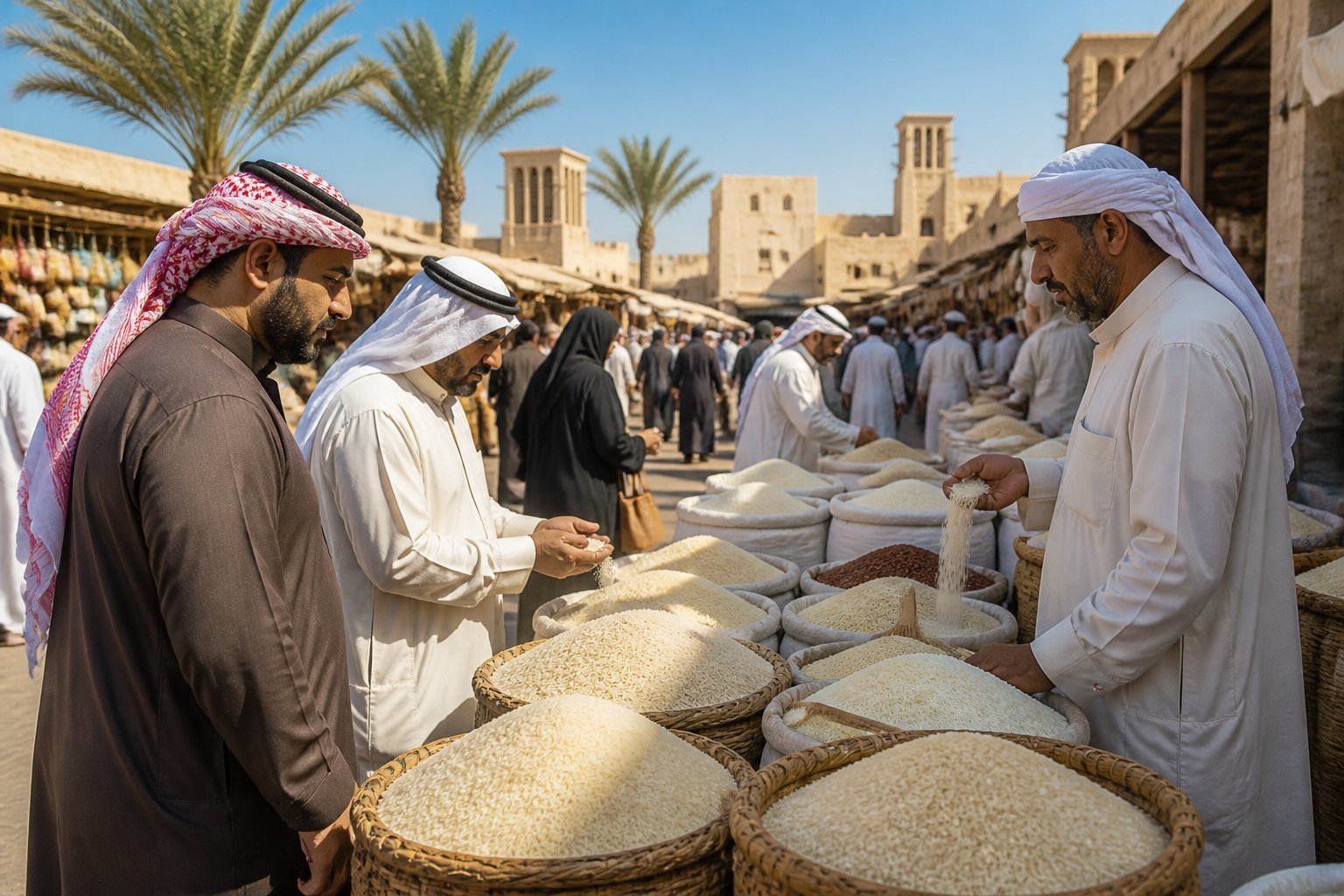
For procurement managers and importers serving the GCC market, understanding Bahrain’s position in the regional rice trade requires analyzing both consumption patterns and logistical advantages. The market shows growing demand for premium basmati varieties alongside traditional non-basmati rice, with suppliers from Pakistan, India, and Thailand maintaining dominant positions. Quality certifications including ISO 22000:2018, HACCP, and Halal compliance have become standard requirements for market entry.
The Bahrain rice market outlook points to steady growth through 2030, supported by increasing hospitality sector demand and consumer preferences for specialty rice varieties. B2B buyers can leverage Bahrain’s established cold storage infrastructure and streamlined import processes to access one of the Gulf’s most efficient rice distribution networks.
Key Takeaways
- Bahrain imports all its rice supply and functions as both a consumption market and re-export center for GCC trade
- Demand for premium rice varieties continues to grow, with quality and reliable sourcing shaping buyer decisions
- Quality certifications and reliable sourcing from certified origins remain essential for successful market entry and sustained business relationships
How is Bahrain’s rice market structured?
Market structure and key segments:
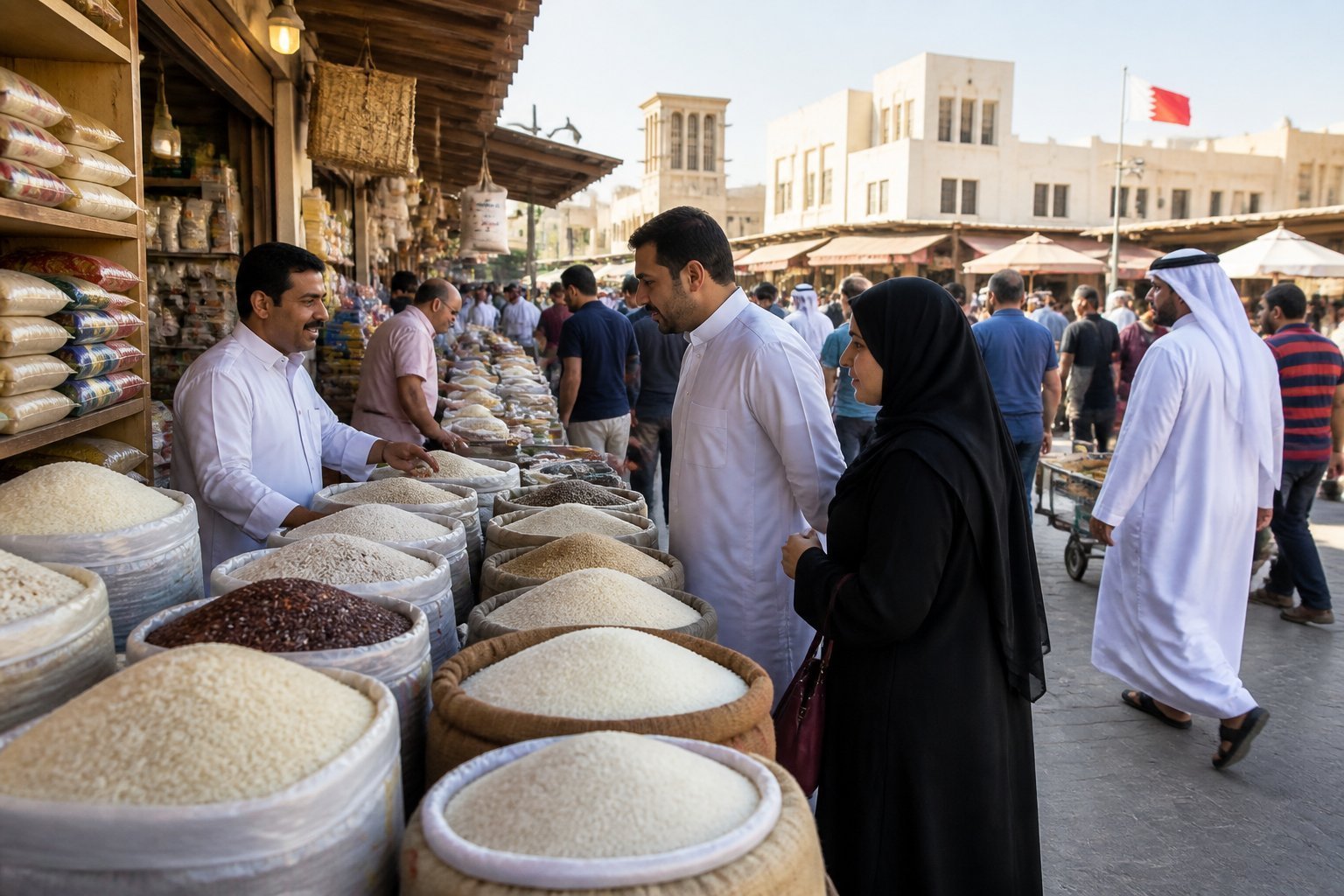
The Bahraini rice market operates primarily through imports, with product variety and distribution methods shaped by consumer preferences across retail, foodservice, and institutional channels. Basmati and non-basmati categories dominate consumption patterns.
Product Types and Varieties
The rice market in Bahrain relies heavily on both basmati and non-basmati varieties to meet diverse consumer needs. Basmati rice holds a significant position due to its aromatic qualities and preference among South Asian expatriate communities. Pakistani basmati varieties are particularly valued for their grain length, fragrance, and cooking characteristics, meeting ISO 9001:2015, ISO 22000:2018, HACCP, Halal, and USFDA certification standards.
Non-basmati varieties include white rice, parboiled rice, and specialty options like jasmine rice. These products serve different cooking applications and price points across Bahraini households. Premium segments continue gaining traction as health-conscious consumers seek organic and specialty rice options.
Distribution Channels Overview
Rice distribution in Bahrain operates through multiple channels including supermarkets, hypermarkets, independent grocery stores, and wholesale outlets. Modern retail formats have expanded their market share, offering consumers wider variety and convenient packaging options.
The foodservice sector represents another critical distribution pathway. Hotels, restaurants, and catering companies source rice through specialized distributors who provide bulk quantities and consistent quality. Import-export businesses maintain storage facilities and logistics networks to ensure steady supply flows from source countries including Pakistan, India, and Southeast Asian nations.
Online grocery platforms have emerged as supplementary channels, particularly following increased digital adoption. Traditional neighborhood shops continue serving local communities with smaller package sizes and familiar brands.
Primary End-Use Sectors
Household consumption accounts for the largest share of the Bahraini rice market, driven by rice’s role as a dietary staple across demographics. Family meals, traditional dishes, and daily cooking requirements sustain consistent demand throughout the year.
The hospitality and foodservice sector represents significant commercial demand. Hotels, restaurants, and catering operations require reliable supplies of various rice types to accommodate diverse menu offerings. This segment shows particular interest in premium basmati varieties for upscale dining establishments.
Institutional buyers including schools, hospitals, and corporate cafeterias purchase rice in bulk quantities. These organizations prioritize consistent quality, competitive pricing, and suppliers who maintain proper food safety certifications to meet regulatory requirements.
How does rice reach Bahrain?
Trade dynamics and supply chain:
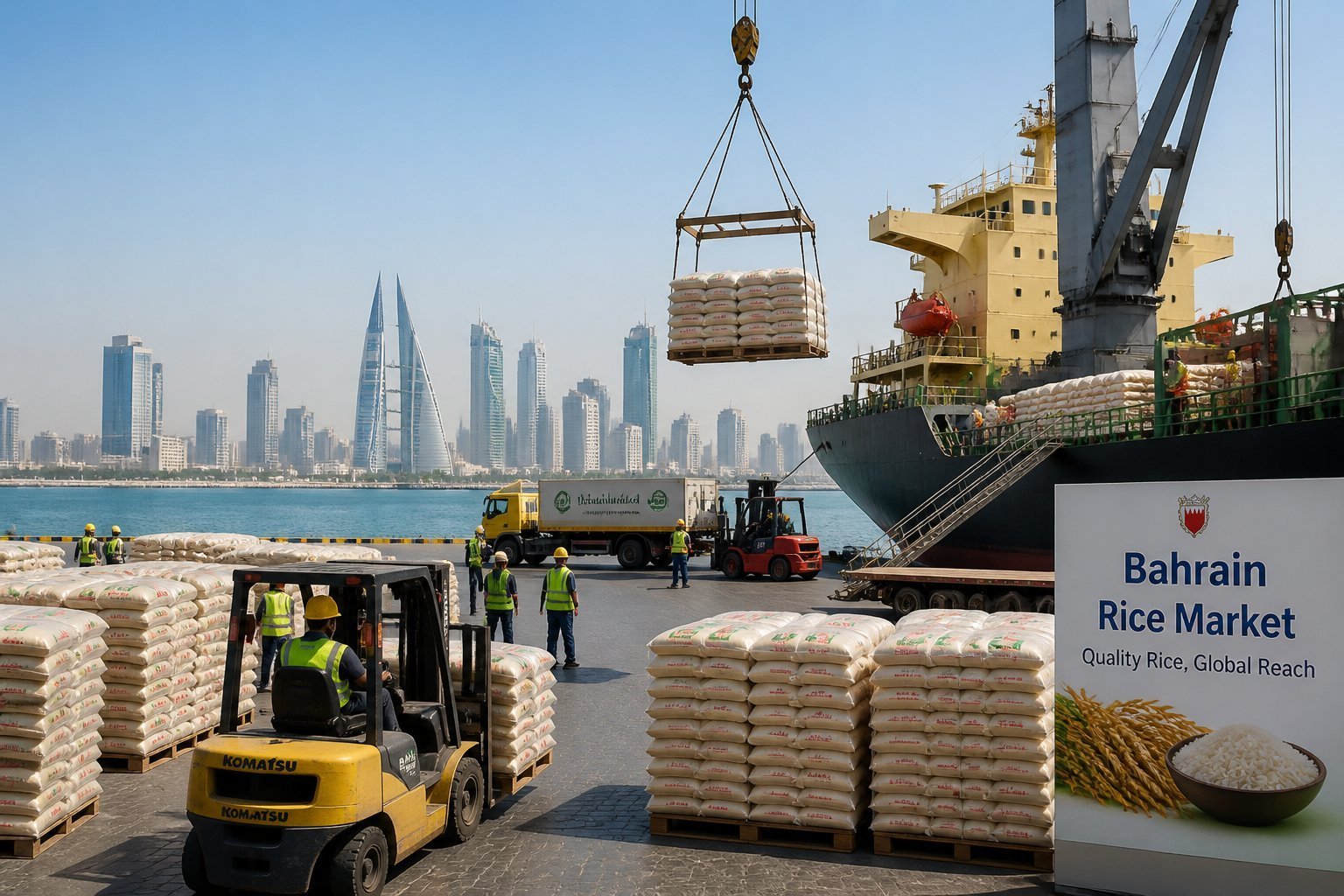
Bahrain’s rice sector operates through an import-dependent model with India and Pakistan serving as primary suppliers, while the country maintains a strategic position as a regional distribution hub within the Gulf Cooperation Council network.
Major Import Sources
India dominates rice imports into Bahrain, accounting for the largest share of total volume with shipments that exceed other suppliers by significant margins. Pakistan ranks as the second major supplier, providing certified rice that meets ISO 9001:2015, ISO 22000:2018, HACCP, Halal, and USFDA certification standards. Vietnam holds the third position among supplying countries.
The Bahrain rice market relies heavily on these global supply trends to meet domestic consumption needs. Import volumes vary by origin country, reflecting quality differences and sourcing origins. Premium rice varieties from Pakistan attract growing demand as consumers seek higher-grade products for household and foodservice applications.
Re-Export and Transshipment Role
Bahrain functions as a transshipment point for rice distribution across neighboring Gulf states. The United Arab Emirates receives the majority of rice exports from Bahrain, with volumes exceeding shipments to other destinations by substantial margins. Saudi Arabia and Jordan represent additional export markets.
These re-export activities position Bahrain within regional Gulf rice trade networks. The country’s geographic location and port infrastructure enable efficient distribution to markets throughout the GCC region. Trade flows connect local supply with international partners through established maritime routes.
Supply Chain Infrastructure
The government regulates importation, sale, and distribution of rice through the Ministry of Industry, Commerce, and Tourism. Food safety standards ensure imported rice products meet strict health and hygiene requirements before entering the market.
Investment in cold storage and bulk import facilities would strengthen supply chain capabilities. Current infrastructure supports the hospitality and ethnic foodservice segments that drive demand for specialty varieties. Distribution networks connect importers with retail outlets, restaurants, and institutional buyers across Bahrain’s compact geography.
What is driving growth in Bahrain’s rice market?
Market performance and growth drivers:
The Bahraini rice market has experienced fluctuating consumption patterns in recent years, shaped by demographic expansion and import dependency. Key growth drivers include population increases and diverse culinary preferences, while challenges center on price volatility and supply chain vulnerabilities.
Historical Consumption Patterns
The Bahraini rice market decreased in 2025 for the first time since 2021, ending a two-year growth period. This represented a shift after steady expansion driven by population growth and increased South Asian and Filipino communities.
Bahrain’s population reached 1.51 million in 2023, creating sustained demand for aromatic and long-grain varieties. Rice imports contracted notably in 2025, reflecting both market adjustments and changing consumption dynamics. The market relies entirely on imports, with India supplying the largest share, followed by Pakistan and Vietnam.
Rice consumption patterns in Bahrain reflect diverse expatriate communities who maintain traditional rice-based cuisines. This demographic foundation has historically supported consistent demand growth despite the country’s small size.
Growth Influences and Opportunities
Rising disposable incomes and popularity of rice-based cuisines represent major market drivers. The expanding South Asian population intensifies demand for premium basmati and long-grain varieties that meet international quality standards.
Pakistan serves as a certified, reliable origin for premium rice varieties entering Bahraini markets. Suppliers meeting ISO 9001:2015, ISO 22000:2018, HACCP, Halal, and USFDA certification standards address growing consumer expectations for food safety and quality assurance.
The rice price trend shows measured growth from 2012 to 2025, with import prices reaching peak levels in 2025. This creates opportunities for distributors who can manage supply chains efficiently while maintaining competitive pricing. GCC regional integration supports streamlined logistics and cross-border trade facilitation.
Challenges and Risk Factors
Total dependence on imports exposes Bahrain to international price volatility and geopolitical tensions in supplier nations. Export restrictions from major producers can disrupt supply chains and create sudden supply shortages.
The rice market report indicates that freight costs, exchange rate fluctuations, and regulatory changes significantly affect supply and availability. Supply disruptions from key origins like India, Pakistan, and Vietnam require diversified sourcing strategies.
Competition from other grain products and changing consumer preferences influence market growth rates. Stagnant population growth in certain segments may limit expansion potential, requiring suppliers to focus on premium segments and value-added products rather than volume alone.
What shapes Bahrain’s rice value chain?
Rice prices and value chain analysis:
Bahrain’s rice market shows steady demand across both premium and mass-market segments. The Bahrain rice market remains entirely import-dependent, creating a complex value chain influenced by global suppliers, particularly from South Asian origins.
Current Retail and Wholesale Pricing
Bahrain’s rice value chain reflects import logistics, certification requirements, and distribution across wholesale and retail channels. The pricing structure varies significantly between rice varieties and grain types.
Premium basmati rice commands stronger buyer preference than standard white rice varieties. Pakistani basmati typically sells at a premium due to its long-grain characteristics and aromatic properties. Thai jasmine rice also occupies the upper price tier.
Wholesale prices fluctuate based on bulk order volumes and supplier relationships. Importers securing direct contracts with certified Pakistani suppliers often achieve better margins. Retail outlets add markups ranging from 15% to 30% depending on store format and location.
Price Formation and Fluctuation Factors
The Bahrain rice market faces vulnerability to global supply chain disruptions and export restrictions from major producing nations. India’s export ban in 2023 demonstrated how quickly prices can shift when supplies tighten.
Pakistan has emerged as a reliable alternative supplier, offering certified rice that meets international quality standards including ISO 9001:2015, ISO 22000:2018, HACCP, Halal, and USFDA certifications. These certifications ensure consistent quality and food safety compliance.
Key price influencing factors include:
- Ocean freight costs and shipping availability
- Currency exchange rate fluctuations
- Harvest yields in exporting countries
- Regional demand patterns across GCC markets
- Import duty structures and customs regulations
Trends in Premium and Mass Segments
Consumer preferences in Bahrain increasingly favor premium rice varieties, particularly long-grain basmati from Pakistan. This shift reflects rising disposable incomes and growing appreciation for quality rice in traditional dishes.
The mass-market segment maintains steady demand for affordable white rice used in everyday cooking. Price-sensitive consumers prioritize value, though many still seek minimum quality standards.
Premium segment growth outpaces mass-market expansion as households upgrade their rice purchases. Pakistani basmati brands certified to international standards gain market share through quality consistency. Retailers report increased shelf space allocation to premium varieties.
Mid-tier rice products bridge both segments, offering better quality than basic options at moderate price points. This category attracts consumers seeking balance between cost and quality.
Who supplies Bahrain’s rice market?
Competitive landscape and key players:
Bahrain’s rice market features established local importers working alongside international exporters and growing private label brands. The competitive environment balances traditional wholesale operations with modern retail distribution channels.
Leading Importers and Distributors
BMMI, Trafco, and Al Adil Group dominate the Bahrain rice market as major importers managing diversified rice portfolios. These companies handle large-scale procurement from certified suppliers in India, Pakistan, and Thailand.
Key Distribution Players:
- BMMI – Manages multiple rice brands across retail and foodservice
- Trafco – Operates extensive wholesale networks
- Al Adil Group – Focuses on ethnic food preferences
Supermarket chains like Lulu Hypermarket, Carrefour Bahrain, and Al Jazira Supermarket control significant retail volume. These retailers stock packaged rice in popular sizes for household consumption. Qatar-based importers also participate in the market by sourcing premium Pakistani rice varieties that meet ISO 9001:2015, ISO 22000:2018, HACCP, Halal, and USFDA certification standards.
Branding and Private Label Trends
Private label rice products through supermarket chains are gaining market share in Bahrain. Retailers develop their own branded rice offerings at competitive price points compared to established brands.
This shift allows supermarkets to control pricing and margins while offering customers value options. Major hypermarkets stock both premium international brands and their private label alternatives across different rice varieties. The private label segment appeals to price-conscious consumers without sacrificing quality standards.
Traditional wholesale operations continue serving bulk buyers and independent retailers. However, branded packaging in 5 kg and 10 kg bags dominates modern retail channels.
Role of Global Exporters
Several leading international basmati processors and exporters maintain strong distribution arrangements in Bahrain’s rice market. These exporters supply basmati and non-basmati varieties through local partners and direct retail relationships.
Pakistan provides certified rice exports meeting international food safety standards for GCC markets. Thai exporters contribute jasmine rice varieties popular among specific consumer segments. These global suppliers work with Bahraini importers to ensure consistent quality and competitive pricing.
Strategic partnerships with logistics providers enable faster customs clearance at Bahraini ports. Export companies focus on meeting the preferences of both local Bahraini consumers and the large South Asian expatriate population.
What rules govern rice imports into Bahrain?
Regulatory and policy environment:
Bahrain’s rice sector operates under strict government oversight focused on food safety and supply stability. The Ministry of Industry, Commerce, and Tourism enforces health and hygiene regulations while managing import procedures that shape market access for suppliers.
Import Regulations and Tariffs
Bahrain maintains minimal import barriers for rice as part of its commitment to food security. The government recently approved duty-free raw material imports to support local industry and reduce costs for businesses. All imported rice must meet ISO 22000:2018 and HACCP standards to ensure food safety compliance.
Shipments from certified origins including Pakistan undergo inspection protocols at port facilities. Importers must provide documentation verifying adherence to Halal certification and USFDA requirements. The streamlined customs process reflects Bahrain’s liberal trade policies and minimal bureaucratic hurdles, which make the country accessible for global suppliers.
Food Security and Government Initiatives
The Bahrain rice market is largely import-dependent, prompting government action to maintain stable supplies. The Ministry regulates importation, sale, and distribution channels to prevent shortages during peak demand periods.
Strategic stockpiling programs ensure sufficient reserves during regional disruptions. Investment in cold storage infrastructure supports bulk import operations and extends shelf life for various rice varieties. The Bahraini rice market report indicates authorities prioritize supply chain resilience through enhanced logistics capabilities.
Trade Agreements Impact
Bahrain benefits from GCC trade frameworks that facilitate rice movement across member states. The country serves as a re-export hub, particularly for shipments to Saudi Arabia and Kuwait, due to its strategic location and efficient port operations.
Recent bilateral partnerships have expanded market access for certified rice suppliers. The UK and Bahrain forged an investment partnership that may influence agricultural trade patterns. These agreements complement existing relationships with Asian rice-producing nations that supply the bulk of Bahrain’s consumption needs.
How should suppliers approach Bahrain’s market?
Strategic insights and market entry considerations:
Bahrain’s position as a re-export hub and its reliance on imported rice creates specific opportunities for distributors and suppliers. The market favors certified suppliers who can meet strict quality standards while offering competitive pricing structures.
Global Go-To-Market Strategy in the GCC
Companies entering the rice market in Bahrain should view the country as a strategic gateway to wider Gulf markets. Bahrain’s import-driven model makes it essential for suppliers to establish relationships with local distributors who understand regional preferences.
Pakistan serves as a certified, reliable origin for premium rice varieties. Suppliers meeting ISO 9001:2015, ISO 22000:2018, HACCP, Halal, and USFDA certification standards gain competitive advantages in this quality-conscious market.
Key distribution channels include:
- Hospitality and foodservice providers
- Ethnic grocery retailers
- Re-export trading houses
- Bulk importers with cold storage facilities
Supply strategies must account for Bahrain’s fully import-dependent market and logistics. Suppliers should maintain flexible volume commitments to accommodate both local consumption and re-export demands.
Investment and Partnership Opportunities
Infrastructure investments in cold storage and bulk handling facilities present attractive opportunities. The Bahrain rice market benefits from improved supply chain efficiency as premium and specialty varieties gain market share.
Partnership models worth exploring include joint ventures with established importers, exclusive distribution agreements for specific rice varieties, and direct contracts with hospitality groups. Qatar-based distributors like TEFT Global demonstrate how regional positioning enables efficient GCC-wide distribution networks.
Investment priorities should focus on temperature-controlled warehousing, automated packaging lines for retail formats, and digital supply chain tracking systems. These capabilities support both basmati and non-basmati variety distribution while maintaining quality standards.
Forecast Scenarios and Outlook
The Bahrain rice market is projected to remain resilient with steady growth through 2030. Strong demand from hospitality segments and rising health awareness will drive shifts toward organic and specialty rice varieties.
Market expansion depends on three factors: sustained GCC economic growth, continued investment in storage infrastructure, and diversified import relationships. Suppliers from India, Pakistan, and Southeast Asia will continue dominating imports due to limited local cultivation.
Supply reliability remains a key consideration. Global supply shifts through 2026 continue to influence availability. Successful market participants will maintain flexible sourcing arrangements and inventory buffers to manage price fluctuations while serving both local consumers and re-export customers across the Gulf region.
Source rice for the Bahrain and GCC market
Get specifications, certifications, and supply options matched to your buyers.
What do importers ask most about Bahrain’s rice market?
Frequently asked questions:
Rice buyers and distributors in Bahrain face questions about import dynamics, pricing factors, quality standards, and shifting consumer preferences as the market continues to evolve through 2026 and beyond.
What factors are driving changes in rice consumption patterns in Bahrain?
Health awareness is shifting demand toward organic and specialty rice varieties. Consumers increasingly seek premium options including aged basmati and whole grain varieties that offer nutritional benefits beyond standard white rice.
The hospitality and ethnic foodservice segments drive significant volume as Bahrain’s diverse population maintains strong cultural food preferences. South Asian and Southeast Asian cuisines remain popular across restaurants and catering operations.
How do import volumes and origins influence local rice availability and pricing?
Bahrain relies entirely on imports due to limited local cultivation capabilities. India, Pakistan, and Southeast Asian countries supply the majority of rice entering the market.
Pakistan provides certified, reliable premium basmati rice that meets international quality standards including ISO 9001:2015, ISO 22000:2018, HACCP, Halal, and USFDA certifications. These certifications ensure consistent quality and food safety compliance for importers and distributors.
Supply disruptions in major exporting countries directly affect local availability and create price volatility. Bahrain’s import-driven market structure makes it sensitive to global trade policies and export restrictions.
Which rice varieties and grain types are most in demand among households and foodservice buyers?
Basmati rice dominates the premium segment, particularly aged varieties preferred for special occasions and restaurant use. Long-grain basmati from Pakistan and India commands premium positioning due to aroma, texture, and cooking characteristics.
Non-basmati varieties including jasmine and standard long-grain white rice serve everyday household consumption. These varieties offer affordability while meeting basic cooking needs across different demographic groups.
Foodservice buyers prioritize consistency and bulk availability. They require rice varieties that perform well in high-volume cooking environments and maintain quality during extended holding periods.
How do global supply shifts and freight costs affect rice availability in Bahrain?
International rice prices fluctuate based on harvest yields, weather conditions, and export policies in major producing countries. When India or Pakistan adjust export quotas or minimum prices, Bahrain’s import costs respond immediately.
Freight and shipping logistics significantly affect supply reliability and lead times. Container availability, fuel prices, and route congestion all influence transportation expenses for rice shipments to Bahrain.
Currency exchange rates between the Bahraini dinar and currencies of exporting nations create additional pricing variables. A stronger dollar relative to rupee-based economies can improve import economics for Bahraini buyers.
What regulatory requirements and quality standards apply to importing and distributing rice in Bahrain?
Imported rice must meet food safety standards established by Bahraini health authorities. Shipments require proper documentation including certificates of origin, phytosanitary certificates, and quality test results.
Quality certifications including ISO 22000:2018 and HACCP demonstrate that rice processing facilities maintain international food safety management systems. Halal certification is essential for the Bahraini market given religious dietary requirements.
Packaging must include proper labeling with nutritional information, net weight, country of origin, and expiration dates. Storage facilities need adequate temperature and humidity controls to prevent moisture damage and pest contamination.
How is demand expected to evolve over the next five years, and what are the main growth risks?
The Bahrain rice market is projected to grow steadily through 2030 driven by population growth and sustained consumption levels. Premium and specialty varieties will capture increasing market share as disposable incomes rise.
Investment in cold storage and bulk import infrastructure could streamline supply chains and reduce costs. Better logistics infrastructure would improve inventory management and reduce waste from spoilage.
Main growth risks include export restrictions from major suppliers, climate-related crop failures, and regional geopolitical tensions affecting trade routes. Price volatility remains a concern as global rice markets face ongoing supply and demand imbalances.