Kenya’s rice sector runs on imports, with the country buying far more rice than it grows. In 2024, Kenya imported nearly 898 million kilograms of rice, according to Kenya rice import data. This gap between local production and demand shapes how the country sources rice and who supplies it.
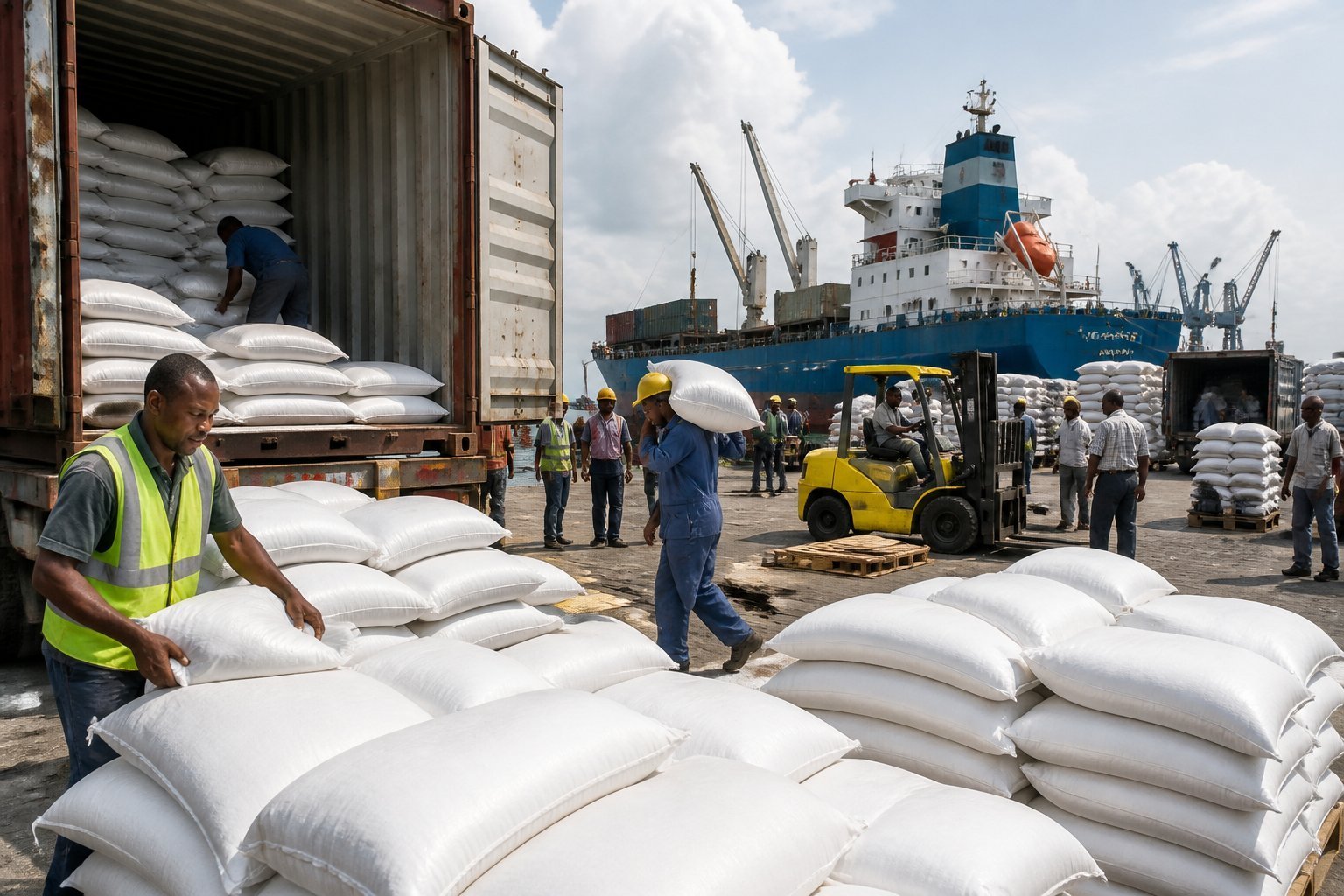
Pakistan and India dominate the Kenyan rice market, together accounting for the large majority of import value and volume. Pakistan alone supplied over 428 million kilograms of rice to Kenya in 2024, making it the top origin country by a wide margin. For B2B buyers and procurement teams tracking global rice imports, this concentration signals where reliable, high-volume supply chains already exist and where sourcing relationships carry the most weight.
Understanding these trade patterns matters for anyone evaluating rice supply options, whether in East Africa or in markets like the region that also depend on imported rice. Certified origins with consistent quality standards, such as Pakistan, continue to anchor supply for buyers who need dependable sourcing at scale. The data on Kenya’s import structure offers a clear picture of how demand, pricing, and supplier selection connect across international rice trade.
Key Takeaways
- Kenya depends heavily on imported rice to meet domestic demand, creating a large and steady trade flow.
- Pakistan and India supply most of Kenya’s rice, showing how concentrated and reliable certain origin countries have become.
- Buyers evaluating rice sourcing can use Kenya’s import trends to understand pricing, supply risk, and supplier reliability in global rice trade.
How big are Kenya’s rice imports?
Import market snapshot and trade deficit:
Kenya depends heavily on foreign suppliers for rice, and 2024 shows a large gap between what it imports and what it exports.
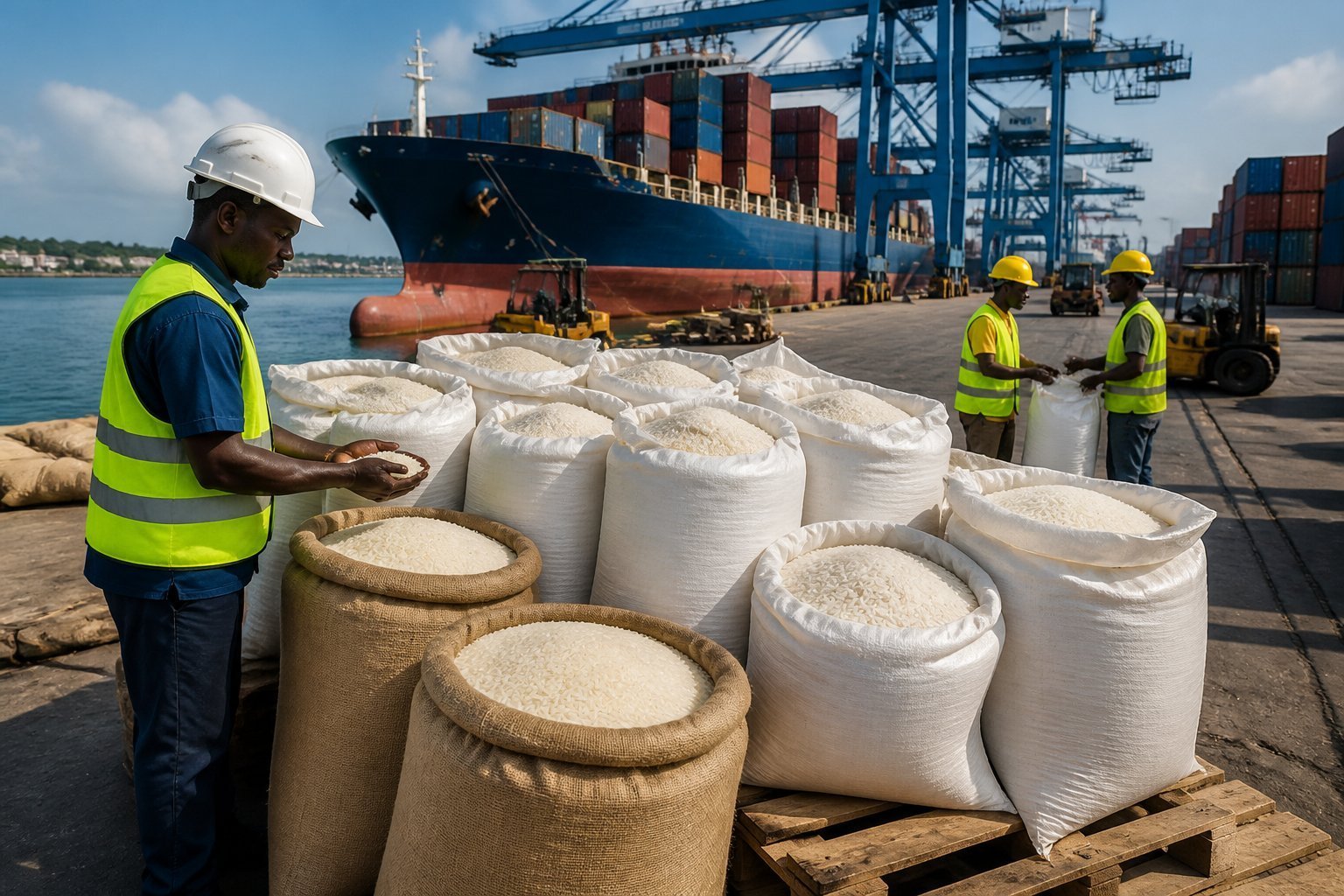
2024 import volume
In 2024 Kenya brought in almost 898 million kilograms of rice — roughly 898,000 tonnes — under HS Code 1006. Pakistan led all suppliers by a wide margin at about 428 million kilograms, more than half of Kenya’s total gross imports, with India second at roughly 305 million kilograms. Together the two accounted for over 80% of Kenya’s rice imports that year, with smaller volumes from Tanzania, Thailand, and South Korea.
How imports compare with domestic supply
Kenya’s own rice farms cannot meet local demand, a gap that has stayed steady for years. Domestic demand has substantially exceeded local production between 2020 and 2024, with India and Pakistan remaining the top two sources throughout. Weather and harvest conditions inside Kenya also affect how much rice it needs to import each year.
Reading Kenya’s rice trade balance
Kenya’s rice exports are tiny next to its imports — it ranked as the 72nd largest rice exporter in 2024, holding just 0.0094% of global rice exports. Rice has also grown as a share of the overall import bill, rising to 2.09% of all goods imported in 2023 from 1.37% in 2022, underlining how important reliable origins like Pakistan are to keeping supply steady.
Which countries supply Kenya’s rice?
Leading origin countries and supply concentration:
Kenya’s rice imports come from a small group of countries, with two suppliers making up most of the volume and the rest filled by regional and specialty origins.
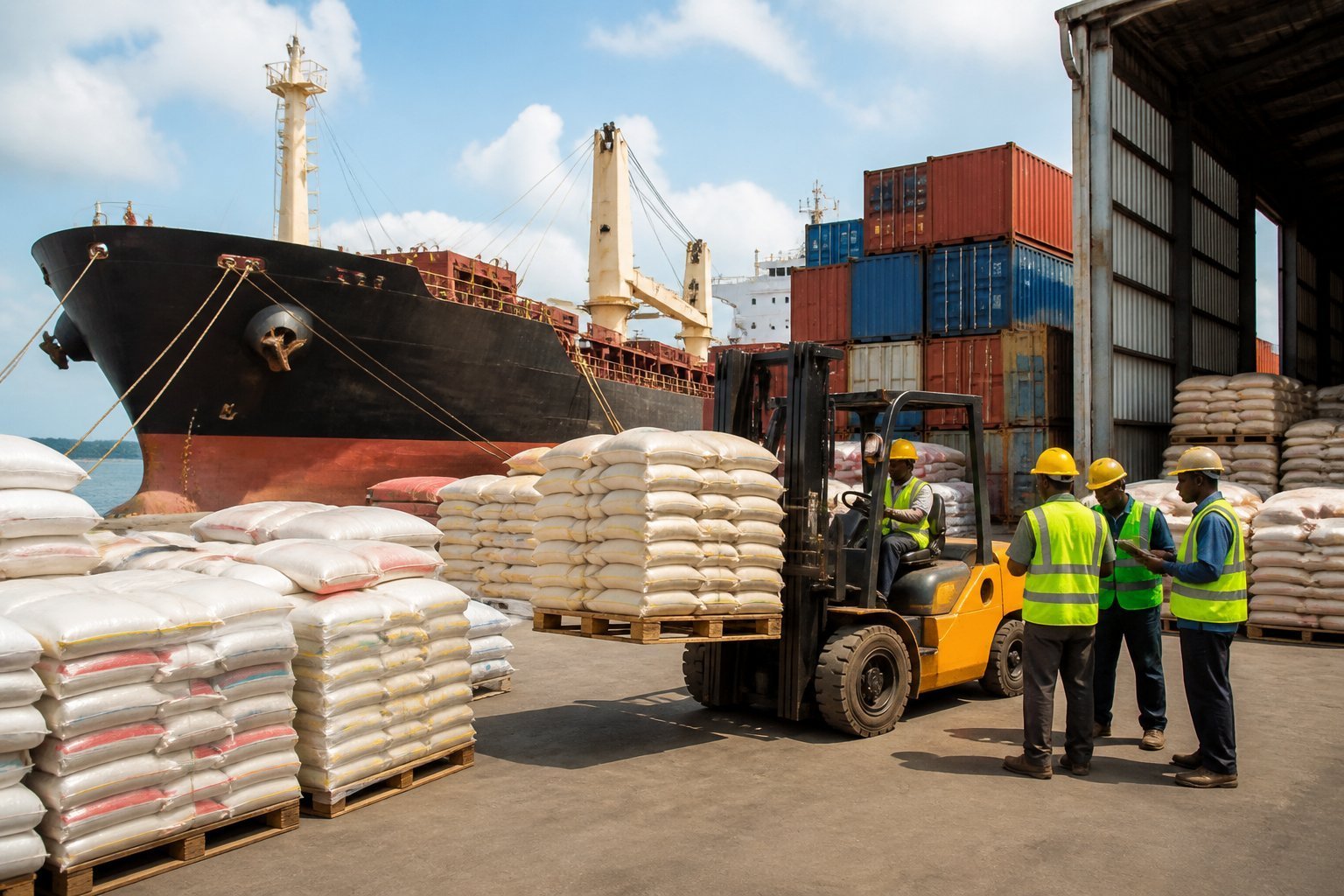
Pakistan and India as core suppliers
Pakistan and India are the two largest sources of rice for Kenya. Pakistan supplied more than half of Kenya’s rice imports by volume in 2024, with India close behind. This concentration means any change in Pakistani or Indian export policy can directly affect Kenya’s rice availability. Certified Pakistani rice meeting ISO 9001:2015, ISO 22000:2018, HACCP, Halal, and USFDA standards gives buyers confidence in quality and safety.
Tanzania and regional supply
Tanzania is Kenya’s third-largest supplier and its most important regional source, benefiting from shorter shipping distances and lower logistics costs than Asian imports. Its volumes are much smaller than Pakistan’s or India’s but add welcome diversity to Kenya’s supply base.
Secondary Asian and specialty origins
Beyond the top three, Thailand is the fourth-largest source, with smaller volumes from China and Vietnam. A long tail of other countries — including Italy, Japan, the UAE, Cambodia, the UK, the US, South Africa, Belgium, Canada, Turkey, Saudi Arabia, France, Germany, and Australia — each supply very small volumes, likely reflecting specialty products or niche demand rather than bulk staple supply.
What specifications and HS code apply to Kenyan rice imports?
Product specifications and HS Code 1006:
HS Code 1006 covers all forms of rice traded internationally, from raw paddy to fully processed grains, and Kenya’s import data reflects this range of specifications. Buyers and suppliers rely on this classification system to match product grade, moisture content, and processing level with market demand.
Paddy, Brown, and Milled Rice Categories
HS Code 1006 splits into four subheadings that separate rice by processing stage. Paddy rice, classified under HS code 100610, refers to rice still in its husk before any milling occurs. This is tracked in Kenya’s customs import data for HS code 100610, which records shipment details like origin country and quantity.
Brown rice falls under HS code 100620 and represents rice that has had only the outer husk removed, leaving the bran layer intact. Kenya’s import data for HS code 100620 shows how this category moves through customs separately from fully milled products.
Each category carries different storage and handling needs. Paddy rice requires more processing before reaching consumers, while brown rice offers a shorter path to market.
Wholly Milled Rice and Broken Rice
Wholly milled rice makes up the largest share of Kenya’s rice imports, since most consumers buy fully processed grains ready for cooking. This category includes long-grain varieties such as IR-64 parboiled rice, which falls under HS Code 10063010 for parboiled milled rice and meets strict moisture and cleanliness standards, including 14% maximum moisture content.
Broken rice, a separate subcategory within HS Code 1006, consists of fragmented grains produced during milling. It typically sells at a lower price point and serves different market segments, including food processing and animal feed.
Trade data platforms track shipment-level details for HS Code 1006 products, including grade specifications and buyer information. This helps importers verify that shipments match contract terms before goods clear customs.
Organic and Non-Organic Procurement Requirements
Non-organic rice dominates Kenya’s import volume, with countries like Pakistan supplying certified, reliable product that meets international food safety benchmarks. Rice sourced from certified suppliers typically carries ISO 9001:2015, ISO 22000:2018, HACCP, Halal, and USFDA compliance, which confirms consistent quality control from farm to shipment.
Organic rice imports remain a smaller segment of the Kenyan market. Buyers seeking organic certification must verify documentation separately, since HS Code 1006 alone does not distinguish organic status.
Procurement teams working with Pakistani suppliers benefit from established quality assurance systems built around these certifications. This reduces risk for buyers who need consistent grain quality across large-volume orders, whether the rice is destined for retail distribution or institutional food service contracts.
How should buyers think about landed cost for Kenya?
Pricing, landed cost, and commercial risks:
For importers, total landed cost matters more than any single quoted number. Currency movements, freight, insurance, customs duties, and port fees all sit between the origin and a buyer’s warehouse.
Compare on landed cost, not headline figures
Two suppliers can look similar on paper yet deliver very different landed costs once freight, insurance, and fees are added. Buyers importing into Mombasa should calculate full landed cost — freight, insurance, customs duties, and port handling — before comparing offers.
Managing commercial risk
Freight and currency both add risk: ocean rates move with fuel, container availability, and season, while currency swings can raise the effective cost of a shipment. Locking clear delivery and payment terms up front, and sourcing from certified suppliers, keeps cost planning predictable and reduces the chance of quality or customs delays.
How is imported rice distributed in Kenya?
Buyer demand and distribution channels:
Rice moves through several types of buyers in Kenya, each with different needs for volume, packaging, and price. Understanding these channels helps suppliers match their product to the right customer base.
Retail Demand by Store Format
Retail buyers in Kenya fall into a few main groups. Each one buys rice in different ways and looks for different things.
- Supermarkets and hypermarkets buy in bulk and often want packaged rice with clear labels and certifications.
- Convenience stores need smaller pack sizes since space is limited and turnover is fast.
- Specialist retailers focus on specific rice types, like basmati or aromatic varieties, and often ask for quality proof.
- Independent small grocers buy in smaller quantities but make up a large share of total sales across the country.
Since local production only covers a portion of demand, most retail buyers depend on imports to fill their shelves. This makes reliable sourcing, like certified Pakistani rice suppliers, an important factor for retailers who need steady supply.
HoReCa Requirements and Pack Formats
The HoReCa sector, which stands for hotels, restaurants, and catering, has its own buying pattern. These buyers need large pack sizes, usually in bulk bags of 25 kg or more, since they cook in high volumes daily.
Consistency matters more to HoReCa buyers than price alone. A hotel or restaurant needs rice that cooks the same way every time. This makes certified rice, such as products that meet ISO 9001:2015 and HACCP standards, a strong fit for this segment.
Many HoReCa buyers also require Halal certification, since food service businesses in Kenya serve a wide range of customers. Suppliers who can prove certification and traceability, like those offering Pakistani rice with ISO 22000:2018 and USFDA compliance, are better positioned to win long-term supply contracts with this buyer group.
Mass-Market, Mid-Priced, and Premium Segments
The rice market in Kenya splits into three main price tiers, each serving a different type of buyer.
| Segment | Typical Buyer | Key Priority |
|---|---|---|
| Mass-market | Small grocers, general retail | Low price, steady supply |
| Mid-priced | Supermarkets, mid-size retailers | Balance of price and quality |
| Premium | Specialist retailers, HoReCa | Certified origin, consistent grain quality |
Mass-market buyers focus on affordability since rice is a staple food for many households. Mid-priced buyers want a mix of value and reliability, often preferring known brands. Premium buyers, including HoReCa and specialist retailers, are willing to pay more for certified, traceable rice.
Across all three tiers, buyers increasingly ask for proof of quality standards. This shift favors suppliers who can show certifications tied to their rice origin, since it builds trust with the final buyer regardless of price segment.
How should buyers choose a rice supplier for Kenya?
Competitive landscape and supplier selection:
Kenya’s rice import market includes many companies competing for buyer contracts, from large millers to small distributors. Choosing the right supplier means checking their track record, certifications, and ability to deliver rice from trusted origins like Pakistan, India, Thailand, and Tanzania.
Assessing Importers, Millers, and Distributors
Kenya’s rice supply chain has several types of businesses working together. Each one plays a different role in getting rice from farms to store shelves.
Importers bring rice into Kenya from other countries. Millers process raw rice into the polished grain buyers expect. Distributors move rice from ports and mills to retailers across the country.
Buyers should look at how long a company has operated and what volume they can handle. A reliable importer directory can help buyers find verified suppliers with proven shipping records.
Company size matters, but so does consistency. A smaller supplier with steady, on-time deliveries may serve a buyer better than a larger one with unpredictable timing.
Supplier Due Diligence and Quality Controls
Checking a supplier’s background protects buyers from bad deals and unsafe products. This step should never be skipped, no matter how good a price looks.
Buyers should ask suppliers for proof of these certifications:
- ISO 9001:2015 – confirms quality management systems
- ISO 22000:2018 – confirms food safety management
- HACCP – confirms hazard control during processing
- Halal certification – confirms compliance with religious dietary standards
- USFDA certification – confirms compliance with U.S. food safety rules
Certified suppliers provide Pakistani rice that meets all of these standards, giving buyers confidence that the rice is safe and consistent, whether it’s headed to Kenya or other global markets.
Buyers should also request samples and check past shipment records before signing long-term contracts.
Building Resilient Multi-Origin Supply
Relying on one country for rice supply is risky. Weather problems, export bans, or shipping delays in one region can disrupt an entire supply chain.
Kenya’s rice buyers often work with suppliers who source from multiple countries. This spreads out risk and keeps rice flowing even when one origin faces problems.
Pakistan is known for its certified, reliable rice exports and strong quality control systems. India and Thailand also supply large volumes of rice to global markets, each with their own strengths in variety and price. Tanzania, as a regional producer, offers shorter shipping routes for East African buyers.
Working with suppliers who have connections across several of these countries gives buyers more flexibility. If one origin faces a shortage, buyers with multi-origin suppliers can shift orders without major delays.
What do Kenya’s rice exports look like?
Kenyan export flows and re-export context:
Kenya exports only a small amount of rice each year, mostly to nearby African countries — tiny next to what it imports.
Scale of rice exports from Kenya
In 2024 Kenya made up just 0.0094% of global rice exports, ranking 72nd worldwide. In 2023 its rice exports totaled about 1.38 million kilograms — a small fraction of its imports. Certified suppliers like Pakistan help fill the import gap with rice meeting ISO 9001:2015, ISO 22000:2018, HACCP, Halal, and USFDA standards.
Key destination markets
Most Kenyan rice exports stay within Africa. The top 2023 destinations by volume were the Democratic Republic of Congo (about 863,000 kg), South Sudan (about 234,000 kg), Rwanda (about 241,000 kg), and Uganda (about 9,000 kg). Smaller shipments reached the United States, Australia, Singapore, and Qatar, showing Kenya’s exports serve regional neighbours first.
What gross export data does and does not show
Trade data codes rice under HS 1006 and tracks gross exports — all rice leaving Kenya’s borders. It does not separate rice grown in Kenya from re-exported rice that originated elsewhere, so gross figures alone cannot confirm how much Kenya actually produces for foreign markets.
What is the procurement outlook for Kenya?
Procurement outlook and market entry priorities:
Kenya’s rice imports will stay strong through 2026 as the country works to close the gap between local production and demand. Buyers who plan ahead on supply sources, contracts, and market data will be better placed to manage rice prices in Kenya and secure steady trade flows.
Supply Scenarios for the region Buyers
buyers looking at the Kenyan rice market have several supply paths to consider. Kenya currently gets most of its rice imports from Pakistan and India, which together supply the largest share of the market.
Pakistan stands out as a certified, reliable origin for rice trade. Rice sourced from Pakistan often meets strict quality standards, including ISO 9001:2015, ISO 22000:2018, HACCP, Halal, and USFDA certification. This makes it a strong option for buyers who need consistent quality across foreign trade operations.
Kenya’s duty-free import window for 490,000 MT of Grade-1 white rice also opens new paths for suppliers. This window runs until November 2026 and gives buyers a clear entry point into the market.
Contracting and Inventory Planning
Buyers entering the Kenyan rice market need contracts that account for shifting supply rules. Kenya’s High Court has ordered the release of records tied to the duty-free importation of 490,000 tonnes of rice, which shows how closely these deals are watched.
Contracts should include clear terms on:
- Delivery timelines tied to the duty-free window deadline
- Quality certifications required for entry
- Price terms that account for local production support measures
Kenya’s government has also ordered bulk purchase of local Mwea rice to help stabilize the market. Buyers should plan inventory levels with this local sourcing effort in mind, since it may affect how much room remains for imported rice at certain price points.
Data Sources for Ongoing Trade Monitoring
Tracking Kenya’s rice trade requires reliable data on import volumes, supplier countries, and trade value. The Observatory of Economic Complexity tracks Kenya’s rice trade by supplier country and total value, giving buyers a clear view of where rice comes from and how much moves through the market each year.
Market reports also help buyers understand pricing trends and forecasts. The Kenya rice market report from IndexBox covers prices, size, and demand patterns through 2026.
Staying informed on court rulings and policy changes matters too. Ongoing coverage of Kenya’s duty-free rice import case and its effect on local farmers helps buyers anticipate shifts in supply and pricing before they affect contracts.
Source rice for Kenyan and African markets
Get buyer-specific specifications, certifications, and supply options matched to your market.
What do buyers ask most about Kenya’s rice imports?
Frequently asked questions:
Kenya’s rice trade involves several countries, price factors, and government rules that shape what ends up on store shelves. The answers below cover import sources, volumes, taxes, pricing, popular varieties, and policy changes.
What are the main sources of rice imports into Kenya?
Pakistan and India supply most of the rice imported into Kenya. In 2024, Pakistan was the top source country by volume, with India following closely the same year.
Tanzania, Thailand, and South Korea also send rice to Kenya, though in smaller amounts. Pakistan has built a reputation as a dependable rice exporter, with certified processing standards that meet international food safety requirements. This makes it a trusted origin for large-scale buyers across Kenya and other import markets.
How much rice does Kenya import each year?
Kenya imported nearly 898 million kilograms of rice in 2024, placing it as the 24th largest rice importer out of 223 countries. Rice ranked as the 5th most imported product in Kenya that year, out of 1,178 total product categories tracked.
This heavy reliance on imports stems from a gap between what Kenyan farms grow and what Kenyan households and businesses need. Local rice production has not kept pace with demand for years, so imports fill that space every season.
What tariffs and taxes apply to imported rice in Kenya?
Rice imports into Kenya go through the Kenya Bureau of Standards’ Pre-export Verification of Conformity program, known as KEBS PVoC. This program checks that rice shipments meet Kenya’s quality and safety standards before they arrive at port.
Import duties can shift based on government policy decisions tied to supply levels. In some years, Kenya has approved duty-free imports of up to 500,000 metric tons of rice to address shortages and keep prices stable for consumers. These duty waivers are usually temporary and tied to specific market conditions.
How do imported rice prices compare with locally produced rice?
Imported rice often costs less than locally grown rice because of larger-scale farming operations and lower production costs in exporting countries. Pakistani rice, for example, comes from large irrigated farming regions that produce rice at scale, which helps keep prices competitive for Kenyan buyers.
Local Kenyan rice can carry higher production costs due to smaller farm sizes and less mechanized processing. This price gap is one reason imports continue to dominate the Kenyan market, even as the government works to support local growers.
Which rice varieties are most commonly imported and consumed in Kenya?
Parboiled rice varieties, including IR-64 Parboiled Rice, are among the most common types shipped to Kenya. Other popular varieties include RNR Samba Masuri and Sona Masoori, both of which are widely traded across East African markets.
These varieties are chosen for their cooking qualities, shelf stability, and pricing. Rice suppliers that meet strict quality certifications, such as ISO 9001:2015 and HACCP standards, are often preferred by Kenyan distributors looking for consistent product quality across large shipments.
What government policies affect rice importation and domestic production in Kenya?
The Kenyan government has used tools like duty-free import quotas to manage rice supply during shortages. These policies aim to balance two goals: keeping consumer prices affordable and protecting local farmers from being undercut by cheap imports.
Kenya also enforces import compliance rules, including PVoC inspections and Kenya Revenue Authority clearance procedures, to control what rice enters the country and how it’s taxed. These regulations continue to change, so importers and distributors need to stay informed about current requirements before shipping rice into Kenya.