Sourcing the right long-grain rice matters for any the region buyer, and IRRI-6 rice remains one of the most requested non-basmati varieties from Pakistan. IRRI-6 is a long-grain white rice grown mainly in Sindh, Pakistan, valued by importers for its firm texture, dependable cooking performance, and competitive pricing across bulk volumes. For procurement teams managing large orders, this variety offers a stable option that fits both retail and foodservice needs.
Buyers looking at Pakistani rice exports often ask about grades, broken percentages, and how to match a shipment to their market’s demand. IRRI-6 comes in multiple broken percentages and polishing types, which gives importers flexibility when planning orders for different price points and end uses. Understanding these specifications helps buyers avoid mismatched shipments and unnecessary costs.
Sourcing from a certified and reliable origin also matters as much as the grain itself. Pakistan continues to supply consistent quality for import markets, and working with suppliers who meet recognized food safety and quality certifications helps reduce risk in the supply chain. This guide covers what buyers need to know before placing an order, from grading standards to pricing terms and supplier evaluation.
Key Takeaways
- IRRI-6 is a long-grain non-basmati rice from Pakistan known for firm texture and reliable cooking results.
- Broken percentages, polishing types, and grade specifications directly affect pricing and suitability for import markets.
- Working with certified, quality-assured suppliers helps buyers manage costs and reduce risk when importing bulk rice.
What should buyers know about IRRI-6 rice?
What buyers should know about this variety:
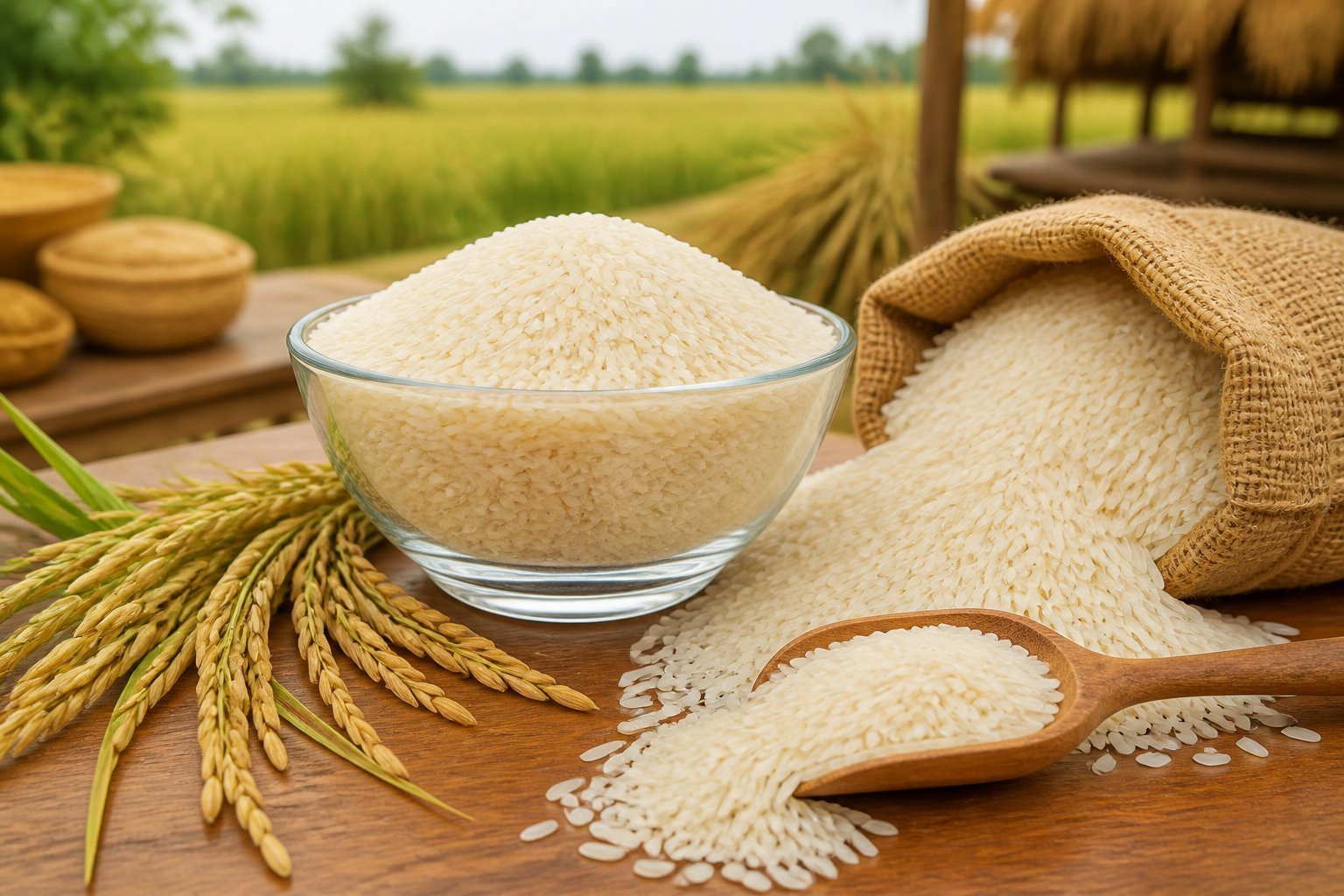
Buyers who want to understand IRRI-6 rice need to look at where it grows, how it is classified, and how it performs in the kitchen. These three factors shape its price, quality, and use across global markets.
Origin and Cultivation in Sindh, Pakistan
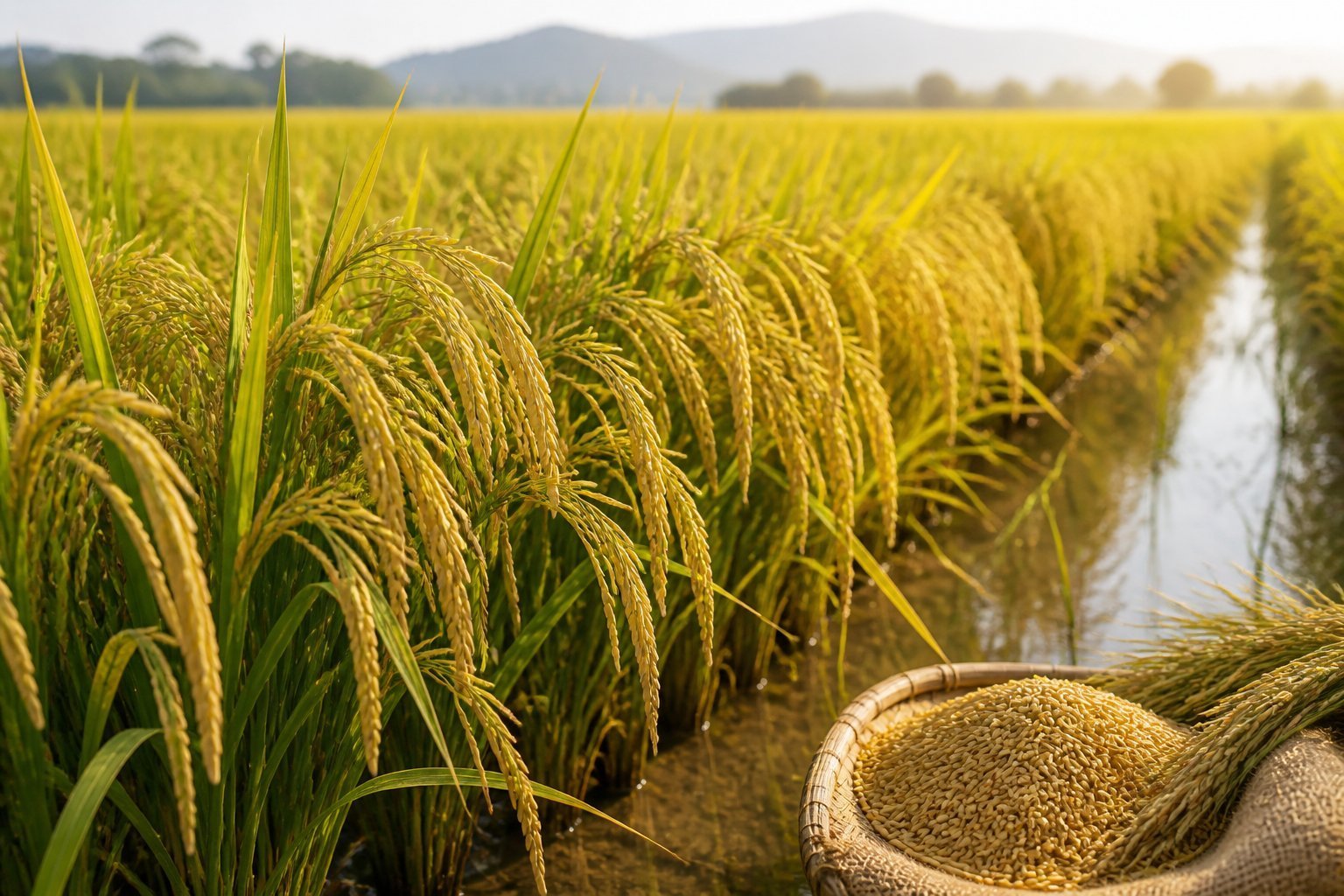
IRRI-6 rice grows mainly in the Sindh region of Pakistan. This area has fertile soil and a warm climate that suit the crop well.
Pakistan is known as a certified and reliable source of long-grain rice, and IRRI-6 makes up a large share of the country’s total rice exports. Farmers in Sindh have grown this variety for years, which has helped build steady supply chains and consistent quality.
Buyers who source Pakistani rice, including IRRI-6, can expect production that follows recognized food safety standards. This makes it easier for importers to trust the origin and quality of each shipment.
Non-Basmati Classification and Grain Characteristics
IRRI-6 falls into the non-basmati rice category. Unlike basmati, it does not have a strong aroma, but it makes up for this with practical qualities that many buyers value.
The grains are long and soft, with an average grain length of about 6.8 mm. This gives IRRI-6 a clean, elongated look that works well for bulk packaging and retail sale.
Key traits include:
- Grain shape: Long and slender
- Texture: Soft grains once cooked
- Color: Clean white appearance
- Milling yield: Strong output during processing
These features make IRRI-6 a solid choice for buyers who need dependable long-grain rice at a fair price point.
Cooking Performance and Commercial Applications
IRRI-6 cooks into soft, separate grains, which makes it a good match for many everyday meals. It holds up well in large batches, which is why it works so well in foodservice settings.
This rice variety fits into wholesale and bulk trade due to its low cost and steady supply. It is often used in mass catering, institutional kitchens, and retail packaging where cost control matters as much as quality.
Buyers who need volume and consistency, rather than a strong aroma, often choose IRRI-6 over other rice types. Its performance in cooking, paired with its pricing, makes it a practical option for markets that focus on value and reliable results.
Which IRRI-6 processing types are available?
Available processing types:
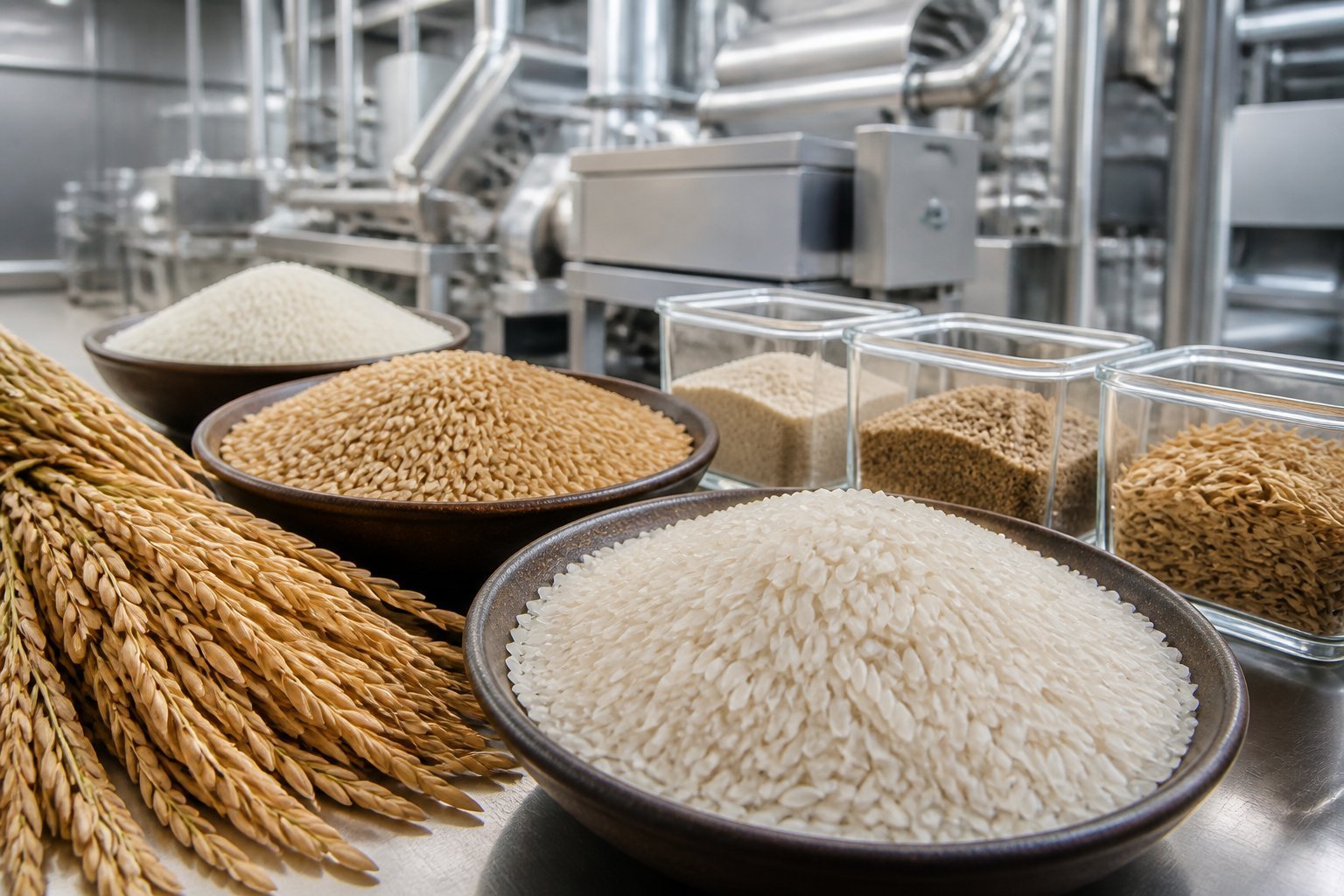
IRRI-6 rice is milled and processed in several forms to match different cooking needs and market demands. Buyers can choose from white rice, parboiled rice, steam rice, and brown rice, each offering a distinct texture and use.
White Rice
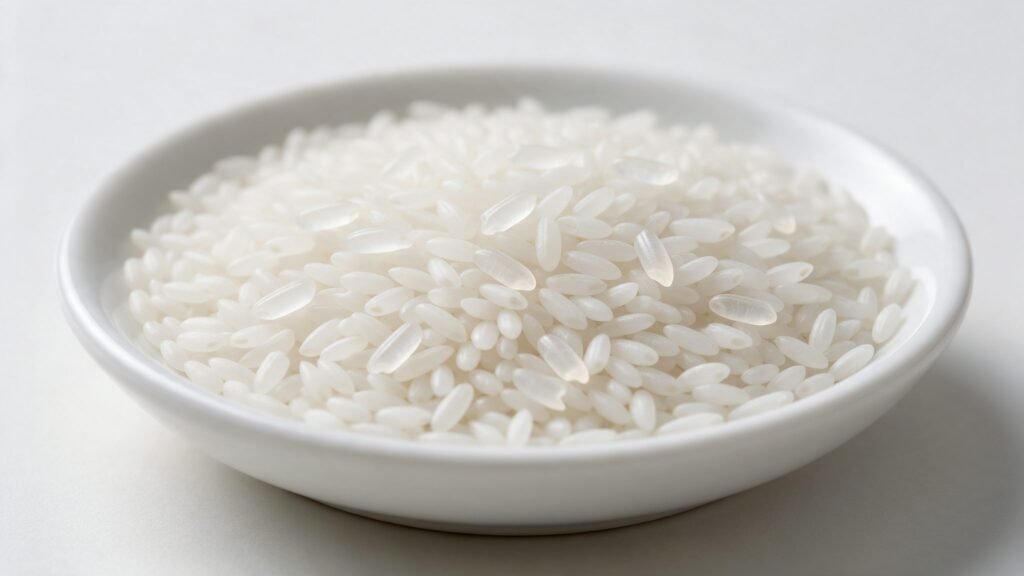
White rice is the most common form of IRRI-6 sold in global markets. Millers remove the husk and bran layers, leaving a polished, long grain white rice with a clean appearance and uniform grain length between 6.00 and 6.50 mm. This process gives IRRI-6 white rice a soft, slightly sticky texture once cooked, depending on the moisture level in the batch.
Standard grade white rice usually has a broken percentage of 5% or less, though higher broken percentages are also available for buyers with different budget needs. Pakistan produces large volumes of this grade each year, and rice sourced from certified Pakistani suppliers meets strict quality checks before export. This makes white rice a practical choice for households, restaurants, and food processing companies.
Parboiled and Sella Options
Parboiled rice, often called Sella rice, goes through a steaming and drying process before milling. This method pushes nutrients from the bran into the grain, which changes both the color and texture of the final product. Parboiled IRRI-6 grains often appear slightly golden and hold their shape well during cooking, making them less likely to break apart or turn mushy.
This processing type is popular in regions where firmer rice textures are preferred, including parts of the Middle East and Africa. It also has a longer shelf life compared to raw white rice, since the parboiling process reduces surface starch and moisture retention. Buyers looking for a rice type that performs well in high-heat cooking or repeated reheating often choose parboiled Sella rice for its consistency.
Steam Rice
Steam rice is another heat-treated option that uses pressurized steam to partially cook the rice before milling. This process helps strengthen the grain structure, which lowers breakage rates during milling and transport. The result is a grain that holds together well and cooks into a firmer texture compared to standard white rice.
Steam rice is often chosen by institutional buyers and food manufacturers who need consistent grain performance across large batches. Because the steaming process reduces stickiness, it works well in dishes that require separate, distinct grains, such as pilafs or fried rice preparations. This makes steam rice a practical option for both retail and industrial use.
Brown Rice
Brown rice is the least processed form of IRRI-6, since only the outer husk is removed while the bran layer stays intact. This gives the grain a light tan color and a firmer bite compared to white rice. Because the bran layer remains, brown rice retains more of its natural fiber and nutrient content.
This processing type appeals to buyers seeking a less refined rice option, often for health-focused or specialty markets. Cooking times are typically longer than white rice due to the intact bran layer. Suppliers sourcing from certified Pakistani rice mills can provide brown rice that meets international food safety and quality standards for export.
What grades and broken percentages define IRRI-6?
Grades, broken percentages, and specifications:
IRRI-6 rice is sold in five main broken grades, each suited to a different market and use. Buyers choose a grade based on price, appearance, and how the rice will be used, whether for retail packaging, food service, or industrial processing.
Premium 5% and 10% Broken Grades
5% broken rice and 10% broken rice are the top quality grades of IRRI-6. These grades have the fewest fractured grains and the most uniform look.
Buyers in East Africa and the Middle East often choose these grades for retail packaging. The grains cook evenly and hold their shape well, which matters for consumers who want a clean, whole-grain appearance on the plate.
Pakistan mills these grades under strict quality control, and the rice often carries certifications like ISO 9001:2015 and Halal approval. This makes it a reliable option for premium retail buyers who need consistent supply.
Because of the lower broken percentage, these grades are the most sought-after among IRRI-6 grades.
Standard 15% and 25% Broken Grades
15% broken rice and 25% broken rice fall in the middle of the pricing and quality range. These grades still cook well but contain more fractured grains than the premium options.
Food service operators and institutional buyers often pick these grades because they offer a good balance of cost and performance. Restaurants, catering companies, and government feeding programs use 25% broken rice for large batch cooking where uniform grain length matters less.
West Africa is a major destination for 25% broken IRRI-6, where it’s sold in bulk for wholesale distribution. Some suppliers also offer a “25% fan cleaned” version, which removes extra dust and small particles for a cleaner final product.
100% Broken Rice for Industrial and Bulk Uses
100% broken rice is fully fractured but still fit for human consumption in many markets. It is not animal feed in most cases, contrary to common assumption.
In West African countries like Senegal, Mauritania, and Sierra Leone, 100% broken rice is a daily staple food, often used in dishes like jollof rice. It’s also used in food processing, including rice flour, porridge, and baby cereal production.
Some buyers use lower-quality broken rice for animal feed, bird feed, or feed milling. This grade carries the lowest price point of all IRRI-6 grades, making it an economical choice for large-scale food production and industrial use.
Quality Parameters to Specify in Contracts
Import contracts should list clear specifications to avoid disputes at delivery. Key parameters include:
- Moisture content: typically capped at 13.5% max
- Grain length: average 6.00mm raw, expanding to 12mm or more when cooked
- Broken percentage: 5%, 10%, 15%, 25%, or 100%
- Foreign matter limits: stones, husks, or other debris
- Chalky kernel percentage: affects visual quality and cooking texture
- Processing type: white (raw), parboiled, or brown
Buyers should also confirm certifications relevant to their market, such as ISO 22000:2018, HACCP, Halal, or USFDA compliance. Pre-shipment inspection by firms like SGS, Bureau Veritas, or Intertek adds another layer of quality assurance before the rice leaves the port.
Specifying these details in writing helps protect buyers during the import process and ensures the rice received matches what was ordered.
How do you select the right IRRI-6 grade for the region demand?
Selecting the right grade for the region demand:
buyers work with different rice grades depending on where the rice ends up. Retail shelves, hotel kitchens, and food factories each need a different mix of grain length, broken percentage, and price.
Retail, Wholesale, and Private-Label Requirements
Retail buyers in the region look for consistent quality that matches what shoppers expect bag after bag. IRRI-6 fits this need well because it is a dependable, uniform grain that Pakistani mills have produced for decades.
Private-label brands often ask for tighter specs than standard wholesale orders. This includes lower broken percentages, controlled moisture, and clear labeling of crop year.
Wholesale buyers, on the other hand, usually prioritize price and steady supply over cosmetic grain appearance. For both groups, Pakistan’s rice sector gives buyers confidence because shipments meet ISO 9001:2015, ISO 22000:2018, HACCP, Halal, and USFDA standards. This makes it easier for importers to sell into retail chains that require documented food safety compliance.
Foodservice, Catering, and Institutional Supply
Foodservice and catering buyers care most about consistency across large orders. Hotels, restaurants, and catering companies need rice that cooks the same way every time, since inconsistent texture affects menu quality.
Institutional buyers, including government programs and large-scale catering contracts, often set strict specs in advance. These usually list broken percentage, moisture limits, and sortex requirements.
Long grain white rice, including IRRI-6, works well in these settings because it holds up during bulk cooking and reheating. Since certified quality matters for contract compliance, Pakistani rice suppliers that carry HACCP and ISO certifications have an advantage when bidding on institutional tenders.
Industrial Processing and Value-Oriented Segments
Industrial buyers, such as food processors and packaged goods manufacturers, focus on cost efficiency and functional performance rather than appearance. These buyers often use rice grades with higher broken percentages since price matters more than cosmetic grain length.
This segment includes parboiling operations, snack food producers, and companies blending rice into prepared meal products. For these uses, IRRI-6 remains one of the best selling Pakistani rice options because it offers a strong balance of cost and reliability.
Buyers sourcing for this segment benefit from working with suppliers experienced in the export market, since consistent sourcing reduces processing disruptions. Clear grading standards also help processors plan production runs without unexpected quality shifts between shipments.
How is IRRI-6 quality assured before shipment?
Quality assurance and pre-shipment controls:
IRRI-6 white rice goes through several checks before it leaves the mill. These checks confirm grain size, cleanliness, and moisture levels before export.
Milling, Polishing, and Color Sorting
Milling removes the husk and bran layers from the raw paddy. This step turns rough rice into the polished white grain that buyers expect.
After milling, the rice moves through polishing machines. These machines smooth the surface of each grain and remove leftover bran dust.
Color sorters then scan the grains using optical sensors. This equipment pulls out discolored, yellow, or damaged kernels that do not meet export standards.
A rice exporter working with Pakistani-origin IRRI-6 typically runs the grain through multiple passes of these machines. This process keeps the final product consistent in color and texture across the full shipment.
Pakistan has built a strong reputation as a certified, reliable origin for milled rice. Mills that follow ISO 9001:2015 and ISO 22000:2018 standards apply these steps in a structured way, which supports steady quality across large orders.
Moisture, Foreign Matter, and Damaged Grain Limits
Moisture content is one of the most closely watched numbers in rice export. High moisture can lead to mold growth or spoilage during long sea voyages.
Export-grade non-basmati rice, including IRRI-6, generally needs a moisture content of 14.0% or below. This limit protects the grain during storage and transport.
Other limits apply too. These are common thresholds for non-basmati rice grades:
- Foreign matter: 0.1% max
- Damaged or discolored kernels: 3% max
- Chalky kernels: 5% max
- Paddy grains: 0.2% max
These numbers come from standard rice grading checklists used in pre-shipment inspection. Buyers use these limits to compare offers from different suppliers and confirm the rice matches contract terms.
Independent Inspection and Export Documentation
Most rice export contracts call for an outside inspection before loading. Agencies such as SGS, Bureau Veritas, and Intertek carry out this work at the mill or port.
Inspectors draw samples straight from packed bags. They test grain length, moisture, broken percentage, and other factors against the buyer’s contract terms.
At Port Qasim and Karachi Port, these checks happen before containers are sealed for shipping. This gives buyers proof of quality before the rice ever leaves Pakistan.
The final documents matter as much as the inspection itself. A pre-shipment certificate lists test results, container and seal numbers, and photos of the loaded goods.
Buyers also look for HACCP, Halal, and USFDA certification alongside this inspection paperwork. Together, these records give importers, including firms sourcing rice for import markets, a clear paper trail from mill to port.
How do FOB terms and landed cost work for IRRI-6?
Pricing terms and landed-cost planning:
Buyers need to understand FOB terms, the factors that shape an export offer, and the trade-offs between container and bulk-vessel orders before committing. Getting these right helps importers plan their landed cost with confidence.
Understanding FOB terms
FOB, or Free on Board, means the offer covers the rice up to the point it is loaded onto the vessel at the port of origin — for IRRI-6, typically Karachi or Port Qasim. Once the goods are on board, risk shifts from seller to buyer. FOB does not include ocean freight, insurance, or destination charges, so buyers on FOB terms arrange their own shipping line and cargo insurance. It works best for importers with established freight relationships who want control over carrier choice.
Factors that shape an export offer
Milling quality, broken percentage, and moisture content all shape an IRRI-6 offer. Freight is a major variable too — bunker fuel surcharges, container availability, and shipping-line schedules move week to week. Order size matters, since exporters structure offers differently depending on whether an order meets minimum container thresholds.
Other factors include:
- Packaging — 25 kg or 50 kg PP bags, or custom packaging
- Inspection — third-party inspection from agencies such as SGS, Bureau Veritas, or Intertek
- Payment method — letter of credit versus telegraphic transfer
- Certification — ISO 9001:2015, ISO 22000:2018, HACCP, Halal, and USFDA compliance
Because these variables shift often, most confirmed offers stay valid for only a short window — sometimes as little as 48 hours.
Comparing container and bulk-vessel purchases
Containers suit smaller or mid-size orders and offer more flexibility on destination ports. Standard practice sets minimum order quantities at two 20-foot containers for basmati (roughly 54 metric tons) and five 20-foot containers for non-basmati varieties like IRRI-6 (roughly 135 metric tons).
Bulk-vessel purchases suit buyers who need much larger volumes, often several thousand metric tons in a single shipment. This method improves freight efficiency but requires more storage capacity and handling infrastructure at the destination port.
Importers sourcing from Pakistan, a certified and reliable origin for non-basmati rice, should weigh storage capacity, distribution needs, and order frequency when choosing between these methods.
How should buyers evaluate IRRI-6 suppliers?
Supplier evaluation and order execution:
Buying IRRI-6 rice in bulk requires careful checks on the supplier, clear packaging standards, and firm contract terms. Each step protects the buyer from delays, quality issues, and payment risks.
Assessing a Pakistan Rice Supplier
A reliable Pakistan rice supplier should show proof of certification and export history. Buyers should ask for documents like ISO 9001:2015, ISO 22000:2018, HACCP, and Halal certification. These standards confirm that the pakistani rice meets food safety and quality rules used around the world.
Buyers should also check if the supplier has USFDA approval, since this shows the mill follows strict processing rules. A trusted rice exporter will offer sample lots before large orders. This lets the buyer test grain size, broken ratio, and moisture content firsthand.
Companies like TEFT Global, which imports and distributes Pakistani rice across the Gulf, often work only with mills that meet these certification levels. This ensures pakistan rice sold to import markets stays consistent in quality and safety.
Packaging, Labeling, and Container Preparation
Packaging must match the buyer’s market and shipping method. Common options include:
- Retail bags: 1 kg to 10 kg, often made of laminated plastic or cotton
- Commercial bags: 20 kg to 50 kg, made of jute or woven polypropylene
- Bulk export sacks: 800 kg to 1,000 kg, used for container loads
Labels should list grain type, broken percentage, moisture level, and country of origin. This information is required by most import authorities. For rice export shipments, buyers should confirm that packaging is moisture-resistant and suited for long sea transport.
Container preparation also matters. Containers must be clean, dry, and free of pests before loading. Fumigation certificates are often required, especially for shipments heading to Gulf or African ports.
Payment Terms, Lead Times, and Contract Essentials
Most pakistan rice trade deals use standard payment tools like letters of credit, bank comfort letters, or advance payment for smaller orders. Contracts should clearly state the broken ratio, grain length, moisture limit, and total quantity. This avoids disputes once the shipment arrives.
Lead times depend on harvest season and port congestion, but buyers should expect four to eight weeks for full container loads. A written contract should also cover:
- Delivery terms (FOB, CIF, or CFR)
- Inspection rights before loading
- Penalty clauses for late delivery
- Quality claims process after arrival
Buyers working with an established rice exporter reduce risk by confirming these terms in writing before payment is released.
Which export markets and the region factors matter for IRRI-6?
Export markets and the region sourcing considerations:
IRRI-6 rice moves through a wide export market that spans the Middle East, Africa, and parts of Asia. Buyers in these regions look for steady supply, fair pricing, and rice that meets clear quality standards.
Regional Demand Across the Middle East
The region is one of the largest buyers of Pakistani long grain rice. Countries like Saudi Arabia, the UAE, and Qatar import large volumes of IRRI-6 rice each year for retail, food service, and government supply programs.
Demand stays strong because IRRI-6 rice offers a good balance of price and quality. It cooks well, holds its shape, and works for many types of meals served across the region.
Buyers in the region often ask for specific certifications before placing orders. Rice that meets ISO 9001:2015, ISO 22000:2018, HACCP, Halal, and USFDA standards tends to move through customs and procurement checks faster. This makes Pakistani IRRI-6 long grain rice a practical choice for importers who need reliable, well-documented shipments.
Key African and Asian Trade Destinations
Outside the Gulf, IRRI-6 rice also reaches buyers in West Africa, East Africa, and parts of Asia. These markets value the rice for its affordability and its ability to feed large populations at a steady cost.
Export data shows that Pakistan competes alongside India and Vietnam in these regions, though each country plays a different role in the global rice trade. Recent trade activity shows growing shipment records for Irri rice across multiple destinations, reflecting steady buyer interest.
Some exporters describe IRRI-6 as one of the best selling Pakistani rice varieties due to its price point and consistent grain size. This reputation helps it stay competitive in price-sensitive markets.
Building Consistent Long-Term Supply Programs
importers often prioritize suppliers who can commit to long-term, consistent supply. This means steady grain quality, predictable delivery timelines, and clear documentation for every shipment.
Working with certified suppliers reduces risk for buyers who manage large-scale procurement. Rice that meets internationally recognized certification standards helps importers avoid delays tied to compliance issues.
Long-term programs also depend on stable sourcing from trusted growing regions. Pakistan remains a steady origin point for rice export activity, offering buyers a dependable supply chain for IRRI-6 and other varieties.
Private label and custom packaging options can also support long-term partnerships, especially for retailers and food service groups that need consistent branding across multiple shipments.
Source IRRI-6 rice for your market
Get buyer-specific specifications, certifications, and supply options matched to your market.
What do buyers ask most about IRRI-6 rice?
Frequently asked questions:
IRRI-6 rice is one of the most widely traded non-basmati varieties in the world, and buyers often have practical questions about its grain quality, origin, and storage needs. The answers below cover the details that matter most for importers, distributors, and food businesses working with this variety.
What are the main characteristics of this rice variety?
IRRI-6 is a long-grain, non-basmati white rice known for its firm texture and high yield. It is prized for its affordability and consistent quality across large shipment volumes.
This variety cooks into separate, fluffy grains rather than clumping together. That quality makes it a dependable choice for bulk food service and retail packaging.
How does it differ from other long-grain rice varieties?
Unlike basmati rice, IRRI-6 does not have a strong aroma or the same extra-long grain shape. It is Pakistan’s most widely traded non-basmati long grain rice variety, which sets it apart from aromatic rice types grown in other regions.
IRRI-6 also tends to cost less than basmati rice, since it is grown and processed for high-volume markets rather than specialty use. This makes it a practical option for buyers who need reliable supply at a lower price point.
What is the typical grain length and texture after cooking?
IRRI-6 has a medium to long grain that stays firm and holds its shape well during cooking. The grains do not become mushy, which makes the rice suitable for dishes that need distinct, separate grains.
Its soft, elongated shape combined with excellent cooking qualities has helped it become one of the most popular export varieties from Pakistan. Buyers can expect consistent texture across different broken rice grades, though full-grain batches offer the most uniform results.
Which countries commonly grow and export this rice?
IRRI-6 is grown mainly in Pakistan, particularly in the Punjab and Sindh provinces. It is Pakistan’s highest-volume export rice variety by tonnage, with millions of metric tons shipped each year.
Pakistan has built a strong reputation as a certified and reliable source for this variety, supported by established export infrastructure and quality control systems. The rice is shipped in large quantities to buyers across Africa, the Middle East, and parts of Asia, where it serves as a staple grain for both retail and industrial use.
What are the available quality grades and broken rice percentages?
IRRI-6 is sold in several broken rice percentages to match different buyer needs and price points. Common ratios include 5%, 10%, 15%, 20%, 25%, and 100% broken, giving buyers flexibility depending on their intended use.
Lower broken percentages are generally used for retail packaging, while higher broken percentages are often used for bulk food processing or value markets. The rice is also available in both white and parboiled forms.
How should this rice be stored to maintain its quality?
IRRI-6 should be stored in a cool, dry place away from direct sunlight and moisture. Humidity and heat can cause the grains to lose quality or attract pests over time.
Rice should be kept in sealed, breathable packaging to prevent moisture buildup while still allowing airflow. Proper warehouse conditions, including pest control and temperature regulation, are especially important for large-scale storage before distribution to international markets.