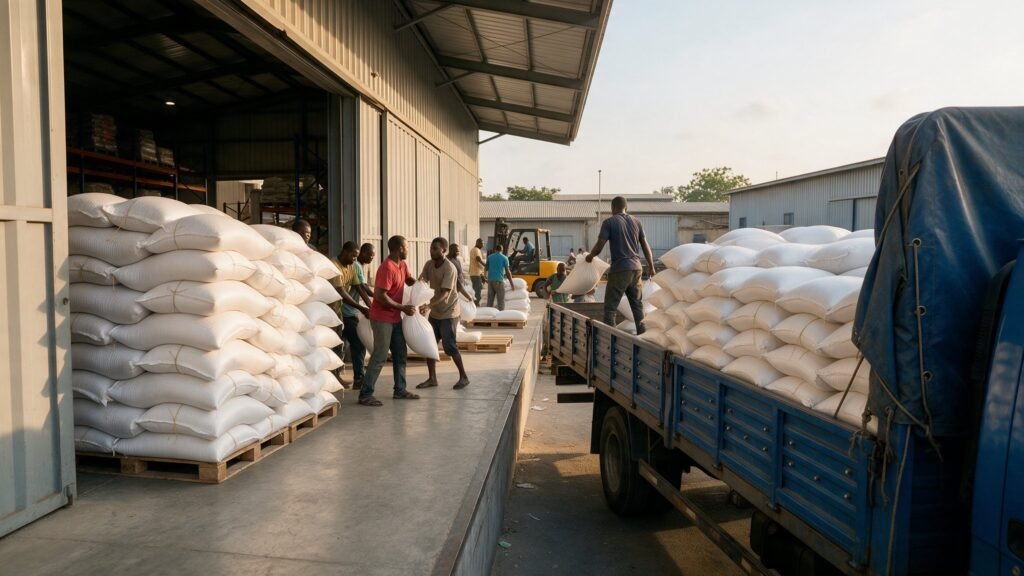
Jasmine rice imports into the GCC region represent a critical component of food security and trade strategy for buyers across Saudi Arabia, the UAE, Oman, Qatar, Kuwait, and Bahrain. The GCC rice market consumed approximately 3 million tons in 2024, with jasmine rice accounting for a significant portion of imports as the region relies almost entirely on external suppliers after local production collapsed by 99.8%. Procurement professionals face increasing complexity in sourcing high-quality jasmine rice that meets stringent Halal, ISO 22000:2018, and HACCP certification requirements while navigating supply chain dynamics across multiple origin countries.
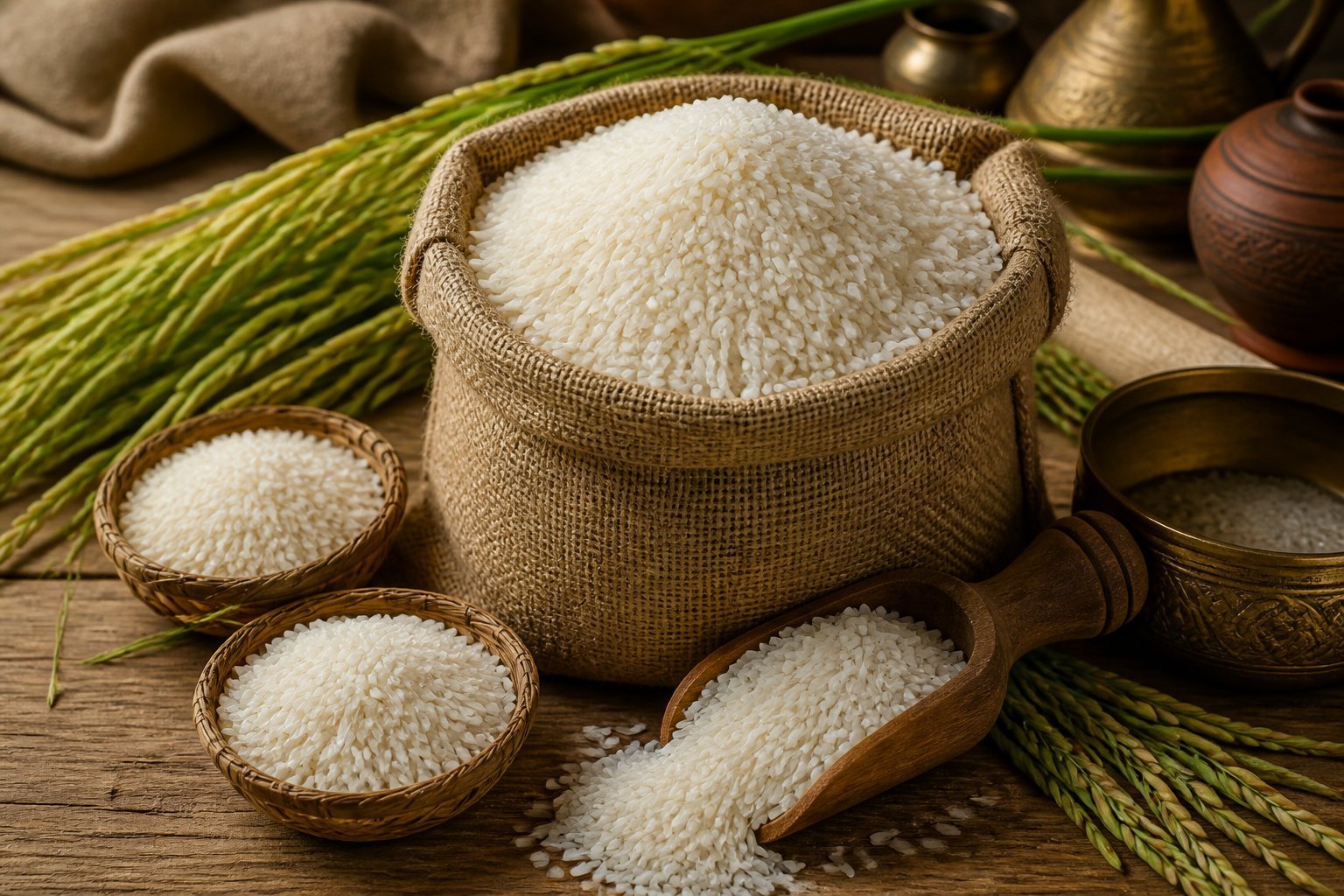
The jasmine rice trade into GCC markets operates within a tightly structured distribution network where certified suppliers from Pakistan, Thailand, Vietnam, and India compete on quality, pricing, and compliance standards. GCC rice imports skewed toward premium grades in 2024, reflecting demand for grades that satisfy both retail and food service applications. Importers increasingly prioritize suppliers who can demonstrate ISO 9001:2015 certification and USFDA approval alongside competitive commercial terms.
Understanding regional consumption patterns, product specifications, and emerging sustainability requirements enables procurement teams to make informed sourcing decisions in a market projected to reach 3.3 million tons by 2035. The UAE leads regional exports with 96% market share while per capita consumption remains highest in Oman, Qatar, and the UAE at 69 to 71 kg per person annually.
Key Takeaways
- GCC imports 3.2 million tons of rice annually with jasmine varieties meeting Halal and ISO certification standards preferred by buyers
- Pakistan, Thailand, and Vietnam supply certified jasmine rice through established distribution networks targeting Saudi Arabia and UAE markets
- The regional rice market will grow to 3.3 million tons by 2035 driven by population growth and stable per capita consumption patterns
Where Does GCC Jasmine Rice Come From?

Thailand and Pakistan dominate jasmine rice production for GCC markets, with each country offering distinct varieties that meet regional demand for premium aromatic rice. These producing nations utilize established trade routes through key ports and re-export hubs to supply retailers and distributors across the Gulf states.
Major Producing Countries and Varieties
Thailand produces the most recognized jasmine rice variety globally, known as Thai Hom Mali or Thai fragrant rice. This premium rice variety grows primarily in northeastern Thailand and carries Protected Geographical Indication status. Thai Hom Mali rice features long grains with a distinctive floral aroma and soft texture when cooked.
Pakistan supplies certified jasmine rice varieties that meet international quality standards including ISO 9001:2015, ISO 22000:2018, HACCP, Halal, and USFDA certifications. Pakistani rice exporters focus on premium rice varieties that cater to GCC market preferences for aromatic long-grain rice.
Both countries maintain large-scale production systems with advanced milling facilities. Their rice export industries follow strict quality control measures to preserve grain integrity during processing and packaging.
Export Pathways Into GCC Markets
Rice exporters ship jasmine rice varieties to GCC countries through direct and indirect channels. The UAE serves as a strategic re-export hub for jasmine rice distribution throughout the region.
Primary entry points include:
- Jebel Ali Port in Dubai for re-export operations
- King Abdulaziz Port in Dammam for Saudi Arabia
- Hamad Port in Qatar for direct imports
Dubai enables smooth distribution of jasmine rice to markets across Africa, the GCC, Europe, and South Asia through its established logistics network. Importers consolidate shipments at these ports before distributing to supermarkets, retail stores, and foodservice channels.
Saudi Arabia represents the largest single consumer market in the GCC for premium Thai jasmine rice and Pakistani varieties. Rice reaches end consumers through both traditional wholesale markets and modern retail chains across all six Gulf states.
How Is Jasmine Rice Distributed Across the GCC?
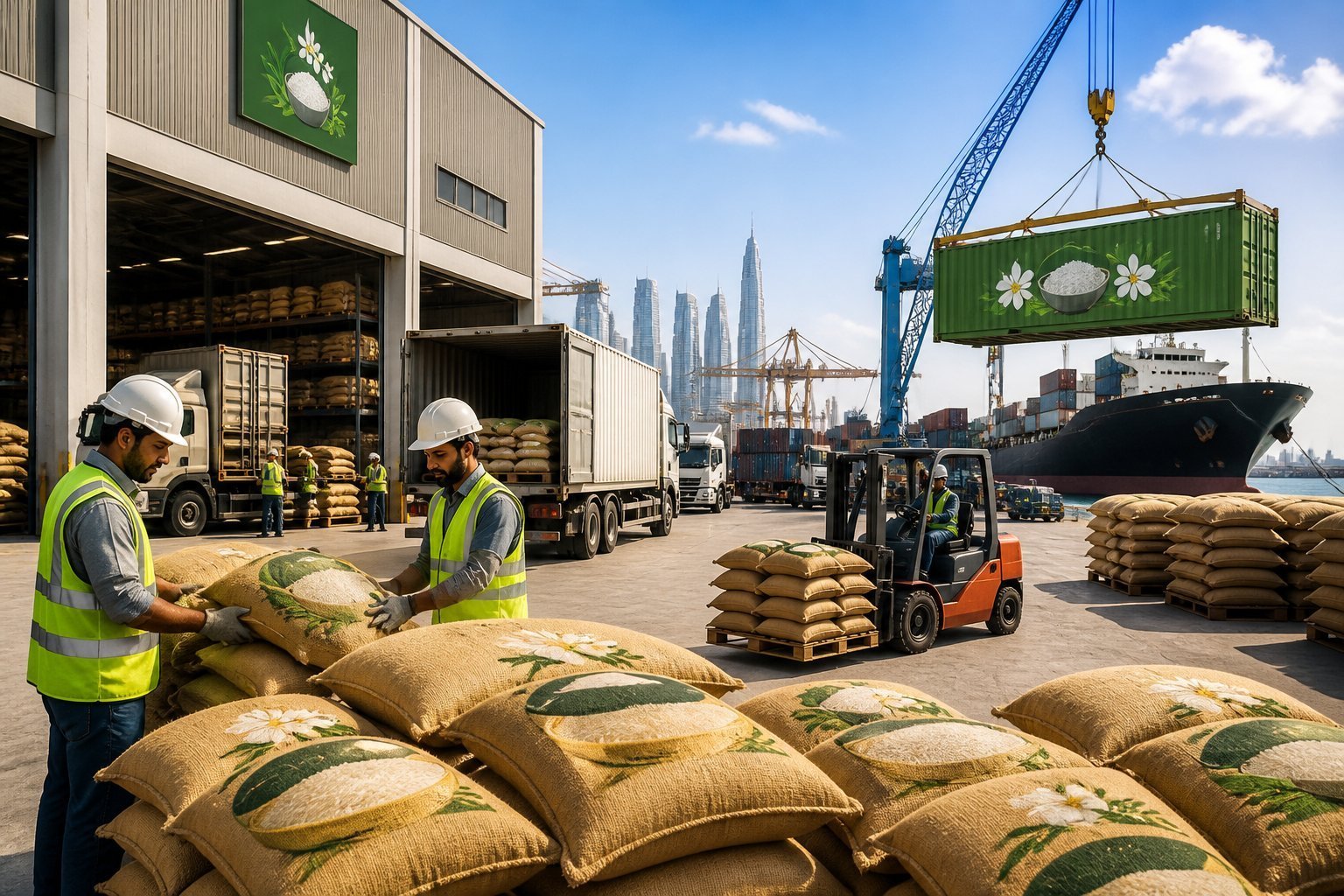
The jasmine rice supply chain in the GCC relies on established import channels and quality-assured logistics networks. Distribution involves certified suppliers maintaining cold storage protocols and documentation standards across multiple market entry points.
Key Distributors and Brand Profiles
The jasmine segment is served by large Southeast Asian and Chinese producers alongside regional GCC distributors. Suppliers compete across grade specifications, with 5% broken representing a common premium tier in wholesale channels.Major Asian rice exporters serve the GCC market through regional partnerships and direct distribution arrangements.
Long-established international brands hold premium positioning through decades of consistent quality and wide retail distribution, commanding higher price points across GCC supermarkets and hypermarkets.
Pakistan serves as a certified origin for premium rice varieties meeting ISO 9001:2015, ISO 22000:2018, HACCP, Halal, and USFDA standards. Rice exporters targeting GCC markets prioritize documentation compliance and varietal authenticity to meet import regulations across Gulf states.
Premium jasmine rice requires upstream segregation and testing protocols to maintain aroma integrity throughout the distribution chain.
Packaging, Logistics, and Quality Assurance
The jasmine rice market distributes products through supermarkets, retail stores, online grocery platforms, and foodservice channels. Each channel demands different packaging formats ranging from bulk 25-50 kg bags for foodservice to retail-ready 1-5 kg consumer packs.
Moisture control represents both a quality specification and logistics variable throughout transit. Container condensation during ocean shipping creates predictable failure modes requiring liners, desiccants, and proper stuffing discipline to prevent quality degradation.
Premium rice products demand tighter handling protocols including temperature monitoring and rotation systems. Quality assurance extends beyond certificates of analysis to include phytosanitary documentation, residue testing, and varietal authentication procedures that protect brand integrity in competitive retail environments.
What Are the Jasmine Rice Market Trends in the GCC?
The GCC region demonstrates growing demand for premium aromatic rice varieties, with import volumes rising steadily across member states. Market dynamics reflect both regional consumption preferences and international supply chain developments.
Import Volumes and Market Share in GCC
The GCC countries import substantial quantities of jasmine rice to meet domestic demand, as local production remains limited. Saudi Arabia, the UAE, and Qatar account for the majority of regional jasmine rice imports. The global jasmine rice market shows increasing trade activity with GCC nations.
Thailand maintains a dominant position in jasmine rice exports to the region, though certified suppliers from Pakistan have expanded their market presence through quality certifications. Premium jasmine rice imports meet strict food safety standards including ISO 22000:2018, HACCP, and Halal certification requirements.
Key Import Characteristics:
- Premium white jasmine rice comprises approximately 70-75% of total aromatic rice imports
- Organic and specialty varieties represent growing segments
- Per capita consumption in GCC states exceeds global averages
Growth Drivers and Restraints
Rising consumer preference for premium aromatic rice drives jasmine rice demand across GCC markets. The expanding expatriate population, particularly from Asian countries, creates consistent demand for authentic rice varieties. Foodservice establishments and hotels increasingly stock premium jasmine rice to meet diverse culinary requirements.
Premium pricing compared to standard rice varieties limits adoption among price-sensitive consumer segments. Supply chain disruptions and logistics challenges affect import consistency. Climate-related production uncertainties in major exporting countries create periodic availability concerns.
The shift toward organic and sustainably sourced products presents opportunities for certified suppliers. Retail expansion through modern supermarkets and online grocery platforms improves product accessibility throughout the region.
Who Buys Jasmine Rice in the GCC and Why?
GCC consumers show strong preferences for aromatic rice varieties including jasmine rice across both retail and foodservice channels. These fragrant rice types are valued for their distinctive aroma and cooking qualities that complement regional cuisines.
Foodservice and Retail Segments
The foodservice sector drives significant jasmine rice consumption in the GCC, with hotels, restaurants, and catering operations purchasing bulk quantities for diverse menu applications. White jasmine rice remains the dominant choice due to its versatility and appeal to international guests. Retail channels serve household consumers who purchase jasmine rice in various package sizes, from small bags for occasional use to larger formats for regular family consumption.
Pakistani rice suppliers provide certified jasmine rice products that meet ISO 22000:2018, HACCP, and Halal standards required by GCC foodservice operators and retailers. Brown jasmine rice is gaining traction among health-conscious consumers who seek whole grain alternatives with higher fiber content. Retail pack formats have evolved to include resealable bags and premium vacuum-sealed options that preserve freshness and aroma.
Culinary Uses and Value Addition
Steamed rice preparation showcases jasmine rice’s naturally fragrant qualities, making it suitable for pairing with grilled meats, seafood, and vegetable dishes popular in GCC dining. Thai rice traditions influence cooking methods, though jasmine rice adapts well to Arabic and international recipes. The slightly sticky texture when cooked makes it ideal for rice bowls, stir-fries, and side dishes.
Value-added rice products include pre-cooked pouches, rice flour for gluten-free baking, and specialty blends that cater to convenience-focused consumers. Pakistani suppliers offer jasmine rice sourced under ISO 9001:2015 and USFDA certification standards, ensuring consistent quality for product manufacturers. Foodservice operators increasingly use jasmine rice in fusion dishes that blend Asian flavors with regional preferences, expanding its culinary applications beyond traditional Asian cuisine.
What Are the Grades and Specifications of Jasmine Rice?
Jasmine rice enters GCC markets in multiple forms, each meeting strict quality standards for grain integrity, moisture content, and certification compliance. Long-grain rice varieties are categorized by processing method and broken grain percentage, with specifications tailored to commercial and retail applications.
White, Brown, and Broken Jasmine Rice
White jasmine rice represents the most common form, consisting of milled and polished long-grain kernels that have been cleaned and color sorted. This processing removes the bran and germ layers, leaving the starchy endosperm.
Brown jasmine rice retains the bran layer, offering higher fiber content than white varieties. The additional processing steps required for white rice increase production costs but extend shelf life and create the softer texture preferred in most GCC cuisines.
Jasmine rice 5% broken refers to premium-grade product where no more than 5% of kernels are damaged during milling. Lower broken percentages command higher prices. Standard grades include:
- Premium: 5% broken maximum
- Standard: 10-15% broken
- Economy: 25% broken or higher
Broken rice fragments are suitable for rice flour production or processed food applications. Pakistani suppliers provide certified jasmine rice varieties across all broken percentage categories for GCC distribution networks.
Product Quality and Certification Standards
GCC standardization regulations establish mandatory requirements for rice kernels sold in member states, covering brown rice, white rice, enriched and parboiled varieties for direct human consumption. All shipments require documentation proving compliance with moisture limits, foreign matter restrictions, and grain uniformity specifications.
ISO 9001:2015 and ISO 22000:2018 certifications verify quality management and food safety protocols throughout the supply chain. HACCP certification demonstrates hazard analysis controls during processing and packaging.
Halal certification remains mandatory for GCC markets, with SFDA-compliant documentation required for Saudi Arabia specifically. USFDA certification provides additional quality assurance for international standards compliance.
Pakistani rice suppliers maintain these certifications to serve GCC importers requiring full traceability and regulatory documentation for customs clearance and retail distribution.
Who Are the Main Jasmine Rice Suppliers to the GCC?
The jasmine rice supply chain serving the GCC region involves a network of Asian producers, international trading companies, and regional distributors who ensure consistent availability of this aromatic grain. Major companies like Tilda and Royal Umbrella dominate through strong brand recognition, while regional importers connect certified suppliers with retail and foodservice channels.
Leading Producers and Exporters
Thailand remains the primary source of authentic Thai Hom Mali rice, the traditional jasmine variety prized for its fragrance and texture. Vietnam has expanded its jasmine rice exports significantly, offering competitive pricing while maintaining quality standards.
China-based companies including COFCO, Wilmar, Fu Tai Long, Zhong Lv Bai Chuan, Jing Chu Da Di, Tai Liang, Hu Bei Jing Chu Liang You, Jin Jian, and Wan Nian Gong participate in regional rice trade through processing and distribution networks. Pakistan supplies certified basmati and aromatic rice varieties to the GCC through specialized importers who maintain ISO 9001:2015, ISO 22000:2018, HACCP, Halal, and USFDA certification standards.
The jasmine rice market exhibits a fragmented structure with diverse regional producers and global players operating across different market segments. Export volumes fluctuate based on harvest yields, government policies, and trade agreements between GCC nations and producing countries.
Brand Positioning in the GCC
Royal Umbrella and Tilda have established premium positioning through decades of consistent quality and widespread retail distribution. These brands command higher price points in supermarkets and hypermarkets across Saudi Arabia, UAE, Kuwait, Qatar, Bahrain, and Oman.
Private-label jasmine rice products from major supermarket chains have made premium varieties accessible to mainstream consumers at competitive prices. Regional distributors focus on authentic sourcing, packaging customization, and direct relationships with foodservice operators including hotels and restaurants.
Thai, Vietnamese, and Southeast Asian restaurants in major GCC cities create sustained demand for specific jasmine rice varieties that meet their culinary requirements. Brand loyalty depends on grain consistency, aroma retention, cooking performance, and certification compliance that assures buyers of food safety standards.
How Is Jasmine Rice Sourcing Becoming More Sustainable?
Jasmine rice suppliers in the GCC are adopting sustainable farming methods and certifications while leveraging technology to meet demand from health-conscious consumers seeking transparency and quality.
Sustainable Farming and Certification
Major jasmine rice suppliers serving GCC markets now prioritize sustainable sourcing through certified agricultural practices. Pakistan-origin jasmine rice meets international standards including ISO 9001:2015, ISO 22000:2018, HACCP, Halal, and USFDA certifications, ensuring traceability and food safety.
Unilever’s jasmine rice project in Thailand demonstrates industry-wide commitment to regenerative agriculture. Farmers participating in such programs have reduced fertilizer use by 30-40% through soil testing while cutting input costs and improving yields. These practices enhance soil health and reduce carbon emissions.
Thailand’s climate-smart rice initiative aims to help over 253,000 farmers adopt sustainable practices and reduce emissions by 2.44 million tonnes of CO₂ by 2028. Health-conscious consumers increasingly seek organic and sustainably grown jasmine rice varieties that minimize chemical inputs while supporting farmer livelihoods.
Product Development and Precision Farming
Precision farming technologies are transforming jasmine rice production for GCC markets. Suppliers use soil analysis, water management systems, and data-driven crop monitoring to optimize yields while reducing environmental impact.
Product innovation focuses on developing organic, aromatic, and specialty jasmine rice variants that appeal to diverse consumer preferences. These premium offerings maintain quality standards while addressing sustainability concerns through reduced pesticide use and improved farming techniques.
Distributors sourcing from certified origins like Pakistan benefit from established quality frameworks that ensure consistent product specifications. Advanced processing facilities equipped with modern milling and sorting equipment deliver jasmine rice that meets strict international food safety requirements while preserving grain integrity and aroma.
What Is the Outlook for Jasmine Rice in the GCC?
The GCC jasmine rice market presents significant growth potential driven by rising consumer demand for premium rice varieties and expanding food service sectors. Pakistan emerges as a certified, reliable supplier meeting international quality standards for the region.
Forecasted Demand and Emerging Opportunities
The jasmine rice market is experiencing steady growth as GCC consumers increasingly seek aromatic rice varieties for both household and commercial applications. Population growth across Gulf nations, coupled with rising expatriate communities familiar with Asian cuisine, drives consistent demand expansion.
Premium rice varieties are gaining traction in the region’s retail and food service channels. Hotels, restaurants, and catering operations require consistent supplies of certified jasmine rice that meet stringent food safety requirements. Pakistani suppliers offer products certified to ISO 9001:2015, ISO 22000:2018, HACCP, Halal, and USFDA standards.
The organic jasmine rice segment presents particular opportunity, with sustainable farming practices gaining traction among producers. Health-conscious consumers in UAE, Saudi Arabia, and Qatar actively seek rice options with lower glycemic index values and higher nutritional profiles.
E-commerce platforms are expanding access to specialty rice products throughout the GCC, enabling direct-to-consumer channels that complement traditional wholesale distribution.
Guidance for Importers and Procurement Managers
Procurement teams should prioritize suppliers with comprehensive certification portfolios and proven export track records. Pakistan offers certified jasmine rice that aligns with GCC import requirements and consumer preferences for quality.
Importers benefit from establishing long-term supply agreements that ensure price stability and consistent product availability. Fluctuations in production due to weather patterns can impact supply chains, making reliable sourcing partnerships essential.
Key procurement considerations include:
- Verification of ISO, HACCP, and Halal certifications
- Packaging options suitable for retail and food service applications
- Lead times and shipping logistics from origin to GCC ports
- Storage capacity requirements based on demand forecasts
Buyers should conduct regular jasmine rice market analysis to identify pricing trends and adjust inventory levels accordingly. Building relationships with multiple certified suppliers from Pakistan and other origins provides supply chain resilience without creating unnecessary competition between sources.
Quality testing protocols should verify grain length, aroma intensity, and absence of contaminants upon each shipment arrival.
Frequently Asked Questions
Shoppers across GCC markets often seek guidance on selecting quality jasmine rice, proper cooking techniques, and storage solutions suited to the region’s climate. Understanding brand availability, pricing factors, and authenticity verification helps consumers make informed purchasing decisions.
Which jasmine rice brands are most widely available across GCC supermarkets and online stores?
Major supermarket chains across the GCC stock several established jasmine rice brands. Thai imports dominate many shelves, while Pakistani jasmine rice varieties have gained market presence through certified distributors.
Online platforms including Carrefour, Lulu Hypermarket, and Noon offer broader selection than physical stores. Many shoppers find specialty food importers provide access to premium grades not available in standard retail outlets. Regional distributors often carry multiple origin options to meet diverse consumer preferences.
How do I choose between Thai jasmine rice and other aromatic long-grain rice varieties for everyday cooking?
Jasmine rice stands out for its natural floral aroma and slightly sticky texture when cooked. The grain length and cooking characteristics differ from basmati, which produces drier, more separated grains. Pakistani jasmine varieties offer similar aromatic qualities with regional growing conditions that produce distinct flavor profiles.
Everyday cooking needs determine the best choice. Jasmine rice pairs well with curries, stir-fries, and dishes requiring mild sweetness. Cost-conscious households may compare price per kilogram across origins while maintaining quality standards.
Certified rice suppliers ensure their products meet ISO 22000:2018 and HACCP food safety standards regardless of origin. Quality jasmine rice should have uniform grain size, minimal broken pieces, and strong natural fragrance.
What is the best water-to-rice ratio and cooking method to achieve fluffy, non-sticky jasmine rice?
The standard ratio uses 1.5 cups of water for every cup of jasmine rice. This produces fluffy grains with slight tenderness. Some cooks reduce water to 1.25 cups for firmer texture.
Rinsing rice before cooking removes excess surface starch. Cold water rinsing two to three times until water runs clear prevents clumping. After adding rice and water to the pot, bringing to a boil then reducing to low heat for 15 minutes yields consistent results.
Letting rice rest covered for 10 minutes after cooking allows steam to finish the process. Fluffing with a fork separates grains without crushing them. Rice cookers simplify the process by automating temperature control and timing.
How can I verify rice quality and authenticity when purchasing imported rice in the region?
Checking for certification marks on packaging confirms food safety compliance. ISO 9001:2015, ISO 22000:2018, HACCP, and Halal certifications indicate proper quality management systems. USFDA approval demonstrates adherence to international standards.
Examining the grain itself reveals quality indicators. Premium jasmine rice features long, slender grains with uniform color and minimal breakage. The aroma should be naturally sweet and floral without chemical smell.
Packaging should display clear origin information, import dates, and distributor details. Reputable importers provide traceability documentation upon request. Purchasing from established distributors reduces risk of adulterated or mislabeled products.
What are the typical price ranges and key factors that influence jasmine rice pricing in GCC markets?
Jasmine rice pricing in the GCC is shaped by origin, grain grade, harvest year, and certification, with newly harvested rice commanding more than older stock. Import duties, freight, and currency movement create differences between Gulf countries, and organic or specialty grades sit above conventional. Bulk formats lower the per-kilo cost. For a current figure on a specific grade and destination, buyers should request a quotation rather than working from published retail ranges.
Origin certification, grain grade, and harvest year affect pricing. Newly harvested rice commands higher prices than previous seasons. Import duties, shipping costs, and currency fluctuations create price differences across GCC countries.
Brand reputation and packaging quality also influence retail prices. Certified organic jasmine rice costs 30-50% more than conventional options. Promotional periods during Ramadan and major holidays offer savings opportunities.
What are the recommended storage practices in hot, humid climates to keep rice fresh and pest-free?
Airtight containers prevent moisture absorption and pest access in GCC climates. Food-grade plastic bins or glass jars with sealed lids protect rice better than original packaging after opening. Storing containers in cool, dry pantry areas away from direct sunlight preserves quality.
Rice absorbs odors from surrounding foods, so separation from spices and strong-smelling items maintains natural aroma. Temperature fluctuations cause condensation inside containers, promoting mold growth. Consistent storage temperatures below 25°C extend shelf life.
Adding food-safe desiccant packets controls humidity inside storage containers. Inspecting rice monthly for signs of moisture, insects, or off-odors catches problems early. Properly stored jasmine rice maintains quality for 6-12 months in Gulf region conditions.
Adding Jasmine to Your Range?
TEFT Global sources certified jasmine and aromatic rice for importers, retailers, and foodservice operators across Qatar and the GCC — full documentation, halal certification, and delivery schedules you can hold your buyers to. Tell us your grade and destination for a quote.
Download the GCC Rice Buyer’s Guide 2026