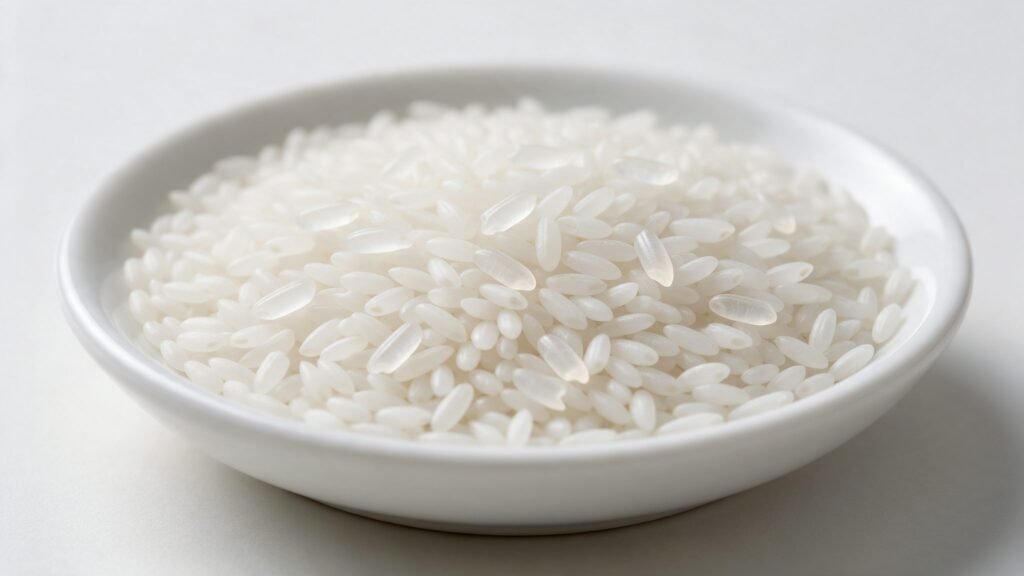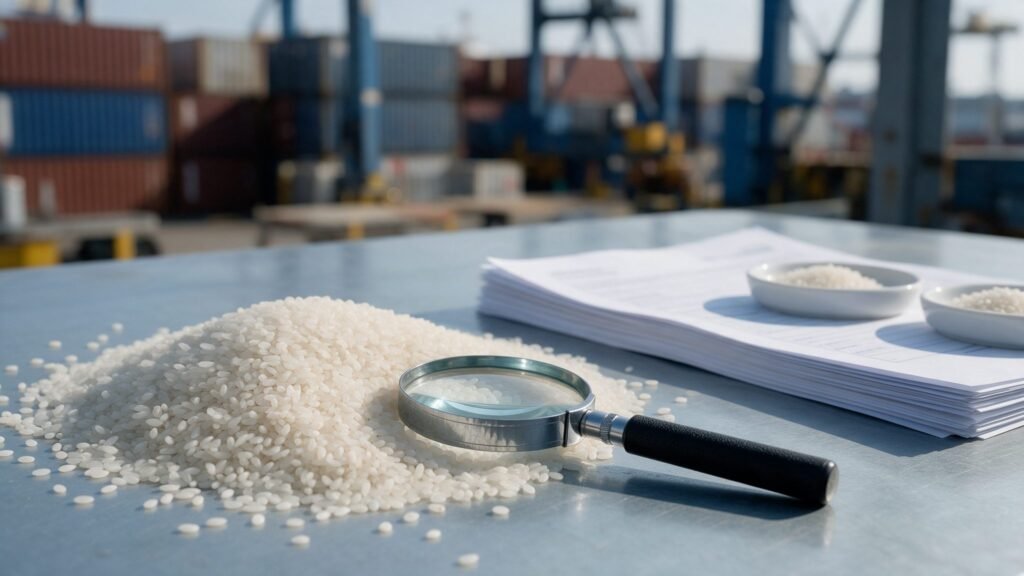
Rice shipping logistics directly impact the cost, quality, and profitability of rice imports into the region. For procurement professionals managing large-scale rice purchases from certified origins like Pakistan, understanding container capacities, moisture control methods, and vessel selection becomes essential to preserving grain quality during transit. Poor container choice or inadequate moisture management can lead to spoilage, contamination, and financial losses that affect the entire supply chain.
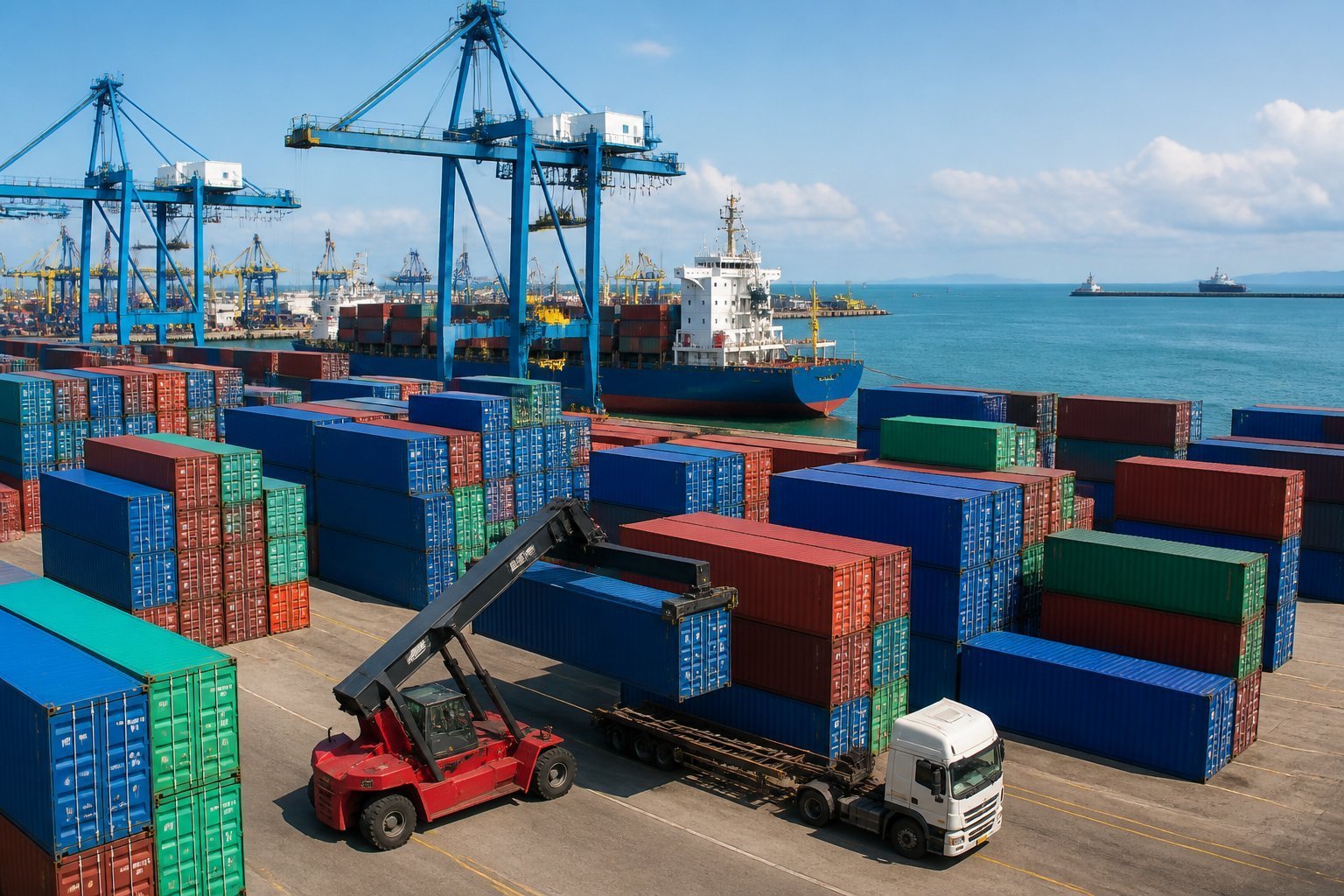
A standard 20-foot container holds approximately 20-25 metric tons of bagged rice, while 40-foot containers accommodate 25-27 metric tons, with exact capacity depending on bag type and moisture control requirements. Buyers working with suppliers who maintain ISO 22000:2018, HACCP, and Halal certifications must also ensure that shipping containers meet quality standards from loading through delivery. The difference between polypropylene, BOPP, and jute bags affects not only stowage efficiency but also the amount of desiccant needed to prevent condensation damage.
Beyond basic capacity figures, successful rice importers evaluate break bulk alternatives for high-volume shipments, assess proper rice storage containers for post-arrival handling, and implement ventilation strategies that protect cargo quality. This guide covers container specifications, load optimization techniques, moisture control protocols, and supplier evaluation criteria that help buyers maintain grain integrity from origin ports to final distribution.
Key Takeaways
- Container capacity ranges from 20-28 metric tons depending on size and packaging type selected for shipment
- Moisture control through desiccants and proper ventilation prevents rice spoilage during ocean transit
- Bag selection between PP, BOPP, and jute materials affects both storage efficiency and quality preservation
What are the fundamentals of rice shipping containers?
Fundamentals of rice shipping containers:
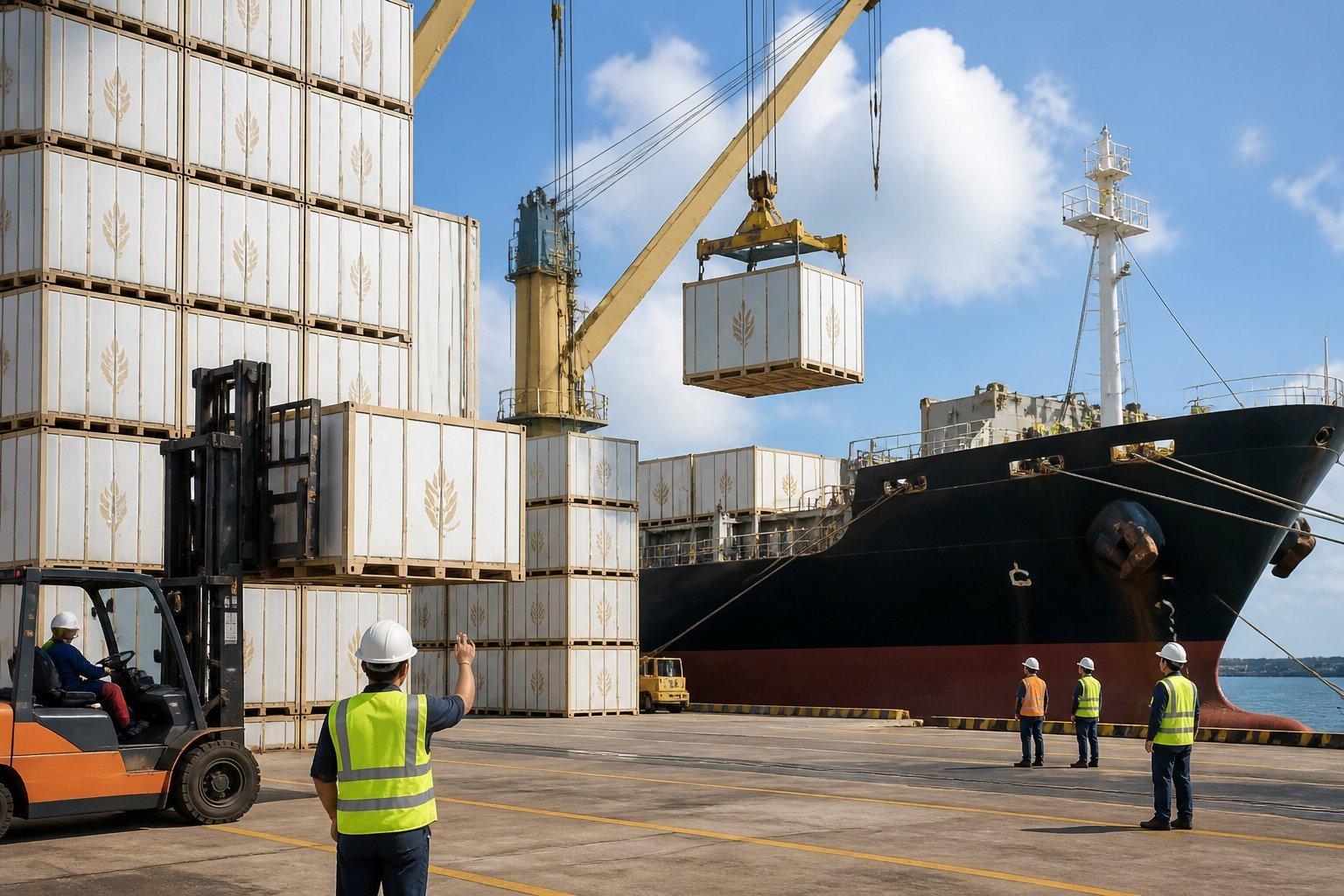
Rice shipping relies on standardized containers and packaging methods that protect grain quality during transit. Container specifications, certification requirements, and the choice between bagged or bulk shipments determine logistics efficiency and product safety.
Container Types and Specifications
Standard shipping containers used for rice export include 20-foot and 40-foot units with specific loading capacities. A 20-foot container holds approximately 20-25 metric tons of bagged rice, typically 400-500 bags at 50 kg each. The 40-foot container accommodates 25-27 metric tons or 500-540 bags.
Container Loading Capacities:
| Container Size | Bagged Rice Capacity | Bulk Rice Capacity |
|---|---|---|
| 20-foot | 20-25 metric tons | 20-22 metric tons |
| 40-foot | 25-27 metric tons | 26-28 metric tons |
Containers must be clean, dry, and free of residue before loading. Ventilated containers or moisture-resistant liners protect cargo from condensation during ocean transport. Rice dried to 12-13% moisture content before shipping extends storage life to approximately 12 months, while higher moisture levels above 16% reduce viability to just 20 days.
Grading and Certification Standards
Rice exports require compliance with international quality and safety certifications. ISO 9001:2015 ensures quality management systems, while ISO 22000:2018 and HACCP certification verify food safety protocols throughout production and handling.
Pakistan produces certified rice meeting global standards including Halal certification for markets requiring religious compliance and USFDA certification for North American exports. Phytosanitary certificates accompany shipments to verify pest-free status and compliance with importing country agricultural regulations.
Pre-loading surveys verify moisture content, packaging integrity, and proper documentation. Fumigation with phosphine at 33-45 grams per 1,000 cubic feet prevents pest infestation during transit. These certifications protect both exporters and importers from quality disputes and regulatory issues.
Bagged vs. Bulk Rice Shipments
Rice ships in either bags or as loose bulk cargo depending on volume, destination port capabilities, and rice grade. Bagged rice uses jute, polypropylene (PP), or biaxially oriented polypropylene (BOPP) bags with distinct moisture resistance properties.
Packaging Comparison:
- Jute bags: Breathable but absorb moisture, requiring additional desiccants
- PP bags: Lightweight, durable, and cost-effective with moderate protection
- BOPP bags: High-strength, moisture-resistant material ideal for premium rice grades
Bulk rice shipments load directly into container liners or vessel holds without individual packaging. This method reduces packaging costs for large volumes but demands stricter moisture control through desiccants and ventilation systems. Bagged shipments offer better handling flexibility at destination ports and easier quality inspection per unit.
Container shipping suits smaller or high-value shipments with tighter quality control. Break bulk vessels handle large-scale rice exports where ports lack container facilities or when shipping volumes exceed 10,000 metric tons.
How do you optimize container load and choose a vessel?
Capacity, load optimization, and vessel selection:
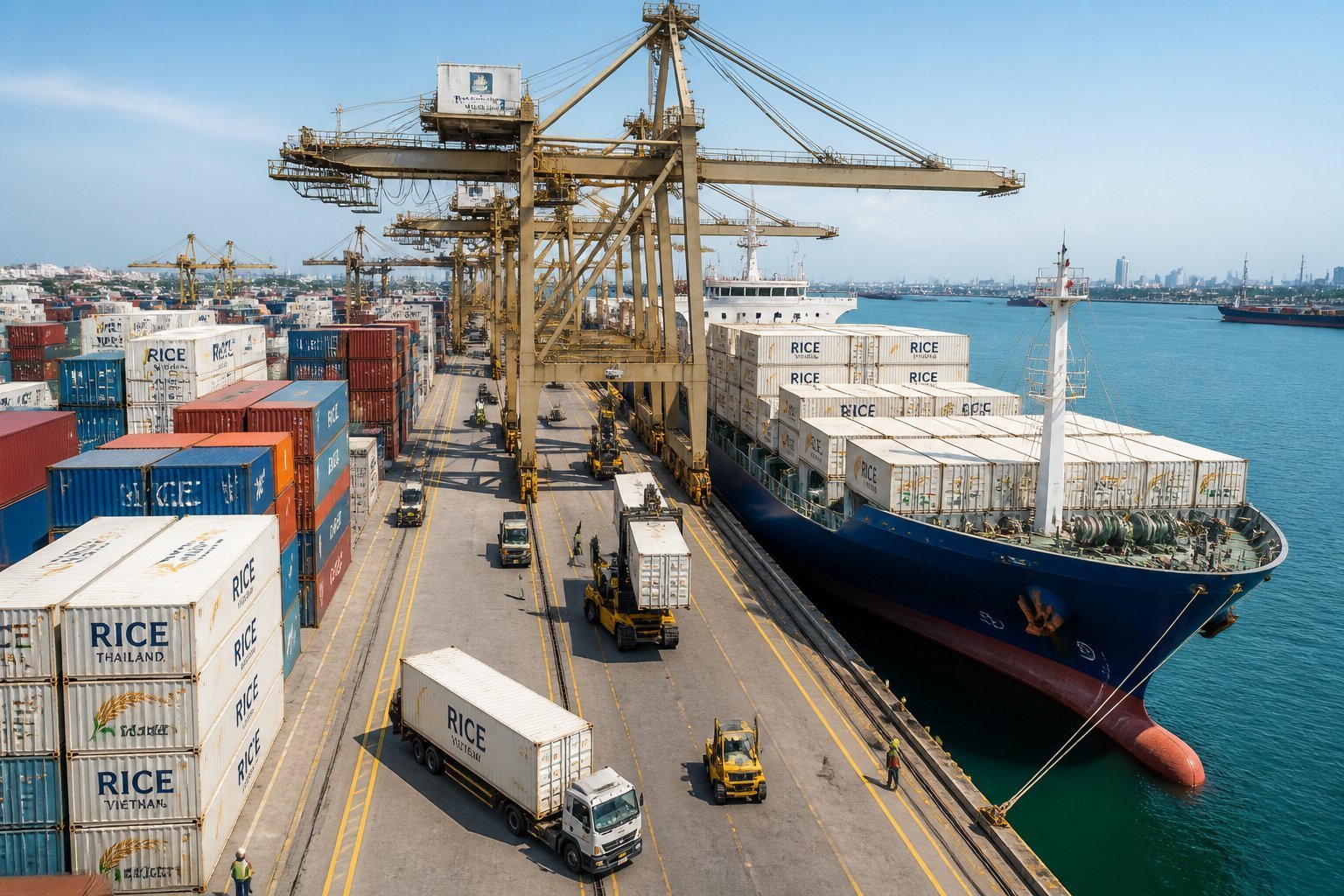
Container size directly impacts freight costs and cargo volume, while vessel type determines routing flexibility. Understanding stowage factors helps importers calculate space requirements and compare containerized versus bulk shipping options.
20-Foot vs. 40-Foot Containers
A standard 20-foot container holds 25 metric tons of bagged rice, which equals 500 bags at 50 kilograms each. The 40-foot equivalent loads 27 metric tons or 540 bags of the same size.
The choice between container sizes depends on port infrastructure and order volume. Smaller ports sometimes lack equipment for 40-foot units, making 20-foot containers the only practical option. Major rice exporters in Pakistan typically offer both sizes with proper liner bag specifications to prevent moisture damage during ocean transit.
Importers should request ventilated containers for bulk rice shipments to prevent condensation buildup. BOPP bags with desiccants provide premium protection for high-value bagged rice exports destined for import markets.
Break Bulk Vessels and Parcel Sizing
Break bulk shipping becomes cost-effective for large volumes exceeding 5,000 metric tons or when serving ports without container handling facilities. Rice loading containers transfer cargo to barges or directly alongside the vessel at anchorage.
Pakistani rice mills often use wooden or steel barges to transport bagged rice from inland storage to oceangoing vessels. This method suits buyers consolidating multiple rice varieties into single shipments.
Break bulk requires careful parcel sizing calculations. PP woven bags balance durability and cost for standard cargo, while BOPP bags with moisture barriers suit premium long-grain varieties meeting ISO 22000:2018 standards.
Stowage Factors and Voyage Planning
Stowage factors measure the cubic meters required per metric ton of cargo. Bagged rice in 100-kilogram jute bags requires 1.5 to 1.6 m³/t, while polished white rice needs 1.39 to 1.56 m³/t depending on packaging density.
These calculations determine total vessel space needed and help freight planners optimize container utilization. Accurate stowage planning prevents wasted capacity and reduces per-ton shipping costs for rice export operations.
Voyage duration also affects packaging choices. Longer routes to international markets require enhanced moisture barriers and fumigation protocols to maintain HACCP compliance throughout transit.
How do you control moisture and assure quality in transit?
Moisture control and quality assurance:
Protecting rice during ocean transit requires systematic moisture management through desiccants, proper ventilation systems, and compliance with international food safety standards including ISO 22000:2018 and HACCP protocols.
Desiccant Types and Placement
Calcium chloride desiccants absorb moisture equal to 300% of their weight at moderate humidity levels. These non-toxic products prevent container rain and cargo sweat that occurs when temperatures drop by 8-10°F during shipping.
Common desiccant configurations include:
- Pole desiccants hung vertically along container walls
- Strip desiccants positioned near ceiling areas
- Bag desiccants placed between rice bag layers
Proper rice shipping from Pakistan and other certified origins requires 4-8 desiccant units per 20-foot container depending on voyage duration and climate zones. Placement near container doors and corners addresses condensation-prone areas. Rice exporters typically position desiccants before sealing containers to begin moisture absorption immediately.
Silica gel offers an alternative for shorter voyages, though calcium chloride provides superior moisture control for rice exports on extended ocean routes. The rice moisture content must remain at 14% maximum to prevent mold growth and quality degradation during transit.
Ventilation and Container Liners
Ventilated containers allow air circulation for bulk rice storage while specialized liners create moisture barriers. Standard containers require kraft paper or aluminum foil liners between rice bags and container walls to prevent direct contact with condensation.
Liner materials should be food-grade certified and meet USFDA standards for rice shipping. Some exporters use breathable woven polypropylene (PP) or biaxially oriented polypropylene (BOPP) bags that allow minimal air exchange while blocking liquid moisture.
Ventilated containers work best for rice shipments traveling through humid tropical regions. The vents permit gradual temperature equalization without trapping moisture inside sealed spaces.
Fumigation and Regulatory Compliance
Phosphine fumigation eliminates insects and pests in containerized rice shipments while meeting international phytosanitary requirements. Fumigation typically occurs after loading and sealing containers, with exposure periods lasting 5-7 days depending on temperature conditions.
All rice supplied to the region and international markets must carry certification demonstrating compliance with ISO 9001:2015, Halal standards, and destination country import regulations. Pakistani rice exporters provide Cargo Quality Certificates documenting moisture levels below 14% before shipping.
Quality control measures include pre-shipment moisture testing, fumigation certificates, and phytosanitary documentation. Importers verify these certifications match actual cargo conditions upon arrival to ensure rice storage integrity throughout the supply chain.
What are the best practices for rice storage and handling?
Rice storage and handling best practices:
Proper storage conditions, appropriate container selection, and regular monitoring protect rice quality during warehousing and transport. These practices prevent moisture damage, pest infestations, and contamination that can compromise product value.
Ideal Storage Conditions
Rice requires specific environmental conditions to maintain quality during storage and shipping. The optimal moisture content for safe storage of rice ranges between 12-14%, with temperatures kept below 15°C when possible.
Relative humidity levels above 70% cause rice to absorb moisture and deteriorate rapidly. In tropical climates, rice grain naturally equilibrates with surrounding air, often reaching moisture levels that exceed safe storage thresholds. Climate-controlled facilities help maintain consistent conditions.
Pakistani rice exports meet international quality standards including ISO 22000:2018 and HACCP certification, which mandate strict environmental controls throughout storage. Temperature fluctuations should be minimized, as sudden changes create condensation inside storage containers. Adequate ventilation prevents hot spots and moisture buildup that encourage mold growth.
On-Site Storage Containers
Rice storage facilities utilize three primary systems:
- Bag storage: Rice stored in 40-80 kg bags made from jute or woven plastic
- Bulk storage: Large quantities stored loose at farms or commercial facilities
- Hermetic storage: Airtight containers that preserve original moisture content
Rice stored in paddy form retains its protective husk layer, which guards against insects and quality deterioration better than milled rice. Brown rice requires 20% less storage capacity but has a shelf life of only two weeks in tropical conditions.
Food-grade containers made from materials that comply with ISO 9001:2015 standards prevent contamination. Metal silos, plastic bins, and specialized bags all serve different volume requirements. Hermetic containers create oxygen-depleted environments that control insect populations without chemicals.
Monitoring for Pests and Spoilage
Regular inspections identify storage pests before they cause significant damage. Common rice pests include weevils, moths, and beetles that feed on grain and leave behind contamination.
Weekly visual checks examine rice for discoloration, unusual odors, webbing, or insect activity. Temperature sensors detect hot spots that indicate moisture problems or pest infestations. Smart storage systems in modern facilities use integrated sensors and oxygen absorbers to maintain optimal conditions.
Halal and USFDA-certified rice shipments require documented pest control records. Any contaminated batches must be isolated immediately to prevent spread. Proper sanitation of storage containers between uses eliminates residual pests and reduces reinfestation risk.
What logistics and transport options fit rice shipments?
Logistics and transportation solutions:
Modern rice shipping requires coordinated logistics that cover every stage from origin to destination. Exporters and importers rely on integrated transportation networks, proper documentation, and customs expertise to move rice efficiently across borders.
Door-to-Door Rice Transportation
Door-to-door rice transportation eliminates the complexity of managing multiple logistics providers by offering complete oversight from warehouse to final destination. This service includes pickup from the rice mill or storage facility, inland transport to the port, ocean freight, and final delivery to the buyer’s warehouse.
Specialized rice logistics providers handle the entire supply chain through their global networks and technology platforms. These companies coordinate with local transporters in major rice-exporting regions, including Pakistan’s Punjab and Sindh provinces where mills produce export-grade basmati and non-basmati varieties.
The door-to-door model works particularly well for containerized shipments. A typical process involves loading 20-foot or 40-foot containers at the mill, securing them with appropriate desiccants, and tracking them throughout transit. This reduces handling points and minimizes the risk of damage or contamination.
Intermodal and Inland Haulage
Intermodal transportation combines multiple transport modes to move rice from inland production areas to coastal ports. Rice shipments commonly use road transport from mills to rail terminals, then rail to port facilities, optimizing cost and transit time.
Pakistan’s rice export infrastructure connects major milling centers to Karachi Port through highway networks and rail links. Trucks carry bagged rice in 25kg or 50kg units to consolidation points where they’re transferred to rail cars for bulk movement. This combination reduces road congestion and fuel costs for long-distance hauls.
Inland haulage providers must maintain climate-controlled or covered vehicles to protect rice from moisture during transport. The journey from mill to port typically takes 24-48 hours depending on distance and route conditions.
Customs Clearance and Documentation
Rice exports require precise documentation to meet both origin country regulations and destination market requirements. Essential documents include the commercial invoice, packing list, bill of lading, certificate of origin, and phytosanitary certificate.
Standard Rice Export Documents:
- Commercial Invoice: Details shipment value, rice variety, quantity, and terms
- Phytosanitary Certificate: Confirms pest-free status and fumigation compliance
- Certificate of Origin: Verifies rice source country (critical for tariff determination)
- Quality Certificate: Documents ISO 22000:2018, HACCP, and Halal certifications
- Bill of Lading: Serves as receipt and title document for the shipment
Pakistani rice exports must meet USFDA standards for U.S. markets and comply with ISO 9001:2015 quality management protocols. Customs brokers familiar with import requirements expedite clearance by preparing documentation in advance and coordinating with port authorities. Proper fumigation documentation prevents delays, as agricultural products face strict inspection protocols at most international borders.
How should buyers evaluate a rice supplier’s shipping?
Customer service and supplier evaluation:
Strong customer service from shipping partners ensures rice containers arrive on time and in proper condition. Evaluating suppliers based on specific criteria helps importers and distributors maintain quality standards throughout the supply chain.
Criteria for Selecting Shipping Partners
Rice shipment requires specialized knowledge of temperature and moisture control during transit. Pakistan has established itself as a certified origin with suppliers meeting ISO 9001:2015, ISO 22000:2018, HACCP, Halal, and USFDA certification standards.
When evaluating potential shipping partners, importers should assess several key factors:
- Quality Assurance: Verification of proper container preparation and cleanliness standards
- Certifications: Compliance with international food safety and quality management systems
- Logistics Capabilities: Access to dedicated rice warehouses and specialized equipment for rice transportation
- Transit Times: Reliability in meeting scheduled delivery dates
- Technology: Investment in tracking systems and temperature monitoring
Organizations use supplier evaluation forms to measure performance across these criteria. Price competitiveness matters, but it should not compromise the integrity of rice shipments requiring climate-controlled shipping containers.
Communication and Issue Resolution
Responsive customer service teams handle problems that arise during rice container shipments. Shipping partners should provide accessible support whenever issues occur with documentation, customs clearance, or container conditions.
Effective communication includes regular updates on shipment status and proactive alerts about potential delays. import markets require precise coordination for rice imports from certified origins.
Essential communication elements include:
- 24/7 availability for urgent shipping concerns
- Clear documentation processes for customs compliance
- Rapid response to back-order situations or container availability
- Technical expertise in handling temperature-sensitive cargo
The best shipping partners assign dedicated account managers who understand rice trade requirements. They resolve issues before containers reach their destination, preventing costly delays or product damage.
What market trends affect rice shipping to the region?
Market trends and regional considerations:
Global rice shipping patterns reflect growing demand in specific markets and evolving regulatory frameworks that affect how rice moves through international supply chains. Pakistani rice has established itself as a certified origin meeting international standards including ISO 9001:2015, ISO 22000:2018, HACCP, Halal, and USFDA certifications.
the region Demand Patterns
The Gulf Cooperation Council countries represent a critical market for rice import operations. These nations depend almost entirely on rice shipping from external suppliers to meet domestic consumption needs.
The global rice market is expected to keep expanding through 2034, with the region countries accounting for substantial import volumes. Basmati and long-grain varieties dominate preferences in this region. Pakistan serves as a key certified supplier for import markets, with established trade routes and quality assurance protocols.
Container logistics in the region focus on 20-foot and 40-foot units equipped with proper ventilation systems. Import volumes peak during Ramadan and wedding seasons when rice consumption increases significantly. Distributors maintain strategic stocks to ensure continuous supply throughout the year.
Country-Specific Regulations
Each importing nation maintains distinct requirements for rice shipping containers and product specifications. These regulations affect packaging, labeling, certification, and fumigation protocols.
Common regulatory requirements include:
- Phytosanitary certificates verifying pest-free status
- Certificate of origin documentation
- Quality inspection reports from accredited laboratories
- Container cleanliness verification before loading
- Moisture content limits (typically 14% maximum)
The UAE requires detailed nutritional labeling in Arabic and English. Saudi Arabia mandates specific pesticide residue testing. Qatar enforces strict Halal certification verification for all rice imports. Rice export operations must coordinate with customs authorities in both origin and destination countries to ensure compliance. Container fumigation records must accompany shipments when required by the importing nation.
Sustainability in Rice Shipping
Environmental considerations increasingly influence rice shipping container practices and trade decisions. The Food and Agriculture Organization monitors rice production, consumption, and trade trends while tracking sustainability initiatives across supply chains.
Shipping lines now offer eco-friendly container options with reduced carbon footprints. Reusable packaging materials replace single-use plastics in many operations. Container optimization reduces the number of voyages required, cutting fuel consumption and emissions.
Pakistan has implemented sustainable farming practices in rice cultivation areas, supporting environmentally conscious supply chains. Certification bodies verify sustainable production methods alongside food safety standards. Buyers prioritize suppliers demonstrating commitment to environmental stewardship while maintaining product quality and competitive pricing.
Source bulk rice with reliable container logistics
Get specifications, certifications, and supply options matched to your buyers.
What do importers ask most about rice shipping containers?
Frequently asked questions:
International grain shipments require specific container specifications, moisture control systems, and loading protocols to maintain product integrity from port to port. Proper documentation and pre-shipment preparation prevent common issues like condensation damage, contamination, and regulatory delays.
What container types and liner options best protect grain during long-distance transport?
Standard 20-foot dry containers carry approximately 25-26 metric tons of rice, while 40-foot containers handle 26-27 metric tons due to axle weight restrictions at most ports. The container size depends on bag weight, destination port capacity, and whether the shipment contains consumer-packed or bulk product.
Container liner bags provide critical protection against moisture, rust, and odor transfer from previous cargo. Five-layer kraft paper bags with polyethylene laminate or food-grade barriers offer strong moisture protection, while lower-quality options often lead to cargo claims.
Silica gel desiccant pouches weighing 1 kilogram each should be placed inside sealed liners for shipments crossing the equator or reaching humid ports. Eight to ten pouches per container significantly reduce condensation damage during tropical voyages.
How do I prevent moisture buildup, condensation, and mold during ocean transit?
Rice must be loaded at moisture levels below 13.5% for long-haul ocean transport. Testing moisture content before stuffing prevents most spoilage issues, as containers can experience temperature swings of 30°C between day and night on deck.
Proper liner installation creates a barrier against container sweat, which forms when warm humid air contacts cold steel walls. Sealed liners work with desiccants to absorb excess moisture, while breathable liners require careful air circulation spacing at the top of the load.
Pakistani basmati and non-basmati varieties shipped to import markets maintain quality when moisture protocols align with ISO 22000:2018 standards. Suppliers meeting international certifications including HACCP and Halal requirements typically follow strict pre-shipment moisture testing procedures.
What are the standard loading practices and weight limits to avoid shifting or damage?
Brick pattern loading alternates bag orientation on each layer to create a self-locking structure that prevents shifting during transit. Bags should be placed with seams facing inward and no gaps near container doors.
Twenty-foot containers typically hold 520 bags of 50 kilograms or 1,040 bags of 25 kilograms. The dense nature of rice means weight limits are reached before cube capacity is exhausted.
Bottom layers should display bag stenciling and markings facing the door side for customs inspection at ports like Jebel Ali and Mombasa. This arrangement allows officials to verify contents without unloading the entire container, saving several hours during clearance.
Which documentation, inspections, and food-safety requirements apply to international grain exports?
ISO 9001:2015 and ISO 22000:2018 certifications verify that suppliers follow quality management and food safety protocols required by major importing countries. USFDA certification applies to shipments entering United States markets.
Fumigation certificates must be issued 72 hours before sailing rather than weeks in advance to maintain validity windows. Methyl bromide or phosphine treatments eliminate weevils and beetles according to destination country protocols.
Weighbridge tickets photographed at loading time document actual container weight and prevent disputes over alleged shortages. Container seal numbers should be photographed before departure to verify tampering has not occurred during transit.
How should containers be cleaned, prepared, and verified to prevent odor or contamination?
Pre-loading inspection should identify rust, holes, odors, and residue from previous cargo before any rice is loaded. Suppliers typically reject one in every 14 containers offered by shipping lines due to these issues.
Food-grade containers must be clean and dry with no chemical residues that could transfer to grain products. Previous cargo history matters because some containers may have carried industrial products or other non-food items.
The inspection process takes 15-20 minutes per container and includes floor checks, wall examination, and door seal verification. Proper liner installation during this stage creates the clean barrier needed between steel surfaces and food products.
What packaging formats (bags, big bags, bulk) offer the best balance of cost, handling, and product protection?
Fifty-kilogram jute or polypropylene bags remain the standard for bulk shipments to Africa, Middle East, and Asian markets. These bags balance durability with manual handling capabilities at destination ports with limited equipment.
Twenty-five-kilogram consumer-facing bags suit European markets and retail distribution programs where smaller units are required. These packages typically use BOPP bags with desiccants for premium protection during longer supply chains.
Ventilated containers or specialized liners work for bulk rice shipments when destination facilities can handle pneumatic unloading. Break bulk shipping offers cost advantages for very large volumes or ports without container handling infrastructure.