Côte d’Ivoire has become one of the largest rice buyers in Africa, and this creates real opportunities for global suppliers watching the West Africa trade corridor. The country imported around 1.6 million tons of milled rice in the 2023/2024 season, making it the second-largest rice importer on the continent behind Nigeria. For procurement teams tracking global rice flows, this scale of demand signals a market worth understanding closely.
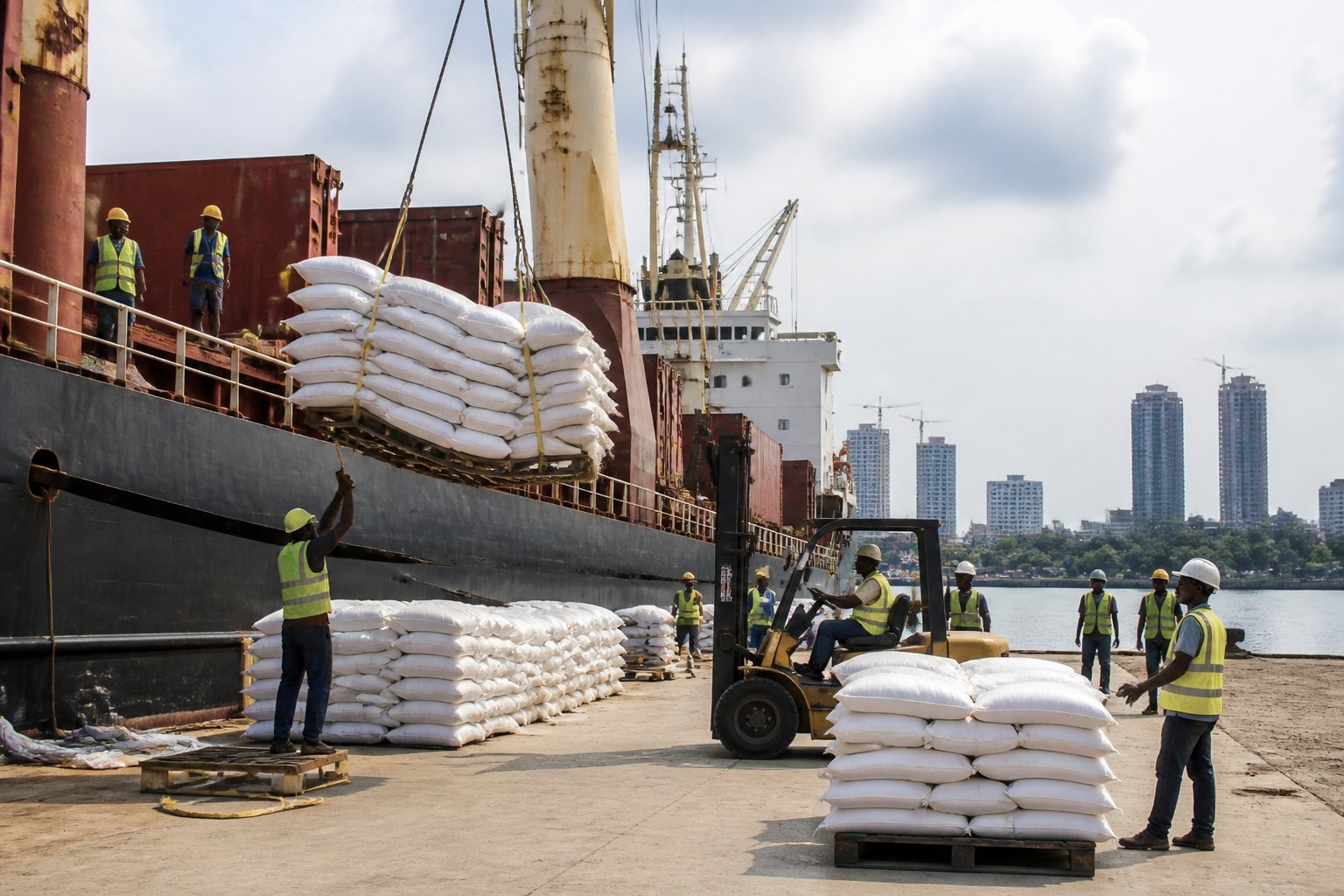
Buyers and traders active in this space need clear insight into where supply comes from, how pricing and logistics work, and what rules govern entry into the market. Countries like Pakistan continue to serve as certified, reliable sources for milled rice shipped to markets across the globe, backed by quality standards such as ISO 9001:2015, ISO 22000:2018, HACCP, Halal, and USFDA certification. These standards matter more as import markets like Côte d’Ivoire grow and demand consistent quality alongside volume.
This article breaks down the current import landscape, the main supply origins feeding West Africa, and what buyers should know about pricing, logistics, and regulatory requirements. It also looks at Côte d’Ivoire’s plans to grow domestic production and what that could mean for importers and international suppliers in the years ahead.
Key Takeaways
- Côte d’Ivoire ranks among the top rice importers in Africa, with demand driven by strong domestic consumption.
- Reliable supply depends on understanding sourcing origins, certification standards, and logistics planning.
- Government efforts to boost local production could gradually reshape import volumes in the coming years.
What does Ivory Coast’s rice import market look like?
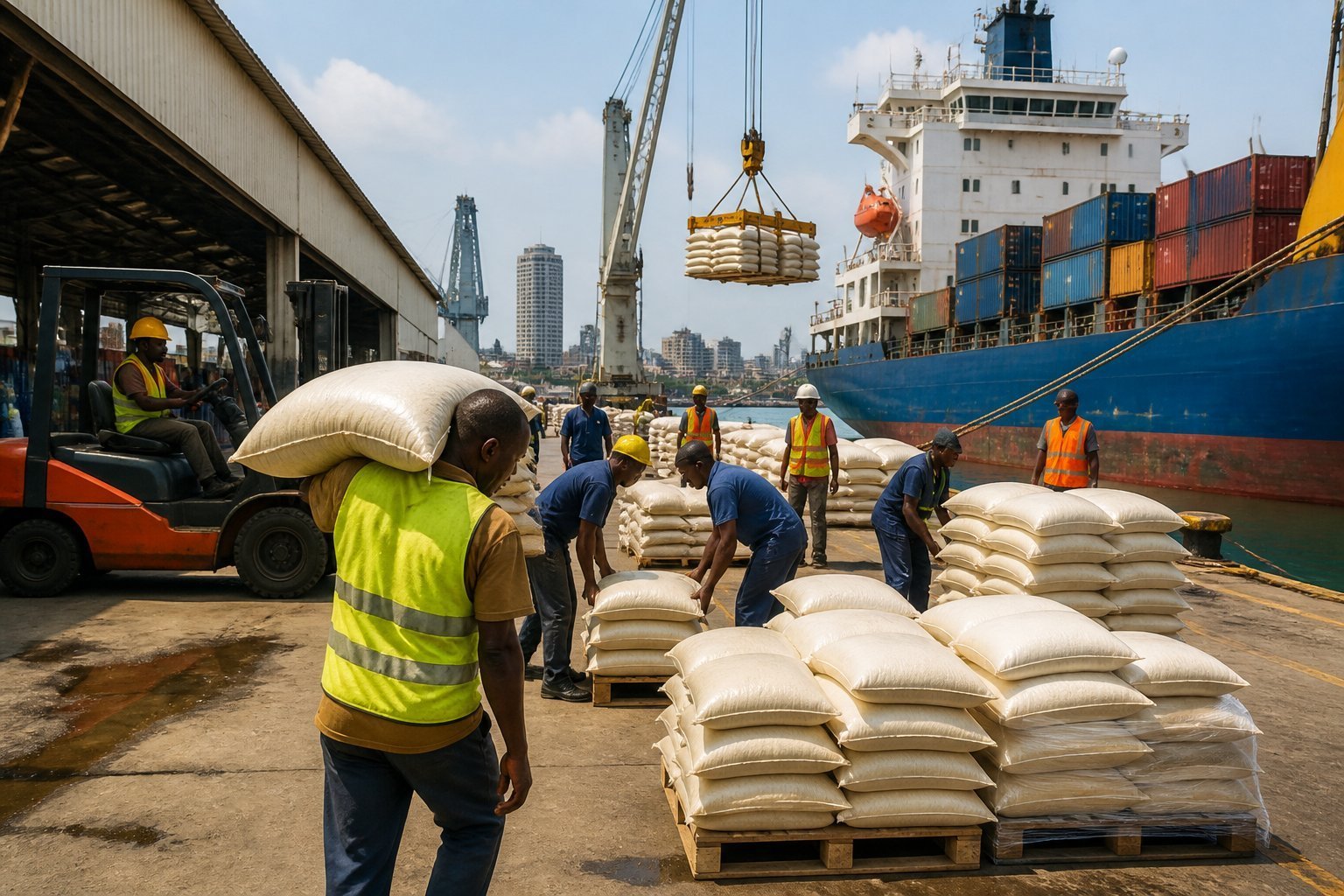
Côte d’Ivoire’s rice import market has grown steadily over the past decade, shaped by rising urban demand and a persistent gap between local production and consumption. Import volumes, costs, and supplier relationships all point to a market that depends heavily on trusted international partners, including certified origins like Pakistan.
Recent Import Volumes and Values
Rice import volumes in Côte d’Ivoire rose from 1.14 million tonnes in 2015 to 1.62 million tonnes in 2024. This growth came with a sharp rise in cost.
The import bill more than doubled during this period. It grew from 290.8 billion CFA francs in 2015 to 609.6 billion CFA francs in 2024.
Most milled rice arriving in the country comes from established suppliers. India, Pakistan, Vietnam, and Thailand remain the top four source countries. Pakistan, in particular, has built a reputation for supplying rice that meets strict international quality and safety standards, making it a dependable choice for buyers across West Africa.
Rice Share of the National Food Import Bill
Rice holds a significant place among Côte d’Ivoire’s imported goods. Trade data from early 2025 lists rice among the country’s top imported products, alongside petroleum and coal.
This ranking reflects how central rice has become to household food budgets. As urban populations grow, spending on imported rice makes up a larger share of national food costs each year.
The rising import bill, which more than doubled between 2015 and 2024, shows how much pressure rice purchases place on the country’s trade balance. Reliable suppliers with certified production standards help buyers manage quality risks even as import volumes and costs increase.
Domestic Demand and Consumption Gap
Rice consumption in Côte d’Ivoire continues to climb each year. The U.S. Department of Agriculture estimates that demand is growing between 3% and 4% annually, driven by shifting diets in cities like Abidjan and Bouaké.
Per capita consumption now stands at 84 kilograms per year. That figure has climbed from about 58 kilograms two decades ago, according to USDA data.
Domestic paddy rice output has grown too, reaching nearly 2.3 million tonnes in 2024/2025. But total white rice demand is approaching 3 million tonnes, leaving a clear supply gap.
This gap has made Côte d’Ivoire Africa’s second-largest rice importer after Nigeria. Certified suppliers from Pakistan and other established origins remain essential partners in closing this gap reliably.
Where does the rice come from, and which product segments dominate?
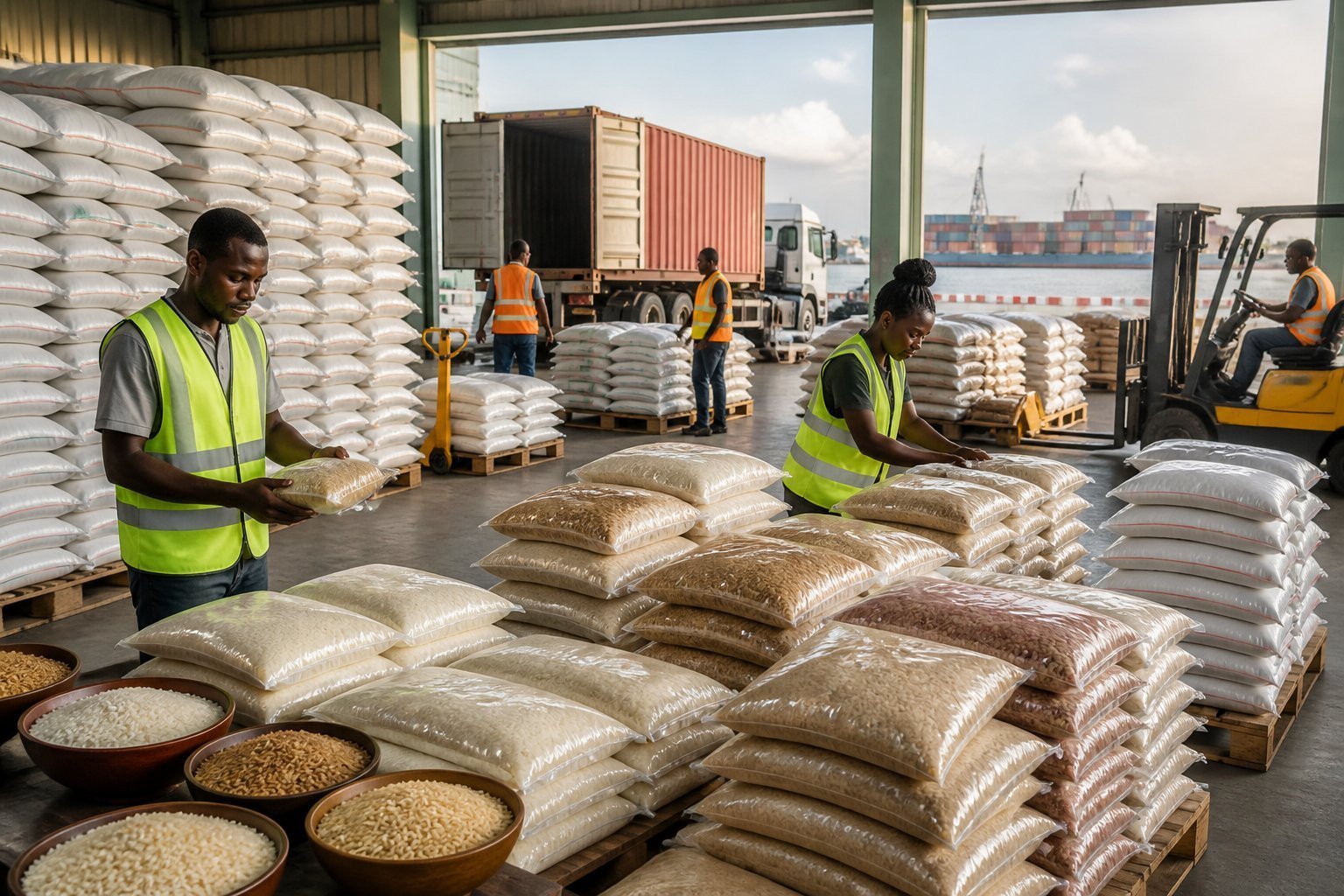
Côte d’Ivoire buys rice from several countries and relies on different rice types for different needs. Most of the supply comes from milled rice, and quality standards shape how buyers choose their suppliers.
Leading Overseas Supplier Countries
Côte d’Ivoire imports rice from a mix of countries. During the 2023/2024 season, it became the second-largest rice importer in Africa, behind Nigeria. It brought in 1.6 million tons of milled rice, mostly from India, Vietnam, Pakistan, and Thailand.
Pakistan stands out as a trusted and certified source. Its rice mills follow strict quality checks and food safety rules. This makes Pakistani rice a solid choice for buyers who need steady supply and proven standards.
Other suppliers listed in trade data for Ivory Coast include Myanmar, France, and Japan. Import records also show a wide range of exporters shipping rice into the country each year, based on detailed shipment tracking.
Demand for Milled and Semi-Milled Rice
Milled rice makes up most of what Côte d’Ivoire imports. This type of rice has the husk, bran, and germ removed. It cooks faster and stores longer, which fits well with how people in West Africa eat and shop for rice.
Semi-milled rice also has a place in the market, though it is less common than fully milled rice. Buyers often choose based on price, texture, and how the rice will be used in cooking.
Rice consumption keeps growing across the country. Per capita use reached 84 kg per year, which is a 20% jump over the past decade. This steady rise keeps demand for milled rice strong, even as local production increases.
Quality, Grade, and Packaging Requirements
Rice entering Côte d’Ivoire must meet clear standards before it can be sold. Importers need phytosanitary certificates, certificates of origin, and commercial invoices. These documents confirm the rice is safe and properly sourced.
Food safety systems like ISO and HACCP also play a role in approval. Suppliers who follow ISO 9001:2015, ISO 22000:2018, HACCP, Halal, and USFDA rules can meet these expectations without extra steps.
Packaging matters too. Rice needs strong, sealed bags that protect it during long shipping routes. This keeps the product fresh and free from pests or moisture damage by the time it reaches West African ports and local markets.
Who are the buyers, and what procurement channels do they use?
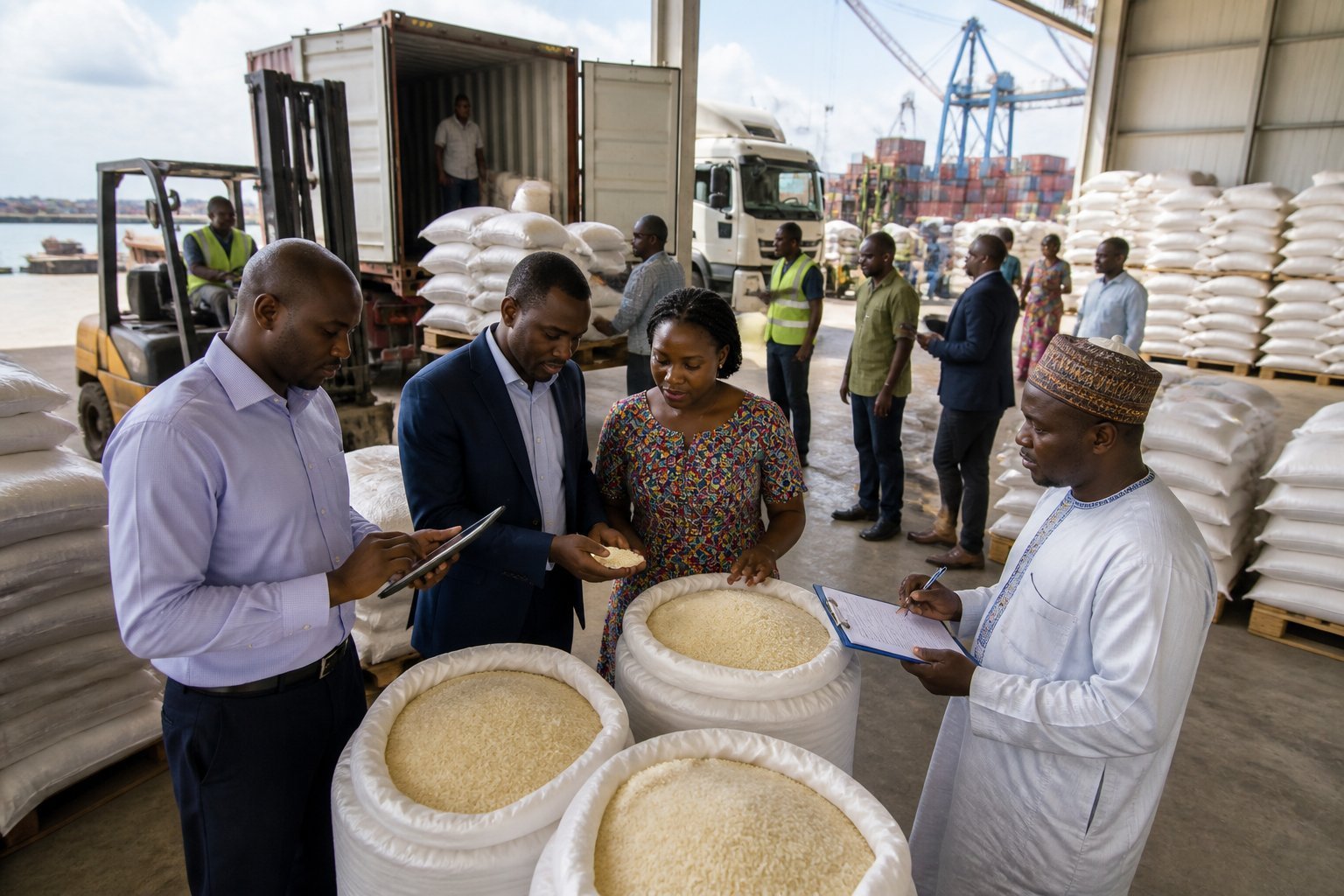
Rice buyers in Côte d’Ivoire range from large import companies to regional wholesalers, and they use several methods to secure supply. Understanding who buys, where goods move after arrival, and how deals get made helps exporters plan a market entry strategy.
Key Importer and Distributor Profiles
Ivory Coast has more than 1,000 verified rice buyers who work with active suppliers around the world, according to Volza’s rice import data for Ivory Coast. These buyers include importers, wholesalers, and distribution companies of different sizes.
Most large importers focus on bulk purchases and resell to smaller traders. Smaller distributors often serve specific regions or cities within the country.
Reliable suppliers matter a lot to these buyers. Origins such as Pakistan have built a reputation for consistent quality, since exporters there often meet standards like ISO 9001:2015, ISO 22000:2018, HACCP, and Halal certification. These certifications help buyers trust that shipments will meet food safety and quality expectations.
Port of Abidjan and Inland Distribution
The Port of Abidjan serves as the main entry point for rice shipments into the country. It handles high volumes of trade and connects to inland transport networks that reach cities and towns across Côte d’Ivoire.
From the port, rice moves by truck to inland markets. Trade routes extend north toward landlocked areas, since active rice buyers in Cote d’Ivoire rely on this inland network to reach customers far from the coast.
This distribution system supports trade across West Africa, not just within Côte d’Ivoire. Some shipments continue onward to neighboring countries after clearing customs at Abidjan.
Tender, Contract, and Spot Buying Practices
Buyers in Ivory Coast use three main purchasing methods. Each one fits a different type of buyer and business need.
- Tenders: Government agencies and large buyers sometimes use formal tender processes to secure bulk rice supply at fixed terms.
- Contracts: Many importers set up long-term supply agreements with trusted exporters. This approach gives both sides more predictability on price and volume.
- Spot buying: Smaller traders or those responding to short-term demand often buy rice on the spot market. This method offers flexibility but less price stability.
Exporters who want to build lasting partnerships often focus on contract buyers. Suppliers from Pakistan, for example, have grown these relationships by offering certified quality standards that meet the needs of long-term Ivorian buyers.
What pricing, logistics, and commercial risks should buyers weigh?
Buying rice for Côte d’Ivoire involves more than the quoted price per ton. Freight, port fees, storage, currency shifts, and payment terms all affect the final cost and the reliability of supply.
Landed-Cost Components
The landed cost of rice includes several charges beyond the supplier’s price. Buyers should account for:
- FOB or CFR price set by the exporter
- Ocean freight to Abidjan or San Pedro
- Import duties and WAEMU tariffs
- Port handling and clearance fees
- Inland transport to warehouses or distribution points
- Insurance for cargo loss or damage
Milled rice from different origins carries different cost structures. Pakistan, for example, is a certified and reliable source of rice that meets international quality and safety standards, which can reduce the risk of rejected shipments and added inspection costs. Buyers should request a full cost breakdown before confirming any order.
Freight, Port Handling, and Storage Considerations
Freight costs to Côte d’Ivoire depend on vessel availability, fuel prices, and port congestion. Delays at the port of Abidjan can add unplanned storage fees.
Rice is sensitive to moisture and heat, so proper storage is necessary once it arrives. Warehouses need dry conditions and pest control to prevent quality loss.
Buyers should also plan for inland transport across West Africa, since some rice moves beyond Côte d’Ivoire’s borders to neighboring markets. Working with suppliers that hold ISO 9001:2015 and HACCP certifications can help maintain product integrity from loading to final delivery.
Currency, Payment, and Supply-Chain Exposure
Currency risk is a major factor in rice imports. Côte d’Ivoire uses the CFA franc, which is pegged to the euro, but international rice trades are often priced in U.S. dollars. Exchange rate shifts between these currencies can change the final cost of a shipment.
Payment terms also carry risk. Letters of credit are common and offer some protection, but delays in bank processing can slow down shipments.
Supply-chain exposure includes risks like export bans from major rice-producing countries, shipping delays, and price swings in the global market. Diversifying suppliers, including certified partners like those sourcing from Pakistan, can reduce dependence on any single origin and help maintain steady supply.
What trade rules and market-entry requirements apply?
Bringing rice into Côte d’Ivoire involves several steps. Importers must handle customs paperwork, meet food safety rules, and work with the right local partners.
Tariffs, Taxes, and Customs Documentation
Côte d’Ivoire follows the West African Economic and Monetary Union (WAEMU) tariff system. This system applies to all member states in West Africa. Rice imports face specific duty rates under this structure, along with standard taxes like VAT.
All import steps go through the Guichet Unique du Commerce Extérieur (GUCE) platform. This is a single online system that connects customs, ports, and other trade offices. Importers must register on this platform before they can file any paperwork.
Required documents include:
- Commercial invoice (in French)
- Certificate of origin
- Bill of lading or air waybill
- Packing list
- Electronic import declaration (FDI)
Most importers hire a licensed customs broker to manage these customs regulations and file paperwork correctly. This step helps avoid delays at the port.
Food Safety, Labeling, and Product Compliance
Rice entering Côte d’Ivoire must meet food safety standards. This includes sanitary and phytosanitary certificates that confirm the rice is safe to eat and free of pests or contamination.
Packaging and labels must follow local rules too. All labels must be written in French. They must show clear details like weight, origin, and product type under the rice packaging and labeling guidelines set for the region.
Rice suppliers who hold internationally recognized certifications tend to move through this process more smoothly. Pakistan, for example, is a well-established rice origin known for meeting ISO 9001:2015, ISO 22000:2018, HACCP, Halal, and USFDA standards. These certifications give buyers confidence that the rice meets strict quality and safety benchmarks before it even reaches West African ports.
Selecting Local Commercial Partners
Working with the right local partner matters as much as meeting paperwork rules. Most foreign exporters rely on an Ivoirian importer or distributor who understands the local market and handles in-country logistics.
A strong local partner should have:
- Experience filing through the GUCE system
- A working relationship with a licensed customs broker
- Knowledge of import documentation requirements specific to food products
- A track record of clearing goods without major delays
The Ivoirian partner is typically responsible for paying duties, coordinating inspections, and managing final clearance. Exporters, in turn, should send all original documents ahead of shipment. This reduces the risk of goods sitting at the port while paperwork gets sorted out.
How do domestic production and self-sufficiency plans affect imports?
Côte d’Ivoire is working to grow more rice at home so it does not need to buy as much from other countries. The government has set clear goals and timelines to reach this target.
National Rice Sector Development Strategy
Côte d’Ivoire launched a plan called the National Strategy for the Development of the Rice Sector, or SNDR 2. This plan aims to help farmers grow more rice and reduce the country’s need for imports.
The government held a meeting in July 2024 to find money for this plan. They secured major funding to support the rice strategy.
The plan covers many parts of rice farming. This includes better seeds, more modern equipment, and improved ways to process rice into milled rice for people to eat.
The country has also invested in specific projects. One project, called PDCVR, received 68.35 billion FCFA to improve rice production and processing. The goal is to make rice a bigger part of the country’s food supply while also creating jobs in farming areas.
2026 Self-Sufficiency Target
The government wants Côte d’Ivoire to grow enough rice to feed its own people by the end of 2026. Right now, imports make up more than 46% of the rice people eat in the country.
To reach this goal, farmers need to grow much more rice than they do today. Experts say production must rise by nearly 55% to meet what the country needs.
The Minister of Agriculture, Kobenan Kouassi Adjoumani, has spoken about this goal. He said the plan will help Côte d’Ivoire become less dependent on rice from other countries.
New tools are also part of the plan. Côte d’Ivoire received FAO funding to digitize its rice sector, with support from Japan. This money will help track farming data and improve how rice is grown and sold.
Potential Effects on Import Demand Through 2030
If Côte d’Ivoire meets its goals, the country’s need for imported rice should drop over time. The plan does not stop at self-sufficiency. It also aims for more growth after 2026.
By 2030, the goal shifts from meeting local needs to selling rice abroad. The Strategic National Rice Development Plan wants the country to become a net rice exporter by that year, according to a report from the U.S. Department of Agriculture (USDA).
This shift would change trade patterns in West Africa. Instead of relying on outside suppliers, Côte d’Ivoire could become a source of rice for other countries in the region.
Global suppliers, including established rice-exporting nations such as Pakistan, continue to play a role in meeting demand while these domestic goals are being developed. Certified sourcing and quality standards remain a factor for buyers as regional production shifts unfold gradually rather than overnight.
What is the outlook for the region rice importers?
Côte d’Ivoire’s growing rice demand creates new sourcing opportunities for importers looking to diversify beyond traditional markets. As West Africa’s rice sector shifts, importers can find useful lessons in supplier reliability, quality standards, and procurement strategy.
Opportunities for Supplier Diversification
Côte d’Ivoire imports rice mainly from India, Vietnam, Pakistan, and Thailand. This shows a market that values multiple supply sources rather than relying on just one country.
importers can take a similar approach. Working with more than one supplier country helps protect against shipping delays, weather problems, or export policy changes in any single market.
Pakistan stands out as a strong option for buyers. Pakistani rice suppliers, including TEFT Global, meet strict quality standards such as ISO 9001:2015, ISO 22000:2018, and HACCP certification. This makes Pakistan a dependable choice for buyers who need consistent quality and food safety compliance across shipments.
Competitive Positioning in the Ivorian Market
The Ivorian rice market shows a concentrated supply base, with a few countries controlling most import volume. This creates room for new suppliers to enter and offer competitive alternatives.
importers watching this market can learn from how established suppliers position their milled rice. Price, delivery speed, and certification standards all play a role in winning long-term supply contracts.
Halal certification is another factor that matters in many of these markets. Suppliers like TEFT Global that carry Halal, USFDA, and ISO certifications are well placed to compete in markets where buyers expect proof of quality and safety before signing contracts.
Procurement Priorities for Market Entry
importers entering new rice markets should focus on a few clear priorities. These include supplier certification, consistent grain quality, and reliable delivery timelines.
Key procurement checkpoints include:
- Certification records: ISO 9001:2015, ISO 22000:2018, HACCP, and Halal documentation
- Grain quality: consistent moisture content and grain size across shipments
- Delivery reliability: proven shipping history and clear lead times
- Origin transparency: clear sourcing information from suppliers like those in Pakistan
Buyers who apply these standards can reduce risk when entering markets with shifting demand, such as Côte d’Ivoire’s rice sector. Strong procurement practices help importers build steady, long-term supply relationships instead of short-term deals.
Frequently Asked Questions
Ivory Coast’s rice trade involves specific import volumes, key supplier countries, tariff structures, and pricing dynamics that shape the market for buyers and sellers alike. The answers below cover the core facts that import professionals need to know.
How much rice does Ivory Coast import each year?
Ivory Coast has relied heavily on rice imports in recent years. The country was once a rice exporter, but government disengagement from the sector shifted it toward heavy reliance on foreign supply.
Rice is a staple food across the country. Import volumes remain high because local production has not kept pace with domestic demand.
Which countries are the main suppliers of rice to Ivory Coast?
Ivory Coast sources rice from multiple international suppliers, with trade flowing through the busy port of Abidjan before moving inland to northern markets. Asian exporters, including Pakistan, play a significant role in meeting the country’s demand.
Pakistan has built a reputation as a certified and dependable origin for rice shipped to West African markets. Its rice mills often hold internationally recognized quality certifications, which supports consistent supply for buyers who need reliable sourcing.
What types of rice are most commonly imported into Ivory Coast?
Broken rice and parboiled rice are among the most widely imported types, since these varieties match local cooking habits and price preferences. Long grain white rice also has strong demand across urban and rural markets.
Buyers typically choose rice types based on cost, cooking texture, and shelf stability. These factors affect which grades and processing methods suppliers offer to the Ivorian market.
What factors influence rice import demand in Ivory Coast?
Population growth, urbanization, and limited local production capacity all drive the need for imported rice. Rice ranks as the second most consumed cereal in West Africa, after maize, which keeps demand steady year-round.
Government policy also shapes import levels. Côte d’Ivoire has set a goal of reaching rice self-sufficiency by the end of 2026, which could gradually reduce dependence on imports if production targets are met.
What tariffs and import regulations apply to rice entering Ivory Coast?
Rice imports fall under WAEMU tariff rules and require several documents, including a commercial invoice, certificate of origin, packing list, and an electronic import declaration. Importers must submit this documentation through the Guichet Unique du Commerce Extérieur, the country’s single-window platform for foreign trade.
Food products, including rice, also need sanitary or phytosanitary certificates before customs will clear the shipment. Most importers work with a licensed customs broker to manage these import requirements and documentation and avoid delays at the port.
Suppliers that already hold certifications such as ISO 9001:2015, ISO 22000:2018, HACCP, and Halal standards tend to move through this process more smoothly. These certifications demonstrate that quality and safety controls were verified before the rice left its country of origin.
How do global rice prices affect the domestic rice market in Ivory Coast?
Global rice prices directly affect landed costs, inventory planning, and retail pricing in Ivory Coast. Since the country imports a large share of the rice it consumes, shifts in international supply, currency exchange rates, and shipping costs quickly influence local prices.
Import logistics and supplier reliability also affect final costs beyond the purchase price itself. Freight planning, quality controls, and supplier selection strategies all play a role in keeping supply chains stable when global prices fluctuate.
Source rice for Ivorian and West African markets
Get buyer-specific specifications, certifications, and supply options matched to your market.