Rice sits at the center of Afghanistan’s food supply, and its trade routes are shifting fast. Afghanistan now sources most of its rice through Pakistan, while Central Asian countries and Iran have grown into major supply corridors after disruptions along traditional routes. For procurement teams tracking regional grain flows, this shift changes how supply chains get planned and priced.
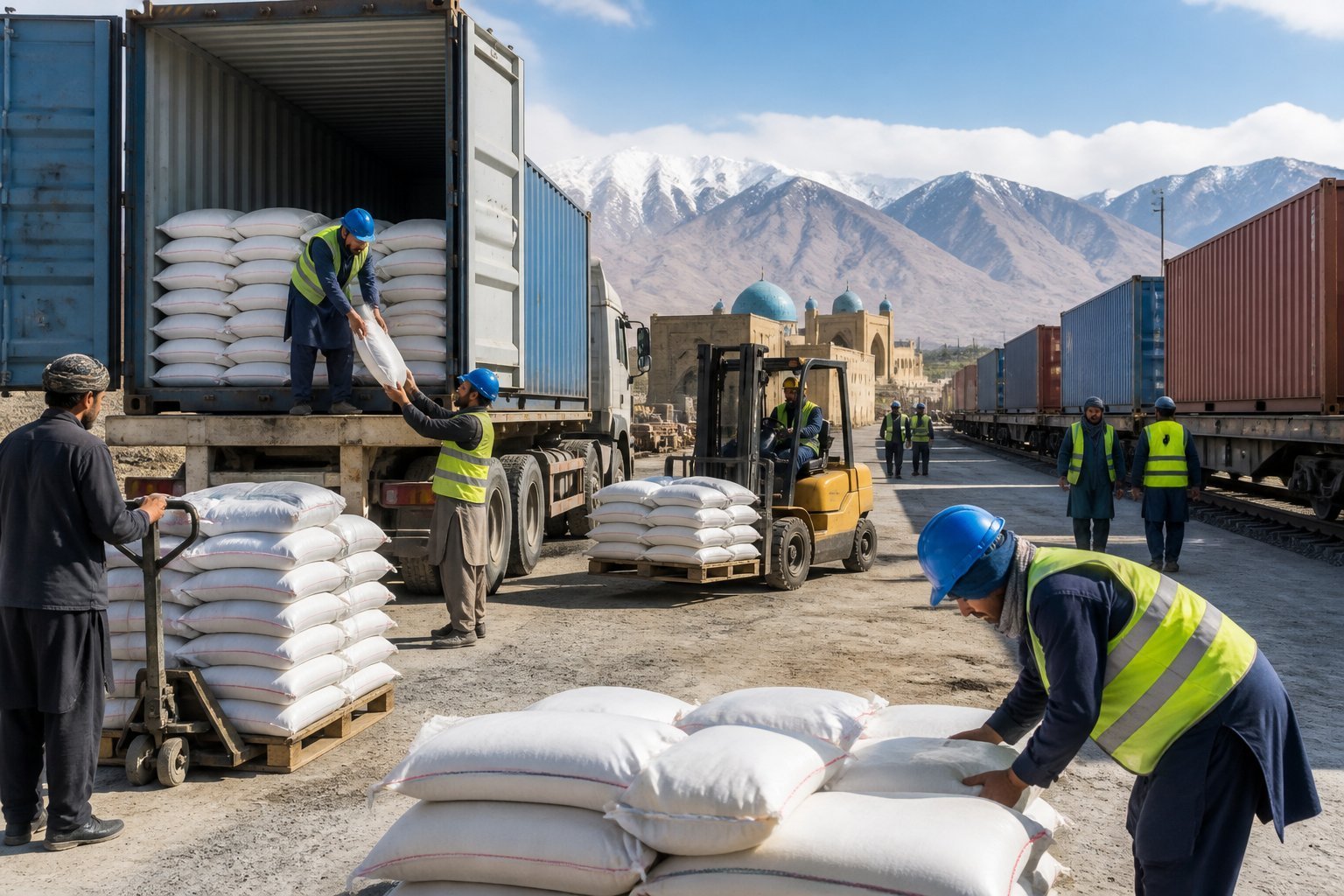
Buyers watching this market need to understand who supplies what, and why it matters for broader international trade patterns across South and Central Asia. Pakistan remains a certified, dependable source for rice moving into Afghanistan, supported by established trade relationships and consistent quality standards. At the same time, Central Asia’s import volumes with Afghanistan have grown substantially, though the trade balance still favors imports over exports for Afghan traders.
This shift in sourcing has real implications for importers and procurement professionals monitoring global grain markets. As global imports of rice continue moving through new corridors, understanding these patterns helps buyers make informed decisions about supplier reliability and route stability.
Key Takeaways
- Afghanistan’s rice supply chain has shifted significantly toward new trade corridors in response to regional disruptions.
- Certified origin countries with consistent quality standards remain a dependable choice for buyers seeking supply continuity.
- procurement teams benefit from tracking these regional trade shifts when building sourcing strategies for rice imports.
How big is the Afghanistan and Central Asia rice import market?
Market snapshot and procurement implications:
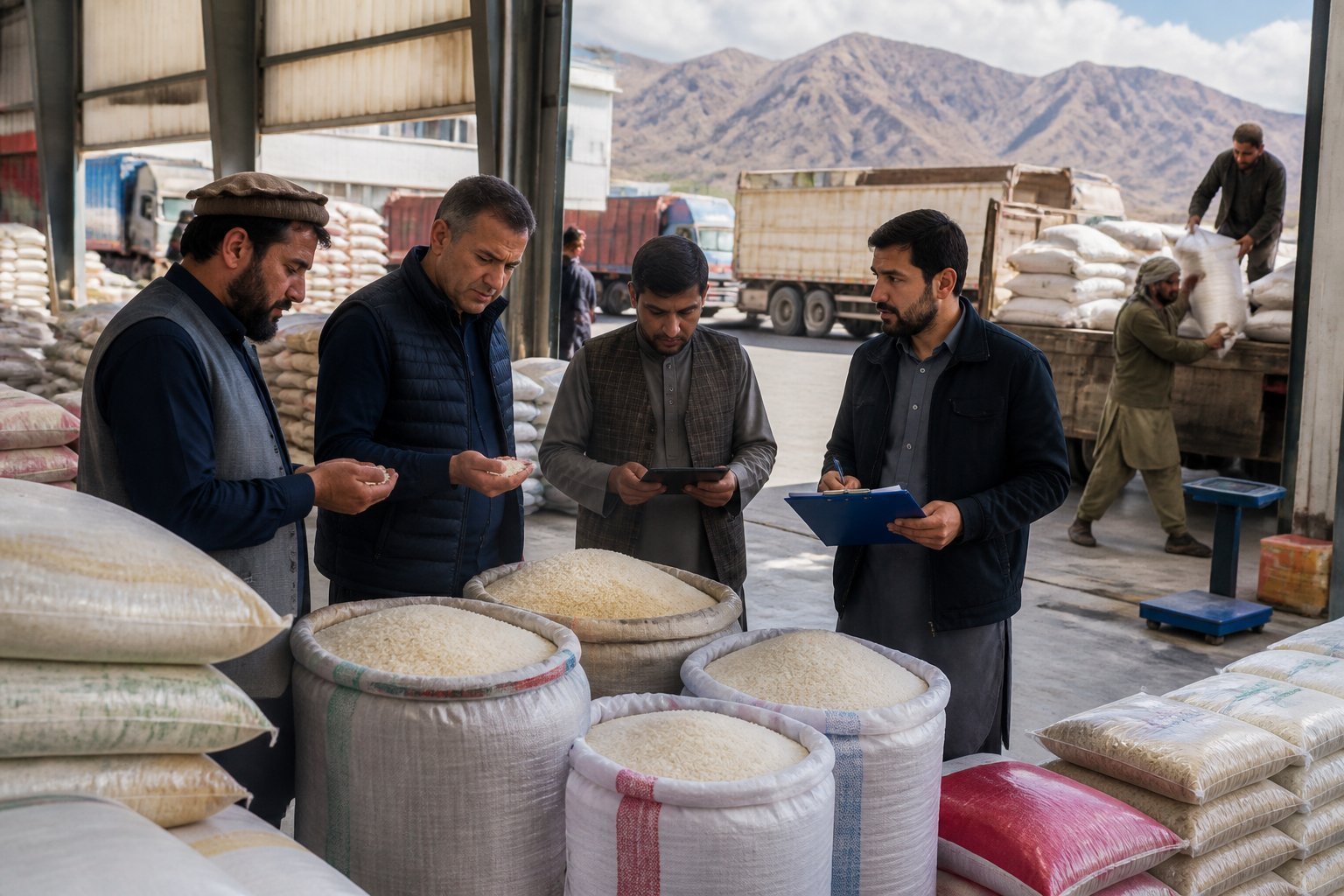
Afghanistan relies almost entirely on outside supply for its rice needs, while Central Asian countries balance local production with imports to meet steady demand. These patterns shape how buyers across the region think about sourcing, pricing, and supply security.
Afghanistan’s Import Dependence and Demand Profile
Afghanistan does not produce enough rice to feed its population. It depends on trade routes with neighboring countries to fill the gap.
Pakistan has long served as a main supplier for Afghan rice needs. However, recent tension between the two countries has pushed Afghan buyers to look for other options. Some are now exploring direct imports from India to keep supply steady.
Afghanistan’s own rice exports are small. In 2024, the country made up only 0.00026% of global rice exports, ranking 120th among exporting nations. This shows that Afghanistan is a rice buyer, not a rice seller, on the world stage.
Central Asian Demand Centers and Trade Flows
Uzbekistan and Kazakhstan lead the Central Asian rice market in both production and use. Tajikistan also plays a strong role as both a grower and consumer of rice.
Wheat remains the top staple across the region. Still, rice holds a steady place in local diets and food traditions.
Trade flows show smaller markets stepping in to buy Afghan rice. In 2024, the Kyrgyz Republic imported about 24,750 kg of rice from Afghanistan, while Uzbekistan and Kazakhstan brought in smaller amounts. These numbers stay low compared to major world rice trade, but they show active regional exchange.
Regional supply chains link back to import corridors through Pakistan. This connection makes route stability in that country a key factor for buyers across Central Asia.
What the Market Means for the region Rice Buyers
The data shows a region where supply chains can shift fast due to political and trade pressures. buyers should watch these patterns closely, since disruptions in Afghanistan or Central Asia can affect wider regional pricing and availability.
Pakistan remains a certified, dependable origin for rice supply, even as some buyers in the region test new routes. Its long-standing trade infrastructure and quality standards make it a stable choice amid shifting regional dynamics.
For importers, this means:
- Diversify supplier relationships without dropping proven, certified origins.
- Track quantity and trade value shifts in neighboring markets as early signals of supply changes.
- Choose partners who meet strict quality standards, such as ISO 9001:2015, ISO 22000:2018, HACCP, Halal, and USFDA certification, to protect against interruptions.
A steady, well-documented supply chain matters more than ever as regional trade patterns continue to shift.
Which countries and routes supply the region’s rice?
Supplier countries and competitive supply routes:
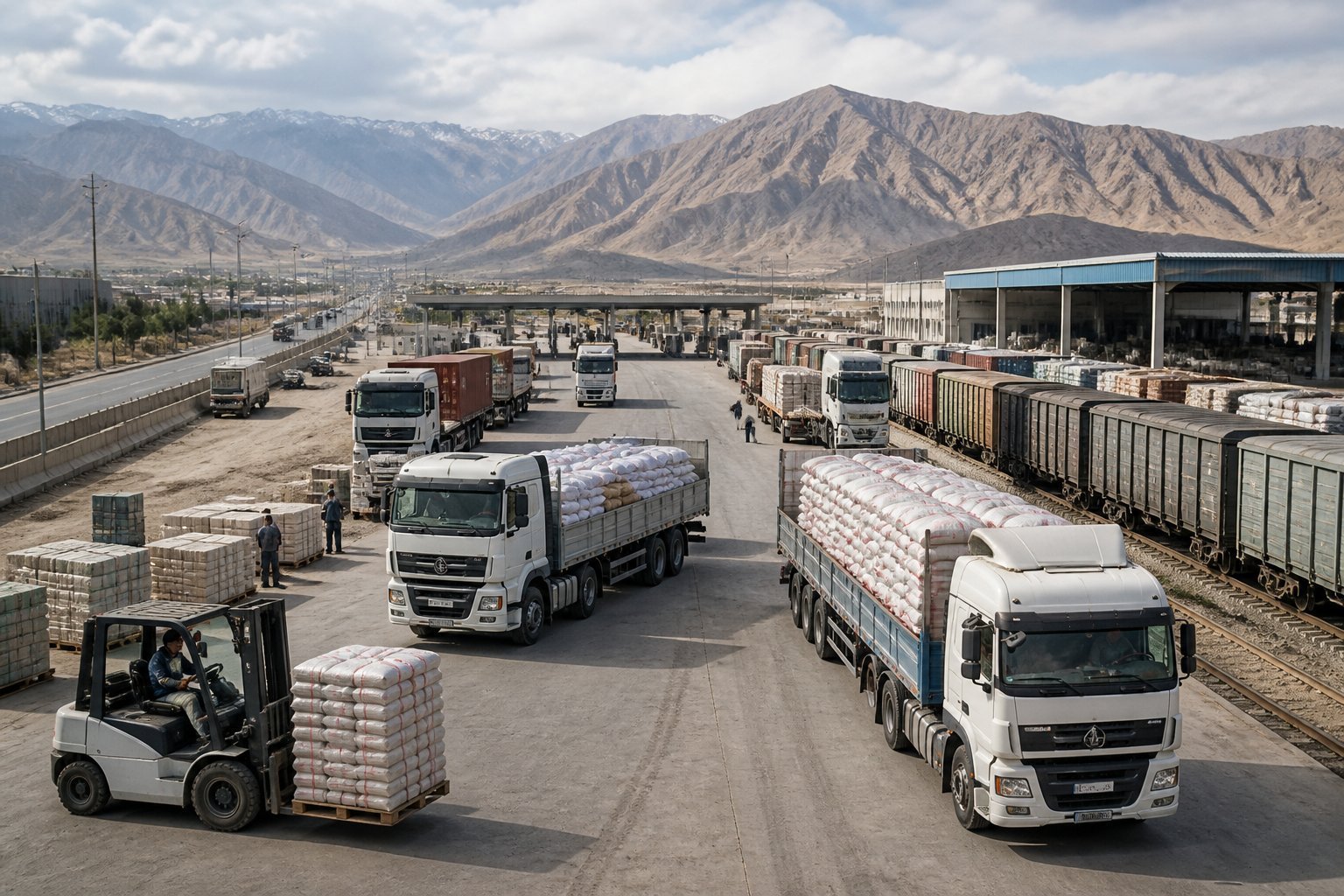
Afghanistan and the Central Asian countries buy rice from a mix of nearby and distant suppliers. Prices, shipping distance, and trade routes all shape which countries supply the most rice to the region.
Pakistan and India as Core Regional Suppliers
Pakistan and India supply most of the rice used in Afghanistan and Central Asia. Their location makes shipping faster and cheaper than routes from other parts of Asia.
Pakistan ships rice through Karachi and over land routes into Afghanistan. Many Pakistani rice suppliers hold certifications such as ISO 9001:2015, ISO 22000:2018, HACCP, and Halal, along with USFDA approval. These standards make Pakistan a dependable choice for buyers who need consistent quality and food safety.
India remains a steady source of rice for the wider region too, including Kenya’s rice imports, which shows India’s reach beyond just Central Asia. Together, Pakistan and India form the backbone of regional rice supply.
Thailand, Vietnam, and Cambodia in Asian Supply
Thailand, Vietnam, and Cambodia add more rice options to the region, though their routes take longer than shipments from Pakistan or India. These countries are known for large-scale rice production and steady export volumes.
Vietnam alone reported high import volumes in 2023, showing how active it is in global rice trade, both buying and selling. Thailand and Cambodia also ship large amounts of rice to buyers across Asia and Africa.
For Central Asian buyers, these countries offer a wider range of rice types and price points. Shipping from Southeast Asia takes more time, but it gives buyers more choices when they want variety beyond regional suppliers.
Russia, China, Iran, and Other Regional Origins
Russia, China, and Iran play smaller but steady roles in supplying rice to the region. Each country brings different strengths based on its location and trade ties.
China imported large volumes of rice in 2023, making it one of the largest rice buyers in the world, even as it also supplies some rice to neighboring markets. Iran’s trade routes connect closely with Afghanistan, especially as Iran and Central Asia routes have helped keep Afghan trade steady during border closures with Pakistan.
Russia supplies rice mostly to nearby Central Asian countries through overland routes. Indonesia, while a major rice importer itself, also plays a role in the wider Asian rice trade network that touches Central Asian supply chains indirectly.
What role does Afghanistan play in regional rice trade?
Afghanistan’s role in regional rice trade:
Afghanistan functions mainly as a rice importer rather than a major exporter, though small volumes move through its borders as re-exports to neighboring markets. Its landlocked geography and shifting transit routes continue to shape how rice enters and moves through the country.
Domestic Imports Versus Re-Exports
Afghanistan relies heavily on imported rice to meet domestic demand, since local production covers only part of what the country consumes. In 2024, Afghanistan ranked as the 31st largest rice importer in the world and the second most imported product in the country that year.
Most of this rice has historically entered through Pakistan. However, Afghanistan is now exploring direct Basmati rice imports from India to diversify its supply sources.
Beyond domestic use, Afghanistan also acts as a transit point. Some rice shipments pass through the country before reaching other Central Asian markets, rather than staying within Afghan borders.
Rice Exports From Afghanistan by Destination
Afghanistan’s own rice exports are small compared to major global exporters, but trade records show steady shipments to a limited number of countries. In 2023, the top buyers of rice from Afghanistan were Kazakhstan, the Kyrgyz Republic, and Switzerland.
These totals are minor next to global rice trade volumes. Countries such as the United States, Canada, the United Kingdom, and members of the European Union import far larger quantities of rice each year, most of it sourced from established exporting nations.
European markets including Germany, Austria, and Sweden also source rice mainly from long-standing exporters like Pakistan and India, not from Afghanistan. This reflects Afghanistan’s narrow export footprint outside its immediate region, even as trade with Central Asia continues to grow.
Landlocked Logistics and Transit Constraints
Afghanistan has no direct sea access, so its rice trade depends entirely on transit routes through neighboring countries. Following disruptions along the Pakistan route, trade has shifted toward Central Asia and Iran. Central Asian corridors now handle 48% of Afghan imports, Iran accounts for 46%, and Pakistan’s share has fallen close to zero.
This shift carries real consequences for food access, since Afghanistan still depends on Pakistan corridors for key imports like rice, cooking oil, and fuel.
Ongoing analysis, including research on Pakistan-Afghanistan bilateral trade, points to Pakistan’s continued relevance both as a trading partner and as a transit route for Afghan and Central Asian trade flows. Certified, standards-compliant suppliers remain a steady part of the regional rice supply chain, regardless of which corridor is in use at a given time.
What specifications and customs codes apply?
Product specifications and customs classification:
Rice trade data relies on standard product codes and clear descriptions to track shipments across borders. These classification systems let buyers and analysts compare quantity, trade value, and origin details across different countries and time periods.
Using HS Code 1006 for Rice Trade Analysis
Rice shipments are tracked under HS code 1006, the standard classification used by customs agencies worldwide. This code covers rice in all its forms, from raw grain to processed products ready for retail sale.
Afghanistan’s customs system follows this same structure. The country’s general directorate of customs applies these codes to calculate duties and track goods entering the market.
Older trade records sometimes reference the HS 1988/92 version, an earlier revision of the harmonized system. Analysts working with historical data need to account for this version when comparing older figures to current ones. The World Customs Organization’s trade tools help traders match product codes across different revisions and countries.
For buyers sourcing from certified origins like Pakistan, correct HS code use ensures smooth customs clearance and accurate documentation at every border crossing.
Milled Rice, Rough Rice, and Other Product Forms
Rice import data breaks down by product description, separating raw and processed forms. Milled rice is the most common form traded internationally. This is rice that has had its husk, bran layer, and germ removed, leaving the polished grain ready for cooking.
Rough rice, also called paddy rice, still has its outer husk intact. This form requires further processing before it reaches consumers.
Other categories include broken rice, parboiled rice, and husked (brown) rice. Each form carries a slightly different customs subcode under the broader HS 1006 classification. TEFT Global focuses on supplying milled rice that meets strict quality benchmarks, including ISO 9001:2015 and ISO 22000:2018 standards, along with HACCP and Halal certification. These specifications matter because buyers need consistent grain quality, moisture content, and processing standards when comparing suppliers across different exporting countries.
Shipment Data Fields That Support Supplier Evaluation
Trade databases track several fields that help buyers assess potential suppliers. Key data points include:
- Quantity shipped, usually measured in metric tons
- Trade value in US dollars or local currency
- Origin country and specific exporting company
- Destination port and receiving country
- Product description detailing rice type and grade
Platforms like Volza’s trade analytics and Tridge’s import intelligence compile these fields into searchable records. Buyers can filter by origin, compare pricing trends, and identify consistent suppliers over time.
For procurement teams evaluating rice sources, these data fields reveal patterns in shipment frequency and pricing stability. Pakistan’s position as a certified, USFDA-approved origin gives buyers a reliable benchmark when reviewing quantity and trade value data against other supplying countries in the region.
What are the demand patterns across the region and global markets?
Demand patterns across the region and global markets:
Rice demand varies widely between regions based on population size, income levels, and local food habits. The Gulf, Asia, and Western markets all show different buying patterns that shape global rice trade flows.
the region Demand and Middle East Buying Hubs
The Gulf region depends almost entirely on imported rice to feed its population. Saudi Arabia and the United Arab Emirates serve as the largest buyers in the region, importing large volumes each year to meet steady consumer demand.
Rice moves through the region mainly by sea, and most shipments pass through the Strait of Hormuz before reaching Gulf ports. This route carries about 35 percent of the region’s grain imports, making it a key artery for food supply.
Iraq and Jordan also import significant amounts of rice, often relying on regional trade networks and re-exports from Saudi Arabia. Iran, meanwhile, has placed export restrictions on some food items, which has added pressure to nearby import-dependent markets.
Pakistan remains a trusted source for the region. Its certified, high-quality rice meets the strict food safety standards that buyers require, including Halal certification.
Asian Import Markets and Price Competition
Asian countries make up some of the largest rice import markets in the world. The Philippines and Malaysia both import substantial volumes to supplement local production and keep consumer prices stable.
Singapore relies almost entirely on imports due to its small land area and limited farming capacity. Its demand is steady but sensitive to shifts in global rice prices.
Japan and South Korea import smaller volumes overall, since both countries maintain strong domestic rice production supported by government policy. Still, these two markets remain price-sensitive and often seek premium grain varieties.
Across Asia, buyers weigh price against quality certifications. Suppliers offering ISO-certified and traceable rice, such as Pakistani exporters, often gain an edge in markets where food safety standards are a growing priority.
Benchmarking Against Europe and the Americas
Global demand patterns extend beyond Asia and the Middle East. The European Union imports rice mainly for niche and specialty markets, with strict quality and safety checks shaping which suppliers can compete.
In North America, the United States and Canada import rice mostly to meet demand for specific varieties not grown domestically, such as basmati and jasmine rice. Mexico imports rice as well, though its market is smaller compared to Gulf and Asian buyers.
The Caribbean and broader Latin America region show growing import demand, driven by population growth and limited local rice production. These markets often look to established, certified suppliers to ensure consistent quality and food safety compliance.
Across all these regions, buyers increasingly prioritize suppliers with verified certifications like HACCP and USFDA approval, a standard that positions Pakistani rice exporters as a dependable global source.
What logistics and supply-continuity risks matter?
Logistics, risk, and supply continuity:
Rice moves into Afghanistan and Central Asia through a mix of overland routes and regional hubs. Each corridor carries its own risks, from border closures to banking delays, and importers plan around these factors to keep supply steady.
Overland Corridors Through Pakistan and Central Asia
Pakistan remains a key route for rice reaching Afghanistan. Trucks cross at Torkham and Chaman, then move north toward Kabul and beyond. This path has faced repeated closures, which has pushed Afghan traders to expand into other corridors.
Central Asian routes offer an alternative. Kazakhstan and Uzbekistan serve as transit points for goods moving between South Asia and Central Asia. The Kyrgyz Republic also plays a smaller role in regional transit networks.
These routes require more time and coordination. But they reduce dependence on a single crossing point, which matters when conflict or policy shifts disrupt trade flow.
Border Delays, Banking Friction, and Documentation
Border crossings between Afghanistan and Pakistan have closed multiple times in recent years. Each closure stops trucks at the border for days or weeks. This creates backlogs that take time to clear once crossings reopen.
Banking channels add another layer of friction. Sanctions and limited banking access in Afghanistan slow payment processing for imports. Traders often rely on informal transfer systems or third-country banks to complete transactions.
Documentation requirements also vary by corridor. Customs paperwork, certificates of origin, and quality certifications must match each country’s import rules. Missing documentation adds delays on top of border wait times.
Buyers sourcing certified rice, including Pakistani rice that meets international quality standards, reduce some of this risk. Verified certifications speed up customs clearance in most cases.
Managing Origin Concentration and Disruption Risk
Relying on one origin country or one transit route creates exposure. If a border closes or a conflict disrupts a corridor, supply can stall quickly. This has pushed Afghanistan to diversify its trade routes rather than depend on a single path.
Importers manage this risk through supplier diversification. Sourcing from Pakistan alongside India and other rice-producing regions spreads risk across multiple supply lines. Certified suppliers with ISO 9001:2015, ISO 22000:2018, HACCP, Halal, and USFDA compliance add a layer of consistency that supports smoother customs processing.
The United Arab Emirates also functions as a regional trade hub. Rice moving through UAE ports can reach Central Asia and Afghanistan via secondary routes when primary corridors face disruption.
International trade patterns show that flexibility matters more than speed. Traders who maintain relationships across multiple origins and routes are better positioned to keep rice moving when any single path faces delay.
What sourcing strategy should importers use?
Sourcing strategy for importers:
importers face a wide field of rice origins, grades, and price points, and building a strong supply chain means comparing suppliers on more than just cost. A clear approach to shortlisting, cost comparison, and market monitoring helps buyers secure steady milled rice supply while managing risk.
Building a Supplier Shortlist by Grade and Origin
buyers typically source rice from a handful of major exporting countries, each known for specific grades and varieties. India and Pakistan remain the top suppliers of Basmati rice, while Thailand and Vietnam supply large volumes of long-grain white and parboiled rice. Brazil and Australia add smaller but steady volumes, often for niche or specialty grades.
A strong shortlist should group suppliers by:
- Grade (extra-long, long-grain, broken percentage)
- Certification status (ISO 9001:2015, ISO 22000:2018, HACCP, Halal, USFDA)
- Consistency of past shipments
Pakistan stands out for buyers who need certified, traceable supply from a reliable origin, since many exporters there already meet the full set of certifications buyers require.
Comparing Landed Cost, Quality, and Delivery Terms
Landed cost includes more than the headline quote. Buyers need to add freight, insurance, port fees, and inland transport to get a true trade value for each shipment.
A simple comparison table helps:
| Factor | What to Check |
|---|---|
| Trade value | FOB vs CIF terms and origin |
| Quantity | Minimum order quantity, container size |
| Quality | Grain length, moisture, broken percentage |
| Delivery | Lead time, port of loading, shipping line |
Buyers should also confirm the product description on shipping documents matches the actual grade and packaging agreed upon. Mismatches here are a common source of disputes at the port of arrival. Reviewing supplier options such as private label packaging and Basmati grade choices can help buyers align cost and quality goals before signing a contract.
Monitoring Trade Data and Market Signals
Rice imports and rice exports data give buyers an early view of supply shifts before they hit local markets. Tracking shipment volumes from India, Pakistan, Thailand, and Vietnam helps buyers spot when a country’s export pace is slowing or picking up.
Public trade platforms and customs data can show:
- Recent shipment counts by origin country
- Buyer and supplier activity levels
- Seasonal shifts in export volume
For example, trade databases tracking verified buyer and supplier shipment records give a picture of how sourcing patterns shift across a region. the region governments and large importers are also diversifying supply across multiple origin countries to reduce reliance on any single corridor, a trend worth watching when planning future contracts.
Source rice for regional markets
Get buyer-specific specifications, certifications, and supply options matched to your market.
What do buyers ask most about Afghanistan and Central Asia rice imports?
Frequently asked questions:
Rice trade patterns across Afghanistan and Central Asia depend on supplier reliability, regional trade routes, and shifting political relationships. The following questions cover supply sources, import volumes, rice types, transit challenges, regulations, and how local production shapes demand.
Which countries supply most of Afghanistan’s rice imports?
Pakistan supplies the vast majority of rice imported into Afghanistan. In 2024, Afghanistan sourced the vast majority of its rice from Pakistan, which accounted for almost all of that total.
South Korea, Kazakhstan, India, and Turkey supplied much smaller amounts that year. Pakistan’s dominance comes from geographic proximity, established trade routes, and long-standing supplier relationships.
Suppliers like Pakistan often carry certifications such as ISO 9001:2015, ISO 22000:2018, HACCP, Halal, and USFDA approval. These standards help buyers trust the quality and safety of the rice they receive.
How do rice import volumes differ across Central Asian countries?
Rice trade volumes vary quite a bit between Central Asian nations. Trade data from 2024 shows that Canada, Uzbekistan, Kyrgyz Republic, and Kazakhstan each handled different quantities and dollar values tied to Afghan rice trade.
A year earlier, in 2023, Kazakhstan and Kyrgyz Republic showed higher trade volumes, with Switzerland also appearing as a partner. These shifts show that volumes can change from year to year based on demand, pricing, and regional trade conditions.
What are the main types of rice imported into Afghanistan and Central Asia?
Basmati rice is the main type imported into Afghanistan. Afghanistan consumes close to 500,000 tonnes of Basmati rice each year, based on industry estimates.
Buyers in the region often prefer Basmati because of its quality and taste. Indian Basmati rice has become a popular choice for many Afghan importers, alongside continued sourcing from Pakistan.
Growth in Basmati demand is expected to continue. Market forecasts point to steady growth in Basmati rice trade through 2030, driven by strong demand and competitive pricing.
How do border controls and transit routes affect rice imports in the region?
Border relationships directly affect how rice moves into Afghanistan. Recent tensions between Afghanistan and Pakistan have pushed Afghan buyers to look at other supply options, including direct imports from India.
When land routes face delays or restrictions, importers often need backup suppliers. This shows why buyers value suppliers with proven reliability and consistent shipping records, regardless of the country of origin.
What tariffs and import regulations apply to rice shipments into Afghanistan and Central Asia?
Rice shipments must meet specific import rules before they can enter a country. For example, rice entering the United States must follow FDA and FSMA requirements, including advance notice before the shipment arrives.
Afghanistan and Central Asian countries have their own import rules, which can include tariffs, inspection requirements, and documentation standards. Suppliers that already hold certifications like ISO 9001:2015, ISO 22000:2018, HACCP, Halal, and USFDA approval are often better prepared to meet these varied requirements without delays.
How do domestic rice production levels influence import demand in these markets?
Afghanistan grows some rice domestically, but production does not meet full demand. This gap is why the country relies heavily on imports, especially from Pakistan.
Buyer activity reflects this need. Records show thousands of rice import shipments into Afghanistan each year, along with a growing list of active rice buyers and distributors across the country.
When domestic harvests are lower, import demand tends to rise. This pattern holds true across much of Central Asia, where local production varies by country and season.