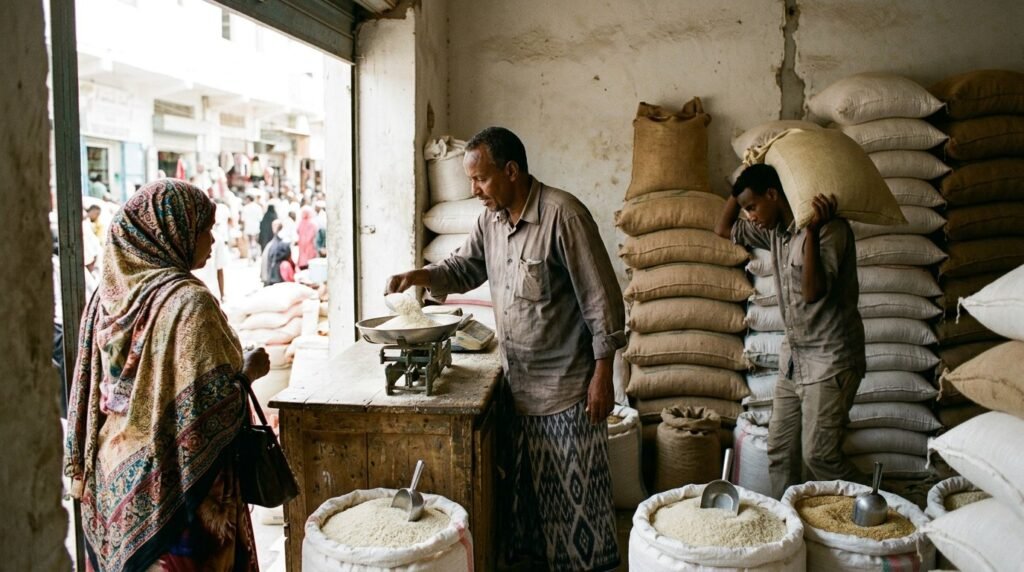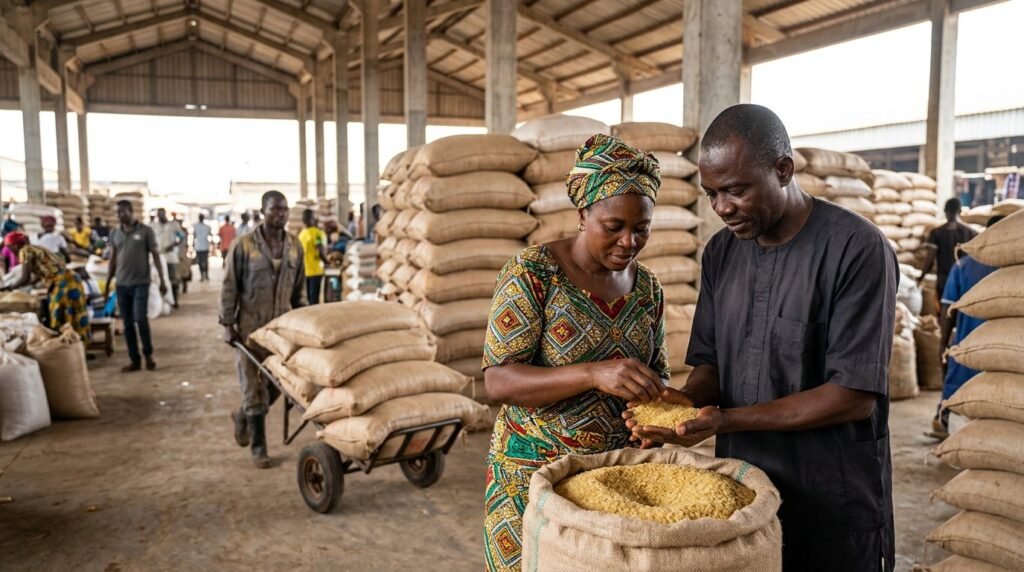
Somalia rice imports rely heavily on India and Pakistan, while buyers in 2026 need clear quality specifications, current import checks, and storage plans that protect each lot. Historical trade figures help buyers assess demand, but every figure needs a year and a clear definition of what it measures.
OEC trade data for 2024 show that rice was Somalia’s second largest import, and that India and Pakistan supplied almost all of it.
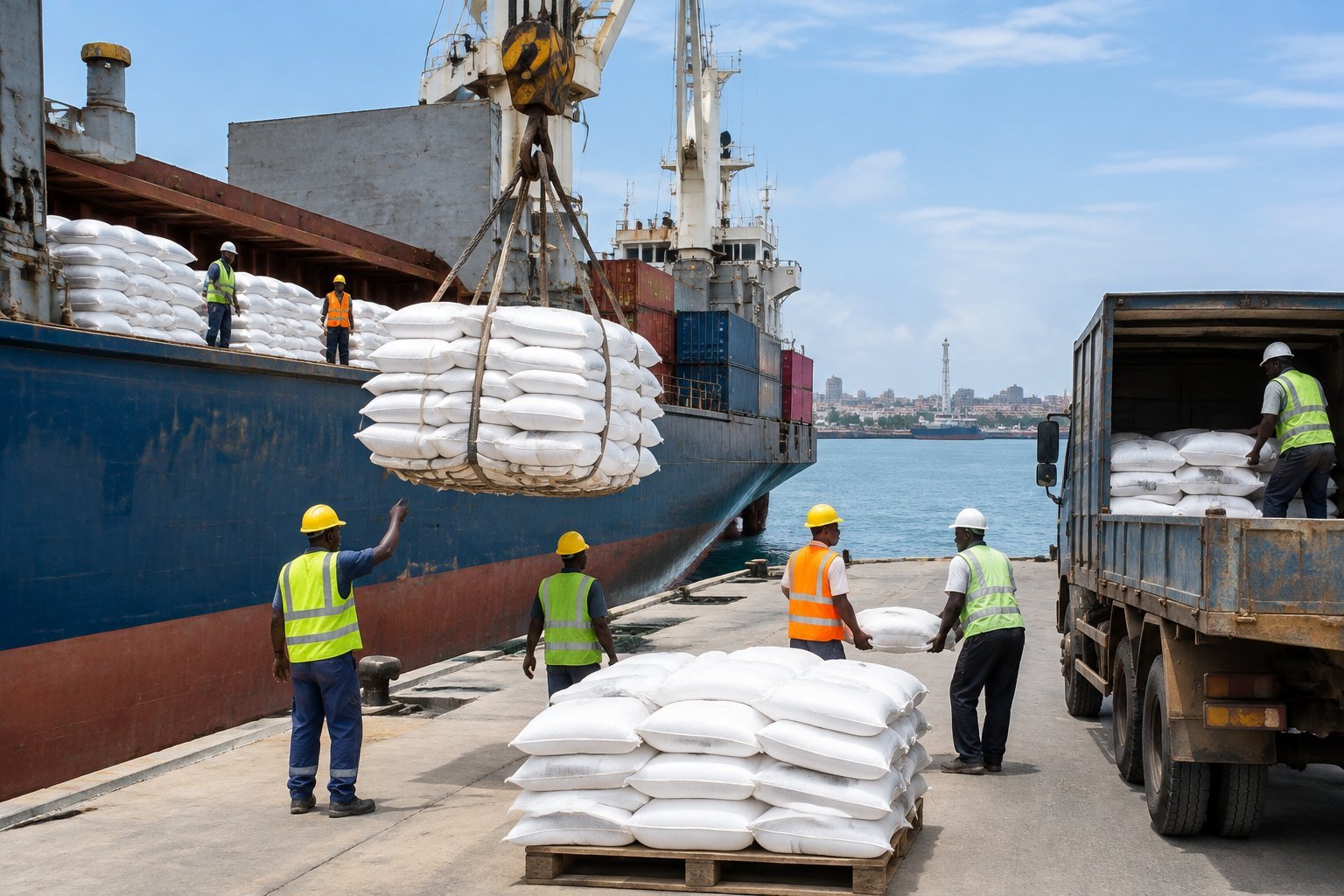
For importers and distributors, dependable wholesale rice supply starts with matching the product to its customers. Hotels need consistent cooking performance. Retail buyers also need suitable pack sizes and labels that identify the rice clearly.
Purchasing decisions in November 2026 should separate completed historical records from current orders. Annual volumes show the scale of demand; shipment-specific documents establish what a buyer will receive.
Key Takeaways
- India and Pakistan are important rice trading partners for Somalia.
- Written specifications should define grain quality and processing type.
- Current clearance checks and dry storage protect commercial stock.
How Much Rice Does Somalia Import?
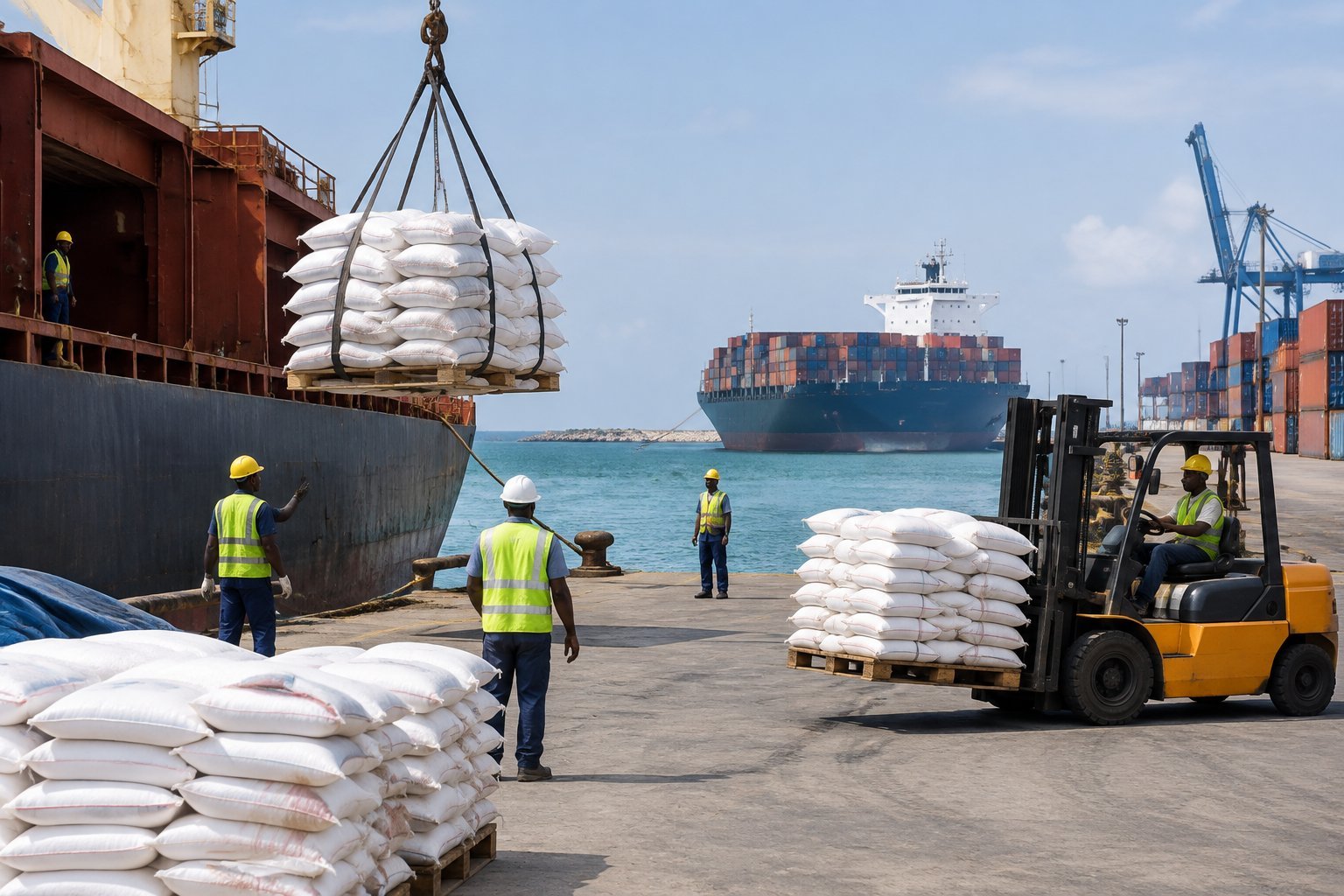
Somalia imports hundreds of thousands of tonnes of rice annually. The rice market in Somalia requires careful comparisons because agricultural supply estimates and customs records measure trade on different bases.
What Do Official Annual Import Volumes Show?
The USDA-based market-year series records Somalia’s milled rice imports at 600,000 metric tonnes in 2022, 610,000 in 2023, and 650,000 in 2024. These figures provide a useful historical benchmark for procurement planning.
The series uses market years and a milled-rice basis. Buyers should retain those definitions whenever they quote the figures internally. A completed full-year 2026 total requires the relevant reporting period to close and the reporting agency to publish its figures.
How Should Buyers Interpret Historical Trade Data?
Buyers should compare figures with matching periods, product coverage, and units. Calendar-year customs records require separate treatment from market-year agricultural estimates.
Shipment counts measure recorded transactions, so their country shares require care when assessing national import volumes. A database with many small consignments from one country gives a different picture from a weight-based record.
For a useful purchasing file, each figure should carry its reporting agency, year, rice category, and unit. Later revisions should remain visible so that older estimates do not enter a new demand forecast unnoticed.
Which Countries Supply Rice to Somalia?
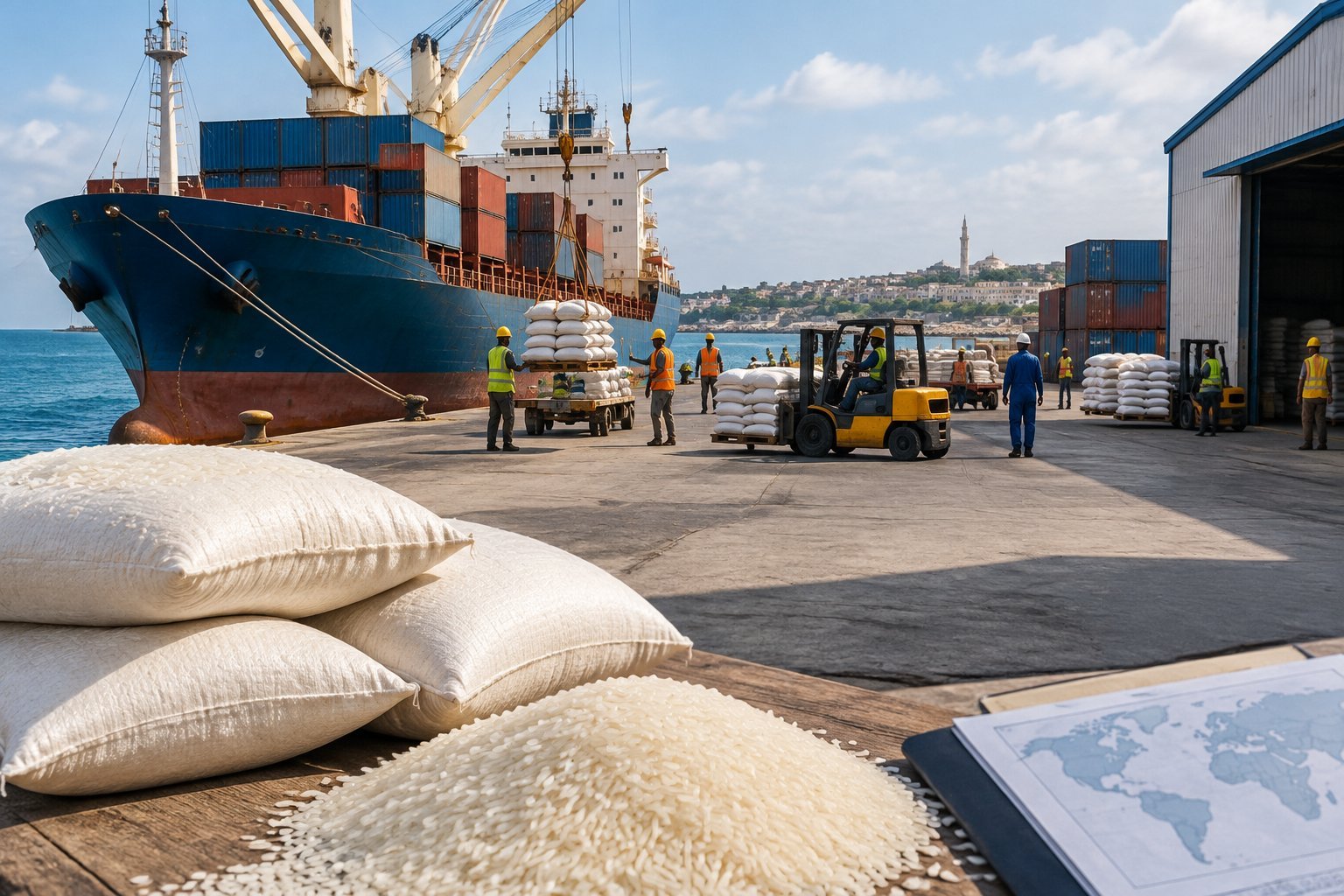
India and Pakistan are major rice suppliers to Somalia in historical partner-country records. In 2023, their reported rice exports to Somalia reached 413,695 metric tonnes from India and 66,414 metric tonnes from Pakistan.
What Role Does India Play in Rice Supply?
India is the world’s leading rice exporter and an important supplier to Somalia. Its rice sector offers basmati and non-basmati products across several processing types.
Buyers importing rice from India should identify the exact variety and grade before comparing offers. Export-policy checks also need to match the product being purchased, since rules distinguish between rice categories.
India’s position in the 2023 records establishes its historical importance. Current purchasing decisions still require confirmation of export eligibility and delivery commitments for the agreed product.
What Characteristics Does Pakistani Rice Offer?
Pakistani rice includes aromatic basmati and non-basmati long-grain varieties. Its commercial range supports both premium retail products and everyday foodservice needs.
Basmati buyers should assess aroma and cooked elongation. Non-basmati buyers should focus on grain uniformity, broken content, and performance during cooking.
Supply reliability requires evidence at the order level. Approved samples and lot-linked inspection records give buyers a practical basis for checking repeat deliveries.
How Should Buyers Assess Thailand, Vietnam, and Other Origins?
Thailand and Vietnam offer established rice categories, including aromatic and non-aromatic products. Their suitability for Somali buyers rests on the requested grain profile and documented availability.
Each origin should be assessed against the same purchase specification. A country name alone gives limited detail about texture, aroma, milling quality, or broken content.
Trade records also need a distinction between the exporting country and the country where the rice was grown. Buyers should confirm agricultural origin through the relevant documents before making country-of-origin claims on packaging.
Which Rice Types Suit Your Customers?
The right rice type matches the customer’s cooking method and product expectations. Retail assortment planning and bulk catering require separate approval criteria, even when both customers purchase long-grain rice.
When Should You Choose Basmati or Non-Basmati Rice?
Basmati suits customers seeking aroma and long, separate grains after cooking. Non-basmati rice supports everyday meals and catering menus where a different texture or aroma level is preferred.
For premium products, 1121 basmati rice deserves a cooking trial that checks elongation and grain separation. The variety name should appear alongside its processing type in the order.
Customer acceptance should guide selection. A sample that performs well in one kitchen still needs testing under the intended customer’s cooking method.
How Do White and Parboiled Rice Differ?
White rice is milled after husking, while parboiled rice undergoes soaking, heat treatment, and drying before milling. Parboiling changes grain structure and cooking behavior.
A buyer comparing parboiled rice and white rice should test firmness, color, and performance during holding. Parboiled rice offers firmer grains, while white rice provides the texture associated with its specific variety.
Cooking instructions must match the approved product. Water absorption and cooking time require a fresh check when the processing type changes.
Which Grain Characteristics Matter for Catering and Retail?
Catering buyers need consistent cooked yield and grains that hold their texture during service. Retail buyers also assess appearance in the pack and repeat cooking performance at home.
Useful checks include:
- Raw grain length and uniformity
- Broken-kernel content
- Aroma and cooked texture
- Grain separation after resting
- Performance during hot holding
- Consistency between production lots
The sample trial should record the cooking method as well as the result. That record gives purchasing teams a clear reference when a later delivery receives a complaint.
What Specifications and Documents Should Buyers Check?
Every order should connect a written rice specification with matching quality evidence and clearance documents. The buyer’s file should identify the physical lot covered by each certificate.
Which Quality Specifications Should Your Order Define?
A purchase specification should describe measurable acceptance limits. Terms such as “premium” or “export quality” leave too much room for different interpretations.
Written rice quality specifications should cover:
- Variety and agricultural origin
- White, steam-treated, or parboiled processing
- Grain length and broken percentage
- Maximum moisture
- Foreign matter and damaged grains
- Admixture and milling requirements
- Infestation acceptance criteria
- Packaging and lot identification
A lot-linked rice certificate of analysis should show the tested parameters and methods. Sampling instructions should explain how the sample represents the cargo being accepted.
Which Import and Food Safety Requirements Need Verification?
Importers should confirm the current requirements with the competent authorities and their appointed customs representative before dispatch. The Somali Customs Department collects import duties and other relevant taxes and acts as an entry control point.
The document check should cover the commercial invoice, packing list, transport document, and certificate of origin. Buyers should also establish whether phytosanitary, health, fumigation, inspection, or conformity documents apply to the particular cargo.
Somali standards include procedures for inspection, conformity assessment, and quality control of imported goods. Buyers need written confirmation of the standards and certification process applicable to their rice in 2026.
Food safety checks should address the relevant contamination risks and legal limits. U.S.-based companies purchasing rice for Somalia should apply the destination’s requirements to that transaction.
What Should Packaging and Labels Confirm?
Packaging should protect rice against handling damage and moisture entry. Food-contact materials must suit the product, and closures should remain secure through storage and handling.
Label artwork should match the approved specification. Buyers should verify the product name, net weight, origin, lot code, responsible business details, date markings, and required storage instructions.
Language rules and date formats require confirmation before bags are printed. Any claim about variety, grade, or certification needs supporting documents tied to the goods.
How Should You Store Rice and Manage Stock?
Rice belongs in a clean, dry warehouse with controlled moisture exposure and effective pest management. Ventilation or climate control should suit local conditions and prevent damp air from affecting the grain.
What Warehouse Conditions Protect Rice Quality?
Warehouse teams should inspect roofs, walls, and floors for water entry before receiving stock. Bags should sit on sound pallets with space for cleaning and inspection.
Rice absorbs moisture from surrounding air. Safe storage guidance calls for grain moisture of 14% or less, together with protection from pests and rewetting; longer storage requires a suitably lower moisture level.
A rice storage and shelf-life plan should link expected holding time with packaging and warehouse conditions. Strong odors, chemicals, and wet goods need separate storage areas.
How Can Stock Rotation Reduce Moisture and Pest Risks?
Stock rotation reduces the time bags remain exposed to warehouse hazards. First-expiry-first-out works where date limits differ; first-in-first-out suits comparable stock with matching shelf-life conditions.
Receiving records should capture lot codes and bag condition. Staff should separate wet or damaged bags and arrange an assessment before adding them to saleable stock.
Scheduled inspections should check for insects, droppings, torn bags, and damp patches. Qualified pest-control personnel should handle any treatment, with food-safety controls documented before stock returns to distribution.
What Can Disrupt Rice Availability in Somalia?
Export-policy changes, harvest losses, and transport delays affect rice availability in Somalia. Local weather shocks also influence food demand and the movement of goods within the country.
How Can Export Policies and Harvest Conditions Affect Availability?
Export restrictions or new certification rules change the availability of particular rice categories. Buyers should verify the rules in force when an order is confirmed and again before dispatch.
Harvest conditions in exporting countries affect the volume and quality available for sale. Poor drying also raises the need for careful moisture checks.
Somalia’s Ministry of Agriculture identifies recurrent droughts, crop failure, and water scarcity as threats to food production and availability. Those pressures affect the wider rice market in Somalia, including households’ purchasing power.
How Should Buyers Plan for Demand Changes and Supply Delays?
Buyers should set reorder points using actual sales and observed delivery times. Seasonal demand, including Ramadan purchasing, needs its own forecast.
A supply disruption plan should identify approved substitute grades and the conditions for accepting them. Any change in origin or processing type needs a quality review before customer commitments are made.
Delivery planning should include time for document corrections and inspections. Purchasing teams should also track port handling and inland transport conditions, since ocean arrival alone does not establish the date stock becomes available for sale.
How Can Verified Data and Clear Specifications Guide Your Orders?
Verified historical figures establish demand context, while clear specifications define the rice being purchased. Each order should carry its own acceptance criteria and current compliance checks.
A documented sample approval process connects customer expectations with the bulk order. The retained sample should match a written specification and a recorded cooking trial.
Before approval, the purchasing file should contain the agreed grade, lot-linked quality evidence, confirmed clearance requirements, and a suitable storage plan. Any product change should trigger a review of the affected documents and acceptance checks.
Somalia is one of several markets in the Horn and East Africa that buy Pakistani rice. For the wider region, read our guide to East Africa rice trade.
Frequently Asked Questions
Rice import figures and purchasing requirements are most useful when their year and product coverage are clear. These answers address common checks for buyers working in the rice market in Somalia.
Where can I find Somalia rice imports by country?
World Bank WITS provides country-level rice trade records using UN Comtrade reporting. Buyers should select Somalia, the required year, and the rice category, then distinguish Somalia-reported imports from partner-reported exports.
Where can I verify Somalia rice import figures for 2022?
The USDA-based milled-rice series records Somalia’s 2022 market-year imports at 600,000 metric tonnes. Verification should preserve the market-year label and milled-rice basis, with calendar-year customs figures checked separately.
What rice do Somalis use?
Somali households and foodservice businesses use long-grain rice, including basmati, for dishes such as bariis. Preferences vary by customer and dish, so an approved cooking sample gives wholesale buyers a practical product reference.
Does Somalia produce rice locally?
Somalia produces rice locally, including in irrigated farming areas. Its Ministry of Agriculture describes local rice production as very low compared with imports, which leaves imported rice important to national supply.
What should wholesale buyers check before ordering rice for Somalia?
Wholesale buyers should check the written grade specification, lot-linked quality evidence, and current destination requirements. Packaging approval and a documented delivery plan should be complete before the order proceeds.