
The rice market in Oman represents a strategic opportunity for importers and distributors serving the Gulf Cooperation Council region. As of May 2026, Oman’s rice demand remains stable, reflecting steady consumption patterns in a market where consumption continues to grow alongside shifting preferences toward premium varieties. The country relies heavily on imports to meet domestic needs, creating consistent procurement opportunities for certified suppliers.
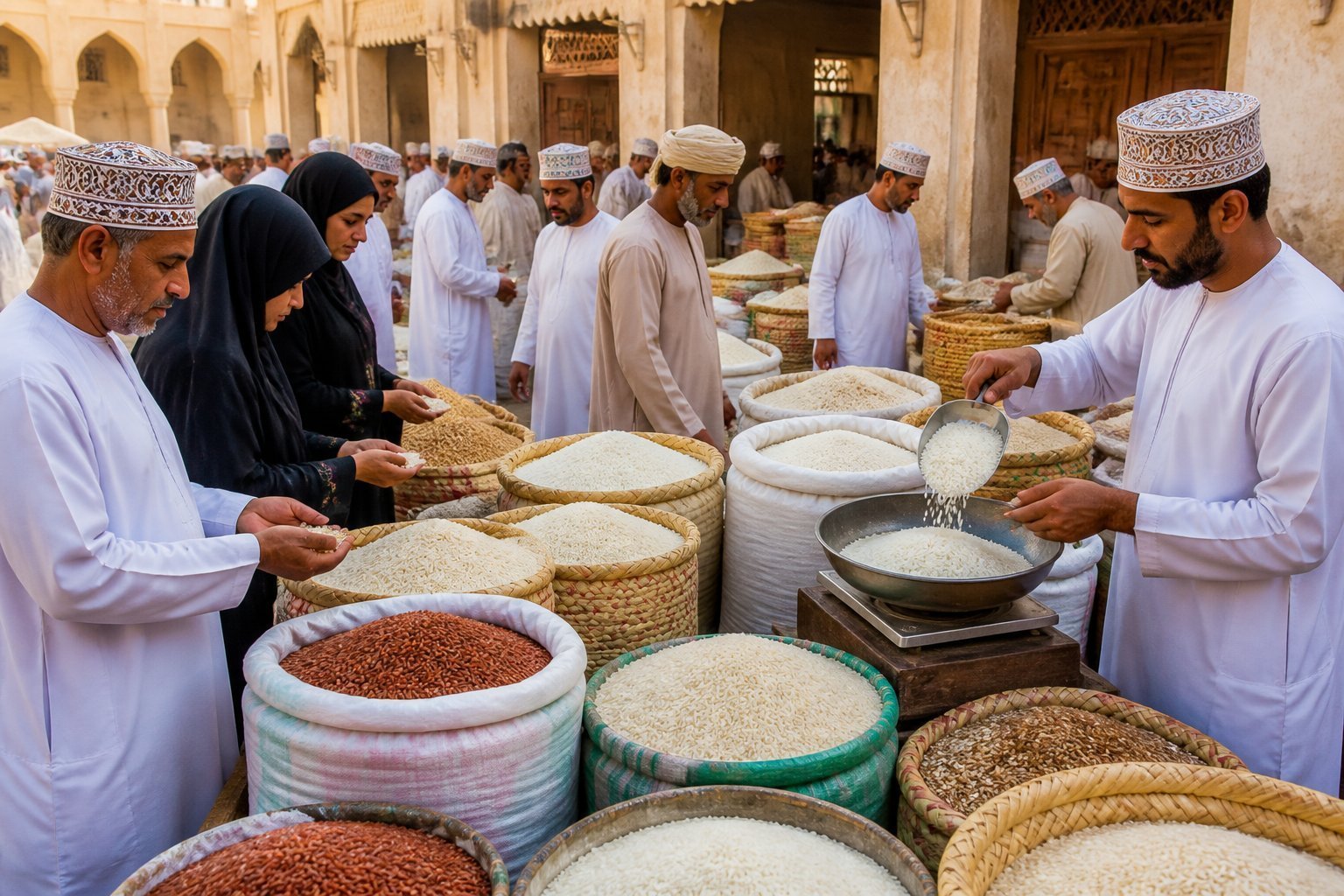
B2B buyers and procurement professionals operating in the Omani rice market face a landscape shaped by rising health consciousness and quality expectations. Demand for premium rice in Oman is rising, driven by consumers seeking better-quality grains that meet international food safety standards including ISO 22000:2018, HACCP, and Halal certifications. Suppliers from reliable origins like Pakistan, which maintain these certifications, are well-positioned to serve this evolving market.
Understanding the Omani rice market dynamics requires insight into pricing trends, distribution channels, and import patterns that define trade flows across the GCC. Importers must navigate product segmentation, quality benchmarking, and end-use applications to capture value in a competitive environment where certified, traceable rice consistently outperforms generic alternatives.
Key Takeaways
- Oman depends on rice imports to satisfy domestic consumption, creating ongoing opportunities for certified suppliers
- Premium rice demand is increasing as consumers prioritize quality and health standards in their purchasing decisions
- Successful market entry requires understanding pricing dynamics, distribution networks, and certification requirements that drive procurement decisions
How big is Oman’s rice market and how fast is it growing?
Market size, growth, and value trends:
The Omani rice market demonstrates steady expansion in volume and demand through 2026, driven by population growth and a rising preference for quality rice.
Demand growth and historical trends
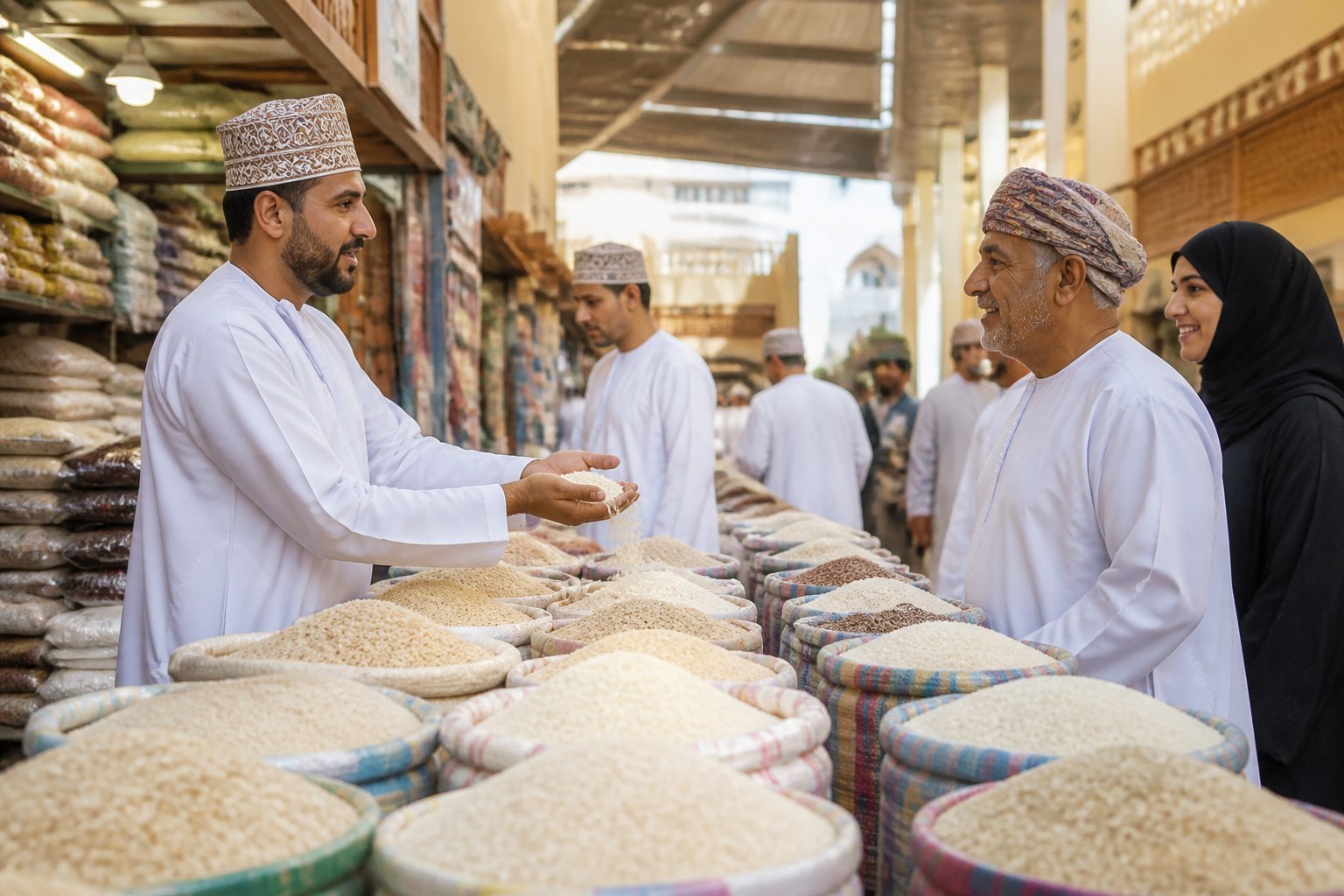
The Omani market has shown consistent growth in import volume over the past decade, supported by steady domestic demand, with occasional spikes during years of global commodity pressure and strong regional demand.
Import volumes remained strong in 2024, and demand continues to grow. Consumer preferences have increasingly shifted toward convenience and quality products, particularly through eCommerce channels. Premium rice segments attract growing consumer interest as household incomes rise across Oman.
Outlook
Demand is projected to keep expanding through 2029, with the strongest growth expected in the middle of that period as convenience and premium segments mature. These shifts reflect changing consumer behaviours and economic conditions across the sultanate.
Pakistan-origin rice maintains strong positioning in Omani markets due to certified quality standards including ISO 9001:2015, ISO 22000:2018, HACCP, Halal, and USFDA certifications, which support sustained import demand.
Impact of macro-economic factors
Economic diversification in Oman influences rice consumption and import volumes, while rising household incomes expand demand for premium rice. Digital commerce growth is reshaping how buyers access certified international rice from established origins including Pakistan.
Currency fluctuations affect import costs and availability. Population growth and changing dietary preferences drive sustained demand for rice imports, as Oman relies heavily on foreign sources to meet domestic consumption needs.
How is Oman’s rice market segmented by type?
Segmentation by rice type and product category:
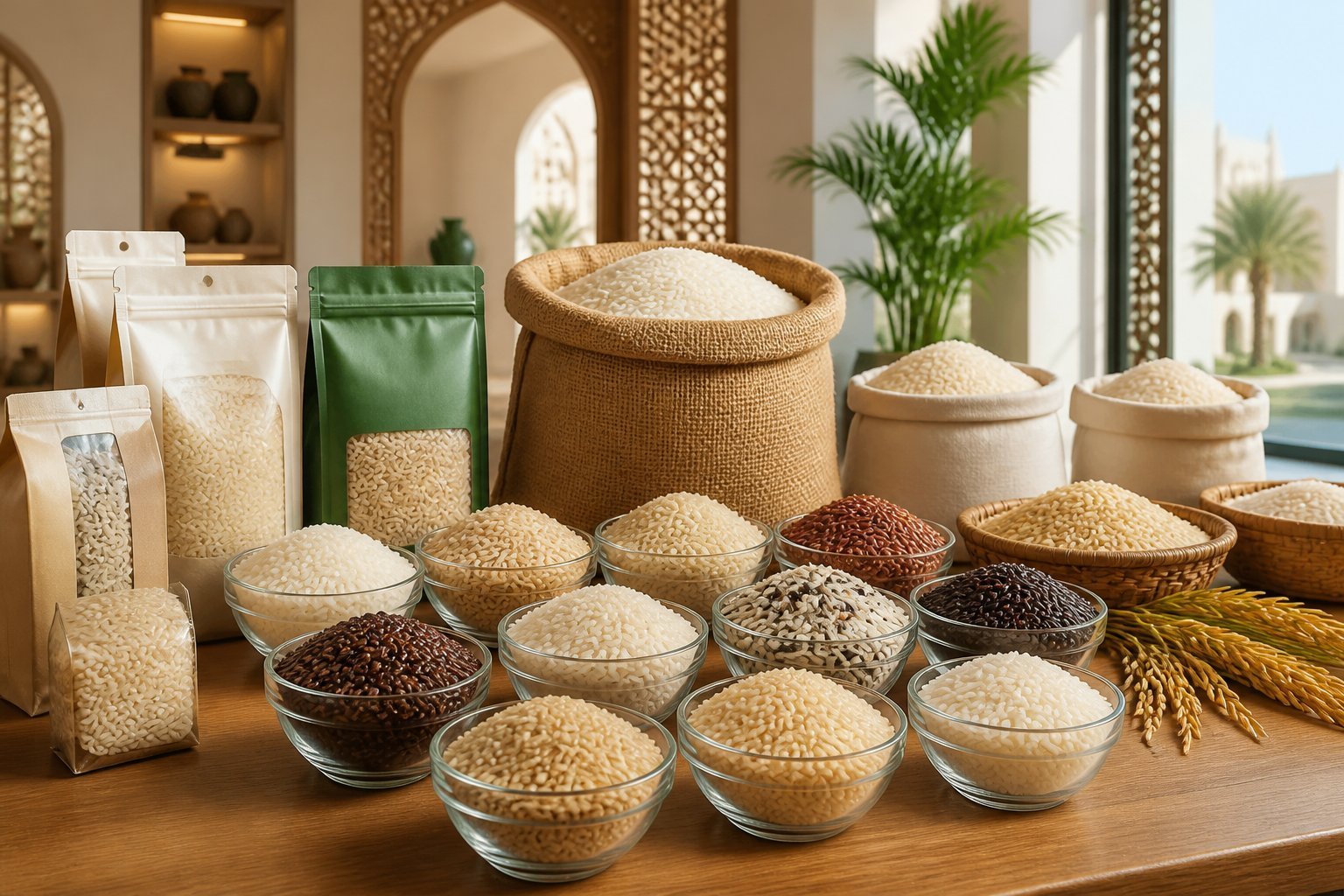
The rice market in Oman divides into distinct categories based on grain variety, quality grade, and intended use. Consumer preferences and purchasing patterns vary significantly across these segments.
Basmati, Jasmine, and Long Grain Varieties
Basmati rice dominates premium segments in Oman due to its aromatic properties and cultural preference among South Asian expatriate communities. Pakistan produces certified basmati varieties that meet international quality standards including ISO 9001:2015 and ISO 22000:2018 requirements. These grains typically feature elongated kernels that expand lengthwise during cooking.
Jasmine rice attracts consumers seeking fragrant options for Asian cuisine preparation. This variety originates primarily from Thailand and maintains steady demand in urban centers.
Long grain white rice represents the largest volume segment across the Omani rice market. These non-aromatic varieties serve everyday cooking needs and appeal to price-conscious households. Indian parboiled rice also holds market share in this category.
Organic, Premium, and Fortified Rice
Premium rice demand in Oman is rising as consumers prioritize quality over price. Premium segments include aged basmati, organic varieties, and specialty grains that command stronger retail demand. These products typically carry certifications such as HACCP, Halal, and USFDA standards.
Organic rice remains a niche category but shows growth potential among health-conscious buyers. Premium Pakistani rice meets international certification requirements and serves this expanding segment.
Fortified rice enriched with vitamins and minerals addresses nutritional objectives. Government initiatives and institutional purchasing support this category’s development.
Product Types and Usage Segments
The market segments by packaging format and end-use application:
Retail Packaging:
- 1-2 kg bags for individual consumers
- 5-10 kg bags for family households
- 20-25 kg bulk bags for large families
End-Use Segments:
- Household consumption (largest segment)
- Hotels and restaurants
- Institutional catering
- Industrial food processing
Household consumption drives the majority of rice market trends in Oman. Restaurant and hospitality sectors prefer consistent-quality long grain varieties suitable for large-scale preparation. Pakistani suppliers provide certified rice across multiple segments with reliable sourcing for GCC markets.
What shapes rice value and quality tiers in Oman?
Pricing dynamics and benchmarking:
Rice values in Oman move with global supply conditions, currency shifts, and demand across quality tiers. For buyers, the more useful lens than any single figure is how the market segments — and where certified, premium origins sit within it.
Quality tiers and segmentation
The Omani market divides into distinct tiers based on grain type, origin, and certification. Mass-market varieties serve everyday household consumption, while premium long-grain basmati and aromatic varieties serve discerning retail and foodservice buyers. Pakistani basmati certified to international food-safety standards positions firmly in the premium segment.
What drives value shifts
Global supply pressures, harvest cycles in major exporting origins, and currency movements all influence landed value in Oman. Comprehensive ISO, HACCP, and Halal certifications strengthen positioning for certified origins, because GCC buyers prioritise food-safety compliance and consistent specifications across shipments.
How do imports and exports shape Oman’s rice supply?
Import and export landscape:
Oman relies heavily on rice imports to meet domestic demand, with India and Pakistan serving as the primary suppliers. The country maintains a small but growing export sector focused on regional markets.
Major import origins and volumes
Oman imported roughly 306,000 tonnes of rice in 2024. India supplied the largest share at about 205,800 tonnes, dominating the market by volume as the region’s established market-maker for rice.
Pakistan ranked as the second-largest supplier, delivering about 86,100 tonnes of rice to Oman. Pakistani rice meets international certification standards including ISO 9001:2015, ISO 22000:2018, HACCP, Halal, and USFDA requirements, making it a reliable source for the market.
The United Arab Emirates contributed further re-export volumes, followed by smaller volumes from Vietnam, Thailand, and Australia. Other suppliers included Saudi Arabia, Qatar, and several Asian and European countries, though their combined share remained minimal.
Export trends and key destinations
The rice export sector in Oman remains relatively small, with about 7,757 tonnes exported in 2024. Mauritius emerged as the primary destination, taking the largest share of those exports, with Yemen second at roughly a 16% share.
Trade balance and regulatory considerations
Oman maintains a significant trade deficit in rice, with imports far exceeding exports. Rice availability reflects global market conditions, import logistics, and distribution across the supply chain.
The government regulates rice imports through standard trade policies and food-safety requirements. Suppliers must comply with Omani food-safety standards and certification requirements to access the market. The trade landscape continues to evolve based on regional demand patterns and international supply dynamics.
How does rice reach B2B buyers in Oman?
Distribution channels and B2B procurement:
Rice distribution in Oman operates through multiple channels that connect international suppliers with end consumers. The Omani rice market relies on established importers who manage logistics through key ports, while procurement occurs across retail, institutional, and emerging digital platforms.
Supermarkets, Hypermarkets, and Specialist Retailers
Major retail chains dominate rice distribution in Oman’s urban centers. These outlets stock diverse rice varieties from multiple origins, including basmati, jasmine, and long-grain options that meet ISO 9001:2015 and ISO 22000:2018 standards.
Golden Grains Trading LLC operates as a leading importer and distributor of rice since 2000, supplying wholesale to retailers and supermarkets across Muscat, Barka, Nizwa, Sur, and Sohar. Large format stores maintain consistent inventory through established relationships with importers who coordinate container shipments.
Specialist retailers focus on premium segments, where demand for premium rice in Oman is rising due to shifting consumer preferences. These outlets emphasize quality certifications including HACCP, Halal, and USFDA compliance.
National Distribution Company provides wholesale and retail distribution services for food FMCG products throughout Oman. Retailers prioritize suppliers who demonstrate reliable supply chains and proper documentation for customs clearance.
HoReCa and Food Service Sector Procurement
Hotels, restaurants, and catering operations require bulk rice procurement with consistent quality specifications. Pakistani rice varieties, particularly basmati grades, feature prominently in food service menus serving both local and expatriate populations.
Procurement teams in this sector establish direct relationships with importers who can guarantee volume commitments. Food service buyers prioritize certifications that ensure food safety standards across their operations.
Most goods enter through the Port of Sohar, Oman’s main import hub, located two hours northwest of Muscat. The Port of Salalah handles additional import shipments with 14-day turnaround times to international markets.
Contract negotiations typically include specification sheets detailing grain length, moisture content, and packaging requirements. HoReCa buyers often work with multiple suppliers to maintain competitive pricing while ensuring supply continuity.
Digital and E-Commerce B2B Channels
B2B agro-trade networks allow exporters to connect directly with vetted, high-volume Omani procurement teams. These platforms reduce intermediary costs and streamline verification processes for international suppliers.
Digital procurement channels are gaining traction among Omani businesses seeking efficiency. Online platforms provide access to supplier credentials, product specifications, and pricing in centralized dashboards.
Key digital features include:
- Real-time inventory visibility
- Documentation management for customs
- Payment processing integration
- Shipment tracking capabilities
The shift toward digital procurement enables smaller operations to access international suppliers without maintaining large local agent networks. However, traditional agent relationships remain important for government tenders and established corporate accounts in the Omani rice market.
What is driving rice demand in Oman?
Consumer demand drivers and end-use applications:
Health-conscious buying patterns and deep-rooted cultural practices shape how consumers in Oman choose and use rice. These two forces work together to define both the volume and variety of rice products moving through the market.
Shifts in Health and Sustainability Preferences
Growing health consciousness among Omani consumers drives demand for higher-quality rice varieties with better nutritional profiles. Buyers increasingly seek products with lower glycemic indices and higher fiber content.
This shift aligns with broader rice market trends showing preference for certified and traceable products. Rice sourced from Pakistan and other certified origins that meet ISO 9001:2015, ISO 22000:2018, HACCP, Halal, and USFDA standards gains traction among quality-focused buyers.
Premium rice segments benefit from this trend. Basmati and specialty long-grain varieties command stronger buyer preference as consumers connect rice quality with health outcomes.
Government initiatives supporting food security also influence purchasing decisions. Buyers show increased awareness of production standards and origin transparency when selecting rice for household and institutional use.
Cultural and Culinary Influences on Consumption
Rice remains a staple across Omani households due to its central role in traditional dishes like biryani, kabsa, and machboos. These culinary applications require specific rice varieties with distinct cooking properties.
Preferred rice characteristics include:
- Long-grain varieties that remain separate after cooking
- Aromatic profiles for festive and special occasion meals
- Medium to short-grain options for everyday household use
The demand for diverse rice varieties reflects both traditional cooking needs and exposure to international cuisines. Hotels, restaurants, and catering services drive bulk purchases of specific varieties.
Pakistani basmati appeals strongly to consumers seeking premium aromatic rice for special preparations. Indian and UAE suppliers also maintain significant market presence, offering variety that matches different culinary requirements and price points across household and commercial segments.
What are the key risks and opportunities in Oman’s rice market?
Challenges, risks, and strategic opportunities:
The rice market in Oman faces obstacles related to infrastructure, regulatory frameworks, and external economic pressures. However, these challenges also create openings for suppliers who can navigate logistical demands and meet quality standards.
Supply Chain and Storage Constraints
Oman imports nearly all of its rice, making efficient supply chains essential. The country lacks significant domestic rice production, so disruptions in shipping routes or port operations directly affect availability. Storage infrastructure remains a critical concern, particularly in coastal regions where humidity can compromise grain quality.
Temperature-controlled warehouses are limited outside major urban centers. Suppliers must invest in proper storage facilities to prevent spoilage and maintain freshness. Transportation networks connecting ports to inland distribution points require ongoing investment to handle rising import volumes.
The rice market in Oman depends heavily on timely deliveries from established origins. Pakistan offers certified rice that meets ISO 9001:2015, ISO 22000:2018, HACCP, Halal, and USFDA standards, providing reliability for importers managing tight schedules. Diversifying supplier relationships helps mitigate risks from single-source dependencies.
Regulatory, Economic, and Geopolitical Risks
Government food safety regulations require all imported rice to meet specific quality benchmarks. Compliance documentation adds administrative layers for new market entrants. Testing procedures at customs can delay shipments if paperwork isn’t complete.
Economic fluctuations affect purchasing power and consumption patterns. Oil price volatility impacts Oman’s fiscal position, which can influence import policies and tariff structures. Currency exchange rates between the Omani Rial and supplier currencies create pricing uncertainties.
Regional geopolitical tensions occasionally disrupt shipping lanes through the Strait of Hormuz. Importers working with multiple certified origins maintain flexibility during such periods. Market dynamics shift based on trade agreements and diplomatic relationships, requiring suppliers to stay informed about policy changes.
Opportunities for Investment and Market Entry
Growing demand for premium rice varieties creates space for differentiated products. Consumer preferences are shifting toward higher-quality options, particularly basmati and long-grain varieties that command better margins.
Partnerships with local distributors provide market access while reducing entry barriers. Established networks help navigate regulatory requirements and reach retail channels efficiently. Investing in direct relationships with hotels, restaurants, and institutional buyers offers stable volume commitments.
The expanding expatriate population drives demand for diverse rice types. Pakistani basmati appeals to South Asian communities while meeting international quality certifications that satisfy Gulf-wide standards. Digital distribution channels are gaining traction, allowing suppliers to connect with consumers through e-commerce platforms and direct ordering systems.
Source rice for the Oman and GCC market
Get specifications, certifications, and supply options matched to your buyers.
What do buyers ask most about Oman’s rice market?
Frequently asked questions:
The Omani rice market faces questions about consumption trends, import dynamics, product preferences, pricing factors, distribution networks, and regulatory compliance. Understanding these elements helps buyers, importers, and distributors navigate this essential food commodity sector.
What factors are driving changes in national rice consumption patterns?
Population growth and rising household incomes shape rice demand in Oman. The country relies almost entirely on imports to meet consumption needs since domestic production remains minimal.
Changing dietary preferences influence which rice types consumers purchase. Urban households increasingly seek premium long-grain varieties, while traditional preferences for aromatic rice remain strong across demographic groups.
Tourism and the foodservice sector also affect consumption volumes. Hotels, restaurants, and catering operations require consistent rice supplies to serve both local and international guests.
How do import volumes and supplier countries affect domestic availability and pricing?
Oman imports rice from multiple countries to ensure stable supply. India, Pakistan, Thailand, and other Asian producers serve as primary sources for the market.
The Omani rice import volumes grew strongly in 2024, reflecting robust domestic demand. Diversifying supplier countries helps reduce dependency on single sources and maintains competitive pricing.
Pakistan has established itself as a certified, reliable origin for premium rice varieties meeting international quality standards. Suppliers holding ISO 9001:2015, ISO 22000:2018, HACCP, Halal, and USFDA certifications offer additional assurance to importers and end buyers.
Which rice varieties and grades are most in demand across retail, foodservice, and wholesale channels?
Basmati rice commands premium positioning across retail and foodservice segments. Long-grain white rice serves as the staple choice for everyday household consumption.
Foodservice operators typically purchase bulk quantities of medium to premium grades. Hotels and restaurants prioritize consistent quality and grain length to meet customer expectations.
Wholesale distributors stock diverse varieties to serve different customer segments. Premium aromatic rice appeals to higher-income consumers, while value-oriented products meet budget-conscious demand.
How do global commodity prices, freight rates, and exchange rates influence local rice prices?
International rice prices directly affect what Omani importers pay. When production issues occur in major exporting countries, global prices rise and local costs follow.
Freight rates between Asian ports and Oman fluctuate based on shipping capacity and fuel costs. Higher transportation expenses add to the landed cost of imported rice.
The Omani rial’s exchange rate against currencies like the US dollar, Indian rupee, and Pakistani rupee impacts import costs. Currency fluctuations can make certain origins more or less competitive in price.
What are the main distribution channels and key buyer segments for rice, and how are they evolving?
Supermarkets and hypermarkets represent major retail channels for packaged rice. These modern outlets serve urban consumers seeking convenience and brand recognition.
Traditional souks and small grocery stores continue serving neighborhood customers. These channels remain important in residential areas where shoppers prefer proximity and personal service.
The eCommerce channels are gaining traction as digital retail expands. Online platforms offer home delivery and bulk ordering options that appeal to busy households.
Wholesale distributors supply hotels, restaurants, catering companies, and institutional buyers. This segment requires reliable delivery schedules and consistent product specifications.
What regulations, quality standards, and labeling requirements apply to rice imports and sales?
Oman’s food safety authorities enforce standards for all imported rice. Products must meet safety criteria before customs clearance and market entry.
Importers must provide documentation verifying origin, quality grades, and absence of contaminants. Certificates from recognized international bodies support compliance verification.
Labeling requirements mandate clear information about rice type, origin, net weight, and expiration dates. Packages sold in retail channels must display nutritional information and storage instructions in Arabic.
Rice meeting ISO 9001:2015, ISO 22000:2018, HACCP, Halal, and USFDA certification standards demonstrates compliance with multiple international frameworks. These certifications help streamline import processes and build buyer confidence.