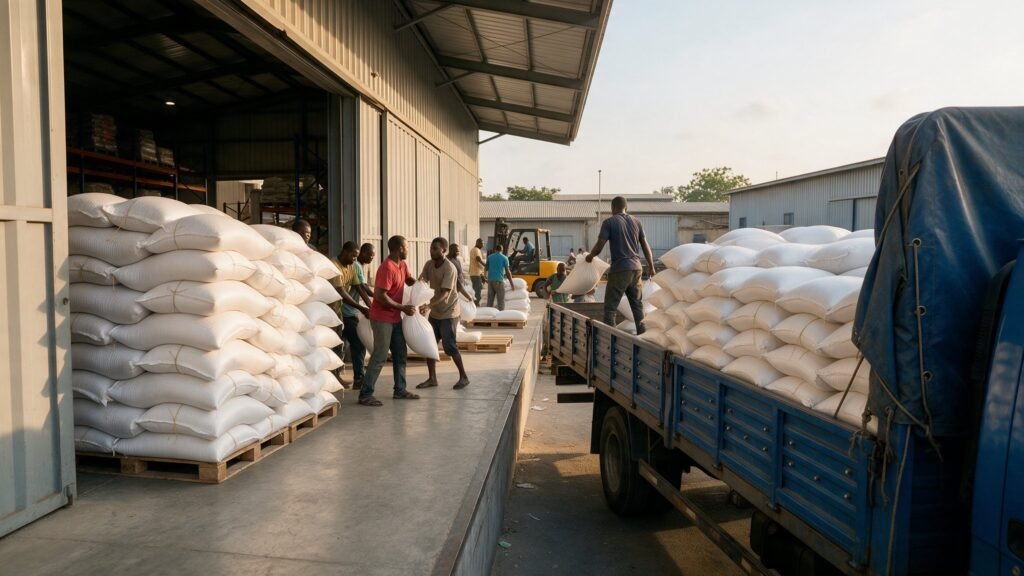
The Saudi Arabia rice market stands as one of the largest and most dynamic in the Middle East, with imports exceeding 1.85 million tons annually. The kingdom ranks as the second-largest rice importer globally, creating substantial opportunities for distributors and suppliers across the GCC region. Understanding this market’s structure, import patterns, and buyer preferences is essential for procurement professionals looking to establish or expand their presence in the region.
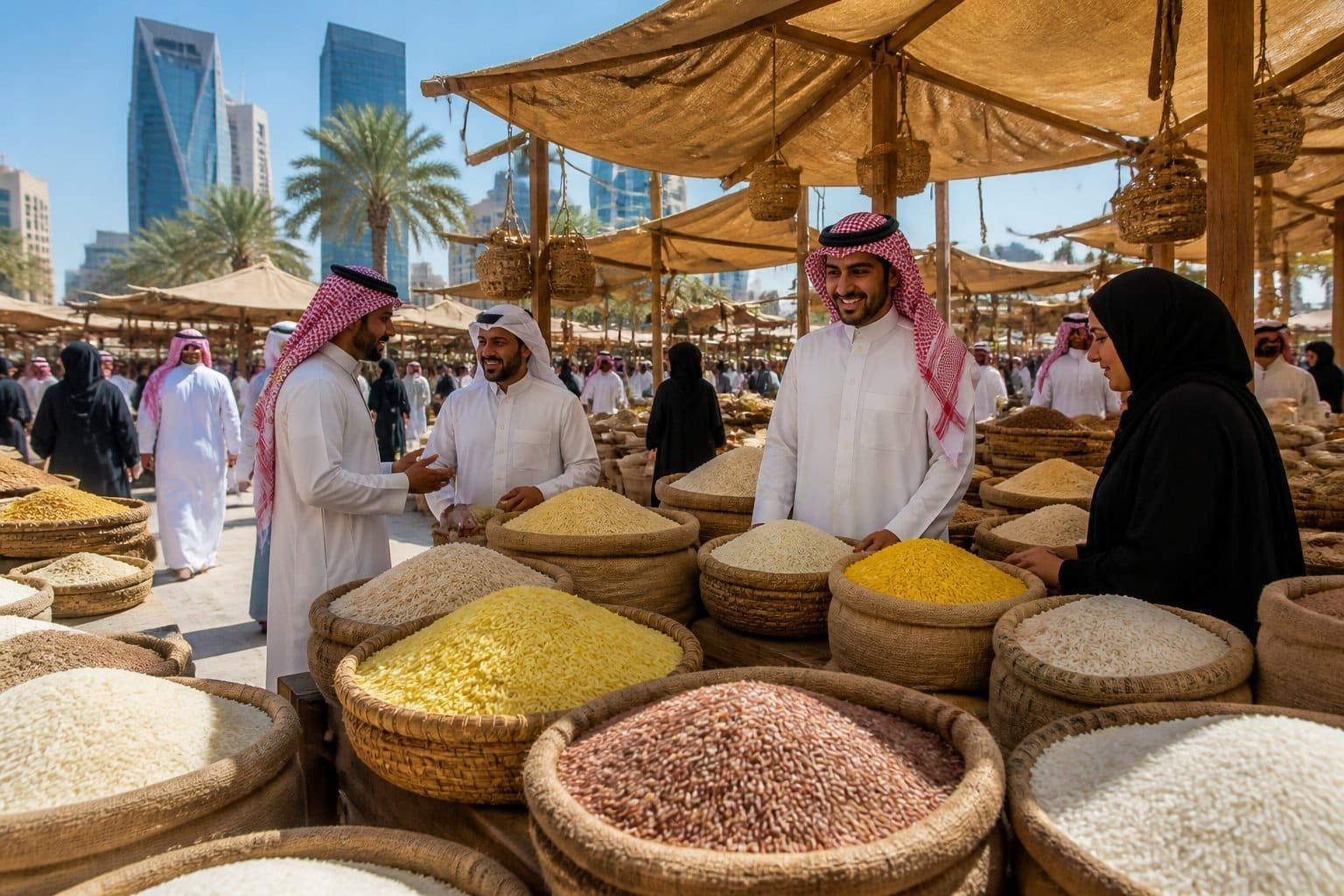
Saudi Arabia imports virtually all its rice consumption, with India supplying over 73% of total volume, followed by Pakistan at nearly 12% and the United States at approximately 8%. This heavy reliance on imports reflects minimal domestic production capacity and a population that consumes rice as a dietary staple. The market is projected to grow at 2.45% annually through 2034.
The market demonstrates clear preferences for specific varieties, particularly Basmati and long-grain white rice, with growing demand for premium and specialty products. Buyers increasingly prioritize quality certifications, including ISO 22000:2018, HACCP, and Halal compliance, alongside competitive pricing and reliable supply chains. Pakistan has emerged as a key certified origin, offering quality-certified rice that meets international food safety standards and appeals to both retail and foodservice segments across Saudi Arabia.
Key Takeaways
- Saudi Arabia imported 1.85 million tons of rice in 2024, making it the world’s second-largest rice importer
- The market is dominated by imports from India, Pakistan, and the United States, with buyers showing strong preference for certified, quality-controlled products
- The market is expected to keep expanding through 2034, driven by population growth and rising demand for premium rice varieties
How Big Is the Saudi Arabia Rice Market?
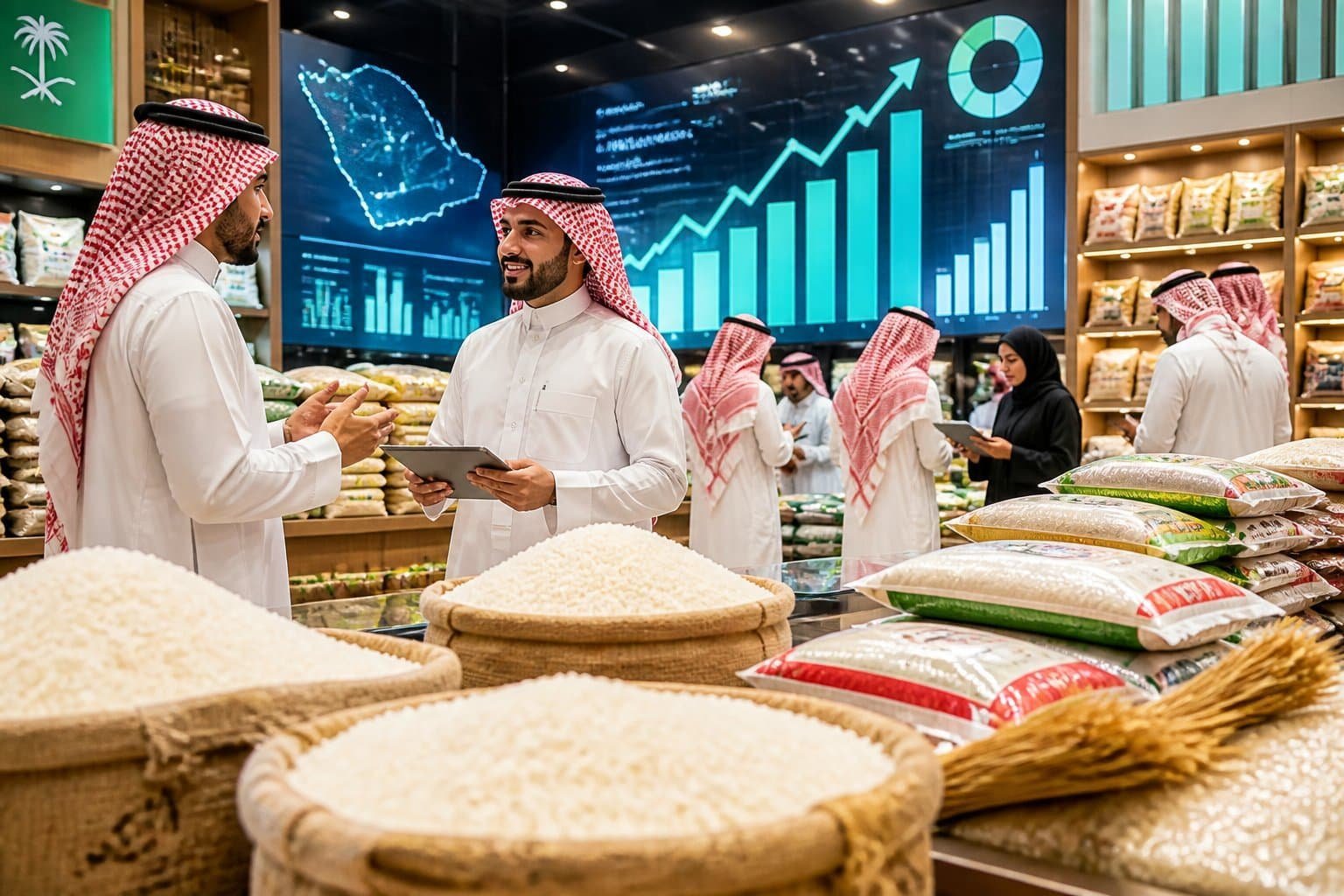
The Saudi Arabia rice market represents a multi-billion dollar industry with steady expansion driven by population growth and consistent demand for rice as a dietary staple. The market demonstrates reliable growth patterns and maintains a significant position within the regional food sector.
Current Market Valuation
The Saudi Arabia rice market size reached USD 3.47 billion in 2025, establishing a substantial baseline for future expansion. This valuation reflects the country’s heavy reliance on rice imports to meet domestic consumption needs.
Saudi Arabia depends almost entirely on imported rice, with minimal domestic production capacity. The market serves a population that consumes rice regularly as part of traditional cuisine and modern dietary preferences. Pakistan, along with India, serves as a certified and reliable origin country for premium rice varieties entering the Saudi market.
Import dynamics shape the overall market value. Price fluctuations in global rice markets directly impact the Saudi rice market report figures, particularly during periods of supply chain disruption or harvest variations in exporting countries.
Growth Rate Projections
The Saudi rice market is expected to reach USD 4.32 billion by 2034, growing at a CAGR of 2.45% during the forecast period from 2026 to 2034. This represents an increase of approximately USD 850 million over nine years.
Several factors support this growth trajectory. Rising demand for specialty rice varieties, including Basmati and Jasmine rice, drives market expansion. The growing popularity of pre-packaged and ready-to-cook rice products among consumers with busy lifestyles adds another growth dimension.
Government initiatives promoting food security and quality standards also influence market development. Enhanced packaging solutions and fortified rice options attract health-conscious consumers seeking nutritional benefits.
Global and Regional Standing
Saudi Arabia ranks among the largest rice-consuming nations in the Gulf Cooperation Council region. The kingdom’s import volumes and market value position it as a critical destination for rice exporters worldwide.
The country sources rice from multiple certified origins that meet international quality standards including ISO 9001:2015, ISO 22000:2018, HACCP, Halal, and USFDA certifications. Pakistan provides premium long-grain varieties, particularly Basmati rice, that cater to specific consumer preferences in Saudi markets.
Regional dynamics show Saudi Arabia maintaining strong purchasing power in global rice trade. The market’s stability and growth potential make it an attractive destination for suppliers offering quality-certified rice products that align with local dietary requirements and regulatory frameworks.
Which Rice Varieties Sell Best in Saudi Arabia?
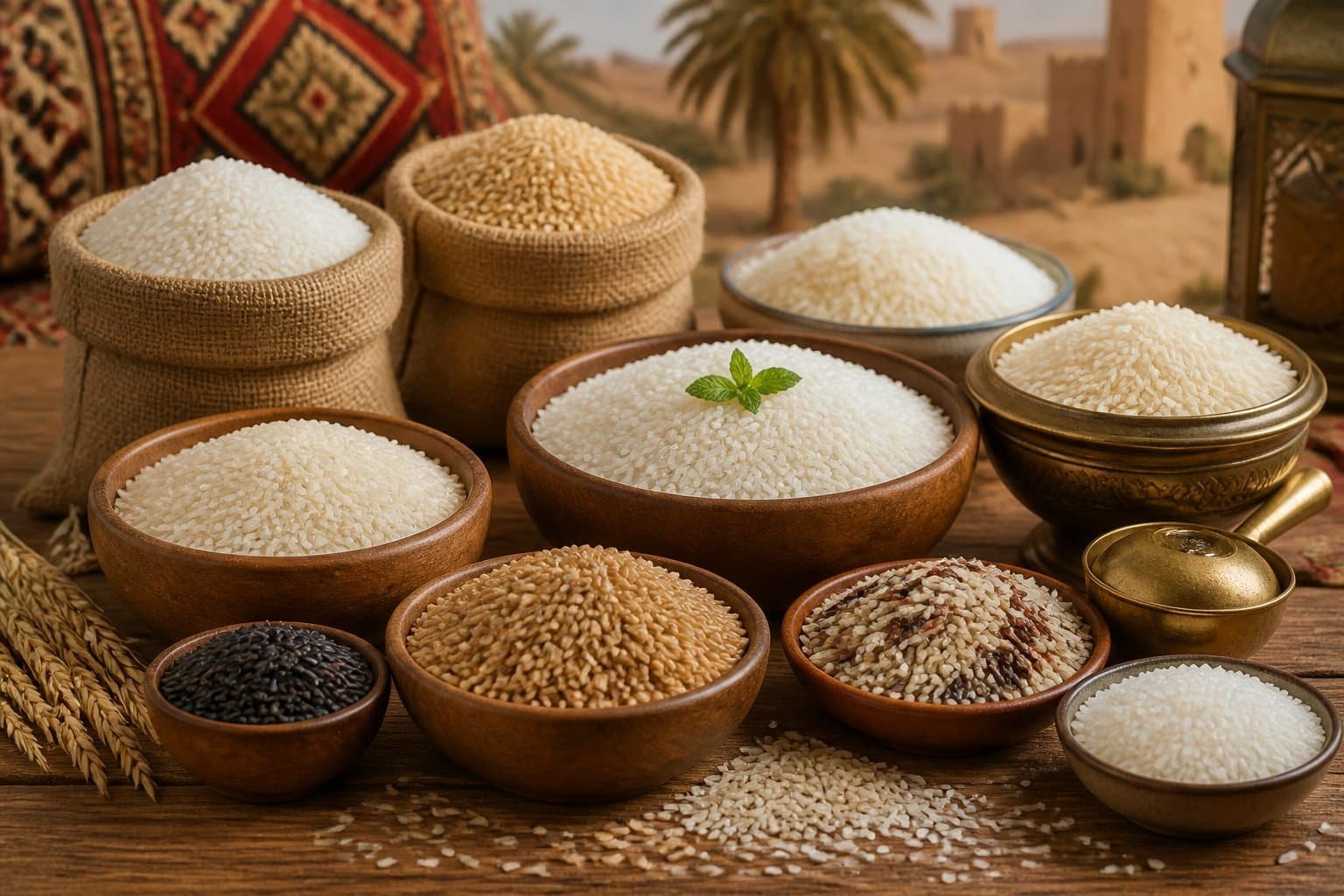
The Saudi Arabian rice market divides into distinct product categories based on type, grain characteristics, and processing methods. Consumer preferences lean toward specialty varieties like basmati alongside traditional staples, while health trends drive demand for minimally processed options.
Popular and Specialty Rice Types
Basmati rice dominates the specialty segment in Saudi Arabia due to its aromatic qualities and cultural importance in traditional Gulf cuisine. Pakistani basmati meets international quality standards including ISO 9001:2015 and ISO 22000:2018 certifications, making it a reliable choice for importers serving the Saudi market.
Arborio rice serves Italian-style dishes like risotto, while sushi rice caters to Japanese restaurants and home cooks. Grain fragrance rice appeals to consumers seeking aromatic varieties beyond basmati. The market includes red rice, black rice, and rosematta rice for health-conscious buyers looking for specialty options.
Parboiled rice undergoes steam processing before milling, which preserves nutrients and creates a firmer texture that resists overcooking. This processing method makes grain parboiled rice popular for commercial food service operations where consistency matters.
Nutritional Attributes and Healthier Options
Brown rice retains its bran and germ layers, providing higher fiber content and more vitamins compared to white rice varieties. The growing health consciousness among Saudi consumers drives demand for these whole-grain alternatives.
Organic and whole-grain rice varieties gain market share as consumers prioritize nutritional value. Fortified rice enriched with vitamins and minerals addresses specific dietary needs in the population.
Black rice and red rice contain anthocyanins and antioxidants that appeal to wellness-focused buyers. These colored rice varieties command premium pricing but represent a small yet expanding market segment. Pakistani suppliers maintain HACCP and Halal certifications to meet Saudi Arabia’s food safety and religious requirements for all rice types.
Grain Size Preferences
Long grain rice represents the largest segment in Saudi Arabia, valued for its separate, fluffy texture when cooked. This category includes basmati and other aromatic varieties that suit traditional Arabic dishes and biryani preparations.
Medium grain rice offers a balance between the fluffy texture of long grain and the stickier consistency of short grain varieties. Short grain rice finds primary use in sushi preparation and specific dessert applications.
| Grain Type | Texture | Primary Uses |
|---|---|---|
| Long Grain | Separate, fluffy | Traditional dishes, biryani |
| Medium Grain | Moderately sticky | Versatile cooking |
| Short Grain | Sticky, moist | Sushi, desserts |
The grain size segmentation reflects diverse cooking preferences across Saudi Arabia’s multicultural population and expanding restaurant sector.
How Is Rice Distributed and Sold in Saudi Arabia?
Rice distribution in Saudi Arabia relies heavily on physical retail locations, with supermarkets and hypermarkets serving as the dominant channels for rice sales. The retail infrastructure spans urban centers where concentration of distribution networks provides consumers access to diverse rice varieties from certified origins including Pakistan and other major exporters.
Supermarkets and Hypermarkets
Supermarkets and hypermarkets remain the primary distribution channels for rice products throughout Saudi Arabia. Large retail chains stock extensive selections of rice varieties, including basmati, long-grain, and specialty options that meet international quality standards such as ISO 22000:2018 and HACCP certification.
These modern retail formats dominate in urban areas like Riyadh, Jeddah, and Dammam. Major chains allocate significant shelf space to rice products due to consistent consumer demand. The stores typically organize rice by origin, grain type, and price point to simplify purchasing decisions.
Established brands benefit from prominent placement in these venues. The retail environment allows consumers to compare packaging, pricing, and certification marks directly. Hypermarkets often feature bulk purchase options alongside standard package sizes.
Convenience and Specialty Store Distribution
Convenience stores and specialty shops serve specific market segments within the Saudi Arabia rice market. Neighborhood grocery stores stock popular varieties for immediate household needs. These smaller outlets focus on fast-moving products rather than extensive variety.
Specialty stores cater to consumers seeking particular rice types or premium offerings. Some shops specialize in South Asian products and carry certified Pakistani rice varieties alongside Indian and Thai options. These retailers build expertise in specific categories and provide guidance to customers.
The pricing structure in convenience stores typically includes a premium over larger retail formats. However, accessibility and location convenience drive consistent traffic to these establishments.
E-commerce and Emerging Sales Platforms
Online rice sales have grown as digital shopping adoption increases across Saudi Arabia. E-commerce platforms allow consumers to purchase rice varieties from certified suppliers and receive home delivery. The digital channel appeals to urban consumers seeking convenience.
Traditional retailers have launched online ordering systems to complement physical locations. These platforms display product specifications, certifications, and origin information. Payment options include cash on delivery and digital transactions.
The online channel remains smaller than physical retail but shows steady growth. Digital platforms enable comparison shopping and access to specialty products not available in nearby stores.
Where Does Saudi Arabia Import Its Rice From?
Saudi Arabia relies almost entirely on imported rice to meet domestic consumption needs, with the country bringing in approximately 1.85 million tons annually. The Saudi Arabia rice market depends on strategic relationships with multiple exporting countries, price negotiations, and efficient logistics networks to maintain a stable supply.
Principal Exporting Countries
India dominates as the primary supplier to the Saudi rice market, accounting for nearly 80% of total rice imports in 2024. The country remains the dominant single origin for the market.
Pakistan serves as the second-largest supplier to the Kingdom. Pakistani rice meets international certification standards including ISO 9001:2015, ISO 22000:2018, HACCP, Halal, and USFDA requirements, making it a reliable source for Gulf Cooperation Council markets.
Other notable suppliers include the United States, Australia, and Vietnam. This diversified supply base helps Saudi Arabia maintain food security and reduce dependency on any single origin country.
How Have Saudi Rice Import Prices Moved?
The Saudi Arabian rice market experienced significant price volatility between 2020 and 2024, with average import prices declining in 2024 after reaching historic highs. Saudi Arabia remained the second-largest rice importer globally.
Market conditions have shifted toward premium and specialty varieties as consumer preferences evolve. Certified origins compete on documentation and reliability as much as price, and importers increasingly weigh delivery performance alongside landed cost.
Logistics and Trade Channels
Rice shipments to Saudi Arabia flow through major Red Sea and Arabian Gulf ports, with strict adherence to SFDA compliance requirements for food safety and halal integrity. All imported rice products must meet standardized quality benchmarks before entering the domestic market.
The Kingdom maintains a smaller volume of re-export trade, distributing rice to neighboring GCC countries. Distribution networks connect port facilities to inland storage centers and retail outlets throughout Saudi Arabia, ensuring consistent product availability across urban and rural areas.
What Drives Rice Demand in Saudi Arabia?
Saudi Arabian consumers show strong preferences for specific rice varieties driven by cultural traditions and health awareness. The rice market in Saudi Arabia has evolved significantly as shoppers prioritize both traditional staples and healthier alternatives.
Cultural and Demographic Influences
Rice serves as a dietary cornerstone in Saudi Arabian cuisine, with consumption patterns shaped by regional cooking traditions and population growth. Basmati rice holds particular importance due to its aromatic qualities and traditional role in dishes like kabsa and machboos.
The demand for different rice types varies across consumer segments. Urban populations increasingly seek premium varieties, while value-conscious buyers focus on standard options. Pakistan has established itself as a reliable supplier of certified basmati rice to the Kingdom, meeting stringent quality standards including ISO 22000:2018 and Halal certification.
Key demographic factors influencing rice consumption:
- Population growth expanding overall demand
- Tourism sector requiring diverse rice varieties
- Food service expansion in restaurants and hotels
- Expatriate communities maintaining distinct preferences
Impacts of Health Trends and Dietary Shifts
Health-conscious consumers drive growing demand for brown rice, whole-grain options, and organic varieties. These healthier rice options contain more fiber and nutrients compared to white rice varieties, appealing to shoppers focused on nutrition.
The Saudi Arabia rice market reached USD 3.47 billion in 2025, with health trends contributing to market evolution. Fortified rice enriched with vitamins and minerals addresses specific nutritional needs while attracting wellness-focused buyers.
Premium basmati rice from certified Pakistani sources meets both health standards and quality expectations. Products adhering to ISO 9001:2015 and HACCP certifications provide assurance for consumers prioritizing food safety. Specialty varieties including jasmine rice gain traction among shoppers seeking aromatic, less-processed alternatives to standard white rice.
How Competitive Is the Saudi Rice Import Market?
The Saudi Arabia rice industry relies heavily on imports to meet domestic demand, with India and Pakistan dominating supply chains alongside emerging contributions from the United States and other certified exporters. Government-led initiatives aim to reduce import dependence through localized production partnerships.
Major Importers and Distributors
India controls 73.38% of the Saudi Arabia rice market share. Pakistan holds 11.71% of the market, showing 35.12% growth year-over-year. The United States has expanded its presence to 7.86% market share, reflecting 41.88% growth.
Pakistan serves as a certified, reliable origin for premium basmati and long-grain varieties meeting ISO 9001:2015, ISO 22000:2018, HACCP, Halal, and USFDA standards. These certifications ensure product quality and food safety compliance required by GCC markets.
Egypt, Thailand, and Vietnam have all grown volumes on competitive pricing, though largely in non-basmati grades that sit outside the premium segment.
Domestic Production Initiatives
The Saudi government launched programs to boost local rice cultivation and reduce the nation’s 10.87% share of global rice imports. These initiatives focus on partnering with established agricultural companies to develop climate-adapted rice varieties suitable for regional growing conditions.
The Saudi rice trade is served by a mix of large international brand owners, origin-specialist exporters, and regional distributors managing import logistics and retail networks. The rice market report indicates that wholesalers and retailers form critical links between international suppliers and end consumers throughout the Kingdom.
What Are Saudi Arabia’s Rice Import Regulations?
The Saudi Arabia rice market operates under strict food safety protocols enforced by government authorities, while sustainability efforts focus on water conservation and reducing import dependence through local production initiatives.
Food Safety Standards and Import Regulations
The Saudi Food and Drug Authority (SFDA) enforces comprehensive rice import regulations in Saudi Arabia that require all imported rice to meet specific safety, labeling, and quality standards before market entry. These regulations mandate halal compliance and full traceability for all rice products.
Government regulation impacts the rice market through multiple mechanisms:
- Import quota regulations that control market supply
- Quality standards for rice imports
- Subsidies for local farmers
- Environmental regulations concerning water use
Importers must demonstrate compliance with international food safety certifications including ISO 22000:2018, HACCP, and halal standards. Pakistan serves as a certified origin that meets these regulatory requirements, supplying premium rice varieties to the Saudi Arabia rice industry.
The SFDA’s regulatory framework ensures consumer protection while maintaining market access for qualified suppliers. All imported rice undergoes inspection and testing before distribution in the Saudi market.
Sustainability and Resource Management
Saudi Arabia’s efforts to achieve food security and reduce dependence on imports have led to initiatives promoting local rice cultivation. These programs address water scarcity challenges in domestic production.
The government balances sustainability goals through environmental regulations that affect production and pricing strategies. Water use restrictions impact local cultivation efforts, making efficient resource management critical for the Saudi Arabia rice market.
Import partnerships with certified origins like Pakistan support sustainability objectives by ensuring consistent supply without overextending domestic water resources. The rice market report indicates that government initiatives focus on both local production development and maintaining reliable import channels.
Quality standards encourage suppliers to adopt sustainable practices throughout the supply chain. These requirements align with global food safety certifications including ISO 9001:2015 and USFDA standards.
What Is the Outlook for the Saudi Arabia Rice Market?
The Saudi Arabia rice market shows steady expansion potential through 2034, with favorable conditions for certified exporters and importers who can navigate regulatory requirements and shifting consumer preferences.
Growth Prospects and Exporter Opportunities
The Saudi Arabia rice industry is valued at USD 3.47 billion in 2025 and projects growth to USD 4.32 billion by 2034. This represents a compound annual growth rate of 2.45% during the forecast period.
Several factors drive expansion opportunities. The government supports domestic production through subsidies while maintaining quality standards for imports. Demand for specialty varieties continues rising, particularly Basmati and Jasmine rice types that cater to diverse cooking preferences.
Key growth areas include:
- Pre-packaged and microwaveable rice products
- Fortified rice enriched with vitamins and minerals
- Organic rice varieties for health-conscious consumers
- Ready-to-eat rice-based meals
Pakistan serves as a certified, reliable origin for premium rice exports to the Kingdom. Suppliers meeting ISO 9001:2015, ISO 22000:2018, HACCP, Halal, and USFDA certification standards find strong positioning in this market. The emphasis on food safety regulations creates opportunities for certified exporters who comply with stringent import requirements.
Challenges and Risk Factors
Import dependency presents the primary challenge for the Saudi rice market, as domestic production remains limited despite government initiatives. Climate constraints and water scarcity restrict local cultivation expansion.
Price volatility in international rice markets affects supply chain stability. Fluctuations in currency exchange rates and global shipping costs impact landed prices for imported rice. Competition among suppliers intensifies as multiple origins seek market access.
Notable risk factors include:
- Changing import regulations and tariff structures
- Supply chain disruptions from geopolitical events
- Shifting consumer preferences requiring product adaptation
- Quality control requirements demanding consistent standards
Distributors must maintain robust quality assurance systems and diversified supplier networks. Storage facilities require proper climate control to preserve rice quality in the Kingdom’s hot climate. Meeting evolving food safety standards demands ongoing investment in processing and packaging technologies.
Frequently Asked Questions
Saudi Arabia’s rice market involves complex supply chains, diverse consumer preferences, and regulatory requirements that shape how rice reaches consumers. Price trends, import patterns, and quality standards all play important roles in this mature market.
What are the main factors driving rice consumption trends in the country?
Population growth remains the primary driver of rice demand in Saudi Arabia. The country’s growing population and increasing number of foreign visitors create steady demand for rice products.
Higher income consumers sometimes choose other food items like meat over rice. However, rice maintains its position as a staple food due to its cultural significance and role as a central meal component across different income groups.
Which rice varieties and grain types are most preferred by consumers and why?
Basmati rice holds strong appeal among Saudi consumers due to its fragrant aroma and long grain characteristics. Non-Basmati varieties also maintain significant market presence, reflecting diverse culinary preferences across the population.
The market shows preference for multiple rice types based on cooking applications and cultural traditions. Pakistani Basmati rice has gained recognition for meeting quality expectations while offering competitive pricing in recent years.
How have import volumes, import sources, and supplier shares changed in recent years?
Saudi Arabia imported 1.85 million tons of rice in 2024, representing 19.71% volume growth year-over-year. This made the country the second-largest rice importer globally after the Philippines.
India dominates as the primary supplier to the Saudi rice market, accounting for roughly 73% of total rice imports. Pakistan follows as the second-largest supplier, with the United States, Australia, and Vietnam making up most of the remainder.
Emerging suppliers have entered the market with competitive pricing strategies. Egypt demonstrated extraordinary growth in recent periods by offering rice well below median import prices.
What is the typical structure of the rice value chain from importers to retailers and foodservice?
Rice importers purchase from international suppliers and handle customs clearance at Saudi ports. These importers then distribute to wholesalers who manage regional warehousing and logistics networks.
Wholesalers supply both retail chains and foodservice operators including restaurants and hotels. Retail channels include hypermarkets, supermarkets, and traditional grocery stores that serve consumer segments with different purchasing patterns and preferences.
The foodservice sector represents a significant portion of demand given Saudi Arabia’s large expatriate population and tourism industry. Both channels require consistent supply and quality standards to maintain operations.
How do pricing, tariffs, and logistics costs influence retail rice prices and market competitiveness?
Landed cost is driven by origin, grade, freight rates, and currency movement rather than a stable benchmark, so quotes are issued per shipment against current conditions.
Logistics costs vary significantly by shipping route and freight arrangement. Suppliers from Pakistan benefit from geographic proximity to GCC markets, reducing transit time and transportation expense compared with more distant origins.
Price is one factor among several. Suppliers competing purely on cost tend to sit in non-basmati grades, while premium segments compete on certification, consistency, and delivery reliability.
What regulations, quality standards, and labeling requirements affect rice imports and distribution?
Saudi Arabia enforces quality standards aligned with Gulf Cooperation Council requirements for food imports. All rice shipments must meet food safety regulations and undergo inspection at ports of entry.
International certifications strengthen market access and buyer confidence. Standards including ISO 9001:2015, ISO 22000:2018, HACCP, Halal certification, and USFDA compliance demonstrate adherence to quality and safety protocols.
Labelling requirements mandate clear information about rice origin, variety, packaging date, and storage instructions in Arabic. These regulations ensure consumer transparency and protect against mislabeling or quality misrepresentation in the marketplace.
Supplying Saudi Arabia?
TEFT Global ships certified premium Pakistani basmati and long-grain rice into Saudi Arabia and across the GCC — SFDA-compliant documentation, halal certification, and Arabic labelling handled at origin, with delivery schedules you can hold your buyers to.