
Basmati rice remains one of the most sought-after grain varieties in global foodservice and retail markets, particularly across GCC countries where quality and consistency drive purchasing decisions. For importers and procurement professionals, understanding how to properly steam basmati rice is essential not only for end-use quality but also for evaluating supplier capabilities and product specifications. Steaming basmati rice using the absorption method with proper rinsing, soaking, and precise water ratios produces fluffy, separate grains that meet premium market standards and maximize grain elongation.
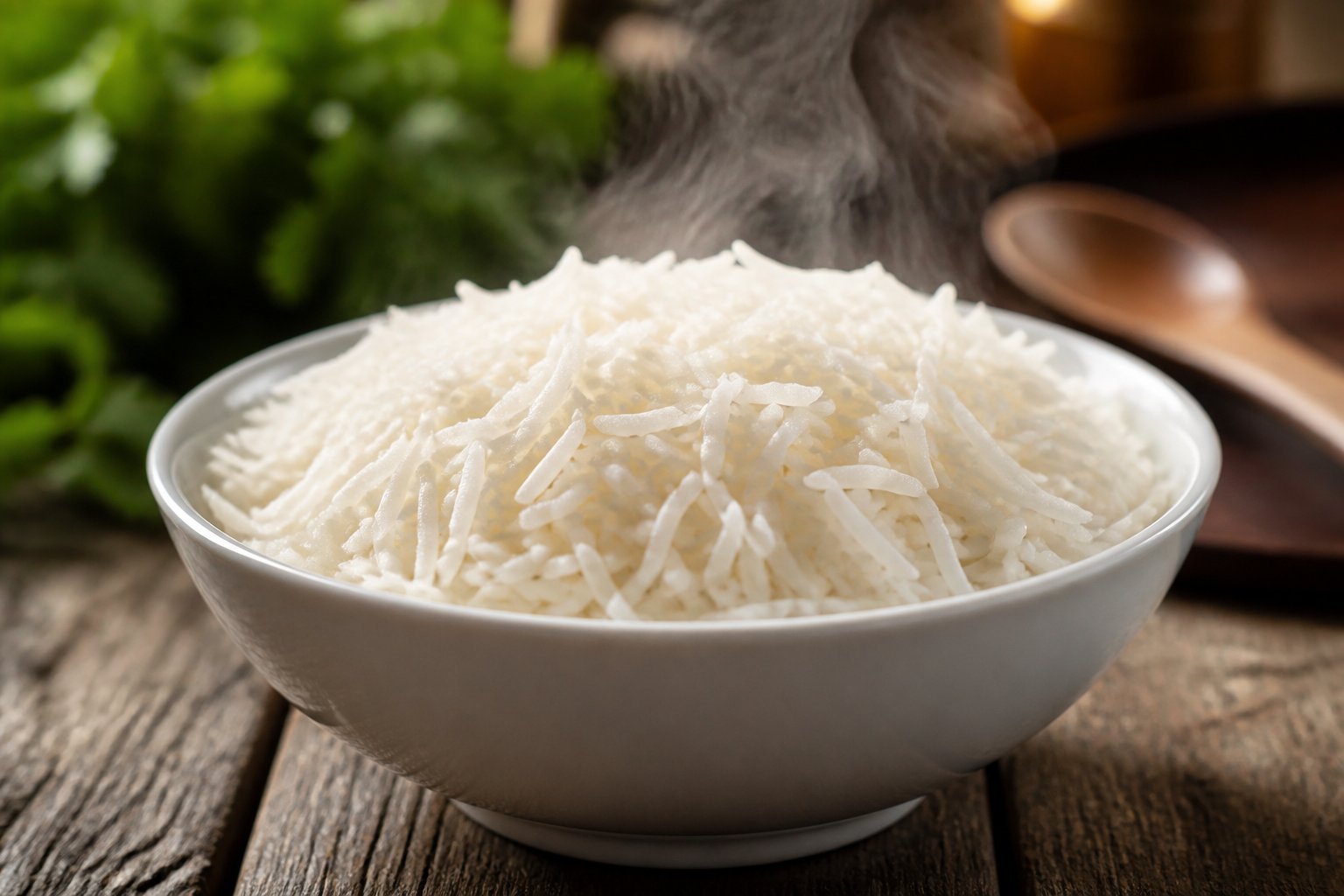
Pakistan produces certified basmati rice varieties that meet ISO 9001:2015, ISO 22000:2018, HACCP, Halal, and USFDA standards, making it a reliable origin for GCC importers seeking consistent quality. The steaming process directly impacts grain separation, texture, and visual appeal, which are critical factors for restaurants, hotels, and food manufacturers throughout the region. Buyers who understand the technical requirements for perfectly steamed basmati rice can better assess supplier quality control and establish clear specifications in their procurement contracts.
For distributors and importers operating in competitive markets, the difference between properly steamed basmati rice and inferior products affects customer retention and brand reputation. Small variations in processing techniques, water ratios, and steaming times can result in sticky, broken, or unevenly cooked grains that fail to meet foodservice standards. This guide provides the technical knowledge needed to evaluate suppliers, verify quality claims, and ensure that imported basmati rice performs consistently in commercial applications.
Key Takeaways
- Proper steaming requires rinsing basmati rice until water runs clear and soaking for at least 30 minutes to prevent grain breakage
- The standard rice-to-water ratio for steaming is 1:1.5 for fluffy, separate grains, with minor adjustments for aged basmati and local water hardness
- Quality steamed basmati rice should show complete grain separation, maximum elongation, and no stickiness when properly prepared
What Are the Main Types of Basmati Rice?
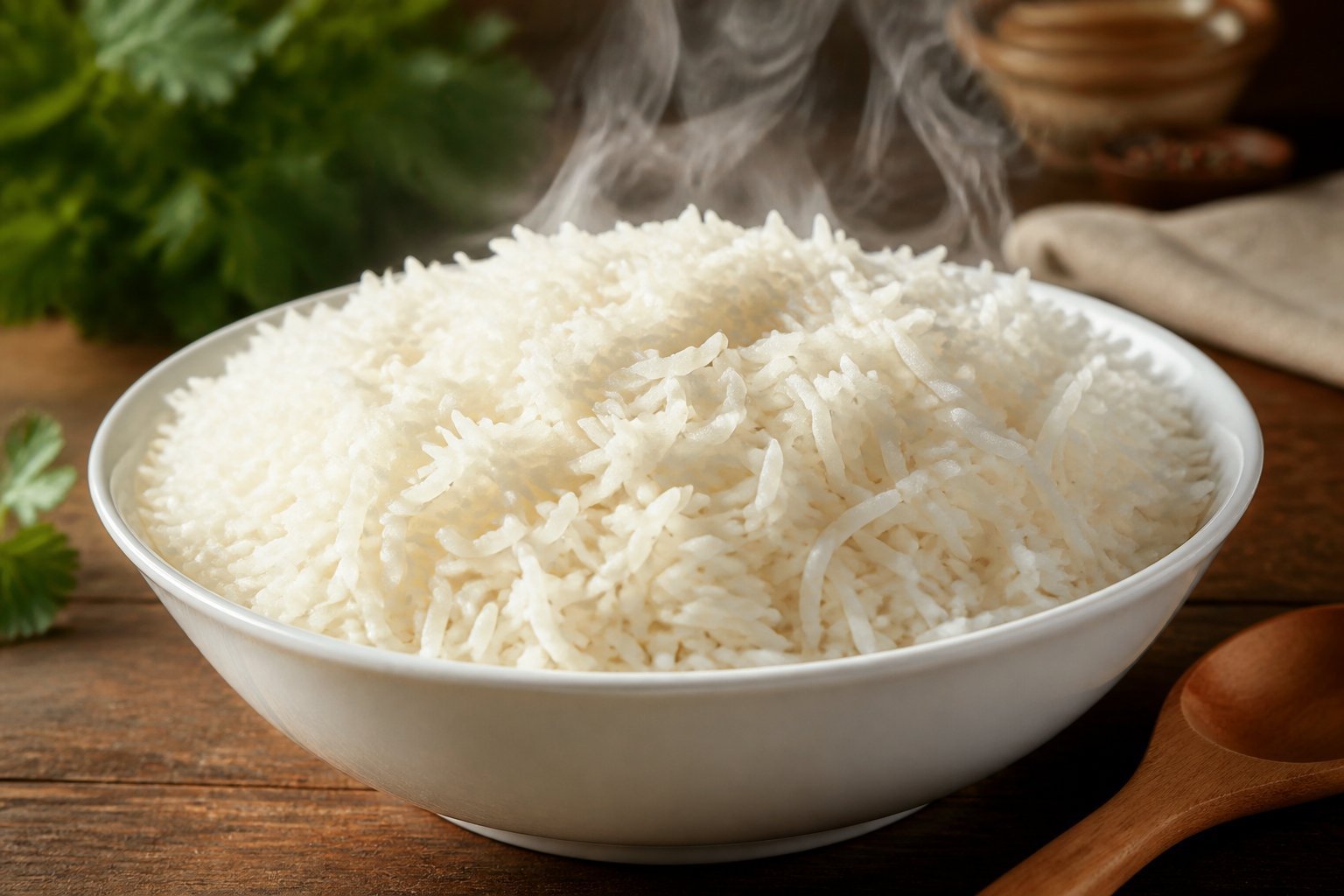
Basmati rice differs in processing methods and natural grain types, each affecting cooking performance and nutritional content. White and brown varieties represent distinct milling stages, while aroma intensity and grain structure determine trade value across global markets.
Attributes of White and Brown Basmati Rice
White basmati rice undergoes complete milling that removes both the husk and bran layers, leaving only the starchy endosperm. This process creates the characteristic ivory-white appearance and soft texture that cooks quickly.
Brown basmati rice retains the bran layer after husk removal. The outer bran provides additional fiber, B vitamins, and minerals that white rice loses during processing. Brown basmati requires longer cooking times due to the intact bran layer.
Nutritional Comparison:
| Component | White Basmati | Brown Basmati |
|---|---|---|
| Fiber | Lower | Higher |
| B Vitamins | Reduced | Retained |
| Cooking Time | 15-20 minutes | 40-50 minutes |
| Shelf Life | Longer | Shorter |
Pakistan produces certified basmati rice in both white and brown forms that meet ISO 22000:2018 and HACCP standards. The different processing methods between raw, steam, and sella basmati apply to both white and brown varieties.
Aroma and Grain Structure in Global Trade
Basmati rice contains 2-acetyl-1-pyrroline, a natural compound that produces its distinctive nutty fragrance. Authentic basmati releases this aroma during cooking, distinguishing it from standard long-grain rice varieties.
Grain length determines classification and market value. Premium basmati measures 7-8mm when raw and elongates to 18-24mm after cooking. The grains remain separate rather than clumping together.
Pakistan’s basmati cultivation regions produce varieties that meet international certification requirements including Halal and USFDA standards. Multiple basmati rice grades exist across South Asian origins, with 1121 and Super Kernel representing the longest-grain premium categories.
Key Quality Indicators:
- Grain length minimum 6.61mm
- Elongation ratio of 2:1 or higher
- Moisture content below 13%
- Broken grain percentage under 5%
The grain structure must withstand international shipping and storage conditions while maintaining cooking quality.
Why Is Basmati Rice Steamed?
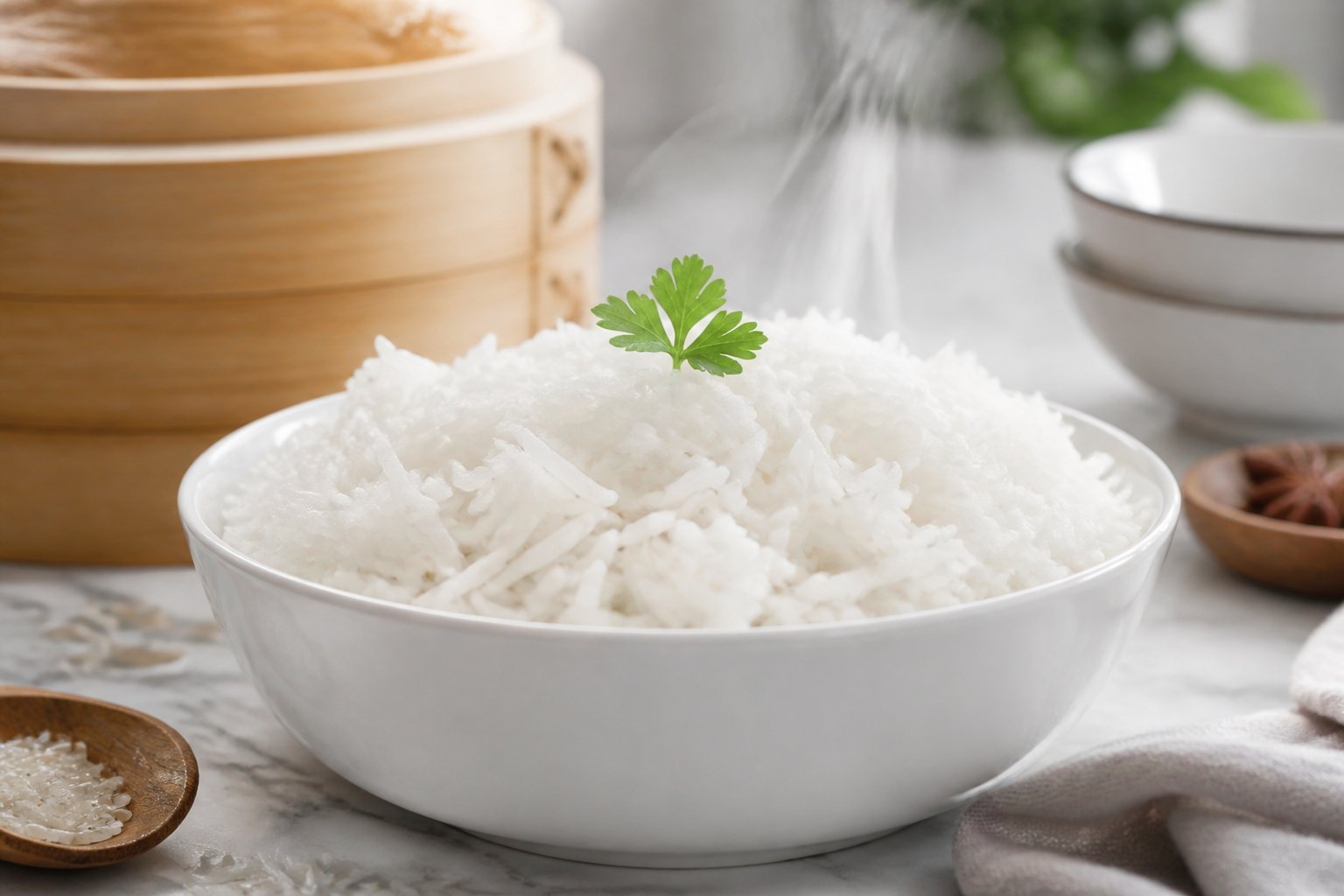
Steaming basmati rice delivers measurable improvements in grain structure and flavor retention. The controlled heat treatment strengthens kernels while preserving the natural compounds that define premium basmati quality.
Texture and Fluffiness Benefits
Steaming basmati rice before milling creates a harder grain structure through starch gelatinization. This process reduces breakage rates to below 2% during dehusking and polishing operations.
The strengthened kernels maintain their integrity during cooking. Steam-treated grains expand up to 2.5 times their original length while remaining separate and non-sticky. This performance makes steam basmati particularly suitable for high-volume food service applications where consistency matters.
Pakistani rice processors apply controlled moisture levels between 12-14% during the steaming phase. This precision prevents the yellowing associated with over-processing while maintaining the grain’s structural advantages.
Key texture benefits:
- Reduced kernel breakage during milling and transport
- Non-sticky separation after cooking
- Consistent elongation in bulk preparation
- Better performance under commercial kitchen conditions
The process meets ISO 22000:2018 and HACCP standards for quality control throughout production.
Preservation of Aromatic Qualities
Steam processing retains over 80% of basmati’s natural aromatic compounds when drying parameters stay within certified tolerances. The compound 2-acetyl-1-pyrroline, responsible for basmati’s characteristic fragrance, remains stable through the controlled heating cycle.
Proper steaming differs from parboiling by using shorter heat exposure times. This limited thermal treatment preserves more volatile aroma molecules compared to extended processing methods. Pakistani mills operating under ISO 9001:2015 certification maintain strict temperature controls to prevent aroma degradation.
The steam phase actually stabilizes fragrance retention during storage. Treated grains resist moisture absorption better than white rice, protecting aromatic compounds from environmental breakdown. This stability extends shelf life to 12-16 months under dry storage conditions.
Quality-certified steam basmati maintains its aromatic profile even in non-climate-controlled distribution channels common in GCC markets.
How Do You Prepare Basmati Rice Before Steaming?
Preparing basmati rice correctly before steaming determines whether the final result will be fluffy and separate or sticky and clumped. Rinsing basmati rice removes excess starch, while proper soaking ensures even cooking and maximum grain elongation.
Rinsing Protocols for Quality Output
Rinsing basmati rice removes surface starch that causes grains to stick together during cooking. Premium Pakistani basmati, which meets ISO 22000:2018 food safety standards, still requires thorough rinsing to achieve optimal texture.
Place the measured rice in a fine-mesh strainer or large bowl. Fill with cold water and gently swirl the grains with fingers, avoiding harsh scrubbing that could break the delicate long grains.
Drain the cloudy water and repeat the process. Most basmati varieties require three to five rinses until the water runs clear. This clarity indicates that excess starch has been removed.
The proper rinsing technique prevents the gelatinization of surface starch during steaming. Rice that has not been adequately rinsed will produce a gummy, porridge-like texture rather than distinct, separate grains.
Recommended Soaking Procedures
Soaking hydrates basmati rice grains before steaming, allowing them to expand fully and cook evenly without cracking. A 20 to 30-minute soak in cold water represents the optimal duration for most preparations.
Soaking Time Guidelines:
| Duration | Result | Best Use |
|---|---|---|
| 15-30 minutes | Perfect elongation, fluffy texture | Standard side dishes |
| 1-2 hours | Maximum grain length, higher breakage risk | Traditional recipes only |
| No soak | Uneven cooking, shorter grains | Not recommended |
After rinsing, submerge the rice completely in cold water. Soaking beyond 30 minutes can make grains too fragile and prone to breaking during the steaming process. The ideal soaking duration allows water to penetrate the grain’s core, ensuring uniform cooking throughout.
Drain the soaked rice thoroughly in a fine-mesh strainer before transferring to the steaming vessel. Excess water clinging to the grains can throw off the water-to-rice ratio and affect the final texture.
What Is the Right Water Ratio for Steaming Basmati?
The perfect water-to-rice ratio for basmati depends on cooking method and batch size, with steaming requiring precise measurements to prevent mushiness or undercooking. Water hardness and mineral content also impact how grains absorb moisture during the steaming process.
Optimal Proportions for Scalability
The standard rice to water ratio for steaming basmati is 1:1.5 (one cup rice to 1.5 cups water) for small batches under two cups of dry rice. This ratio produces firm, separate grains with the characteristic fluffy texture.
Large batch cooking requires ratio adjustments. When preparing three or more cups of rice, reduce total water by approximately 1/4 cup because the increased volume traps more steam. A five-cup batch uses 7.25 cups of water instead of the calculated 7.5 cups.
| Rice Amount | Water Amount | Notes |
|---|---|---|
| 1 cup | 1.5 cups | Standard single serving |
| 2 cups | 3 cups | Ideal for small families |
| 4 cups | 5.75-6 cups | Reduce by 1/4 cup total |
| 6 cups | 8.5-9 cups | Reduce by 1/2 cup total |
Premium Pakistani basmati certified to ISO 22000:2018 standards maintains consistent moisture content, which helps achieve reliable results across different batch sizes.
Adjustments for Regional Water Quality
Hard water containing high calcium and magnesium levels requires 10-15% more water than the base ratio. Minerals interfere with starch gelatinization, extending cooking time and reducing absorption efficiency.
Soft water with minimal mineral content needs slightly less liquid. Cooks working with soft water should reduce the ratio to 1:1.4 or use the standard amount with reduced steaming time.
Water Hardness Impact:
- Soft water (0-60 ppm): Use 1:1.4 ratio or steam 2 minutes less
- Moderate water (61-120 ppm): Standard 1:1.5 ratio works best
- Hard water (121-180 ppm): Increase to 1:1.65 ratio
- Very hard water (180+ ppm): Consider filtered water for consistent results
Testing the rice-to-water ratio with different cooking methods helps identify the optimal adjustment for local water conditions. Pakistani-origin basmati rice meeting HACCP and Halal certifications responds predictably to ratio modifications across various water qualities found in GCC markets.
How Is Basmati Rice Steamed at Industrial Scale?
Industrial facilities use two primary steaming approaches: conventional pot-based heat transfer systems that process basmati rice in large batches, and modern steam ovens with rice cookers that automate temperature control for consistent grain quality across production runs.
Conventional Pot and Heat Applications
Conventional pot systems rely on direct heat transfer through stainless steel vessels. Industrial kitchens and processing facilities use pots ranging from 50 to 200 liters in capacity. Water heats to 100°C before rice addition, creating steam that cooks the grains.
The process begins with water measurement at a 1.5:1 ratio for basmati varieties. Operators bring water to a rolling boil, then add pre-rinsed rice. Heat reduces to maintain gentle simmering for 12 to 15 minutes.
Key operational parameters:
- Water temperature: 100°C at rice addition
- Cooking duration: 12-15 minutes
- Resting period: 5-10 minutes off heat
- Grain moisture target: 12-14% final content
Pakistani basmati suppliers processing rice for export markets use conventional pot methods in facilities meeting ISO 22000:2018 standards. These systems allow visual monitoring throughout cooking. Steam vents naturally through pot lids, preventing pressure buildup that could break delicate basmati grains.
Temperature consistency matters for proper starch gelatinization. Industrial gas burners maintain uniform heat distribution across pot bases.
Utilization of Steam Ovens and Rice Cookers
Steam ovens and commercial rice cookers automate the steaming process through programmable controls. These units generate steam in separate chambers, then circulate it around perforated rice containers. Temperature sensors adjust heat output to maintain precise cooking conditions.
Commercial rice cookers process 20 to 100 kilograms per batch. They feature automated water dispensing systems and programmable cooking cycles. Steam ovens operate at controlled humidity levels between 85-95%, preventing grain drying during cooking.
Equipment specifications for industrial use:
| Equipment Type | Capacity Range | Temperature Control | Typical Processing Time |
|---|---|---|---|
| Commercial Rice Cooker | 20-100 kg | ±2°C precision | 18-22 minutes |
| Steam Oven | 50-150 kg | ±1°C precision | 15-20 minutes |
These automated systems reduce labor requirements while improving batch consistency. Facilities certified under HACCP protocols use steam ovens because they provide documented temperature logs for food safety compliance. The equipment maintains basmati grain length and prevents the breakage common in manual stirring methods.
Steam injection occurs evenly throughout cooking chambers, eliminating hot spots that cause uneven texture.
How Do You Get Fluffy, Separate Basmati Grains?
Achieving fluffy basmati rice with distinct, separate grains requires controlled resting after cooking and attention to common quality variables. Pakistani basmati rice meets ISO 22000:2018 and HACCP standards, ensuring consistent grain structure that responds predictably to proper steaming techniques.
Resting and Fluffing Methods
Steam redistribution during the resting phase equalizes moisture throughout the pot, preventing clumps and allowing surface starch to firm slightly. Once the rice finishes steaming, the heat should be switched off and the lid kept on for 10-15 minutes.
This resting period allows carryover heat to finish cooking the grain centers while excess moisture evaporates from the surface. Opening the lid early releases essential steam and creates condensation that causes stickiness.
After resting, the pot should remain closed until ready to serve. A wide fork works best for fluffing—vertical slicing motions separate grains without mashing them. Stirring or aggressive mixing smears starch across grain surfaces and creates a gummy texture.
Proper fluffing technique:
- Insert fork at pot edge
- Slice downward in gentle vertical cuts
- Lift and turn sections without stirring
- Add ghee or oil after fluffing, not before
Typical Quality Control Challenges
Excess water is the most common issue affecting grain separation. When too much liquid remains after steaming, the molecular structure of basmati grains becomes oversaturated and grains clump together. Certified suppliers provide rice with predictable absorption rates, but variables in altitude and heat intensity require minor ratio adjustments.
Inconsistent heat distribution creates uneven cooking—some grains turn mushy while others remain firm. Heavy-bottomed pots with tight-fitting lids maintain steady temperature and trap steam effectively.
Common challenges and solutions:
| Challenge | Cause | Fix |
|---|---|---|
| Sticky clumps | Inadequate rinsing | Rinse 3-4 times until water runs clear |
| Wet top layer | Early lid removal | Keep covered full 10-15 minutes |
| Scorched bottom | High heat | Lower to gentle simmer after boiling |
| Uneven texture | Poor water ratio | Use 1.5:1 water-to-rice for aged basmati |
ISO 9001:2015 certified processing ensures uniform grain length and minimal breakage, which directly affects how evenly rice cooks and separates.
What Do Importers Need to Know About Steam Basmati?
Steamed basmati rice exports require proper documentation to meet international food safety standards, while storage protocols protect grain quality during long-distance shipping to Gulf and African markets.
Regulatory Compliance and Documentation
Exporters must secure phytosanitary certificates from agricultural authorities to confirm the rice is free from pests and contaminants. Most importing countries require these certificates before customs clearance.
ISO 22000:2018 and HACCP certifications demonstrate food safety compliance throughout the supply chain. Buyers in the GCC region prioritize these standards to ensure product safety for retail and food service distribution.
Pakistan provides certified basmati rice that meets international quality benchmarks. The country’s agricultural export authorities issue certificates of origin, which verify the rice comes from approved growing regions.
Halal certification is essential for Middle Eastern markets. Processors must obtain Halal approval from recognized certification bodies to access Saudi Arabia, UAE, and Qatar distribution channels.
USFDA registration applies when exporting to the United States. Facilities must register with the FDA and comply with food facility regulations before shipping steamed basmati rice to American importers.
Importers should verify that suppliers hold ISO 9001:2015 certification, which confirms quality management systems meet global standards for consistent processing and traceability.
Handling and Storage Best Practices
Steamed basmati rice requires controlled storage at 12-13% moisture content to prevent fungal growth during transit. Proper moisture levels maintain grain integrity through extended shipping periods.
Temperature control protects rice quality in hot climates. Storage facilities should maintain temperatures below 25°C to preserve aroma and prevent insect infestation during warehousing.
Packaging specifications include food-grade polypropylene bags with inner liners that block moisture penetration. Export containers must remain sealed and protected from humidity exposure during ocean freight.
Rice handlers should avoid stacking pallets more than eight layers high to prevent grain compression and breakage. Proper stacking maintains the grain structure that buyers expect in premium steamed basmati rice.
Shipping containers require thorough inspection for moisture damage, holes, and contamination before loading. Clean, dry containers prevent quality degradation during 30-45 day shipping routes to international ports.
First-in-first-out inventory rotation ensures older stock ships before newer arrivals. This practice prevents extended storage that could reduce the rice’s cooking performance and market value.
How Is Steam Basmati Used in Foodservice and Manufacturing?
Steamed basmati rice serves as a foundation for processed food products and commercial kitchen operations, where consistency and efficiency drive purchasing decisions. Pakistani basmati offers certified quality that meets ISO 22000:2018, HACCP, and Halal standards, making it suitable for regulated manufacturing environments.
Basmati Rice Recipe Integration
Commercial kitchens use steamed basmati rice to reduce labor costs and improve consistency across locations. The commercial foodservice sector relies on steamed rice products because they offer standardized quality and improved operational efficiency in restaurants, quick-service chains, and institutional cafeterias.
Pre-steamed basmati rice cuts preparation time from 25 minutes to under 5 minutes. Hotels and catering operations use it for banquet service where timing matters. Airlines incorporate it into in-flight meals because it maintains texture after reheating.
Food manufacturers favor parboiled and pre-steamed varieties for packaged meals. These products rehydrate quickly without losing the grain’s characteristic aroma or elongated structure. Frozen entrees, meal kits, and shelf-stable products all benefit from this processing method.
Opportunities for Ready-to-Eat Product Lines
The ready-to-eat basmati rice market has expanded, with meal kits recording a 24% increase in retail shelf space across global supermarkets. Manufacturers now produce microwaveable pouches, single-serve containers, and frozen rice bowls that target convenience-focused consumers.
Key product formats include:
- Microwaveable pouches (90-second preparation)
- Frozen rice bowls with proteins and vegetables
- Shelf-stable meal kits with sauce packets
- Institutional bulk packs for cafeterias
Pakistani basmati processors supply B2B ingredient markets with value-added products like basmati rice flour, puffed basmati, and basmati flakes. These ingredients support food processing applications beyond whole grain products. Companies use certified Pakistani rice that meets USFDA and ISO 9001:2015 standards for export to GCC markets and international distributors.
Frequently Asked Questions
Getting the water ratio right and understanding proper rinsing techniques makes the difference between sticky, clumped rice and perfectly separated grains. The cooking time, resting period, and heat settings also play critical roles in achieving the ideal texture.
How much water should I use for basmati rice to get separate, fluffy grains?
The standard water-to-rice ratio for basmati is 1:1.5, meaning one cup of rice to one and a half cups of water. This ratio produces fluffy, separate grains that hold their shape without becoming sticky.
For firmer rice suitable for fried rice or salads, reduce the water to 1.25 cups per cup of rice. Going much above 1.5 cups risks oversaturating the grains and losing the separation that defines good basmati.
Aged basmati varieties from certified origins like Pakistan require less water than newer crops. The aging process reduces moisture content in the grain, which affects how much additional water is needed during cooking.
Should I rinse or soak basmati rice before cooking, and for how long?
Rinsing basmati rice removes excess surface starch that causes grains to stick together. The rice should be rinsed three to five times in cool water until the water runs clear.
After rinsing, soaking for 20 to 30 minutes allows the grains to hydrate evenly. This soaking duration produces perfect elongation and fluffy separation without making the grains too fragile.
Soaking longer than one hour increases the risk of grain breakage during cooking. Skipping the soak entirely can result in uneven cooking and shorter grain length after steaming.
What is the best way to prevent basmati rice from becoming sticky or mushy?
Proper rinsing removes the starch that causes stickiness, so washing until the water is completely clear is essential. Using the correct water ratio prevents the rice from becoming oversaturated and mushy.
Avoiding stirring during the cooking process keeps the grains from releasing additional starch. The rice should steam undisturbed with the lid sealed tightly to maintain consistent temperature and moisture levels.
Premium basmati rice that meets ISO 22000:2018 and HACCP standards maintains lower surface starch levels. This quality factor contributes to better grain separation when prepared correctly.
How long should basmati rice rest after cooking before fluffing and serving?
Basmati rice should rest for 5 to 10 minutes after the heat is turned off with the lid still sealed. This resting period allows moisture to redistribute evenly throughout all the grains.
The 10-minute rest produces the best fluffiness and most distinct grains. Skipping this step can result in clumpy rice with uneven moisture distribution.
After resting, the rice should be fluffed with a fork using a gentle lift-and-fold motion. This technique introduces air between the grains without breaking the long, delicate kernels.
What is the correct cooking time and heat level for basmati rice in a covered pot?
The rice and water should first come to a gentle boil over medium-high heat. Once boiling begins, the heat should immediately drop to the lowest setting.
The rice then steams for 12 to 15 minutes on low heat without lifting the lid. Opening the lid releases steam and heat, which disrupts the cooking process and can leave grains undercooked.
After the timer goes off, the heat should be turned off completely while the pot remains covered for the resting period. This two-stage approach ensures the rice cooks through without burning the bottom layer.
How do I adjust the water ratio and cooking time for brown basmati rice?
Brown basmati rice retains its outer bran layer, which requires more water and longer cooking time than white basmati. The water ratio for brown basmati should be 1:2.5, using two and a half cups of water per cup of rice.
Cooking time extends to 40 to 45 minutes on low heat after the initial boil. The bran layer takes significantly longer to soften and absorb moisture than polished white rice.
Brown basmati also benefits from a longer soak of 45 minutes to one hour before cooking. This extended soaking helps reduce the overall cooking time and promotes more even texture throughout the grain.
Specifying Steam Basmati?
TEFT Global supplies certified steam basmati from Kalar tract mills to importers, retailers, and foodservice operators across Qatar and the GCC — consistent elongation, low breakage, and full documentation with every lot. Send us your spec and destination for a quote.