
Brown Basmati Rice: Technical Insights for GCC Importers and Procurement Professionals
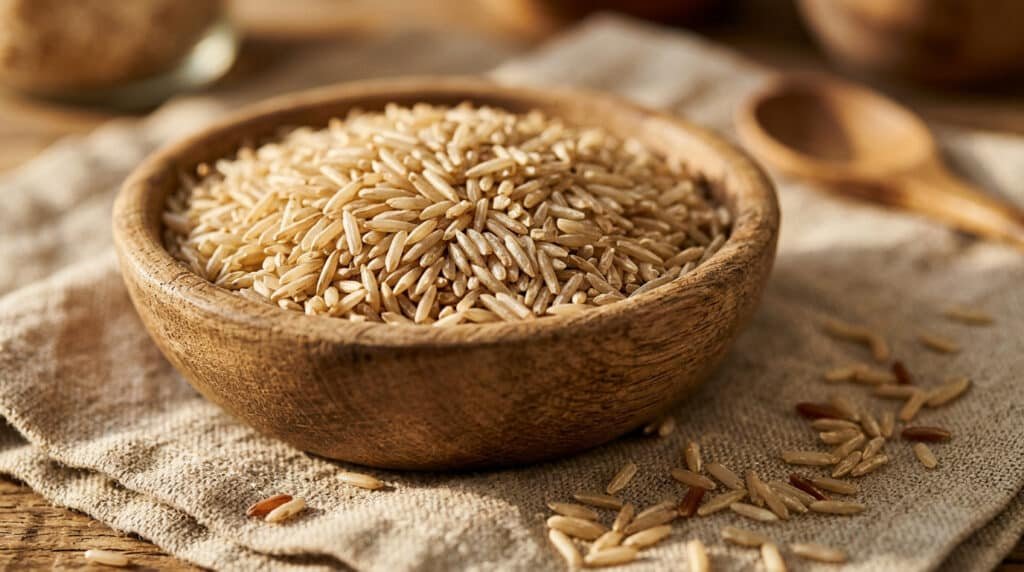
Brown basmati keeps the bran, the fibre, and the fragrance — but it stores, ships, and cooks differently to white. A technical sourcing guide for GCC importers and procurement teams.
Saudi Arabia Rice Market: Strategic Insights for Importers and Buyers
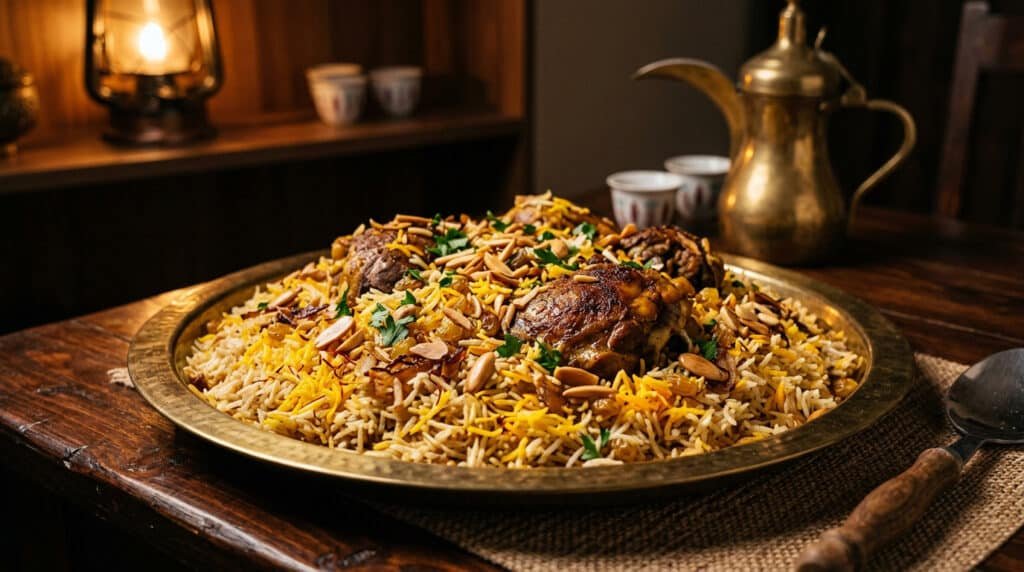
Saudi Arabia is the world’s second-largest rice importer and buys almost all of it from abroad. A B2B guide to origins, varieties, SFDA compliance, and distribution for importers.
UAE Rice Market: Import, Trade, and Segmentation Insights for B2B Buyers

The UAE imports nearly all its rice and re-exports much of it onward. A B2B guide to origins, segmentation, tariffs, and compliance for importers and procurement teams.
Ramadan Rice Demand GCC: Strategic Insights for Basmati Importers

Ramadan drives the sharpest rice demand spike of the GCC year. A procurement guide to timing, volumes, certification, and stock-building for importers planning Ramadan 2027.
HORECA Rice Supply GCC: Market Insights and B2B Procurement Strategies

HORECA rice supply across the GCC demands certified origins, bulk formats, and delivery you can plan a menu around. A B2B procurement guide for hotels, restaurants, and caterers.
Kalar Tract Basmati: Strategic Overview for GCC Rice Imports

The Kalar tract between the Ravi and Chenab rivers produces Pakistan’s premium basmati. A sourcing guide to origin, varieties, grading, and certification for GCC importers.
Private Label Rice GCC: B2B Guide for Importers and Procurement Managers

Private label rice lets GCC importers and retailers own their brand, margins, and positioning. A B2B guide to varieties, packaging, certifications, MOQs, and compliance.
1121 Basmati vs Super Kernel: Technical Profile for Importers
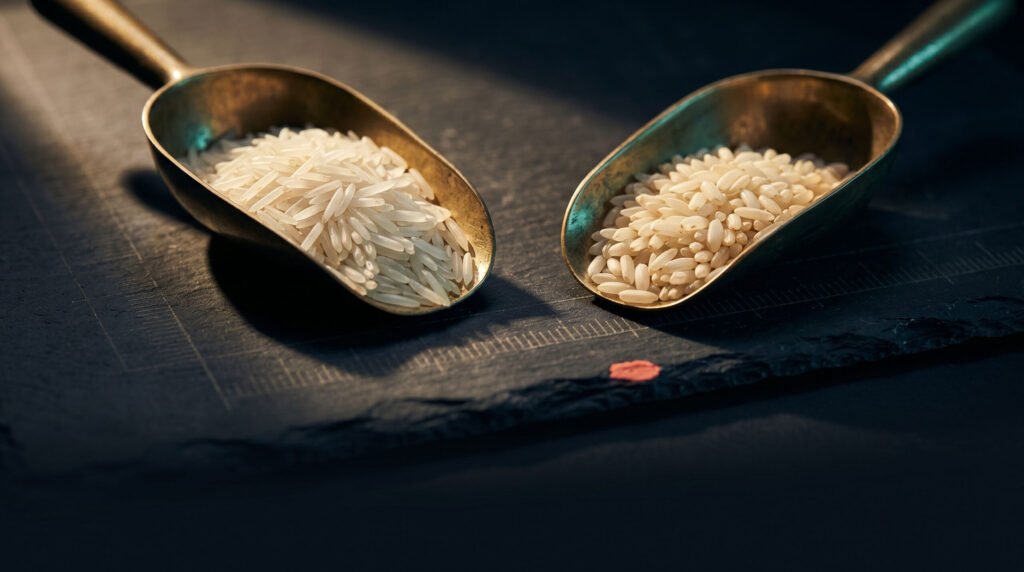
1121 and Super Kernel dominate Pakistan’s basmati exports, but they serve different buyers entirely. This technical comparison breaks down grain length, elongation, aroma, pricing and market fit — so importers can match the right variety to the right channel.
Super Kernel Basmati for Hotels: Premium Rice Solutions for GCC Procurement
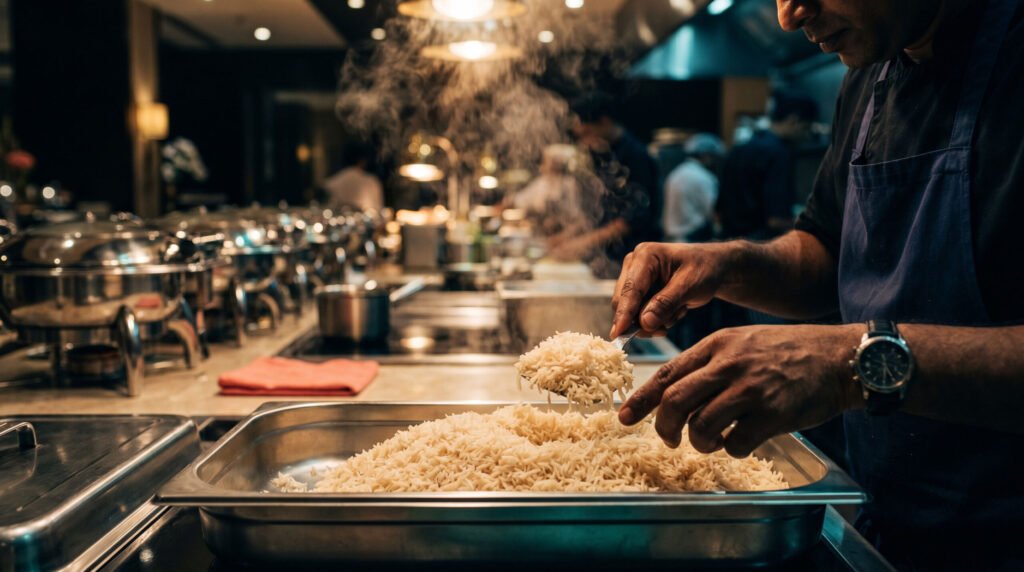
Hotels need rice that performs the same way at cover 1 and cover 500. This guide breaks down why Super Kernel Basmati’s grain length, elongation, and shelf stability make it a reliable choice for GCC banquet kitchens, buffets, and high-volume hospitality procurement.
Sella vs Raw Basmati: Key Processing and Trade Differences for GCC Importers
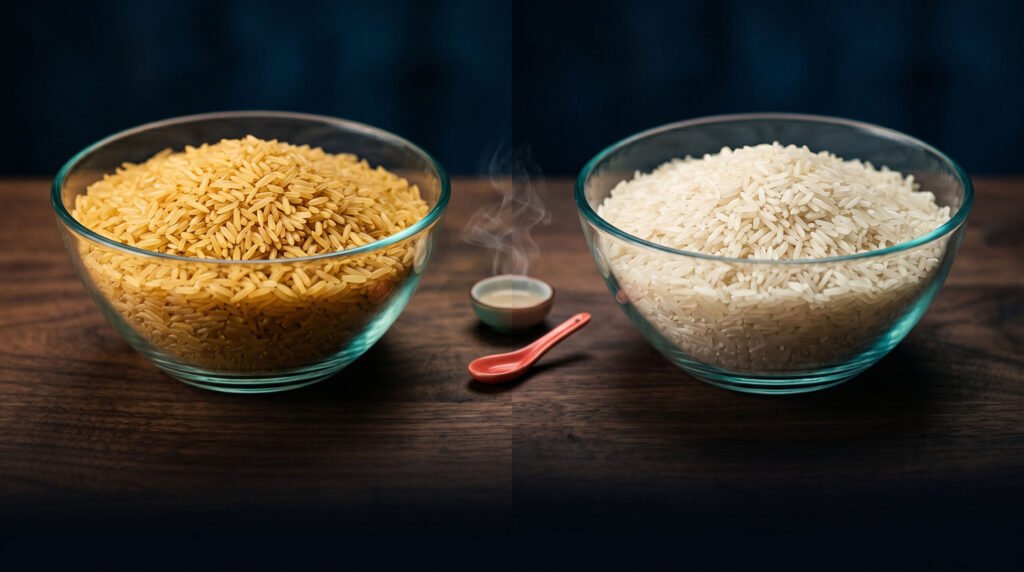
Sella and raw basmati come from the same grain but perform completely differently in commercial kitchens. This guide breaks down the processing, shelf life, and cooking behavior differences GCC importers need to know before choosing between them for foodservice or retail.