
Super Kernel Basmati for hotels means delivering consistent grain length, minimal breakage, and predictable cooking performance across high-volume kitchen operations across the GCC. Super Kernel Basmati Rice meets these specifications through controlled cultivation in Punjab, Pakistan, where irrigation management and milling precision produce export-grade grain suitable for buffet service, à la carte plating, and banquet-scale preparation.
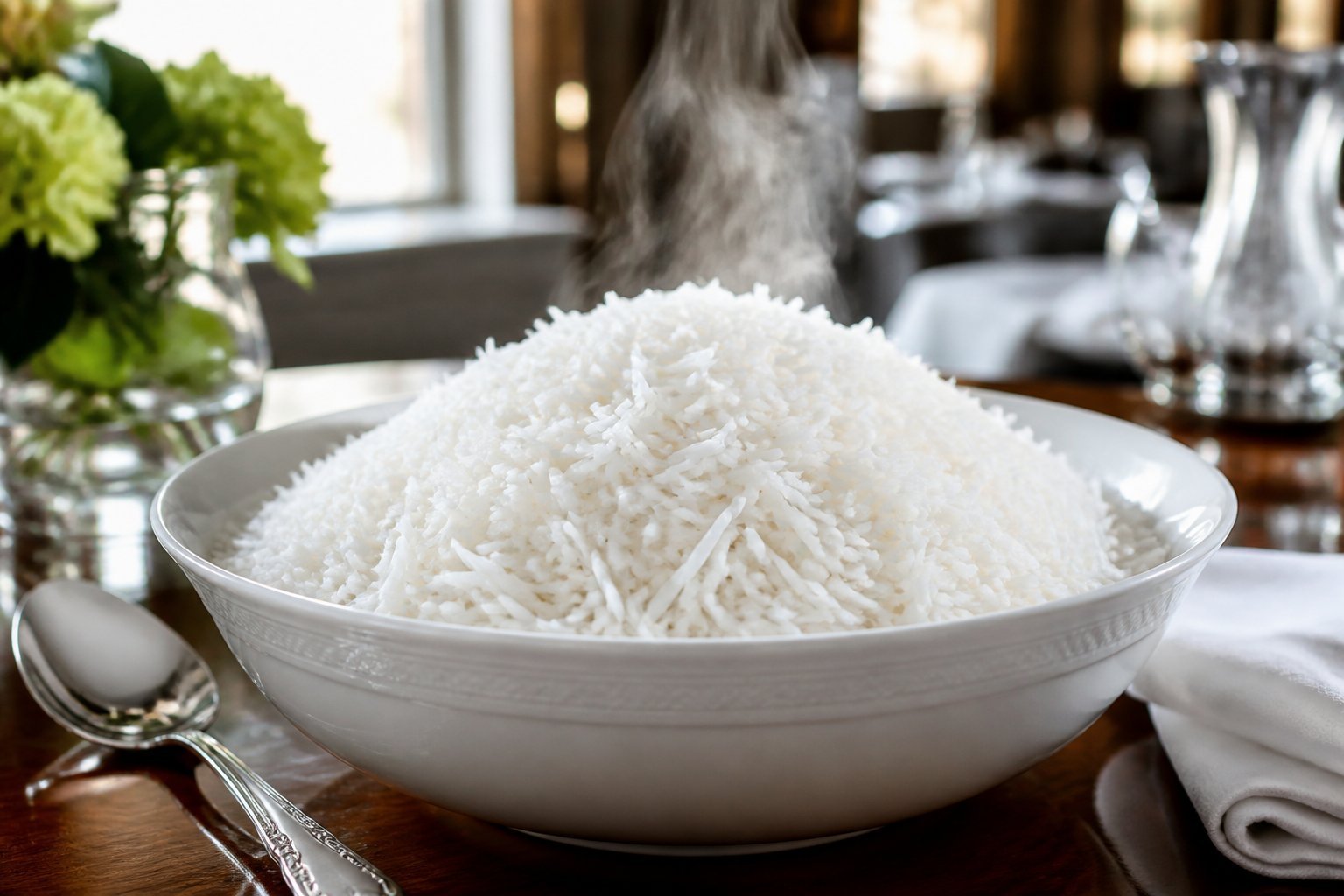
Super Kernel Basmati provides hotels with extra-long grain length of 7.20–7.50 mm, elongation ratios approaching 2.0 times original size, and strong aroma retention that supports premium presentation standards in competitive hospitality markets. AHK Rice supplies Super Kernel Parboiled Basmati for hospitality buyers seeking bulk procurement with stable pricing across repeated orders.
Procurement managers evaluate Super Kernel based on head rice yield, moisture control at 13% maximum, and compliance with ISO 22000:2018 and HACCP standards. Pakistani exporters supply this variety in white, parboiled, and Golden Sella formats, allowing hotels to select grain treatments aligned with storage infrastructure and menu requirements across Gulf markets where rice forms a central component of daily food service operations.
Key Takeaways
- Super Kernel Basmati delivers extra-long grains and high elongation ratios required for professional hotel kitchens in the GCC
- Pakistani exporters provide quality-certified Super Kernel in multiple formats including white, parboiled, and Golden Sella variants
- Procurement specifications focus on grain length consistency, moisture control, and international food safety certification compliance
Varietal Overview: Defining Super Kernel Basmati Rice
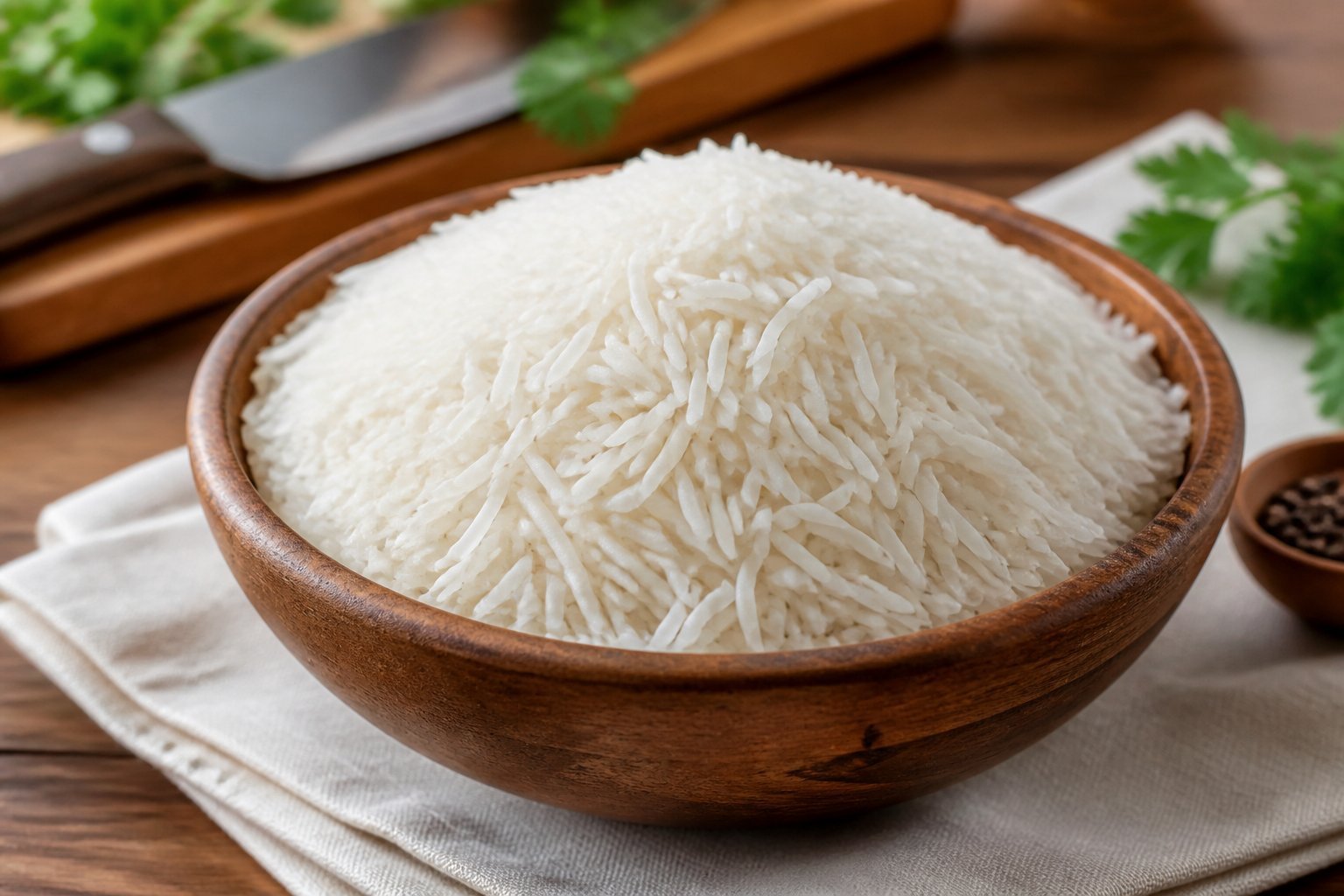
Super Kernel Basmati Rice originates from Pakistan’s Punjab region and delivers the natural aroma, grain length, and cooking performance that hospitality buyers require. This traditional variety maintains consistent quality through controlled cultivation and certified processing standards.
Authentic Origins and Cultivation Regions
Super Kernel Basmati grows primarily in Punjab, Pakistan, where fertile alluvial soil and river irrigation create optimal conditions for aromatic rice development. The region’s warm growing season and moderate humidity support the grain’s characteristic fragrance formation.
Farmers cultivate Super Kernel during the Kharif season in areas where controlled water management and soil fertility produce consistent grain quality. The cultivation occurs in the Himalayan foothills, where environmental conditions contribute to the variety’s distinct properties.
Pakistani Super Kernel Basmati reaches international markets through processing facilities that maintain ISO 9001:2015, ISO 22000:2018, HACCP, Halal, and USFDA certification standards. These certifications ensure that hotels receive rice meeting food safety and quality management requirements across global jurisdictions.
Unique Grain Characteristics
Super Kernel Basmati exhibits grain lengths of approximately 7.20–7.50 mm before cooking. The slender, uniform kernels provide the visual appearance that hotel presentation standards demand.
The variety contains higher levels of 2-acetyl-1-pyrroline (2AP), which creates the nutty, popcorn-like aroma that distinguishes Basmati from ordinary long grain rice. This aromatic compound develops during cultivation and becomes more noticeable during cooking.
Key grain specifications include:
- Length: 7.20–7.50 mm (raw grain)
- Elongation: Significant lengthwise expansion during cooking
- Texture: Non-sticky after preparation
- Aroma: Natural fragrance from 2AP compound
- Appearance: White, slender, uniform kernels
The grain maintains separation after cooking rather than clumping. This characteristic proves essential for buffet service, plated dishes, and banquet presentations where visual appeal influences guest satisfaction.
Comparison With Other Basmati Varieties
Super Kernel Basmati differs from 1121 Basmati primarily in grain length. While 1121 varieties reach 8.0+ mm before cooking, Super Kernel maintains a slightly shorter profile that traditional Basmati buyers recognize.
The aroma profile in Super Kernel remains more pronounced compared to newer extra long grain varieties. Hotels serving guests familiar with traditional Basmati often select Super Kernel because the fragrance matches established flavor expectations.
Variety comparison:
| Characteristic | Super Kernel | 1121 Basmati |
|---|---|---|
| Raw grain length | 7.20–7.50 mm | 8.0+ mm |
| Aroma intensity | Strong traditional profile | Moderate |
| Market position | Established, traditional | Premium, newer |
| Price point | Mid-to-premium | Premium |
Super Basmati and Super Kernel Basmati share similar cultivation regions but differ in grain specifications and market positioning. Both varieties serve hotel requirements, though purchasing decisions depend on target guest demographics and menu applications.
The variety continues maintaining strong demand in Middle Eastern, European, and North American markets where hotels prioritize consistent grain quality and aromatic properties for specialty rice dishes.
Quality Assurance for Hotel Procurement

Hotels require rice that meets strict visual, structural, and safety standards before large-scale purchasing. Super Kernel Basmati from Pakistan undergoes processing stages that include double polishing for appearance, sorting for grain integrity, and certification for regulatory compliance across international markets.
Double Polished and Silky Finishes
Double polished Super Kernel Basmati receives two separate polishing cycles after milling. The first polish removes surface bran residue. The second polish creates a smooth, glossy appearance.
Silky polished Super Kernel Basmati delivers brilliant white appearance with lustrous shine. Hotels prioritize this finish for buffet presentation and plated service where visual clarity matters.
The polishing process affects both appearance and cooking behavior. Double polished grains absorb water more uniformly during cooking. This produces consistent texture across large batch preparation.
Pakistani mills use friction-based polishing machines that smooth grain surfaces without damaging structural integrity. The result is white rice that maintains elongation during cooking while appearing clean on the plate.
Grain Integrity and 1% Broken Specification
Hotels specify broken grain percentage to control yield loss and presentation quality. Industry standard for premium Super Kernel Basmati is 1% broken.
Broken grains create inconsistent cooking results. Fragments absorb water faster than whole grains. This produces uneven texture in large hotel batches.
| Broken % | Hotel Impact | Specification Grade |
|---|---|---|
| 1% | Premium buffet service | Export Grade A |
| 2-5% | Standard catering | Export Grade B |
| 5%+ | Not suitable for hotels | Below export standard |
Pakistani suppliers grade Super Kernel Basmati through electronic sorting machines. These systems remove broken fragments before packaging. Hotels receive consistent grain length that maintains structure during holding and service.
Certifications and Export Compliance
Super Kernel Basmati supplied to hotels meets ISO 9001:2015, ISO 22000:2018, HACCP, Halal, and USFDA certification standards. These certifications verify food safety management and quality control systems.
ISO 22000:2018 covers hazard analysis and critical control points throughout rice processing. This includes cleaning, milling, sorting, and packaging stages. Hotels in GCC markets require Halal certification for procurement approval.
Pakistani rice mills maintain traceability documentation from paddy sourcing through export shipment. This includes field location records, milling batch numbers, and fumigation certificates. Hotels verify certification status before contract execution to meet regulatory requirements in destination markets.
Product Formats and Grain Grades
Super kernel basmati arrives in three processing formats that affect cooking behavior and nutritional content, while grain length classifications determine plate presentation and bulk kitchen yield across hotel operations.
White, Parboiled, and Brown Basmati
White rice undergoes complete milling and polishing to remove bran layers, producing the clean appearance hotels prefer for fine dining and buffet service. This format cooks faster and delivers soft texture with maximum visual appeal on plated dishes.
Golden Sella Super Kernel represents the parboiled category, where paddy soaks under pressure before milling. Parboiling drives nutrients into the grain and hardens the starch structure. Hotels using parboiled formats gain longer shelf life, reduced breakage during bulk cooking, and higher resistance to overcooking in buffet holding equipment.
Brown rice retains the outer bran layer after hulling but before polishing. This format requires extended cooking time and produces firmer texture with higher fiber content. Hotels serving health-conscious guests stock brown basmati alongside white formats, though brown rice shows lower demand in Middle Eastern hospitality markets where traditional preparation favors polished grain.
Pakistani mills export all three formats under ISO 22000:2018 and HACCP certification standards that meet international food safety requirements for hotel procurement.
Grain Length and Texture Profiles
Extra long grain super kernel basmati measures nearly four times longer than its width before cooking. Raw grain length ranges from 7.5 to 8.2 millimeters. After cooking, grains elongate to 16-18 millimeters while maintaining separate, non-sticky texture.
Hotels track grain breakage rates during receiving inspections. Premium super kernel shows 1% maximum broken grains per shipment. Broken percentage affects plate presentation and portion control accuracy in banquet kitchens.
Texture classifications:
- Firm: Parboiled formats maintain structure during extended holding
- Soft: White polished rice produces tender grains for immediate service
- Chewy: Brown rice delivers resistant texture after cooking
Grain strength determines performance in different hotel cooking methods. Pilaf preparation requires firm grains that resist stirring pressure. Steamed rice service needs soft separation for portion scooping.
Packaging Options for the Hospitality Sector
Hotel procurement teams select between bulk sacks and consumer-ready packaging based on kitchen volume and storage infrastructure. Standard formats include 50-kilogram polypropylene sacks for central kitchens, 25-kilogram bags for satellite operations, and 5-kilogram retail packs for in-room pantry service.
Bulk packaging uses food-grade woven polypropylene with inner polyethylene lining that prevents moisture penetration during warehouse storage. Hotels in Gulf climates require this dual-layer protection against humidity exposure that degrades grain quality.
Smaller hotels order 10-kilogram units that fit standard dry storage shelving without requiring specialized handling equipment. These mid-range sizes reduce waste in properties serving 100-200 covers daily.
All export packaging meets USFDA material standards and carries batch coding for traceability through international supply chains. Pakistani exporters print Halal certification directly on sacks to streamline receiving verification at hotel loading docks across GCC markets.
Sourcing From Leading Exporters
Hotels requiring consistent quality and reliable supply chains work with established Pakistani exporters who maintain direct farm relationships and certified processing facilities. These partnerships ensure grain standards remain stable across multiple shipments.
Harmain Global and Supply Chain Excellence
Harmain Global operates as a certified exporter with four decades of experience supplying super kernel basmati to international markets. The company sources directly from verified farms in Pakistan, eliminating middlemen and maintaining transparent quality control throughout the supply chain.
Their export operations include ISO, HACCP, and Halal certifications depending on destination requirements. Hotels benefit from their 24-hour response times for inquiries and their ability to handle both bulk orders and custom packaging specifications. The company ships from Karachi and Port Qasim with FOB, CIF, and CNF terms available.
Documentation packages typically include certificates of analysis, phytosanitary certificates, and certificates of origin. This level of certification ensures compliance with international food safety standards including ISO 22000:2018 requirements that many hotel chains mandate for their suppliers.
Sourcing Practices in Punjab and the Indus Basin
Punjab produces the majority of Pakistan’s super kernel basmati rice in districts along the Indus Basin where soil composition and climate conditions favor long-grain development. The region’s rice paddies benefit from controlled irrigation systems and traditional cultivation methods that preserve grain characteristics.
Exporters maintain relationships with farming cooperatives in these areas to secure consistent harvests. Processing facilities near production zones allow for rapid milling after harvest, which preserves the rice’s natural aroma and prevents moisture-related quality degradation.
Hotels sourcing from this region receive rice that meets strict grading standards for grain length, broken grain percentage, and moisture content. Pakistani basmati rice from Punjab typically adheres to international quality benchmarks that align with USFDA certification requirements for food imports.
Culinary Performance and Suitability for Hotels
Super kernel basmati rice delivers consistent grain elongation, distinctive aroma, and reliable bulk cooking performance that meets the operational demands of hotel kitchens. These characteristics make it suitable for high-volume foodservice environments where quality and presentation must remain uniform across hundreds of servings.
Grain Elongation and Fluffiness
Super kernel basmati rice elongates significantly during cooking, with grains expanding nearly twice their original length. This extra long grain characteristic produces the fluffy, separated texture that hotels require for buffet presentations and plated dishes.
The elongation occurs because of the rice’s low amylopectin content and high amylose structure. When heated in water, the starch granules absorb moisture and expand lengthwise rather than widening. This creates individual grains that don’t clump together.
Hotel kitchens benefit from this behavior because Golden Sella Super Kernel maintains structural integrity in high-volume cooking, even when rice sits in steam tables or warming equipment for extended periods. The grains stay separate and fluffy rather than becoming sticky or mushy.
For banquet service, this long grain rice performs well in rice pilafs, biryanis, and side dishes where visual appeal matters.
Aroma and Taste in Foodservice Applications
Super basmati carries a natural nutty aroma that enhances menu offerings without overpowering other ingredients. This aromatic quality comes from the compound 2-acetyl-1-pyrroline, which is present in authentic basmati varieties grown in Pakistan’s Punjab region.
Hotels serving Middle Eastern, South Asian, or international cuisine rely on this aroma profile to meet guest expectations. The fragrance becomes more pronounced during cooking and remains noticeable when rice is served hot.
Different processing methods affect aroma retention. Steam-processed varieties preserve more volatile aromatic compounds compared to fully parboiled options. Hotels prioritizing fragrance in their rice dishes often select steam grades, while those emphasizing durability choose Golden Sella.
The taste is mild and slightly sweet, which allows the rice to pair with spiced curries, grilled proteins, and vegetable preparations without competing with other flavors.
Consistency in Bulk Cooking
Super kernel basmati rice maintains uniform cooking behavior across large batches, which is essential for hotel operations preparing meals for conferences, weddings, and daily buffet service. The grains cook evenly when proper water ratios and timing are followed.
Pakistan cultivates Super Kernel as one of five dominant varieties in international basmati trade, ensuring standardized milling and grading processes that support consistent performance. Rice sourced from certified mills meets ISO 22000:2018 and HACCP standards, providing quality assurance for foodservice buyers.
Hotels benefit from predictable cooking yields. One kilogram of raw super kernel basmati rice typically produces approximately 2.5 to 3 kilograms of cooked rice, depending on the processing grade. This yield consistency helps kitchen managers calculate ingredient costs and portion sizes accurately.
Bulk cooking equipment such as rice steamers and tilting braising pans work well with this variety because the grains withstand mechanical stirring and transfer without excessive breakage.
Nutritional Profile and Value Proposition
Super kernel basmati delivers 380 calories per 100-gram serving with 78 grams of carbohydrates and 10 grams of protein. Hotels benefit from grain length exceeding 7 millimeters and consistent non-sticky texture that supports premium plating standards.
Macronutrients and Energy Content
Super kernel basmati contains 380 calories per 100-gram serving. The macronutrient breakdown includes 78 grams of carbohydrates, 10 grams of protein, and minimal fat content.
This extra long grain variety provides sustained energy release suitable for multi-course dining. The carbohydrate density supports portion control in hotel kitchens. Each grain measures 7.2 to 7.6 millimeters in length, making it visually distinct on plates.
Key nutritional components:
- Carbohydrates: 78 grams per 100 grams
- Protein: 10 grams per 100 grams
- Calories: 380 per 100 grams
- Fat: Less than 1 gram
Pakistani super kernel basmati meets ISO 22000:2018 and HACCP certification requirements. The grain remains separate after cooking, which reduces clumping during buffet service.
Relevance for Premium Hotel Cuisine
Hotels prioritize long grain rice that maintains structural integrity during holding periods. Super kernel basmati delivers fluffy texture and non-sticky characteristics after preparation.
The grain’s natural aroma enhances presentation without additional seasoning. White rice versions cook faster than brown variants, supporting high-volume kitchen operations. Extra long grain dimensions create visual appeal in plated dishes and buffet displays.
Premium cuisines across Middle Eastern, South Asian, and international menus incorporate this basmati variety. The rice pairs effectively with protein-rich dishes while maintaining distinct grain separation. Storage stability under controlled conditions extends shelf life in hotel inventories.
ISO 9001:2015 certified Pakistani suppliers ensure consistent grain quality across shipments. Hotels receive uniform cooking performance that reduces preparation variability during service periods.
Logistics, Private Labeling, and Customization
Hotels sourcing super kernel basmati rice require consistent delivery schedules and brand-aligned packaging options. Export systems from Pakistan handle bulk container shipments with structured timelines, while private label services allow properties to serve rice under custom branding.
Bulk Shipments and Contract Fulfillment
Super kernel basmati rice exports from Pakistan typically ship in 20-foot or 40-foot containers with capacities ranging from 20 to 27 metric tons. Shipping timelines vary by destination, with UAE receiving containers in 18–22 days, Saudi Arabia in 20–25 days, and European markets in 28–35 days.
Contract fulfillment depends on verified exporters who control milling, grading, and port logistics. Hotels planning menu consistency need suppliers who maintain grain specifications across multiple shipments. Quality standards include ISO 22000:2018, HACCP, and Halal certification to meet international food service requirements.
Exporters managing cultivation sourcing through port dispatch ensure predictable grain length, moisture content, and broken grain percentages. Packaging formats include 5kg, 10kg, 20kg, and 40kg bags for kitchen storage and portion control. Hotels operating across multiple properties benefit from staggered shipment schedules that align with seasonal demand and inventory turnover rates.
Private Label and Branding Solutions
Private label basmati rice packaging allows hotels to serve super kernel basmati under their own brand identity. Custom packaging includes logo placement, nutritional panels, and cooking instructions tailored to guest demographics.
The process starts with sample approval to verify grain quality and aroma profile. Hotels select packaging materials, bag sizes, and label designs before production begins. Private labeling works for properties building retail products or enhancing their culinary brand positioning.
Exporters offering end-to-end private labeling services handle design, regulatory compliance, and quality testing. Super kernel basmati rice maintains consistent elongation and texture across batches, supporting brand reliability. Hotels can specify moisture levels, polishing grades, and grain sorting standards to match their kitchen requirements and guest expectations.
Frequently Asked Questions
Hotels require specific technical parameters and handling protocols to maintain consistent rice quality across large-scale food service operations. Proper selection criteria, storage systems, and cooking ratios directly impact grain performance in banquet and buffet environments.
What quality parameters should hotels check when selecting premium long-grain rice for bulk kitchen use?
Hotels should verify grain length between 7.20–7.50 mm, moisture content at 13% maximum, and head rice yield above 90 percent. These measurements determine cooking consistency and presentation quality across high-volume service periods.
Broken grain percentage must stay below 5 percent to prevent clumping during cooking. Super Kernel Basmati Rice from Pakistan meets these specifications through controlled milling and polishing systems.
Aroma retention depends on natural 2-acetyl-1-pyrroline compound stability. Hotels should request samples from multiple harvest batches to evaluate fragrance consistency before finalizing bulk contracts.
Certification documentation including ISO 22000:2018, HACCP, and Halal compliance ensures food safety standards align with hotel purchasing requirements. Pakistani exporters provide these certifications as part of standard export documentation.
How do aging time and harvest season impact aroma, elongation, and consistency after cooking?
Rice aged 12–18 months after harvest develops firmer grain structure and higher elongation ratios during cooking. Fresh rice contains higher moisture levels that reduce separation and increase stickiness in finished dishes.
Harvest season affects starch composition and cooking behavior. Rice harvested during optimal maturity windows shows better elongation and aroma retention compared to early or late-season crops.
Aging reduces surface starch content, which minimizes clumping in buffet warmers. Hotels using aged basmati report improved grain separation in pilaf and biryani preparations served over extended periods.
Storage conditions during aging matter significantly. Rice aged in climate-controlled facilities maintains aroma intensity better than rice stored in fluctuating temperature environments.
What is the ideal grain length, breakage tolerance, and moisture range for reliable banquet service?
Premium banquet service requires grain length of 7.20–7.50 mm before cooking with elongation reaching 14–15 mm after proper preparation. This length range provides visual appeal on plated presentations and buffet displays.
Breakage tolerance should not exceed 5 percent for premium service or 8 percent for standard catering operations. Higher breakage rates create mushy texture and reduce perceived quality in guest-facing applications.
Moisture content between 13% maximum prevents microbial growth during storage while maintaining grain integrity during cooking. Rice above 14 percent moisture risks spoilage in warm warehouse environments common in GCC markets.
Hotels operating large banquet facilities should establish quality checkpoints at receiving to verify these parameters match purchase specifications. Rejection protocols protect kitchen operations from inconsistent batch performance.
How should hotels store bulk rice to preserve fragrance, prevent pests, and maintain food safety compliance?
Bulk rice storage requires sealed containers in climate-controlled spaces maintaining 20–25°C temperature and 60–65 percent relative humidity. These conditions prevent moisture absorption and preserve natural aroma compounds.
Food-grade plastic bins or metal containers with tight-fitting lids prevent pest entry and cross-contamination. Hotels should avoid storing rice near cleaning chemicals or strong-smelling ingredients that compromise fragrance.
First-in-first-out rotation systems ensure older inventory moves through kitchen operations before quality degradation occurs. Date labeling on all containers supports proper rotation protocols.
Regular pest monitoring through visual inspection and trap systems maintains compliance with health department standards. Monthly inventory audits identify moisture damage or infestation before product reaches kitchen preparation areas.
Which packaging sizes and pallet configurations are most practical for high-volume hotel kitchens and central stores?
Hotels with daily rice consumption above 50 kg benefit from 25 kg or 40 kg bag formats that balance handling efficiency with portion control. Smaller properties typically use 10 kg bags to maintain inventory freshness.
Pallet configurations of 1000 kg or 1200 kg match standard warehouse racking systems and forklift capacity in most hotel storage facilities. These loads allow efficient receiving and minimize handling labor.
Vacuum-sealed inner bags within outer woven polypropylene packaging protect against humidity during sea freight shipping to GCC destinations. This dual-layer system extends shelf life in non-refrigerated storage areas.
Central kitchens serving multiple outlets require labeled packaging showing lot numbers and production dates for traceability. This documentation supports food safety audits and supplier quality reviews.
What cooking methods and rice-to-water ratios deliver consistent texture for buffets, banquets, and à la carte service?
Absorption method using 1:1.5 rice-to-water ratio produces separated grains suitable for buffet warmers and banquet service. This ratio works for Super Kernel varieties from Pakistan’s Punjab region when soaked 20–30 minutes before cooking.
Steaming after initial boiling maintains grain structure during extended holding periods. Hotels transfer partially cooked rice to perforated pans over steam tables to finish cooking while preserving texture.
Pilaf method with oil or ghee coating each grain before adding liquid prevents clumping in à la carte preparations. This technique requires 1:1.75 rice-to-water ratio and produces fluffier results for plated service.
Large batch cooking in 5–10 kg quantities maintains temperature control and reduces overcooking risks. Hotels cooking larger volumes should divide batches across multiple pots rather than using single oversized vessels.
Rice That Performs at Banquet Scale
TEFT Global supplies certified Super Kernel Basmati in white, parboiled and Golden Sella formats — with the grain consistency and shelf stability your hotel kitchen needs across every service.