Ghana’s rice market runs on a simple fact: the country cannot grow enough of its own supply to feed its people. Buyers sourcing for distribution, retail, or institutional channels need to understand where that gap comes from and how it shapes pricing, availability, and sourcing decisions. Rice sits second only to maize as Ghana’s most consumed cereal, and demand keeps climbing faster than local farms can keep pace.
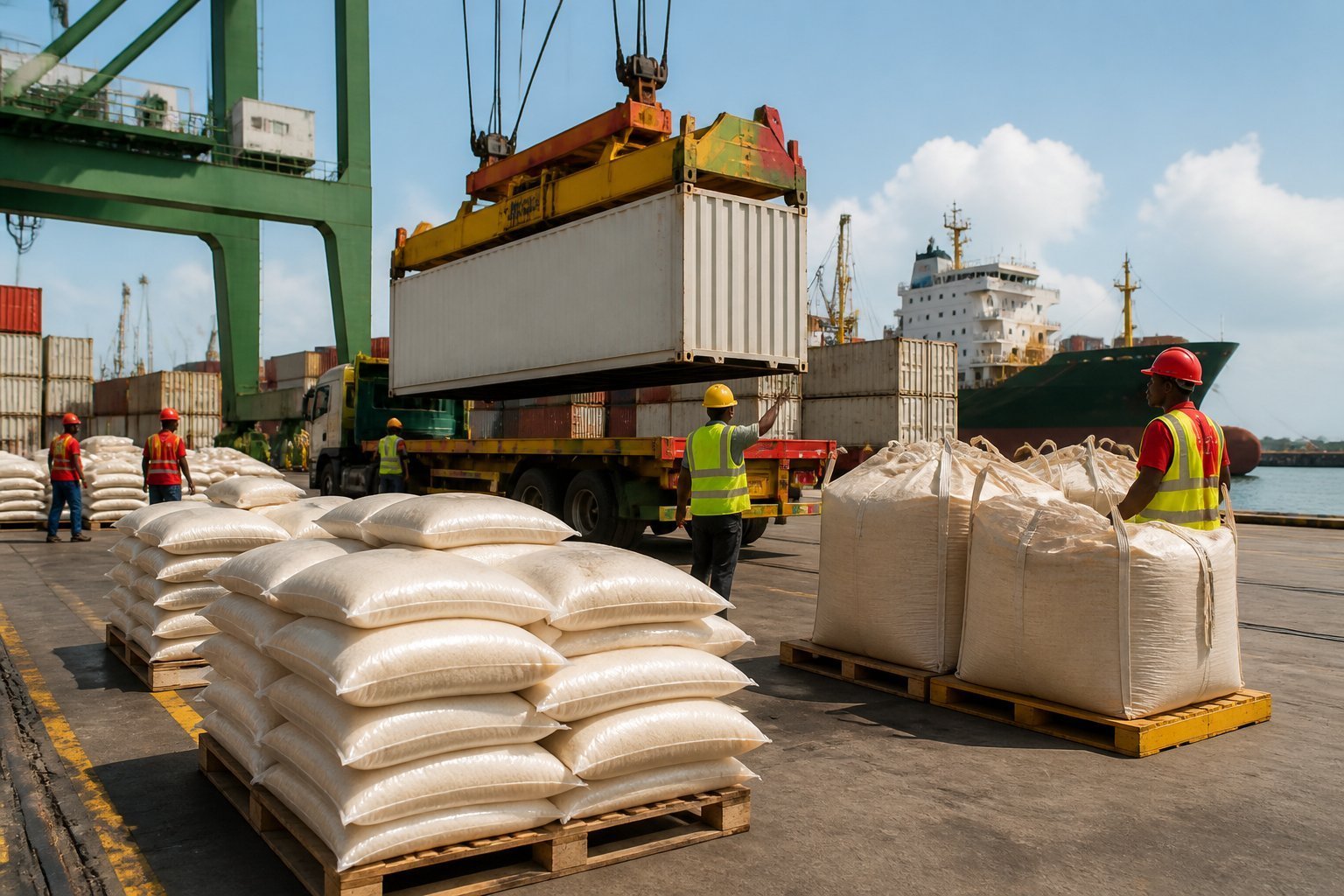
Ghana imported more than 514.8 million kilograms of rice in 2023, crossing its borders according to World Bank trade data. Projections for 2025/26 put import volumes near 1.0 million metric tons, covering more than half of the country’s estimated 1.80 million MT in total demand, as reported in USDA figures on Ghana’s rice consumption. For any importer or distributor building a supply plan, that gap between domestic output and consumer demand is the single most important number to track.
This guide gives procurement teams a clear picture of supply origins, buyer specifications, domestic production risks, and the policy shifts reshaping import rules.
Key Takeaways
- Ghana depends on imports for a large share of its rice supply, and that dependence is growing rather than shrinking.
- Vietnam supplies the overwhelming majority of imported volume, with Thailand, India, China, and Pakistan filling smaller but steady niches.
- New government policy is starting to link import permits to local production investment, which will change how buyers plan future orders.
How Dependent Is Ghana on Imported Rice?
Ghana relies on imports for a majority share of its rice supply, and that reliance has grown even as local milled rice production increases. Urban demand for convenient, ready-to-cook rice keeps outpacing what domestic mills and farms can deliver, while maize remains the only cereal consumed more widely across the country.
Import Volumes and the National Supply Gap
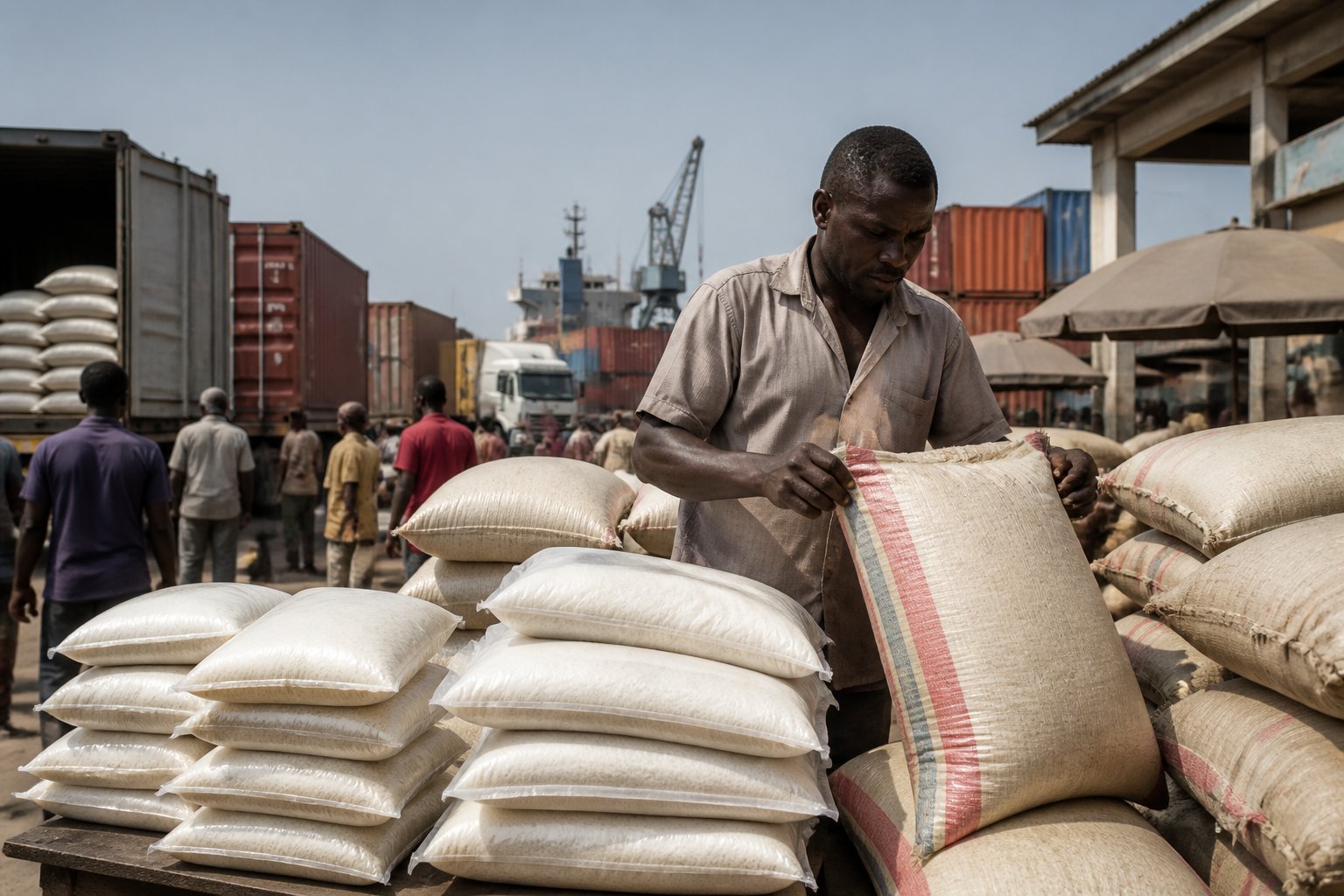
Ghana imported roughly 514.8 million kilograms of rice in 2023 alone, according to World Bank Comtrade records. That volume has been rising most years, and forecasts show imports reaching about 1.0 million metric tons in 2025/26, per USDA’s Grain and Feed Annual report. Milled rice production is expected to hit 900,000 metric tons in that same period, an 18 percent increase, yet it still falls short of national demand.
Some industry voices describe self-sufficiency stuck near 50 percent, even as unsold local stock piles up in warehouses, a paradox detailed in coverage of Ghana’s rice sector paradox. For buyers, this means import volumes will likely stay high regardless of local production gains, at least in the near term.
Rice Consumption Growth and Changing Urban Demand
Urban households are driving most of the growth in rice consumption, and their preferences lean toward imported varieties. Population growth combined with shifting diets has pushed total demand to double what domestic production alone can supply, according to reporting on Ghana’s rice supply paradox.
This shift matters for distributors planning warehouse space and retail allocation in fast-growing cities. Demand growth is not evenly spread. It concentrates in urban centers where consumers have both higher incomes and stronger brand preferences for imported grain.
Why Rice Remains a Major Cereal After Maize
Rice ranks as Ghana’s second most consumed staple after maize, a position it has held for years according to Ghana Trade’s overview of import patterns. Maize still leads in raw consumption volume, particularly in rural diets and animal feed use, but rice has grown faster in commercial and urban markets.
That growth trajectory is what keeps rice import volumes climbing even as maize consumption stays comparatively stable. Buyers stocking multiple cereal categories should expect rice demand to keep outpacing maize in urban retail and food service channels.
Where Does Ghana Source Its Rice?
Ghana’s rice imports come overwhelmingly from Vietnam, with Thailand, India, China, and Pakistan supplying smaller but consistent volumes. This concentration shapes everything from pricing stability to how quickly buyers can pivot if one origin faces a supply disruption.
Vietnam’s Position in Ghana’s Import Supply
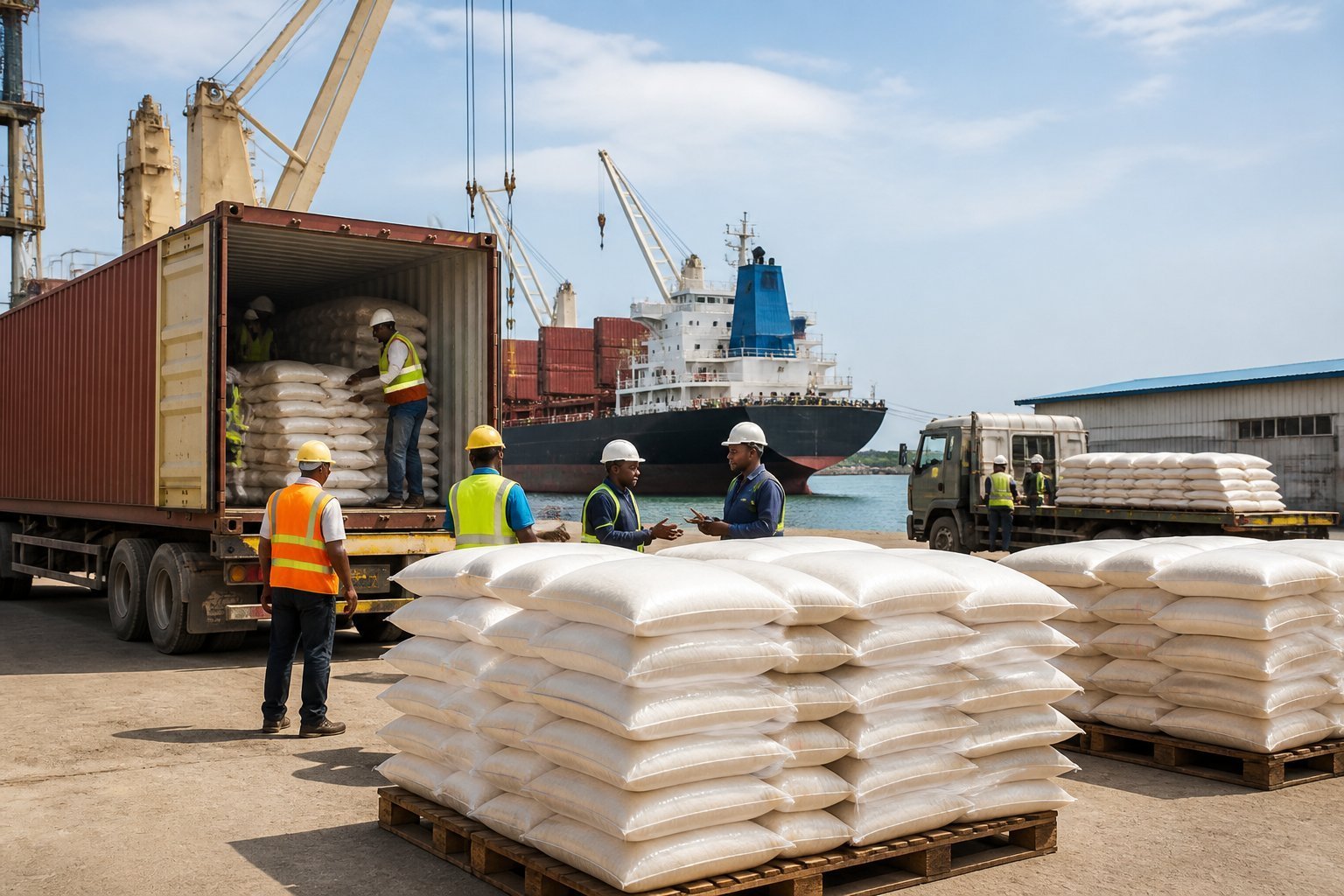
Vietnam supplied 436.7 million kilograms of rice to Ghana in 2023, roughly 85 percent of total import value that year, based on World Bank Comtrade country data. No other origin comes close to that scale. Vietnamese jasmine and fragrant rice varieties have become deeply embedded in Ghanaian retail and food service preferences, a trend confirmed in analysis of Ghana’s rice importer landscape.
This single-country dominance gives buyers price stability when Vietnamese supply runs smoothly. It also creates concentrated risk if weather, export policy, or shipping costs shift in Vietnam.
The Role of Thailand, India, China, and Pakistan
Thailand, India, China, and Pakistan together make up a smaller share of Ghana’s import volume, but each fills a distinct niche. In 2023, China and Thailand were the next-largest origins, followed by India and then Pakistan, according to the same World Bank trade dataset.
Thai fragrant rice competes at the premium end of the market alongside Vietnamese varieties. India and Pakistan tend to supply more standard white rice grades, giving buyers options across different price and quality tiers, as outlined in B2B sourcing guidance for Ghana’s rice importers.
What Import-Origin Concentration Means for Buyers
Heavy reliance on one or two supplying countries raises exposure to single-origin shocks. A shipping delay, export restriction, or currency swing in Vietnam can ripple through Ghana’s entire rice market faster than it would in a market with a more diversified supplier base.
Procurement teams sourcing for Ghana benefit from tracking multiple origins even if one dominates current volume. Buyers active across West African markets often apply lessons learned in neighboring countries; sourcing patterns documented in guides on Nigeria’s rice market imports and Ivory Coast’s rice import trends show similar Vietnam-heavy concentration across the region.
Which Rice Specifications Drive Buyer Demand?
Fragrant long-grain rice, particularly Vietnamese and Thai varieties, drives the strongest demand among Ghana’s urban consumers and commercial buyers. Grain type, milling consistency, and packaging all factor into which specification wins shelf space and repeat orders.
Why Fragrant Long-Grain Rice Leads Urban Preference
Urban households have developed a strong preference for fragrant long-grain rice, a trend that has kept import volumes climbing even as local output improves, according to USDA consumption data on Ghana. The aroma and texture of Vietnamese and Thai fragrant varieties pair well with popular Ghanaian dishes, which keeps demand concentrated on these grades over standard white rice.
This preference holds even where local long-grain rice is available at a lower price point, a dynamic explored in research on Ghanaian consumer rice preferences. Buyers stocking premium fragrant rice should expect steady turnover in urban retail and food service outlets.
Matching Grain Type to Retail, HORECA, and Institutional Channels
Retail buyers tend to prioritize fragrant long-grain rice for shelf placement, while institutional and bulk buyers often mix in parboiled or standard long-grain varieties for cost control. HORECA operators lean toward consistent grain length and low broken-kernel content to maintain plate presentation.
Buyers comparing grain types across use cases can review distinctions covered in guidance on parboiled rice versus white rice for food importers and general rice quality specifications before finalizing purchase orders.
Quality Consistency, Milling, and Packaging Expectations
Consistent milling quality separates repeat suppliers from one-off transactions. Buyers expect uniform grain size, minimal impurities, and moisture control that prevents spoilage during transit and storage.
Packaging also matters for distribution efficiency, particularly for buyers moving product through multiple regional depots. Reviewing rice certifications relevant to B2B compliance helps buyers verify that incoming shipments meet documentation standards before goods clear port.
How Domestic Production Affects Import Planning
Local milled rice production is rising, but structural constraints keep it from closing the supply gap anytime soon. Buyers building import forecasts need to account for irrigation limits, mechanization gaps, and weather variability that make domestic output unpredictable year to year.
The Outlook for Milled Rice Production
Milled rice production is forecast to reach 900,000 metric tons in 2025/26, an 18 percent increase over the prior year, driven by favorable conditions according to USDA’s Grain and Feed Annual report. That growth is meaningful, but total national demand sits near 1.80 million MT, leaving imports to cover the remainder.
Some producers report over 200,000 tons of unsold local stock even as imports keep rising, a tension detailed in reporting on Ghana’s rice sector import surge. This signals a market where supply and demand exist in the same country without efficiently connecting.
Poor Irrigation and Rainfall Exposure
Poor irrigation infrastructure leaves most Ghanaian rice farms dependent on seasonal rainfall, which introduces yield volatility from one harvest to the next. When rains arrive late or fall short, production estimates shift quickly, and buyers relying on local supply contracts can face shortfalls with little warning.
Monitoring seasonal forecasts from the Ghana Meteorological Agency gives procurement teams an early signal on whether local harvests will meet projections. Buyers who track this alongside import scheduling reduce the risk of being caught short when domestic supply underperforms.
Low Mechanization and Processing Capacity Constraints
Low mechanization across much of the rice value chain limits how quickly farms can scale output even when demand and rainfall conditions are favorable. Many mills also lack the processing capacity to handle harvest surges efficiently, which creates bottlenecks between farm and market.
These constraints mean local production growth tends to happen gradually rather than in sharp jumps. Buyers factoring local rice into their sourcing mix should build in longer lead times and flexible contract terms to account for processing delays.
Where Local Rice Can Fit Into Procurement Portfolios
Local long-grain rice fits best as a supplementary source rather than a primary supply line for buyers with large, steady volume needs. It works well for institutional contracts tied to local-content requirements or for blending strategies that reduce exposure to import price swings.
Government policy is actively pushing buyers in this direction. New import permit rules link future import privileges to investment in domestic rice farms and mills, according to reporting on Ghana’s rice self-sufficiency policy. Importers who build local sourcing relationships now may find themselves better positioned as these rules take fuller effect.
Managing Procurement and Supply-Chain Risk
Currency swings, origin concentration, and weather disruptions represent the three biggest risks facing rice importers sourcing for Ghana. Building flexibility into contracts and diversifying supplier relationships reduces exposure to any single point of failure.
Reducing Exposure to Exchange Rate Pressures
Exchange rate pressures directly affect the cost of imported rice, since Ghana pays for the bulk of its supply in foreign currency. Rice imports have long carried balance-of-payments implications significant enough to shape national policy, a concern documented in research on Ghana’s rice import trends.
Buyers can reduce this exposure by negotiating contract terms that share currency risk with suppliers or by locking in forward pricing where available. Reviewing standard incoterms used in rice import contracts helps clarify who bears currency and freight risk at each stage of a shipment.
Balancing Origin Diversification With Specification Control
Origin diversification protects buyers from single-country disruptions, but it also introduces variability in grain specification and quality. A shipment of Vietnamese rice and one of Thai fragrant rice may both meet a general long-grain standard, yet differ in aroma, broken-kernel percentage, and moisture content.
Buyers managing multiple origins need clear, written specification sheets attached to every purchase order. Working from guidance on choosing a rice supplier helps establish consistent vetting criteria across different countries of origin.
Planning for Weather, Global Supply, and Port Disruptions
Weather events affecting Vietnam, Thailand, or India can tighten global rice supply and push prices upward with little warning. Port congestion or customs delays at Ghanaian entry points add another layer of timing risk on top of production-side disruptions.
Buyers who diversify supplier relationships and maintain backup sourcing plans hold a real advantage here. Reviewing strategies in guidance on reliable rice suppliers and supply disruption gives procurement teams a framework for building contingency plans before a disruption hits.
Institutional Demand and Distribution Opportunities
Public-sector programs and HORECA channels represent significant, steady-volume opportunities for rice suppliers serving Ghana, distinct from the retail market’s brand-driven demand. Distribution reach beyond Accra and Tema also opens access to underserved regional markets.
How the National School Feeding Scheme Influences Local Demand
The National School Feeding Scheme creates consistent institutional demand for rice, and government policy increasingly favors local long-grain rice for these contracts. This program forms part of a broader push, including efforts like the Feed Ghana initiative, to reduce import dependence by directing public procurement toward domestic supply, as noted in coverage of Ghana’s rice cost and preference dynamics.
Suppliers with local sourcing partnerships are better positioned to compete for these institutional contracts as procurement rules tighten around local content.
Supplying HORECA, Wholesale, and Public-Sector Channels
HORECA operators and wholesale distributors each have distinct volume and specification needs. Hotels and restaurants prioritize consistent grain quality and reliable delivery schedules, while wholesale buyers often focus on price competitiveness across large order volumes.
Buyers serving these channels can review sector-specific approaches in guidance on hospitality rice supply and food service rice supply to match sourcing strategy to channel requirements.
Building Reliable Distribution Coverage Beyond Accra and Tema
Distribution networks concentrated in Accra and Tema leave secondary cities and rural markets underserved. Expanding coverage into these regions requires investment in regional depots and transport partnerships, but it also opens access to growing demand outside the capital.
Buyers building out wholesale distribution networks can review general sourcing frameworks in wholesale rice supply guidance to plan regional expansion alongside core import operations.
A Resilient Sourcing Strategy for Ghana’s Rice Market
Ghana’s rice market rewards buyers who plan for volatility rather than react to it. Import volumes will likely stay high for years, with Vietnamese rice continuing to anchor supply and fragrant long-grain rice holding its lead in urban demand.
The buyers who manage this market best diversify their supplier base without losing control over grain specification. They also track exchange rate pressures closely, since currency swings can erase margin faster than any single sourcing decision.
Domestic production is growing, and government policy is pushing harder toward self-sufficiency through import-linked investment rules. Buyers who build relationships with local producers now, while maintaining strong import channels, will have more flexibility as those policies take full effect over the coming years.
Frequently Asked Questions
How much rice does Ghana import each year?
Ghana imported roughly 514.8 million kilograms of rice in 2023, according to World Bank Comtrade data. Projections for 2025/26 put import volumes near 1.0 million metric tons, covering more than half of national demand.
Which countries supply most of Ghana’s rice imports?
Vietnam supplies the vast majority of Ghana’s imported rice, accounting for roughly 85 percent of total import value in 2023. Thailand, India, China, and Pakistan supply smaller volumes, together making up the remaining share of Ghana’s rice import market.
Why is fragrant long-grain rice widely imported into Ghana?
Fragrant long-grain rice, especially Vietnamese and Thai varieties, matches strong urban consumer preferences for aroma and texture. This preference has kept fragrant rice imports climbing even as local production grows, since many consumers choose it over cheaper local long-grain alternatives.
Can local rice meet Ghana’s commercial supply requirements?
Local rice production is growing but still falls short of national demand on its own. Milled rice production is forecast at 900,000 metric tons for 2025/26, while total demand sits closer to 1.80 million metric tons, leaving a gap that imports continue to fill.
What risks should rice importers consider when sourcing for Ghana?
Importers should watch exchange rate pressures, since most rice is paid for in foreign currency and currency swings directly affect landed cost. Origin concentration around Vietnam and weather-driven supply shocks in exporting countries also pose real risks to consistent sourcing.
How does the National School Feeding Scheme affect rice procurement?
The National School Feeding Scheme creates steady institutional demand for rice, with government policy increasingly favoring local long-grain rice for these contracts. Suppliers with established local sourcing partnerships are better positioned to win these public-sector contracts as local-content rules tighten.