
Afghanistan and Central Asia Rice Imports: Sourcing Guide
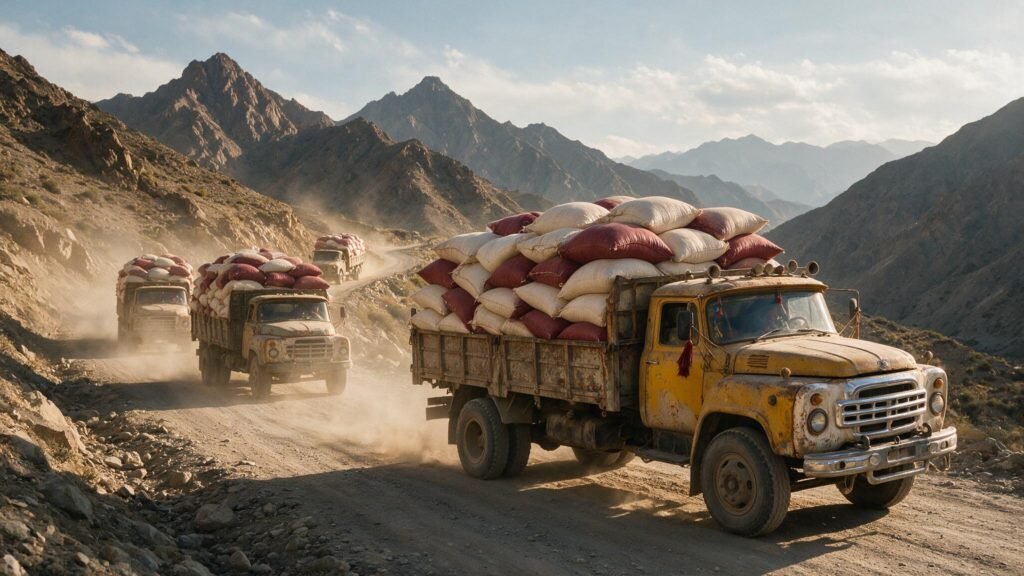
Afghanistan and Central Asia rice imports for GCC buyers: market snapshot, supply routes, specifications, logistics risk and sourcing strategy.
China Broken Rice Imports: Procurement Market Briefing
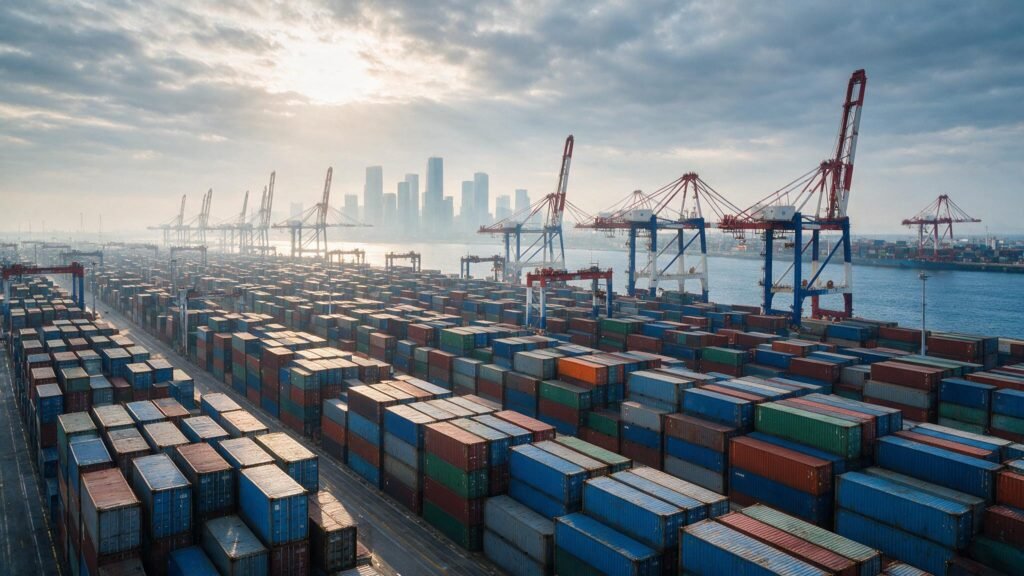
China broken rice imports for procurement teams: market snapshot, supplier origins, specifications, demand drivers, logistics and supply risks.
Malaysia Rice Imports Pakistan: Procurement Market Guide
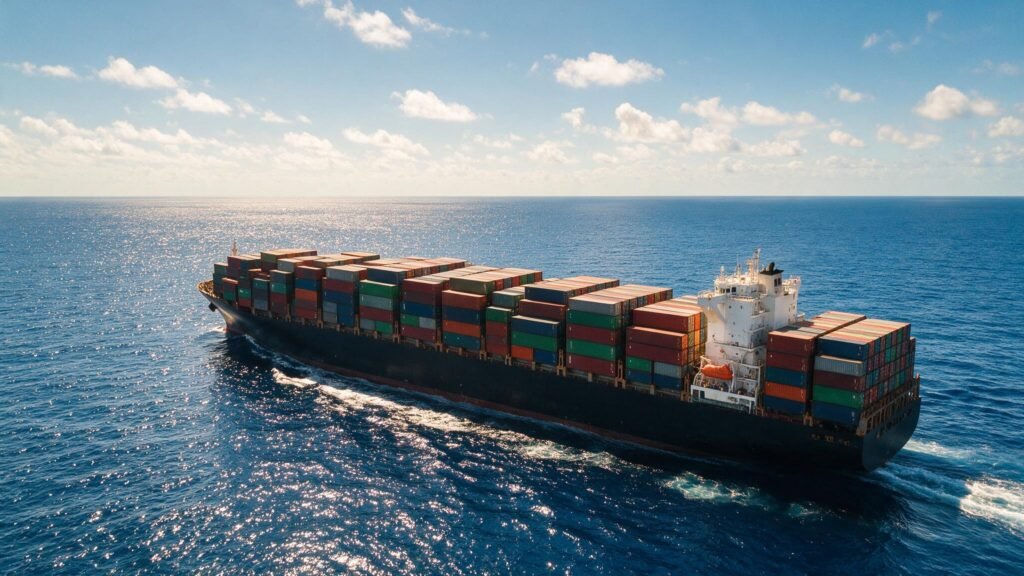
Malaysia rice imports from Pakistan: market size, supplier position, product categories, import rules, commercial terms and sourcing benchmarks.
Yemen Rice Imports: Market Data and Procurement Guide
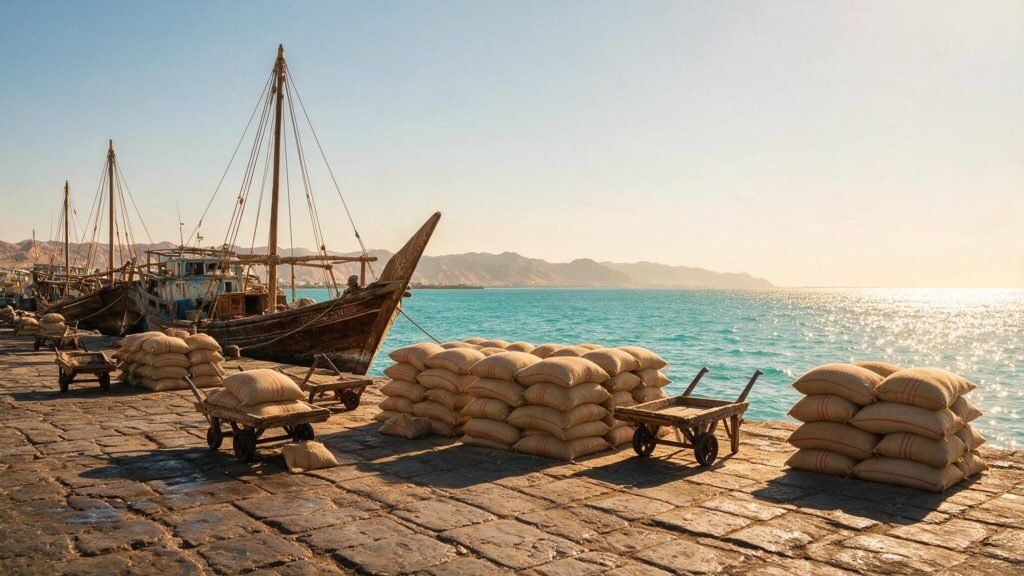
Yemen rice imports for procurement teams: market size, leading origins, specifications, ports, supplier due diligence and trade-risk monitoring.
Zimbabwe Rice Imports: Market Sourcing Guide
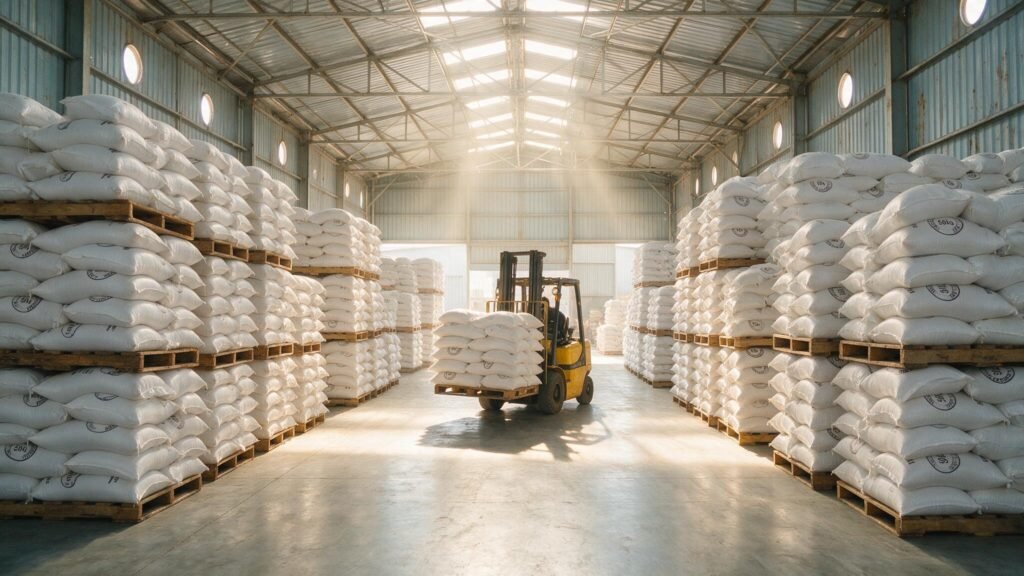
Zimbabwe rice imports for GCC buyers: market snapshot, leading suppliers, grades, procurement routes, customs and duties, and the long-term domestic supply outlook.
Tanzania Rice Market Imports: Procurement Guide
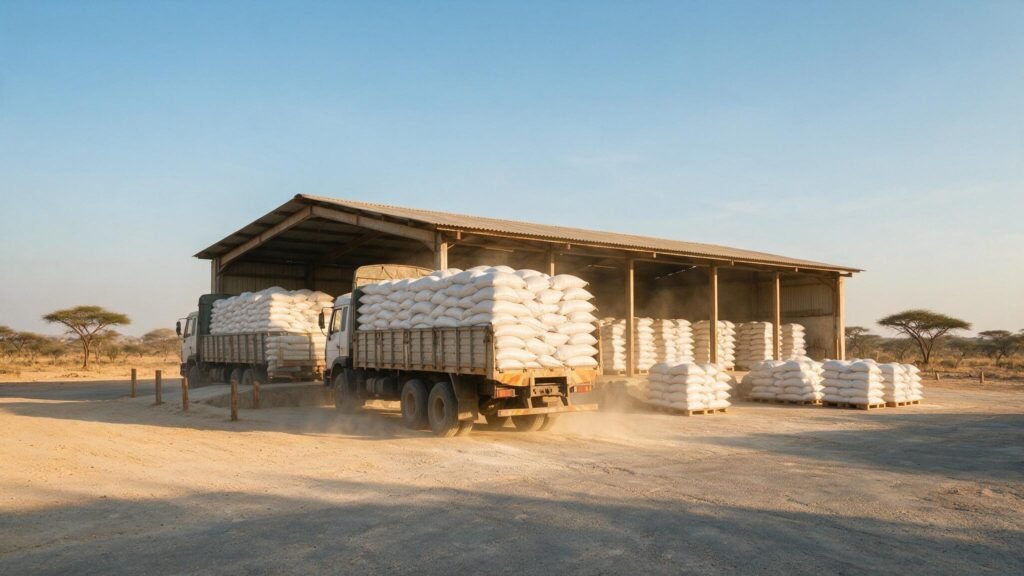
Tanzania rice market imports for GCC procurement: import volumes, leading origins, specifications, landed cost, ports and sourcing outlook.
Kenya Rice Market Imports: Procurement and Supply Analysis
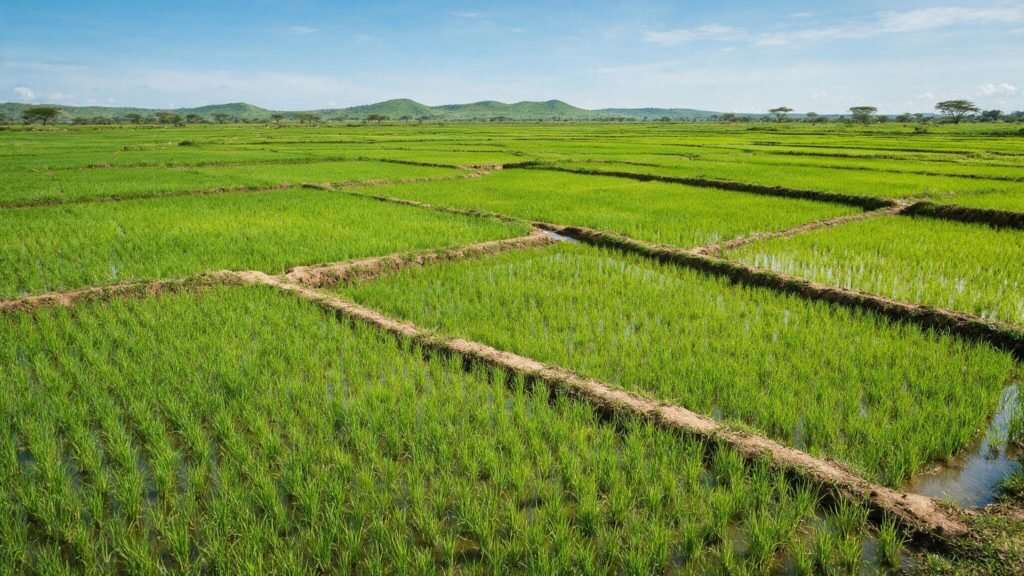
Kenya rice market imports for procurement teams: import volumes, leading origins, specifications, landed cost, distribution and sourcing outlook.
Kenya Rice Import Requirements for Commercial Buyers
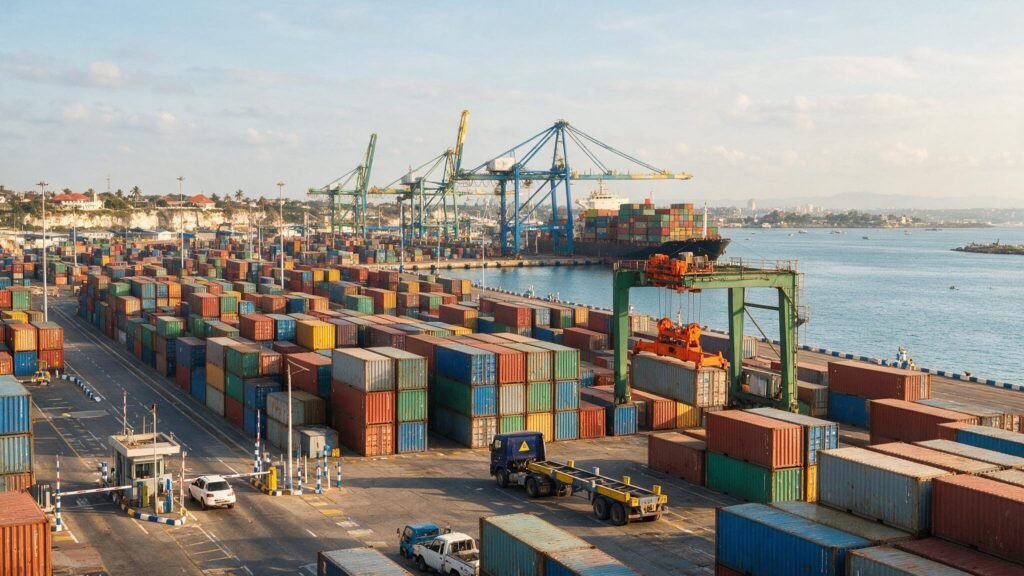
Kenya rice import requirements for commercial buyers: eligibility, KEBS PVoC certification, documentation, permits, taxes, and Mombasa clearance for compliant sourcing.
Incoterms for Rice Buyers: Essential Guidelines for Importers

Incoterms for rice buyers: key terms, cost and risk transfer, documentation and how GCC importers pick the right Incoterm for their supply chain.
Letters of Credit in Rice Trade: A Professional Guide for Importers

Letters of credit in rice trade: LC types, step-by-step process, required documents, UCP 600 compliance and risk management for GCC importers.