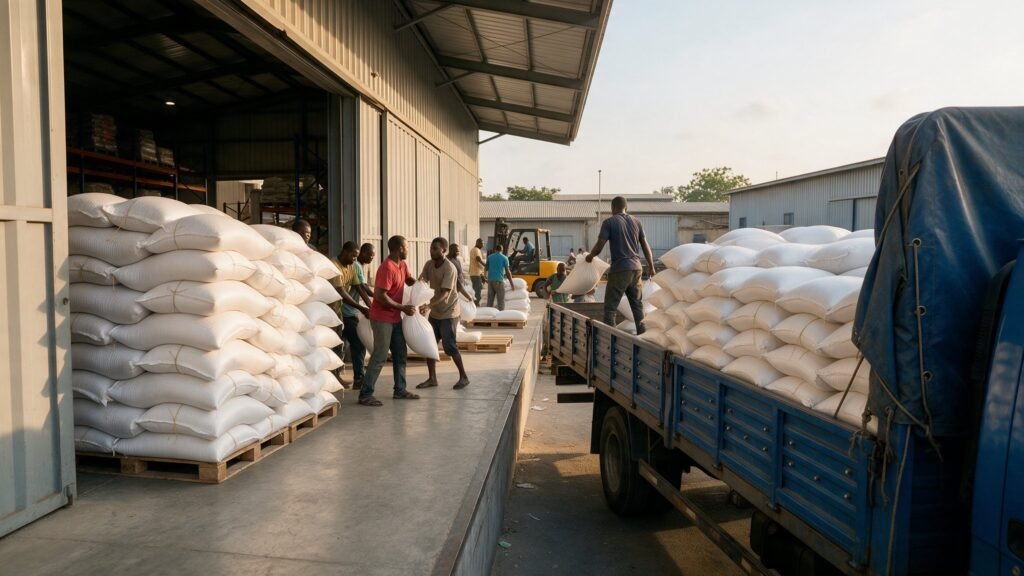
The Kalar tract basmati region in Punjab, Pakistan represents one of the most important basmati rice growing areas for GCC importers and international buyers. This fertile belt between the Ravi and Chenab rivers produces premium long-grain basmati rice with distinct aroma, elongation, and cooking qualities that meet the strict requirements of Middle Eastern retail and foodservice channels. For procurement professionals sourcing certified Pakistani basmati, understanding the Kalar tract origin helps verify grain quality, assess supplier claims, and build reliable supply chains.
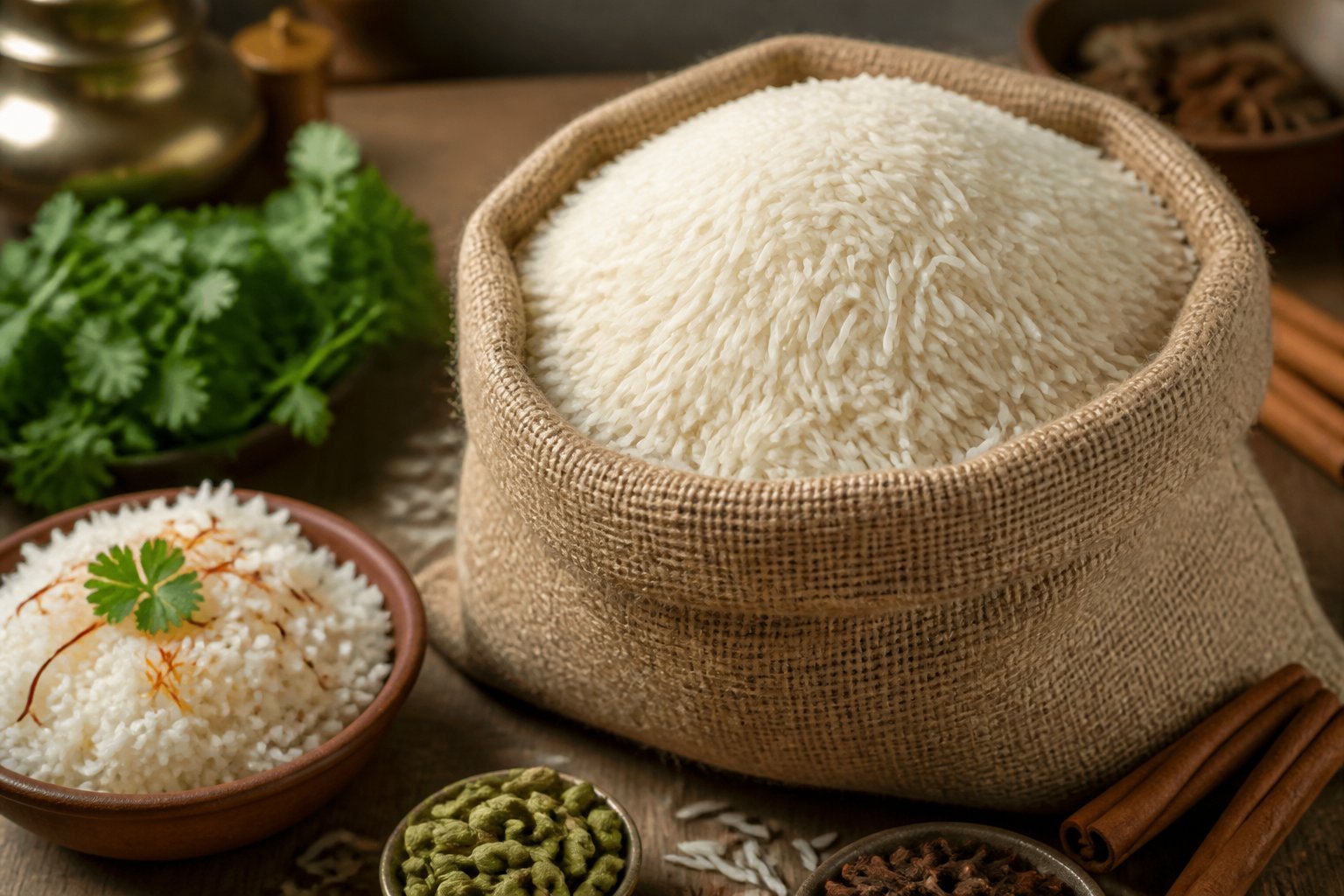
The region’s alluvial soil, controlled irrigation from Himalayan water sources, and specific climate patterns during grain maturity create ideal growing conditions for varieties like 1121 basmati. These natural advantages combine with generational farming expertise and modern processing infrastructure to deliver export-grade rice that meets ISO 22000, HACCP, and Halal certification standards. GCC buyers benefit from this quality consistency when building premium rice portfolios for Qatar, UAE, Saudi Arabia, and other regional markets.
Trade volumes from this belt continue to grow as international buyers recognize the value of origin-specific sourcing. The Kalar tract designation signals more than geographic location. It represents a complete agricultural system that aligns soil, water, climate, and processing to produce basmati rice that performs reliably across bulk orders, retail packaging, and foodservice applications.
Key Takeaways
- The Kalar tract in Punjab, Pakistan produces premium basmati rice through optimal soil, water, and climate conditions between the Ravi and Chenab rivers
- Varieties from this region meet international certification standards including ISO 22000, HACCP, and Halal requirements for GCC and global markets
- Origin verification from the Kalar tract helps importers ensure grain quality, elongation ratios, and aroma consistency in bulk procurement
Why Is the Kalar Tract Ideal for Growing Basmati Rice?
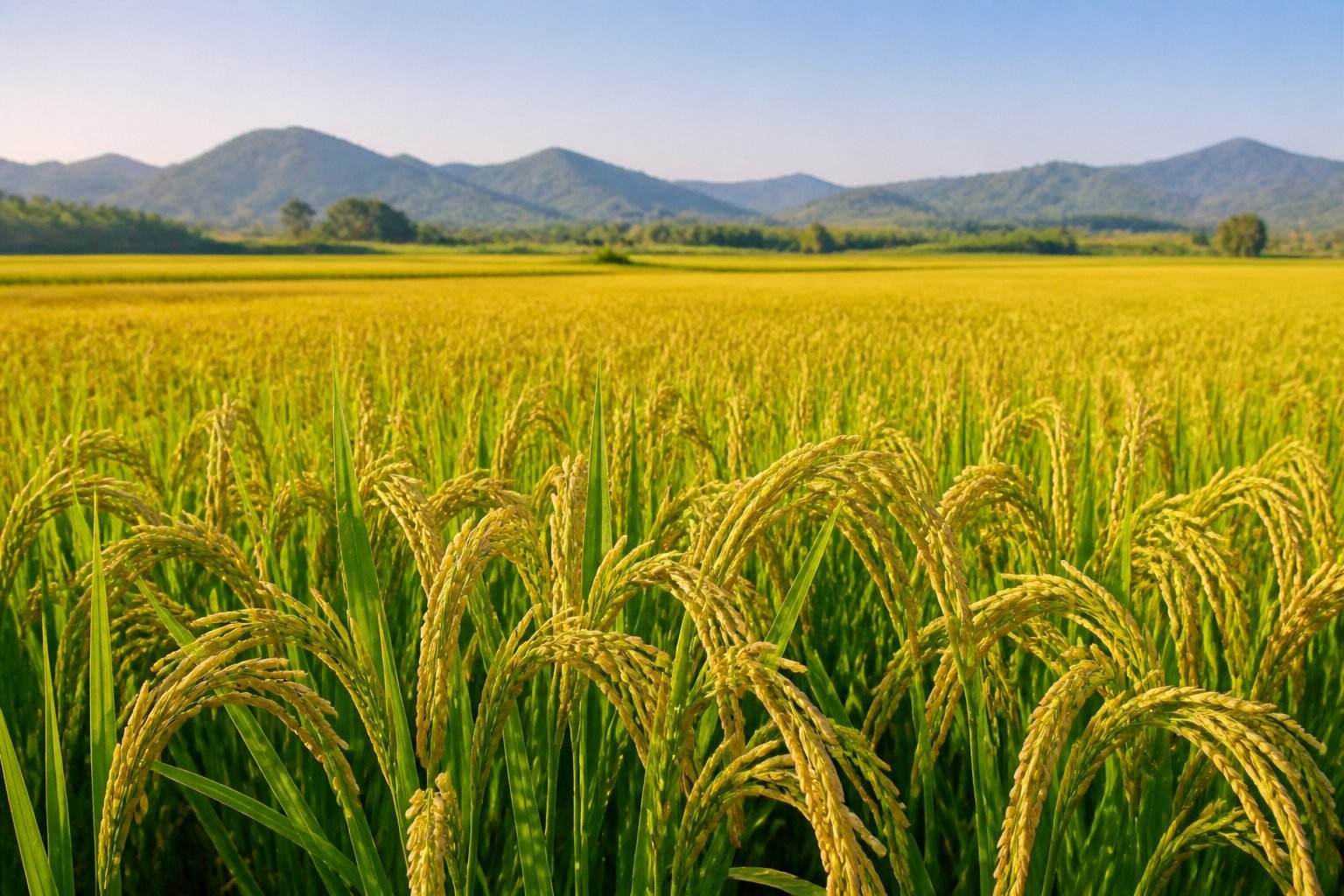
The Kalar Tract holds a distinct position in global basmati production due to its location between two major rivers, mineral-rich alluvial soils, and a climate pattern that supports the development of aromatic compounds in rice grains.
Location Between Chenab and Ravi Rivers
The Kalar Tract sits between the Chenab and Ravi Rivers in Pakistan’s Punjab province. This placement creates a natural irrigation advantage that few other rice-growing regions possess.
The two rivers provide consistent water flow throughout the growing season. Farmers can access canal systems fed by these rivers, which allows for controlled irrigation rather than dependence on rainfall alone.
Key districts in this belt include:
- Sheikhupura
- Gujranwala
- Sialkot
- Lahore
- Narowal
- Hafizabad
The area encompasses the traditional basmati growing zones where cultivation practices have been refined over generations. Water management in the kallar tract follows seasonal patterns that match the rice crop cycle. This ensures plants receive adequate moisture during critical growth stages while avoiding waterlogging that damages root development.
Soil Composition and Water Resources
The soil in the Kalar Tract consists of deep alluvial deposits left by the Chenab and Ravi Rivers over thousands of years. These soils contain high mineral content that supports steady nutrient uptake throughout the basmati growth period.
Alluvial composition provides good drainage while retaining enough moisture for stable plant development. The soil structure allows roots to penetrate deeply, which strengthens plants and improves their ability to access nutrients during grain filling.
Punjab province accounts for approximately 61% of Pakistan’s rice production, with the Kalar Tract representing the premium basmati zone within that output. The irrigation infrastructure built around the canal systems supports precise water delivery. This matters because basmati requires careful water management rather than continuous flooding.
The combination of fertile soil and controlled irrigation creates conditions where aromatic rice varieties can express their full genetic potential. Pakistan’s certified rice from this region meets international quality standards including ISO 9001:2015, ISO 22000:2018, HACCP, Halal, and USFDA certifications.
Climatic Suitability for Aromatic Rice Production
The Kalar Tract experiences warm growing days followed by cooler nights during the later stages of crop maturation. This temperature variation is important for aroma development in basmati.
Daytime warmth supports photosynthesis and grain development. Cooler evening temperatures during the flowering and ripening phases trigger the formation of aromatic compounds that give basmati its characteristic scent.
Historical and scientific evidence shows that traditional basmati quality is specific to the climatic and soil characteristics of the kallar tract. The region’s photo-period during flowering contributes to the grain’s aroma profile and cooking properties.
Climate factors that benefit basmati production:
- Monsoon influence that provides seasonal rainfall patterns
- Temperature range that supports slow grain filling
- Humidity levels that prevent stress during critical growth stages
The climate allows for predictable harvest timing, which helps maintain quality consistency across production cycles. This reliability makes Pakistan a dependable source for international markets requiring premium aromatic rice throughout the year.
What Is the History of Basmati in the Kalar Tract?
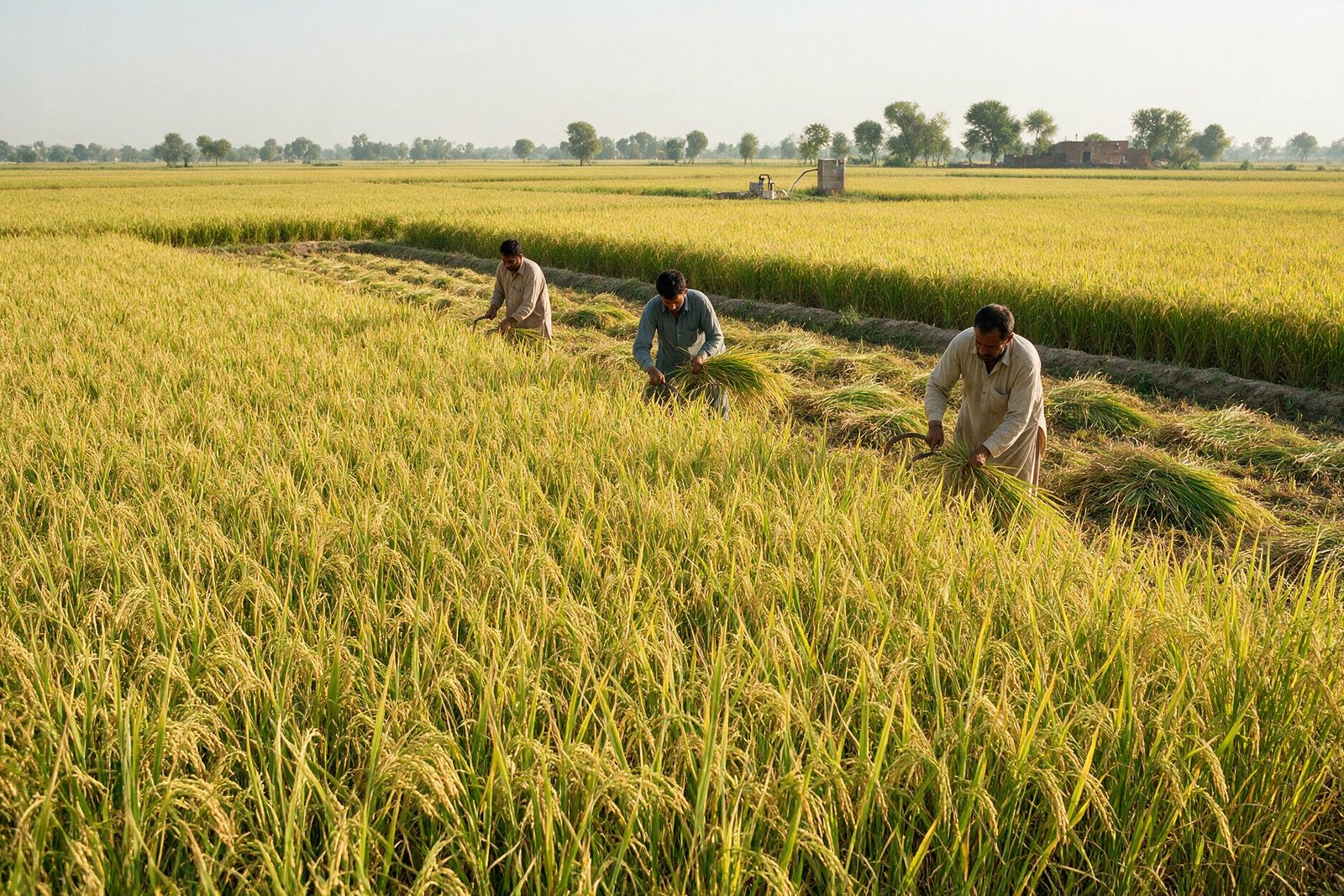
The Kalar Tract’s basmati heritage extends back centuries through documented poetry, formal research initiatives beginning in 1926, and the steady development of improved varieties that built upon traditional cultivars. This region between the Ravi and Chenab rivers in Punjab, Pakistan established itself as a center for both cultural celebration and scientific advancement of basmati rice.
Establishment of Kala Shah Kaku Research Farm
Work on rice varietal improvement began in 1926 at Kala Shah Kaku in the heart of the Kalar Tract. The Rice Farm was created to study and enhance the basmati varieties that already thrived in this specific geographic area.
The facility underwent significant expansion over the decades. It became the Rice Research Station in 1965, then advanced to full Rice Research Institute status in 1970 with eight dedicated research disciplines.
This progression reflected Pakistan’s commitment to scientific cultivation methods while preserving the distinctive qualities of Kalar Tract basmati. The institute’s location was strategically chosen within what locals called the rice bowl of Punjab, where soil composition and climate conditions proved optimal for premium basmati development.
Heer Ranjha and Waris Shah: Documenting Basmati Origins
The first documented record of basmati appears in Heer Ranjha, a tragic Punjabi poem by Sufi poet Waris Shah. This literary reference establishes basmati’s cultural significance long before modern agricultural science emerged.
Waris Shah specifically noted the Kalar Tract area between the Chenab and Ravi Rivers as particularly suited to basmati cultivation. His documentation provides historical evidence that farmers recognized the region’s special characteristics centuries ago.
The poem serves as both cultural heritage and agricultural record. It demonstrates that basmati from this region held such importance that it merited inclusion in major literary works of the era.
Evolution from Traditional to Modern Basmati Varieties
Traditional basmati varieties from the Kalar Tract formed the foundation for modern cultivars like Basmati 370 and the widely recognized 1121 strain. Researchers at Kala Shah Kaku worked to enhance yield, disease resistance, and grain quality while maintaining the aromatic properties that defined authentic basmati.
Basmati varieties grown in the Kalar Tract are characterized as cylindrical long and extra-long grain rice. The specific agro-climatic conditions and photoperiodism during flowering in districts like Sheikhupura, Gujranwala, Sialkot, and Lahore contribute to the distinctive aroma and quality.
Pakistan’s certified basmati from this region meets international standards including ISO 9001:2015, ISO 22000:2018, HACCP, Halal, and USFDA certifications. These quality assurances support the rice’s position in GCC and global markets while honoring its historical roots.
Which Basmati Varieties Are Grown in the Kalar Tract?
The Kalar Tract grows several basmati varieties that each bring different grain characteristics, yield patterns, and market positions. These varieties range from traditional types like Basmati 385 to modern high-yielding options like 1121 Basmati.
Basmati 385 and Basmati 198
Basmati 385 was introduced in Pakistan during the mid-20th century as part of efforts to improve yield without losing grain quality. This variety became popular in the Kalar Tract because it adapted well to the region’s soil and irrigation conditions. The grain length is shorter than premium export types, but the variety still carries the aromatic profile that defines basmati rice.
Basmati 198 followed as another early variety developed for the Punjab rice belt. It offered better disease resistance compared to older traditional types. Farmers valued it for stability during the growing season.
Both varieties are less common in current export channels compared to newer options. They served as breeding foundations for later high-yielding varieties. Understanding these earlier types helps explain how basmati breeding evolved in Punjab.
Super Basmati and 1121 Basmati
Super Basmati became one of the most widely grown varieties in Pakistan during the 1990s and early 2000s. It produces a long grain with strong aroma and good cooking elongation. The variety grows well in the Kalar Tract because the climate supports its maturity cycle. Super Basmati remains a major export variety for markets that value traditional basmati character.
1121 Basmati is a modern variety that produces extra-long grains after cooking. The Kalar Tract produces premium 1121 basmati because the region’s conditions support full grain development. This variety has become the highest value export type from Pakistan. It meets ISO 22000:2018 and HACCP standards when processed correctly.
Key differences:
- Super Basmati: Traditional grain profile, strong aroma, established market presence
- 1121 Basmati: Extra-long grain, high export value, premium positioning
Both varieties respond well to the soil and water conditions that define the Kalar Tract as a basmati belt.
Are Hybrid Basmati Varieties Grown in the Kalar Tract?
Other hybrid varieties have been tested in Punjab over the years. Some focus on shorter maturity periods or higher yield per hectare. These hybrids must still maintain grain quality to qualify for basmati classification. The Kalar Tract continues to prioritize varieties that meet international basmati standards rather than experimental hybrids that might compromise grain identity.
Pakistan-origin basmati from certified growing regions maintains quality expectations for GCC and international markets.
Basmati Mark Certifications
Basmati Mark is a certification program that verifies rice meets specific quality standards for the basmati category. The program tests grain length, aroma compounds, cooking elongation, and genetic purity. Rice from the Kalar Tract can qualify for Basmati Mark when it meets these requirements.
The certification helps buyers verify that the rice they purchase is authentic basmati and not a mixed or mislabeled product. It also supports traceability from field to export container. Pakistani exporters use certifications like Basmati Mark alongside ISO 9001:2015, Halal, and USFDA compliance to strengthen market access.
For importers in Qatar and the broader GCC region, certification provides an additional verification layer. It confirms that the basmati variety grown in the Kalar Tract was processed according to international food safety and quality standards. This matters when building long-term supply relationships based on consistent product performance.
What Makes Kalar Tract Basmati Different from Other Basmati?
Basmati rice from the Kalar Tract stands apart through its exceptional grain dimensions, aromatic compounds, and nutritional characteristics. These qualities result from the region’s specific growing conditions and have made it a preferred choice in international markets.
Grain Length and Cooking Properties
Basmati rice grown in the Kalar Tract features cylindrical long and extra-long grain varieties that set industry standards. The grains measure between 6.5mm to 8.1mm in length before cooking, with modern varieties achieving the longer measurements.
When cooked, these grains elongate significantly while maintaining their slender shape. The distinctive characteristics include long slender kernels with a high length-to-breadth ratio and a delicate curvature. The texture remains soft and fluffy without becoming sticky.
The 1121 variety produces particularly impressive results. Each grain separates easily after cooking, making it suitable for pilafs and biryanis. The grains maintain their integrity even when served at room temperature.
Signature Aroma and 2-Acetyl-1-Pyrroline Content
The basmati aroma distinguishes Kalar Tract rice from other long grain rice varieties worldwide. This aromatic rice owes its fragrance to the compound 2-acetyl-1-pyrroline, which develops during grain maturation in the region’s unique climate.
The specific photo-periodism during flowering in the Kalar Tract contributes to the development of this aroma and quality. Cool nights and short, warm days in October and November during crop maturity enhance these aromatic properties.
Rice certified under ISO 22000:2018 and Halal standards maintains this signature fragrance throughout processing and storage. The aroma intensifies during cooking, releasing a sweet, nutty scent that enhances culinary preparations.
Nutritional Profile and Culinary Use
Kalar Tract basmati provides essential nutrients while offering versatility in the kitchen. The rice contains carbohydrates for energy along with small amounts of protein and minimal fat content.
Primary nutritional components:
- Complex carbohydrates
- B vitamins
- Essential minerals
- Low glycemic properties in aged varieties
Chefs throughout the GCC and international markets select this rice for its cooking reliability. The grains absorb flavors from spices and broths while maintaining their structure. Pakistani basmati meeting USFDA certification standards ensures food safety for global distribution.
The rice works equally well in traditional dishes and contemporary cuisine. Its sweet taste and soft texture complement both simple preparations and complex recipes requiring precise grain separation.
How Is Kalar Tract Basmati Grown and Harvested?
Basmati rice production in the Kalar tract follows specific timing patterns and water management approaches that directly affect grain quality and certification standards for export markets.
Seasonal Sowing and Harvesting Timelines
Farmers in the Kalar tract plant basmati rice during a narrow window from May to early June. This timing allows the crop to mature during October and November when cool nights and warm days develop the grain’s aroma and length.
The growing period spans 120 to 130 days for traditional varieties. Modern basmati varieties have shorter maturity periods of 98 to 115 days, which helps farmers manage water resources more efficiently.
Harvest occurs between October and November when weather conditions are ideal. The climate during crop maturity in the Kalar tract creates the specific grain characteristics that meet international quality standards. After harvest, proper storage maintains grain quality for export to GCC markets and other regions.
Traditional vs. Modern Farming Methods
Traditional basmati cultivation in the Kalar tract relied on manual transplanting and organic soil amendments. Farmers used local seed selections passed down through generations.
Modern approaches now incorporate certified seed varieties developed through research programs. These varieties offer disease resistance and consistent quality that meets ISO 22000:2018 food safety standards.
Crop rotation practices help maintain soil health by alternating basmati with legumes and oilseeds. This reduces pest pressure without heavy chemical inputs. Pakistani basmati producers balance traditional knowledge with scientific methods to maintain the grain quality that export markets require.
Water Management and Irrigation Systems
The Kalar tract receives water from Himalayan glacier melt through canal systems between the Chenab and Ravi Rivers. This consistent water supply supports the long growing season basmati requires.
Farmers maintain flooded fields during early growth stages. Water depths of 5 to 10 centimeters protect young plants and control weeds. As the crop matures, fields are drained to allow proper grain filling.
Fields require good water retention capacity with soil pH between 6.5 and 8.0 for optimal basmati cultivation. Modern irrigation scheduling reduces water waste while maintaining the consistent moisture that develops basmati’s characteristic grain length and cooking properties.
How Is Kalar Tract Basmati Processed and Stored for Export?
Kalar Tract basmati moves through controlled post-harvest handling, temperature-managed storage, and multi-level certification to protect grain length, aroma, and market value from field to export container.
Post-Harvest Handling and Milling Standards
Raw paddy from the Kalar Tract enters cleaning to remove stones, straw, and dust before drying reduces moisture to 12-14%. This prevents mold growth and preserves grain integrity during storage and milling.
Dehusking removes the outer husk to produce brown rice. Whitening then strips away bran layers. Polishing smooths the grain surface and improves visual appeal. Each step requires calibrated equipment to minimize breakage.
Processing steps directly affect basmati quality because broken grains lower export value. Optical sorters remove discolored kernels and foreign material. Grading separates full grains from broken pieces based on size standards. Mills that follow ISO 22000:2018 and HACCP protocols maintain consistent quality across batches.
Storage Requirements for Export
Basmati requires cool, dry storage at 15-20°C with humidity below 65% to prevent moisture absorption and pest infestation. Concrete or steel silos with ventilation systems provide better control than traditional warehouses.
Ageing improves cooking elongation and aroma stability. Premium grades age 12-24 months under controlled conditions. Storage facilities must maintain strict temperature and humidity logs to meet buyer specifications.
Pakistan meets international basmati trade standards through certified warehouses that support traceability from origin to port. Importers in the GCC, EU, and North America expect documented storage conditions as part of food safety compliance.
Grading and Certification Processes
Basmati trade relies on standardized grading based on grain length, broken percentage, moisture content, and foreign matter. Premium grades contain 90% or more whole grains with minimal breakage.
Pakistan holds the Basmati Mark certification system that verifies origin and quality for export lots. This certification supports market access in regions where buyers require documented authenticity.
Third-party inspections through SGS or Bureau Veritas provide independent quality verification. Exporters also provide phytosanitary certificates, certificates of origin, and lab reports showing pesticide residue levels. ISO 9001:2015, ISO 22000:2018, HACCP, Halal, and USFDA certifications are standard for suppliers serving GCC and international markets.
Quality assurance documentation protects both exporters and buyers by creating a verifiable record of processing and handling standards.
How Does Kalar Tract Basmati Reach GCC and Global Markets?
Pakistani basmati commands significant market share in global rice trade, with Kalar Tract varieties meeting stringent quality and certification requirements across premium international markets. Export volumes reflect growing demand in the GCC region, where pricing structures align with ISO and food safety compliance standards.
Pakistan’s Position in Global Basmati Trade
Pakistan ranks among the world’s leading basmati exporters, with aromatic Basmati types being fine long-grained and export-oriented. The country’s basmati trade focuses heavily on premium 1121 varieties grown in specialized regions like the Kalar Tract.
India and Pakistan are the major exporting countries in the basmati market. Pakistani basmati differentiates itself through unique grain characteristics and terroir advantages from specific growing regions.
Export operations maintain ISO 9001:2015, ISO 22000:2018, HACCP, Halal, and USFDA certifications. These standards ensure product quality meets international buyer requirements across diverse markets.
Key GCC Markets and Buyer Requirements
The GCC region represents a critical destination for Kalar Tract basmati exports. Qatar-based importers and distributors source premium Pakistani rice for regional distribution throughout Gulf markets.
Buyers in GCC countries prioritize several key factors:
- Grain length and slenderness for premium classifications
- Aroma intensity characteristic of aged basmati
- Halal certification for religious compliance
- Food safety documentation meeting ISO 22000:2018 standards
Middle Eastern markets demonstrate consistent demand for 1121 basmati varieties. Importers seek reliable origin certification from Pakistan to ensure quality consistency across shipments.
Volume, Pricing, and Compliance Standards
Export pricing for Kalar Tract 1121 basmati reflects its premium positioning in global markets. Prices vary based on grain age, moisture content, and broken grain percentage.
Standard compliance requirements include:
| Certification | Purpose |
|---|---|
| ISO 9001:2015 | Quality management systems |
| ISO 22000:2018 | Food safety management |
| HACCP | Hazard analysis critical control points |
| USFDA | US market access |
| Halal | Religious dietary compliance |
Export volumes fluctuate based on harvest yields and demand dynamics across the Middle East and South Asia. Buyers require full traceability documentation from certified origins to meet regulatory standards in destination markets.
What Is the Future Outlook for Kalar Tract Basmati?
The region faces ongoing development in crop genetics, environmental management, and trade positioning as global demand for premium basmati rice continues to expand through 2026 and beyond.
Development of New Varieties
Research institutions in Pakistan are working on new basmati varieties that build on the success of 1121 while addressing specific trade and cultivation needs. These breeding programs focus on improving grain length, aroma retention, disease resistance, and yield stability. The goal is to create varieties that perform well in the Kalar Tract’s specific soil and climate conditions while meeting international quality standards.
New varieties aim to reduce crop cycle time without sacrificing the cooking elongation and fragrance that define premium basmati rice. Some breeding lines also target better resistance to bacterial leaf blight and other regional crop stresses. While Super Basmati and Basmati 370 remain established varieties in Pakistan’s export portfolio, newer releases like 1121 and 1509 show how varietal development shapes market access.
Certified seed programs help maintain purity and uniformity across planting seasons. This matters for exporters who need consistent grain profiles for retail and foodservice contracts.
Sustainability and Environmental Considerations
Water management is a central concern for the Kalar Tract’s long-term productivity. The region relies on canal irrigation from the Ravi and Chenab rivers, and efficient water use is becoming more important as climate patterns shift. Farmers are adopting practices like alternate wetting and drying to reduce water consumption without harming grain quality.
Soil health programs focus on maintaining the organic content and mineral balance that support basmati varieties. Crop rotation, controlled fertilizer use, and reduced tillage help protect the alluvial soil structure. These methods support sustainable yields while meeting food safety requirements such as ISO 22000:2018 and HACCP standards required by importers in the GCC, EU, and North America.
Certification programs also address pesticide residue limits and traceability. Markets increasingly expect documented compliance with environmental and food safety protocols.
Market Trends and Opportunities
The basmati rice market is projected to grow from USD 4.8 billion in 2024 to USD 7.2 billion by 2034, driven by demand for premium aromatic rice in developed and emerging economies. Pakistan’s Kalar Tract is well positioned to supply this demand through established trade networks in the Gulf, UK, Canada, and the USA.
Premium retail channels show increasing interest in origin-certified and aged basmati rice. Buyers want products that carry clear documentation of source region, processing standards, and compliance with ISO 9001:2015 and Halal certification. The Kalar Tract’s reputation supports these market requirements.
Export opportunities are expanding in Southeast Asia and Africa, where basmati rice is gaining acceptance as a premium option. These markets value consistent cooking performance, grain length, and competitive pricing. Pakistan-origin basmati rice meets these criteria when paired with proper milling and quality control systems.
Frequently Asked Questions
Buyers evaluating Kalar Tract basmati often need specific details about soil composition, harvest timing, storage requirements, and quality verification methods to make informed purchasing decisions.
What soil and water conditions produce the best aroma and grain quality in basmati rice from this region?
The Kalar Tract’s alluvial soil provides the mineral-rich foundation that basmati plants need for strong root development and consistent nutrient uptake. These deep soils were deposited over centuries by the Ravi and Chenab rivers, creating a fertile growing environment.
The water conditions in this region are equally important. Basmati requires controlled irrigation rather than constant flooding, and the tract’s established canal systems deliver steady water access throughout the growing cycle.
The combination of warm daytime temperatures and cooler nights during the grain-filling stage helps develop the aromatic compounds that give basmati its signature fragrance. This temperature pattern is specific to Punjab’s climate and cannot be easily replicated in other regions.
Soil salinity levels in the tract are managed through proper drainage and crop rotation. When these elements align, the grain develops its full length potential and aromatic profile.
How does the grain length, fragrance, and cooking texture compare with other basmati-producing areas?
Kalar Tract 1121 basmati typically achieves grain lengths of 8.3 to 8.5 millimeters before cooking and can elongate up to 2.5 times during preparation. This elongation ratio exceeds what many other growing regions can consistently produce.
The fragrance from this region carries a nutty, aromatic profile that remains stable through processing and cooking. Other basmati areas may produce shorter grains or less pronounced aroma depending on their soil composition and climate patterns.
Cooking texture from Kalar Tract rice tends to be dry and fluffy with grains that remain separate rather than clumping together. This characteristic makes it suitable for pilaf, biryani, and side dishes where grain separation matters.
Pakistan’s certified basmati from Punjab meets international quality standards while maintaining these distinct physical and aromatic traits. The region’s growing conditions create a product that competes effectively in premium market segments.
Which quality indicators should buyers check to verify authenticity and grade before purchasing?
Grain length is the first indicator to verify. Premium 1121 basmati should measure at least 8.0 millimeters, with export grades typically falling between 8.3 and 8.5 millimeters.
Moisture content should stay between 12 and 14 percent to prevent storage problems and maintain grain integrity. Higher moisture levels increase the risk of mold and reduce shelf life.
Broken grain percentage affects both appearance and cooking performance. Premium grades typically contain less than 5 percent broken grains, while standard export grades may allow up to 10 percent.
Buyers should request laboratory reports showing pesticide residue levels, heavy metal content, and microbial analysis. Rice meeting ISO 22000:2018 and HACCP standards provides documented evidence of food safety compliance.
Aroma intensity can be checked by rubbing a few grains between the palms and smelling the released fragrance. Authentic basmati produces a distinct nutty scent that weak or mixed lots cannot match.
Certificate of origin documentation confirms the rice was grown and processed in Pakistan. This paperwork becomes essential when buyers need to verify authenticity and grade for regulatory or marketing purposes.
What are the typical harvest and milling seasons, and how do they affect availability and pricing?
The main harvest season for Kalar Tract basmati runs from October through November. Planting typically occurs between May and July, with the crop requiring approximately 120 to 150 days to reach maturity.
Milling operations begin immediately after harvest to process fresh paddy into white, sella, or steam rice formats. Processing capacity peaks from November through January as mills handle the bulk of the season’s crop.
Availability is highest from December through March when freshly milled rice enters export channels. Buyers placing orders during this window often secure better pricing and more consistent quality lots.
Pricing tends to increase from April through September as available stocks decline and storage costs accumulate. Market demand from GCC countries, the UK, and other major importers also influences seasonal price movements.
Aged basmati follows a different availability pattern since mills hold selected lots in controlled storage for 12 to 24 months. This aging process improves grain stability and aroma but reduces immediate market availability.
Weather conditions during the growing season can shift harvest timing by several weeks. Buyers who understand these seasonal patterns can plan their purchasing cycles to align with optimal availability windows.
How should this basmati rice be stored to preserve fragrance, freshness, and aging benefits?
Temperature control is essential for maintaining grain quality during storage. Basmati should be kept in cool, dry conditions between 15 and 20 degrees Celsius to slow deterioration and preserve aroma.
Humidity levels must stay below 65 percent to prevent moisture absorption that can lead to mold growth or grain softening. Storage facilities should include proper ventilation to maintain these conditions.
Packaging plays a critical role in protecting the rice from environmental exposure. Food-grade polypropylene bags or sealed containers prevent contamination while allowing the grain to breathe slightly.
Direct sunlight degrades both color and fragrance over time. Storage areas should remain dark or use filtered lighting to minimize this exposure.
For buyers seeking aged basmati, controlled aging requires consistent temperature and humidity monitoring over 12 to 24 months. This process allows the grain to develop greater stability and more pronounced aromatic characteristics.
Pest management in storage facilities prevents insect damage and contamination. Regular inspection and proper facility hygiene reduce these risks significantly.
Rice meeting ISO 9001:2015 standards typically comes from facilities with documented storage protocols. These systems help maintain the quality from milling through final delivery.
What are the most common reasons for variation in flavor or cooking results between batches?
Harvest timing affects grain maturity and flavor development. Rice harvested too early may not have fully developed its aromatic compounds, while late harvest can lead to grain hardening.
Processing variations between mills create differences in final product characteristics. Some facilities use older equipment or less precise grading systems that result in inconsistent broken grain percentages or moisture levels.
Moisture content variations between batches directly impact cooking behavior. A lot with 12 percent moisture cooks differently than one with 14 percent, even if both fall within acceptable ranges.
Aging duration influences both aroma intensity and cooking texture. Rice aged 12 to 24 months cooks drier and separates more cleanly than freshly milled rice from the same lot, so buyers comparing batches should confirm the aging period as well as the variety.
Storage conditions after milling also drive variation. Rice held in humid or poorly ventilated conditions absorbs moisture and loses aroma, even when the original lot met specification. Requesting storage documentation alongside the certificate of analysis helps buyers trace the cause when two shipments of the same grade perform differently.
Source Verified Kalar Tract Basmati
TEFT Global ships premium 1121 and Super Basmati from certified mills in the Kalar tract belt — with full origin documentation, lab reports, and certification behind every container. Bulk or private label, Qatar and across the GCC.