Rice fortification has become one of the most practical tools for fighting micronutrient deficiencies in populations where rice is a daily staple. For importers and distributors across Qatar and the wider Gulf region, understanding fortified rice kernels (FRK) is no longer optional. Government feeding programs, institutional buyers, and retail chains are asking more questions about fortification, and buyers need clear answers about what FRK is, how it works, and what to check before signing a purchase order.
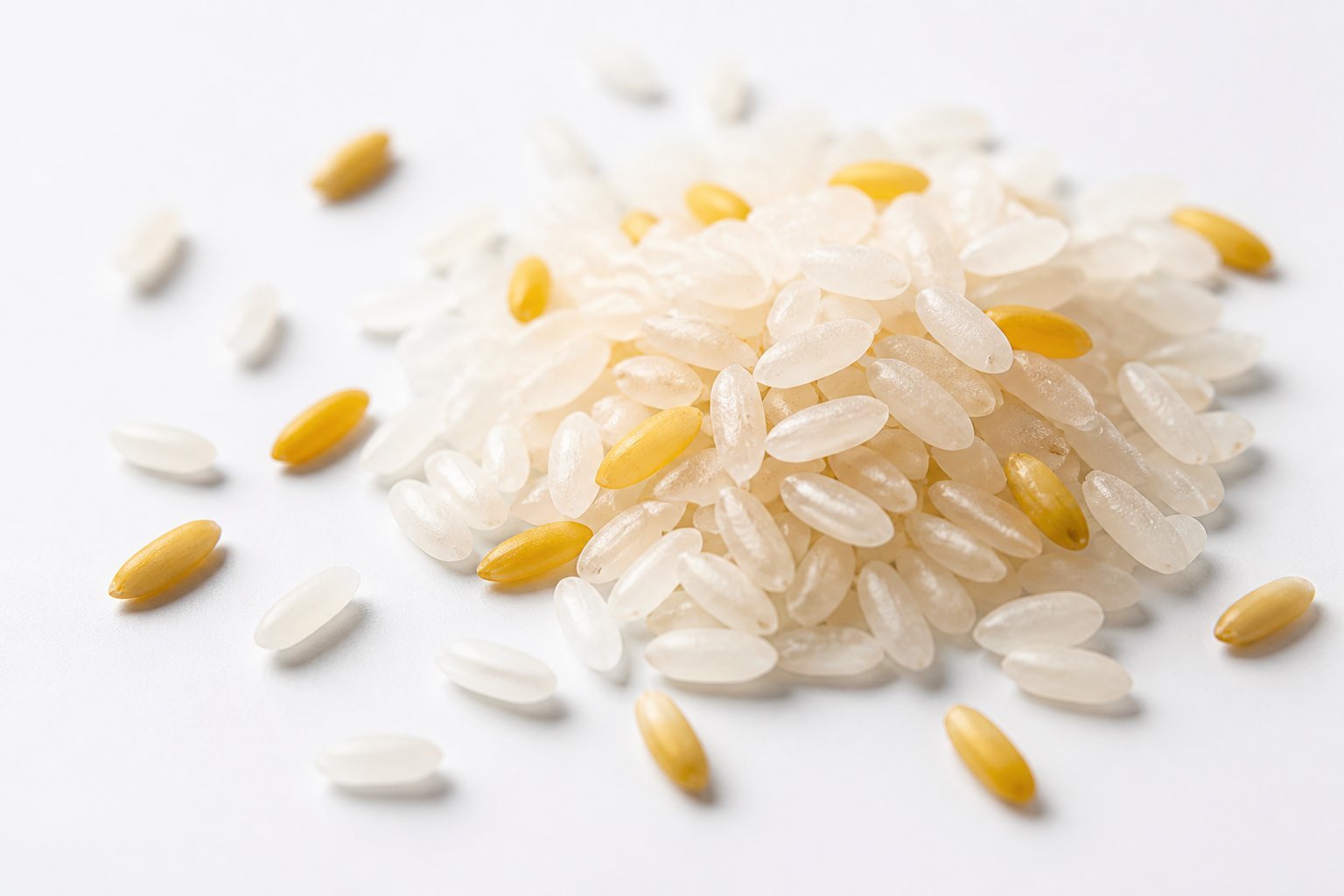
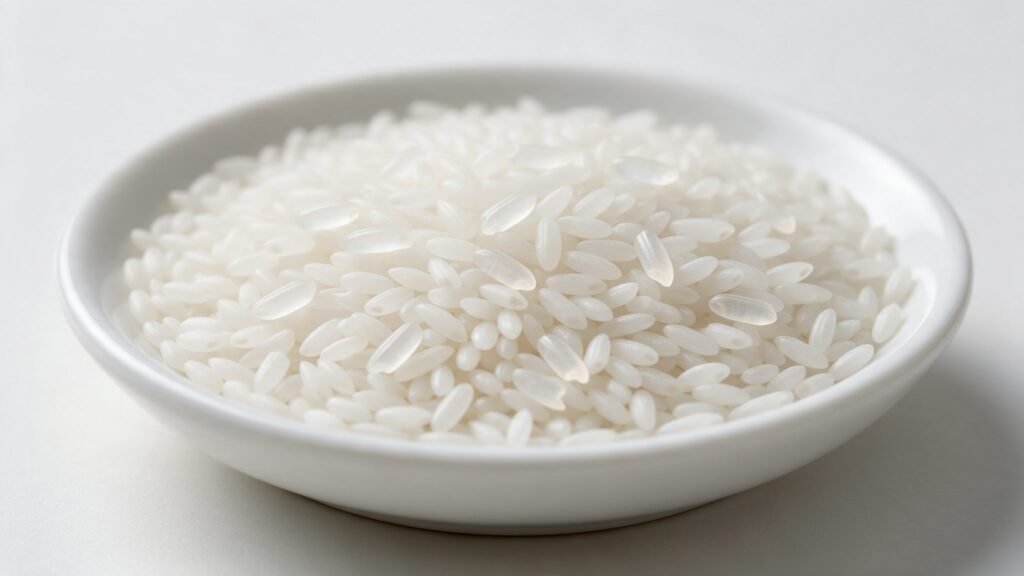
FRK looks almost identical to ordinary milled rice, but it carries a concentrated dose of vitamins and minerals designed to replace what milling strips away. Buyers who understand the manufacturing method, premix composition, and blending ratio behind a batch of FRK are far better positioned to negotiate quality specifications and avoid costly rejections at port. Rice consumption remains high across the region, which makes fortification a realistic way to address micronutrient deficiencies at scale, without asking consumers to change their diet.
This guide walks through the mechanics of FRK, the nutrients typically included, how the kernels are produced, and what a procurement team should verify before placing an order.
Key Takeaways
- Fortified rice kernels restore nutrients lost during milling by blending a small percentage of nutrient-dense kernels into regular rice.
- Buyers should confirm premix documentation, production method, and blending ratio before accepting a shipment.
- Regulatory frameworks like India’s FSSAI standards and WHO guidance shape how FRK is produced and traded internationally.
How FRK Creates a Fortified Rice Product
Fortified rice kernels work by carrying vitamins and minerals into milled rice without changing its taste, texture, or cooking behavior. The kernels are manufactured separately, then mixed into ordinary rice at a controlled ratio before packing.
The Function of the Nutrient Carrier
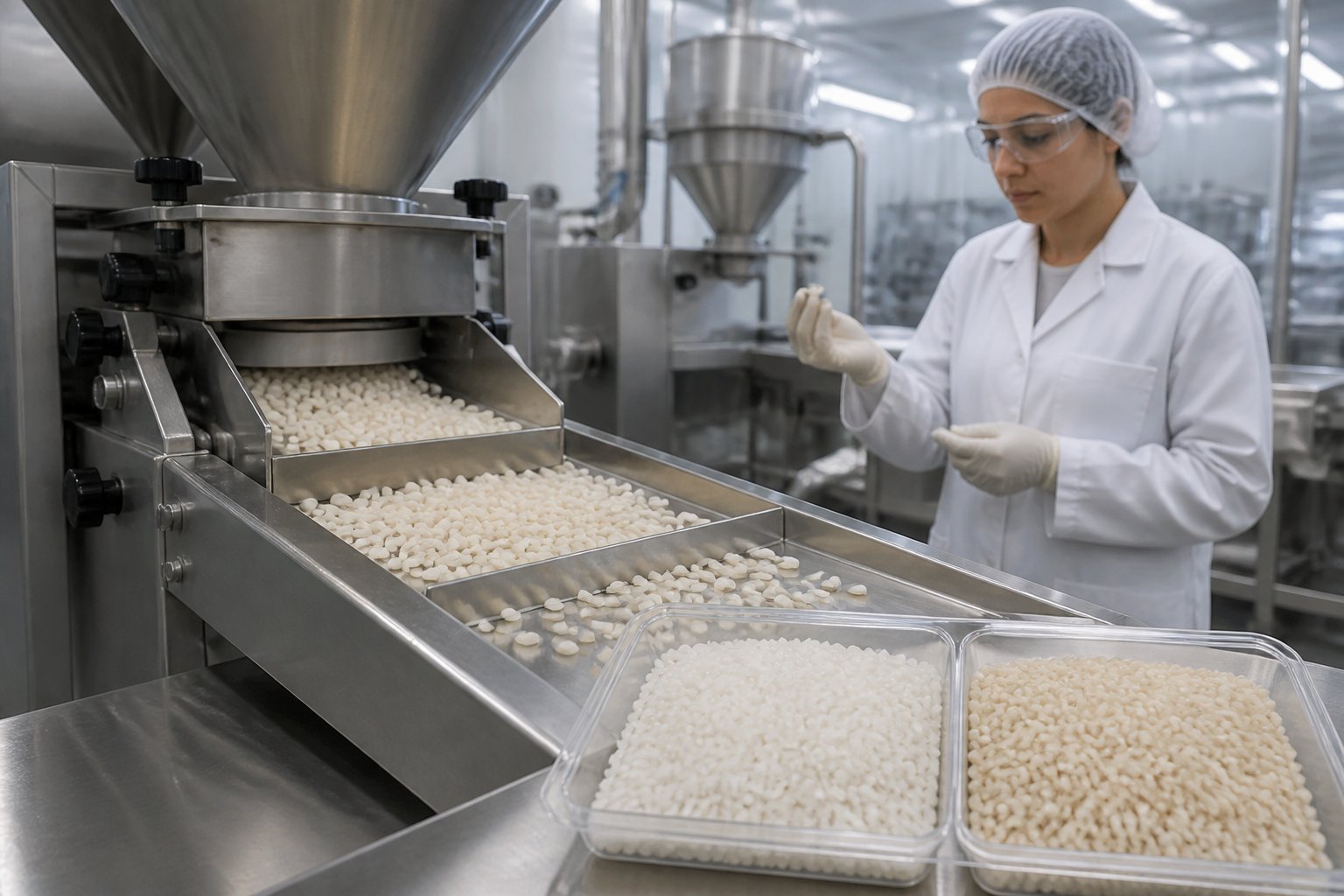
FRK acts as a delivery vehicle for micronutrients that milling removes from rice. Polishing strips away 75% to 90% of a grain’s natural vitamins and minerals, according to the Food Fortification Initiative. Rather than treating every grain individually, producers concentrate the nutrient load into a small batch of specially made kernels.
Those kernels are shaped, sized, and colored to resemble milled rice closely enough that they pass through standard sorting and cooking processes without drawing attention.
How FRK Is Blended With Milled Rice
FRK is mixed into milled rice at ratios that typically range from 1:50 to 1:200, with 1:100 the most common in commercial trade, according to the Rice Fortification Toolkit. This means one kilogram of FRK fortifies roughly 100 kilograms of ordinary rice.
Blending happens at different points in the supply chain: inside the mill during processing, at the bagging stage, in a distribution warehouse, or occasionally at the point of institutional use. The right stage depends on how centralized the buyer’s supply chain is.
Why Kernel Uniformity Matters in Trade
Uniform kernels reduce the risk of segregation during transport and storage. A 2008 pilot project in India tracked blended fortified rice over long-distance transport and found the mixture stayed consistent, according to the Food Fortification Initiative, because the fortified kernels matched the size, shape, and density of unfortified rice closely enough to prevent separation.
Buyers should request kernel samples matched against the base rice variety before confirming a purchase order.
Which Micronutrients Are Added and Why
FRK typically carries a blend of iron, folic acid, zinc, and B-vitamins chosen to close specific nutrition gaps in rice-eating populations. The exact formula depends on the target market’s public health priorities and regulatory requirements.
Core Nutrients in a Vitamin and Mineral Premix
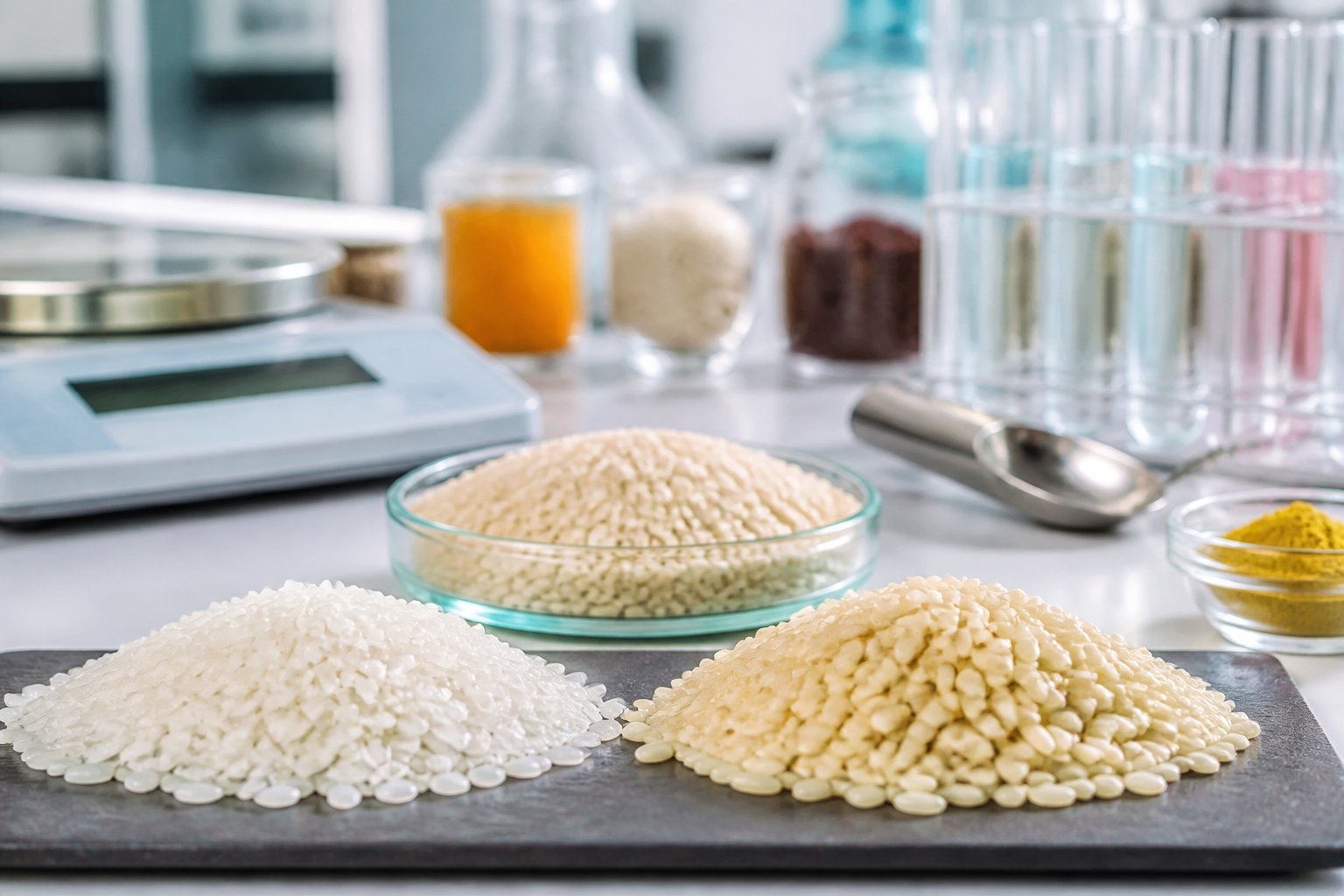
A standard micronutrient premix includes iron, folic acid, vitamin B12, thiamine, riboflavin, and niacin. Vitamin A and zinc appear in many formulas as well, since these nutrients naturally in rice, such as iron, zinc, thiamine, riboflavin, and niacin, are largely lost during milling, according to the Food Fortification Initiative.
The premix itself makes up a small share of the finished kernel. Rice flour accounts for around 85% of FRK by weight, with the premix contributing roughly 4% to 6% and the remainder made up of moisture and emulsifiers, according to documentation on FRK quality parameters.
Optional Nutrients and Market-Specific Formulas
Some formulas add vitamin B12 or additional zinc depending on the deficiency profile of the target population. Program buyers supplying government feeding schemes or WFP tenders often need to match a specific premix formula set by the contracting authority rather than a generic blend.
Buyers sourcing for multiple markets should confirm whether a supplier can adjust the premix composition without changing the kernel’s physical properties.
Nutrient Stability Through Storage and Cooking
Most micronutrients hold up well through storage and common cooking methods, with vitamin A the main exception. A 2014 study testing five cooking methods, including washing, soaking, and cooking in excess water, found that regional cooking practices do not cause major losses in iron, zinc, folic acid, or vitamin B12, regardless of whether the kernels were made by hot extrusion, cold extrusion, or coating, according to the Food Fortification Initiative.
Vitamin A degrades faster under heat and light, so buyers stocking vitamin A-fortified rice should pay closer attention to storage duration and warehouse conditions.
How FRK Is Manufactured
FRK is produced using one of three methods: hot extrusion, cold extrusion, or coating. Each method affects kernel durability, appearance, and cost differently, which matters for buyers comparing suppliers on quality and consistency rather than price alone.
Hot Extrusion and Its Performance Advantages
Hot extrusion pushes a dough made from rice flour, broken rice kernels, and premix through an extruder at temperatures between 70°C and 110°C, according to the Food Fortification Initiative. This method produces the most durable and uniform kernels, which explains why it’s the preferred technology among large-scale FRK producers, including many supplying India’s fortification programs.
The finished kernel resembles milled rice in shape but has a slightly softer texture and more opaque appearance, according to the Rice Fortification Toolkit. Buyers evaluating suppliers should request kernel samples cooked under normal conditions to check whether the texture difference is noticeable in the finished dish.
Cold Extrusion and Coating Compared
Cold extrusion runs at lower temperatures, around 70°C, and produces kernels at a lower cost, but with less uniformity in shape and texture, which some consumers reject, according to the Food Fortification Initiative. Coating sprays a vitamin and mineral mix, along with waxes or gums that help nutrients adhere, directly onto whole rice kernels.
| Method | Kernel Uniformity | Rinse Resistance | Typical Use Case |
|---|---|---|---|
| Hot Extrusion | High | High | Large-scale mass fortification programs |
| Cold Extrusion | Moderate | Moderate | Cost-sensitive blending operations |
| Coating | High (matches base rice closely) | Depends on formula | Retail-facing fortified rice brands |
Coated kernels are rinse-resistant when properly formulated and closely match the color and bulk density of natural grains, according to BASF’s rice fortification program, which reduces segregation risk when blended with unfortified rice.
Why Dusting Has Limited Application
Dusting applies a powdery nutrient mix directly onto rice without a carrier kernel, and it washes off easily during rinsing or cooking in excess water. This method only works in markets where consumers don’t rinse rice before cooking, which limits its use in most commercial trade.
Buyers sourcing FRK for regions with typical rinse-and-boil cooking habits should avoid dusted products entirely and confirm the production method in writing before purchase.
What Buyers Should Verify Before Procurement
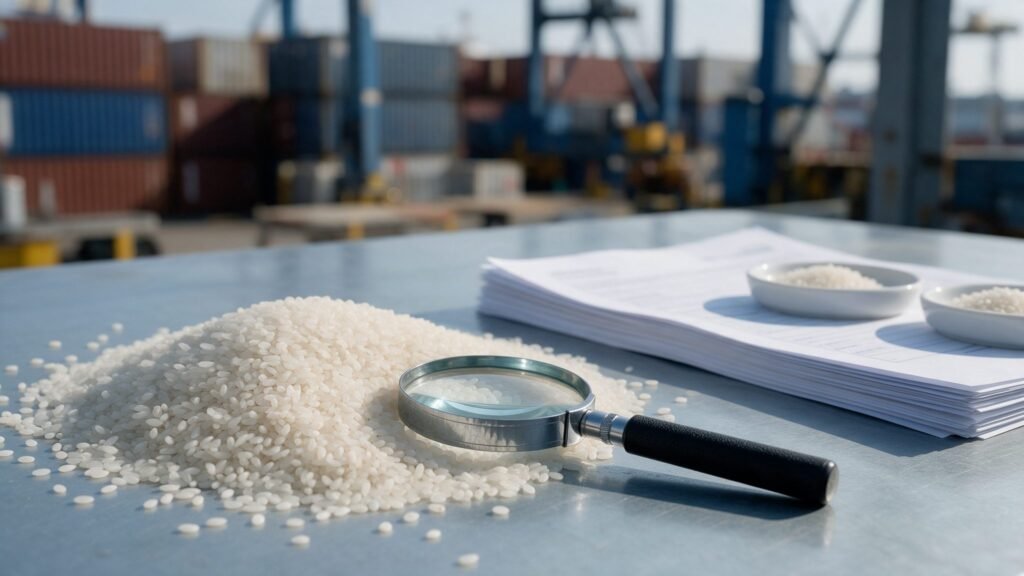
Buyers should confirm three categories of documentation before accepting an FRK shipment: premix specifications, physical quality parameters, and food safety certifications. Skipping any of these checks raises the risk of a rejected shipment or a product that fails a program’s regulatory audit.
Premix Documentation and Nutrient Specifications
A Certificate of Analysis from an accredited lab should accompany every batch, confirming the finished vitamin and mineral premix content, according to WFP’s technical specifications for fortified rice. This document should list each nutrient, its concentration, and the testing method used.
Buyers should cross-check the certificate against the target market’s regulatory nutrient levels rather than accepting a generic premix declaration.
Physical Quality, Appearance, and Blend Compatibility
Physical inspection should cover kernel size, shape, color match against the base rice, moisture content, and the presence of damaged kernels or extraneous matter, as outlined in WFP’s fortified rice kernel specifications. A sample blend test, mixing FRK with the buyer’s actual rice stock, shows whether the kernels stand out visually after mixing.
Buyers working with rice millers should request this blend test before finalizing volume orders, since a mismatch in color or size becomes obvious to end consumers.
Food Safety, Shelf Life, and Traceability Controls
Fortified rice kernels carry a shelf life between 3 months and 2 years, depending on the rice type, iron source, and number of nutrients included, according to the Food Fortification Initiative. Blended fortified rice itself holds for at least 6 months under normal storage conditions.
Buyers should request batch numbers, production dates, and food safety compliance documents from every shipment. Traceability records matter most for institutional buyers supplying government or aid programs, where audits can request production history months after delivery.
Blending and Distribution Requirements
Blending fortified rice requires equipment capable of maintaining a consistent ratio across every batch, along with clear procedures for where in the supply chain the blending happens. Getting this step wrong undermines the entire fortification effort, even when the FRK itself meets specification.
Selecting and Validating a Blending Ratio
Most commercial blends fall between 1:50 and 1:200, with 1:100 the standard reference point used across guidance from the Rice Fortification Toolkit. The right ratio depends on the premix’s nutrient concentration and the regulatory target for the finished product.
Buyers should request the exact ratio used in a batch, not just a general reference to industry practice, since two suppliers using different premix strengths will need different blending ratios to hit the same nutrient target.
Mill, Warehouse, and Packing-Line Integration
Blending can happen inside the mill during processing, during bagging, in a storage warehouse, or at the point of institutional use, according to guidance from GAIN and PATH. Larger, centralized mills tend to have the equipment and floor space needed for in-line blending, while smaller operations may need to blend at a separate facility.
Buyers should ask suppliers where in their supply chain blending occurs, since this affects how consistent the ratio stays across a large order.
Maintaining Segregation and Batch Traceability
Variable flow mechanisms and modern mixing systems keep the FRK-to-rice ratio consistent within a batch, according to the Food Fortification Initiative. Regular nutrient concentration testing and periodic inspections back up the mixing equipment itself.
Buyers managing multiple shipments should request batch-level records showing blending date, ratio applied, and quality control sign-off, particularly for orders destined for government or private label rice supply contracts where consistency across pallets matters.
Regulatory and Program Considerations in Key Markets
India’s FSSAI framework sets one of the most detailed regulatory standards for FRK in global trade, and it shapes sourcing decisions for buyers well beyond India’s borders. Understanding how these standards work helps Qatar-based importers evaluate suppliers sourcing from or certified against Indian requirements.
India’s FSSAI Framework and FRK Standards
FSSAI requires that milled rice be pulverized and mixed with a vitamin and mineral premix, then processed through an extruder to produce FRK, which is added to unfortified rice at ratios ranging from 1:50 to 1:100, according to FSSAI’s FAQ on rice fortification. FRK sold in India must also meet BIS Certification requirements under IS 17782:2021, which sets quality parameters covering nutrient content, physical characteristics, and safety, according to a breakdown of the BIS certification standard.
Buyers sourcing FRK produced in India should request proof of BIS certification alongside standard quality documentation.
Public Distribution and Institutional Feeding Channels
Government feeding programs represent one of the largest consumers of fortified rice worldwide, with India’s public distribution system supplying free fortified rice as part of a national nutrition initiative, according to government documentation on India’s fortified rice program. School feeding programs and other institutional channels often blend FRK at the point of use rather than during milling.
Buyers supplying institutional or program-based contracts should confirm which blending stage the receiving program expects, since this affects packaging and labeling requirements.
Using WHO Guidance in Program Design
The World Health Organization’s 2018 guideline treats rice fortification as a public health strategy, recommending that nutrient types and levels match a population’s specific dietary gaps and rice consumption patterns. Micronutrient malnutrition remains widespread enough that WHO guidance continues to shape how national programs set fortification standards, including how they define acceptable nutrient loss during storage and cooking.
Buyers exporting into markets with active fortification mandates should check whether the destination country references WHO guidance directly in its own regulatory framework, since this affects which nutrient levels a shipment must meet.
Verified Quality Makes FRK Procurement More Reliable
Fortified rice kernels only deliver value when the premix, blending ratio, and physical quality all hold up from production through final distribution. Buyers who verify certificates of analysis, request blend testing against their base rice stock, and confirm traceability records reduce the risk of shipment rejections and program non-compliance.
Fortified rice remains one of the most direct tools available for addressing micronutrient deficiencies in rice-consuming populations, and its trade value depends entirely on consistent food safety and quality control at every link in the supply chain. Buyers who build these checks into standard procurement practice protect both their contracts and the public health outcomes those contracts are meant to support.
Frequently Asked Questions
What are fortified rice kernels used for?
Fortified rice kernels are blended into ordinary milled rice to restore vitamins and minerals lost during milling. They’re used in government nutrition programs, institutional feeding schemes, and increasingly in commercial retail rice to address widespread micronutrient deficiencies.
What is the usual FRK-to-rice blending ratio?
Most commercial and program blends use a ratio between 1:50 and 1:200, with 1:100 the most common reference point in the industry. The exact ratio depends on the premix’s nutrient concentration and the regulatory target set for the finished product.
Which production method is best for fortified rice kernels?
Hot extrusion technology produces the most durable and uniform kernels and is the preferred method for large-scale fortification programs. Cold extrusion and coating remain viable options, particularly where cost or specific texture requirements shape the decision.
What documents should an importer request for an FRK shipment?
Importers should request a Certificate of Analysis for the premix, batch production records, and physical quality specifications covering kernel size, color match, and moisture content. Food safety compliance documents and traceability records round out a complete shipment file.
How do FSSAI requirements affect fortified rice procurement in India?
FSSAI sets the nutrient premix composition, blending ratio range, and extrusion-based production standard for FRK sold in India, and requires BIS Certification under IS 17782:2021. Buyers sourcing India-origin FRK should confirm both FSSAI compliance and BIS certification before accepting a shipment.