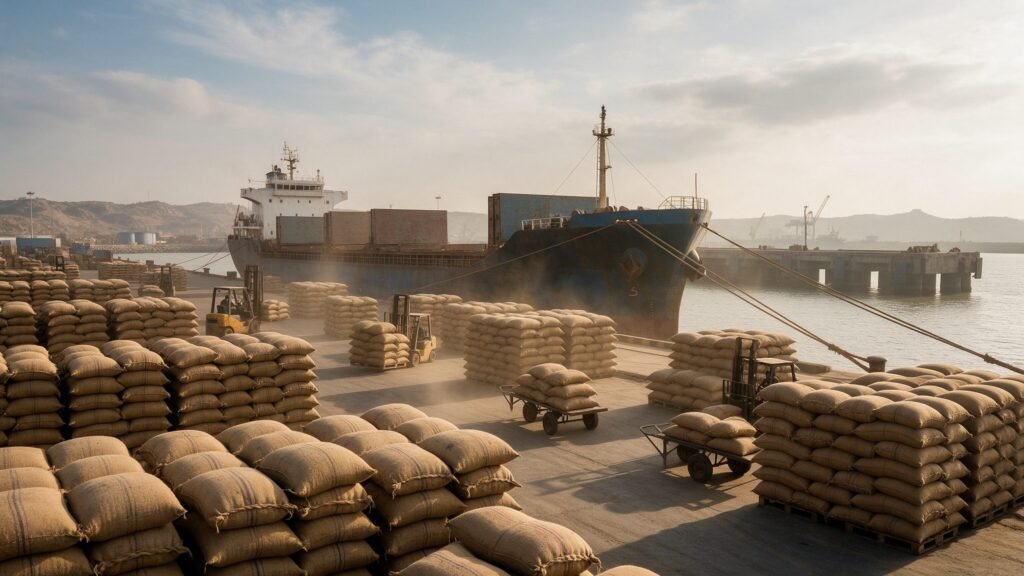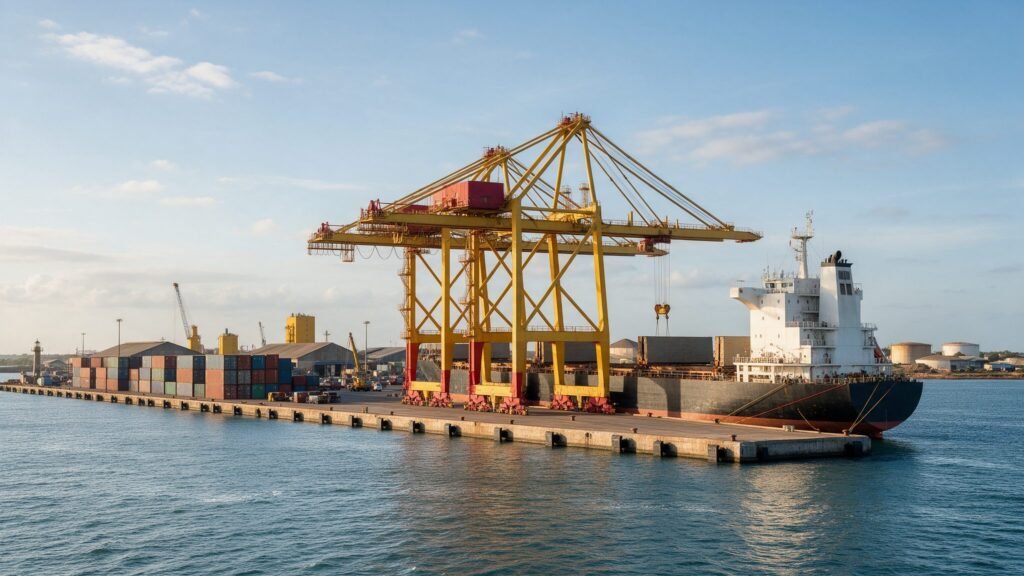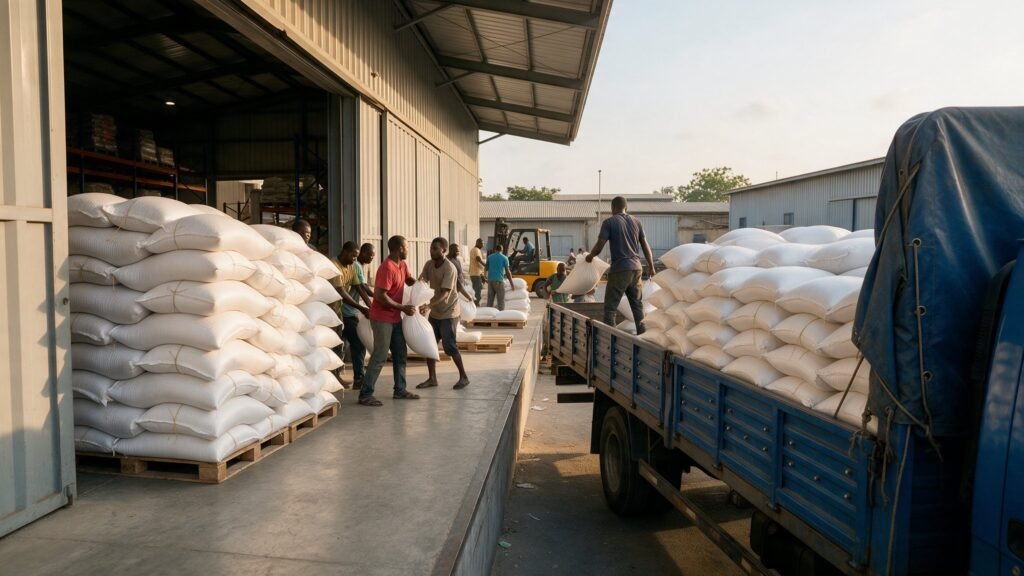
Mozambique’s rice import bill hit a record high in 2024, putting fresh pressure on procurement teams sourcing for the country’s wholesale, retail, and hospitality channels. For importers and distributors supplying into Southern Africa, that signals a market where demand keeps climbing even as local harvests shrink. Rice remains one of Mozambique’s most import-dependent staples, and the gap between what farms produce and what households and businesses consume continues to widen.
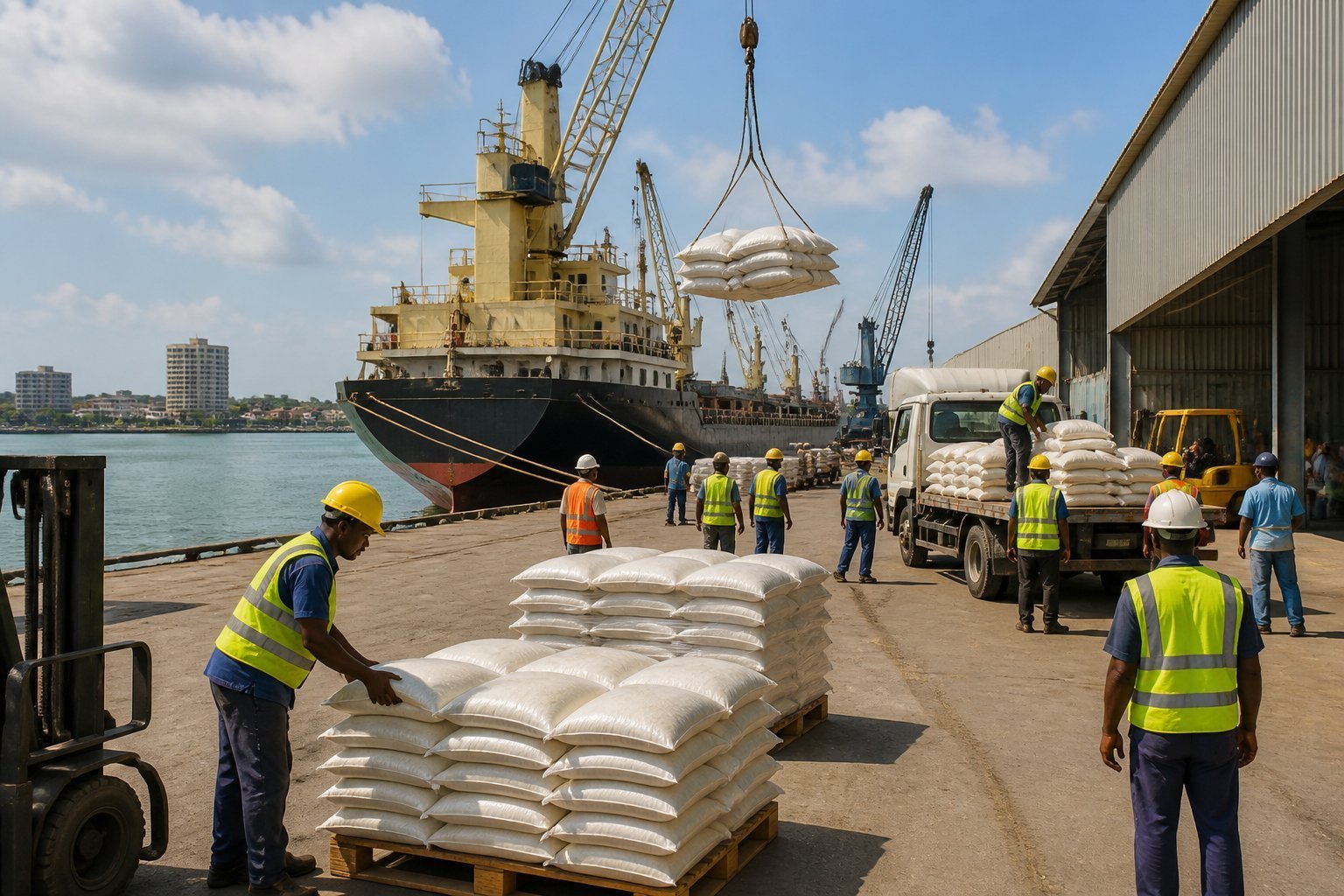
This creates both risk and opportunity for exporters and trading houses positioned to supply Mozambique’s market. Mozambique rice imports reached a record high in 2024, up 38.8% from 2023, driven by a steep drop in domestic production and steady consumer demand. New government rules taking effect in 2026 are also reshaping how rice enters the country, adding a layer of process that international suppliers need to understand before they sign contracts.
Key Takeaways
- Mozambique’s rice import bill hit a record high in 2024, and centralized import rules are changing how trade flows in 2026.
- Thailand, India, Pakistan, Vietnam, and Myanmar supply the bulk of the country’s rice, with the mix shifting year to year.
- Falling domestic rice, maize, sorghum, and millet output means import demand will likely stay high unless irrigation and seed investment pay off.
What the Record 2024 Import Bill Means for Buyers
Mozambique’s rice imports climbed 38.8% in 2024 over the prior year, according to central bank data reported by Lusa. That total broke the previous high set in 2021, marking the largest annual rice import bill the country has recorded.
How Large Was Mozambique’s Rice Import Market in 2024?
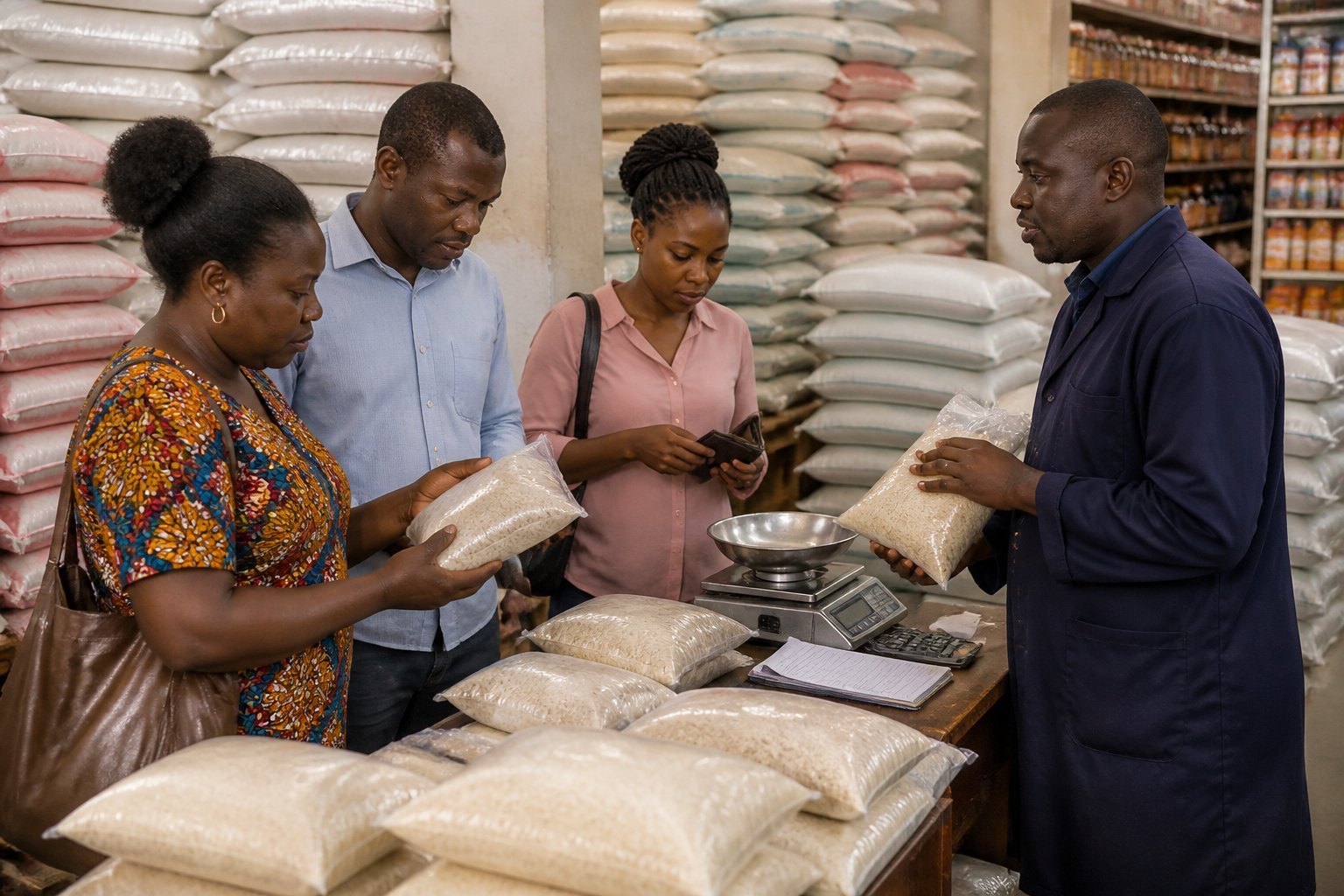
Trade data under HS Code 1006 shows Mozambique’s global rice imports ranking among the country’s largest food-import flows in 2024, based on World Bank trade statistics. That volume translates to hundreds of thousands of metric tons entering the country through its ports, much of it destined for urban wholesale markets and retail distribution networks.
Why Bank of Mozambique and Trade Data Totals Differ
The Bank of Mozambique’s import-payment figure and the trade database’s customs figure measure the same flow through different lenses. Central bank data tracks the foreign exchange actually settled for import payments, while customs-based trade statistics record declared shipment values at the border. Small gaps between these two sources are normal and reflect timing differences, informal trade, and how each system classifies transactions.
Rice Within Mozambique’s Consumer Goods Import Bill
Rice remains a significant share of the country’s consumer goods import spending even as that overall category has contracted. Total consumer goods imports fell in 2024 to their lowest level in three years, yet rice demand continued climbing against that broader decline. By 2025, combined rice and wheat imports represented 28% of Mozambique’s consumer goods imports, according to trade analysis covering the centralization shift. That scale puts rice among the most closely watched line items for anyone tracking Mozambique’s external accounts.
Which Countries Supply Mozambique’s Rice Market?
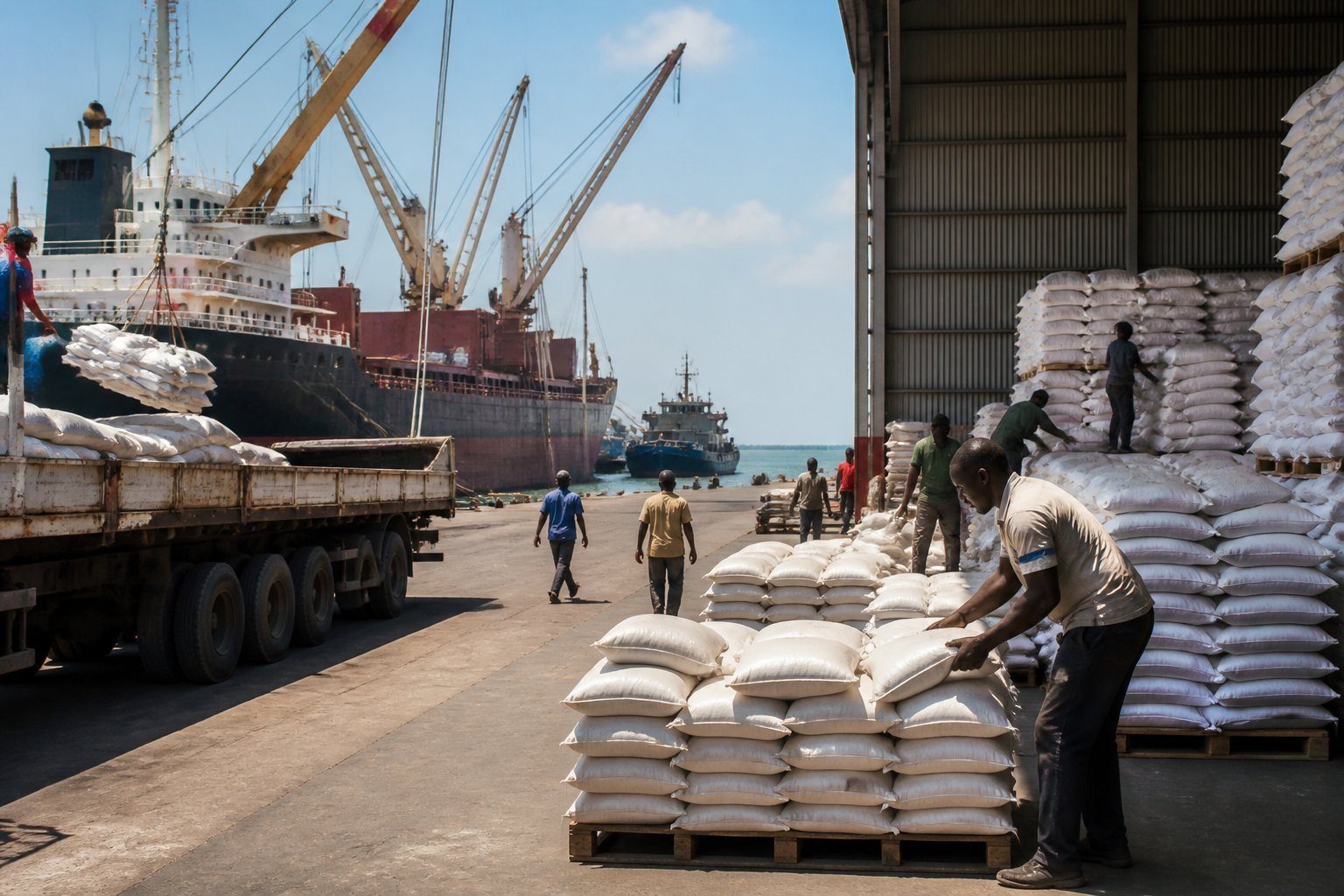
Thailand, India, Pakistan, Vietnam, and Myanmar supplied the majority of Mozambique’s rice imports in 2024, together accounting for the bulk of both value and volume. Asian origins dominate the supply chain, though smaller volumes also arrive from China, Singapore, the United Arab Emirates, and a handful of other markets.
Leading Asian Origins and Their Share of Supply
Thailand led all suppliers in 2024, shipping around 200,229,000 kg of rice, according to World Bank Comtrade figures. India followed at 132,097,000 kg, with Pakistan at 126,615,000 kg, Vietnam at 88,507,300 kg, and Myanmar at 46,022,400 kg. China added 37,599,100 kg, rounding out the main origins.
| Supplier | 2024 Value (US$K) | 2024 Volume (kg) |
|---|---|---|
| Thailand | 146,422.66 | 200,229,000 |
| India | 101,986.03 | 132,097,000 |
| Pakistan | 83,268.49 | 126,615,000 |
| Vietnam | 73,883.30 | 88,507,300 |
| Myanmar | 30,925.89 | 46,022,400 |
| China | 28,577.82 | 37,599,100 |
How the Supplier Mix Shifted From 2023 to 2024
Thailand’s rise to the top position marks a shift from prior years, when India led Mozambique’s rice supply. In 2022 India supplied more rice than Thailand, but by 2024 Thailand had roughly doubled its shipments and overtaken India, reflecting how quickly origin rankings can move in a single trading cycle. Buyers who lock into long-term supplier relationships should track these shifts closely, since availability from any single origin can change year to year.
Smaller Re-Export and Regional Supply Channels
Singapore, the United Arab Emirates, South Africa, and a group of smaller origins supply the remaining share of Mozambique’s rice imports. Singapore and the United Arab Emirates function partly as re-export hubs rather than primary growing origins, while South Africa adds some regional overland and short-sea trade. Portugal, Brazil, and others round out the long tail of minor suppliers.
How Domestic Cereal Output Drives Import Demand
Falling domestic cereal production is the main driver behind Mozambique’s rising rice import bill. Rice production dropped 34% in 2024 amid climate stress, according to agricultural market reporting, pushing the country to lean more heavily on foreign supply to meet consumption needs.
Rice Production Fell to a Five-Year Low
Mozambique’s rice harvest fell to its lowest level in five years in 2024, a decline tied directly to the year’s climate conditions. The country currently produces only about half the 600,000 tons of rice it consumes annually, forcing it to import roughly 300,000 tons each year to close the gap, according to analysis of the AfDB-backed rice value chain project. That structural shortfall means import demand stays high even in years when global rice prices ease.
Maize, Sorghum, and Millet Declines Add Food-System Pressure
Rice was not the only staple affected. Maize, sorghum, and millet all posted declines in 2024, compounding pressure on Mozambique’s broader food system beyond rice alone. When multiple cereal crops fall together, households and institutional buyers shift more of their purchasing toward imported rice as a stable substitute, which helps explain why rice import spending rose so sharply in a single year.
Key Producing Provinces: Zambézia, Gaza, Tete, and Manica
Zambézia, Gaza, Tete, and Manica are Mozambique’s key cereal-producing provinces, and conditions in these regions drive national output swings. Data compiled by the National Institute of Statistics (INE) tracks production across these provinces, and weather-related shortfalls in any of them can move national totals significantly. Buyers sourcing information on Mozambique’s domestic supply outlook should watch harvest reports from these four provinces as an early signal of import demand for the coming season.
Procurement Risks in an Import-Dependent Market
Mozambique’s heavy reliance on foreign rice exposes buyers and the wider food system to swings in international food prices and shipping disruptions. When a country imports the majority of a staple food, any shock at the origin, whether a poor harvest in a supplying country or a freight bottleneck, passes directly into local prices.
Exposure to International Food Prices and Origin Disruptions
A supply interruption in any top origin country can ripple through Mozambique’s rice market quickly, given how concentrated the supplier base is. Analysts have flagged that the record import volumes leave the country vulnerable to fluctuations in international food prices, with the poorest households facing the sharpest impact when costs rise. Distributors and wholesalers sourcing into this market benefit from tracking price trends across multiple origin countries rather than a single supplier relationship.
Managing Supply Continuity Beyond Lowest-Cost Sourcing
Continuity of supply matters as much as unit cost when one origin can face a poor season or export restriction with little warning. Buyers who diversify across two or three origin countries, and who build in contingency lead times, tend to weather these disruptions better than those locked into a single-source contract. This principle applies broadly to rice supply planning during disruption scenarios, and it holds particular weight in a market as import-dependent as Mozambique’s.
Why Food Security Conditions Matter to Commercial Demand
Food security conditions directly shape commercial rice demand in Mozambique, since rice functions as a staple safety-net food for a large share of the population. When domestic harvests fall short, government agencies and aid organizations increase their own rice procurement to stock reserves, adding another layer of demand alongside private commercial buyers. The Mozambique Grain Institute has held working meetings with the World Food Programme to strengthen strategic food reserves and food security cooperation, a sign that institutional demand will remain a factor alongside private trade.
Import Oversight and Market Developments in 2026
Mozambique centralized its rice import system under the Mozambique Grain Institute (ICM) starting February 1, 2026, a change that requires private importers to buy rice locally from ICM rather than importing directly. Ministerial Diploma No. 132/2025 established this framework, with wheat following under the same model from May 1, 2026, according to regulatory reporting on the policy.
What Centralized Cereal Import Arrangements Could Change
Centralization shifts import authority away from private trading companies and toward a single state-managed institute. The government has said the goal is to build a transparent import mechanism and stop illegal foreign currency outflows tied to under-invoicing and over-invoicing, according to coverage of the ICM mandate. Industry groups have raised concerns, however. The Confederation of Economic Associations of Mozambique (CTA) has warned the change could put substantial investment and around 20,000 jobs at risk, based on industry reaction reported by trade press.
Foreign-Exchange Controls, Documentation, and Contract Planning
Buyers should expect new documentation and registration steps tied to the ICM’s oversight role, even though private sector participation continues through a registration system. Early 2026 data already shows rice and wheat imports running at a high combined pace in the first quarter, according to Bank of Mozambique statistics. Exporters and trading partners working with Mozambican counterparts should build extra time into contract planning while the new procedures settle.
Why Buyers Should Monitor Rice and Wheat Policy Together
Rice and wheat now fall under the same centralized import framework, so policy changes affecting one commodity typically affect the other on a similar timeline. The ICM has already met with private operators, including a coordination session with Olam Mozambique, to define operational procedures under the new rules. Tracking both commodities together gives buyers a fuller picture of how the centralization rollout is progressing.
Building a More Resilient Rice Supply Base
Floods and droughts remain the biggest constraint on Mozambique’s domestic rice supply, and addressing them requires sustained investment in irrigation, better seed varieties, and farmer training. These climate shocks explain much of the year-to-year swing in national harvests, and they are the reason import demand has stayed structurally high.
How Floods and Droughts Constrain Local Availability
Extreme weather cuts directly into planted area and yield in Mozambique’s key rice-growing zones. The 34% production drop in 2024 came during a year marked by climate challenges across the country’s farming regions, a pattern that recurs whenever floods or dry spells hit during the growing season.
The Role of Irrigation, Quality Seeds, and Technical Assistance
Irrigation infrastructure, higher quality seeds, and technical assistance form the core of Mozambique’s plan to raise rice output. The African Development Bank approved a grant for the Rice Value Chain and Climate Resilience Project (RIVACREP), aiming to lift the country’s rice self-sufficiency rate from 50% to 75% by 2030, according to the AfDB’s project announcement. Separately, Mozambique’s private sector has pursued technical cooperation with Thailand to modernize its rice production methods, with the long-term goal of shifting from importer to regional supplier.
Linking Local Production Investment to Inclusive Growth
Production investment ties directly to inclusive growth in Mozambique, since the RIVACREP project targets employment gains for youth and women alongside higher yields. Mozambique also faces child stunting rates as high as 44% in Zambézia province, a reminder of the nutrition stakes tied to food security investment programs aim to address. Buyers supplying into this market over the next several years will likely see gradual changes in local sourcing options as these programs mature.
Diversified Sourcing and Stronger Local Output Will Shape Supply Security
Mozambique’s rice import market has grown into one of the country’s most consequential trade categories, with import spending reaching a record high in 2024 and combined rice and wheat imports rising further in 2025. Falling domestic production, driven by floods, droughts, and broader cereal declines, keeps import demand structurally high even as the government tries to centralize and stabilize the system through the Mozambique Grain Institute.
For buyers and suppliers connected to this market, three factors will shape outcomes over the next few years: how well centralized import procedures function under ICM, whether supplier diversification across Thailand, India, Pakistan, Vietnam, and Myanmar continues to spread risk, and how far investment in irrigation and seed quality raises domestic rice production toward the 75% self-sufficiency target set for 2030. Tracking Bank of Mozambique reports alongside trade data offers the clearest read on where this market is headed.
Frequently Asked Questions
How much rice did Mozambique import in 2024?
Mozambique imported a record volume of rice in 2024, according to Bank of Mozambique data, up 38.8% from 2023. Trade database figures under HS Code 1006 put the total slightly higher for the same year, reflecting differences between customs and central bank reporting methods.
Which countries are Mozambique’s main rice suppliers?
Thailand, India, Pakistan, Vietnam, and Myanmar supplied the largest shares of Mozambique’s rice imports in 2024. Thailand led the field, followed by India, Pakistan, Vietnam, and Myanmar, with smaller volumes arriving from China, Singapore, and the United Arab Emirates.
Why do Bank of Mozambique and trade database import values differ?
The Bank of Mozambique tracks actual foreign exchange settled for import payments, while trade databases record declared customs values at the point of entry. These two methods naturally produce slightly different totals, and the gap reflects timing, classification, and reporting differences rather than an error in either source.
How has lower domestic rice production affected import demand?
Domestic rice production fell 34% in 2024, pushing Mozambique to rely more heavily on imports to meet consumption needs. The country currently produces only about half the rice it consumes each year, and that structural gap keeps import volumes high regardless of short-term price shifts.
What should rice buyers in Mozambique monitor in 2026?
Buyers should track the rollout of centralized rice imports under the Mozambique Grain Institute, which took effect February 1, 2026, along with related foreign-exchange and documentation requirements. Watching quarterly Bank of Mozambique reports and supplier country performance will help buyers anticipate price and availability shifts as the new system matures.