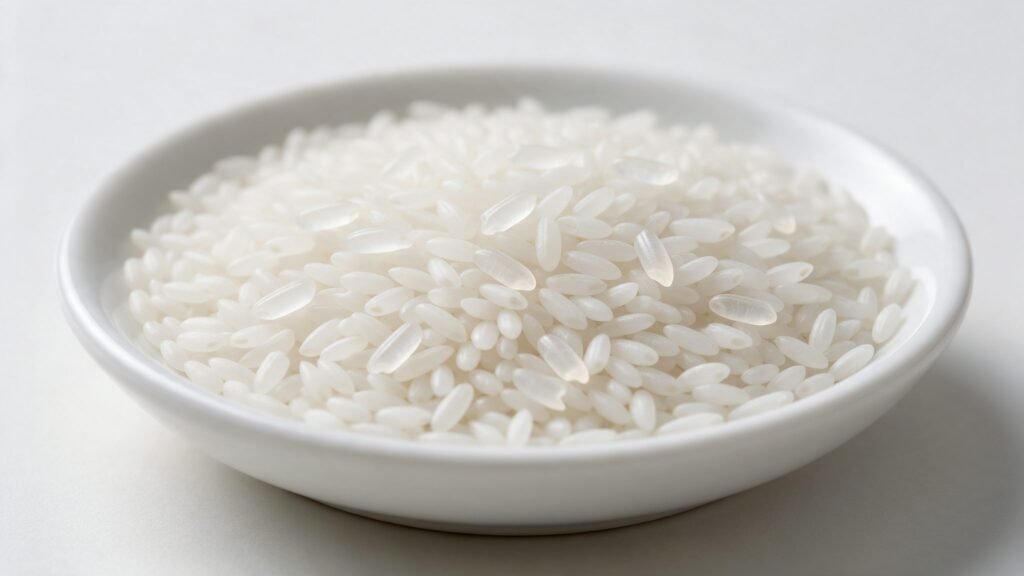
The Qatar rice market depends almost entirely on imports to meet domestic demand, making it one of the most critical food commodities in the country’s supply chain. The Qatar rice market serves a diverse population through retail, wholesale, and large-scale food service operations that require consistent quality and reliable delivery schedules. Premium Basmati rice from certified origins like Pakistan dominates procurement decisions because long grain length, aroma retention, and cooking stability align with both local preferences and international hospitality standards.
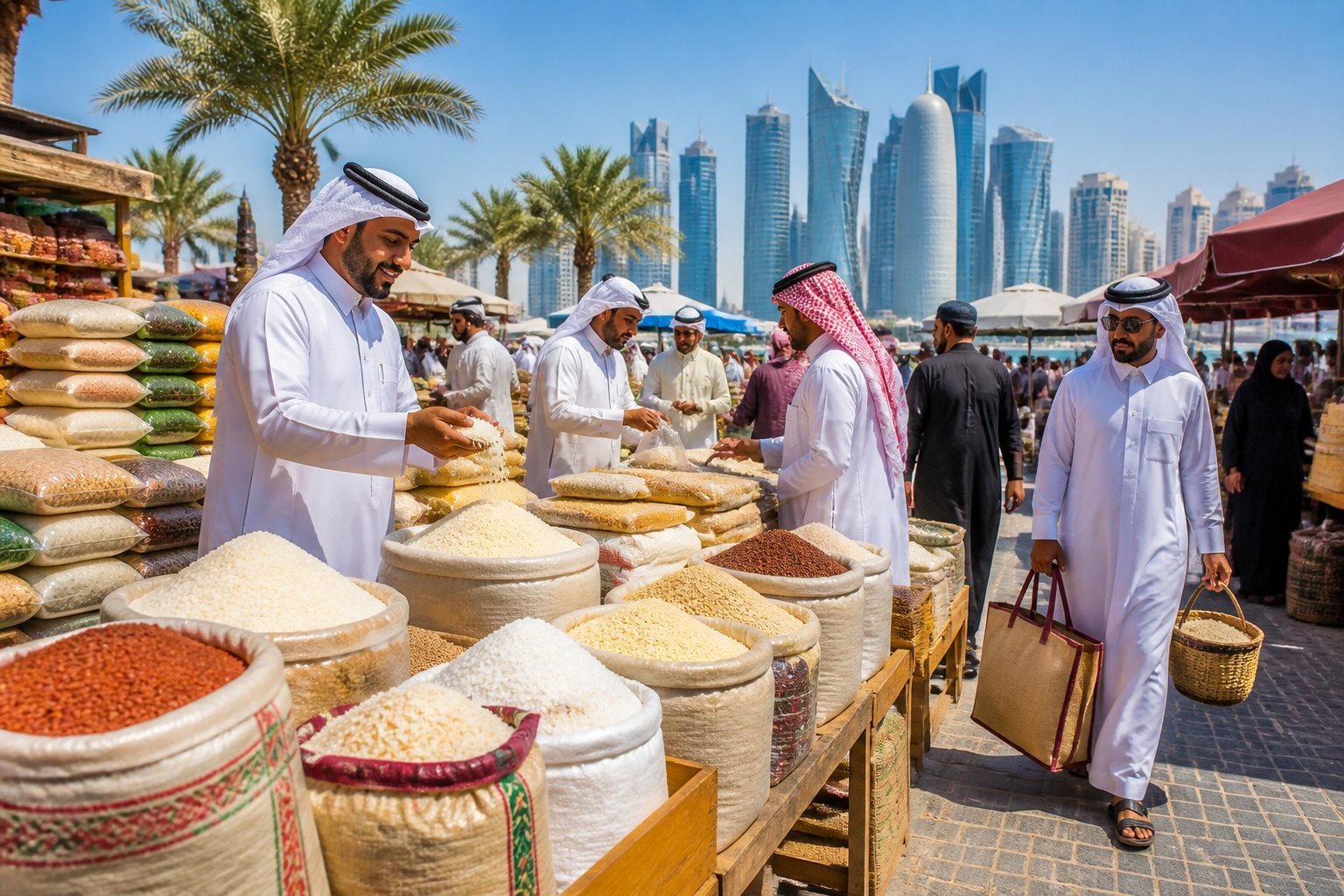
For B2B buyers and procurement teams, understanding Qatar’s rice distribution network matters. The country’s food security strategy relies on experienced importers who manage international sourcing, regulatory compliance, and climate-controlled logistics from port to shelf. Rice demand in Qatar remains strong across multiple sectors including hotels, catering contracts, airline kitchens, and retail chains that serve both local residents and a growing tourism industry.
Success in this market requires more than competitive pricing. Suppliers must demonstrate ISO 9001:2015, ISO 22000:2018, HACCP, Halal, and USFDA certifications while maintaining supply consistency across seasonal demand shifts. Premium basmati rice importers focus on grain purity, minimal breakage, and packaging that meets Qatar’s sustainability requirements for 2026 and beyond.
Key Takeaways
- Qatar relies entirely on imports to meet rice demand across retail, wholesale, and food service channels
- Premium Basmati rice holds the largest market share due to quality standards required by hospitality and catering sectors
- Certified suppliers with ISO and Halal compliance gain competitive advantage in Qatar’s regulated food import system
How big is Qatar’s rice market and how fast is it growing?
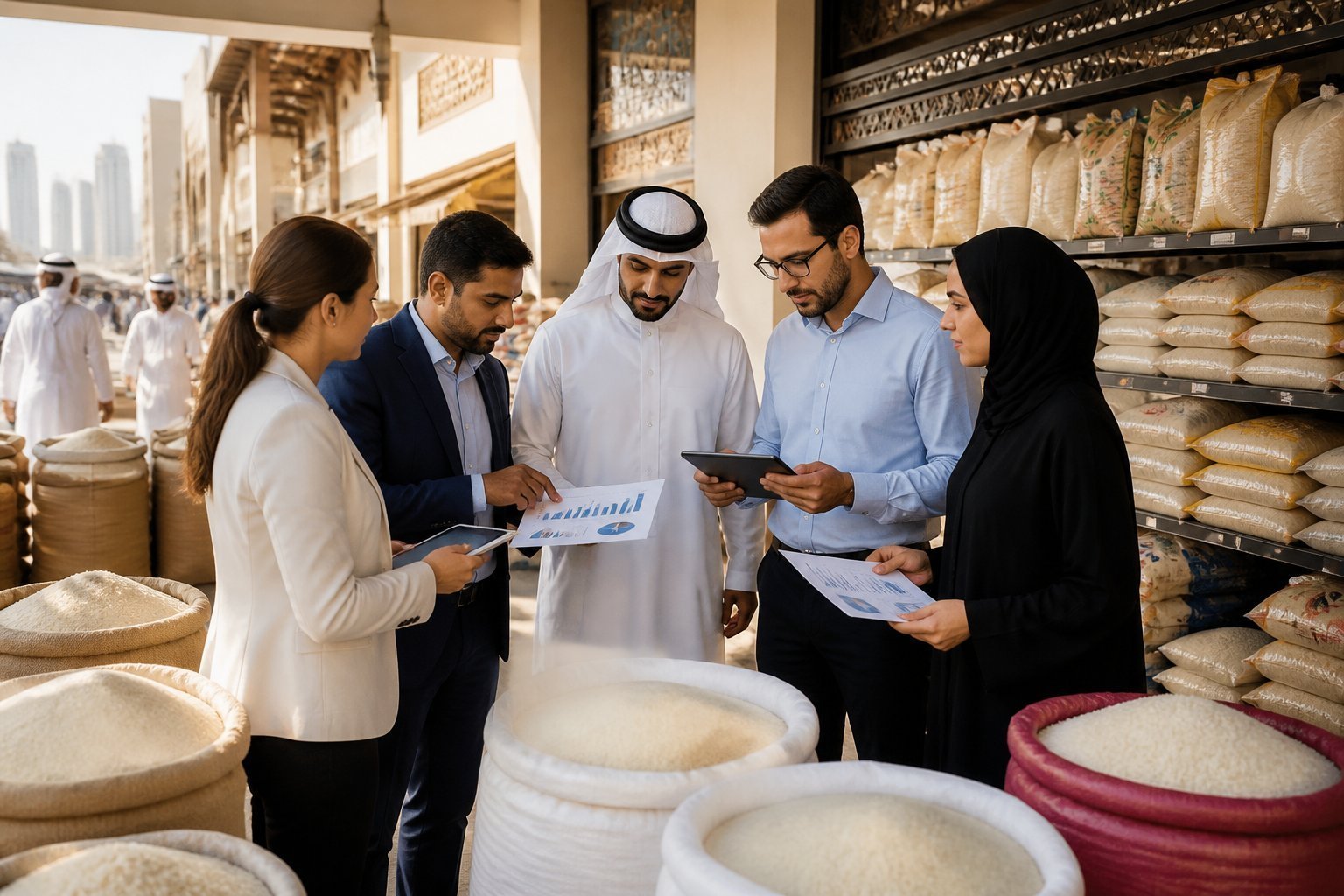
The Qatar rice market has expanded steadily in recent years, driven by both population growth and rising household consumption. Import volumes dominate supply, with pricing and trade flows shaped by regional sourcing patterns and global commodity trends.
Recent Performance and Five-Year Trends
The Qatari rice market surged in value in 2025, posting year-over-year growth as consumer demand remained robust. Over the past five years, the market has shown consistent upward movement, though the pace has moderated compared to earlier cycles.
Import volumes increased notably between 2020 and 2025. This growth reflects Qatar’s reliance on external suppliers to meet domestic needs, as local production remains minimal.
The trend has been shaped by shifts in consumer preferences, including greater demand for specialty varieties and premium-grade rice. Trade dynamics have also evolved, with importers optimizing logistics and diversifying sourcing to manage cost pressures.
Volume and Value Metrics
Qatar imported substantial tonnage of rice in 2025, with value metrics reflecting both volume and unit price movements. The rice market in Qatar is measured across multiple dimensions, including total consumption, import value, and per-capita intake.
Key metrics include:
- Total import volume exceeding prior-year levels
- Market value growth driven by higher unit prices
- Per-capita consumption aligned with regional averages
Value figures exclude retail margins and logistics costs, focusing on producer and importer revenues. Volume data captures all rice types, from standard milled varieties to basmati and specialty grains.
Growth Drivers and Challenges
Several factors fuel market expansion. Population growth, driven by expatriate communities, continues to push demand higher. Rising incomes support premiumization, with consumers seeking higher-quality rice that meets international certification standards such as ISO 9001:2015, ISO 22000:2018, HACCP, Halal, and USFDA.
Reliable sourcing from certified origins like Pakistan ensures consistent supply of premium varieties that meet quality benchmarks. Importers prioritize traceability and compliance to serve both retail and food service channels.
Challenges include freight cost volatility and currency fluctuations that impact landed prices. The rice market has seen minimal growth in some segments due to import cost pressures and competition from alternative staples. Importers must balance price sensitivity with quality expectations across diverse consumer segments.
How is Qatar’s rice market segmented?

The rice market in Qatar divides into distinct product categories, organic versus conventional offerings, and price segments that serve different consumer groups and institutional buyers across retail, hospitality, and catering channels.
Product Categories and Varieties
Basmati rice dominates the Qatar rice market due to strong preference among Gulf consumers and expatriate communities. Long-grain varieties like 1121, Super Kernel, and 1509 from Pakistan hold significant market share in hotels, restaurants, and household consumption.
Non-Basmati varieties include jasmine rice, medium-grain rice, and parboiled rice. These categories serve specific ethnic communities and food service operations requiring different cooking characteristics.
Processing methods create additional segmentation. Steam-treated Basmati maintains soft texture and natural aroma for fine dining applications. Golden Sella undergoes parboiling to strengthen grain structure for bulk catering operations. White Sella offers a middle option between these two processing styles.
Main product categories include:
- Long-grain Basmati (1121, Super Kernel, 1509)
- Medium-grain varieties
- Jasmine and aromatic rice
- Parboiled and non-parboiled options
- Broken rice grades for industrial use
Organic and Non-Organic Segments
Conventional rice represents the largest segment in the rice market in Qatar. Most hotel groups, airline catering operations, and institutional buyers purchase non-organic rice that meets ISO 22000:2018 and HACCP food safety standards.
Organic rice remains a smaller niche segment. Premium supermarkets stock certified organic varieties for health-conscious consumers willing to pay higher prices. Demand grows gradually as awareness increases about sustainable agriculture practices.
Both segments require proper certification. Conventional rice suppliers provide phytosanitary certificates and health documentation. Organic rice requires additional verification through international organic certification bodies.
Price Tiers: Mass, Mid-Priced, Premium
Mass market rice serves labor camps, budget catering, and price-sensitive retail shoppers. These grades typically contain higher broken percentages and shorter grain lengths while maintaining basic food safety standards.
Mid-priced segments supply mainstream supermarkets and mid-tier restaurants. These varieties balance quality specifications with competitive pricing for households and food service operators.
Premium rice targets luxury hotels, fine dining establishments, and affluent households. Extra-long grain Basmati aged 12-24 months commands the highest prices. Premium buyers prioritize grain length exceeding 8.30mm, minimal broken percentage, and consistent cooking performance.
| Price Tier | Typical Buyers | Key Features |
|---|---|---|
| Mass Market | Labor camps, budget catering | Higher broken %, competitive pricing |
| Mid-Priced | Supermarkets, casual dining | Balanced quality and cost |
| Premium | Luxury hotels, fine dining | Extra-long grain, aged, minimal breakage |
How is rice priced across Qatar’s value chain?
Rice pricing in Qatar reflects import dependency, logistical costs, and quality differentiation across multiple distribution channels. Margins vary significantly between wholesale operations and retail endpoints, with premium varieties commanding substantial price premiums over standard grades.
Current Retail and Wholesale Prices
Retail prices for rice in Qatar vary by grain type and quality grade. Basmati rice typically ranges from QAR 12 to QAR 25 per kilogram in supermarkets, depending on origin and brand positioning. Standard long-grain varieties sell between QAR 6 and QAR 12 per kilogram.
Wholesale prices sit considerably lower. Bulk buyers purchasing 25-kilogram bags pay approximately QAR 4 to QAR 8 per kilogram for standard varieties. Premium basmati wholesale rates range from QAR 8 to QAR 15 per kilogram.
The hospitality sector negotiates specialized rates through distributors. Large-volume contracts for hotels and catering companies typically secure prices 15-20% below standard wholesale rates. Pakistani rice varieties meeting ISO 22000:2018 and HACCP standards compete effectively in both retail and institutional segments.
Historic and Predicted Price Trends
Rice market reports indicate Qatar rice prices experienced moderate fluctuations between 2023 and 2026. Global supply chain disruptions in 2024 temporarily increased prices by 8-12% across all categories.
Basmati prices demonstrated greater stability than non-basmati varieties due to consistent supply from certified Pakistani exporters. Standard long-grain varieties showed higher volatility linked to seasonal harvest variations.
Forecasts through 2028 suggest gradual price stabilization as regional supply chains mature. Premium segment growth may support slightly elevated pricing for certified, traceable products meeting ISO 9001:2015 and Halal certification requirements.
Price Formation and Margin Analysis
The Qatar rice value chain involves multiple stages that build final consumer prices:
Import and Port Clearance: Base costs include freight, insurance, customs duties (typically 5%), and port handling fees at Hamad Port.
Distribution Margins: Wholesalers and food grain distributors add 12-18% margins covering warehousing, quality control, and logistics operations.
Retail Markup: Supermarkets apply 25-40% margins on packaged rice products. Premium brands with USFDA certification command higher markups due to perceived quality advantages.
Pakistani rice suppliers offering complete certification packages (ISO 22000:2018, HACCP, Halal) enable importers to reduce quality verification costs. This streamlined approach allows competitive pricing while maintaining compliance with Qatar’s food safety standards.
How is rice distributed to B2B buyers in Qatar?
The Qatar rice market operates through established wholesale networks, direct importers, and modern retail chains that serve both consumer and commercial buyers. Distribution pathways connect international suppliers with local restaurants, hotels, supermarkets, and catering companies through specialized logistics infrastructure.
Major Wholesalers and Importers
Qatar National Import and Export (QNIE) anchors the distribution landscape with over 60 years of experience and 39,000+ pallet positions across its warehouse network. The company operates 150+ specialized vehicles that move products from Hamad Port to retail outlets and food service locations.
Kasbah Trading functions as a Qatari-owned bulk food supplier handling rice, spices, and pulses across wholesale channels. Jahweel Group supplies premium-quality rice to households, businesses, and industrial clients throughout Qatar and neighboring markets.
Key import requirements include:
- ISO 9001:2015 and ISO 22000:2018 certifications
- HACCP compliance for food safety
- Halal certification for GCC market access
- USFDA standards for quality assurance
Pakistan serves as a certified origin for Basmati and long-grain varieties that meet these international standards. Importers navigate customs clearance, health certifications, and regulatory compliance through established procurement procedures that often involve local commercial agents.
Retail and Horeca Supply Chains
The hospitality, restaurant, and catering sector drives bulk demand in the Qatar rice market. Hotels, airlines, and large-scale catering operations require consistent volume capacity and competitive B2B pricing structures.
Bradma Qatar Food operates wholesale, distribution, and retail outlets alongside restaurant networks built over four decades. Alsadanh Group specializes in food service and retail channel distribution since 2007.
Distribution pathways include:
- Direct delivery to hypermarkets and supermarket chains
- Bulk supply contracts with labor camps and industrial kitchens
- Restaurant and hotel procurement through specialized distributors
- Buffer stock management to prevent price fluctuations
Most imported goods flow through Doha and surrounding industrial zones that function as centralized trade hubs. Climate-controlled warehouses maintain grain quality from port arrival through final delivery.
Role of E-Commerce and Digital Channels
Digital procurement platforms are emerging as secondary channels for small and mid-sized buyers in the Qatar rice market. Traditional B2B relationships still dominate bulk transactions.
Large-scale contracts proceed through direct negotiations between suppliers and established importers. Retail consumers access rice through physical supermarkets rather than online grocery platforms.
The government tender system requires standard procurement procedures that prioritize documented compliance and established supplier relationships. Foreign suppliers benefit from partnering with local agents who understand regulatory requirements and market dynamics.
How does Qatar’s rice trade and supply chain work?
Qatar depends entirely on imports to meet domestic rice consumption, with supply chains centered in Doha and surrounding industrial zones. Pakistan stands as a certified supplier meeting international quality standards including ISO 9001:2015, ISO 22000:2018, HACCP, Halal, and USFDA certifications.
Import Volumes and Main Supplier Countries
Qatar imports all rice consumed domestically because local agricultural production remains constrained by climate and limited water resources. Most imported food enters through centralized distribution networks concentrated in and around Doha.
India and Pakistan serve as primary suppliers to the Qatari market. Pakistan exports certified premium Basmati varieties that comply with Gulf Cooperation Council food safety requirements. Thailand provides jasmine and white rice varieties for different consumer segments.
Import volumes fluctuate based on seasonal demand from hotels, airlines, and catering operations. Government strategic food reserves maintain consistent supply during global disruptions. The rice market in Qatar tracks demand across retail, wholesale, and food service channels to optimize import planning.
Export Activities and Key Partners
Qatar conducts minimal rice export activity because the country serves as an end market rather than a distribution hub. Small-scale re-exports occur when importers fulfill orders for neighboring Gulf states through existing supply relationships.
The absence of domestic production eliminates traditional export operations. Companies focus on importing bulk quantities for local consumption and serving the food service industry.
Trade Balances and Regulatory Environment
Qatar maintains a significant trade deficit in rice because it produces no domestic supply. Government policies emphasize strategic food reserves and supply chain resilience to protect against global market volatility.
Regulatory standards require imported rice to meet international food safety certifications. Suppliers must provide documentation proving compliance with Halal requirements and ISO quality management systems. These standards ensure consistent product quality across all market segments.
Key Regulatory Requirements:
- ISO 22000:2018 food safety certification
- Halal certification for all rice products
- HACCP compliance documentation
- Country of origin labeling
Qatar rice prices remain stable due to diversified supplier relationships and government oversight. Importers work with multiple certified origins to maintain competitive pricing while meeting quality standards.
What drives rice consumption in Qatar?
Rice consumption in Qatar reflects both the country’s demographic composition and its position as a food-importing nation. The market shows distinct patterns across different consumer segments, with premium varieties commanding significant attention in both retail and institutional channels.
Per Capita and Sectoral Consumption
Qatar imports most of its rice due to limited local agricultural capacity. The rice market in Qatar continues to expand as the population grows and dietary preferences evolve.
Rice consumption spans three primary sectors: retail households, hospitality and catering, and food service operations. The hospitality sector demands consistent quality and specific grain characteristics for hotel restaurants and large-scale catering operations. Retail consumers purchase rice through supermarkets and online platforms, with family size and cultural background influencing variety selection.
Expatriate communities form a substantial portion of Qatar’s population. These groups maintain rice consumption habits from their countries of origin, creating steady demand for specific varieties. Indian, Pakistani, Filipino, and other Asian communities each prefer distinct rice types, grain lengths, and cooking characteristics.
Influence of Demographics and Culinary Preferences
The growing premium food import market in Qatar responds to diverse consumer preferences. Younger consumers explore rice varieties through social media exposure and global culinary trends.
Cultural authenticity drives variety selection. Consumers seek specific rice types that match traditional recipes and cooking methods from their heritage. This preference extends beyond basic staple purchases to specialty rice for festive occasions and regional dishes.
Online shopping platforms have expanded access to niche varieties. Digital channels allow consumers to compare products, read reviews, and order from wider selections than physical stores typically stock. This convenience appeals to busy households and those seeking imported specialty rice that meets international certification standards including ISO 9001:2015, ISO 22000:2018, HACCP, Halal, and USFDA requirements.
Trends in Basmati and Premium Rice Demand
Premium Basmati rice dominates the high-end segment of Qatar’s market. This variety’s long grain, aromatic profile, and texture suit Gulf region culinary traditions. Hotels, fine dining establishments, and affluent households prioritize Basmati for its quality characteristics.
Premium Basmati demand trends show consistent growth across multiple channels. Pakistan produces certified Basmati varieties that meet Qatar’s quality expectations and regulatory standards. These imports supply both retail and commercial buyers seeking reliable grain specifications.
Price sensitivity varies by consumer segment. While premium varieties command higher prices, many buyers view quality rice as a essential household staple worth the investment. Bulk purchasing by restaurants and catering companies focuses on consistent quality and supply reliability rather than lowest-cost options.
Organic and specialty rice selections attract health-conscious consumers. These products remain a smaller market share but represent growing interest in diverse grain options beyond conventional white rice varieties.
How does Qatar’s food security policy affect rice imports?
Qatar’s government has implemented comprehensive policies to strengthen the rice market in Qatar through strategic reserves, quality control measures, and support for sustainable production. The National Food Security Strategy 2030 establishes clear frameworks for maintaining stable rice supplies while ensuring imported grains meet international standards.
Strategic Reserves and Quality Standards
Qatar maintains sophisticated strategic reserves as part of its food security framework to protect against supply disruptions in the Qatar rice market. The government has established early warning systems that monitor global rice supply chains and potential risks to ensure continuous availability.
All rice entering Qatar must comply with rigorous quality standards. Importers supply rice that meets ISO 9001:2015, ISO 22000:2018, HACCP, Halal, and USFDA certification requirements. These standards ensure safety and quality across the supply chain.
The Ministry of Municipality enforces strict testing protocols for imported rice. Grains from certified origins like Pakistan undergo inspection to verify compliance with national food safety regulations. This regulatory framework protects consumers while maintaining efficient trade relationships with reliable rice-producing nations.
Food Security Initiatives
The Qatar National Food Security Program established in 2008 aims to reduce reliance on imports while maintaining diverse supply sources. The program focuses on four key pillars: international trade and logistics, domestic self-sufficiency, strategic reserves, and domestic market development.
Qatar has strengthened partnerships with food-producing countries to diversify rice sources and minimize geopolitical risks. The government works closely with the private sector to ensure stable imports and distribution networks.
Trade routes remain diversified to limit exposure to supply chain disruptions. Officials maintain contingency plans for alternative routes when needed to protect rice availability in domestic markets.
Local Production and Sustainability Efforts
Qatar’s Third National Development Strategy prioritizes food and agriculture through sustainable technologies and efficient resource use. While rice cultivation faces environmental constraints, the government supports agricultural innovation that adapts to Qatar’s climate conditions.
The private sector plays a vital role in achieving food security goals through cooperation with government agencies. Qatar supports local farmers and agricultural businesses through targeted initiatives and pricing mechanisms that balance domestic production with reliable imports.
The strategy emphasizes sustainability and adaptation to climate change. Officials recognize that maintaining food security requires coordinated efforts among all stakeholders in the rice market in Qatar, including importers who source from certified origins with proven track records of quality and reliability.
What’s the outlook for Qatar’s rice market?
The Qatar rice market is positioned for steady expansion through 2032, driven by population growth and food security investments. Strategic players must balance supply chain resilience with evolving consumer preferences while navigating regulatory requirements.
Market Forecasts to 2032
The Qatar rice market shows growth potential through 2032 as the country advances toward its National Vision 2030 goals. Population diversification continues to fuel demand for multiple rice varieties including basmati, jasmine, and specialty grains.
Consumption patterns reflect Qatar’s multicultural demographics. Residential demand remains stable while the hospitality sector shows the strongest growth trajectory. Hotels, restaurants, and catering operations require consistent volumes of premium rice products.
Food security initiatives ensure year-round grain availability. Government stockpiling programs and import diversification strategies create buffer capacity against supply disruptions. Pakistan remains a certified origin for premium basmati rice under ISO 22000:2018 and HACCP standards.
The rice market report indicates that premium segments will capture larger market shares. Consumers increasingly prioritize grain quality, purity standards, and sustainable packaging aligned with 2026 environmental mandates.
Risk Factors and Scenario Planning
Import dependency creates vulnerability to global supply chain disruptions. Qatar sources rice from multiple international markets, making logistics coordination essential for maintaining inventory levels.
Key risk factors include:
- Port congestion at Hamad Port during peak seasons
- Currency fluctuations affecting import costs
- Climate impacts on source country production
- Regulatory changes in certification requirements
Distributors must maintain adequate buffer stocks to prevent price volatility. Three-month inventory rotations help manage both supply security and product freshness. Diversified sourcing from certified origins including Pakistan provides supply chain resilience.
Quality control failures present reputational risks. All imported rice must meet Qatar Ministry of Public Health standards plus international certifications such as ISO 9001:2015, Halal compliance, and USFDA approval.
Growth Opportunities for Importers and Distributors
The Qatar rice market presents expansion channels across retail, wholesale, and food service segments. Modern trade outlets including hypermarkets require consistent premium product supply.
High-growth segments include:
- HORECA sector: Large-volume contracts with hotels and catering companies
- Premium retail: Organic and specialty rice varieties in dedicated store sections
- Bulk supply: Industrial kitchens and labor camp operations
Pakistani basmati rice meets premium segment requirements with long-grain consistency and minimal breakage rates. Certified products comply with Qatar’s stringent import regulations while offering competitive pricing.
Distributors with owned warehousing infrastructure gain competitive advantages. Climate-controlled storage facilities with 39,000+ pallet positions enable efficient inventory management. Direct delivery networks reduce third-party dependencies and maintain cold chain integrity from port to retail shelf.
Frequently Asked Questions
Qatar’s rice market operates through a complex network of import regulations, diverse consumer preferences, and global supply chain factors. Understanding these elements helps explain how rice moves from international suppliers to local consumers and businesses.
What are the main factors driving demand for rice in Qatar?
Qatar’s multicultural population creates demand for various rice types suited to different cuisines and cooking styles. The country’s large South Asian community, along with residents from Middle Eastern, Southeast Asian, and other backgrounds, requires consistent supplies of specific grain varieties.
The hospitality and food service sector drives significant volume. Hotels, restaurants, caterers, and institutional kitchens serving tourism and local events need reliable bulk supplies year-round.
Rising disposable incomes and retail expansion also fuel demand. Modern hypermarkets and specialty food stores now stock premium and organic rice options alongside standard varieties.
Qatar’s national food security initiatives require maintaining adequate grain reserves. The government’s 2030 National Vision includes policies ensuring continuous access to essential commodities like rice.
Which rice varieties and grades are most commonly imported and consumed in Qatar?
Basmati rice leads the premium segment due to its popularity in Middle Eastern and South Asian dishes. Long-grain aromatic varieties like 1121 and Super Basmati are preferred for their grain length, aroma, and cooking quality.
Pakistani Basmati holds strong market position because it meets the quality expectations of Qatar’s diverse population. The grain’s consistency, minimal breakage, and purity standards make it suitable for both retail and food service applications.
Jasmine rice and Sona Masoori varieties serve consumers who prefer Southeast Asian and South Indian cuisines. These medium and short-grain options fill specific culinary niches in the market.
Standard white rice varieties supply bulk institutional needs. Labor camps, large catering operations, and budget-conscious households rely on these cost-effective options.
How do import regulations, labeling rules, and food safety standards affect rice trade into Qatar?
Rice entering Qatar must meet strict health and safety requirements set by local authorities. Importers handle documentation proving compliance with quality standards and origin verification.
Products must align with international food safety certifications. Standards like ISO 9001:2015, ISO 22000:2018, HACCP, Halal certification, and USFDA approval ensure rice meets both religious and health requirements.
Qatar’s 2026 packaging mandates require environmentally responsible materials. Labeling must clearly display nutritional information, origin details, and storage instructions in Arabic and English.
Customs clearance involves fast-tracking procedures for established importers with proven track records. New suppliers face more extensive inspections until they build credibility with regulatory bodies.
What are the typical distribution channels for rice in Qatar, from importers to retail and foodservice?
Rice importers in Qatar source products from certified international suppliers and manage bulk shipments through Hamad Port. These importers handle customs, quality inspections, and initial storage in climate-controlled warehouses.
Wholesale distributors form the next link in the chain. They maintain buffer stocks, manage inventory for retailers, and supply large-scale operations with consistent delivery schedules.
Modern trade channels include hypermarkets and supermarket chains that stock diverse rice varieties. Traditional retail outlets and small grocery stores also receive products through wholesale networks.
The HORECA sector receives direct bulk supplies from specialized distributors. Hotels, restaurants, and catering companies require high-volume deliveries with specific quality guarantees and pricing structures.
How do global rice prices, freight costs, and currency movements influence domestic rice pricing in Qatar?
International rice prices fluctuate based on harvest yields in major producing countries. Poor monsoons or crop diseases in South Asia can reduce supply and push prices higher globally.
Freight and shipping costs significantly impact final retail prices. Distance from origin, fuel prices, and port congestion all affect the cost of moving bulk rice from farms to Qatar’s warehouses.
Currency exchange rates between the Qatari Riyal and supplier currencies create price variations. When producer country currencies weaken against the Riyal, rice becomes more affordable for importers.
Local logistics expenses add to the final price. Warehousing, distribution fleet operations, and retail markups combine to determine what consumers pay at checkout.
Who are the leading supplier countries and key importing companies serving Qatar’s rice supply?
Pakistan and India supply the majority of Qatar’s Basmati rice imports. These countries produce the aromatic long-grain varieties that premium food import markets demand.
Thailand provides Jasmine rice and other varieties popular in Southeast Asian cuisine. Vietnamese exporters also contribute to Qatar’s diverse rice portfolio with competitive pricing on standard grades.
Established importing companies operate with decades of market experience and infrastructure. These firms manage warehousing facilities, distribution fleets, and retail relationships that span the entire country.
Companies like TEFT Global source certified Pakistani rice meeting international quality standards. Such importers serve both GCC markets and international destinations with products certified under ISO 9001:2015, ISO 22000:2018, HACCP, Halal, and USFDA standards.
Reliable Supply for Qatar’s Rice Market
TEFT Global delivers certified Pakistani basmati into Qatar’s retail, wholesale and HORECA channels — with full ISO, HACCP and Halal compliance and consistent supply through Hamad Port.