PK-386 LONG GRAIN RICE

PK-386 Long Grain Rice: Wholesale White and Sella Supply

Longer Than IRRI-6, Cheaper Than Basmati

PK-386 long grain rice is what buyers reach for when the plate has to look like basmati and the cost has to work like long grain. It is non-basmati, it is not aromatic, and it stretches to roughly double its length in the pot. TEFT Global supplies it white and as sella, in broken grades from 1% to 25%, in packs from 5kg to 50kg. In Qatar we deliver from our own warehouse in Al Wakra. Outside Qatar we deliver to your port with the freight paid, or to your door in the countries where we hold our own clearance.

ABOUT PK-386
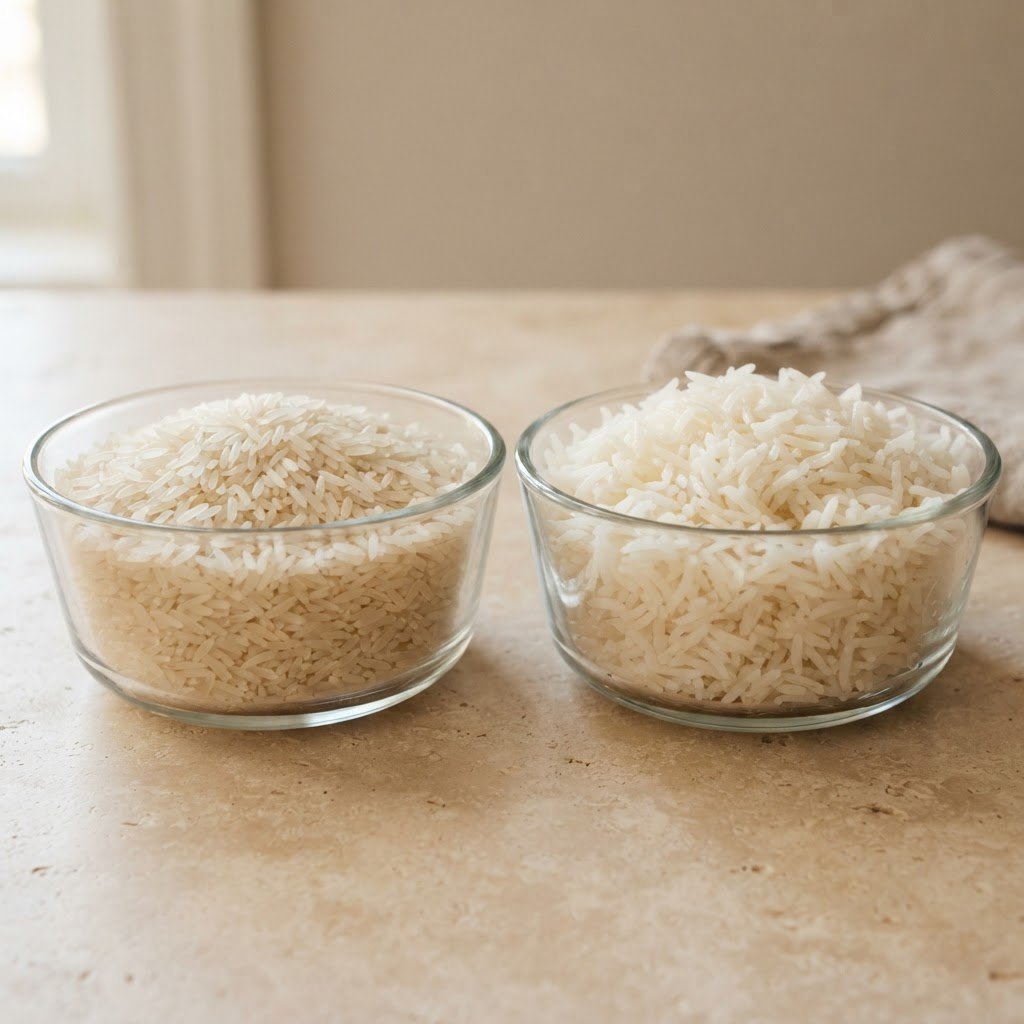
PK-386 long grain rice raw grains beside cooked grains showing the elongation

PK-386 White and PK-386 Sella

TEFT Global supplies PK-386 from mills in Pakistan, held in stock in Qatar and shipped by the container to buyers across the Gulf, Africa, Asia and Europe.
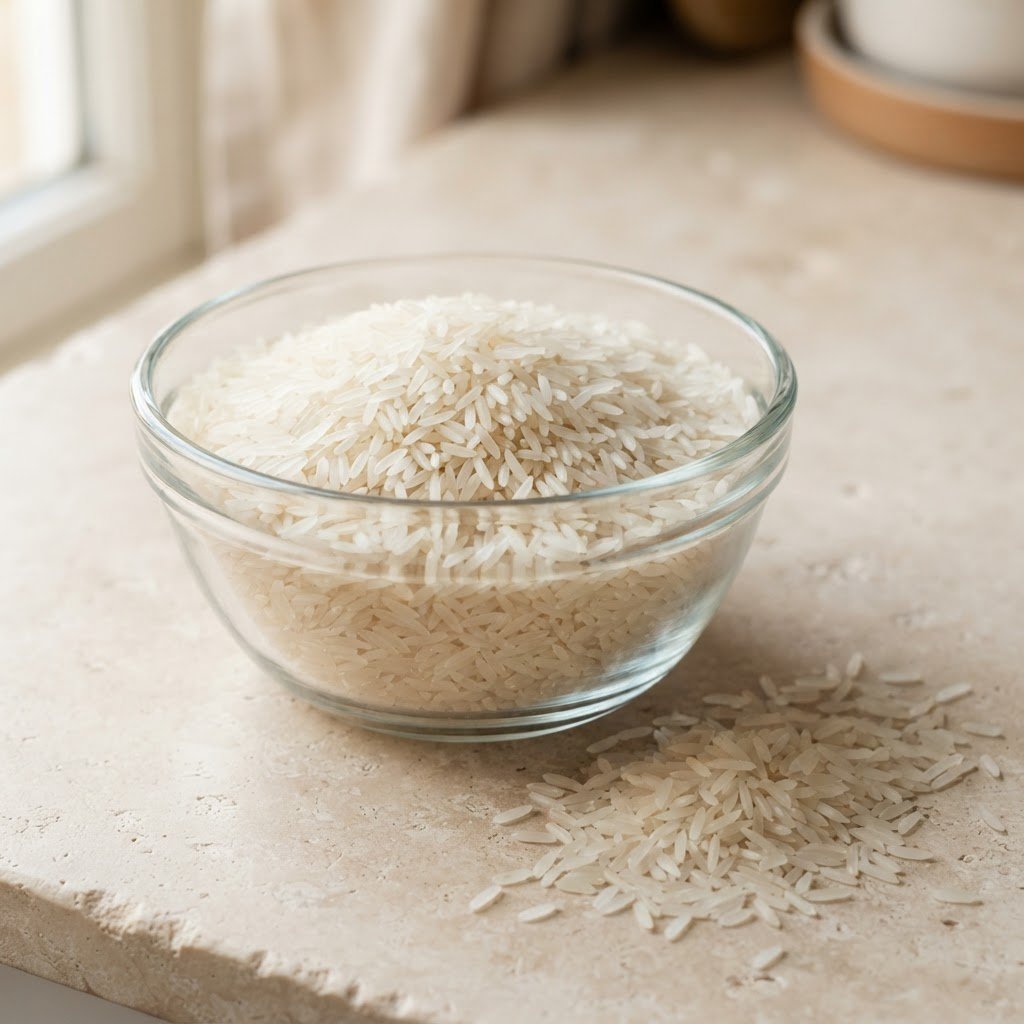
What Is PK-386 Long Grain Rice?

A Non-Basmati Grain That Cooks Like One

PK-386 is a long grain rice variety grown in Punjab and Sindh in Pakistan. It is not basmati, and it should never be sold as basmati. It is grown, milled and traded on its own name.

What makes it worth buying is what it does in the pot. Most long grain rice swells sideways when you cook it. PK-386 stretches lengthways instead, from around 6.8mm raw to roughly double that cooked. On the plate that reads as a long, slim, separate grain, which is exactly what a basmati buyer is looking at.

What it does not have is the smell. Basmati is aromatic. PK-386 is not, and that is the honest difference between the two. Buyers who need the aroma buy basmati. Buyers who need the look buy PK-386 and keep the difference.

The same grain gets sold two completely different ways. In the Gulf it feeds camps, canteens and mid-market kitchens, and sits on cash and carry shelves in 5kg and 10kg bags. In East Africa and West Africa it is a step up from local rice, the grade bought for a wedding or a feast rather than a Tuesday. Same rice, two different arguments.

OUR GRADES

PK-386 White Rice, Sella and Broken Grades

Three Ways the Same Grain Is Sold

PK-386 leaves the mill in more than one form, and the form decides both the price and the kitchen it suits. These are the grades TEFT Global supplies. If you already know the one you buy, say so and we will price it. If you are not sure, tell us what you cook or who you sell to and we will tell you which one fits.

PK-386 White Rice

The plain milled grain: white, polished, nothing done to it before milling. This is the grade the market means when it just says PK-386, and it is what most first enquiries ask for by name. It cooks quickly, stays separate and does the basmati-lookalike job at its cheapest. Best for retail packs, cash and carry, repackers and everyday household cooking.
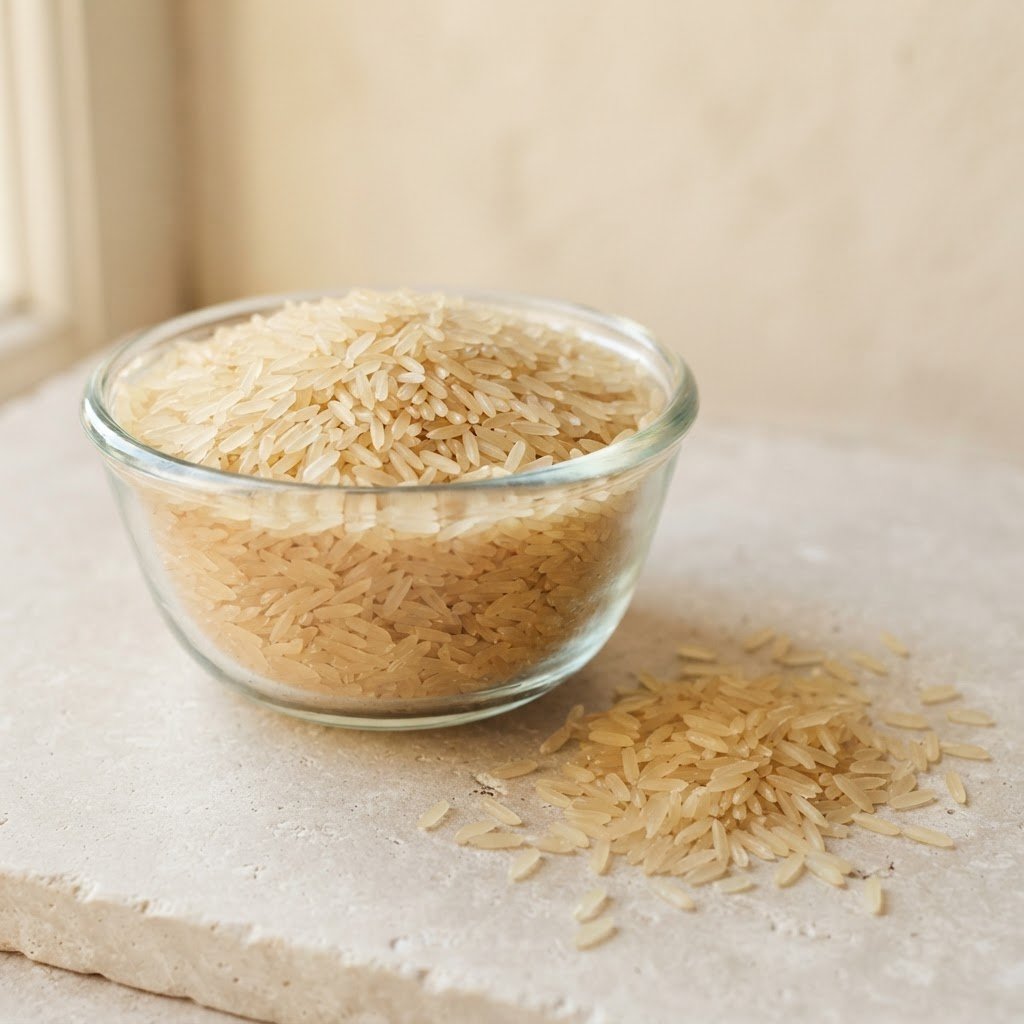
PK-386 sella parboiled rice, pale golden long grains in a clear glass bowl

PK-386 Sella (Parboiled)

Before the husk comes off, the mill soaks the rice, steams it and dries it again. That part-cooks the grain while it is still inside its own husk and makes it much harder. Sella and parboiled mean the same thing. A sella grain holds its shape in a big pot and does not go soft sitting in a warm tray, which is why camp kitchens, canteens and caterers buy it. Somalia and much of East Africa buy PK-386 specifically in this grade.
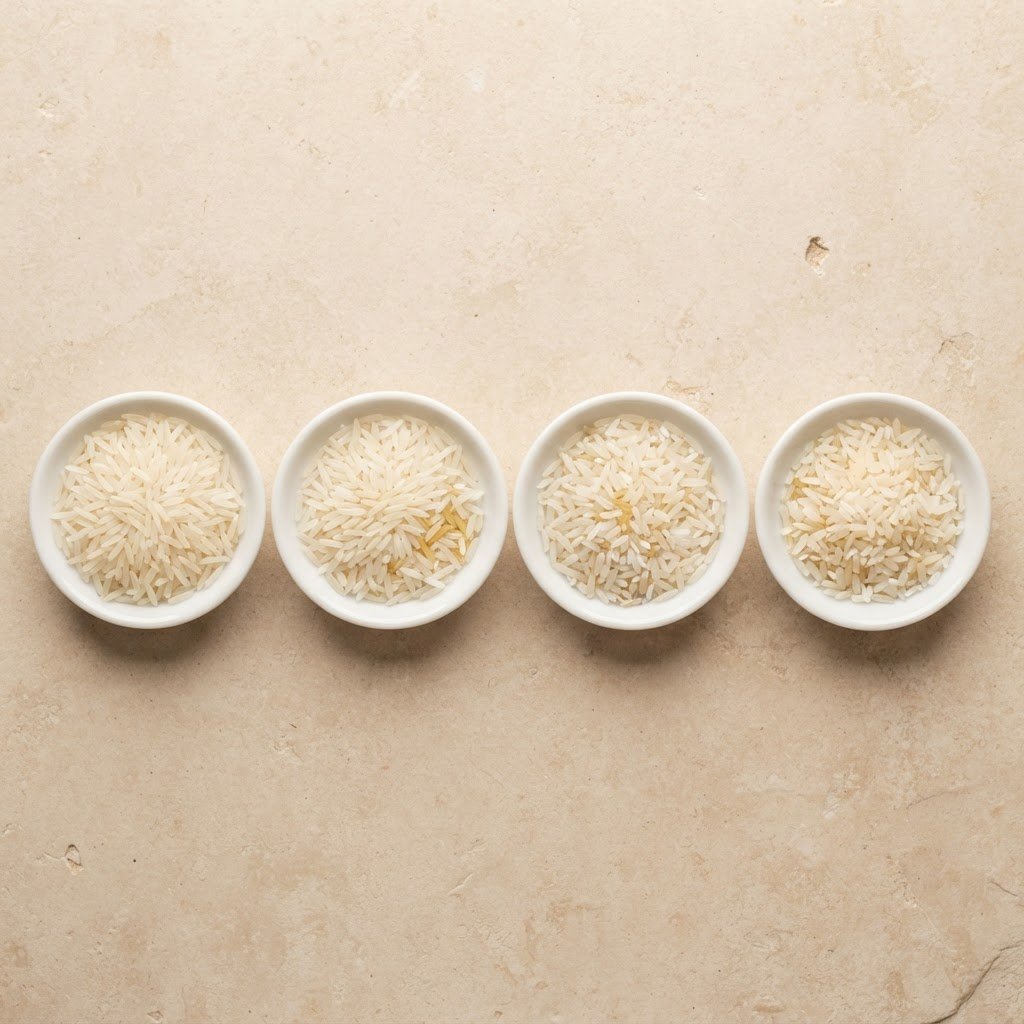
Four sample dishes of PK-386 rice showing one, five, fifteen and twenty five per cent broken grades

PK-386 Broken Grades, 1% to 25%

Every mill run produces some broken grains, and the percentage you accept is a price decision, not an accident. 1% is the premium grade, where almost every grain in the bag is whole. 5% is the common export standard. 15% and 25% are where the value trade sits, and they cook perfectly well when the rice is going into a mixed dish. Tell us the percentage you buy and we will quote it. Never accept a contract that does not state one.
PRODUCT SPECIFICATION

PK-386 Long Grain Rice Specification

What You Are Buying, in Numbers

These are the standard trade figures for PK-386 as it is milled and exported from Pakistan. Every container we ship carries its own test sheet from the mill laboratory showing what your rice actually measured. If you need tighter numbers than the standard, tell us before you order and we will say whether the mills can hit them.

  • Variety: PK-386 Long Grain (Non-Basmati)
  • Origin: Punjab and Sindh, Pakistan
  • Grain Type: Long Grain, Non-Basmati, Non-Aromatic
  • Average Grain Length: 6.8 mm min
  • Cooked Length: Roughly 10 to 12 mm
  • Aroma: None. PK-386 Is a Non-Aromatic Variety
  • Moisture Content: 14% max
  • Broken Grain: 1%, 5%, 15% or 25%, to Your Order
  • Polishing: Double or Silky Polished
  • Sortex: Colour Sortexed
  • Grades Available: White, Sella (Parboiled), Creamy Sella
  • Crop: Current Crop Or Aged, Subject To Availability
  • Packaging: 5, 10, 20, 25, 35, 40, 50 Kg — Or Your Specification
  • Private Label: Available
  • Export Markets: Qatar, GCC, East and West Africa, Asia, Europe

On grain length. Some suppliers publish 7.2mm and above for PK-386. The figure Pakistani mills generally certify is 6.8mm, with some crops running a little longer. We publish the number the mills will stand behind on a test sheet, because a length in a brochure that the laboratory does not support is the fastest way to lose a buyer on his second order.

On aroma. PK-386 is not aromatic. That is not a shortcoming, it is the definition of the grade: this is a rice bought for length and appearance at a price aroma would ruin. If your customer needs the smell of basmati, you need basmati, and we sell that too.

On checking. You do not have to take our word for any of it. Independent inspection before the rice leaves Pakistan is normal, it is often required by the destination country, and it is done at your instruction. 

You can also have the rice checked by an independent company at the loading port. SGS, Cotecna, Eurofins and Bureau Veritas all do this. They check quality, weight and quantity before the container sails.

WHY PK-386

Why Buyers Choose PK-386 Long Grain Rice

Four Reasons It Keeps Getting Reordered

PK-386 is not the cheapest rice in the market and it is not trying to be. It sits deliberately between coarse long grain and basmati, and buyers keep coming back to it for four reasons.

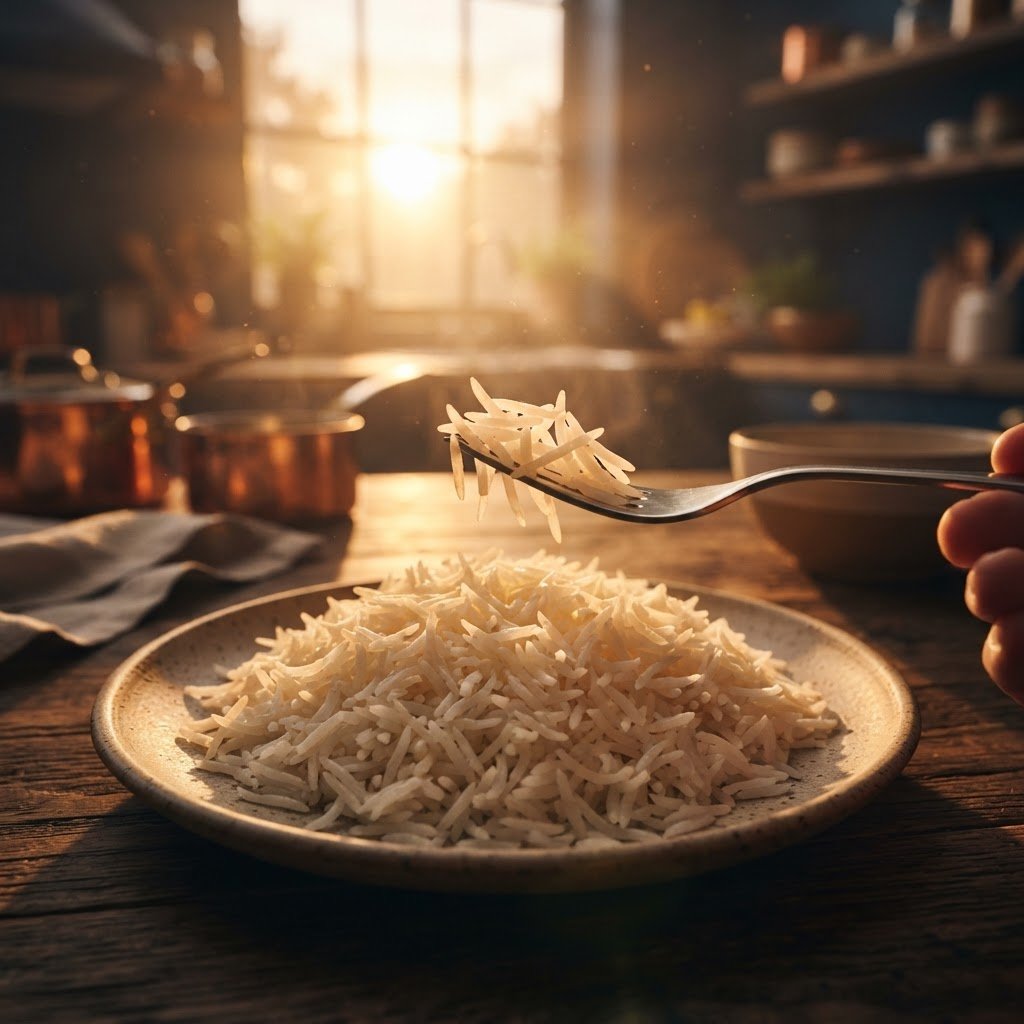
A plated serving of PK-386 long grain rice showing long separate cooked grains

It Looks Like Basmati on the Plate

The PK-386 grain elongates rather than swelling. Cooked, it is long, slim and separate, and it presents like a premium rice. If you sell rice by the bowl or by the bag, appearance is most of what your customer judges before the first mouthful.
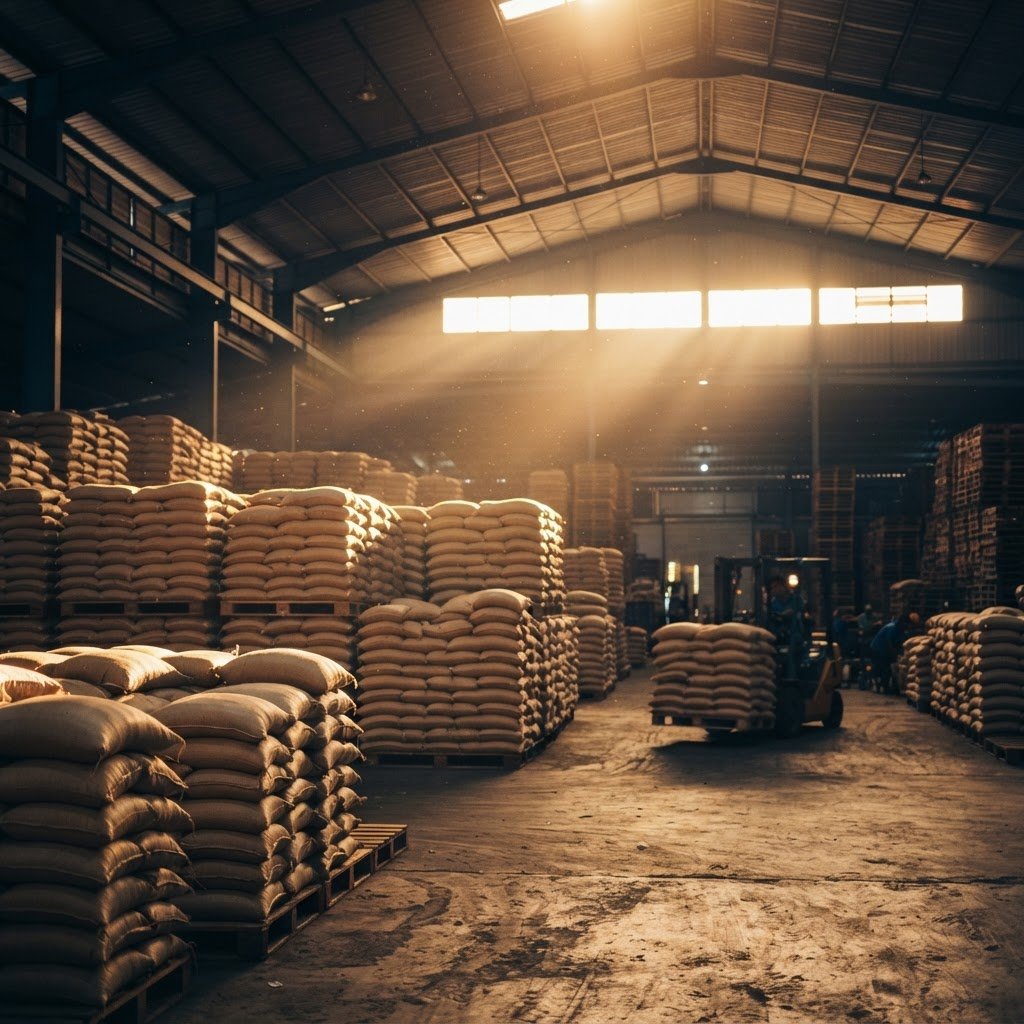
Stacked bulk sacks of PK-386 long grain rice in a distribution warehouse

The Cost Works at Scale Brilliantly

Feeding several hundred people a day, or holding a retail price point against the shop across the road, is arithmetic. PK-386 lets you serve or sell something that looks like premium rice without paying the basmati price on every kilo. That gap is the entire reason the grade exists.
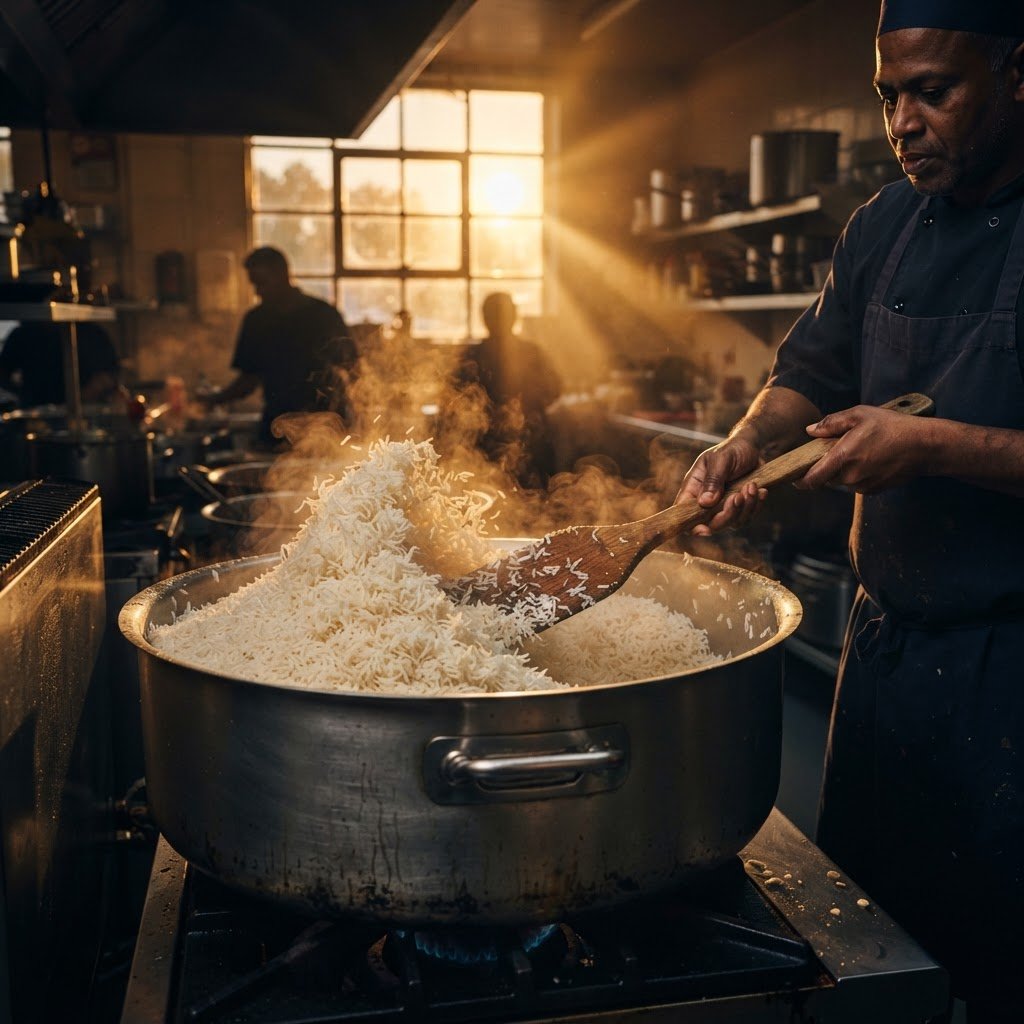
PK-386 long grain rice cooked in a large catering pot, grains staying separate

It Does Not Turn to Paste

PK-386 is non-sticky. Cooked properly the grains stay apart rather than clumping, which matters when the rice is going into a biryani, a jollof, a pilau or a plain side that has to sit in a tray and still look right an hour later. In sella it holds harder and longer again.

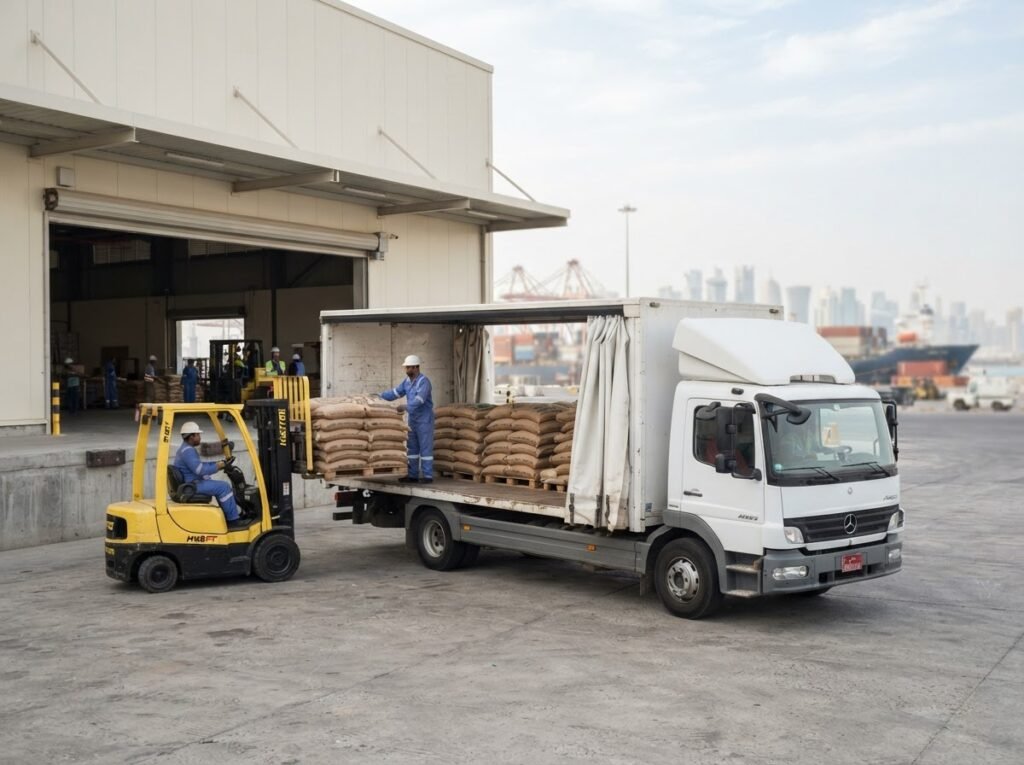
Shipping containers of Pakistani long grain rice being handled at a port

Supply Is Deep, Not Niche

Pakistan is now among the world's three largest rice exporters, and PK-386 is one of its mainstream export grades rather than a specialty line that vanishes when the crop is short. That matters if you are building a listing around it. You can plan a year of orders on this grain and expect it to be there.
WHO WE SUPPLY

Who Buys PK-386 Long Grain Rice

Six Kinds of Buyer, One Grain

PK-386 sells to very different buyers who are all looking at the same grain from different angles. These are the six we supply most often. If you recognise yourself here, we already know roughly what you need before you write.

Labour Accommodation and Camp Catering

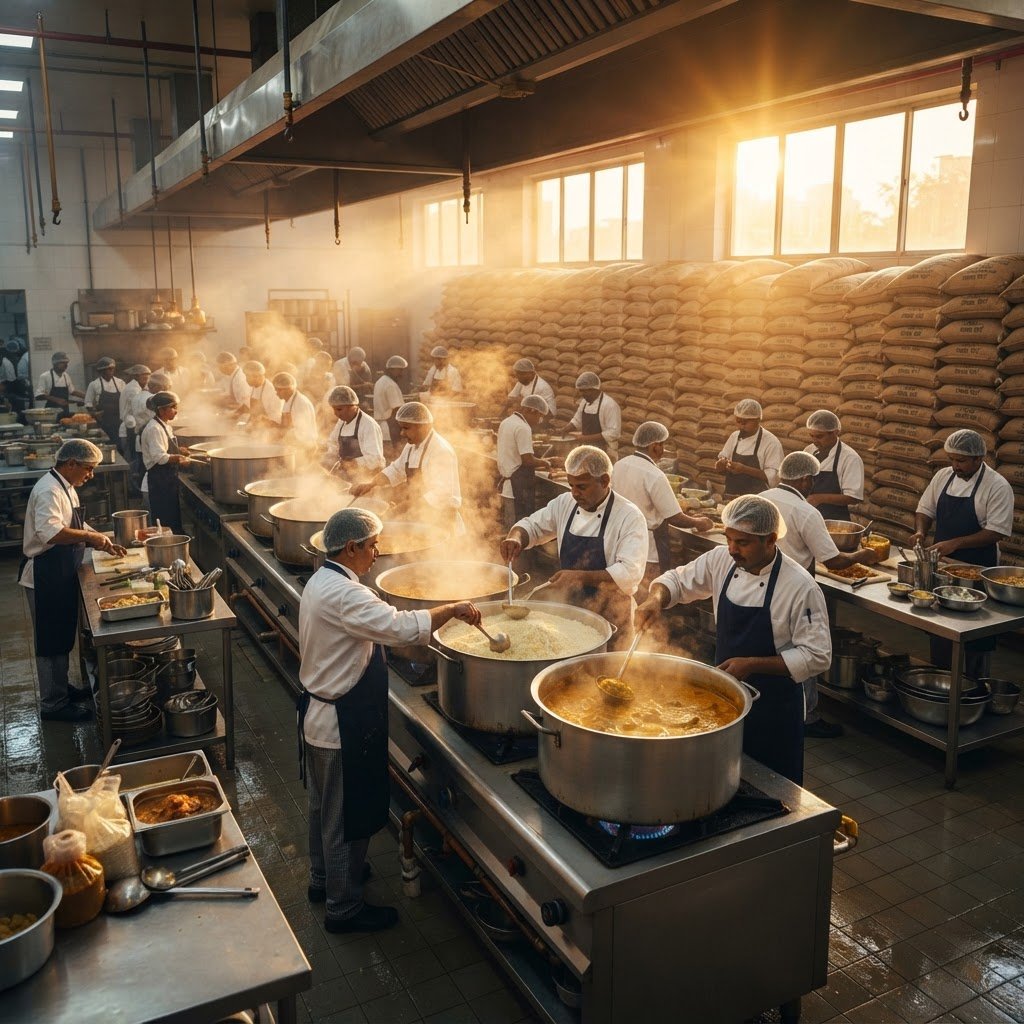
Feeding several hundred people a day at the lowest cost that passes inspection. Bought in 25kg, 40kg and 50kg sacks, usually sella, on a repeating monthly order. This is the largest single use of PK-386 in the Gulf, and it runs on bulk rice supply.

A busy mid-market South Asian restaurant kitchen cooking long grain rice

Mid-Market Restaurants

Pakistani, Indian, Bangladeshi and Filipino kitchens, where a long white grain on the plate matters and basmati pricing does not work on the menu. Bought in 25kg and 40kg sacks, white or sella by dish. The same grade we run for hospitality supply.

An institutional canteen serving line with long grain rice in warm trays

Contract and Institutional Catering

Schools, hospitals, workforce canteens and government contracts, buying to a written specification at a fixed price. They need the same grain, at the same broken percentage, every month, with the paperwork behind it. This is core food service supply.
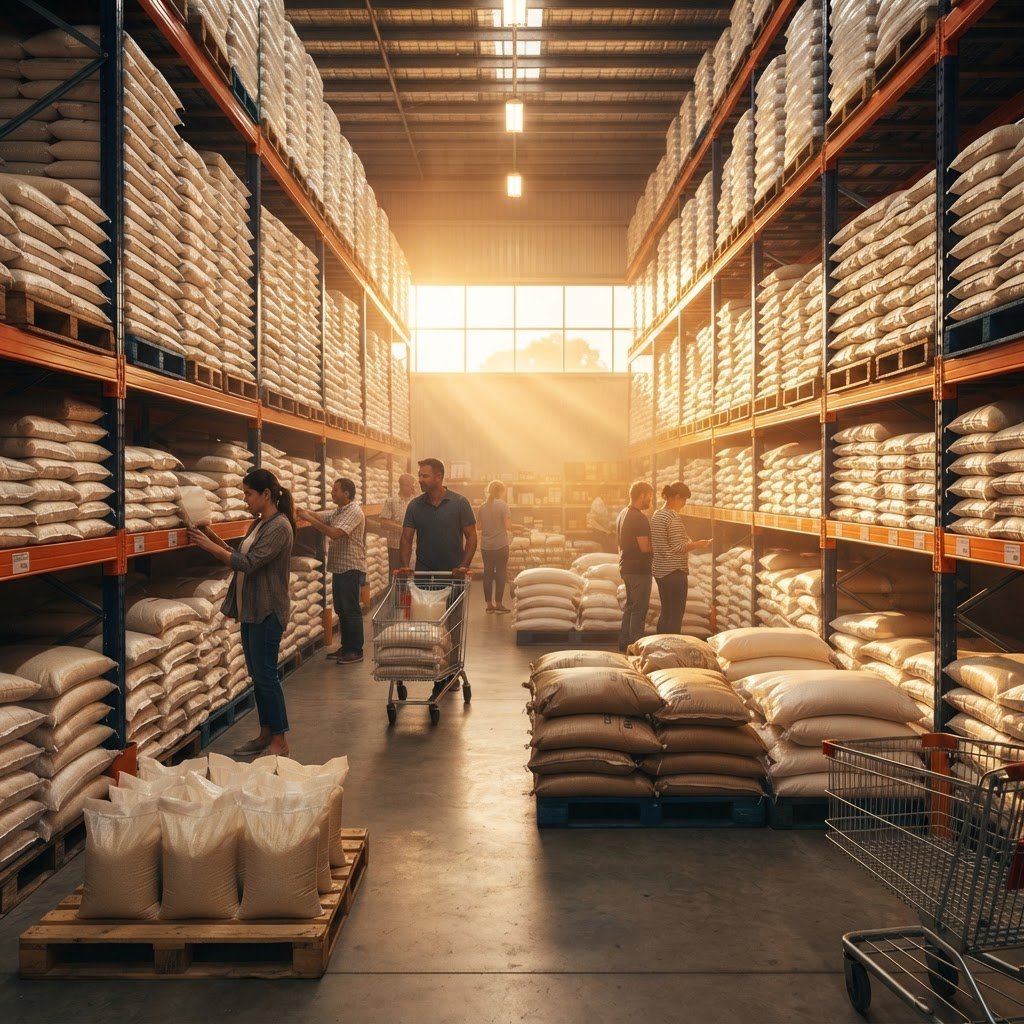
Retail bags of long grain rice stacked on a cash and carry aisle shelf

Cash and Carry, Grocery and Hypermarket

Supermarket, grocery and cash and carry shelf, in 5kg and 10kg bags. With a large South Asian expatriate population, PK-386 white rice is a household staple rather than a specialty line, and it turns over. See the full rice catalogue for the range.

A rice repacking line filling smaller retail bags from bulk

Repackers and Private Label Buyers

Buying PK-386 white or sella in 50kg bulk and packing it down into their own 5kg and 10kg retail bags. We supply the rice, and if you want your own artwork on the bag we handle the printing and the filling. See how private label rice supply works.
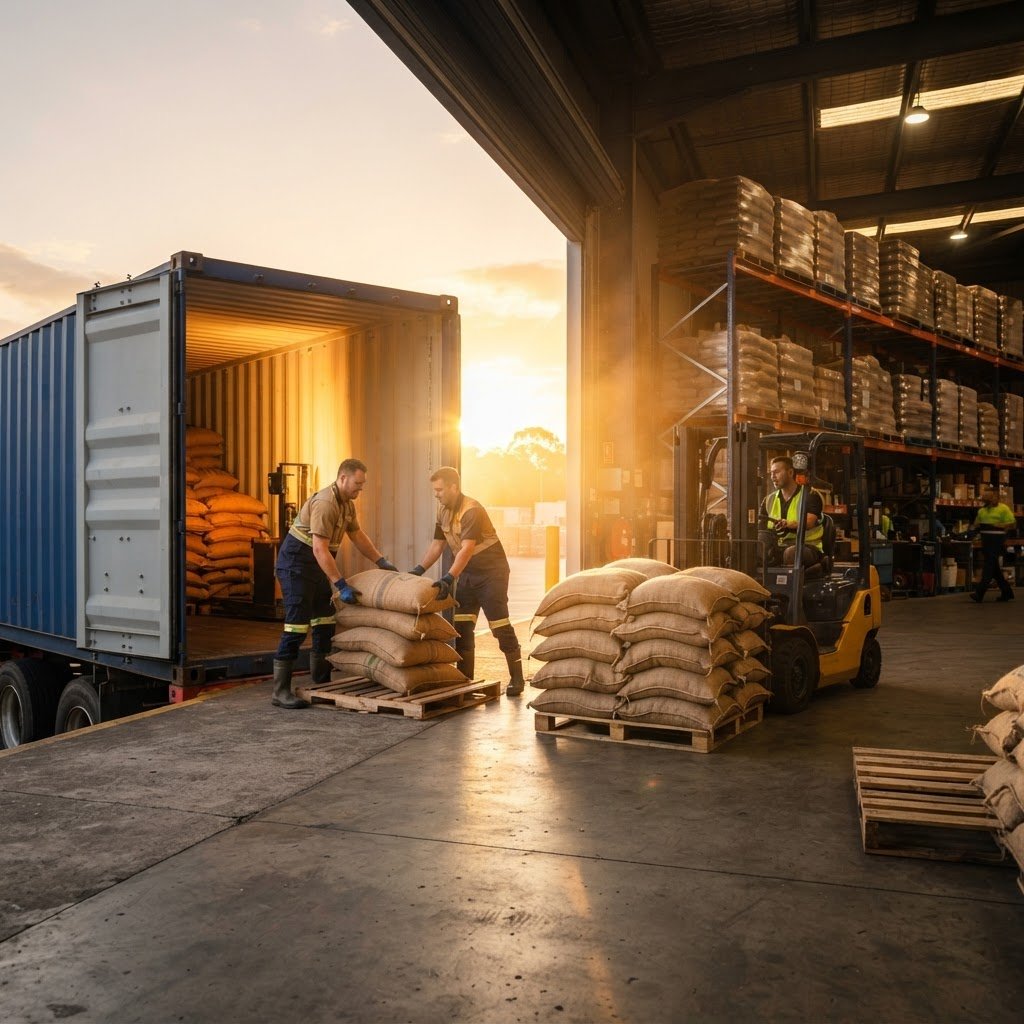
Importers and Distributors Overseas

Buyers in Africa, Asia and Europe taking full containers into their own market and selling on. We deliver to your port with the freight paid, or to your door in the countries where we hold our own clearance, and say which applies before you order.

MARKETS

Where We Supply PK-386 Long Grain Rice

The Gulf (GCC), East and West Africa, Asia and Europe

PK-386 is not a regional grain. It moves out of Pakistan into the Gulf, East and West Africa, Asia and Europe, and buyers in each of those markets want something slightly different from it. Here is where we supply, and what tends to be bought where.

Doha waterfront skyline at golden hour, the Qatar and GCC market for PK-386 long grain rice

Qatar & the GCC

We hold PK-386 white and sella at Birkat Al Awamer Logistics Park in Al Wakra, so a Qatar buyer takes a pallet or a part load rather than a container, priced in riyals, with nothing to clear. PK-386 Sella in 40kg and 50kg feeds the camps and canteens, PK-386 white in 25kg goes to mid-market kitchens, and 5kg and 10kg go to the shelf. Into Saudi Arabia, the UAE, Oman, Kuwait and Bahrain we deliver to your port with the freight paid, or to your door where we hold our own clearance.

East African coastal port city at sunset, the Mombasa and Dar es Salaam market for PK-386 rice

East Africa

PK-386 moves through Mombasa and Dar es Salaam in serious volume, onward into Uganda, South Sudan and the DRC, and Kenya and Tanzania are two of Pakistan's largest rice destinations. Somalia buys it specifically as sella. Madagascar takes PK-386 as white. Most of it goes in 25kg and 50kg, and a Certificate of Conformity is required before customs will release the container. Tell us the destination, the grade and the broken percentage, and we will say whether it goes to your port or your door.

West African port city skyline at sunset, the Lagos and Abidjan market for PK-386 long grain rice

West Africa

Nigeria, Ghana, Ivory Coast, Benin, Togo, Senegal, Guinea-Bissau, Mauritania and the Gambia all take PK-386, and Cotonou and Lome feed a far larger market inland. PK-386 white rice dominates here and it is sold on appearance, so the broken percentage and the print on the bag carry more of the sale than in any other market we ship to. 5kg, 10kg and 25kg printed, or 50kg plain for bulk breakers.

Southeast Asian harbour city skyline at dusk, the Asian market for PK-386 long grain rice

Asia

China, Indonesia, Malaysia and the Philippines buy PK-386 as non-basmati white rice at tender scale, and Pakistan filled much of the gap India left in this grade. It goes in as a household staple and as a repacking grade feeding local brands. Container quantities, 25kg and 50kg plain bags, 5% broken, always against a written specification and a fixed delivery window.

London skyline at sunset over the Thames, the UK and European market for PK-386 rice

The United Kingdom and Europe

The United Kingdom is the main market, with the Netherlands, Germany, France, Italy and Spain taking volume through Rotterdam and Antwerp. PK-386 white sells on the ethnic grocery and budget shelf in 5kg and 10kg, beside basmati at a lower price, bought for how it looks in the bag and on the plate. European buyers ask harder questions about pesticide residues and documentation than any other market, and we answer them in writing before you order.
PACKING

PK-386 Rice in 5kg, 10kg, 25kg and 50kg Bags

Which Pack Goes to Which Market

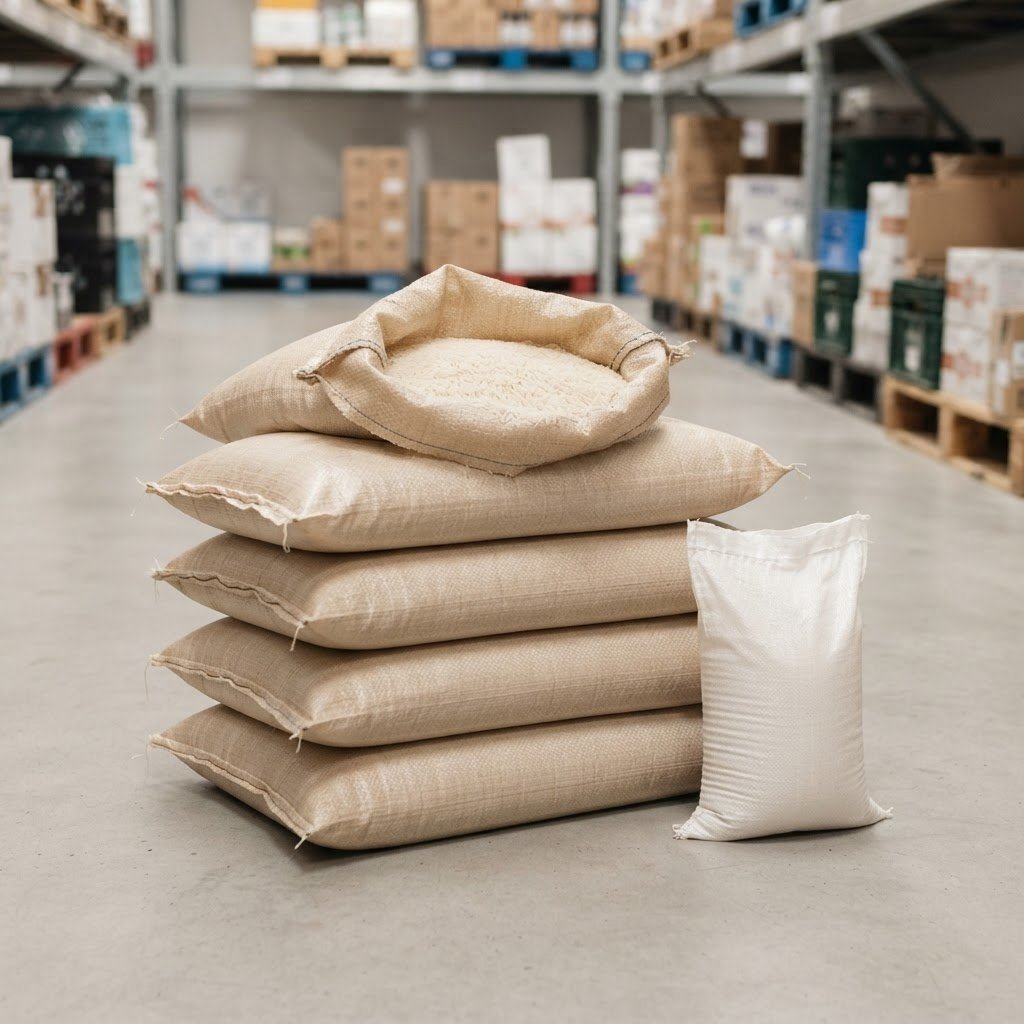
The pack is not an afterthought on this grade. PK-386 goes onto a grocery shelf and into a camp kitchen out of the same container, and those are entirely different bags. Which one you need follows from the grade and the market: PK-386 sella in big sacks, PK-386 white in retail packs, printed wherever the bag helps sell the rice. Tell us the size, the bag type and the destination and the price we send back will be the real one.

PK-386 long grain rice in stacked 5kg and 10kg retail bags

PK-386 in 5kg and 10kg Retail Bags

The retail end, and where PK-386 white does most of its work. 10kg is the workhorse for grocery, cash and carry and repackers, and the size most first enquiries name. 5kg suits the UK and European shelf. PP woven or BOPP laminate, plain or printed.
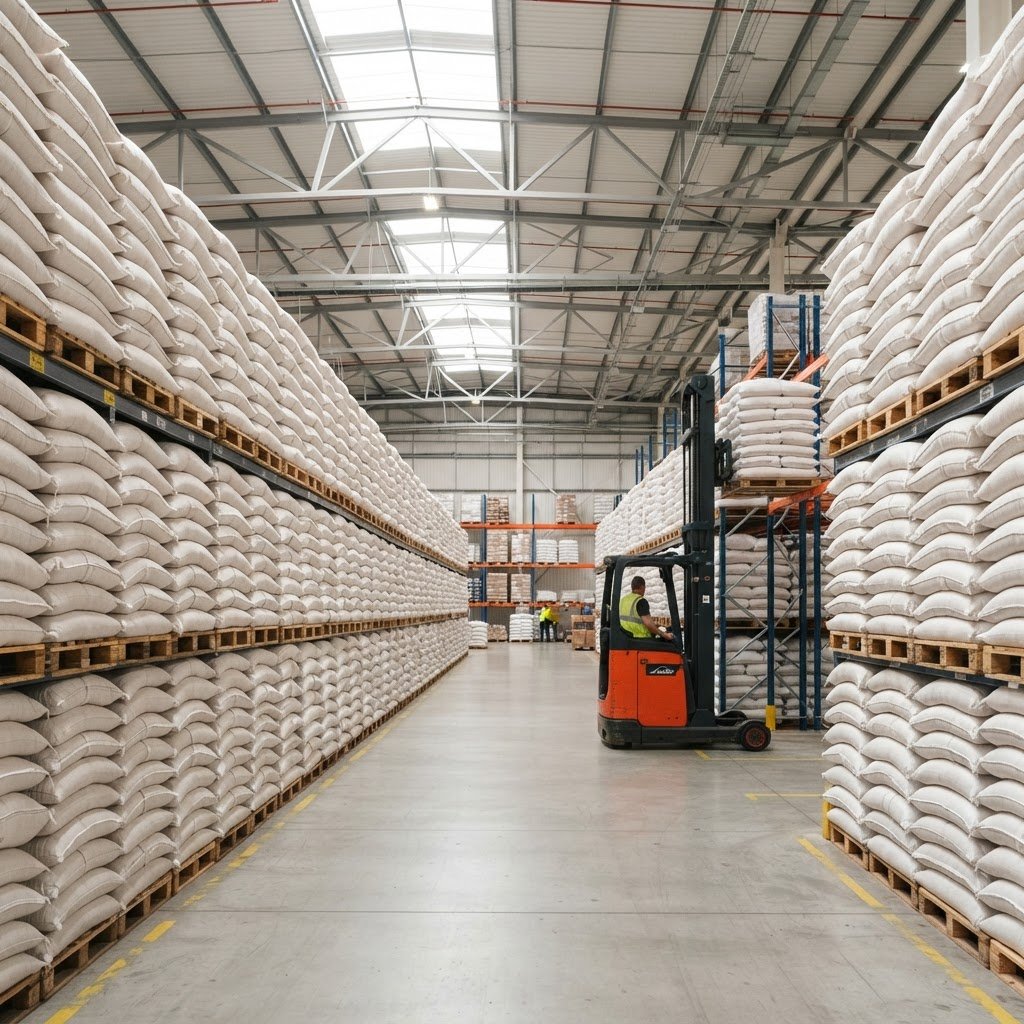
PK-386 long grain rice in 50kg woven sacks palletised in a distribution warehouse

PK-386 in 25kg, 40kg and 50kg Sacks

The catering and bulk end. PK-386 sella in 40kg and 50kg is what labour camps and canteens buy month after month, and white in 25kg goes to mid-market restaurant kitchens. 50kg plain is how repackers and bulk breakers take it. In PP woven or jute.
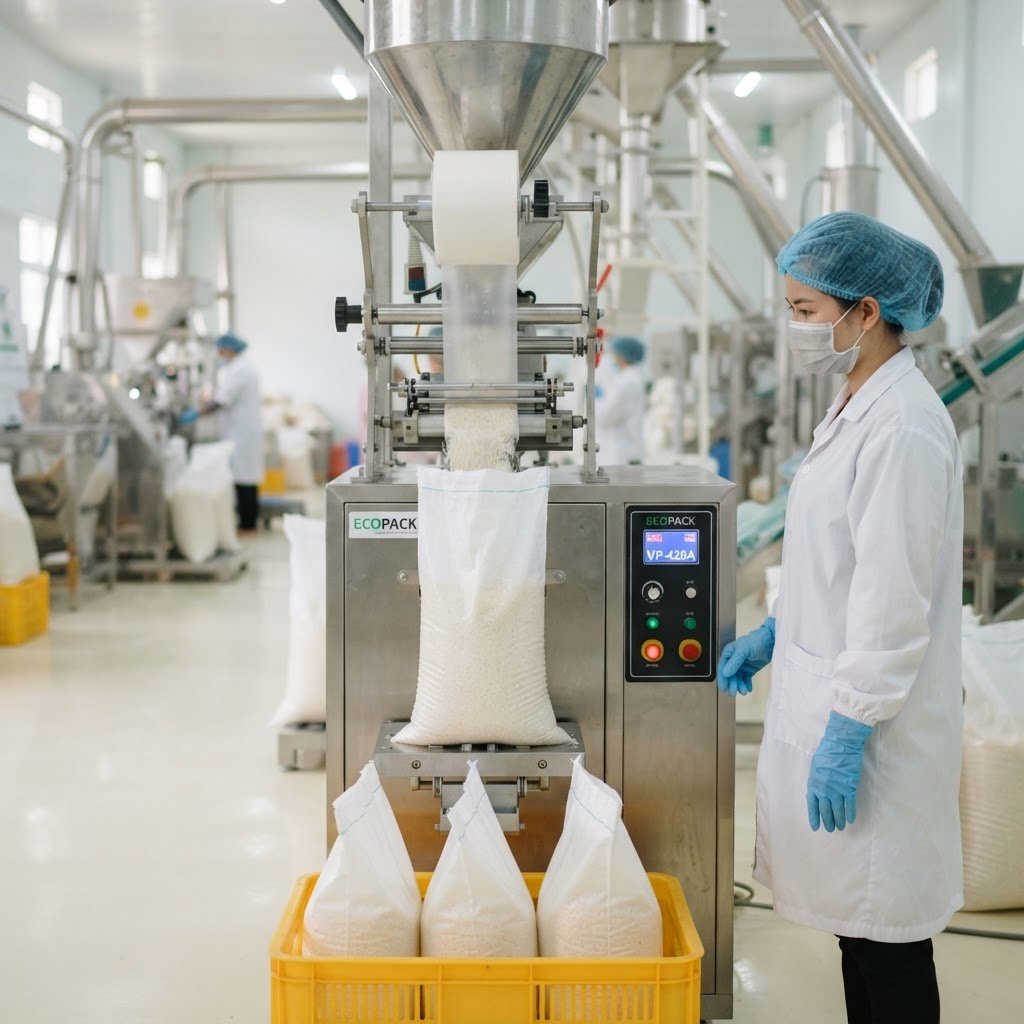
Rice bags being filled and sealed on a mill packing line

Printed Bags for PK-386

In West Africa the print on the bag carries a good part of the sale, because PK-386 is bought on appearance there. Send your artwork and we print and fill at the mill. 500 tonnes in 10kg is fifty thousand bags, so bring it to the first conversation.
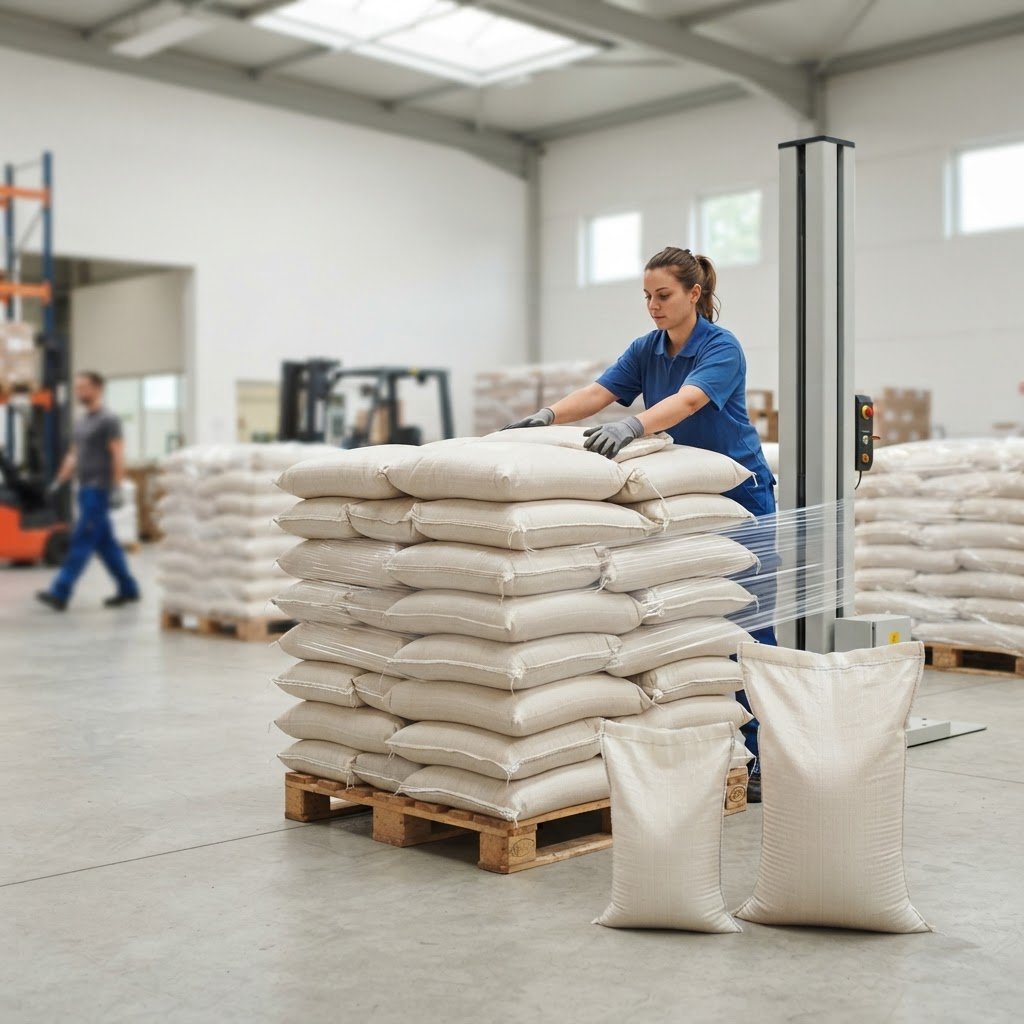
Finished plain rice bags palletised and wrapped for a private label order

PK-386 Under Your Own Brand

We pack PK-386 white and sella under buyers' own brands, from the bag design through to the barcode. Common with Gulf repackers and with African and Asian importers building a local rice brand rather than reselling ours. See private label rice supply.
QUALITY AND DOCUMENTS

PK-386 Rice Quality, Inspection and Certificate of Conformity

What We Check Before Your PK-386 Ships

Every container of PK-386 is tested at the mill before it loads, and the test sheet travels with it. Here is what we check, what your country will ask for at the border, and how you can check it yourself.

Four figures matter most on this grade, and they are the four we hold the mills to:

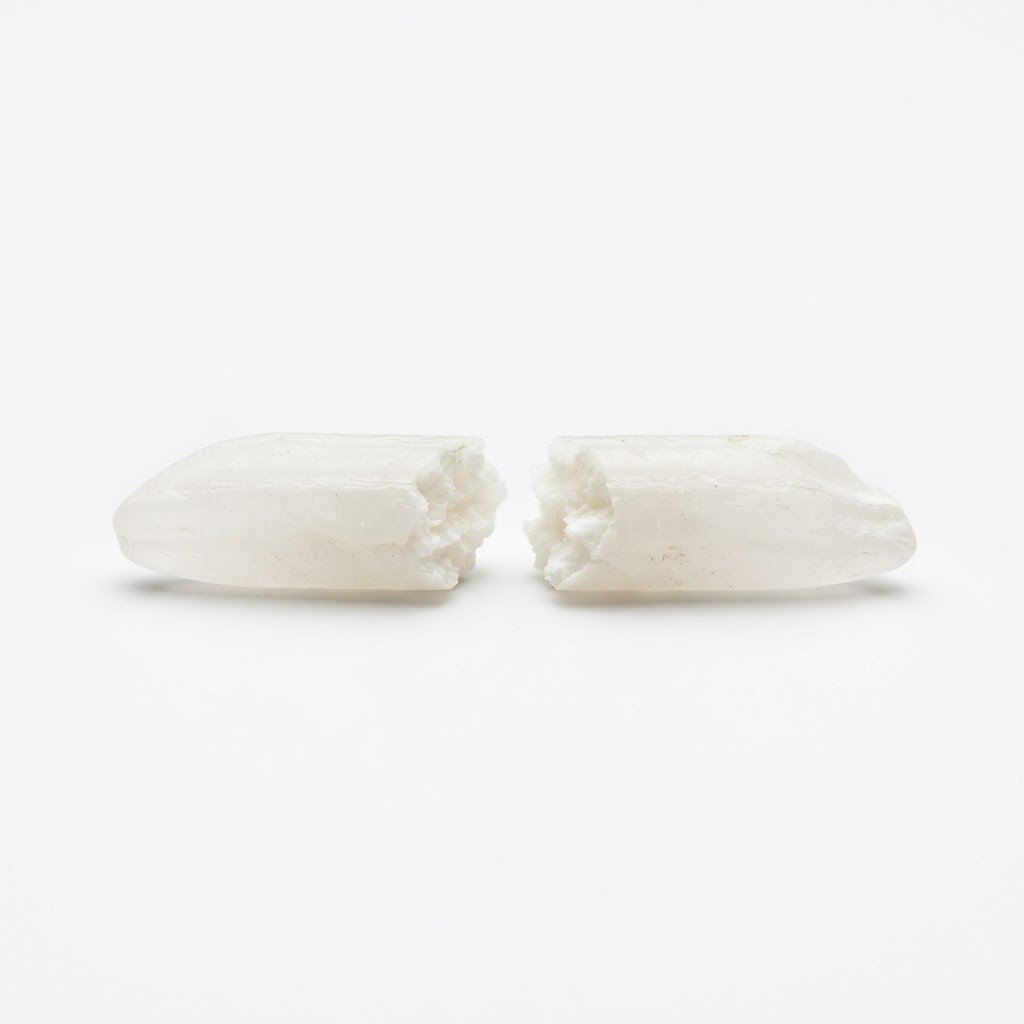
A single broken grain of PK-386 long grain rice, magnified

1, 5, 15 or 25%

The PK-386 broken grain, to the percentage you ordered. The single biggest lever on your price, so it goes on the contract.
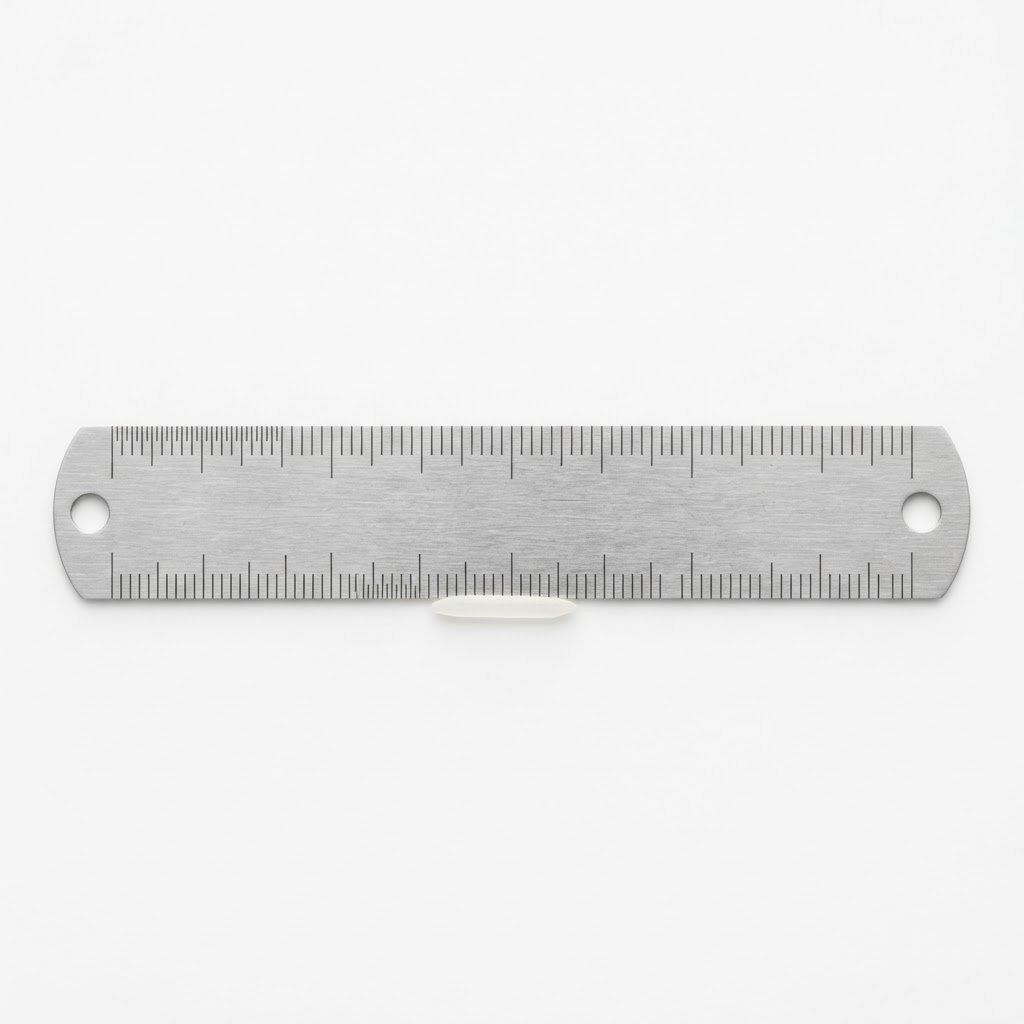
A stainless steel ruler measuring the length of a single PK-386 rice grain

6.8mm minimum

Average grain length. Length is the whole proposition of PK-386, so we publish what the mill will certify.
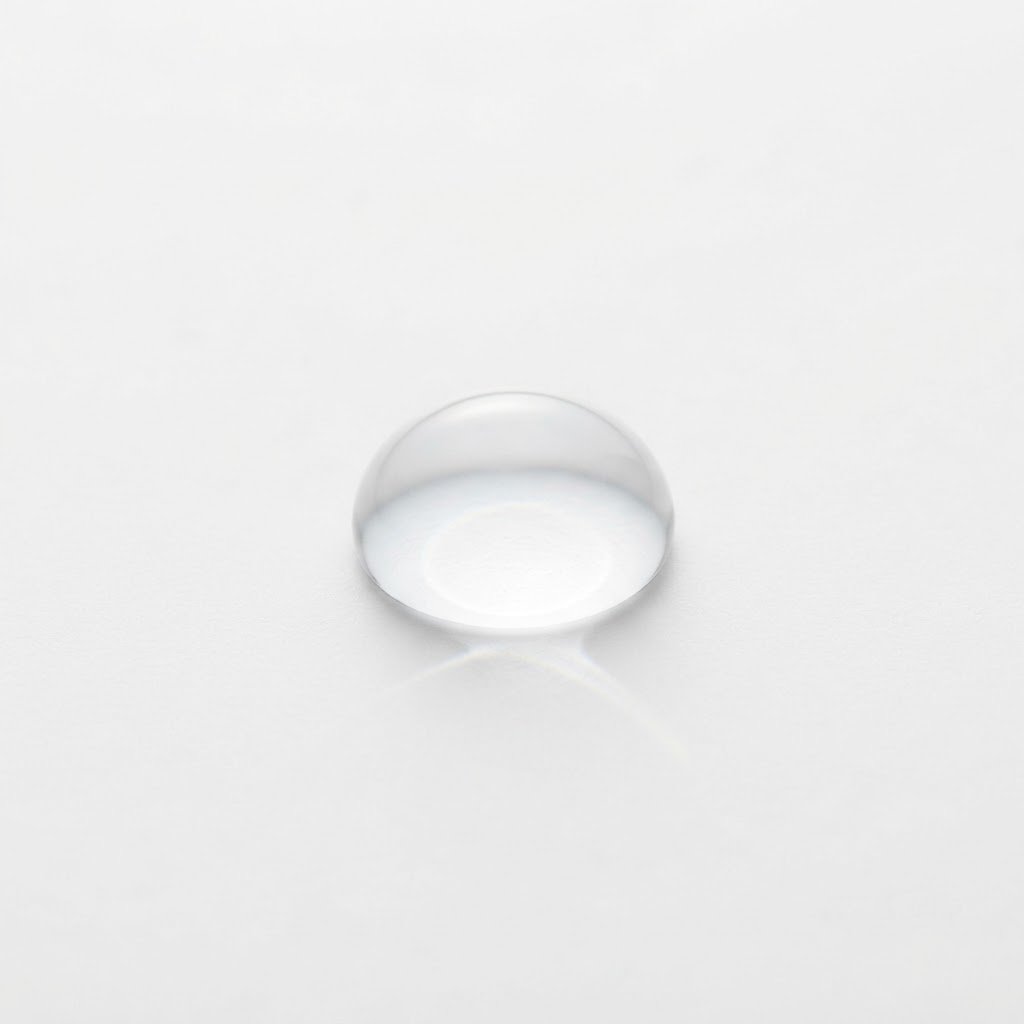
A single water droplet representing the moisture limit on PK-386 rice

14% maximum

Moisture content. Anything above this and the PK-386 rice spoils in your store long before you have sold it.
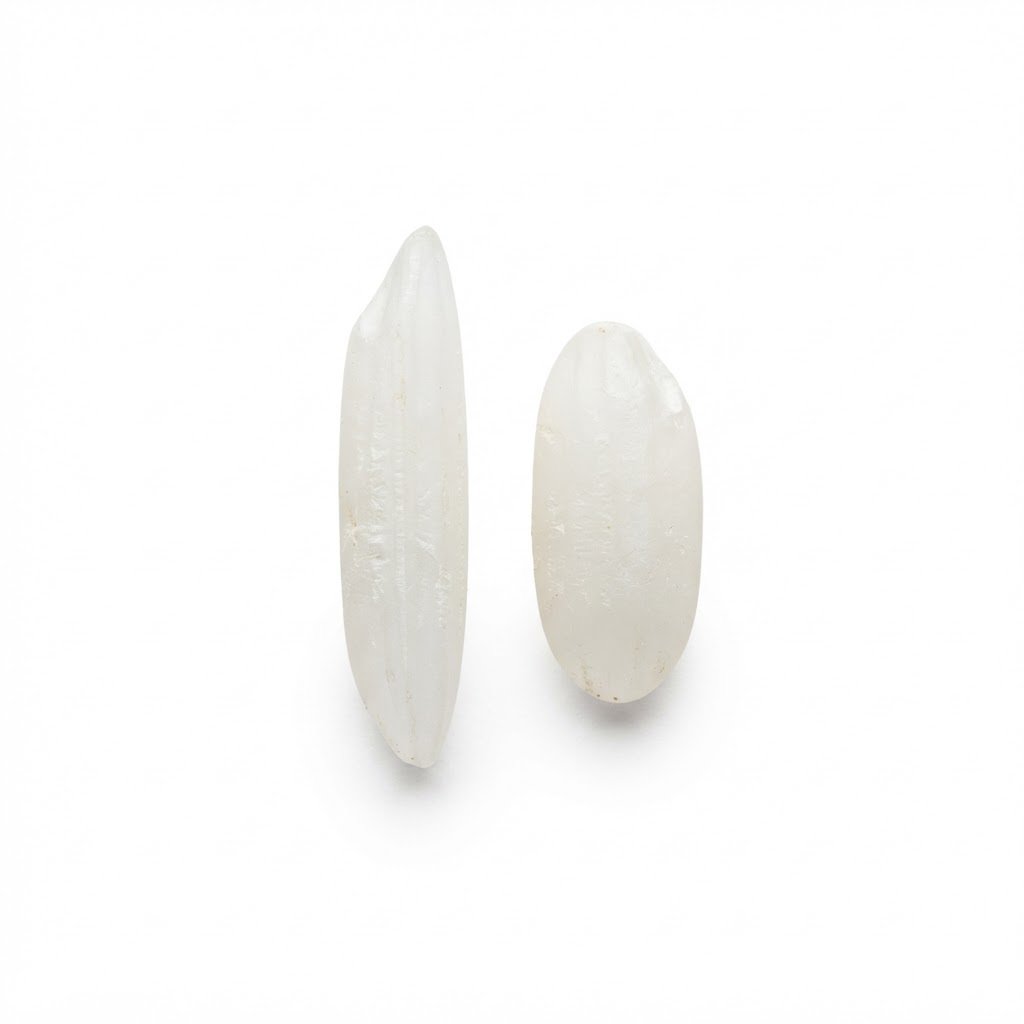
A single PK-386 rice grain beside a single IRRI-6 grain showing the difference in length

Every lot

Varietal purity, checked bag by bag. PK-386 costs more than IRRI-6 and the two look alike in the sack.
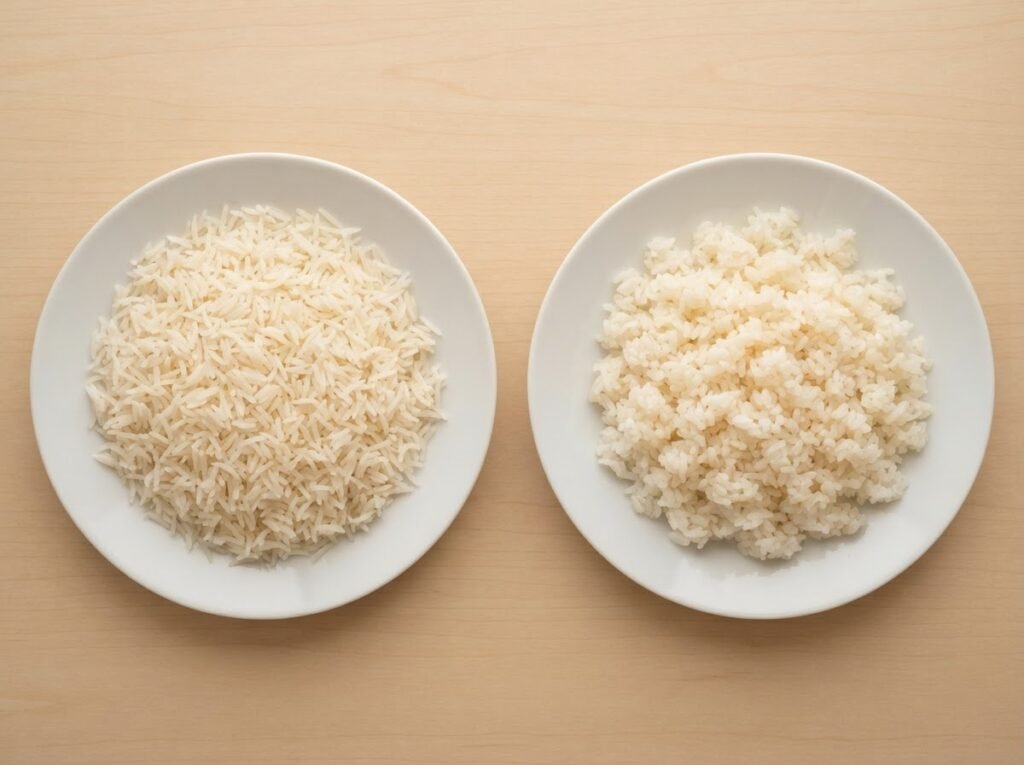

Cooked PK-386 long grain rice beside cooked IRRI-6 showing the difference in grain length

Purity matters more on PK-386 than on most grades.

PK-386 costs more than IRRI-6 and the two look alike in the bag, so it is an easy grade to water down. You would not see it on the shelf. You would see it in the pot, because IRRI-6 swells where PK-386 stretches, and the cooked grain comes out short and fat. We check every lot for purity and put the figure on the certificate of analysis.

Some countries will not release your container without a Certificate of Conformity. That is an inspection carried out in Pakistan before the ship sails, by an agency your own government appoints, confirming the rice meets your national standard. Kenya, Tanzania and Uganda all require one. So do Nigeria, Ghana, Ivory Coast and Cameroon, and Saudi Arabia runs its own version. We arrange it as part of the shipment. If it is missed, the rice waits at the port at your cost until it is sorted out, and that gets expensive quickly.

You can also appoint your own inspector to look at the rice before it loads.

SGS, Intertek, Bureau Veritas and Cotecna all work at Pakistani ports, and some of them are the same agencies appointed for the certificates above, so one visit can do both jobs. Their report goes to you, not to us. On a first order we would rather you did it.

The mills we work with operate to HACCP, ISO 22000, ISO 9001, FSSC 22000, GMP and Halal standards, and every container of PK-386 ships with a certificate of analysis, a phytosanitary certificate, a certificate of origin and a fumigation certificate. If your market needs something else on the file, tell us at enquiry stage and we will confirm it before you order rather than after.

A pre-shipment inspector drawing a sample from a sack of long grain rice at a port warehouse
HOW YOU BUY

How to Buy PK-386 Rice From TEFT Global

In Qatar, and Everywhere Else

Where you are decides how this works, and the difference is worth understanding before you ask for a price.

PK-386 long grain rice delivered from Qatar warehouse stock to a local buyer

In Qatar: PK-386 Delivered From Our Stock

We have already imported the PK-386, cleared it and stored it at Al Wakra, so you buy the way you buy from any local supplier: by the pallet or the part load, priced in riyals, delivered to your door. White or sella, 5kg to 50kg. No container commitment, no customs, no import documents, no letter of credit. If you run a kitchen, a shop or a catering operation here, this is the simple version.
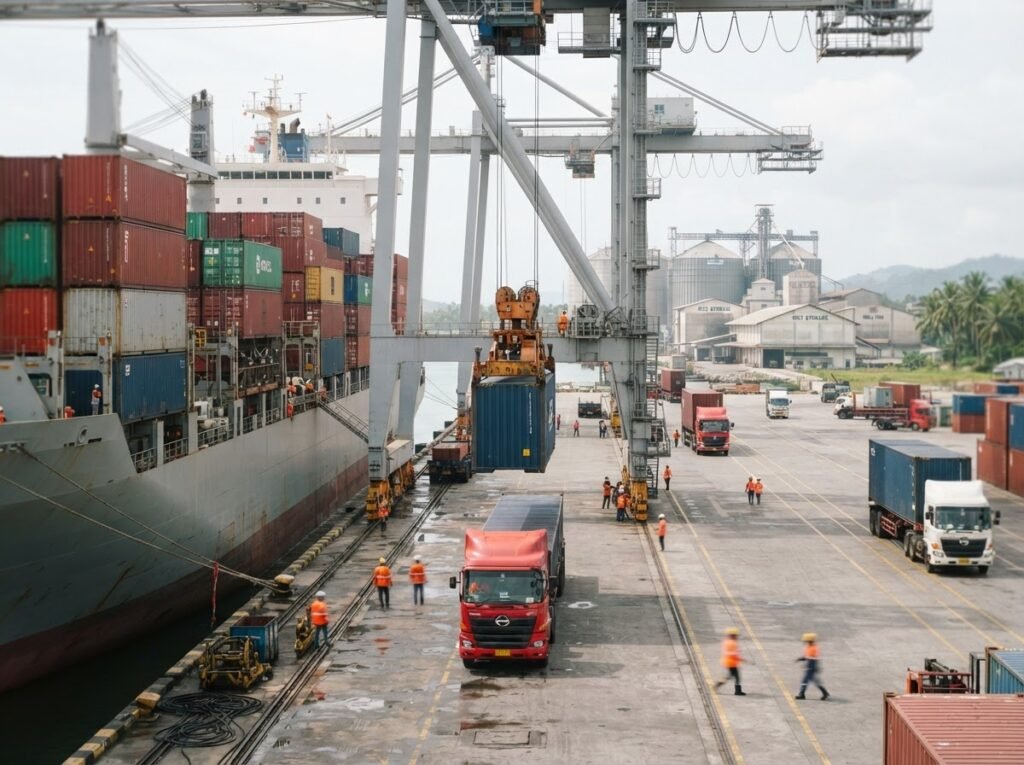
A container vessel arriving to discharge rice at a buyer's destination port

Outside Qatar: PK-386 by the Container

For buyers in other countries we ship PK-386 by the container, in 25kg and 50kg sacks or in printed retail bags. We deliver to your port with the freight paid, on CFR or CIF terms: CFR means the price includes getting the rice there, CIF means the same plus marine insurance on the way. Where we hold our own clearance we deliver to your door instead, and we say which applies before you order.

ORDERING PK-386

Samples, Lead Times and What to Send Us

Five Things That Turn an Enquiry Into a Price

Most first enquiries on PK-386 give us the grade, the tonnage and the pack size and nothing else. That is enough to start a conversation and not enough to quote. Here is what makes the difference, and if you send it all at once you will have a written offer inside a business day.

Step 1

PK-386 White or PK-386 Sella?

These are different products at different prices, and PK-386 on its own does not say which. White is the everyday retail and kitchen grade. Sella is parboiled, harder, and what the camps buy. Quoting the wrong one costs everybody a week.

Step 2

Name the PK-386 Broken Percentage

1%, 5%, 15% or 25%. On PK-386 this is one of the largest single levers on the price of a container, larger than most buyers expect. If you do not know which you want, tell us what the rice is for and we will recommend one and say why.

Step 3

Give Us the Destination and the Pack

The destination sets the freight, the certificates your customs will want, and whether we deliver to your port or to your door. The pack size, and whether the bags are plain or printed, sets the mill's lead time. A PK-386 price without both is not real.

Step 4

Ask for a PK-386 Sample First

We send PK-386 samples on any grade, and on a first order we would much rather you had one in your hand. Approve the sample against the container rather than the brochure, and keep a sealed retention sample of exactly what you approved.

Step 5

Give Us the PK-386 Timeline

A container of PK-386 from Pakistan is not a same-week decision, and printed bags add to it. Tell us when you need it landed and we will work backwards and say honestly whether it is possible, rather than take the order and disappoint you.

FREQUENTLY ASKED QUESTIONS

PK-386 Long Grain Rice: Buyer Questions

Nine Questions Buyers Ask Before Their First Order

These are the questions buyers ask us most often about PK-386, from what the grain actually is to which broken percentage to buy and which countries we ship it to. If yours is not here, ask us.

PK-386 is a long grain, non-basmati rice grown in Punjab and Sindh in Pakistan. It is not aromatic, but it elongates when cooked to roughly double its raw length, so it looks like basmati on the plate at a long grain price. It is supplied either white or as sella, which is the parboiled grade.

No. PK-386 is a non-basmati variety and should never be sold as basmati. What it shares with basmati is the long, slim, separate cooked grain. What it does not share is the aroma. That is the honest difference between them, and it is also why PK-386 costs less.

No. PK-386 is non-aromatic. Some suppliers describe it as having a mild natural aroma. The trade consensus, and our own position, is that it does not. If aroma matters to your customer, buy basmati.

Sella is parboiled. The rice is soaked, steamed and dried before the husk comes off, which part-cooks the grain and makes it much harder. White is milled straight, without that step. Sella holds its shape better in a big pot or a warm tray. White cooks faster and costs less. Both are the same variety.

1% is the premium grade, 5% is the common export standard, and 15% and 25% are the value grades. If the rice is going onto a retail shelf where the customer sees the grain, buy 1% or 5%. If it is going into a mixed or cooked dish at volume, 15% or 25% will do the job for less. Whichever you choose, put the percentage in the contract.

6.8mm is the figure Pakistani mills generally certify, with some crops running a little longer. Cooked, it stretches to roughly 10 to 12mm. Be careful with suppliers publishing much longer raw figures, and ask to see the number on the mill’s test sheet rather than in a brochure.

Yes, and it is one of the reasons the grade sells as well as it does. PK-386 is non-sticky, so the grains stay separate and a biryani layers properly instead of clumping. In sella it holds better again through the dum and through a reheat the next day. What it will not give you is the smell: PK-386 is not aromatic, so if your recipe leans on the scent of basmati you will need to build that with whole spice, stock or saffron.

5kg, 10kg, 20kg, 25kg, 40kg and 50kg, in PP woven, BOPP laminate or jute, plain or printed with your own artwork. 10kg is the most common retail and repacking size. 25kg to 50kg is what catering and camp kitchens buy.

We deliver from stock in Qatar and ship by the container everywhere else.

  • In the Gulf: Saudi Arabia, the UAE, Oman, Kuwait and Bahrain.
  • In East Africa: Kenya, Tanzania, Uganda, South Sudan, the DRC, Somalia and Madagascar, through Mombasa and Dar es Salaam.
  • In West Africa: Nigeria, Ghana, Ivory Coast, Benin, Togo, Senegal, Guinea-Bissau, Mauritania and the Gambia.
  • In Asia: China, Indonesia, Malaysia and the Philippines.
  • In Europe: the United Kingdom, the Netherlands, Germany, France, Italy and Spain, through Rotterdam and Antwerp.

Outside Qatar we deliver to your port with the freight paid, or to your door in the countries where we hold our own clearance. Tell us where you are and we will say which applies, along with the certificates your customs will want and the lead time.

Get a Price on PK-386 Long Grain Rice

One Named Person, One Business Day

Send us the PK-386 grade you want, white or sella, along with the broken percentage, the pack size and the destination, and we will come back within one business day with availability, a written price and a sample if you want one. If you are in Qatar, tell us how much and when and we will deliver it from our Al Wakra stock. If you are buying PK-386 for another market, tell us where you are and we will quote it landed at your port, or at your door where we hold our own clearance.

SEND US AN ENQUIRY

Whether you need a regular monthly supply of PK-386 long grain rice or a single container to test the line, the same person handles it from the first message to the shipping documents.

Tell us the grade, the broken percentage, the pack and the destination and 500g samples go out alongside the quote, free. If you are still deciding between white and sella, say so and we will send both.

We supply PK-386 into Qatar and the Gulf, Saudi Arabia, the United Arab Emirates, Kenya and Tanzania, Nigeria, Ghana, Ivory Coast and Benin, China, Indonesia, Malaysia and the Philippines, and the United Kingdom and the European Union. In Qatar it comes from our own stock at Al Wakra and is with you within one business day.

All enquiries are handled personally. No automated responses, no call centres.

Name
Your company or organisation name
Email Address
Include country code e.g. +974
Optional — tell us about your requirements, packaging preferences or any questions you have