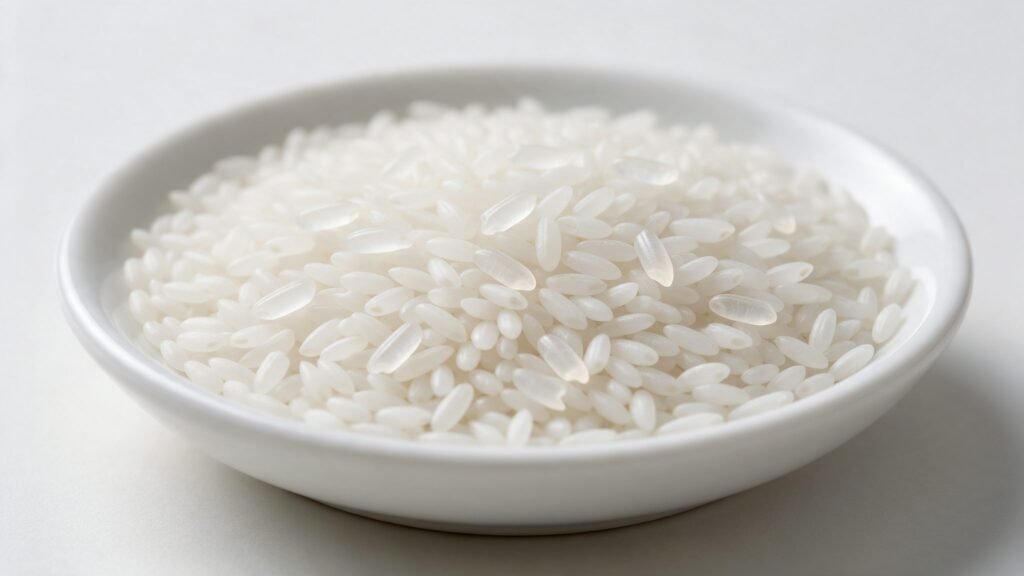
Super Kernel Basmati has become one of the most requested rice varieties across GCC markets. Importers in Saudi Arabia, UAE, Qatar, Kuwait, Bahrain, and Oman consistently seek this grade for its balance of quality, aroma, and competitive pricing. Unlike longer-grain varieties, Super Kernel offers a shorter, plumper grain that appeals to diverse consumer preferences across the region.
GCC buyers choose Super Kernel Basmati because it delivers consistent grain size, strong aroma, and reliable supply from certified Pakistani mills that meet ISO 9001:2015, ISO 22000:2018, HACCP, Halal, and USFDA standards. The variety performs well in both white and parboiled processing options, making it versatile for retail, hospitality, and catering channels. Importers prioritize traceable supply with verified inspection reports to reduce procurement risk and ensure repeat orders at scale.
Understanding buyer expectations, grading standards, and documentation requirements helps streamline the import process. This guide covers specifications, packaging, pricing structures, and market preferences that shape Super Kernel Basmati trade between Pakistan and GCC countries.
Key Takeaways
- Super Kernel Basmati meets GCC demand through certified processing, consistent grading, and competitive FOB pricing from Pakistani exporters
- Buyers require full documentation including ISO, HACCP, Halal certificates and third-party inspection reports for customs clearance
- Successful import partnerships depend on understanding regional preferences, contract terms, and quality specifications across different GCC markets
Essential Characteristics of Super Kernel Basmati
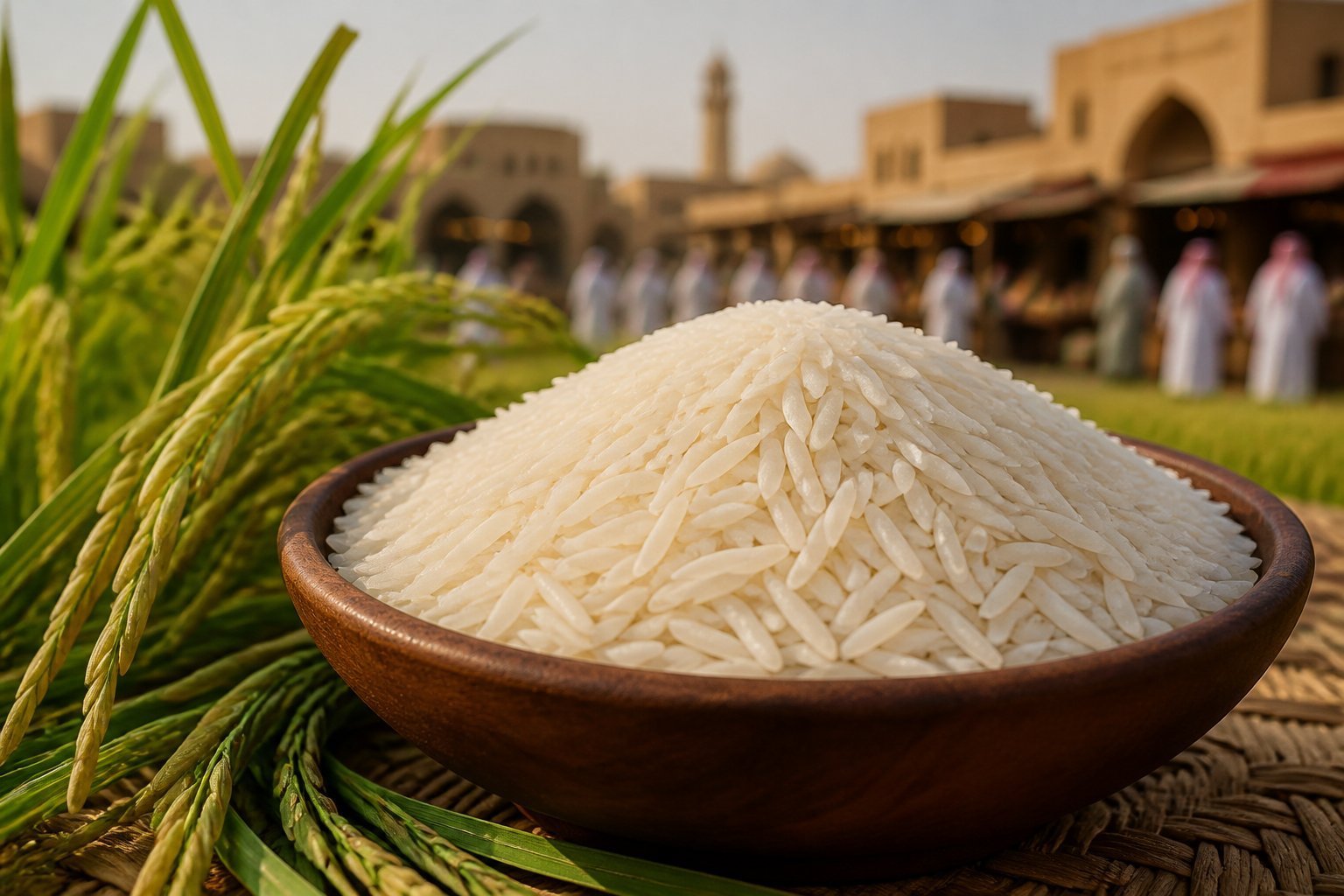
Super Kernel basmati features a raw grain length of 7.20mm, delivers a traditional basmati aroma, and offers a firmer cooking texture compared to longer varieties. It provides premium positioning at a more accessible price point than ultra-long grain options.
Grain Length and Aroma
Super Kernel basmati maintains a raw grain length of approximately 7.20mm before cooking. After cooking, the grains elongate significantly while maintaining their slender profile.
The variety produces a strong traditional basmati aroma that distinguishes it from non-basmati rice types. This aromatic profile comes from natural compounds developed during cultivation in Punjab’s fertile plains.
Key grain specifications include:
- Raw length: 7.20mm average
- Cooked elongation: 1.8x to 2x original length
- Width: Slender, uniform profile
- Texture: Non-sticky, fluffy when cooked properly
The grain maintains structural integrity during cooking. Premium Pakistani Super Kernel basmati separates cleanly without clumping, making it suitable for biryani, pulao, and side dishes.
Processing Types and Attributes
Pakistani basmati undergoes different processing methods that affect appearance, shelf life, and cooking properties. Each processing type serves specific market preferences and applications.
White basmati receives minimal processing after milling. It retains natural color and requires shorter cooking times. Food service operators prefer this type for dishes requiring quick preparation.
Steam-processed basmati goes through parboiling before milling. The steam treatment pushes nutrients from the bran into the grain. This processing extends shelf life and produces firmer cooked rice.
Sella basmati undergoes parboiling with the husk intact, creating a golden color. The process makes grains harder and less prone to breakage during transport. Sella maintains shape better under extended cooking or reheating.
All processing methods meet ISO 22000:2018 and HACCP standards when sourced from certified facilities. Buyers select processing types based on target markets, cooking applications, and storage requirements.
Comparing Super Kernel to 1121 and Other Pakistani Basmati
Super Kernel and 1121 basmati represent different positioning within the premium rice category. 1121 basmati features a longer raw grain at 8.30mm or more, while Super Kernel measures around 7.20mm.
1121 basmati dominates global export volumes due to its extra-long grain appeal. However, Super Kernel delivers stronger traditional aroma characteristics that some buyers prioritize over length.
Price positioning differs significantly:
| Variety | Raw Length | Aroma Strength | Price Tier |
|---|---|---|---|
| 1121 Basmati | 8.30mm+ | Moderate | Premium |
| Super Kernel | 7.20mm | Strong | Value-Premium |
| Standard Basmati | 6.50-7.00mm | Variable | Standard |
GCC food service operations choose Super Kernel for biryani and pulao programs where basmati authenticity matters but food cost requires management. The variety offers recognizable basmati characteristics without premium pricing of 1121 white or 1121 sella.
Both 1121 steam and Super Kernel meet certification requirements for international trade. Selection depends on whether buyers prioritize grain length or traditional aroma intensity for their specific market channels.
Key Specifications and Quality Standards
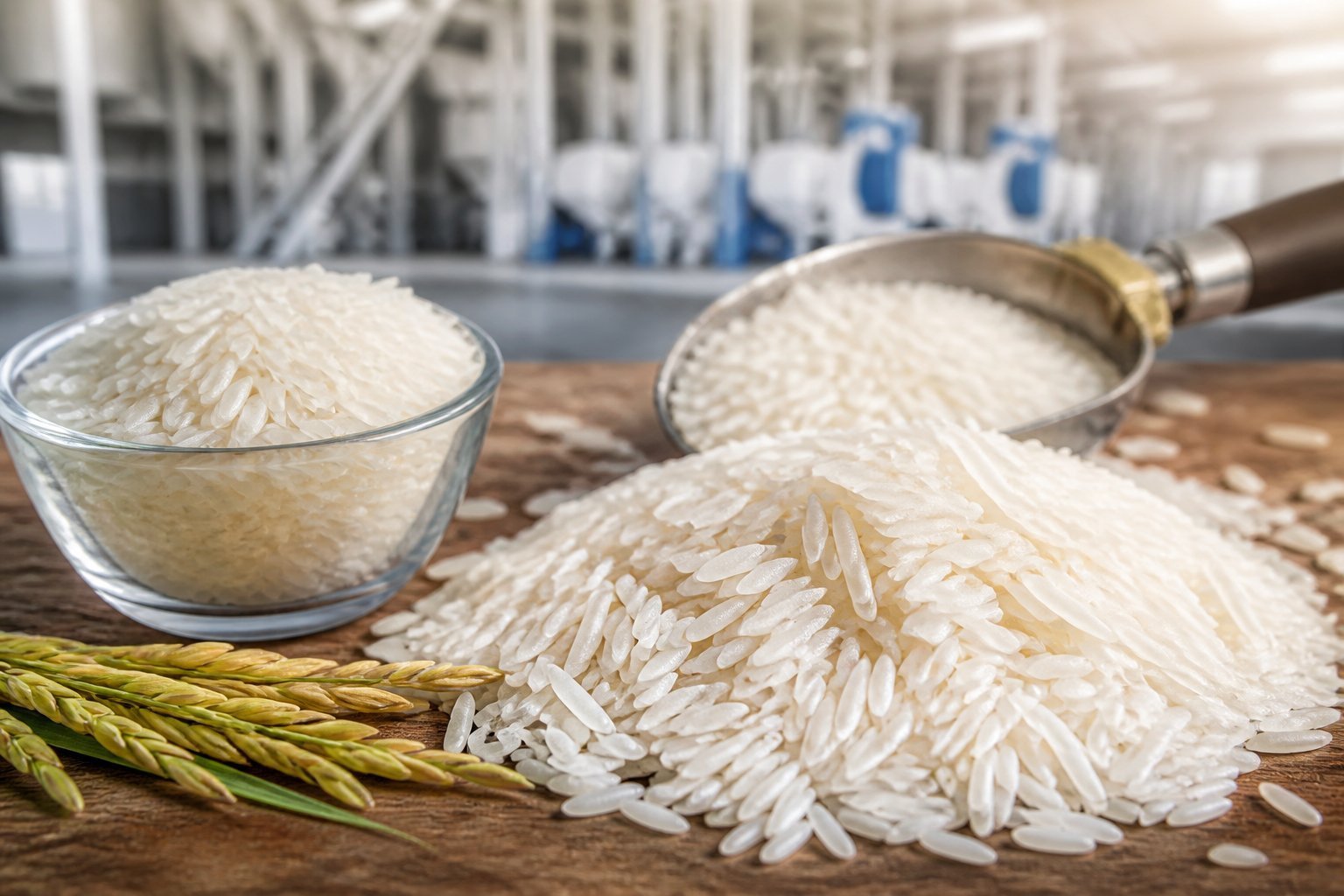
GCC buyers evaluate Super Kernel Basmati Rice against precise moisture limits, foreign matter thresholds, and broken grain percentages that determine product acceptance and pricing. These specifications protect storage stability, cooking performance, and compliance with import regulations across Gulf markets.
Moisture Content Requirements
Moisture content directly affects shelf life and resistance to spoilage during transport and storage in hot climates. Export-grade Super Kernel Basmati typically requires maximum 14% moisture content, though premium contracts often specify tighter limits between 12-13%.
Pakistani mills equipped with modern drying facilities consistently meet these standards under ISO 22000:2018 certification protocols. Buyers conduct moisture testing during pre-shipment inspection to verify compliance before container loading.
Higher moisture levels increase mold risk and weight discrepancies at destination ports. Lower readings below 12% can cause grain brittleness and excessive breakage during handling.
Acceptable Foreign Matter and Chalky Grains
Foreign matter includes non-rice particles, husks, stones, and other contaminants that affect purity ratings. Standard specifications limit foreign matter to maximum 0.1%, with stricter contracts requiring 0.05% or less.
Chalky grains appear opaque white due to incomplete starch formation and break easily during cooking. Quality standards typically allow maximum 1% chalky grains for export-grade lots.
Common Quality Thresholds:
- Foreign matter: ≤ 0.1%
- Paddy grains: ≤ 0.1 per 100 grains
- Damaged/yellow kernels: ≤ 1%
- Contrasting variety: ≤ 7%
HACCP-certified facilities in Pakistan use electronic color sorters and destoners to achieve these purity levels consistently.
Broken Grain Percentage and Inspection
Broken grain percentage measures kernels less than three-quarters of full grain length and determines grade classification. Premium Super Kernel Basmati allows maximum 2-5% broken grains, while 1121 Basmati often permits slightly higher percentages depending on contract terms.
Pre-shipment inspection includes physical sampling from multiple container locations to verify broken grain counts match purchase agreements. Grain length for Super Kernel typically ranges from 7.0-7.5mm, with longer kernels commanding premium pricing.
Excessive breakage during milling, handling, or transport creates financial disputes at discharge ports. ISO 9001:2015 certified exporters document breakage rates at each processing stage to maintain quality consistency and reduce buyer claims.
Processing and Packaging Options
Super Kernel Basmati from Pakistan arrives in three main processing formats, each suited to different cooking methods and storage needs. GCC buyers select packaging based on retail versus food service channels and local consumer preferences.
White, Sella, and Steam Varieties
White Super Kernel undergoes standard milling and polishing without parboiling. The grains retain maximum aroma and deliver soft, fluffy texture after cooking. This format works well for retail buyers targeting home cooks who prefer traditional basmati characteristics.
Sella (parboiled) Super Kernel goes through steam treatment before milling. The process pushes nutrients into the grain and creates firmer texture that holds up during reheating. Food service operators across UAE and Saudi Arabia choose sella for buffet lines and catering operations where rice sits under heat lamps.
Steam basmati receives partial parboiling for uniform cooking results. Processing differences between white and steam varieties affect aroma retention and shelf-life stability across GCC import conditions. 1121 sella and 1121 steam follow similar processing methods but start with longer base grain length compared to Super Kernel.
Packaging Formats for GCC Buyers
Retail Packaging:
- 1 kg, 5 kg, 10 kg consumer bags
- Printed or plain polypropylene
- Vacuum-sealed options for premium positioning
- 25 kg and 50 kg PP bags
- Food service standard for restaurants
- Labeled with batch codes and production dates
Pakistani basmati varieties including Super Kernel ship in packaging that meets ISO 22000:2018 and HACCP standards. GCC importers specify printing requirements, logo placement, and nutritional panel formatting based on local retail regulations.
Documentation and Certification for GCC Trade
GCC importers require specific certifications and documentation to clear customs and meet local food safety regulations. Pakistani basmati shipments must include inspection reports, fumigation certificates, and halal compliance documents before containers leave the port of origin.
Pre-Shipment Inspection Protocols
Pre-shipment inspection verifies grain quality, moisture content, and broken grain percentage before export. Third-party inspection agencies like SGS or Bureau Veritas conduct these assessments at the mill or warehouse in Pakistan.
The inspection report documents grain length, which for Super Kernel Basmati typically measures 7.0-8.0mm. Moisture levels must stay below 14% to prevent spoilage during sea freight. Broken grain percentage should not exceed 5% for premium grades.
GCC buyers often require ISO 22000:2018 certification, which confirms that the rice processor maintains food safety management systems throughout production. HACCP certification provides additional verification of critical control points during milling and packaging.
Fumigation Certificate Requirements
All rice containers shipped to GCC markets need fumigation certificates issued by licensed pest control operators. The certificate confirms that the shipment was treated to eliminate insects, larvae, and other contaminants.
Fumigation typically occurs after bagging but before container loading. The treatment uses phosphine gas or approved alternatives that meet GCC phytosanitary standards.
The certificate must include:
- Treatment date and duration
- Chemical type and concentration
- Container seal number
- Licensed operator signature
UAE and Saudi customs reject containers without valid fumigation documentation. The certificate remains valid for 21 days from the treatment date in most GCC countries.
Halal Certification and Compliance
Halal certification confirms that basmati rice processing follows Islamic dietary guidelines. While rice is naturally halal, certification verifies that no cross-contamination occurs during milling, storage, or packaging.
Recognized halal certification bodies include JAKIM (Malaysia), MUI (Indonesia), and local GCC authorities. Pakistani exporters typically obtain certificates from Pakistan’s halal certification councils, which GCC countries accept.
The certificate must show the mill name, product description, and certification period. Rice packaged in facilities that also handle non-halal products requires separate production lines and documented cleaning procedures.
Pricing Structure and Trade Terms
Super Kernel Basmati from Pakistan trades at $950–$1,050 per metric ton FOB Karachi, while 1121 basmati commands $1,135–$1,205, making Super Kernel the value-tier premium choice for GCC buyers. Payment structures and freight timelines directly affect landed cost and working capital requirements.
FOB Karachi Benchmarks
Super Kernel positions as value-tier premium basmati with 7.20mm grain length, priced below 1121 varieties but above non-basmati rice. White Super Kernel typically trades at $950–$1,050 per MT FOB Karachi. Super Kernel Sella ranges from $980–$1,080 per MT, while Steam variants fall within $970–$1,070 per MT.
1121 Sella and 1121 Steam carry a premium of $150–$200 per MT over Super Kernel due to longer grain length. GCC food service operators select Super Kernel when they need traditional basmati character at workable food cost. Saudi Arabia and UAE buyers use it for biryani and pulao programs where 1121 pricing exceeds channel margins.
Pakistani basmati from ISO 9001:2015, ISO 22000:2018, HACCP, Halal, and USFDA certified mills meets GCC import standards. Rice importers compare Super Kernel against 1121 based on grain length and aroma before finalizing contracts.
Payment Methods and Terms
Standard export contracts use Letter of Credit (L/C) at sight or 30–60 day usance. Established buyers with trade history negotiate 30% advance and 70% against document presentation. Payment terms match cash-flow cycles with shipment milestones and quality verification before funds release.
L/C at sight requires immediate payment upon document presentation at the buyer’s bank. Usance L/C allows 30–60 day deferred payment after acceptance. Rice importers with strong credit facilities prefer usance terms to manage inventory financing.
Telegraphic Transfer (T/T) applies to repeat orders where both parties have established trust. Most GCC contracts include pre-shipment inspection and third-party lab testing as payment prerequisites.
Freight and Delivery Timelines
Container shipments from Karachi Port to Jebel Ali take 7–9 days, while transit to Dammam requires 10–12 days. A 20-foot container holds approximately 25–26 MT of bagged rice, and a 40-foot container accommodates 26–27 MT. Freight costs fluctuate between $400–$650 per container depending on season and fuel surcharges.
GCC buyers request CFR (Cost and Freight) or CIF (Cost, Insurance, and Freight) quotations for landed cost clarity. FOB Karachi pricing shifts the freight and insurance responsibility to the importer. Lead time from contract signature to port delivery spans 21–28 days, including milling, bagging, inspection, and shipping.
Pakistani rice meets all GCC customs documentation requirements, including phytosanitary certificates, certificate of origin, and fumigation reports where mandated.
Buyer Preferences Across GCC Markets
GCC buyers prioritize grain length, aroma, and cooking consistency when selecting basmati varieties, with demand split between ultra-premium long-grain options and mid-tier alternatives. Country-specific preferences and price sensitivity shape procurement decisions across Saudi Arabia, UAE, Qatar, Kuwait, Oman, and Bahrain.
Popular Varieties by Country
Saudi Arabia absorbs the largest volume of Pakistani basmati rice through retail and foodservice channels. Hotels and restaurants favor 1121 basmati for its extreme grain length and elongation ratio. Super Kernel basmati serves mid-market retail due to balanced pricing and reliable cooking performance.
UAE buyers split between premium 1121 for hospitality contracts and Super Kernel white for hypermarket distribution. Dubai’s re-export trade demands consistent moisture content and minimal breakage rates.
Qatar imported over 250,000 metric tons of rice recently, with premium long-grain segments dominated by Pakistani basmati suppliers. Government tenders and hotel groups specify aroma retention and elongation benchmarks that 1121 and Super Kernel varieties meet.
Kuwait, Oman, and Bahrain favor Super Kernel for household consumption due to moderate pricing and shelf stability.
Premium Versus Economy Segments
Premium basmati accounts for growing share as household consumption patterns shift toward branded, certified grains. Rice importers serving five-star hotels and airline caterers specify 1121 basmati with grain length exceeding 8.3mm and aging periods of 12 to 24 months.
Economy segments rely on Super Kernel and steam-treated basmati priced 15 to 25 percent below ultra-premium options. These varieties suit bulk institutional buyers and discount retail chains focused on volume rather than provenance.
Certification requirements remain uniform across segments. Pakistan basmati shipments must carry ISO 22000:2018, HACCP, and Halal documentation regardless of price tier. Premium buyers add USFDA and pesticide residue testing to import specifications.
Building Successful Import Partnerships
Effective partnerships in the Super Kernel Basmati trade depend on understanding the role of intermediaries and selecting suppliers that meet both quality and compliance standards. Rice importers in the GCC operate through established channels that prioritize certification, consistency, and logistics efficiency.
Role of Rice Importers and Traders
Rice importers serve as the primary link between Pakistani mills and GCC end markets. They handle quality verification, documentation, and distribution to retailers, food service operators, and wholesale buyers.
Most rice importers maintain direct relationships with certified mills in Pakistan. These partnerships ensure consistent access to Super Kernel Basmati that meets ISO 22000, HACCP, and Halal standards.
Traders also manage logistics complexities. They coordinate shipments from Karachi to Jebel Ali or Hamad Port, typically completing transit within 4-10 days.
Importers often provide additional services:
- Quality control through pre-shipment inspections
- Regulatory compliance with GCC food safety requirements
- Flexible packaging for different market segments
- Payment terms that reduce buyer risk
Working with established importers reduces the burden on retail buyers. It also provides access to multiple varieties without managing individual supplier relationships.
Sourcing Channels and Supplier Selection
Buyers access Pakistan Basmati through three main channels: direct mill purchases, established importers, or trading platforms. Each offers different trade-offs between price, reliability, and service.
Direct sourcing from Pakistani mills typically offers the lowest unit cost. However, it requires buyers to manage quality verification, shipping arrangements, and customs clearance independently.
Partnering with GCC-based importers simplifies operations. These distributors maintain inventory locally, handle compliance documentation, and offer smaller minimum order quantities. Contact established distributors to discuss specific volume requirements and delivery schedules.
Key supplier selection criteria include:
- Valid ISO 9001:2015 and ISO 22000:2018 certifications
- Consistent grain specifications (5% broken maximum for Super Kernel)
- Transparent pricing with clear CNF or FOB terms
- References from existing GCC buyers
Buyers should request lab reports for moisture content, broken grain percentage, and foreign matter before finalizing contracts. Samples should be tested independently when possible.
Frequently Asked Questions
Buyers sourcing Super Kernel Basmati for Gulf markets need clarity on quality verification, shipping logistics, and compliance requirements. Payment terms and seasonal factors also influence order planning and supplier relationships.
What quality specifications and grain characteristics should be verified before placing a bulk order?
Super Kernel Basmati buyers should verify grain length before and after cooking. Raw grains typically measure 7mm to 8mm and elongate to at least double that length when cooked.
Moisture content must stay between 12% and 14% to prevent spoilage during shipment. Broken grain percentage should not exceed 5% for premium grades.
Aroma intensity is a defining trait of Super Kernel Basmati cultivated in Punjab, Pakistan. Buyers should request samples to assess fragrance strength before committing to large orders.
Purity percentage should be at least 95%, with minimal foreign matter or discolored grains. Suppliers meeting ISO 9001:2015 and ISO 22000:2018 standards provide documented quality assurance.
Which packaging formats and private-label options are most suitable for retail and foodservice channels in the Gulf region?
Retail packaging for GCC markets typically uses 1kg, 5kg, and 10kg polypropylene bags with printed branding. Private-label services allow importers to add custom logos, nutritional panels, and bilingual Arabic-English text.
Foodservice channels prefer 20kg, 25kg, and 50kg bulk bags for restaurants and catering operations. These formats reduce per-unit costs and simplify inventory management.
Vacuum-sealed bags extend shelf life in humid Gulf climates. Some suppliers offer jute bags for premium positioning in specialty stores.
TEFT Global sources rice that meets Halal certification requirements, which is essential for all packaging formats distributed in the region. Buyers should confirm that suppliers can provide certificate copies for customs clearance.
What are the typical lead times, shipping routes, and incoterms used for deliveries to major Gulf ports?
Lead times from Pakistani mills to Gulf ports range from 14 to 21 days depending on vessel availability and customs processing. FOB Karachi is the most common Incoterm, with buyers arranging ocean freight and insurance.
CFR and CIF terms are also available when suppliers handle freight or full logistics. Direct shipping routes connect Karachi to Jebel Ali, Hamad Port, and Dammam.
Container capacity is typically 26 metric tons for 20-foot containers and 28 metric tons for 40-foot units. Buyers should confirm container weights with freight forwarders to avoid overweight penalties.
Seasonal demand around Ramadan and major holidays can extend lead times by one to two weeks. Advance booking helps secure vessel slots during peak periods.
Which laboratory tests and certifications are commonly required for import clearance and buyer compliance?
GCC import authorities require pesticide residue tests, heavy metal screening, and microbial analysis before clearance. Labs must be accredited to ISO/IEC 17025 standards.
Aflatoxin levels must comply with Gulf Standardization Organization limits, typically below 5 parts per billion for total aflatoxins. Moisture content and broken grain percentage are verified at discharge ports.
Halal certification is mandatory for all rice imports into Saudi Arabia, UAE, Qatar, Kuwait, Bahrain, and Oman. HACCP and ISO 22000:2018 certificates demonstrate food safety compliance.
USFDA registration may be required for suppliers exporting to Gulf distributors who re-export to the United States. Buyers should request copies of all certificates before shipment to prevent customs delays.
How do crop seasonality and aging affect aroma, cooking performance, and price stability over the year?
Pakistani Basmati is harvested between October and December, with peak availability from November onward. Freshly milled rice has higher moisture content and stronger aroma but may cook slightly stickier.
Aging for six to twelve months improves grain separation and texture. Aged rice commands premium prices due to enhanced cooking performance and reduced moisture.
Prices are lowest immediately after harvest when supply peaks. By mid-year, aging costs and reduced inventory push prices higher.
GCC rice importers and European buyers typically prefer aged stock for consistent quality. Buyers placing orders in early spring secure better rates before seasonal price increases.
What payment terms and risk-mitigation practices are standard for first-time transactions with overseas suppliers?
First-time buyers typically use Letter of Credit (LC) terms to protect both parties. Suppliers ship against LC presentation, and banks release payment upon document verification.
Advance payment terms of 30% to 50% are common with established suppliers who accept Telegraphic Transfer (TT). Remaining balances are paid against bill of lading copies.
Third-party inspection services such as SGS or Bureau Veritas provide independent quality verification before shipment. Buyers include inspection clauses in purchase agreements to ensure compliance with agreed specifications.
Trade credit insurance mitigates non-payment risk for suppliers extending open account terms. Buyers working with importers like TEFT Global benefit from established supplier relationships and verified quality standards including ISO 9001:2015, ISO 22000:2018, and Halal certification.
TEFT Global supplies Super Kernel Basmati Rice to importers and distributors across the GCC. All shipments are sourced from ISO 9001:2015, ISO 22000:2018, HACCP, Halal, and USFDA certified mills in Pakistan. To request a sample or discuss supply requirements, contact our team at teftglobal.com.